



The best micro influencer marketing platforms do more than place your profile in a database. They determine which brands you can reach, how opportunities arrive, what you are expected to create, whether compensation comes through product, fees, commission, or a hybrid, and how much control you retain over your content.
For content creators, that changes the comparison. A platform with the largest network is not automatically the most useful. The right choice is the one that gives your current niche, audience, content skills, and business goals a realistic path to worthwhile creator partnerships. This guide compares eight active platforms from that creator-first perspective and gives you a practical method for choosing your first two.
Key Takeaways
- The strongest creator platform is the one whose opportunity model matches what you can reliably deliver, not the one with the largest public network.
- Product seeding, sponsored posts, UGC production, affiliate programs, and shoppable content are different income models that require different creator skills.
- Start with one anchor platform for repeatable opportunities and one expansion platform that adds a different compensation or distribution model.
- Compare total deal value after production time, expenses, revisions, usage rights, exclusivity, and payment timing.
- Rehire rate and repeat invitations are stronger long-term signals than application volume alone.
What Is a Micro Influencer Marketing Platform for Creators?
A micro influencer marketing platform connects smaller content creators with brands, campaign briefs, product seeding opportunities, paid content work, affiliate programs, or UGC assignments. Some platforms act as searchable marketplaces, while others manage activation and delivery. The creator-facing value depends on access, compensation, workflow clarity, rights, and the likelihood of repeat work.
Micro influencer definitions vary, so follower count should be treated as one input rather than a universal rule. Stack Influence's guide to influencer tiers uses 10,000 to 100,000 followers for the micro tier and 1,000 to 10,000 for the nano tier, but individual platforms may accept creators below, within, or above those ranges.
A creator platform also differs from a brand-only influencer database. A database may let marketers search profiles without giving creators an application path. A true creator-facing platform gives you a way to build a profile, receive or find opportunities, review a brief, complete deliverables, and move through approval or payment.
The Creator Opportunity Ledger
The Creator Opportunity Ledger is a five-part method for evaluating platforms before you invest hours building profiles and sending applications. It replaces vague questions such as “Is this platform popular?” with information that affects your actual creator business.
Record these five fields for every platform:
- Entry Conditions: Follower thresholds, location rules, supported channels, required content quality, application review, and account status.
- Opportunity Source: Open marketplace applications, direct brand invitations, managed matching, inbound storefront orders, affiliate discovery, or a combination.
- Compensation Model: Gifted product, reimbursement, flat fee, commission, performance bonus, licensing fee, or hybrid compensation.
- Rights Burden: Organic posting, UGC delivery, paid-ad authorization, license duration, exclusivity, revision limits, and raw-footage requirements.
- Repeat Value: Ratings, collaboration history, brand rehire tools, ambassador programs, affiliate continuity, and performance records that improve future access.
Network size belongs in the ledger, but it should not control the decision. Public claims verified in August 2026 include 1.1 million or more creators on Collabstr, roughly 600,000 vetted creators in Stack Influence's supplied company data, 200,000 global creators on LTK, more than 100,000 influencers and UGC creators on Insense, and more than 70,000 opt-in creators on TRIBE. Those totals use different definitions and do not reveal how many suitable opportunities a particular creator will see.
This is the corrective insight most platform roundups miss: creators do not earn from network size. They earn from relevant opportunities that survive the full path from invitation or application to approved deliverable and usable compensation. A smaller, tightly matched platform can create more value than a huge marketplace where your niche is crowded or the deal structure does not fit your work.
The same distinction applies to product seeding. A structured campaign with defined requirements is different from no-obligation public relations gifting, as the practical guide to influencer seeding explains. Before accepting, identify whether the product is a gift, compensation for required content, or the first step in a larger paid relationship.

8 Best Micro Influencer Marketing Platforms for Creators
These eight platforms were selected because they maintain an active creator-facing workflow and support at least one meaningful path to product seeding, sponsored content, UGC, affiliate income, or shoppable commerce. The list is not based on a fabricated composite score. Each review uses the Creator Opportunity Ledger and current official platform information available in August 2026.
Stack Influence
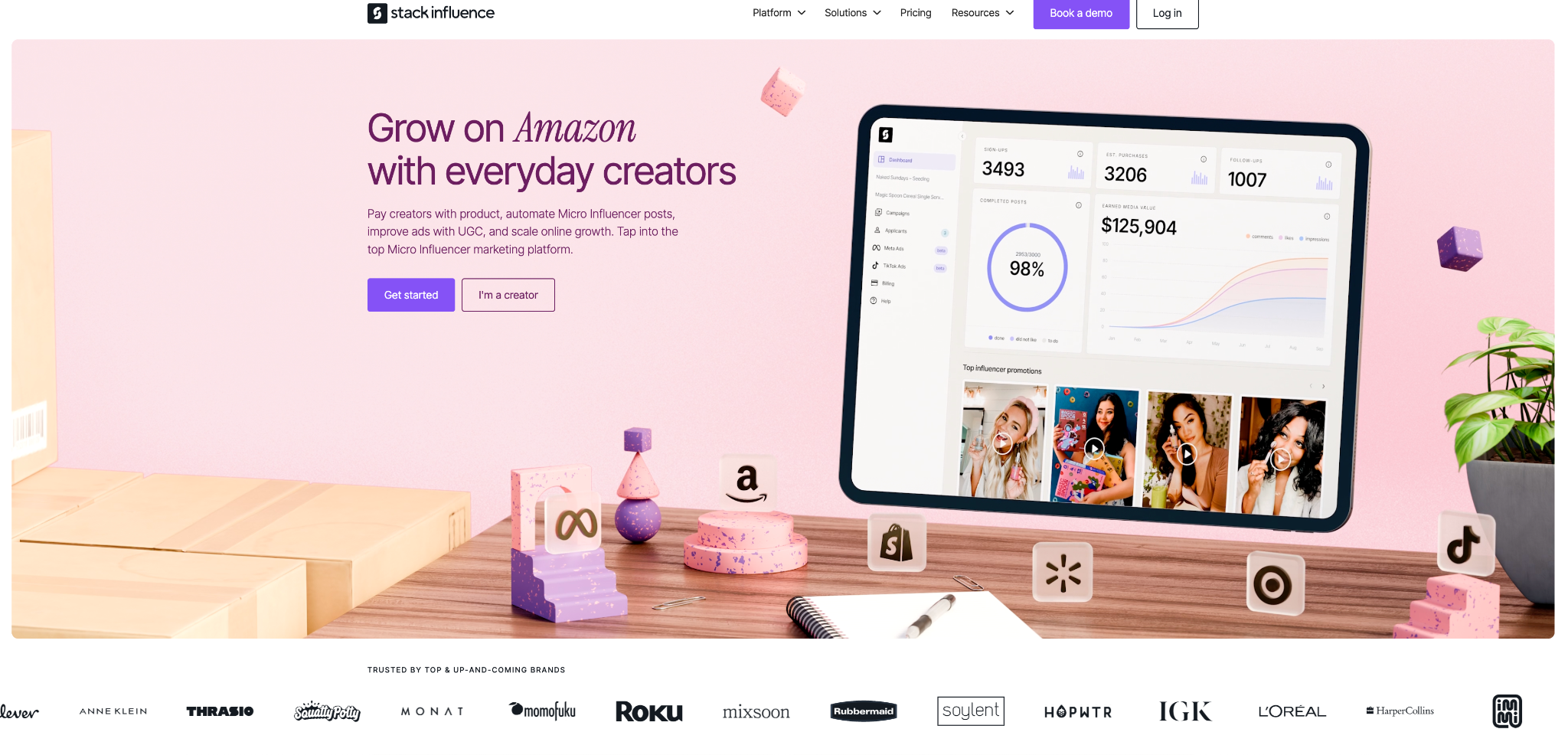
Stack Influence is a micro influencer marketing platform built around gifted-first product seeding and managed campaign execution for ecommerce brands. The platform coordinates creator activation, product ordering or reimbursement, campaign communication, completed posts, and UGC collection rather than operating only as a searchable profile directory. Its supplied company data describes a network of roughly 600,000 vetted creators.
The current Stack Influence creator FAQ says creators can apply with at least 200 Instagram followers and original content. Standard campaigns compensate participants with free product, while some opportunities may include additional monetary compensation. The FAQ also states that creators should contact campaign support if they do not feel comfortable sharing a product after trying it.
Best-Fit Workflow: Stack Influence is especially useful for micro influencers, nano influencers, UGC creators, and bloggers who want structured ecommerce product experiences, clear campaign checkpoints, and completed-post accountability without managing every brand interaction through scattered direct messages. The model is particularly practical for building product demonstration experience and a credible history of completed brand collaborations.
Collabstr

Collabstr's creator marketplace combines an inbound service storefront with open campaign applications. Creators can list platforms, content types, and rates, then let brands order packages directly. They can also browse active campaigns and apply with their own pricing, which gives creators two distinct ways to generate opportunities.
Collabstr says brands fund orders before work begins, with funds held until delivery and approval. Completed orders and reviews become part of the creator's marketplace record, so a strong operating history can improve future conversion. What to know: the storefront model rewards precise packages, clear revision limits, and explicit usage terms, while a broad marketplace can require frequent profile optimization to remain competitive.
Aspire

Aspire's creator marketplace lets creators connect social accounts, set categories and rates, browse campaigns, filter by channel or compensation type, and manage agreements, product selection, drafts, and final deliverables through its portal. The platform also offers curated matching, which can supplement self-directed applications.
Aspire states that creators can join, apply, and collaborate for free. Its marketplace includes gifted, ambassador, affiliate, content, and paid opportunities, so it can support a creator who wants to move from one-off campaigns toward recurring partnerships. What to know: marketplace volume does not guarantee selection, and creators still need a current portfolio, tailored applications, and rates that reflect the exact scope and rights requested.
Insense

Insense for creators spans influencer posting, product seeding, content-only UGC, affiliate work, Meta partnership ads, TikTok Spark Ads, and TikTok Shop campaigns. Its official page says payment is reserved after a creator is hired and released after approved deliverables, while badges and brand ratings help creators build marketplace credibility.
Insense currently publishes minimum profile signals that include at least 1,000 Instagram followers, at least 500 median TikTok views, and at least a 1 percent engagement rate. What to know: the platform's variety creates different rights obligations. A content-only video, an organic post, and an ad-authorized asset should not share one price without accounting for production, license duration, paid media, and any account authorization.
impact.com
The impact.com influencer marketplace combines creator campaigns with affiliate links, promo codes, gifts, workflow management, analytics, and multiple compensation structures. Creators can filter campaigns by vertical, location, or compensation type and send proposals rather than waiting only for inbound invitations.
The platform supports flat fees, commissions, and performance-based payouts, which makes it useful for creators who want to connect content with tracked commerce. What to know: commission and performance deals transfer more outcome risk to the creator. Confirm the base fee, attribution window, eligible products, returns treatment, discount-code logic, payment schedule, and access to performance data before treating projected commission as earned income.
Creator.co
Creator.co's creator platform supports brand discovery, applications, direct invitations, collaboration management, payment tracking, portfolio building, and campaign performance records. A creator profile functions as a media kit containing content, audience information, previous collaborations, and performance evidence.
The platform also offers education and a creator community, which can be useful for people formalizing their commercial workflow. What to know: Creator.co states that content made through its campaigns grants usage rights to the partnering brand under its terms. Creators should read the campaign-specific agreement, identify the license duration and media, and price the value of those rights rather than evaluating the production fee alone.
TRIBE
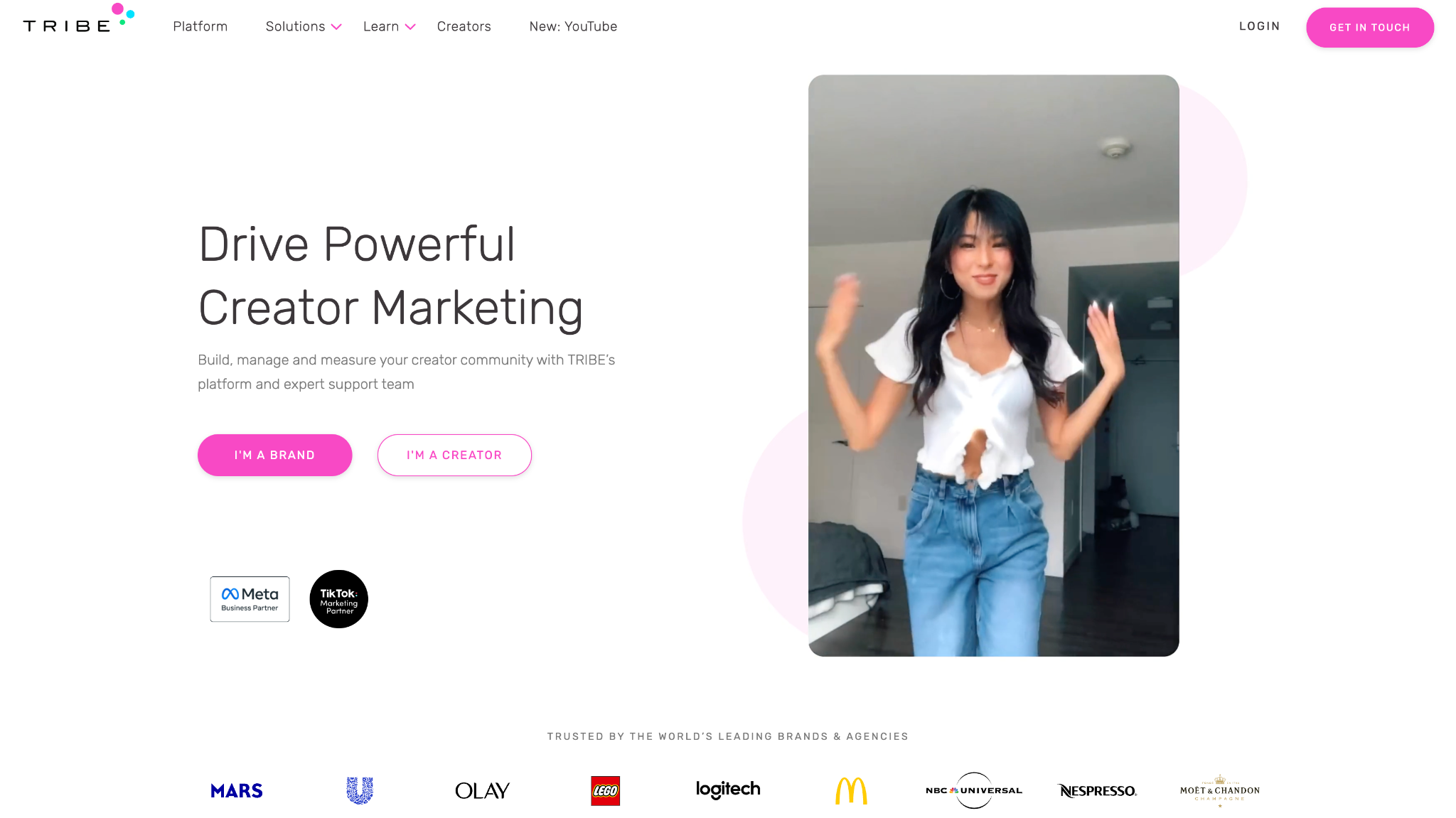
TRIBE's creator platform is built around creator-led campaign participation. Creators choose briefs, develop a pitch or submission, set or review compensation, and use a centralized platform for approvals, legal terms, and payment. TRIBE also supports social posts and licensed content.
The model gives creative quality a visible role in selection and can reward creators who are skilled at developing campaign-specific concepts. What to know: a pitch-first workflow can consume meaningful unpaid ideation time when submissions are not selected. Treat early pitches as controlled concepts, reserve full production for the appropriate approval stage, and include content rights, revisions, and out-of-pocket production expenses in the proposed fee.
LTK
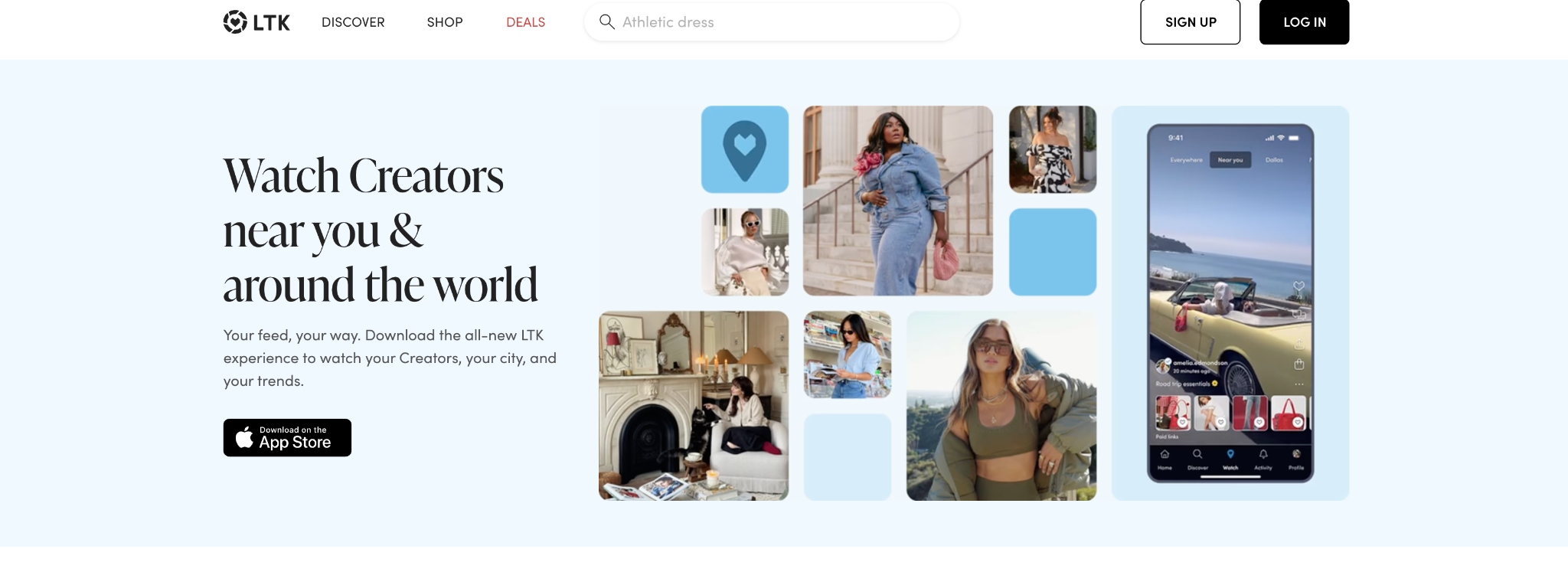
LTK's creator program centers on shoppable content, personalized creator storefronts, brand collaborations, product links, distribution tools, and performance data. LTK says applicants should have a public profile, an engaged following, and a consistent record of high-quality shoppable content.
The platform is especially relevant for creators whose audiences regularly ask where to buy fashion, beauty, home, wellness, travel, food, or lifestyle products. What to know: LTK is application-based and expects ongoing commerce-oriented publishing. Creators who treat the storefront as an occasional link archive may capture less value than those who can maintain product curation, consistent distribution, and performance review as a recurring workflow.
Quick Comparison by Creator Goal
Use these labels as a shortlist, not as universal rankings:
- Stack Influence: Managed ecommerce product seeding, smaller-creator access, campaign coordination, authentic product experience, and completed-post accountability.
- Collabstr: Creator-controlled service packages, inbound bookings, active campaign applications, and protected marketplace payments.
- Aspire: A broad campaign marketplace with profile-based applications, curated matching, product selection, and relationship-building workflows.
- Insense: UGC production, influencer posts, product seeding, affiliate campaigns, and creator-authorized paid media in one app.
- impact.com: Affiliate and performance partnerships combined with campaign discovery, links, codes, gifts, and payout management.
- Creator.co: Brand discovery, a professional creator profile, education, collaboration management, and performance records.
- TRIBE: Creative pitching, creator-set or campaign-set compensation, licensed content, and social campaign opportunities.
- LTK: Shoppable content, creator storefronts, affiliate commerce, retail brand relationships, and purchase-oriented audiences.
The most useful comparison is not “Which platform has everything?” It is “Which platform solves my next constraint?” A new nano influencer may need structured product experience. An experienced UGC creator may need clearer licensing opportunities. A commerce-focused creator may need stronger affiliate tracking, while an established niche influencer may need repeat ambassador work.
Build an Anchor-and-Expansion Platform Pair
The Anchor-and-Expansion method prevents platform overload. Choose one anchor platform whose workflow fits your current strengths, then add one expansion platform that introduces a different opportunity source or compensation model. Do not join six marketplaces and mistake profile creation for business development.
A practical pairing may look like this:
- Product Experience Pair: Stack Influence as the anchor for structured product seeding, with Collabstr as the expansion path for creator-priced services.
- UGC and Distribution Pair: Insense as the anchor for content and creator-ad opportunities, with Aspire as the expansion path for broader brand campaigns.
- Commerce Pair: impact.com as the anchor for tracked performance partnerships, with LTK as the expansion path for shoppable storefront content.
- Creative Pitch Pair: TRIBE as the anchor for concept-led submissions, with Creator.co as the expansion path for profile discovery and campaign management.
A broader guide to creator apps can help separate partnership platforms from editing, analytics, and monetization tools. The brand-deal guide for TikTok and Instagram creators can then help you improve the portfolio and pitch that those platforms expose to brands.
For an illustrative five-hour weekly platform operating budget, allocate 2 hours to campaign search and applications, 1.25 hours to platform-ready samples and portfolio assets, 0.75 hours to profile and rate-card maintenance, 0.5 hours to follow-up and campaign administration, and 0.5 hours to performance review and post-campaign reporting. That equals 40 percent, 25 percent, 15 percent, 10 percent, and 10 percent of the five-hour budget. This is a planning scenario, not an industry benchmark.
Run the pair for 60 days before adding another platform. Record qualified opportunities, accepted deals, total work hours, compensation, rights, payment speed, and repeat invitations. Keep the pair when it produces commercial value or strong portfolio evidence, and replace the weaker platform when it produces activity without progress.
The Hidden Cost Most Platform Lists Ignore: Content Rights
Content rights can be worth as much as production because the same asset may be used in different places, for different durations, and with different commercial reach. A creator should separate the work of making content from the license that lets a brand publish, advertise, edit, or reuse it.
Clarify these rights before accepting:
- Organic Social Use: Whether the brand may repost the asset on its owned social accounts.
- Paid Media Use: Whether the brand may run the content as an advertisement, partnership ad, Spark Ad, or other paid placement.
- Website and Marketplace Use: Whether the asset may appear on product pages, Amazon listings, Shopify pages, email, or retailer channels.
- License Duration: A fixed term, renewal option, or perpetual use.
- Exclusivity: Whether you may work with competing brands and for how long.
- Editing and Raw Files: Whether the brand may cut, remix, subtitle, or create variations from delivered footage.
- Identity Rights: Whether your name, image, voice, handle, or likeness can be used outside the original post.
This is also where UGC platforms and influencer platforms diverge. The content creator's guide to UGC marketing explains that a UGC deal can pay for the asset even when the creator never distributes it to an audience. An influencer deal usually includes audience access, while a hybrid deal can include both posting and brand reuse.
Disclosure is separate from licensing. The Federal Trade Commission's disclosure guidance says free or discounted products can create a material connection and that the disclosure should be clear, hard to miss, and placed with the endorsement. A platform's built-in label may help, but creators remain responsible for making the relationship understandable to viewers.
How Should Creators Measure Platform Results?
Creators should measure a platform as a funnel from qualified access to durable commercial value. Track opportunities, acceptance, delivery, economics, rights, and repeat work separately. The best platform is not necessarily the one with the most invitations. It is the one that turns reasonable effort into worthwhile, well-defined, and repeatable partnerships.
Use six measurement layers:
- Access: Qualified invitations, relevant open campaigns, profile views, and applications submitted.
- Acceptance: Accepted deals divided by qualified applications, measured separately by platform and deal type.
- Delivery: On-time completion, approval rate, revision rounds, support issues, and payment completion.
- Economics: Cash fees, realistic product value, commissions received, direct expenses, and total labor hours.
- Rights: License duration, paid use, exclusivity days, raw footage, and channels covered.
- Repeat Value: Rehires, repeat invitations, rating growth, direct brand introductions, and affiliate continuity.
Calculate net effective hourly value as:
(Cash Received + Realistic Product Value + Earned Commission - Direct Expenses) ÷ Total Hours Worked
Use the price you would reasonably have paid for a product, not an inflated retail number that has no value to you. Keep gifted value, cash income, and commission separate in your records so one strong product does not hide weak cash flow.
A creator-focused analytics dashboard should also separate campaign delivery from audience performance and attributed commerce. Views and engagement explain response, while clicks, codes, affiliate sales, and brand reporting provide outcome evidence. Attribution can miss cross-device purchases, delayed searches, retail sales, and conversions outside the tracked window, so report directly measured outcomes without pretending they capture every influenced purchase.
Compare your numbers after a consistent window, such as 60 days or ten qualified applications, rather than after one rejection. Then compare the platform's effective hourly value with the wider factors described in the guide to how much micro influencers make, including niche, format, audience quality, production effort, and deal structure.
How Do You Choose Your First Two Platforms?
Choose two platforms that match your current proof and create different kinds of upside. One should provide a realistic path to opportunities now, while the other should expand your compensation, distribution, or relationship model. Review both for 60 days using the same ledger and replace activity that does not produce qualified progress.
Use these starting points:
- Fewer than 1,000 followers with strong product content: Start with Stack Influence if you meet its current Instagram eligibility, then add Collabstr when you can package clear UGC or posting services.
- At least 1,000 followers with strong short-form video: Compare Stack Influence or Aspire for product and campaign experience with Insense for UGC and creator-ad workflows.
- A purchase-oriented lifestyle audience: Use LTK for shoppable curation and impact.com for affiliate or performance partnerships.
- Strong concepts and an active portfolio: Test TRIBE for creative submissions and Creator.co for profile-led discovery and campaign management.
- An established niche community: Use Aspire for broader applications and one specialized platform that matches your strongest income model.
Do not apply to every visible campaign. A qualified application should pass four checks: the product fits your audience, the compensation fits the work, the rights fit the fee, and the timeline fits your production capacity. Relevance improves both acceptance odds and the chance that the resulting content feels believable.
Choose Opportunity Quality, Not Platform Count
The best micro influencer marketing platforms for creators are not interchangeable directories. Each one creates a different exchange among brand access, creative work, audience distribution, product value, cash compensation, performance upside, licensing, and long-term relationships.
Start with the Creator Opportunity Ledger, choose an Anchor-and-Expansion pair, and measure the full deal rather than the visible fee alone. For creators who want structured ecommerce product seeding and completed campaign workflows, evaluating the current Stack Influence creator opportunities is a logical next step. The goal is not to collect more platform accounts. It is to build a smaller system that produces better work, clearer value, and stronger repeat partnerships.