
The latest info on influencer marketing trends, micro influencer news, and the world of social media

Finding the right brand ambassadors on Instagram can amplify your reach and bring authentic buzz to your business. In today’s e-commerce era, tapping into micro influencers and passionate fans as ambassadors is a powerful strategy for Amazon sellers, DTC brands, and startups alike. Instagram remains a prime platform for discovering these content creators who genuinely love your brand and will promote it to their followers. Brand ambassadors help generate trustworthy word-of-mouth and invaluable user-generated content (UGC) that fuels sales.
Modern consumers trust people over ads – and that’s where brand ambassadors shine. In fact, influencer-driven campaigns can deliver an impressive return on investment; for Amazon sellers, studies show an average of about $6.50 in revenue for every $1 spent on influencer marketing. Let’s explore how you can find passionate Instagram brand ambassadors and build a program that turns fans into loyal champions for your business.
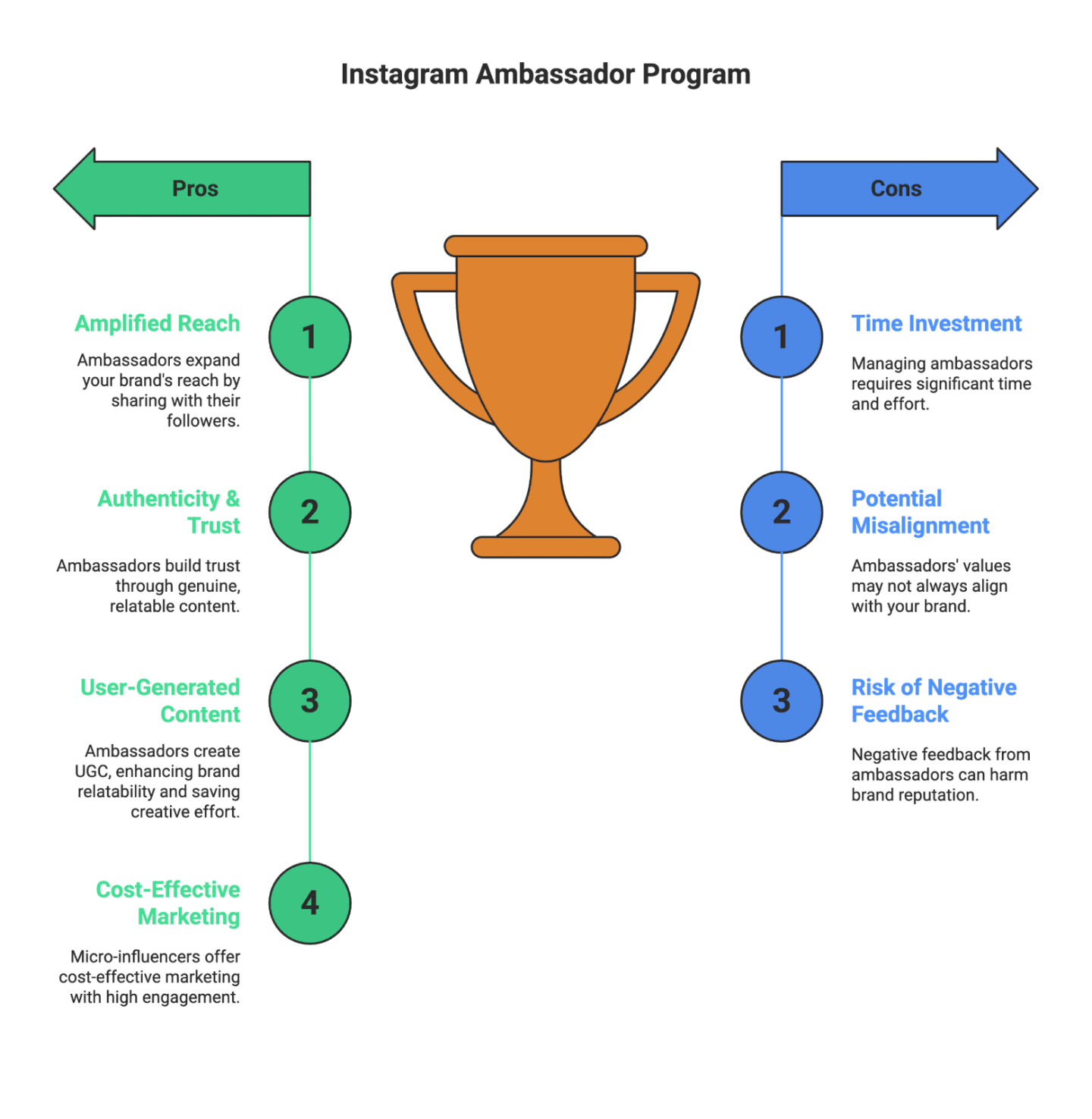
Before diving into where to find ambassadors, let’s quickly cover why you want them. A robust ambassador program can be a game-changer for brand awareness and customer engagement:
Ambassadors get your message in front of more people by sharing your brand with their own followers. Even a handful of micro influencers posting about your product can dramatically expand your audience. Each ambassador is like a mini-megaphone for your brand.
People trust recommendations from other people (friends, influencers) more than traditional ads. Ambassadors provide a familiar, human face standing behind your product, creating an emotional connection with followers. Their content comes off as genuine word-of-mouth rather than a slick corporate pitch.
Brand ambassadors are content creators at heart. They produce photos, videos, reviews, and stories featuring your product – UGC that you can repurpose in your marketing. This constant stream of real-life content keeps your brand relatable and saves your team creative effort.
Working with micro influencers and loyal fans is often cheaper than big ad campaigns. Many will partner in exchange for free products or small commissions. (In fact, 93% of influencers are willing to work with a brand for free if they truly love the product.) You can build an army of advocates without breaking the bank.
One extra perk: micro influencers tend to have higher engagement rates than larger influencers. They might have fewer followers, but those followers are highly invested. Micro-influencers on Instagram (~10k–100k followers) average ~3.9% engagement per post, vs. ~1.2% for macro-influencers with big followings. This means a micro creator’s shout-out often sparks more comments, DMs, and clicks proportionally. The takeaway? Bigger isn’t always better – a network of small, passionate ambassadors can outperform one celebrity endorsement when it comes to real engagement and sales.
Now for the big question: where do you find these enthusiastic brand advocates? The good news is you likely already have a pool of potential ambassadors in front of you. Even new or small companies can uncover great candidates by checking a few key places. Here are some of the top ways to find brand ambassadors for your niche:
One of the quickest ways to connect with Instagram ambassadors is via specialized platforms. These services (like Billo or Stack Influence) maintain databases of influencers and content creators. You can filter by niche, follower count, engagement rate, location, etc., to find the micro influencers that fit your brand. While these platforms usually require a fee, they streamline the process – you can get matched with creators and start collaborations quickly. This is ideal if you don’t have a large following yet or want to source fresh UGC content efficiently. (Pro tip: Platforms often have thousands of pre-vetted creators, so they’re a goldmine for finding Instagram users who already know how to produce quality content in your vertical.)
Don’t overlook the people who have already clicked the “Follow” button on your brand’s Instagram! If you have an existing social media following, some of those followers could be eager to represent you. Scroll through your followers list or recent post comments – is anyone consistently engaging, tagging friends, or saying how much they love your products? These are warm leads for ambassadors. Since they’re already fans, they’ll be more likely to promote your brand enthusiastically. Consider reaching out to active followers with a friendly message about joining an ambassador or affiliate program.
Similarly, search Instagram (and other platforms) for posts mentioning your brand. Some users may be organically posting positive things about your product or service without prompting. These happy customers are prime ambassador material. Use Instagram’s search or social listening tools to find your brand name or branded hashtags. When you spot users raving about your brand, add them to your outreach list. They’re practically waiting for you to invite them on board, and you know they already like what you offer. A quick profile review can confirm if they align with your brand style.
Make a list of influencers, YouTubers, or bloggers in your niche whose content you love – even if they haven’t mentioned your brand yet. Particularly look for micro influencers or rising creators who fit your vibe. These folks get tons of DMs, so you’ll need a thoughtful approach (and some persistence) to grab their attention. Cast a wide net and contact a bunch rather than banking on one big name. You might be surprised – 93% of influencers are open to collaborating for free if they love the product. So if you have a great product, don’t be shy about reaching out. Personalize your message, express genuine enthusiasm for their content, and highlight why you think it’s a great fit. Even larger influencers might agree to be ambassadors for commission or perks if they truly connect with your brand.
Sometimes the best ambassadors are already on your payroll. Your employees understand your product inside-out and (hopefully) are passionate about it. Employee brand ambassador programs are increasingly popular – staff can share authentic behind-the-scenes content and recommend products in a down-to-earth way. It also boosts morale by involving them in the company’s growth. If you have team members who are active on social media, encourage them to spread the word (you can incentivize this with bonuses, contests, or simply recognition). Authentic advocacy often starts at home.
Your newsletter or customer email list can be another treasure trove of brand ambassador candidates. These are people who’ve shown enough interest to give you their email, possibly past customers or subscribers to your content. Send out an email announcing that you’re launching a brand ambassador program and inviting applications. Emphasize any perks (discounts, commissions, free products) and the opportunity to join a community. You might be surprised how many eager fans will respond. An open call via email or even SMS can activate supporters who aren’t super active on Instagram but would still love to advocate for you.
Once you’ve identified some potential brand ambassadors on Instagram, the next step is to turn them into an organized, effective team. Running a successful ambassador program involves a few key phases – from defining what you want, to onboarding the ambassadors, to keeping the relationship strong. Here’s a step-by-step guide:
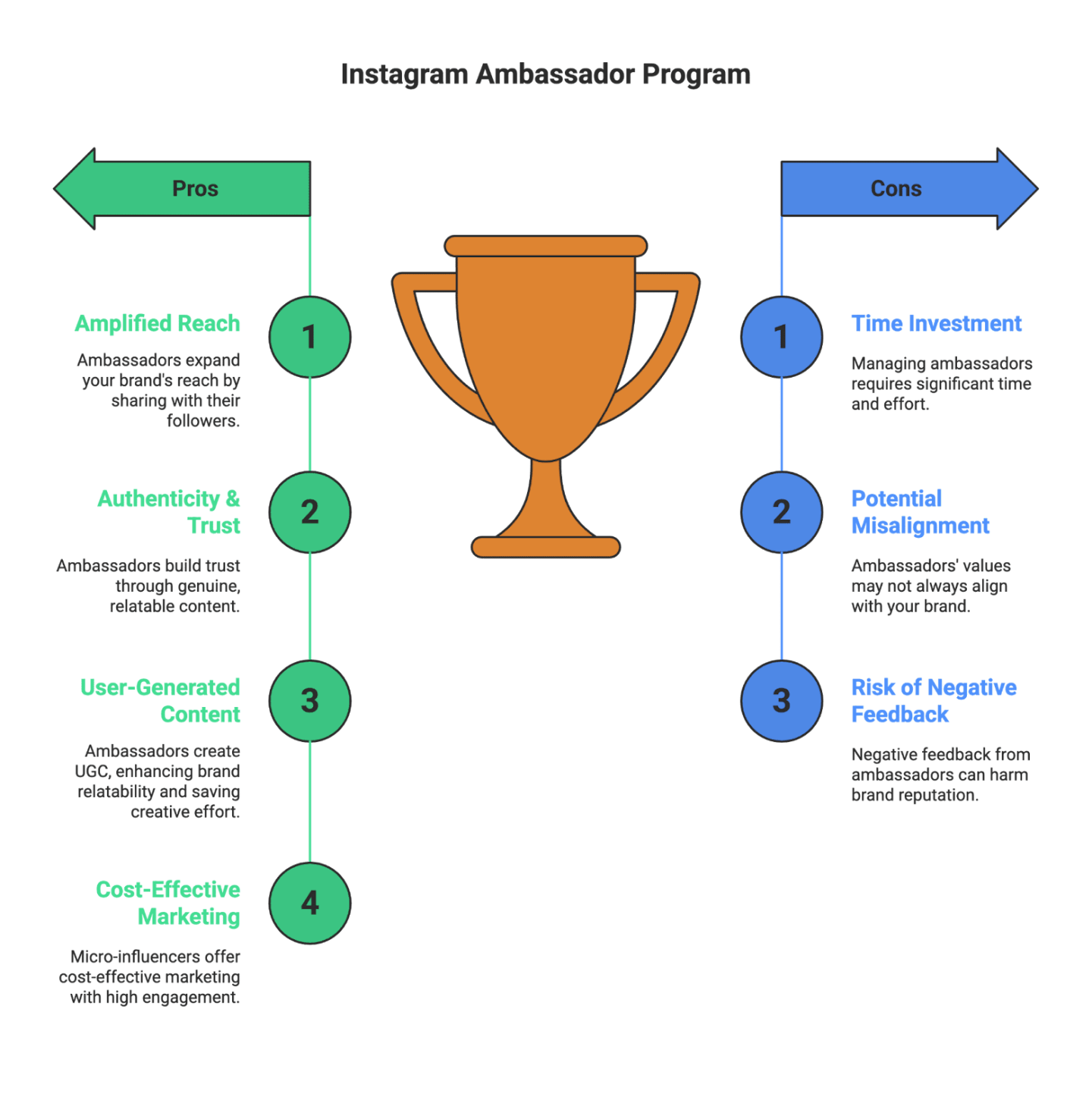
First, envision your perfect brand ambassador. What does that person look like in terms of personality, values, and audience? Jot down the traits that would make someone a great representative for your brand. Maybe they are into fitness and healthy living (if you sell sports apparel), or they’re a tech gadget lover with an engaged YouTube following. The idea is to create a sort of ambassador persona to guide your recruitment. Ensure this ideal ambassador genuinely aligns with your brand’s values and voice. You don’t want someone whose ethics or vibe clash with yours – that could hurt your image. Also consider the ambassador’s own audience: your goal is to find people who influence the same type of audience you want to reach. The more overlap, the better. Summing up your ideal ambassador’s characteristics (e.g. “eco-conscious mom who loves DIY projects and has 15k-50k Instagram followers”) will make it easier to spot the right candidates when you start your search.
Now that you know who you’re targeting, how will you approach them? Different types of candidates might require different outreach methods. For a loyal customer, you might send a friendly personal email thanking them for their support and inviting them to join your ambassador team. For a busy influencer, a succinct DM or email outlining the opportunity (and what’s in it for them) could work better. Craft a compelling call-to-action in your message – give them a tangible reason to respond. For example: “Join our ambassador program and earn a 10% commission on any sales you drive,” or “Sign up and get an exclusive discount code for your followers.” Make it sound exciting and beneficial to become an ambassador. Essentially, you’re pitching a partnership, so treat it professionally but with enthusiasm. Don’t get discouraged if some people don’t reply; influencers especially get flooded with offers. Cast a wide net and be genuine in your outreach. Once you have a few interested responses, you’re ready to move forward.
After choosing the ambassadors you want to bring on, it’s time to welcome them aboard! Treat this like hiring a new team member – make them feel excited and informed. Start by sending a warm welcome message or even hosting a kick-off call. Introduce them to the perks of being your ambassador: maybe a welcome package with free products, inclusion in an exclusive group chat or community, commission on referrals, etc. You want them to feel like they’ve joined a special club. Next, give them clear guidelines and resources to succeed. Outline what you expect them to do as representatives of your brand. For example, you might provide an Ambassador Guide document covering things like: how to talk about the product (key messages), your brand’s tone of voice, dos and don’ts on social media (e.g. always disclose #ad partnerships), and how to handle customer questions. It helps to give concrete instructions: for instance, “Post at least twice a month about the brand”, “Use your unique discount code in captions”, or “Feel free to re-post content from our official account”. Also supply any brand assets they might need – logos, product photos, relevant hashtags, etc. The more prepared your ambassadors are, the more effective they’ll be at promoting you. This onboarding stage is crucial for setting the right tone and ensuring they represent you well from day one.
Keeping your ambassadors motivated and happy is an ongoing task – but it pays off by reducing turnover. Stay in regular communication: for example, send a weekly or monthly update email to all ambassadors with news, shout-outs, and tips. Make them feel like part of an inner circle. Encourage two-way feedback; ask ambassadors for their ideas or struggles in promoting the brand. Recognition is super important here. Publicly celebrate your ambassadors’ contributions. You might feature an “Ambassador of the Month” on your Instagram or internal newsletter, highlighting their great work. Little rewards go a long way: give surprise bonuses, extra freebies, or increased commission to top performers as a thank you. When people feel appreciated, they stick around – in fact, organizations with strong recognition programs see 31% lower voluntary turnover rates. While ambassadors aren’t full-time employees, the same principle applies: show love to your biggest advocates and they’ll stay enthusiastic. Also, try to build a community among your ambassadors. Perhaps start a private Facebook Group, Discord, or group chat where they can share experiences and tips. Fostering a sense of team spirit will keep them engaged and excited to represent you over the long run.
Finally, as with any marketing effort, you need to track how your ambassador program is performing. Set clear goals at the start – whether it’s increasing sales, driving more traffic, growing your Instagram followers, or boosting brand awareness – and identify metrics that align with those goals. Here are some key KPIs to monitor for ambassadors:
In summary, finding brand ambassadors on Instagram is about identifying real people who love your brand and empowering them to spread the word. By leveraging micro influencers, loyal customers, and even your own team, you can build a network of genuine advocates. Focus on those who align with your niche and values – a handful of the right ambassadors can outperform a single big influencer when it comes to authentic engagement. Once your program is running, keep nurturing those relationships. Happy ambassadors will create more content, bring more referrals, and stick with you for the long haul.
Remember, the best brand ambassadors don’t feel like marketing tools; they feel like passionate fans sharing something they truly enjoy. If you treat them as partners and give them the support they need, they’ll reward you with credibility and conversions that traditional advertising can’t match. So start reaching out to your Instagram community, activate those enthusiasts, and turn your brand’s fans into its greatest champions!
The world of beauty influencers is thriving in 2026, driving trends and product sales across social media. Beauty is one of the most popular topics on TikTok (with 3.6 million beauty posts and ~2.46% engagement rate) and nearly half of U.S. shoppers say social media has led them to spend more on cosmetics. In fact, 42% of consumers would buy a product recommended by an influencer – a testament to the persuasive power of these creators. The following are some of the top beauty influencers (primarily in the U.S. and mostly focused on makeup) that you should follow in 2026. These are the big names setting trends on Instagram, TikTok, YouTube, and beyond. Importantly, while mega-influencers boast massive followings, smaller “micro” influencers can have some of the most loyal fanbases and high engagement rates – a trend we’ll discuss later. First, let's meet the superstar beauty content creators leading the industry.
Platforms: YouTube, Instagram, TikTok (59M+ combined followers)
Why Follow: James Charles is often cited as the top beauty influencer of recent years. Rising to fame as a teen, he became the first male CoverGirl model at 17. James is known for his bold makeup artistry and energetic personality – from intricate eyeshadow looks to full drag transformations. He engages millions with tutorial videos and viral challenges, and even launched his own makeup brand (“Painted” by James Charles). With over 20 million Instagram followers and 38 million on TikTok, James’s influence on beauty trends and product sales is immense. He has collaborated on a best-selling Morphe eyeshadow palette and frequently features celebrity guests in videos. James Charles’s advocacy for creative self-expression (regardless of gender) and his inclusive approach have cemented him as a leading figure in the beauty community.
Platforms: YouTube, Instagram (28M+ combined followers)
Why Follow: A veteran beauty guru, Nikkie Tutorials started her YouTube channel back in 2008 and has become one of the most influential beauty bloggers in the world. Nikkie’s makeup tutorials range from everyday glam to avant-garde artistry, delivered with flawless technique and a fun, personable style. She’s amassed 19.4 million Instagram followers and millions more on YouTube and TikTok. Nikkie is beloved for her honest product reviews and memorable moments (like her viral “Power of Makeup” video). As a transgender woman who came out to her audience in 2020, Nikkie uses her platform to champion inclusivity and self-love, inspiring fans of all backgrounds. From collaborating with top brands to interviewing celebrities (she did Adele’s makeup on YouTube), NikkieTutorials remains a must-follow beauty icon who consistently ranks among the top influencers year after year.
Platforms: Instagram, TikTok, YouTube (36M+ combined followers)
Why Follow: Bretman Rock is as much an entertainer as he is a beauty influencer. This Filipino-American makeup virtuoso and social media comedian has 18+ million followers on both Instagram and TikTok. Bretman began with viral funny Vines and Instagram videos, parlaying his bold personality and makeup skills into a beauty empire. His content is an addicting mix of fabulous makeup looks, humor, and unfiltered realness. One day he’s doing a glamorous eyeshadow tutorial, the next he’s making you laugh with a skit – keeping followers hooked. Bretman’s influence is long-lasting: BeautyMatter notes that alongside James Charles and Nikkie, Bretman consistently ranks among the top beauty influencers year after year. He’s even crossed into mainstream entertainment (red carpet appearances, MTV reality show) while staying true to his beauty roots. Bretman has also collaborated on makeup collections (his Wet n Wild “Jungle Rock” line famously sold out) and fronted major brand campaigns. Follow him for a perfect blend of beauty and comedy that breaks stereotypes – he’s a proud member of the LGBTQ+ community and an advocate for self-expression and diversity.
A post shared by Jeffree Star (@jeffreestar)
Platforms: YouTube, Instagram (20M+ combined followers)
Why Follow: Jeffree Star is a controversial beauty mogul who has undeniably shaped the online makeup world. He initially gained fame on MySpace and YouTube with striking hot-pink hair and fearless opinions. Today Jeffree is known for his luxury makeup brand, Jeffree Star Cosmetics, and over 13 million Instagram followers (plus a massive YouTube subscriber base). His YouTube reviews and tutorials are infamous for their brutal honesty – if a product is sub-par, Jeffree won’t hold back. This candor earned him a loyal fanbase and significant clout; a single Jeffree Star review can make or break a product’s reputation. He’s collaborated with brands like Morphe and even had a record-breaking collab launch with fellow YouTuber Shane Dawson (the “Conspiracy” palette). Jeffree’s own brand products (like his Velour Liquid Lipsticks and Eyeshadow Palettes) often sell out instantly upon release. While he’s no stranger to drama, fans follow Jeffree for his high-glam style, lavish lifestyle (he famously shows off sports cars and Birkin bags in videos), and makeup mastery. Love him or hate him, Jeffree Star’s impact on beauty trends and influencer marketing is significant – and in 2026 he remains a key player to watch.
A post shared by Mikayla Nogueira Hawken (@mikaylajmakeup)
Platforms: TikTok, Instagram (19M+ combined followers)
Why Follow: Mikayla Nogueira is a TikTok makeup sensation who skyrocketed to fame with her authentic voice and incredible skills. A 25-year-old makeup artist from Boston, Mikayla is known for her frank, enthusiastic product reviews delivered in a thick Boston accent. She shares everything from super-detailed foundation tutorials to candid reactions trying out new products – and her genuineness has earned her 15.9 million TikTok followers and nearly 3 million on Instagram. Mikayla’s catchphrases (and charming accent) have made her videos extremely engaging; when she loves a product, viewers know it’s the real deal. Brands have taken notice – her reviews can create instant sell-outs of featured makeup items. Fans also appreciate that Mikayla often spotlights both high-end and drugstore products, giving honest pros and cons. In a short time, she’s won a Beauty Influencer of the Year award and become a trusted voice for young makeup lovers. Follow Mikayla for fun “Get Ready With Me” videos, brutally honest product tests, and a down-to-earth approach that makes every viewer feel like a friend.
Platforms: TikTok, Instagram (20M+ combined followers)
Why Follow: Meredith Duxbury blew up on TikTok thanks to her one-of-a-kind foundation technique – she famously applied an entire handful of foundation (10 pumps at once) on camera, sparking the viral #foundationchallenge. That bold experiment captivated viewers and helped Meredith amass 18.6 million TikTok followers (plus 1.8M on IG). Her videos often showcase dramatic before-and-after makeup transformations and creative hacks (500 layers of blush, anyone?). Meredith’s playful, trend-chasing content makes makeup fun and accessible to a young audience. She isn’t afraid to try extreme looks or messy challenges, which keeps her content viral. Beyond the gimmicks, Meredith does share genuine tutorials and favorite products, and her bubbly personality shines through. In 2026, many expect Meredith to expand into her own product line or major brand collaborations, given her influence. Follow Meredith if you love short, entertaining beauty clips and want to stay on top of every TikTok makeup craze – she’s likely either doing it first or making it go viral!
Platforms: TikTok, Instagram (11M+ combined followers)
Why Follow: Alix Earle is a 24-year-old TikTok star who turned casual “Get Ready With Me” videos into a powerhouse personal brand. With over 7.3 million TikTok followers (and 4M on IG), Alix has been dubbed the internet’s “hot best friend” for her relatable, unfiltered style. She’ll chat about her day, share makeup and outfit tips, and do her skincare routine on camera as if FaceTiming a friend. This authenticity, paired with her knack for picking great products, has created the “Alix Earle Effect” – the phenomenon of products selling out within hours of her endorsing them. For example, after Alix featured the Hero Cosmetics pimple patch in one of her GRWM videos, it shot up to become Amazon’s top beauty bestseller. She’s since partnered with major brands (from makeup to fashion) and her Amazon storefront often ranks among top performers. Alix’s content resonates especially with Gen Z: it’s equal parts aspirational and down-to-earth. Follow her for daily makeup inspiration, product recommendations that actually work, and an influencer who makes even sponsored content feel genuine and fun.
Platforms: YouTube, Instagram (5M+ combined followers)
Why Follow: Jackie Aina is a trailblazer for diversity in beauty and a must-follow influencer for anyone who values inclusivity. An Army veteran turned YouTuber, Jackie has over 3 million YouTube subscribers and 2 million Instagram followers. She gained fame with her impeccable makeup tutorials and willingness to call out the industry for its shortcomings – notably, she’s been vocal about the lack of shade ranges for people of color and has pushed major brands to do better. Jackie’s content mixes flawless makeup transformations, product reviews (with a dose of humor), and lifestyle snippets. Her personality is charismatic and witty; she’s known for catchphrases and playful commentary that keep viewers entertained. Over the years, Jackie partnered on a palette with Too Faced (advocating for deeper foundation shades) and collaborated with Anastasia Beverly Hills, among others. She also launched her own brand, Forvr Mood, offering scented candles and self-care items to celebrate indulgence and wellness. As a Nigerian-American influencer, Jackie Aina has been a powerful voice for Black women in the beauty space. In 2026, she remains a relevant and respected figure whose recommendations and opinions carry significant weight. Follow Jackie for expert makeup tips and a refreshing perspective that challenges beauty norms.
Platforms: TikTok, Instagram (122M+ combined followers)
Why Follow: You might know Addison Rae as a TikTok dance sensation and pop culture figure, but she’s also made a mark as a beauty influencer and entrepreneur. With a staggering 88+ million TikTok followers and 34 million on Instagram, Addison is one of social media’s biggest stars – and she has parlayed that fame into the beauty world. She co-founded the makeup line Item Beauty, aligning her name with the cosmetics industry early in her rise. These days, Addison often shares her beauty routines, red carpet glam prep, and favorite products alongside her dance and lifestyle posts. Her style tends to be fresh-faced and approachable – think dewy skin, glossy lips, and effortless hair – which appeals to her predominantly Gen Z audience. While she’s not a makeup artist by trade like some others on this list, Addison’s influence is undeniable: her product endorsements reach tens of millions, and she’s collaborated with brands like Sephora (which carried her Item Beauty line). She represents the new wave of multi-hyphenate influencer: part entertainer, part beauty trendsetter. Follow Addison for a mix of fun viral content and quick beauty tips, and to see how a mainstream social celeb can shape beauty trends at scale.
Platforms: TikTok, Instagram, YouTube (25M+ combined followers)
Why Follow: Nikita Dragun is a glamorous and outspoken beauty influencer who has broken ground as a transgender icon in the makeup world. Nikita’s feed is pure ultra-glam fantasy – we’re talking dramatic makeup looks, wigs, and high-fashion ensembles in nearly every post. She has over 8 million Instagram followers and 13.9 million on TikTok, plus a loyal YouTube audience. Nikita became famous sharing her gender transition journey alongside stunning makeup transformations, proving the power of makeup in self-discovery. Known for her chameleon-like ability to embody different characters (from Victoria’s Secret angel to anime cosplay), she keeps content visually exciting. In 2019 Nikita launched her own makeup line, Dragun Beauty, geared towards the trans community and beyond. She’s also been the face of major brand campaigns (like Morphe’s Pride collection). While Nikita does court controversy and isn’t afraid to speak her mind, she has a devoted fanbase who admire her confidence and style. If you love full-throttle glam and a bit of drama, Nikita Dragun is an influencer to watch. She exemplifies how beauty influencers can build a personal brand that’s larger-than-life yet deeply personal, inspiring fans to live unapologetically.
Other notable beauty influencers: Of course, the list doesn’t end at ten. There are many other creators making waves in 2026. Huda Kattan, for example, started as a beauty blogger and built Huda Beauty into a billion-dollar brand – her company’s Instagram has over 54 million followers, making it the most-followed beauty brand on IG. Manny Gutierrez (Manny MUA) and Patrick Starrr were among the first male beauty YouTubers to go mainstream; each now runs a makeup line (Lunar Beauty and ONE/SIZE, respectively) and continues to produce content. Long-time gurus like Jaclyn Hill and Desi Perkins (now brand founders themselves) still command attention when they post new videos. In skincare, Hyram Yarbro gained fame as “Skincare by Hyram” on YouTube/TikTok, educating millions about products and routines. And for haircare, Brad Mondo has become the go-to influencer for dramatic hair transformations and tips. The beauty influencer ecosystem is rich and diverse, ranging from mega-celebrities to micro-influencers with smaller followings – all contributing to what’s trending in makeup, skincare, hair, and beyond.
Instagram follower counts (in millions) for selected top beauty influencers as of late 2024. Notably, multi-platform stars like Addison Rae lead by follower numbers (34M on IG), while veteran beauty gurus such as James Charles and Nikkie Tutorials also command around 20M each. Even the lower end of this top group (e.g. Mikayla Nogueira’s ~3M IG followers) far exceeds the followings of typical micro-influencers.
While the superstar influencers above dominate in reach, 2026 is also the year of the micro-influencer. Micro-influencers are creators with smaller followings (often in the low tens of thousands) who focus on niche content – and they are proving incredibly powerful in the beauty space. These “everyday” content creators often have higher engagement with their audience relative to big celebrities. In fact, data shows that micro influencers in beauty can have engagement rates up to 6.7× higher than larger influencers, sparking 22% more purchase conversations on average. Their followers trust them deeply as relatable peers, so a recommendation from a micro-influencer can carry significant weight.
From an e-commerce perspective, micro-influencers are a goldmine for brands. They produce authentic reviews, demos, and tutorials that feel like advice from a friend – essentially valuable user-generated content (UGC) that brands can repost and leverage. By collaborating with numerous micro influencers via product seeding (gifting products in exchange for posts), a company can generate tons of organic buzz and word-of-mouth marketing at scale. For example, an indie skincare brand might send free samples to 100 micro beauty bloggers on Instagram. In return, they could receive dozens of genuine product reviews, unboxing stories, and before-and-after photos shared to highly engaged audiences. All that content serves as both marketing material and social proof.
Platforms like Stack Influence have emerged to connect brands (including online retailers and Amazon sellers) with micro-influencers efficiently. Stack Influence is a leading micro-influencer marketing platform that helps e-commerce brands automate product seeding campaigns and scale up outreach to many small creators at once. The idea is simple: instead of paying one celebrity $50k for a single sponsored post, a brand can gift product (often of far lower cost) to a hundred micro-influencers. Those micro-influencers then create honest content around the product, which the brand can repost and even reuse in ads (often with full usage rights granted for the UGC). This strategy not only saves marketing budget, but also tends to yield more authentic and diversified content. As one case study noted, giving micro influencers free rein to be creative resulted in content that drove higher engagement and didn’t feel like traditional ads.
Another advantage is that micro-influencer campaigns can specifically target niches – for instance, finding a micro-influencer who’s an expert in cruelty-free vegan makeup, or someone popular in the South Asian bridal makeup community – ensuring the brand’s message reaches a very relevant audience. These smaller creators often foster active communities; comments and DMs fly when they post a new tutorial or review, indicating followers are truly paying attention (whereas a mega-influencer’s post might get lost in the feeds of tens of millions). Some reports even show that micro influencers in the Stack Influence network start 22% more buying conversations than average consumers because their recommendations spark discussion and consideration.
All of this is not to say the era of the mega-influencer is ending – on the contrary, the big names are bigger than ever. But brands are learning to balance their influencer marketing: partnering with a few huge stars for broad awareness, and hundreds of micro-influencers for targeted engagement and UGC generation. The result is a multi-tiered strategy where celebrity influencers drive buzz at the top, and micro-influencers sustain word-of-mouth momentum at the grass roots. For beauty brands, especially indie startups and Amazon marketplace sellers who need reviews, this approach is invaluable. Authentic content is king in 2026, and consumers are savvy – they can tell when a post is a genuine personal testimonial versus a paid billboard. Micro-influencers offer that authenticity at scale, which is why platforms focus on connecting brands with “everyday” beauty creators to keep marketing personal.
In summary, the beauty influencer landscape in 2026 is both highly influential and richly diverse. From superstar creators like James Charles and Nikkie Tutorials – who shape global makeup trends with a single video – to passionate micro-influencers who build trust in tight-knit communities, all levels of influencers play a role in what products we buy and how we define beauty. Social media has effectively become the new beauty counter: people discover foundations, lipsticks, and skincare tips through scrolling TikTok or Instagram far more than through traditional ads. With nearly half of consumers letting influencer recommendations guide their purchases, brands have embraced these content creators as the de facto marketers of the modern age.
For followers, this means an endless stream of inspiration and education at our fingertips. You can learn a 10-step eyeshadow technique from a pro artist on YouTube, find an honest review of the latest moisturizer from a nano-influencer on Instagram, or get a 60-second contour hack from a TikTok creator – all in the same day. Beauty influencers are not just selling products; they’re sharing artistry, confidence, and personal stories that resonate on a human level. And importantly, they’re making the beauty world more inclusive and innovative: pushing for shade diversity, spotlighting indie brands, and inventing new trends (hello, soap brows and graphic liner!).
Whether you’re a makeup newbie looking for guidance or a seasoned beauty lover hunting the next big trend, the influencers highlighted above are great ones to follow in 2026. They represent the pinnacle of creativity and credibility in the online beauty space. Just don’t be surprised when your favorite product sells out overnight because one of them raved about it – that’s the power of influencer marketing! As we’ve seen, in today’s e-commerce environment an authentic recommendation from a trusted creator can spark a shopping frenzy. So hit that “follow” button, enjoy the content, and stay gorgeous. The future of beauty is being broadcast live on your social feed – and you won’t want to miss it.
Travel influencers have become the new tour guides of our generation, shaping how we explore the world in 2026. From adrenaline-pumping adventures to budget-friendly hacks and solo escapades, these creators share authentic, informative content that inspires wanderlust. Thanks to social media (especially Instagram and TikTok), travel content creators can transport us to exotic destinations one post at a time. In fact, platforms like TikTok have turned into a “new travel agency” for Gen Z and Millennials – offering bite-sized itineraries, POV adventures, and real-time travel tips that feel real, not rehearsed.
Why are travel influencers so popular now? A few trends set the stage: The work-from-home boom after 2020 gave more people flexibility to travel and work remotely, giving rise to a new breed of professionals known as travel influencers who combine work and wanderlust. These creators generously share details about their journeys – how to get there, what to do, where to stay, and how to save money along the way. Whether you’re an adventure seeker or a budget backpacker, following travel influencers can provide actionable tips (like scoring cheap flights or hidden gems) as well as dreamy inspiration for your next trip.
Instagram and TikTok are the go-to platforms for travel inspiration in 2026. While Instagram still showcases polished postcard-perfect shots, TikTok’s short videos deliver immersive storytelling, local insights, and quick tips that resonate with younger travelers. Many top travel creators maintain a presence on both platforms – but interestingly, some have even larger followings on TikTok than on Instagram, reflecting TikTok’s explosive growth in travel content. For example, travel vlogger Drew Binsky has around 700,000 followers on IG but nearly 4 million on TikTok, and adventure creator Alex Ojeda similarly boasts 660k on IG versus 3.9M on TikTok. The chart below compares a few influencers’ followings on Instagram vs TikTok, highlighting how TikTok has propelled travel creators to massive audiences in 2026:
Comparison of Instagram vs. TikTok follower counts for select top travel influencers (2026). TikTok’s reach for creators like Drew Binsky and Alex Ojeda far surpasses their Instagram following.
As we dive into the top travel influencers to follow in 2026, you’ll notice a mix of big names and emerging stars. Our list spans adventure junkies, budget travel gurus, solo female trailblazers, and more – mostly U.S.-based creators who offer a casual yet informative peek into their globetrotting lives. Each influencer brings something unique, but all share a passion for exploration and content creation. Whether you’re looking to plan an epic trip or just escape through your screen, these 10 travel influencers are must-follows this year.
Below we’ve compiled 10 top travel influencers (in no particular order) who are making waves on Instagram, TikTok, and beyond in 2026. For each, we highlight their style, platforms, and why they stand out:
1. Nicole Sunderland (@nicolessunderland) – Luxury Travel & Photography
Platforms: Instagram (≈900K followers) and TikTok (≈1.4M).
Niche: Luxury hotels, foodie experiences, and gorgeous photography. Nicole (aka “Nicki”) has an incurable case of wanderlust – by age 18 she had worked seasonal jobs to visit all 50 U.S. states! In the past decade, she’s focused on luxury travel and fine dining, sharing the best hotels and culinary finds around the world. Her feed is a steady stream of 5-star resorts, gourmet meals, and stunning landscapes. Despite the luxe focus, Nicole’s down-to-earth captions make even high-end travel feel accessible. Follow her for aspirational getaways and pro tips on traveling in style (and maybe drool over some exotic meals, too).
2. Drew Binsky (@drewbinsky) – Every Country Adventure
Platforms: Instagram (≈700K) and TikTok (≈3.9M); also YouTube with millions of subscribers.
Niche: Global travel everywhere. Drew is famous for visiting every country on Earth – 197/197! – and documenting it all. His content is the perfect mix of entertaining and educational: one day he’s swerving through Hanoi traffic on a scooter, another day he’s interviewing a World War II veteran in Belarus. Drew’s mission is to highlight the people and culture in each place he visits. By sharing personal stories of the fascinating folks he meets, he educates viewers on the rich tapestry of global cultures. He’s also big on dispelling myths and showing that the world is safer and friendlier than many think. Follow Drew for daily doses of “wow, I didn’t know that” travel facts, country trivia, and infectious enthusiasm that might just inspire you to book a flight somewhere completely off your radar.
3. Courtnie & Nate (@courtandnate) – Van Life Couple
A post shared by Courtnie & Nate (@courtandnate)
Platforms: Instagram (≈541K) and TikTok (≈2.5M).
Niche: #VanLife and nomadic living. This adventurous couple (plus their adorable dog, Tonkins) ditched the traditional lifestyle to live and travel in a custom-built van full-time. Together, Courtnie and Nate journey across the U.S. and beyond, waking up to new landscapes on the daily – one week it’s a desert sunrise, another a mountain lake at dusk. They share the realities of life on the road, from the breathtaking freedom to the mechanical hiccups and cramped quarters. Their content is equal parts inspiring and practical: scenic camp spots, van build tips, and honest chats about the challenges of nomadic life. If you’ve ever daydreamed about hitting the road in an RV or van, this duo shows what it’s really like. Follow for gorgeous on-the-road visuals and insights into sustainable, minimalist travel (they truly embody “home is where you park it”).
4. Alex Ojeda (@alexojeda) – Adrenaline Adventure TikToker
Platforms: Instagram (≈660K) and TikTok (≈3.9M).
Niche: Extreme thrills and theme park adventures. Alex Ojeda is often dubbed TikTok’s favorite travel daredevil, known for exploring the wildest rides and attractions. Think world’s tallest water slides, high-speed ziplines, bungee jumps – if it makes your heart race, Alex has probably done it (with a GoPro in hand!). His TikToks regularly go viral with millions of views, as he takes followers along for the ride – literally – in POV style. Despite the focus on thrills, Alex’s content has broad appeal: he showcases destinations like the U.S., Latin America, and the Middle East through the lens of adventure. Follow Alex for an instant adrenaline rush on your feed, and discover cool parks and experiences you’ll want to add to your bucket list (or maybe just watch from the safety of your phone 🙃).
5. Salah Brooks (@salah.brooks) – Solo Female & Budget Travel
Platforms: Instagram (≈316K) and TikTok (≈3.9M).
Niche: Solo female travel, budget hacks, and nomad life. Salah is a fearless traveler who once lived in a converted school bus while roaming the U.S.. Now she’s hopping around the globe and proving you don’t need a trust fund to see the world. Her content is refreshingly real and candid – she talks about the not-so-glamorous side of travel, from safety tips for women traveling alone to coping with homesickness on the road. Salah shares tons of advice on traveling inexpensively and navigating challenges as a solo female backpacker. Her honesty about the hurdles (and joys) of solo travel has struck a chord with young women worldwide. Follow Salah for empowering travel how-to’s, money-saving tips, and the motivation to chase your own adventures on a shoestring budget.
6. Kiersten Rich (@theblondeabroad) – Women’s Travel Guru
Platforms: Instagram (≈517K), TikTok (~100K), plus a popular blog.
Niche: Women’s solo travel & lifestyle. Kiersten, better known as “The Blonde Abroad,” has been inspiring women to travel solo for over a decade. Her feed is a vibrant mix of sun-soaked destinations, cultural experiences, and stylish outfits – all delivered in an approachable, girlfriend-to-girlfriend tone. From her early solo trips across Southeast Asia to recently navigating trips as a new mom, Kiersten’s journey shows that travel can evolve with your life stages. She’s a go-to expert on female travel tips, whether it’s how to pack, staying safe abroad, or overcoming the fear of traveling alone. (She even runs women-only group tours and has an online course for aspiring travel influencers.) Follow Kiersten for dreamy visuals and practical advice that proves travel is possible for everyone – “blonde” or not! – and that women can explore the world on their own terms confidently.
7. Matt Kepnes (@nomadicmatt) – Budget Travel Expert
Platforms: Blog/Website (millions of readers), Instagram (~150K), YouTube & more.
Niche: Backpacking and budget travel. Known by his blog name Nomadic Matt, Matt Kepnes is arguably the OG budget travel influencer. He’s the NYT best-selling author of “How to Travel the World on $50 a Day,” and his motto is “travel smarter, cheaper, longer”. Matt’s content is all about helping regular people afford amazing trips: he shares money-saving strategies on everything – finding cheap flights, scoring hostel deals, maximizing travel credit card points, you name it. His numerous blog posts on topics like “best budget destinations” or “how to travel with no money” are a goldmine for travelers. While his Instagram shows him trekking through jungles or wandering European alleys, it’s his detailed guides and tips that have built a loyal community. Follow Nomadic Matt for no-nonsense budget travel advice and updates on his adventures (which prove you can see the world without breaking the bank). If you’re dreaming of long-term travel or a gap-year, Matt’s guidance is a perfect starting point.
8. Chelsea Kauai (@chelseakauai) – Outdoor Adventure & Mindfulness
Platforms: Instagram (1.1M), TikTok (~200K), YouTube.
Niche: Adventure + wellness. Chelsea (Yamase) is an adventure athlete and visual storyteller from Hawaii who brings a mindful approach to extreme adventure. One moment she’s free-diving alongside whales or doing yoga on a mountain peak, the next she’s meditating by a waterfall. Her content is a breathtaking blend of outdoor adrenaline and Zen vibes. As her handle suggests, she has island roots (Kauai) and often highlights ocean conservation and nature. Chelsea’s photography and videos have a dreamy, ethereal quality – balancing on a slackline over a canyon at sunrise, etc. – that will ignite your sense of adventure. Follow her for daily doses of inspiration to get outside, push your limits, and appreciate the natural beauty of our world. She also shares thoughtful captions about personal growth, making her feed a refreshing break from the typical “look at me” influencer posts.
9. Jessica Nabongo (@jessicanabongo) – Cultural Explorer & Author
A post shared by Jessica Nabongo (@jessicanabongo)
Platforms: Instagram (≈250K), Blog, Book (Catch Me If You Can).
Niche: Cultural immersion & luxury adventure. Jessica Nabongo made history as the first Black woman to visit every country on Earth. Her travel style blends luxury and local experiences: one week she might be riding camels in Mali, the next week dining at a Michelin-starred restaurant in Paris. Jessica’s feed is a vibrant tapestry of cultures – she showcases the diversity of our world with a unique lens, often highlighting destinations in Africa and less-traveled countries that many influencers overlook. She’s also an advocate for representation in travel, encouraging people of color to explore the globe. With a background in international affairs and a charismatic personality, Jessica provides insightful commentary on each place she explores. Follow her for eye-opening journeys that combine off-the-beaten-path adventures with a touch of glam. (She’ll have you adding places like Somaliland or Uzbekistan to your bucket list, guaranteed.)
10. Maz (Mary Pascual, @wheretofindme) – TikTok Travel Hacks & Hidden Gems
Platforms: TikTok (≈480K), Instagram (~50K).
Niche: Budget-friendly travel hacks and secret spots. Maz is quickly becoming a go-to voice on Travel TikTok for smart, budget-friendly travel. She serves up bite-sized guides to hidden gems, insider tips, and foodie finds around the world. Whether she’s uncovering a secret speakeasy in NYC or explaining how she snagged a first-class upgrade for cheap, Maz shows how to travel smart without losing style. Her content often focuses on affordable luxuries – like finding that cheap rooftop with a million-dollar view or a local street food that beats fancy restaurants. With an upbeat, info-packed delivery, she’s perfect for the TikTok format. Follow Maz for quick travel hacks, inspiration for your next trip itinerary, and a steady stream of “I never would have found this place on my own!” moments. She proves that being a travel influencer isn’t just about having a million followers – even micro-influencers can provide huge value by sharing unique tips.
Honorable Mentions: Kara and Nate (YouTube’s famous travel couple with 100+ country adventures), Eric Stoen (@travelbabbo) for family travel inspiration, and travel TV icon Rick Steves (who’s now on TikTok!). The travel influencer world is huge, but we focused on a mix of established and rising creators who best embody the adventure, budget, and solo travel spirit of 2026.
The travel influencers above are at the top of their game – but they’re also part of a bigger movement in the digital world. Here are a few key trends shaping travel influence (and how brands are tapping into it):
Bigger isn’t always better in 2026. In fact, micro-influencers (creators with roughly 5K–100K followers) often have higher engagement rates and trust with their audience than mega-celebrities. It’s common to see micro accounts with engagement in the 5–20% range, whereas million-follower accounts might only get ~1–3% engagement. One study found micro-influencers are about 3× more engaging than big influencers! For travel content, this means a niche travel blogger with 50K followers may actually drive more action (like trip bookings or gear sales) than a famous globetrotter with 5 million fans. Authenticity and community are the micro-influencer’s strength – their recommendations feel like advice from a friend, so followers are more likely to trust and act on it.
Travel brands and tourism boards are craving user-generated content (UGC) that feels genuine. Glossy magazine ads are out; TikToks of a real traveler enjoying a destination are in. Many of the influencers on our list collaborate with brands to create content that can be repurposed as UGC – for example, a hotel might invite a creator to stay and share honest posts about the experience, which the hotel then features on its own socials. This kind of content works because it’s relatable and unscripted. Even Amazon sellers are leveraging UGC by sending products like travel gadgets to micro-influencers, then using those review videos in their Amazon listings. Expect to see more travel gear and services promoted through casual influencer content rather than traditional ads.
The line between influencer and entrepreneur is blurring. Many travel influencers monetize through e-commerce, whether it’s via the Amazon Influencer Program, their own online shops, or affiliate marketing. For instance, some maintain Amazon storefronts listing their favorite travel products (from backpacks to camera gear), earning commissions when followers shop their picks. For Amazon sellers, teaming up with travel content creators has become a savvy strategy – these influencers can showcase a product (like a new travel accessory) in action to a trusting audience, driving traffic and sales on Amazon. According to Stack Influence (a leading micro-influencer marketing platform), micro influencers have become go-to partners for niche e-commerce brands because they provide high trust and targeted reach. In short, travel influencers are not just inspiring trips; they’re also influencing purchase decisions for travel products and services in a big way.
While Instagram and TikTok dominate, many travel influencers diversify their presence – think YouTube vlogs, blogs/newsletters, or even podcasts. YouTube remains key for long-form travel series (for example, Drew Binsky’s documentaries or Kara and Nate’s travel vlogs). Blogs are still relevant for SEO-friendly guides (Nomadic Matt’s detailed itineraries are a prime example). The best creators tailor content to each platform: you might see a 15-second TikTok tip, an in-depth YouTube episode, and a detailed blog post all from the same trip. This multi-platform approach not only broadens their audience, but also solidifies their brand as travel experts. For followers, it means you can consume their content in various ways – a quick fix on TikTok during your commute, and a long read on their blog when actually planning a trip.
In conclusion, the travel influencers of 2026 are diverse, innovative, and more accessible than ever. They invite us along on their journeys – whether it’s sailing to Antarctica or uncovering a cheap eats spot in New York – and in doing so, they turn the big wide world into a place we all can feel connected to. By following a mix of these creators, you’ll get a well-rounded feed of adventure inspiration, money-saving tricks, cultural insights, and maybe even the confidence to embark on your own trip. Safe travels! ✈️🌍
Instagram has become the go-to platform for models to showcase their talent and build massive audiences. The term “Instagram model” now ranges from supermodels on high-fashion runways to self-made influencers who launch their careers on social media. These models not only set fashion trends but also wield significant influence that brands (from luxury labels to e-commerce startups) can’t ignore. In fact, Stack Influence reports that working with micro influencers and content creators can drive sales and yield authentic user-generated content (UGC), building long-term trust with consumers. This reflects the power of social media at all levels – while the following list highlights mega-influencers with millions of followers, it’s worth remembering that Amazon sellers and small brands often find great success partnering with smaller creators for their authenticity and engagement. Below, we’ve curated 10 top Instagram models to follow, including their follower counts, Instagram handles (linked for easy browsing), and a brief bio on why they’re worth your follow. Enjoy this casual yet informative rundown, complete with visuals and key takeaways for each influencer!
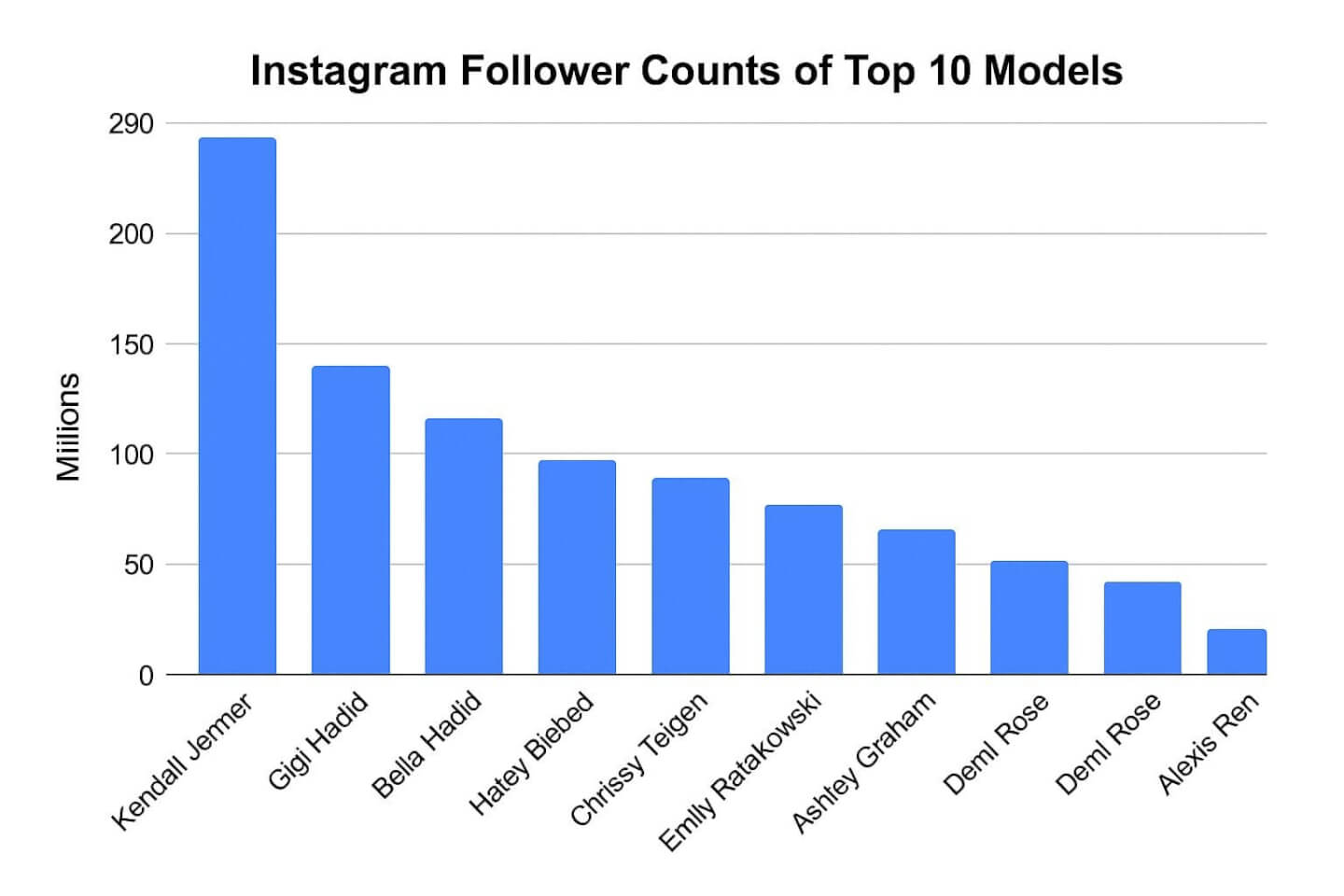
Kendall Jenner sits at the top of the Instagram modeling world. Already famous from her family’s reality TV empire, Kendall launched her modeling career at age 14 by signing with Wilhelmina Models. She quickly made a name for herself on the catwalk, landing campaigns with elite brands like Chanel, Marc Jacobs, and Dolce & Gabbana. With over 210 million followers on Instagram (nearly 290 million as of 2026), Kendall’s feed is a mix of high-fashion editorials and personal glimpses of her life. From Vogue cover shoots to behind-the-scenes snapshots with her famous sisters, she offers fans an insider look at the glamour of fashion. It’s no surprise talent scouts now scour Instagram for the next Kendall Jenner – she’s proof that social media stardom and traditional modeling can go hand in hand.
Gigi Hadid has been in front of a camera practically her entire life. She landed her first modeling gig at just two years old as a Baby Guess model! After a childhood in modeling and a restart in her teens, Gigi found explosive fame through Instagram, climbing the ranks to become one of the platform’s most popular models. Today she boasts over 71 million followers on IG. Gigi’s feed combines high-fashion glamour with down-to-earth moments – one post might be a Versace runway look, the next a goofy selfie or behind-the-scenes with her daughter. This blend of supermodel glitz and relatability keeps her audience engaged. Gigi’s influence extends beyond Instagram; she’s designed clothing lines, co-founded a cashmere brand, and regularly collaborates with top designers. For anyone interested in fashion or content creators looking for inspiration, Gigi Hadid is a must-follow trendsetter.
Bella Hadid, Gigi’s younger sister, has forged her own path as a top Instagram model. In fact, she certainly hasn’t been overshadowed by her older sister’s fame – Bella’s distinctive look and style have made her a star in her own right. She’s a fixture of brand campaigns on Instagram, partnering with luxury and commercial brands alike. (She’s been featured in influencer marketing campaigns for the likes of Ralph Lauren and Michael Kors, to name a couple.) With 48 million followers hanging on her every post (now over 60M in 2026), Bella’s feed is an edgy mood board of high-fashion shoots, behind-the-scenes videos, and artsy selfies. She often shares snippets of her life at fashion shows, her advocacy for mental health, and even candid moments that show her quirky personality. Bella’s combination of editorial glamour and authenticity makes her incredibly popular – she won the Model of the Year award in 2022 and continues to set trends across social media.
A post shared by Hailey Rhode Bieber (@haileybieber)
Hailey Bieber (formerly Hailey Baldwin) has become one of the most influential models of her generation, both on Instagram and on the runway. Born into a famous family (her uncles are actors Alec and Stephen Baldwin), Hailey made a name for herself in fashion early on. By age 23, she had already achieved incredible feats – walking for major designers and appearing in Vogue and Teen Vogue spreads. Now Hailey’s Instagram has 40 million followers (and growing), where she shares everything from glamorous red carpet looks to playful videos dancing with friends. Her feed gives fans a taste of her professional life (campaign shoots, magazine covers) and personal milestones (like sneak peeks into her marriage with Justin Bieber and her skincare line, Rhode). Hailey fully embraces the fashion influencer life, often posting about her favorite products and outfits. Given her reach and engagement, it’s safe to say Hailey is fashion royalty on IG – and a key inspiration for aspiring models and micro-influencers alike.
Chrissy Teigen may have started as a swimsuit model, but Instagram (and Twitter) turned her into a beloved social media superstar. Chrissy is famous in the Instagram modeling world for her relatable posts and witty commentary on life. She’s also a legit model in every sense – featured in Sports Illustrated, Vogue, Cosmopolitan and more – yet remains incredibly down to earth online. Her 36 million followers on IG get a mix of hysterical cooking mishaps, adorable family photos with John Legend and their kids, glamorous event pics, and the occasional clapback at internet trolls. Chrissy regularly interacts with her fans in comments, making everyone feel like her “internet bestie.” This authentic engagement (plus her unfiltered humor) makes her one of the best Instagram models to follow if you enjoy a good laugh alongside your fashion content. She’s also leveraged her influence into a cookbook empire and a TV presence, proving that an influencer can wear many hats.
Emily Ratajkowski (“Emrata” to her fans) skyrocketed to fame in 2013 after appearing in Robin Thicke’s infamous “Blurred Lines” music video. That breakout moment launched her into the modeling stratosphere – since then, she’s walked runways worldwide and worked with dozens of brands from haute couture to cosmetics. Now also an author (her essay collection My Body made waves) and entrepreneur (she founded a swimwear line), Emily wears many hats. On Instagram, her 28.8 million followers enjoy a carefully curated window into her life. Expect to see sultry swimsuit shots, behind-the-scenes at Fashion Week, feminist musings, and adorable photos of her young son. Emily’s feed balances glamour and realness – she might post a stunning campaign image one day and a makeup-free selfie or political opinion the next. This mix keeps her highly engaging. As one of the most popular Instagram models in the world, Emrata exemplifies how influencers today can be more than just pretty pictures; they can use their platform to share their voice and style in equal measure.
Cara Delevingne is a multi-talented star who began her modeling career at the age of 10 and quickly rose to supermodel status. In the 2010s, Cara became known for her bold eyebrows, quirky personality, and ubiquitous presence in fashion campaigns. She’s worked with top brands like Burberry and appeared on the cover of Vogue, but also branched into acting (e.g. Suicide Squad) and even music. Cara won “Model of the Year” twice at the British Fashion Awards, reflecting her impact on the industry. On Instagram she has 43 million followers, and her feed is anything but boring – one day she’s posting a high-fashion editorial, the next she’s sharing a goofy face or advocacy message (she’s outspoken on issues like mental health and LGBTQ+ rights). Cara’s ability to be both a glamorous model and a candid goofball endears her to fans. If you want an Instagram feed that mixes high-fashion, art, and authentic personality, Cara Delevingne is your girl.
A post shared by OMEGA (@omega)
Ashley Graham is a trailblazer for body positivity in the modeling industry. She’s a plus-size model who has smashed stereotypes, even appearing on the covers of Glamour, Elle, and Vogue – publications where curvy women were rarely seen before. On Instagram, Ashley often posts the various fashion campaigns she’s starring in and adds encouraging messages about self-love and confidence. By doing so, she shows her 15.8 million followers (now over 20M) that plus-size models are just as beautiful and fashionable as anyone else. Her feed might feature a high-end lingerie photoshoot one day and a candid video discussing postpartum stretch marks the next. That authenticity and empowering tone have made Ashley a role model for many. She’s also a new mom and shares cute moments with her kids, further endearing her to followers. For anyone who wants their Instagram scroll to include gorgeous fashion and uplifting vibes, Ashley Graham is the one to follow.
Demi Rose is an example of a model who built her career squarely on social media. She started by building an online presence on MySpace, then moved to Instagram where her modeling career truly took off. Demi had always dreamed of being a model, and now she’s living that dream – complete with international photo shoots and DJ gigs around the world. Her Instagram, with 18.8 million followers, is known for glamorous and often daring photos: tropical vacation snaps, fashion nova outfits, and editorial-style images that showcase her signature hourglass figure. Fans also get peeks into her life of luxury (think yachts, resorts, and festivals). Demi’s journey illustrates how non-traditional paths (like being a content creator online) can lead to mainstream success. She’s collaborated with fashion and beauty brands and frequently appears in press as an “Instagram model.” If you enjoy influencers like Kylie Jenner or Tammy Hembrow, you’ll want to follow Demi Rose for similar content and inspiration on building a personal brand.
Alexis Ren is a social media native who turned Instagram fame into a modeling empire. She first went viral on Tumblr and Instagram as a teenager, with platforms like Instagram playing a big role in launching her career at just 15. Alexis’ SoCal beach-girl aesthetics and fitness posts attracted a huge following, and she leveraged that into real-world opportunities: she created her own activewear line and even appeared on Dancing with the Stars and in music videos (like Ed Sheeran’s “South of the Border”). With 15.4 million followers on IG, Alexis’s feed is an aspirational mix of workout clips, bikini shots in exotic locales, and positive lifestyle content. She often shares wellness tips, from her favorite smoothie recipes to mental health mantras. Alexis resonates particularly with younger audiences – she embodies the UGC-driven influencer lifestyle where a person can be model, entrepreneur, and content creator all at once. Following her will fill your feed with sunny, motivational posts (and maybe inspire your next vacation or gym session!).
Instagram has absolutely changed the way the modeling industry works – it’s fascinating to see that most of the models on this list actually found or boosted their careers thanks to Instagram. The platform blurred the lines between traditional supermodels and digital influencers, creating new opportunities for anyone with talent and a smartphone. For brands and marketers, these top models are the mega-influencers who can instantly reach tens of millions – but as we noted, even micro-influencers can drive big ROI by bringing authenticity and niche engagement. For aspiring models, content creators, and Amazon sellers looking to promote products, the key takeaway is that social media is a powerful launchpad. Whether you’re following Kendall Jenner’s latest runway triumph or discovering an indie fashion blogger with 10k followers, Instagram offers a space where creativity, personality, and marketing intersect. The ten models above are at the pinnacle of that movement – so give them a follow, get inspired by their content, and watch how they continue to shape culture and style in the coming years. After all, it’s like the industry saying goes: “Instagram is a platform that every model (and ‘wannabe’ model) should be using.”
In 2026, influencer marketing is booming like never before. Brands big and small are doubling down on YouTube influencers as a cornerstone of their marketing strategy. In fact, for the first time, more than half of U.S. marketers plan to leverage YouTube for influencer campaigns this year. Why the sudden gold rush toward YouTube creators? The short answer: unmatched reach, engagement, and authenticity. Brands are seeing record ROI from YouTube collaborations – U.S. influencer spend on YouTube is projected to hit $2.35 billion in 2026, the highest of any platform. From micro influencers driving niche e-commerce sales to viral YouTube Shorts generating billions of views, the platform has become an influencer marketing powerhouse.
In this blog, we'll break down the key reasons brands are going all-in on YouTube influencers in 2026. We'll explore how YouTube’s huge audience, high trust factor, built-in shopping tools, and army of content creators (from nano to mega) are reshaping digital marketing. Whether you’re an Amazon seller looking to boost product reviews or a global brand seeking younger audiences, YouTube offers unique advantages that are hard to ignore. Let’s dive into why YouTube influencer marketing is where everyone wants to be – and how you can make the most of it.
YouTube isn’t a new kid on the block – it’s a 20-year-old platform – but it’s experiencing a resurgence in influencer marketing. Recent data shows brands are pouring more budget into creator partnerships across social media, with YouTube emerging as a primary beneficiary. Global influencer marketing spend is projected to reach $32.5 billion in 2026, and YouTube commands a significant slice of that pie. In the U.S. alone, influencer spending jumped 23.7% last year and will top $10.5 billion in 2026. Marketers are fully committing to influencers, upping budgets despite economic uncertainties. In fact, 80% of brands maintained or increased their influencer marketing budgets in 2026, with nearly half increasing spend by over 10%. This surge is driven by one clear insight: influencer campaigns work.
YouTube stands out as the new powerhouse in this landscape. According to Emarketer, YouTube now draws more influencer dollars than Instagram or TikTok, thanks to its stability and scale. Marketers have taken notice of TikTok’s volatility (with ban threats in the US) and are hedging bets by shifting to YouTube’s more predictable platform. “Even prior to TikTok’s troubles, the conversation was growing around YouTube… YouTube is quickly becoming the place to be for brands and creators,” notes Jasmine Enberg of Emarketer. In other words, brands are going "all-in" on YouTube influencers not by chance, but by choice – they’ve seen the results and they want more.
One of the biggest draws of YouTube is its sheer audience size and content longevity. Every month, over 2.5 billion people log into YouTube, making it the world’s second-largest social network (only Facebook is bigger). Viewers across all age groups flock to YouTube for everything from entertainment to education. The platform’s longevity (founded in 2005) means many YouTube creators have been building loyal followings for years, if not decades. Unlike the fleeting fame of some TikTok stars, YouTube influencers often sustain deep relationships with their subscribers over the long haul.
What’s more, YouTube content lives on. Thanks to YouTube’s search-driven discovery and recommendation algorithm, videos can keep attracting views months or even years after posting. A product review or tutorial from last year might still be getting traction today, effectively giving brands evergreen exposure. This long-tail visibility is a boon for marketers. It’s common for a single collaboration video to drive awareness and traffic well into the future, unlike the more ephemeral content on other platforms. Brands who weave themselves into YouTube videos get the benefit of persistent visibility – a huge SEO and awareness advantage in the long run.
And let’s not forget YouTube’s domination of screen time. Viewers worldwide stream over 1 billion hours of YouTube content per day just from TV screens. That’s not counting phones and laptops! The combination of big-screen viewing and long-form content means audiences are deeply engaged (often watching 10+ minute videos, far longer than a TikTok clip). User-generated content (UGC) thrives here – YouTube remains the best place on the internet to find authentic, long-form video content created by real people. For brands, this UGC goldmine is marketing magic: partnering with creators allows you to inject your message into content that viewers actually seek out and enjoy.
A post shared by Stack Influence (@stackinfluence)
Having a massive audience is one thing; actively engaging that audience is another. This is where YouTube truly shines. The platform delivers off-the-charts engagement compared to most social networks. Watching a YouTube video is an intentional act – viewers click because they’re genuinely interested – and that translates into meaningful interactions. On average, YouTube creators see an engagement rate around 72.8% for their content, a figure that blows TikTok and Instagram out of the water. (This stat counts a user viewing or interacting with a video as “engagement,” and by that measure, nearly three-quarters of viewers engage. It underscores how sticky YouTube content can be.)
Even on the short-form side, YouTube Shorts are killing it in engagement. YouTube’s answer to TikTok has quickly amassed 90 billion daily views, and boasts a 5.9% average engagement rate, outperforming TikTok’s ~5.7% and Instagram Reels’ 2%. In other words, people are more likely to like, comment, or share a short video on YouTube than on TikTok or IG. The chart below illustrates how YouTube Shorts have a slight edge in engagement, while Reels lag behind:
Short-form video engagement rates by platform (average percentage of viewers who interact).
Why does this matter? Higher engagement means brand messages resonate more. Instead of passive scrolling, YouTube viewers are actively consuming content (often sitting through a 10-minute video, which is an eternity in internet time). They’re also highly receptive to influencer recommendations because of the trust built over those longer videos. Watching a favorite YouTuber try a product feels like a personal recommendation from a friend, not an ad. It’s no surprise that 92% of consumers trust recommendations from individuals (like influencers) over brand ads. That trust translates to real ROI: businesses earn an average of $5.78 for every $1 spent on YouTube influencer campaigns – a staggering 578% ROI. With returns like that, it’s clear why brands are shifting more budget to YouTube creators.
Several factors give YouTube an engagement and trust advantage over other platforms:
For brands, the takeaway is clear: a well-matched YouTube influencer can deliver not just eyeballs but true believers. When a tech vlogger raves about your gadget or a beauty guru includes your product in her daily routine video, audiences listen – and they act.

Another reason brands are going all-in on YouTube is the rise of micro influencers – creators with a modest but loyal following – and their outsized impact on engagement. In 2026, micro and mid-tier influencers have become the darlings of influencer marketing. 73% of brands prefer to work with micro or mid-tier creators over mega-influencers, finding they offer the best engagement-to-cost ratio. These smaller creators might have 5,000, 50,000, or 200,000 subscribers instead of millions, but their audiences are highly engaged and niche. For brands, that means more bang for your buck: micro influencers often charge lower fees yet deliver higher relative engagement and conversion rates.
Most brands now favor micro and mid-tier influencers (73%) over macro stars. The authenticity and affordability of micro influencers make them ideal partners for many campaigns.
Why are micro influencers on YouTube so effective? It comes down to authenticity and community. A micro influencer feels like “one of us” – an everyday content creator who genuinely loves their topic, be it vegan cooking, budget travel, or smartphone hacks. Their subscriber base, while smaller, is usually a tight-knit community built on trust and two-way interaction. So when the creator recommends a product, it doesn’t come off as a celebrity endorsement; it feels like advice from a knowledgeable friend. That authenticity is marketing gold. As one study noted, followers are far more likely to trust a recurring recommendation from a micro influencer than one-off posts from a big celebrity.
For brands, micro-influencer partnerships also make economic sense. Instead of putting all your budget into one or two mega-influencers, you can partner with a squad of micro influencers across different niches. This diversifies your reach and generates tons of user-generated content. Many Amazon sellers and e-commerce startups take this approach – seeding products to dozens of micro YouTube creators who do unboxings and reviews, rather than paying for one TV commercial. Not only do they get multiple videos targeting various micro-audiences, they also gain authentic UGC (photos, videos, testimonials) to repurpose in their own marketing. In fact, most Amazon sellers prefer micro influencers for product promotions due to their better engagement and affordability. YouTube is an especially popular platform for this because it excels at long-form, trusted reviews that can significantly sway purchase decisions.
A huge selling point for YouTube in 2026 is its built-in social commerce features. The platform has evolved beyond just a video site – it’s becoming a full-fledged shopping destination. Consider these jaw-dropping stats: over 90% of consumers say they discover new products on YouTube. Unlike on some social apps, YouTube viewers are actively searching for product reviews, unboxings, and how-tos before they buy. Google (YouTube’s parent company) has capitalized on this by rolling out YouTube Shopping tools that let users buy products directly from a video or live stream.
What does this look like in practice? A YouTube creator might tag products in their video – say, a makeup vlogger linking the lipstick and foundation she’s using. Viewers can click and purchase without ever leaving YouTube. There are shoppable links in descriptions, product carousels below videos, even live stream shopping events where influencers demo items and viewers can buy in real-time. This seamless integration shortens the funnel dramatically: see product → click → buy, all on one platform. For brands, that means an interested viewer can convert to a customer in seconds, with virtually no friction.
YouTube’s commerce-friendly environment is a game changer for influencer campaigns. It marries the power of influencer persuasion with the convenience of e-commerce. A few notable benefits:
Crucially, YouTube’s focus on UGC and community enhances social commerce. People buying via YouTube feel like they’re part of the creator’s journey – they saw the product used authentically and heard an honest opinion. This user-generated context gives them confidence to purchase. Indeed, user-generated videos and reviews are often more trusted than polished brand ads. By leveraging influencers, brands essentially get word-of-mouth marketing at scale, backed by YouTube’s e-commerce tech. It’s the best of both worlds.
And it’s not just D2C brands benefitting – Amazon sellers, Etsy shop owners, and traditional retailers are all in on the trend. They send products to YouTubers for review knowing that a single video can both educate customers and instantly drive them to a buy link. Some Amazon sellers collaborate with YouTube influencers who are part of the Amazon Influencer Program (these creators have their own Amazon storefronts and earn commissions on sales). A tech reviewer might do a “Top 5 Gadgets from Amazon” video, featuring your product, and drop an Amazon affiliate link. If viewers buy, the influencer and brand both win. With creators effectively acting as your salesforce, influencer marketing isn’t just about awareness – it’s directly boosting e-commerce sales.
From all the trends and stats, one conclusion is clear: the future of influencer marketing is on YouTube. Brands are going all-in because YouTube delivers a rare combo of reach, engagement, and conversion power that’s hard to match elsewhere. To recap the key reasons brands are flocking to YouTube influencers in 2026.
In short, YouTube has evolved into a one-stop powerhouse for influencer marketing – from awareness all the way to conversion. Brands that recognize this shift are reaping the rewards with higher engagement, more credible marketing, and boosted e-commerce performance. If you haven’t already, 2026 is the year to embrace YouTube influencers as a core part of your strategy. Whether it’s teaming up with a popular tech reviewer or 10 micro influencers in your niche, now is the time to get on board.
As we move forward, expect the line between content and commerce to blur even further on YouTube. The brands that succeed will be those that collaborate authentically with creators, respect their creative voice, and leverage the platform’s features (hello, YouTube Shopping!) to meet consumers where they are. So dive in, experiment with YouTube campaigns, and learn from the vibrant creator community. Your next big growth channel might just be a YouTuber on the rise. After all, in 2026 everyone’s watching YouTube – and savvy brands are making sure they’re part of the story.
In 2026, female fitness influencers are more diverse than ever – spanning mega stars to micro influencers, across Instagram, TikTok, YouTube and beyond. Notably, a rising emphasis on micro-influencers (those with roughly 10k–100k followers) is reshaping the fitness scene. These creators may have smaller followings, but they often boast higher engagement, niche community trust, and authentic connections that brands crave. Many are savvy in e-commerce – from leveraging the Amazon Influencer Program and hosting live shopping streams, to launching their own product lines or collaborating on fitness gear. Crucially, they excel at producing user-generated content (UGC) that feels real and relatable, which can be repurposed by brands for marketing. Platforms like Stack Influence (an influencer marketing platform empowering micro creators) have emerged to connect these content creators with brands, including D2C companies and Amazon sellers, to scale campaigns with influencer-generated content. In short, fitness influencers in 2026 aren’t just posting workouts – they’re driving trends in social commerce, blending personal branding with product promotion in a way that resonates with today’s consumers.
Below, we spotlight the top 10 female fitness influencers of 2026 (all U.S.-based), featuring a mix of influencer tiers. Each has a unique content style and platform focus, from Instagram and TikTok phenoms to YouTube trainers. We’ll note key metrics (followers, engagement), their e-commerce endeavors (Amazon storefronts, product collaborations, etc.), and UGC strengths. Whether macro or micro, these women are killing it in the fitness space – inspiring audiences to get moving while skillfully blending fitness with social commerce.
View this post on Instagram
A post shared by Whitney Simmons (@whitneyysimmons)
Whitney Simmons is a fitness influencer turned entrepreneur known for her upbeat workout videos and positive mantra (“It’s a beautiful day to be alive”). With around 4 million Instagram followers and over 2.3M YouTube subscribers, Whitney is a bona fide fitness superstar. Her content ranges from gym routines and exercise tips to honest talks about mental health, making fitness approachable and fun.
View this post on Instagram
A post shared by Sydney Cummings Houdyshell (@sydneycummings_)
Sydney Cummings Houdyshell is a certified personal trainer who has become one of YouTube’s top fitness coaches. She offers free daily workout videos on her channel, which has 1.6 million subscribers and over 300 million views – an incredible resource of follow-along workouts ranging from HIIT and strength training to yoga. Sydney’s encouraging coaching style and consistency (new workout every day) have earned her a dedicated global fanbase. On Instagram she has ~452K followers, where she shares clips of workouts, motivational content, and snippets of her personal life. Impressively, Sydney’s IG engagement hovers around 5–6%, well above average for her follower tier, reflecting the trust and loyalty she’s built within her community.
View this post on Instagram
A post shared by KRISTA POOL | stayfitmom.com (@stayfitmom_krista)
Krista Pool – known on Instagram as @stayfitmom_krista – has carved out a niche at the intersection of fitness and nutrition for busy moms. With 1.1 million Instagram followers, Krista is a mega influencer who emphasizes realistic wellness. She’s famous for her “Macro Friendly” recipes and meal plans that help followers enjoy delicious food while hitting their fitness goals. In fact, Krista offers her own Macro Friendly Cookbooks and a Monthly Macro Meals subscription service for healthy recipes. All her meal plans integrate with popular tracking apps (MyFitnessPal, MacrosFirst) to make it easy for women to follow along. This value-added content has helped her build a strong community (particularly among moms) who trust her advice.
View this post on Instagram
A post shared by 🐝Bee💋 | Actress | Fitness | Fashion | Beauty | Lifestyle (@biancasamone)
Bianca “Bee” Williams brings style to the fitness world. A fitness influencer and actress based in Los Angeles, Bianca has around 400K Instagram followers and a vibrant presence on TikTok. What sets her apart is her fusion of fitness and fashion – she’s often seen rocking trendy workout outfits and athleisure looks. Bianca became a prominent Amazon Fashion influencer, showcasing affordable activewear finds with her audience. Her Instagram bio even highlights this multi-hyphenate role: “Amazon Fashion | Fitness | Actress”. Fans love her try-on hauls and gym outfit ideas; one of her recent posts featuring an Amazon ribbed two-piece set garnered nearly a thousand comments from followers loving the look. Bianca’s engagement is strong, with lively comment sections – she’s very responsive to her community, which strengthens trust.
View this post on Instagram
A post shared by Paulina Hefferan (Celebrity Trainer & Weight Loss Coach) (@paulinastein)
Paulina Hefferan (@paulinastein on IG) may have under 100K followers, but as a celebrity trainer and nutritionist she carries big influence in elite circles. Founder of her own fitness program Reset by Paulina, this wife and mom of three balances wellness, beauty, and motherhood content on her platforms. Paulina’s Instagram (≈99K followers) showcases her training routines (sometimes featuring the celebrities she coaches, adding social proof), nutrition tips, and glimpses of her family life. Her niche is holistic fitness for women – think functional workouts, postpartum fitness, and self-care. With an engagement rate above average (her posts often get hundreds of comments from her tight-knit community), Paulina exemplifies how micro influencers can foster strong relationships with followers. Many fans view her as both an expert and a friend, regularly seeking her advice in comments and DMs.
View this post on Instagram
A post shared by Amanda Nigg | Farm Fitness, Macros, Mental Health 🇺🇸 (@farmfitmomma)
Amanda Nigg, known as FarmFitMomma, brings a breath of fresh country air to fitness influencing. A farm wife and mom from the Midwest, Amanda has about 55K Instagram followers and a growing TikTok presence, drawn to her unique blend of farm life and workout content. She’s the founder of Farm Fit Training, a program tailored for people in rural lifestyles. Amanda’s mantra is all about “no excuses” – she often incorporates farm chores and equipment into creative workouts (e.g., lifting hay bales for strength, using feed sacks for resistance). Her authenticity (muddy boots and all) and humor have earned her features in both fitness and agriculture communities. In her TikTok videos, she’ll deadlift tractor parts or do squats in a barn, making fitness fun and accessible to those who might not have a fancy gym. This innovative content has garnered thousands of likes and shares, turning heads both in farming circles and among urban folks who find her content refreshingly real.
View this post on Instagram
A post shared by Lizzie Martinez IFBB Pro (@lizzieifbbpro)
Lizzie Martinez (@lizzieifbbpro) is an IFBB Pro bodybuilder and fitness coach making waves both online and offline. With about 49K Instagram followers, Lizzie’s reach is firmly micro-tier, but her impact is significant. She owns Sun City Athletic Club, a gym where she trains clients in person, and she shares this journey with her online followers. Lizzie’s content often features clips of her working out at her gym, coaching gym members, and juggling fitness with family life (she often mentions balancing being a mom/wife with being an athlete). Her motto is helping women live a healthy lifestyle at any stage – reflecting faith and positivity (she frequently shares a motivating Bible verse along with fitness tips). As an IFBB Pro, Lizzie also competes, so she brings her audience behind the scenes of contest prep, diet, and the discipline of bodybuilding. This mix of competitor credibility and approachable gym-owner vibe makes her relatable – she’s simultaneously an elite athlete and the friendly coach next door. Her engagement is strong; posts garner lots of questions about workouts and diet, which she diligently answers, reinforcing her role as a mentor.
View this post on Instagram
A post shared by K A H D I A (@kahdiaaa)
Kahdia (known as @kahdiaaa on Instagram and TikTok) represents the new wave of young micro influencers blending fitness, lifestyle, and savvy online marketing. Based in Miami, 25-year-old Kahdia has about 28K Instagram followers and an impressive 8.3% engagement rate, indicating a highly active audience for her size. She creates content around workouts, weight loss, and gym fashion (“gym fits”), targeting fellow young women on fitness journeys. Kahdia’s style is vibrant and relatable – one day she’s posting a glute workout tutorial, the next she’s showing a mini-haul of cute Amazon activewear. What sets Kahdia apart is her fluency in social commerce: she’s part of the generation of influencers who seamlessly integrate affiliate marketing into their content. She uses platforms like LiketoKnow.it (LTK) to share shoppable outfit links and is an avid participant in Amazon’s influencer program. Essentially, she’s a content creator who makes it easy for followers to shop her posts, turning her social feed into an interactive catalog of fitness inspiration.
View this post on Instagram
A post shared by Melissa Bender (@benderfitness)
Melissa Bender (@benderfitness) might not have the largest following, but her impact on the online fitness community is undeniable. An occupational therapist turned fitness blogger, Melissa has been sharing workouts online for over a decade. She has 23K Instagram followers – a humble number – but her website BenderFitness.com has reached millions of people with over 1,000 free workout routines. Melissa champions accessible fitness: her ethos is that you don’t need a fancy gym or expensive program to get in shape. She provides full-length workout videos (often filmed in her living room) targeting everything from HIIT and yoga to prenatal fitness, all available at no cost. This generosity has earned her a loyal global following (fans often call her the “queen of home workouts”). She complements the free content with a subscription Members section for those who want more structure, showing a smart balance of free value and monetization. At 23K IG followers, Melissa is definitely a micro influencer, but she punches above her weight through the depth of content she offers and the trust she’s built by consistently delivering results for her followers.
View this post on Instagram
A post shared by Rachel Cooper (@rc__fitness)
Rachel Cooper (@rc__fitness) is a rising fitness influencer who bridges the gap between traditional fitness coaching and the new world of live-stream commerce. With 14.4K followers on Instagram, Rachel is firmly a micro influencer, but her influence extends beyond IG. She is a certified personal trainer and notably an official Technogym Master Trainer, meaning she’s an expert at using Technogym’s high-end fitness equipment. In 2026, she leverages this role on Amazon Live, where she’s an Amazon Live Creator hosting shoppable live workouts and product demos. Imagine tuning into a live session where Rachel guides you through a home treadmill workout – while viewers can click to view the treadmill on Amazon in real time. This innovative format has made Rachel a key personality in the fitness-tech space. Her content on Instagram includes motivational quotes (often faith-based, reflecting her “The Lord is my Strength” mantra), clips from her live sessions, and training tips. Given her smaller follower count, Rachel’s engagement is very high – many of her posts turn into mini forums, with followers (many of whom are clients or class participants) discussing their progress.
To wrap up, here’s a quick comparison of these top 10 influencers – highlighting their primary platforms, follower counts, engagement rates, and how they blend content with commerce:
(Engagement rates for some micros are estimated based on typical performance; sources provided where available.)
As shown, over half of our top 10 are micro influencers under 100K followers. They often see higher engagement and trust within their niche communities, leading to better conversion rates for brands despite the smaller audience. In fact, micro and even nano influencers have become go-to partners for niche e-commerce brands and Amazon sellers, offering authentic word-of-mouth at scale. Don’t underestimate the “small” creators – their influence is mighty in 2026.
All these influencers are active on multiple platforms – typically a primary (Instagram or YouTube or TikTok) and at least one secondary. This multi-channel approach not only increases their reach (catching different demographics on different apps) but also creates a content ecosystem (e.g., a YouTube workout video promoted via Instagram stories). For maximum impact, brands should engage influencers across platforms and formats (posts, Stories, Lives, etc.) to tap into their full audience.
A common thread is authenticity. Whether it’s Whitney’s candid mental health chats or Amanda’s muddy farm workouts, genuine content wins hearts. Brands are shifting away from overly produced ads to more organic user-generated content. Influencers who produce high-quality UGC – like Sydney’s professional workout videos or Kahdia’s relatable TikToks – are in high demand. This content not only engages on the influencer’s feed but can be repurposed by brands in ads, product pages, and social media, blurring the line between influencer content and brand content.
2026’s fitness influencers are savvy entrepreneurs. Many have their own products or affiliate stores (Amazon storefronts, apps, merch) and are fluent in monetizing via social commerce. For example, Bianca and Rachel use Amazon Live and storefronts, effectively turning content into instant shopping experiences. The lesson for brands: meet consumers where they are. Partner with influencers in ways that make shopping seamless – promo codes, direct links, live demos – capitalizing on the impulse when a follower is inspired by content. This integration of content and commerce is driving higher ROI from influencer campaigns than ever before.
In summary, the top female fitness influencers of 2026 showcase a landscape where relatability, expertise, and entrepreneurial spirit intersect. From mega influencers launching global activewear lines to micro creators sparking trends on TikTok, these women are leveraging every tool – social platforms, e-commerce channels, UGC and community engagement – to build their brands and inspire others. For marketers, collaborating with such influencers (especially the micro-tier creators) can unlock authentic connections with consumers and drive meaningful sales. As we move further into 2026, one thing is clear: fitness influencers aren’t just posting workout videos – they’re shaping purchasing decisions, popularizing new platforms, and creating content that feels like a friend’s recommendation. And in an era of both search engine and AI-driven discovery, this genuine, SEO-optimized content is exactly what ranks high and captures attention. Whether you’re a fitness enthusiast looking for inspiration or a brand seeking to amplify your message, these ten influencers (and those following in their footsteps) are the ones to watch – and work with – in the dynamic, ever-evolving world of fitness and social media.
Fashion influencers are shaping style trends and driving e-commerce in 2026 like never before. On platforms ranging from Instagram to TikTok and YouTube, these content creators inspire millions with their outfits, haul videos, and creative styling tips. Brands have taken note – from luxury fashion houses to Amazon sellers – and are collaborating with both mega influencers and micro influencers to reach engaged audiences through authentic, user-generated content (UGC).
In this updated list (inspired by Influencity’s popular “Top 10 Fashion Influencers” post), we focus on mostly U.S.-based fashion influencers with a few global icons in the mix. Each influencer here has a track record of setting trends online, leveraging e-commerce, and partnering with notable brands (from high-end designers to Amazon Fashion). Whether you’re an Amazon seller looking for UGC or a style enthusiast seeking inspiration, these influencers are worth the follow.
Below is a quick comparison chart of their Instagram follower counts (in millions), illustrating the range from global mega-influencers to influential niche creators:
Follower count comparison of top fashion influencers in 2026 (Instagram)
Let’s dive into the top 10 fashion influencers of 2026, spanning Instagram, TikTok, and YouTube, and see how they’re making waves in the fashion and social commerce scene:
A post shared by Chiara Ferragni ✨ (@chiaraferragni)
About: Hailing from Italy, Chiara Ferragni is often cited as the original fashion influencer turned global entrepreneur. Her style diaries and high-glam posts have earned her nearly 29 million followers on IG, and she’s parlayed that influence into her own successful fashion line.
Platform & Niche: Instagram is Chiara’s main stage, where she shares everything from runway-worthy outfits to candid lifestyle moments. Her content blends luxury fashion with a relatable lifestyle vibe, making high fashion feel accessible.
Brand Collaborations: Chiara has fronted campaigns for Prada and Louis Vuitton, among other top designers. She’s also a Louis Vuitton ambassador and frequently works with luxury brands that align with her chic aesthetic. Her entrepreneurial ventures (including her Chiara Ferragni Collection) underscore her role in e-commerce, proving she’s more than just a style icon – she’s a savvy businesswoman in the digital fashion space.
A post shared by emma chamberlain (@emmachamberlain)
About: Emma Chamberlain represents the rise of the Gen Z fashion content creator. Bursting onto the scene via YouTube vlogs, she evolved from a “relatable teen” persona into a bona fide fashion trendsetter. With around 15 million IG followers and over 12 million YouTube subscribers, Emma’s influence spans multiple platforms.
Platform & Niche: Emma is a YouTube fashion darling who also dominates on Instagram. Her content ranges from thrifted outfit hauls and candid “get ready with me” videos to high-fashion event vlogs (she even interviewed celebrities on the Met Gala red carpet for Vogue!). Her style is an eclectic mix of vintage, casual, and couture – always delivered with an approachable, humorous tone that Gen Z loves.
Brand Collaborations: Now an official Louis Vuitton and Cartier partner, Emma has solidified her fashion cred. She’s appeared in Louis Vuitton campaigns and is known to rock their pieces in her content. She even ventured into design with collaborations like Emma Chamberlain X Warby Parker, bringing her retro-cool aesthetic to an eyewear line. Emma’s journey from bedroom vlogger to high-fashion muse exemplifies how content creators can shape and reflect fashion culture – and drive plenty of e-commerce buzz along the way.
A post shared by CAMILA COELHO (@camilacoelho)
About: Camila Coelho is a Brazilian-American fashion influencer based in Los Angeles, celebrated for her glamorous style and bilingual content. A former makeup artist, Camila transitioned into fashion blogging and YouTube, eventually amassing just over 10 million followers on IG.
Platform & Niche: Camila’s feeds are filled with red-carpet looks, jet-set travel outfits, and beauty tutorials, though fashion remains front and center. She often posts in both English and Portuguese, engaging a global audience. Camila’s high-fashion meets real-life approach (from couture gowns to everyday chic) makes her content appealing to luxury lovers and everyday fashionistas alike.
Brand Collaborations: Major brands have taken notice of Camila’s influence. She has partnered with luxury houses like Dior and Lancôme, and is a fixture at events for brands like Revolve. (Fun fact: she even walked in a Tommy Hilfiger runway show and has been featured on magazine covers). Camila also launched her own beauty line, Elaluz, and a fashion collection on Revolve, highlighting her strong ties to the e-commerce side of the industry. For any brand aiming to reach stylish Latina and American audiences, Camila is a go-to collaborator.
A post shared by Aimee Song (@aimeesong)
About: One of the OG fashion bloggers, Aimee Song is the creator of the blog Song of Style and a pioneer in turning online fame into fashion influence. With over 7 million Instagram followers, Aimee has maintained her relevance by evolving her content – from early outfit-of-the-day posts to today’s mix of fashion, lifestyle, and even motherhood updates.
Platform & Niche: Aimee’s niche is effortless street style with a sustainable twist. Based in Los Angeles, she’s known for mixing high and low fashion pieces into covetable looks. She was also one of the first influencers to champion sustainability and mindful shopping; you’ll often find her talking about rewearing favorite pieces and investing in quality staples. Her tone is friendly and down-to-earth, which keeps her highly relatable even as she rubs shoulders with high fashion elites.
Brand Collaborations: Aimee’s influence has led to partnerships with top-tier brands. She’s worked with Chloé and Tiffany & Co. on campaigns, blending luxury branding with her California-cool image. Notably, Aimee also launched her own fashion line (in partnership with Revolve) and even had a Barbie made in her likeness – talk about influence! Brands that emphasize sustainability and style find a perfect ambassador in Aimee Song, who proves you can be trendy and eco-conscious.
A post shared by Chriselle Lim 🌟 (@chrisellelim)
About: Chriselle Lim is a Los Angeles-based influencer who seamlessly blends high fashion with working-mom life. With around 1.6 million IG followers, she’s built a loyal audience that loves her elegant style and entrepreneurial spirit. (She’s co-founder of a parenting startup and the owner/creative director of the fragrance brand PHLUR, exemplifying the influencer-to-entrepreneur trend in e-commerce.)
Platform & Niche: Chriselle started on YouTube and her blog The Chriselle Factor, offering style advice and beauty tips. Now, her Instagram showcases polished outfits that transition from business meetings to time with her kids. Her niche could be described as “elegant, attainable luxury for the modern woman.” She often talks about balancing style with the realities of motherhood and work, which resonates with many of her followers.
Brand Collaborations: Reflecting her elevated style, Chriselle has collaborated with luxury fashion houses like Chanel and Gucci. She’s a front-row regular at Fashion Week and has been featured in campaigns that target sophisticated, career-driven women. Given her experience, Chriselle also partners with lifestyle and beauty brands, and her own brand ventures speak to her understanding of e-commerce and product development. Her influence is proof that a fashion content creator can successfully bridge digital content and real-world brand building.
A post shared by JESSICA WANG (@jessicawang)
About: Jessica Wang is a New York City-based fashion influencer known for her dramatic flair in style and content creation. She commands almost 2 million followers on Instagram and has an even bigger presence on TikTok with over 5 million fans – a testament to her skill in creating viral short-form videos.
Platform & Niche: On Instagram, Jessica’s feed is all high-fashion glamour and editorial-worthy outfits. On TikTok, she’s famous for her quick-change transition videos and styling hacks that often go viral. She’s the influencer who can pull off a couture gown in one post and then show you “10 ways to style a blazer” in the next. Her niche is bold, sophisticated fashion with an editorial twist, often set against the backdrop of NYC.
Brand Collaborations: Jessica’s luxe yet accessible style has attracted collaborations with both high-end designers and major retailers. She’s worked with Nordstrom and Neiman Marcus, and partnered with luxury brands like Fendi, Dior, and Dolce & Gabbana. These collaborations frequently leverage her knack for video content – for instance, creating Reels or TikToks that showcase a brand’s collection in a creative way. With one foot in the influencer world and another in the content creator realm (thanks to her videography skills), Jessica exemplifies the power of multi-platform storytelling in fashion marketing.
A post shared by Brittany Xavier (@brittanyxavier)
About: Brittany Xavier is a Californian fashion influencer who has mastered the art of cross-platform content. She started as a blogger and Instagrammer, but her savvy move into TikTok skyrocketed her reach (over 5 million TikTok followers and ~2 million on IG). Brittany’s content often features her family – she’s a mom of three – blending fashion with lifestyle in a modern way.
Platform & Niche: Brittany’s niche could be described as “polished fashion meets real life.” She’ll share a high-style outfit post one day, and a fun TikTok dance with her daughters the next. Her TikToks, especially, are known for creative transitions (like snapping into new outfits) and relatable vignettes of mom-life in chic clothing. She also frequently posts “5 Amazon finds that just make sense” and styling hauls, reflecting how influencers today straddle both luxury and affordable fashion worlds.
Brand Collaborations: Brittany’s broad appeal has led to partnerships spanning affordable retailers and couture brands alike. Notably, she’s collaborated with Dior (even having a Dior-sponsored baby shower!) and Yves Saint Laurent, and done campaigns with Saks Fifth Avenue and H&M. She also regularly works with Amazon Fashion, curating finds on her Amazon storefront and promoting e-commerce deals to her followers. Brittany’s success with both luxury and mass-market brands shows the value of influencers who can produce authentic, high-Engagement UGC – whether it’s a Dior bag unboxing or a Target look for less.
A post shared by 𝒟𝒶𝓃𝒾𝑒𝓁𝓁𝑒 𝐵𝑒𝓇𝓃𝓈𝓉𝑒𝒾𝓃 (@weworewhat)
About: Danielle Bernstein, known from her handle WeWoreWhat, is a prominent American fashion influencer turned entrepreneur. With 3.3 million IG followers, Danielle has been a fixture in the influencer scene since the early 2010s and has built an entire brand empire around her personal style.
Platform & Niche: Danielle’s style leans toward trendy streetwear with a business-savvy twist. On Instagram, you’ll see her in everything from cutting-edge street style looks to dressed-up power suits. She’s also known for sharing her journey as a female entrepreneur – launching clothing lines, a lifestyle blog, and even authoring a book. Her content often appeals to aspirational young women who are into both fashion and the idea of building their own businesses or brands.
Brand Collaborations: Over the years, Danielle has collaborated with major fashion players. She’s had collections with Onia (swimwear) and designed pieces for Nordstrom, and she’s partnered with heritage brands like Levi’s for special campaigns. A highlight in her career was launching her own fashion line, Shop WeWoreWhat, which sells on her e-commerce site and through retailers. She even teamed up with Amazon’s The Drop for a limited-edition collection, bringing her designs to the mega online marketplace (a move that shows her understanding of the power of Amazon’s platform in fashion). Despite some controversies along the way, Danielle remains influential – illustrating how an influencer can evolve into a multifaceted brand of her own.
A post shared by Wisdom Kaye (@wisdm)
About: Dubbed the “best-dressed guy on TikTok” early in his career, Wisdom Kaye is a Texas-born fashion influencer who has taken the internet by storm. With 7.4 million Instagram followers and massive TikTok notoriety, Wisdom is one of the few male fashion influencers to achieve mega-influencer status in the female-dominated fashion space.
Platform & Niche: Wisdom first went viral on TikTok for his creative outfit challenges (remember the “Vogue Challenge” or his anime-inspired looks?). He successfully carried that momentum to Instagram, where he posts high-fashion editorial photos and style videos. His niche is avant-garde and editorial menswear – think bold patterns, dramatic silhouettes, and an effortless mix of streetwear and couture. Gen Z adores his content because he makes high fashion fun, often adding a playful or cinematic twist to his styling videos.
Brand Collaborations: Wisdom’s rapid rise led to collaborations with some of the biggest luxury brands. He’s been featured in campaigns for BOSS and Balmain, and worked with Bulgari and Ralph Lauren Fragrances as well. These brands tap Wisdom for his ability to bring fresh, Gen Z energy to classic luxury. He also frequents fashion weeks and has been embraced by designers looking to appeal to younger male audiences. With his cross-platform influence and distinct style, Wisdom Kaye highlights how male content creators are also driving trends (and sales) in the fashion world.
A post shared by Leonie Hanne (@leoniehanne)
About: Leonie Hanne is a German-born fashion blogger turned influencer who has become a staple of international fashion weeks. With 4.8 million followers on Instagram, Leonie offers a globe-trotting perspective on style. Her lavish outfits and front-row appearances make her feed a daily source of couture eye candy.
Platform & Niche: Instagram is Leonie’s primary platform, where she showcases high-glam outfits and luxury lifestyle snaps. Expect to see her in head-to-toe designer looks, often straight off the runway. She’s known for her love of bold colors, statement pieces, and impeccable accessorizing. Leonie’s content is aspirational – it’s the kind of feed where every post could be an editorial in Harper’s Bazaar. Yet she also shares travel diaries and personal moments, adding a touch of personality to the glamour.
Brand Collaborations: Leonie’s global influence makes her a favorite for luxury brand collaborations. She has worked with almost every big name in high fashion: Louis Vuitton, Bulgari, Miu Miu, Max Mara, and more. She’s even been on magazine covers and in international editions of Vogue and Cosmopolitan. Brands love Leonie for her truly international audience and the polished way she presents products. For any fashion label looking to make a splash on Instagram, Leonie Hanne’s feed is prime real estate.
Pro-Tip for Brands: The above influencers show the spectrum of what’s possible – from relatable micro content to high-end campaigns. In fact, many e-commerce brands and Amazon sellers are now leveraging micro-influencers in addition to these top stars. Partnering with micro influencers (creators with a modest but highly engaged following) can generate authentic buzz and user-generated content that drives trust and conversions. Platforms like Stack Influence specialize in automating these micro-influencer campaigns for e-commerce, connecting brands with a network of niche content creators to produce scalable UGC and drive sales. This performance-driven approach means even smaller brands can benefit from influencer marketing, often paying for results while gaining a library of content and reviews.
Top influencers are diversifying across Instagram, TikTok, YouTube, and blogs. Consistent branding on all channels is key to their massive reach (e.g., Brittany Xavier’s seamless transition from IG to TikTok).
Audiences crave realness. Influencers who mix polished posts with candid Stories or lo-fi TikToks often see higher engagement. Brands increasingly seek out this authenticity through influencer-generated content rather than traditional ads.
From Amazon’s The Drop collaborations to influencers launching their own product lines, 2026’s fashion influencers are deeply intertwined with online retail. Their followers are not just liking photos – they’re clicking “Add to Cart” based on recommendations. Brands like Revolve, for instance, have built entire strategies around influencer partnerships and capsule collections.
Bigger isn’t always better in 2026. While the stars on this list have huge followings, many fashion labels (especially indie brands and Amazon marketplace sellers) find micro influencers and niche content creators hugely effective for targeted campaigns. These smaller influencers often deliver high ROI through engaged communities and more affordable collaboration costs.
The fashion influencers of 2026 are a dynamic mix of entrepreneurs, creatives, and trendsetters. They’re equally at home on a couture runway as they are in a mirror selfie showing off an Amazon find. By blending engaging content with savvy brand partnerships, they’ve become power players in both social media and e-commerce. For followers, these influencers offer endless style inspiration. For brands, they provide a trusted bridge to consumers’ hearts (and wallets) in an age where social media and shopping are more intertwined than ever. Keep an eye on these names – and don’t underestimate the rising micro influencers following in their footsteps – as you plan your fashion feeds and marketing strategies for the year ahead.
Amazon Prime Day 2026 is poised to be the biggest mid-year e-commerce event yet for sellers and shoppers alike. In 2024, Prime Day sales soared to $14.2 billion, about 11% higher than 2023’s total. Independent third-party sellers also had record success – over 200 million items were sold by small and medium businesses during Prime Day 2024. Now expanded to a four-day event (July 8–11, 2026), Prime Day 2026 presents an incredible opportunity for Amazon sellers to boost sales, acquire new customers, and build lasting brand momentum. But capitalizing on this surge of traffic doesn’t happen by accident – it requires savvy preparation and strategy.
Global Amazon Prime Day sales (in USD billions) have skyrocketed since the first Prime Day in 2015. Prime Day’s growth underscores why sellers must prepare strategically to capture peak demand.
Whether you’re a seasoned Amazon seller or gearing up for your first Prime Day, the following 10 strategies will help you make the most of this massive event. These tips – spanning marketing, optimization, and operations – are presented in a casual, informative tone with actionable advice. From leveraging micro-influencers and content creators for buzz, to fine-tuning your listings, and managing logistics, we’ve got you covered. Let’s dive in!
Word-of-mouth marketing can turbocharge your Prime Day sales, and in 2026 that means tapping into micro-influencers, nano-influencers, and other content creators. Partnering with micro-influencers (creators with tens of thousands of followers or less) allows you to generate authentic buzz and user-generated content (UGC) around your products leading up to Prime Day. For example, Stack Influence is a platform that automates micro-influencer “product seeding” campaigns and manages the end-to-end outreach to dozens of small creators on your behalf. Essentially, you provide your product and campaign goals, and Stack Influence finds the right micro-influencers, ships them your product, tracks their posts, and consolidates the results – giving you a one-to-many marketing boost without the headache.
By sending free samples or early discount codes to a team of micro-influencers, you can build hype before Prime Day. These influencers will post genuine reviews, unboxing videos, or demo posts on platforms like Instagram, TikTok, and YouTube. Their content serves as persuasive social proof that can drive interested shoppers to your Amazon listing. Even though each micro-influencer has a modest reach, collectively they create a wave of grassroots promotion. In fact, smaller creators tend to have highly engaged audiences – nano-influencers (under 10k followers) often see engagement rates around 2.5%, much higher than bigger influencers. That means their followers are actively liking, commenting, and clicking, which can translate to more traffic and conversions for you.
Reach out to micro-influencers weeks before Prime Day so they have time to receive your product and create content. Ideally, aim for content to go live in the days just before Prime Day to build excitement.
Share a simple brief – key features to highlight, your Amazon link or coupon code, any campaign hashtags (e.g. #PrimeDayFinds). Ensure posts mention the limited-time deal or special Prime Day offer to spur urgency.
With permission, repurpose the best user-generated content in your Amazon listing (images in your gallery or video shorts), on your Amazon Storefront, or in social media ads. This social proof can boost conversion rates on Prime Day itself.
Micro-influencer marketing is a cost-effective way to get authentic chatter about your product. Many micros and nanos will promote products for just free samples or a nominal fee, making this strategy accessible even for smaller Amazon sellers. The buzz and credibility generated by influencers acting as content creators and brand fans can set the stage for a record-breaking Prime Day for your business.
Before the Prime Day traffic floodgates open, make sure your Amazon product listings are polished and conversion-ready. Your listing is essentially your digital storefront, and often the only information shoppers have to decide whether to “Add to Cart.” Optimizing your listings for both visibility and persuasion is crucial.
Research and incorporate high-volume search terms related to Prime Day, deals, and your product category into your title, bullet points, and backend keywords. Think about what shoppers might search during Prime Day (e.g. “Prime Day deal ”, “discount ”). Use tools like Sellerise to do a deep keyword analysis. Sprinkle these naturally into your copy to improve search visibility, but avoid keyword stuffing – your text still needs to read smoothly for humans.
Craft a clear, compelling title that highlights your product’s main keywords and unique selling point. In your bullet points, focus on benefits and features that sell. Keep bullets punchy and easy to scan – highlight emotional triggers or problems solved, unique features, and consider adding a urgency phrase like “Limited-time Prime Day offer” in one bullet. For example, instead of a bland spec like “LED string lights, 10m,” say “10m LED String Lights – Transform your patio ambiance (Prime Day 20% off!)”. Always emphasize how the product improves the customer’s life.
High-quality images are a must – use all allowed image slots with a mix of product angles, lifestyle shots, and infographics highlighting top features. Ensure images are at least 1000px on the shortest side so the zoom feature works. If you have Brand Registry, update your A+ Content (Enhanced Brand Content) modules to tell a compelling story. Use comparison charts, lifestyle visuals, and infographics that showcase why your product is best. During Prime Day, competition is fierce, so visuals that grab attention and build trust can significantly boost your conversion rate.
Micro-influencer marketing is a cost-effective way to get authentic chatter about your product. Many micros and nanos will promote products for just free samples or a nominal fee, making this strategy accessible even for smaller Amazon sellers. The buzz and credibility generated by influencers acting as content creators and brand fans can set the stage for a record-breaking Prime Day for your business.
Bargain-hunting is at the heart of Prime Day – shoppers are expecting big discounts and special deals. To have a stellar Prime Day, you need to craft promotions that are both enticing to customers and strategic for your business. A well-planned deal can spike your sales rank, liquidate old inventory, and attract swarms of new customers.
These are time-limited flash sales that get featured on the Prime Day deals page (very high visibility). If you have a hero product or overstock item, submitting it for a Lightning Deal can generate huge volume. Make sure you’ve applied well in advance, as Amazon requires lead time and charges a fee for Lightning Deals.
These are discounts visible only to Prime members, highlighted with a special badge. Offering a PED (e.g. 20% off exclusively for Prime Day) can improve your search placement, as Amazon tends to boost Prime Day deals in search results. It also signals to deal-shoppers that your price is a genuine bargain for the event.
A clippable coupon (e.g. “Save $5”) can stack on top of deals and draw attention with a green badge. Coupons are great for emphasizing additional savings and are visible to all customers (Prime or not).
When setting your discounts, be aggressive but smart. Look at your margins and decide the maximum discount that still leaves you a profit (or acceptable loss leader). During Prime Day 2024, discounts ranged roughly 11% to 23% on average, depending on category. Electronics saw some of the steepest Prime Day cuts (up to ~23% off, vs ~14% the prior year), while categories like toys and home goods also had 15%+ average discounts. The chart below shows how Amazon sellers increased discounts in 2024 compared to 2023 to stay competitive:
Average Prime Day discount by category in 2024 vs 2023. Across most categories, sellers offered significantly deeper discounts in 2024, reflecting the growing deal expectations from shoppers.
Shoppers have grown accustomed to hefty Prime Day deals, so a modest 5% off might not move the needle unless you’re the only seller in your niche. If possible, aim for 15–30% off your regular price to truly stand out (and consider the psychological pricing – e.g., a $19.99 item dropping to $14.99 looks more compelling than $17.99).
Create special bundles or multi-packs for Prime Day. For example, a “2-pack bundle” at a slight discount, or complementary items sold together (“Grill + Cover Prime Day Bundle”). Bundles not only increase average order value but also differentiate your offer from single-product listings. Customers love the feeling of getting more for their money on Prime Day.
If you have excess or aging inventory, Prime Day is a perfect time to clear it with steep discounts. You’ll free up storage space (and possibly improve your Inventory Performance Index) while recouping cash. Consider marking down last-season products or overstock by 30%+ to make them irresistible.
If you’re worried about resellers or want to spread inventory across more customers, use the “Max order quantity” setting. This prevents a single buyer from snatching up all your stock at the deal price.
Most importantly, secure enough inventory for your deals (see Strategy 7 for inventory planning). Nothing is worse than a popular deal running out of stock halfway through Prime Day – not only do you miss out on sales, but your listing’s sales rank can suffer. If you’re using FBA, ensure your stock is checked in at Amazon warehouses well before the event. If you fulfill orders yourself, be confident you can handle the volume.
Crafting strong deals and discounts is key to drawing Prime Day shoppers to your listings. Pair a compelling price drop with an optimized listing and some pre-event buzz, and you have the recipe for a best-seller. On Prime Day, competitive pricing is king – so make your offers too good to ignore, while still aligned with your business goals.
Don’t wait until July 8th to start promoting – the lead-up period is critical for Prime Day success. Smart Amazon sellers build momentum in the weeks before Prime Day, so that once the event starts, hordes of eager shoppers already have your product on their radar (or even in their cart).
Leverage your brand’s social channels (Instagram, TikTok, Facebook, YouTube) to drum up excitement. Tease that “something big is coming” or start a countdown to Prime Day. Show sneak peeks of products that will go on sale. Encourage your followers to “wishlist” or “mark their calendar” for your Prime Day deals. You can even reveal one or two deals early to entice interest. Use engaging content formats – short Reels/TikToks, stories, etc., highlighting the value they’ll get. If you have a following, this builds anticipation; if you don’t, consider partnering with content creators or micro-influencers (as in Strategy 1) to spread the word to their followers.
If you have an email list of past customers or subscribers, send out a Prime Day preview newsletter. Segment your list to tailor the message – for loyal customers, maybe offer an exclusive early-bird promo code; for broader subscribers, showcase “Top 5 Prime Day Deals You Can’t Miss” featuring your products. Remind them of the dates (July 8–11) and any steps needed (e.g. “Add to cart now, checkout when the price drops!” or “Join Prime for free to access these deals”). A series of 2-3 emails (one a week or two before, one the day before Prime Day, one during the event) can keep your audience engaged and primed to buy.
Traffic coming from outside Amazon can boost your product’s performance. In the weeks prior, run ads on Facebook, Instagram, or Google directing to your Amazon listings or Storefront. Even if people don’t buy immediately, those clicks and add-to-carts improve your listing’s ranking and “hot item” status, which can pay off during Prime Day. If you have a Shopify or other site, you might even create a landing page about your upcoming Prime Day deals to capture interest and then link to Amazon on the day.
Remember, many shoppers research early – they window-shop products and reviews days or weeks in advance, then pull the trigger when Prime Day hits and prices drop. By executing a pre-event marketing push, you ensure your product is top-of-mind (or top-of-cart) when the big day arrives. Building this early demand not only boosts Day-One sales, but also signals Amazon’s algorithm that your product is in demand (potentially helping your organic ranking during Prime Day). In short, Prime Day success starts before Prime Day – so get the drumbeat of marketing going early.
A post shared by Stack Influence (@stackinfluence)
Don’t wait until July 8th to start promoting – the lead-up period is critical for Prime Day success. Smart Amazon sellers build momentum in the weeks before Prime Day, so that once the event starts, hordes of eager shoppers already have your product on their radar (or even in their cart).
Expect significantly higher traffic and competition on Prime Day. Increase your daily budgets on key campaigns (popular products, high-converting keywords) so they don’t run out by morning. Also consider bidding more aggressively on important keywords, especially on Prime Day itself, to win top-of-search placement when shoppers are swarmingly active. It’s not uncommon to see bid costs jump 20-50% during Prime Day due to competition, so plan for that in your budget. You can always dial back later, but you don’t want your ads to go dark at 2 PM because the budget capped.
If you haven’t already, apply for those Lightning Deals and Prime discounts, as mentioned. Your ads can then include deal messaging which greatly improves click-through rates. Also, ensure your Sponsored Brand and Product ads use custom imagery or copy that highlights the deal (Amazon now allows custom images in Sponsored Brands that could say “SALE” or similar). A shopper scrolling search results is much more likely to click an ad that clearly signals a big Prime Day deal.
In Seller Central’s Campaign Manager, Amazon often provides a Prime Day guide or suggested budget multiplier leading up to the event. Take those suggestions with a grain of salt, but they can be a useful benchmark. If Amazon suggests 2x budget on a campaign, it’s expecting high traffic there.
Remember, advertising and organic sales feed each other in a virtuous cycle on Prime Day. Ads drive sales, which boost your sales rank, which leads to more organic visibility and sales. A well-executed PPC strategy can amplify all your other efforts (great listings, deals, etc.), so that your product doesn’t get lost in the crowd. If you plan to make Prime Day a blockbuster event, allocate a dedicated ad budget for it – the investment is often well worth the surge in revenue and new customers gained.
Standing out on Prime Day isn’t just about individual listings – it’s also about your brand’s presence on Amazon. If you’re a Brand Registered seller, you have access to tools that can give shoppers a more immersive and confident purchasing experience. Even if you’re not brand registered, focusing on customer trust and social proof is essential during the Prime Day frenzy.
Your Amazon Store is like your own multi-page website within Amazon. In the lead-up to Prime Day, create a Prime Day landing page on your Storefront featuring all your deals in one place. Use lifestyle banners announcing “Prime Day 2026 Sale – July 8-11” to grab attention. Amazon now allows scheduling Store updates, so you can build the Prime Day version of your store and set it to go live on the 8th and revert after the 11th. Make sure to include the “Featured Deals” widget which automatically displays your live deals – this makes it easy for shoppers to see all your discounted products at a glance. Promote your Store link in ads or social media (“Check out Our Prime Day Deals Storefront”) for a cohesive brand shopping experience.
Social proof matters even more when shoppers are making quick purchase decisions on Prime Day. Before the event, bolster your review count and quality. Use programs like Amazon Vine or remind recent buyers (via the Request a Review button) to leave feedback so that your star ratings are strong. Highlight any UGC or micro-influencer testimonials (as discussed in Strategy 1) on your listings or A+ Content. If you have awesome reviews, consider quoting one in a product image or A+ module (“★ ★ ★ ★ ★ ‘Best purchase of the year!’”). Also, monitor your recent reviews and Q&A – address any concerns or negative reviews so they don’t fester. A product with a high rating and recent positive comments will have a much easier time converting the Prime Day crowd.
If you have any listings with multiple sellers or resellers, make sure you are winning the Buy Box during Prime Day. The Buy Box is where over 80% of Amazon sales occur, so losing it means losing sales. Keep your prices competitive (match or beat other sellers if possible) and ensure your seller performance metrics (fast shipping, low cancellation rate, good feedback) are solid – these factors all influence Buy Box ownership. If you use FBA, you’re likely in a good position to win it. It’s worth doing a quick check of your key ASINs: if any are at risk of Buy Box suppression or hijacking, address it pre-Prime Day (e.g., fix any listing errors or consider Amazon’s Brand Registry to combat counterfeit sellers).
In essence, treat Prime Day as not just a day for transactions, but a chance to imprint your brand on a huge number of shoppers. A cohesive brand presence – through a well-crafted Storefront, positive reviews, and active brand management – makes you memorable. Then, even after Prime Day is over, those customers might come back to your brand for more.
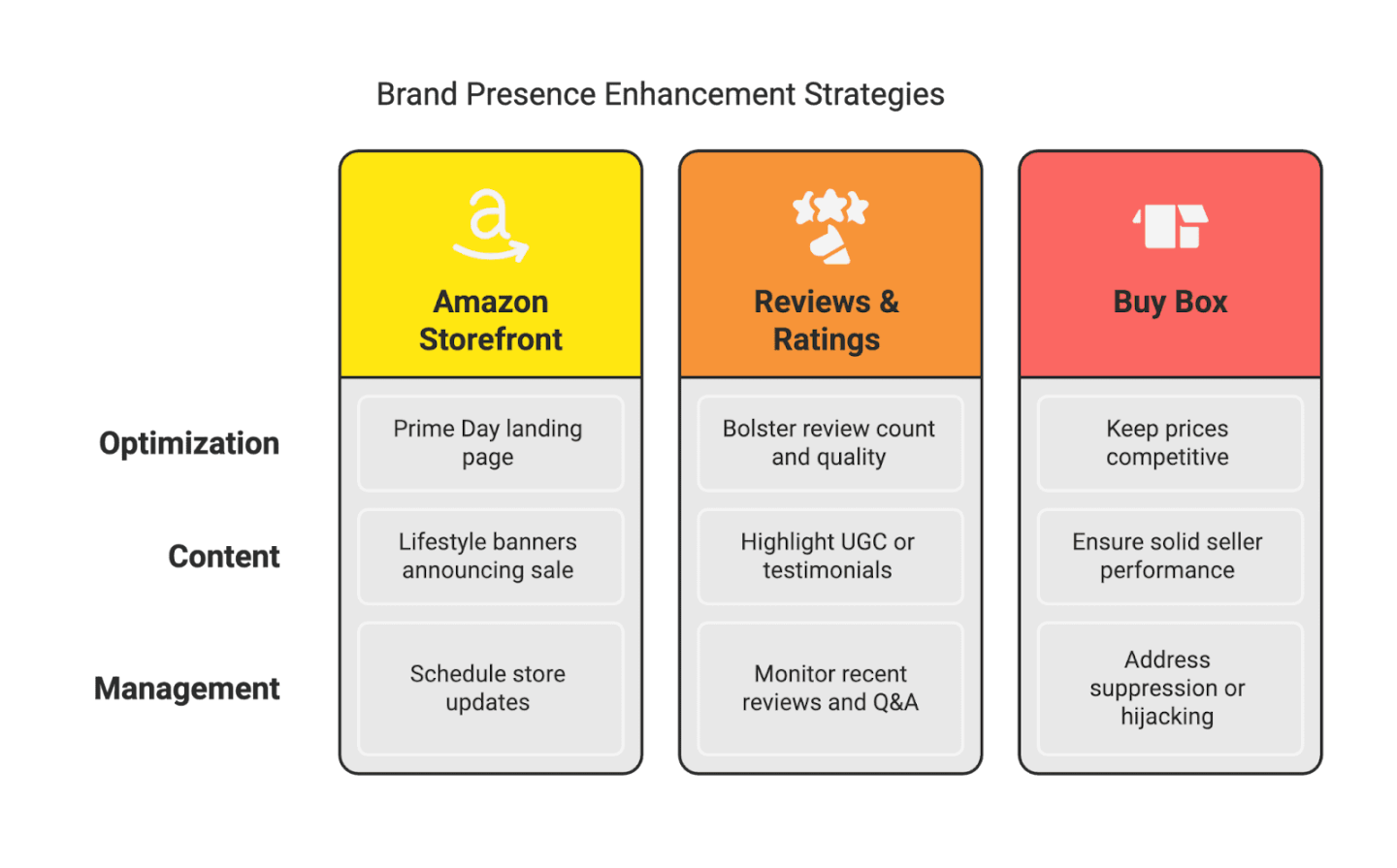
All the marketing in the world won’t help if you run out of stock or can’t get orders to customers on time. Prime Day is an endurance test for your inventory planning and operational logistics. To have your best Prime Day ever, you need the right products in the right place, ready to ship at lightning speed.
Hopefully you’ve been projecting your inventory needs using last year’s data plus an uplift (e.g., if you expect 2x your normal sales, ensure 2x inventory on hand). Amazon often has cut-off dates for FBA inventory arrival before Prime Day – make sure you send inventory to FBA by Amazon’s recommended deadline (usually several weeks before the event) to avoid inbound delays. If using Fulfillment by Amazon, double-check that your key items are in stock and have enough supply for all four days of Prime Day. It’s better to slightly over-stock than under-stock for an event of this magnitude (you can always sell leftovers in Q4 holiday season).
If using FBA, Amazon’s algorithms usually allocate your stock across fulfillment centers. But if you fulfill yourself (FBM), consider staging inventory strategically. For example, have stock in different geographic regions or ensure your warehouse can ship quickly nationwide. Prime Day shoppers expect Prime-like delivery speeds, even if you’re fulfilling yourself. Using Seller Fulfilled Prime (if enrolled) or ensuring very fast handling times will help win orders.
During Prime Day, keep a close eye on inventory levels, especially for your top sellers. Fast-selling items can surprise you – a deal might accelerate sales 10x, and you don’t want to oversell. Use Amazon’s inventory reports or any dashboards to watch units remaining. If something is running dangerously low, you might pivot your ad spend away from it to avoid stockout, or even raise the price slightly to temper demand (though that’s a last resort). Conversely, if you have slow-movers, you might drop price further mid-event to try to move them – but only if you have stock to fulfill any spike.
Prime members are accustomed to one- or two-day shipping. If you fulfill via FBA, this is taken care of (just monitor that your listings have the Prime badge). If you’re doing FBM, consider upgrading your shipping options during the event – even if it costs you a bit more – to meet customer expectations. A Prime Day customer who sees an estimated delivery two weeks out is very likely to skip your listing.
Expect a spike in customer questions (“Does this come in size X?”), messages, and possibly returns after the event. Plan your staffing accordingly. If you have a support team (even if it’s just you and a couple of helpers), make sure someone is monitoring customer messages frequently during the Prime Day period. Quick, helpful responses can secure a sale (and prevent negative reviews). For common questions, draft template answers in advance so you can respond in seconds. Examples: “Yes, all orders placed during Prime Day will be shipped out by the next business day.” or “Hi, thanks for your interest! This item does include a 1-year warranty as stated in the description. Let us know if you have any other questions.”
If you run your own warehouse or ship from your garage, tidy it up and organize your stock before Prime Day. The last thing you need is to scramble looking for items when orders are pouring in. Double-check you have enough packing materials, labels, etc. It sounds basic, but during the rush, small hiccups (like running out of packing tape) can slow you down or cause mistakes.
Your operational preparedness will directly impact customer satisfaction and your bottom line. Sellers who can deliver smoothly during Prime Day will not only delight customers (leading to good reviews and repeat business), but they’ll also avoid costly slip-ups (like cancellation defects or late shipments that hurt your account health). So, while it’s not as flashy as marketing, investing time in Prime Day inventory and fulfillment planning is a cornerstone of a successful event.
Prime Day is a hyper-competitive arena – thousands of sellers are vying for the same customers. To have your best outcome, you need to keep a close eye on your competition and ensure your offers remain attractive throughout the event. A dynamic pricing and monitoring strategy can help you win the day:
In the lead-up and during Prime Day, regularly check the Amazon search results and competitor listings for your product keywords. Are your competitors slashing prices? Did a rival suddenly offer a 30% off coupon that undercuts you? Use Amazon’s Manage Pricing dashboard or third-party tools to see price changes. If you find your product is significantly higher priced than comparable items, you may need to adjust on the fly (e.g., increase your discount or offer a coupon) to stay in the game. Remember, Prime Day shoppers are extremely deal-sensitive – even a few dollars difference can sway a purchase.
We touched on this in Strategy 6, but it’s so important it bears repeating here. If other sellers are on your listing, you must keep the Buy Box to get sales. Monitor your Buy Box percentage in Seller Central. If you lose it, investigate why – did someone undercut your price or go out-of-stock? If it’s price, you might consider matching or beating their price if margins allow. Tools like automated repricers can help during such high-frequency periods. The Buy Box is especially critical if you run ads – your Sponsored Product ads won’t even show if you lose the Buy Box to another seller. So protecting it protects all your other efforts.
Note that Prime Day is global and also rolling through time zones. If you sell in the U.S., peak traffic might occur at different times across the four days (morning of day 1, evening of day 2, etc.). Monitor when your sales peak and trough. During slower hours, you could experiment with slight price tweaks or test turning off a coupon to see if sales hold (for instance, maybe late-night shoppers buy regardless of the coupon, allowing you to save a bit on margin). Then re-enable the stronger deal during peak hours. This is advanced, but some sellers do micro-adjustments to maximize profit. Warning: Don’t repeatedly change prices too fast – Amazon can suppress listings if price changes seem erratic or if you go above the suggested price caps. Any changes should still keep the deal vibe – you don’t want to shock customers with a sudden price hike.
Staying price-competitive is a bit like being in a trading pit for 48+ hours – things can change rapidly. But the sellers who pay attention can capitalize on opportunities and avoid getting undercut unnoticed. If you’re proactive, you can ensure customers see your offer as the best deal around. Remember, on Prime Day the best-priced and best-reviewed listings win the majority of sales. With smart monitoring and agility, you’ll be one of them.
Amidst the Prime Day chaos, don’t lose sight of the importance of good old-fashioned customer service. A flood of orders also means a flood of customer touchpoints – questions, potential issues, and opportunities to either shine or stumble. By prioritizing customer service, you can boost your sales and avoid headaches down the line:
In the days leading up and during Prime Day, keep an eye on the Customer Q&A section of your listings and any direct messages from buyers. Many shoppers will ask questions about product details, compatibility, shipping, etc. A quick, helpful answer can be the difference between a sale or a customer moving on. If someone asks “Will this work with iPhone 14?” and you answer promptly “Yes, absolutely – it’s fully compatible with all iPhone models including iPhone 14,” not only do you likely win that sale, but other shoppers see that answer too. Pro tip: If you notice the same question popping up, maybe your listing description is missing that info – update it on the fly to preempt further confusion.
Some customers will leave feedback or product reviews during the Prime Day period. Monitor these in real-time if possible. If a negative review appears about a defect or problem, address it through a comment or update if appropriate (and make sure the issue is isolated – if not, you might even consider pausing that deal to avoid more unhappy customers). If you catch a product review that violates guidelines (like mentioning a competitor or obscene language), you can attempt to report it for removal. Swift attention shows customers you care and can nip problems in the bud.
Prime Day might bring an above-average return rate afterward (as impulse buys sometimes go back). Have a plan to handle returns or complaints gracefully. If a customer contacts you unhappy about something, consider offering a hassle-free return or even a partial refund if it’s a minor issue – the goodwill can save you from a scathing review. Amazon’s policies still apply during Prime Day, of course, but exceptional volumes mean you should be ready for more cases. Ensure your return policies are up to date and clearly communicated.
Excellent customer service may not directly increase your Prime Day sales the way a lightning deal or ad campaign can, but it protects your hard-earned sales from turning into returns or bad reviews, and it lays the foundation for loyalty. Shoppers will remember which sellers treated them well during the frenzied shopping event. By being responsive, helpful, and proactive, you’ll stand out as a class act, potentially earning repeat business and positive word-of-mouth (or word-of-review!). Plus, Amazon’s algorithms reward good seller metrics – fast response times and low complaint rates keep your account healthy and your listings favored in the long run.
When the clock strikes midnight on the last day of Prime Day 2026, you might be tempted to collapse on the couch – and you should definitely celebrate your successes. But the work isn’t completely over. The days and weeks immediately after Prime Day are ripe with opportunity to capitalize on the momentum and data you’ve gained. The best sellers use this period to turn a spike into sustained growth:
You likely drew in many new visitors (and customers) during Prime Day. Don’t let them forget about you. Use Amazon’s Sponsored Display ads to retarget shoppers who viewed your products but didn’t buy. For example, set a campaign to target those who viewed in the past week – now you can advertise a slight post-Prime Day discount or simply remind them of the product they looked at. Additionally, consider retargeting those who did buy, if you have complementary products to upsell (e.g., they bought a camera, now advertise a lens or accessory).
Some sellers run a “Prime Day hangover sale” or back-to-school sale a couple of weeks after Prime Day. This can attract anyone who missed out or is still in shopping mode. It doesn’t have to be huge – maybe a 10% off coupon site-wide for the rest of July – but it can help extend the sales boost and clear any remaining inventory. Promote this via email or social with a message like “Still shopping? Our deals continue…”.
If Prime Day depleted your inventory, get your restock plan in action quickly. A big sales boost can sometimes strain your supply chain. Place reorders for popular items to avoid long stockouts (which could hurt your listing rank). And yes, give yourself and your team a pat on the back and maybe a day off – you’ve earned it!
Finally, reflect on the broader impact: you likely gained many new customers thanks to Prime Day. Now is the time to foster loyalty. Perhaps insert a thank-you note in their shipped package (for FBM orders), or ensure your product experience is top-notch so they become repeat buyers. The ultimate success is not just a one-day sales spike, but the acquisition of loyal customers and reviewers who will keep your brand growing.
By following up diligently and learning from the event, you turn Prime Day from a one-off win into a stepping stone for greater long-term success in e-commerce.
Prime Day 2026 promises to be a blockbuster, and with these strategies, you’ll be well-equipped to make it your best sales event ever. In summary, start early – build hype with micro-influencers and marketing, get your listings and deals in top shape, ensure your back-end (inventory and pricing) can handle the heat, and always keep the customer’s experience front-and-center. Amazon Prime Day is as much an opportunity as it is a challenge; by planning and executing these strategies, you can confidently turn that opportunity into record-breaking sales and lasting brand growth. Here’s to your Prime Day success! 🚀
Influencer campaigns can build buzz fast. But without email, that buzz is hard to sustain.
When you pair creator content with smart, automated emails, you’re not just chasing clicks. You’re building real relationships that convert.
One brings reach. The other brings results.
When you combine influencer campaigns with email, you don’t just expand your audience. You turn momentum into measurable growth.
Here’s how to make that connection work, and how Stack Influence can help you do it.
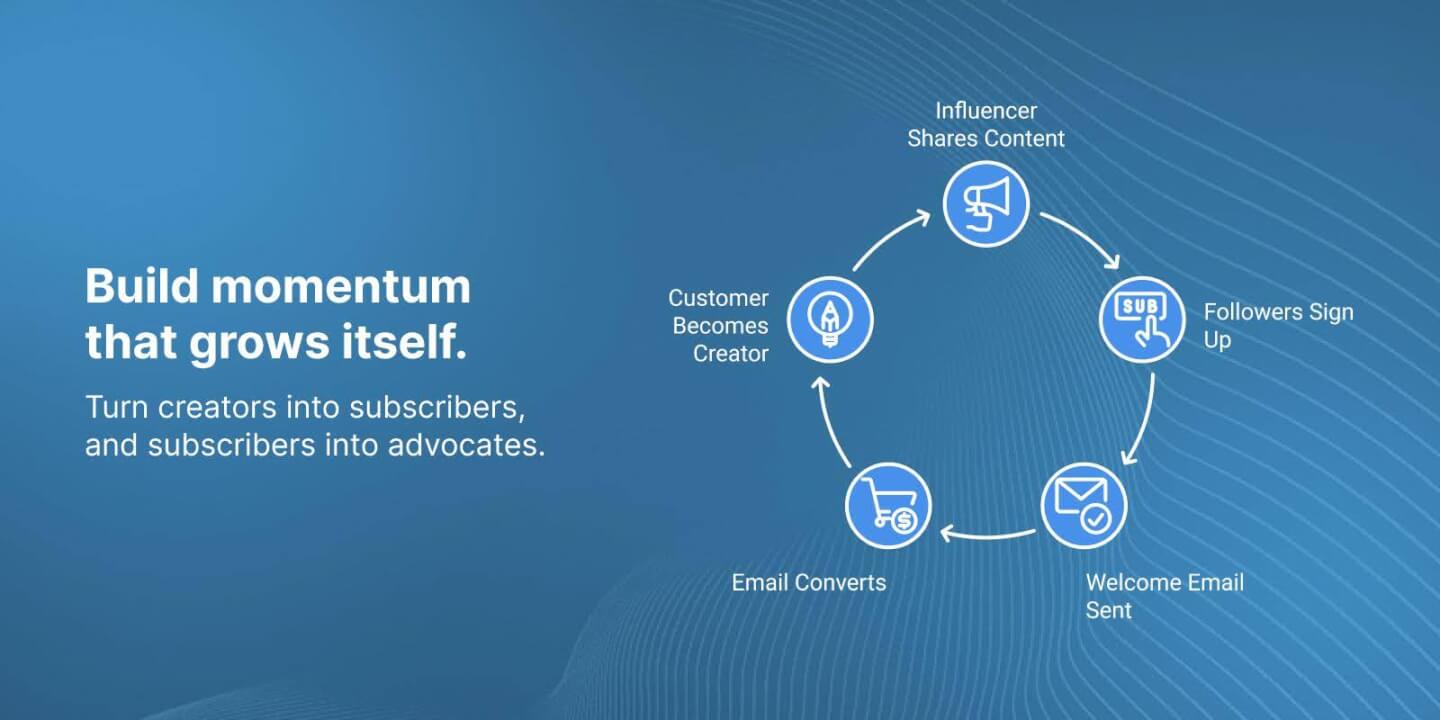
Building a high-quality email list is often the most difficult part of email marketing. That’s where micro-influencers come in.
Stack Influence connects you with everyday creators who align with your brand and share your product in exchange for gifted items. When paired with the right kind of promotion (such as a giveaway, an early access sign-up, or a discount code), that content becomes a powerful lead magnet.
It’s especially effective for:
Instead of paying for attention, you’re building trust through creators who feel like real people. When their audience subscribes, it’s because they genuinely want to hear from you.
The more aligned the influencer’s audience is with your brand, the better your list quality will be. And clean, interested lists perform better, not just in open rates, but in long-term engagement and conversion.
Want to optimize your entire email funnel? Explore this ecommerce metrics guide for benchmarks, tips, and real-world insights on how to turn subscribers into buyers.
Welcome sequences, abandoned cart, and review requests are often the most effective flows in an email program. They also work even better when they include content that feels real and personal.
Stack Influence helps brands collect user-generated content (UGC) that features products in real-life moments. This content adds warmth and credibility, especially for new subscribers who are still deciding if they trust your brand.
Try using creator content in:
The goal is to humanize the brand experience. Instead of relying only on polished product shots or promotional language, you can show how your product fits into real people’s lives. It’s not just more relatable. It’s also more effective.
Curious how automation works at scale? Check out this guide to email automation for a closer look at flow strategy that actually performs.
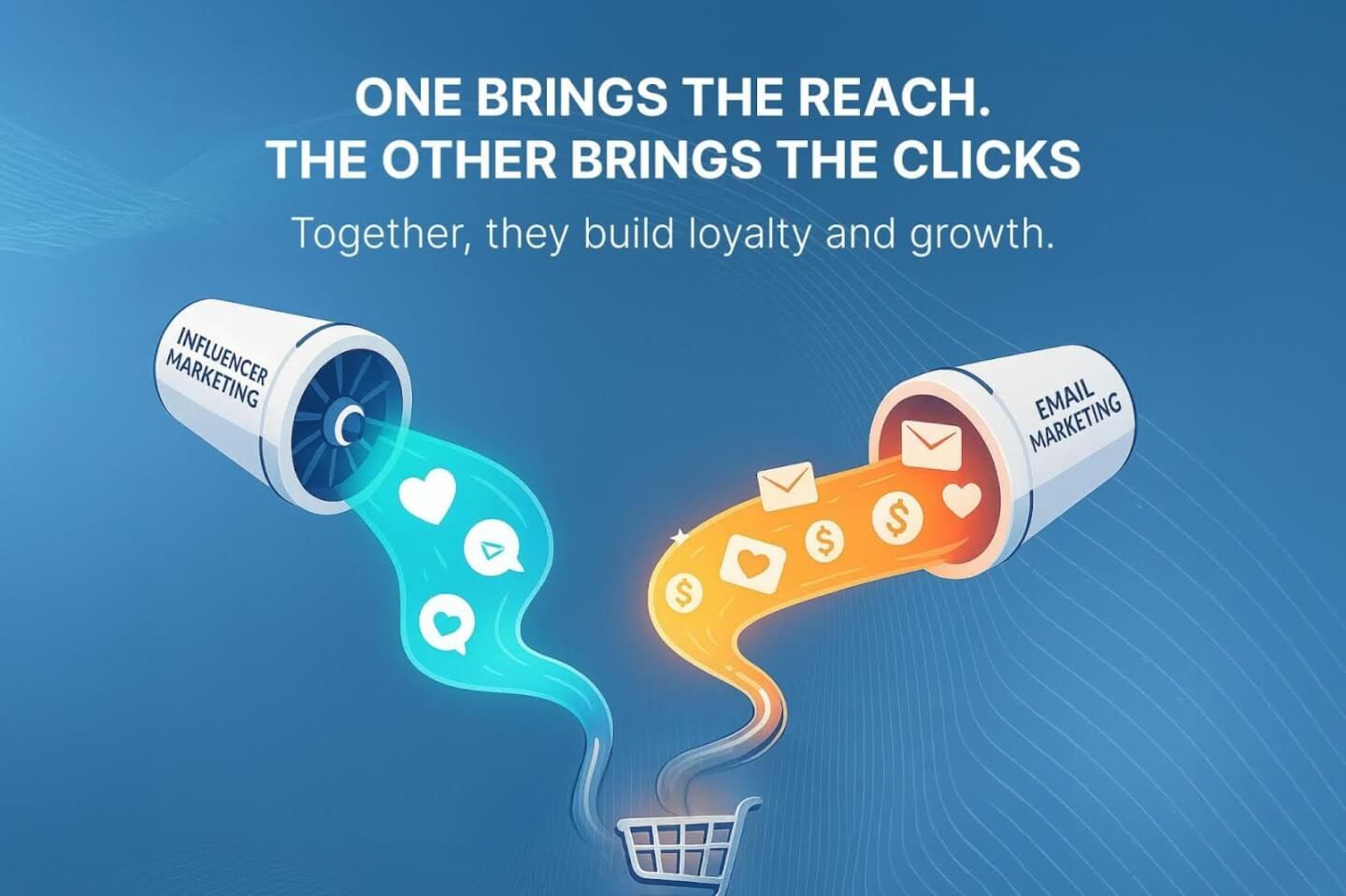
Influencer and email campaigns are often run side by side, but when they are aligned in timing and message, both perform better.
Here’s how to pair them up:
This creates multiple touchpoints with the same message, increasing recall and trust. The result is more clicks and higher conversions.
Timing also plays a role in segmentation. If someone signs up through a creator’s post, tailor your welcome series to reflect that path. A personalized touch can make the experience feel more intentional and less automated.
Want to tailor your messaging even further? Explore this guide to smarter email segmentation.
Influencers help email. But email can also help your influencer program.
After a campaign wraps, follow up with top-performing creators. Invite them to join a longer-term partnership or give them a heads-up on your next launch. If you already have automated flows, you can build this outreach into your system.
You can also segment your list to identify potential creators. Invite loyal customers to apply for your next campaign, tag your brand, or submit UGC. It’s a low-lift way to deepen community ties and find new brand advocates.
Consider adding a callout in your newsletter that invites subscribers to become part of your creator community. Some of your strongest brand advocates might already be in your audience. They just need an invitation.
Individually, email and influencer marketing are strong tools. Together, they form a complete system.
Influencer content helps you reach new audiences in a way that feels personal. Email gives you a direct line to those audiences over time. Combined, they reduce drop-off, increase conversions, and build long-term loyalty.
This strategy works across industries and audience types, whether you’re selling wellness products, tech gear, or sustainable apparel. The key is consistency, trust, and thoughtful execution.
The beauty industry is experiencing a micro influencer revolution. No longer are big celebrity endorsements the only game in town – today, many successful beauty brands (from indie startups to household names) actively collaborate with small-scale content creators to drive authentic engagement and sales. In fact, influencer recommendations have huge sway on purchasing: 74% of Gen Z (and 66% of millennials) have bought beauty products based on social posts by influencers. Micro influencers – generally creators with a few thousand up to ~100k followers – are proving especially impactful for beauty brands’ e-commerce growth. Their relatable content and tight-knit audiences translate into higher engagement, trust, and even better ROI for brands, including Amazon sellers looking to boost online sales. This blog post will explore why beauty brands are doubling down on micro influencer partnerships, highlight recent campaign examples (2024–2025), and share strategies like product gifting, UGC, affiliate programs and creator seeding that are driving results in the beauty space.
Authenticity over celebrity: Micro influencers may have smaller followings, but they often feel like real people and peers to their followers. In an era when consumers are skeptical of overly polished ads, the genuine voices of micro creators resonate. Their product recommendations come off as friendly advice rather than advertising. It’s no surprise that 82% of consumers say they’re more likely to follow a micro influencer’s recommendation over a larger influencer’s. This authenticity gives beauty brands a credibility boost – a lipstick tutorial or skincare review from a trusted micro creator can carry more weight than a celebrity endorsement.
Sky-high engagement: What micros lack in reach, they make up in engagement. Social studies consistently find that as follower counts go up, engagement rates go down. Micro influencers typically enjoy far higher likes, comments and shares (per post) than big influencers. On Instagram, for example, creators with ~10k–100k followers see 3–8% engagement on average, whereas macro influencers (hundreds of thousands of followers) average closer to ~1–2% engagement. That means micro-driven campaigns often spark 7X more engagement per follower than mega-influencer campaigns. For beauty brands, this engagement isn’t just a vanity metric – those extra comments and DMs mean more conversation, feedback, and active interest in the product. Highly engaged followers are paying attention and more likely to convert into customers.
Trust and community: Micro influencers tend to cultivate niche, tight-knit communities centered on specific interests (clean beauty, DIY makeup, K-beauty, etc.). Followers see them as relatable experts or friends, which fosters trust. 56% of marketers report better ROI from campaigns with micro/nano influencers compared to larger influencers – largely because consumers trust smaller creators’ recommendations more. Micro influencers often personally reply to comments and foster a dialogue, something impractical for a celebrity with millions of fans. This personal touch builds a loyal community that trusts their product suggestions, driving word-of-mouth buzz. As one study noted, micro influencers frequently deliver higher conversion rates, sometimes >20% higher, thanks to the credibility they’ve earned with their audience.
Better bang for your buck: From an ROI perspective, micro influencer collaborations can be incredibly cost-effective for beauty brands. Fees are typically much lower than what a macro or star influencer would charge, and often free products or modest honorariums are enough. This means a brand can afford to work with dozens of micro creators for the cost of one celebrity post. The result is a wider spread of content and reach without breaking the bank. Moreover, micro campaigns are yielding impressive returns on ad spend – it’s common to see 5×–8× ROI (revenue per $1 spent) when a micro-influencer strategy is executed well. In contrast, big influencer campaigns, while good for broad awareness, often settle around ~3×–5× ROI for many brands. One analysis of beauty brands found that large influencer activations returned roughly $4–$6 per $1 spent, whereas savvy micro-influencer programs exceeded $10+ per $1 in some cases. The bottom line: smaller creators can deliver bigger returns, especially for targeted product campaigns.
To put the difference in perspective, consider how micro and macro influencers stack up on two key metrics for beauty campaigns: average engagement rate and return on investment (ROI). As shown below, micros significantly outperform macros in engagement percentage, and they often drive higher ROI per marketing dollar:
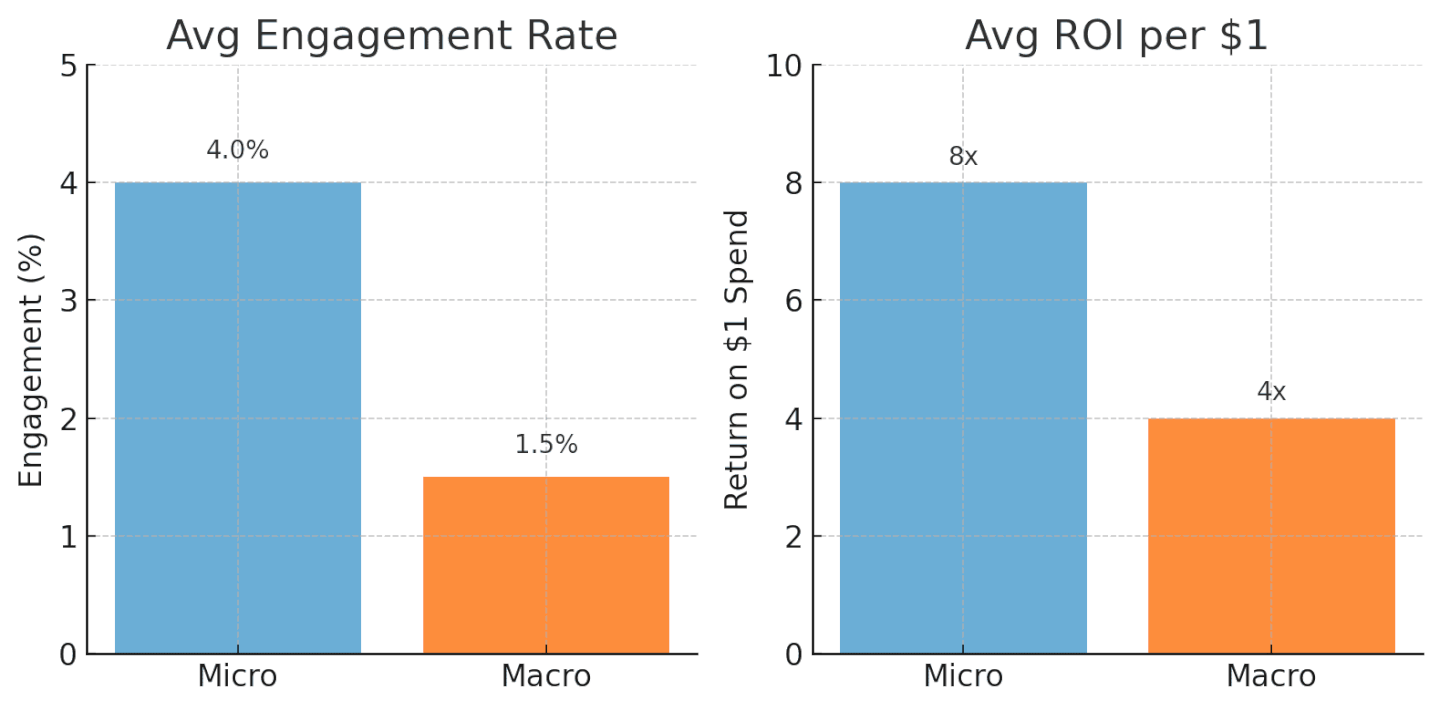
Figure: Comparing average engagement rates and ROI of micro vs. macro influencers in beauty campaigns. Micro influencers (blue) tend to see much higher engagement (likes/comments as a percentage of followers) and greater return on ad spend than macro influencers (orange), based on industry benchmarks.
The chart reflects industry averages – individual results vary by campaign, of course. But it’s clear that bigger isn’t always better in influencer marketing. A micro influencer’s post might only reach 5,000 people, but if 5% engage that’s 250 real interactions. A macro influencer might reach 500,000, yet at 1% engagement that’s 5,000 interactions (proportionally much lower). Those meaningful interactions often “punch above their weight” in driving product interest and sales. And because micros are more budget-friendly, a brand can activate 50 passionate micro influencers instead of one pricey celeb – often yielding a higher aggregate ROI through many niche touchpoints.
Many forward-thinking beauty companies have already cracked the code on micro influencer collaborations. Here are a few notable examples of brands and campaigns leveraging micros (with recent case studies and results):
The cult-favorite digital-native brand built much of its $1.8 billion valuation on the backs of micro influencers and real customers. Glossier was an early adopter of micro-influencer marketing, inviting “regular people” to become ambassadors. Through its rep program and referral incentives, Glossier encourages everyday fans (even those with just a few thousand followers) to share their authentic product experiences. This is why they are a great example of a makeup brand that sends pr to small influencers.
This has created a massive community of advocates posting about Cloud Paint blushes and Boy Brow gels because they genuinely love them. CEO Emily Weiss has noted that these passionate micro brand reps are what make Glossier special – the company amplifies content from small creators on its official socials just as readily as posts from A-list celebrities. The result is an inclusive, grassroots brand image that drives intense loyalty and organic buzz.
As the tagline “Makeup for the creators” suggests, Morphe thrives on user-generated content from micro influencers. Their hashtag campaigns like #MorphBabe have yielded over 3 million pieces of content on Instagram – makeup looks, tutorials, and product shots created by fans. Morphe actively reposts and promotes these micro-influencer posts, effectively turning its social feed into a showcase of its own customers.
This strategy has paid off in massive engagement (over a billion social interactions to date) and a constant pipeline of fresh UGC to fuel ads and product launches. By giving micro creators a platform (reposting their artistry to Morphe’s 10M+ followers), the brand also incentivizes more influencers to tag Morphe in hopes of being featured. It’s a mutually beneficial loop that keeps Morphe culturally relevant with minimal spend on traditional advertising.
NYX (now part of L’Oréal) is often cited as a pioneer in leveraging micro influencers. Back in 2016–2017, NYX sent out waves of free products to up-and-coming makeup enthusiasts on YouTube and Instagram, long before “micro influencer” was a buzzword. That investment paid off: NYX saw a 97% jump in social engagement during that period. The brand continues to engage its community with creative UGC challenges.
A standout recent example was the #ButterGlossPop campaign on TikTok. NYX invited creators of all sizes to show off looks with its Butter Gloss lip gloss; the challenge went mega-viral with 10 billion views and over 2 million videos created by users. Many of those creators were regular beauty lovers and micro influencers whose content collectively made Butter Gloss a hit product. By blending product seeding, a catchy hashtag, and tapping into TikTok’s creator culture, NYX demonstrated how micro influencers can ignite a viral moment that drives e-commerce sales (the glosses sold out in many stores during the campaign’s peak).
One of the world’s largest cosmetics retailers, Sephora, might not need micro influencers – yet it actively works with them to stay on the pulse of beauty trends. Sephora’s #SephoraSquad program invites influencers of all follower sizes and backgrounds to apply to become brand partners. Each year, a new “class” of Sephora Squad members (many of them micro or mid-tier influencers) is selected to sends pr to small influencers.
They receive perks like professional mentorship, invitations to industry events, and lots of free products, in exchange for creating honest content and feedback for Sephora and its many brands. This program has not only generated tons of UGC and reviews for Sephora’s products, but also cultivated an army of micro-influencer allies who feel a genuine connection to the retailer. By democratizing who gets to be a “Sephora influencer,” the company infuses fresh, diverse voices into its marketing – from small-town makeup artists to skincare enthusiasts – keeping the brand relevant and relatable to the grassroots consumer.
These examples barely scratch the surface – other brands like Milk Makeup (which features customer UGC and even personalizes shout-outs with each creator’s pronouns), Kylie Cosmetics (built off the ultimate influencer-turned-mogul and still embraces micro creators in its social content), and Eminence Organics (reposts content from fans with <1k followers to emphasize real results) are all leveraging micros in innovative ways. The takeaway is clear: whether you’re an indie beauty label or an established luxury brand, micro influencers can play a pivotal role in your marketing strategy – driving engagement, creating content, and ultimately fueling product sales.
How exactly are beauty brands collaborating with micro influencers? The approach is much more hands-on and community-driven than traditional sponsorship deals. Here are some of the top strategies beauty brands use to engage micro influencers, along with examples:
A popular tactic is to send free products or PR boxes to selected micro influencers and invite them to share content if they love it. This product seeding approach builds goodwill and often generates authentic reviews, unboxings, and tutorial posts. For example, indie brand Frank Body famously sent out free samples of its coffee scrub to small beauty influencers ahead of launch with a simple ask – “if you like it, please share it.” The result was an explosion of buzz that led to 2.2 million products sold (about $20 million) within months. Many brands regularly gift new product releases to micros as a way of seeding social content. Daniel Wellington (a watch brand) pioneered this by giving out free watches to hundreds of micro creators, leading to a flood of UGC and viral growth. In beauty, brands like Kosas and ColourPop send PR packages to influencers of all sizes to let them try new makeup collections, knowing that genuine excitement from a few small creators can spark a trend.
Closely related to gifting, many beauty companies now do early product seeding with micros to build hype around launches. This means giving a handful of micro influencers (and their followers) a sneak peek of upcoming products before the official release. For instance, Revolution Beauty in 2024 coordinated a multi-phase launch of its Juicy Peptide Lip Balm that included teaser posts and strategically chosen micro influencer partnerships to build anticipation. By the time the product dropped, a buzz had been cultivated by those initial creators, turning the launch into a viral event. Early access seeding leverages FOMO and exclusivity – micros feel valued to be “in on it” early, and their audience gets excited for the launch through their content. Even established brands use this tactic: e.g. Dyson (known for beauty gadgets like the Airwrap) worked with micro influencers in niche communities (haircare, lifestyle) to preview how new products fit into real daily routines, yielding campaign engagement rates up to 10%.
Many beauty brands fuel their social media by encouraging user-generated content (UGC) from micro influencers and fans. Branded hashtags, challenges, or contests are common ways to spark a flood of content. Morphe is a prime example – as a self-described “makeup for creators,” Morphe’s hashtag ##MorphBabe has over 3 million posts on Instagram, featuring looks created by micro influencers and customers. The brand regularly reposts this content, giving shout-outs to small creators and essentially letting its community market the products. This always-on UGC strategy provides Morphe with a never-ending stream of fresh content and social proof. Another example is NYX Cosmetics, which heavily leveraged micro influencers and fan content to grow its brand. NYX’s extensive product gifting program a few years back helped increase their social engagement by 97%. More recently, NYX ran the #ButterGlossPop challenge on TikTok, where users (big and small) created looks with its Butter Gloss lip product – that campaign blew up with 10 billion TikTok views and over 2 million UGC videos featuring the gloss. By tapping into creators’ creativity, beauty brands expand their reach exponentially and foster a sense of community participation. The best UGC campaigns offer something fun or rewarding – whether it’s a chance to be featured on the brand’s page, product giveaways for the best looks, or just the social clout of going viral.
Rather than one-off sponsored posts, many beauty brands prefer to turn micro influencers into ongoing ambassadors or affiliates. This typically involves providing a unique referral link or discount code and paying the influencer a small commission for any sales they drive. It’s a win-win: the micro influencer has an incentive to promote the products authentically (since they earn a percentage), and the brand only pays for actual results. Glossier is well known for its rep/ambassador program that anyone can apply to – these micro influencers (often just enthusiastic customers) get credit and perks for sharing Glossier with their followers. This grassroots approach helped Glossier grow into a $1.8 billion brand on the power of everyday fans turned influencers. Other companies like Mejuri (jewelry) built their early growth via an affiliate program that sent free products to micro influencers in exchange for Instagram posts, plus 5% commission on any sales they generated. In the beauty sector, Supergoop runs a “Sunshine Crew” affiliate program that gives micro creators their latest SPF products and 10% commission on sales from their links. These programs not only drive sales through trackable links, but also foster a long-term relationship – the influencers often become loyal brand advocates. Affiliate micro influencers will frequently share promo codes during tutorials (“Use my code for 15% off!”), which feels more organic than a generic ad and also benefits the followers with discounts.
By combining these strategies – gifting, seeding, UGC campaigns, and affiliate incentives – beauty brands create a powerful flywheel effect. Micro influencers receive products and recognition, they create genuine content, their followers trust and try the products, and the brand gains both sales and a library of authentic marketing assets. It’s all about meeting consumers where they are: scrolling through social feeds looking for the next beauty tip or must-have product, preferably suggested by someone who feels “just like them.” And increasingly, that’s a micro influencer.
In the ultra-competitive beauty market (and the wider e-commerce world), micro influencers have emerged as secret weapons for brands looking to build authentic connections and drive sales. Beauty brands that work with micro influencers are reaping multiple rewards: higher engagement, richer content portfolios, more UGC and social proof, and often a better ROI than traditional advertising channels. From Glossier’s community-driven growth to Sephora’s inclusion of micros in its influencer family, it’s clear that tapping into passionate niche creators is a winning strategy. Even Amazon sellers are harnessing micro influencers to turbocharge their growth, leveraging the trust and targeted reach these creators provide.
As we head into 2025 and beyond, expect to see even more brands shift their influencer budgets towards micros and nanos. These collaborations feel genuine, scale organically, and can create ripple effects far greater than their size would suggest. For beauty marketers and Amazon sellers alike, the message is: don’t underestimate the power of the “little” guys. A constellation of micro influencers just might outshine that one big superstar – and light the way to sustained brand success in the digital age. Embrace the micro-influencer movement, and you’ll find that authentic content creators can deliver truly macro results for your brand.
Amazon’s dominance in e-commerce is undeniable – it accounts for roughly 38% of the U.S. online retail market, and nearly two-thirds of online shoppers start their product searches on Amazon. For e-commerce entrepreneurs and Amazon sellers, this presents a huge opportunity. One powerful way to capitalize on Amazon’s reach is by partnering with Amazon influencers (content creators in Amazon’s Influencer Program) who can showcase your products on their Amazon storefronts. These micro influencers not only drive traffic and sales through trusted recommendations, but also create valuable user-generated content (UGC) that can boost your brand’s credibility. In fact, over 72% of teenagers follow influencers and trust their product recommendations – a testament to the influence and authenticity that creators bring to e-commerce marketing.
However, finding the right Amazon influencers and their storefronts isn’t as simple as doing a quick search on Amazon’s site. Amazon does not provide a straightforward influencer directory or search bar. Instead, influencer storefronts are often discovered through social media or third-party tools. Don’t worry – in this guide, we’ll break down step-by-step how to find Amazon influencers and their storefronts. We’ll cover what Amazon storefronts are, why micro-influencers and UGC matter for Amazon sellers, and multiple strategies (from using Amazon’s own features to leveraging social media and influencer platforms) to uncover the best creators for your brand. Let’s dive in!
Amazon influencers are content creators (ranging from micro-influencers to celebrities) who promote products through Amazon’s official Influencer Program. Influencers apply and, once approved, receive a unique affiliate link that lets them earn commissions on any sales they drive. Importantly, approved creators also get their own Amazon influencer storefront – a dedicated page on Amazon featuring a curated catalog of products they recommend. In other words, an influencer’s storefront is like their personalized shop on Amazon, showcasing their favorite finds and product lists in various categories (e.g. fashion picks, home essentials, gadgets).
These Amazon storefronts blend content and commerce: influencers often share videos, photos, and commentary on products, and customers can directly purchase through the storefront. This fusion of social proof and shopping is powerful. For influencers, it’s a way to monetize their content; for brands, it’s an opportunity to have products endorsed by relatable creators. Micro-influencers, in particular, have become a popular choice for Amazon sellers because of their niche expertise and highly engaged audiences. The Amazon Influencer Program’s requirements are relatively lenient – creators just need an active social media account (YouTube, Instagram, Facebook, or TikTok) and some engagement, meaning many micro-influencers qualify. This inclusivity has built a diverse pool of influencers across all categories, from beauty and fashion to tech and fitness, giving e-commerce sellers ample choice to find a perfect fit.

Leveraging micro influencers on Amazon offers multiple benefits for e-commerce sellers and content creators looking to promote products:
Now that we understand the value of Amazon influencers and the kind of UGC-driven buzz they can create, let’s get into the actionable steps for finding these influencers and tapping into their storefronts.
Finding Amazon influencers requires a bit of detective work across different platforms. Below, we outline a step-by-step approach with various methods – use as many of these steps as needed to build a list of potential influencers for your product. Each step targets a different channel where Amazon influencers can be found.
Your first stop should be Amazon itself, which offers a couple of built-in discovery features for influencer content – namely Amazon Live and the #FoundItOnAmazon page. While Amazon doesn’t have a simple influencer search bar or public directory of all influencers, these two features are the closest things to an on-site discovery mechanism.
Amazon Live: Amazon Live is the platform’s live-streaming hub where influencers (and brands) host live video streams to showcase products in real time. Influencers on Amazon Live demonstrate products, give reviews, and interact with viewers via chat – it’s like QVC meets social media. To use Amazon Live for discovery, go to the Amazon Live homepage (on the Amazon site or app). Here you’ll find a few sections useful for finding creators:
When you find a promising creator on Amazon Live, click on their profile. You’ll typically see a link to their Amazon storefront on their profile page. From there, you can explore their storefront content and see if they feature products similar to yours.
#FoundItOnAmazon: Amazon’s #FoundItOnAmazon page is a curated feed of influencer-tagged content and a great way to browse influencer posts by category. To access it, go to Amazon’s home page, click the menu (☰) and select “See All”, then find #FoundItOnAmazon in the list. This brings up a Pinterest-style page of photos from influencers’ Amazon posts. It’s essentially a collection of shoppable images all tagged with the #FoundItOnAmazon hashtag.
On the #FoundItOnAmazon feed, you can filter by product category at the top – e.g. Home Décor, Fashion, Beauty, Electronics, etc., to narrow down the posts to your niche. Scroll through the images and click on any that catch your eye. When you click an image, it will show the products featured and (crucially) the influencer’s name. Click the influencer’s name, and you’ll be taken to their Amazon influencer page or storefront. From there you can follow them (if logged in) or at least view all their content and recommended products.
This method is a bit like window-shopping for influencers: you see a snapshot of their style and content from the image, which helps you judge if they might align with your brand. It’s worth exploring several categories and hashtags on Amazon to find a range of influencers. Keep in mind that #FoundItOnAmazon primarily surfaces influencer posts that Amazon has aggregated, so it may not include every influencer – but it’s a fantastic starting point, especially for visual categories like fashion, beauty, home, and lifestyle.
Pro Tip: Follow the breadcrumb trail. On an influencer’s Amazon storefront, you might find a short bio or links to their other social media. This can be useful for vetting them later (e.g., checking their Instagram for engagement rate) or finding even more influencers (as many creators interact with each other).
Social media is where Amazon influencers actually promote their storefronts and content the most. Instagram and TikTok are particularly fruitful for finding Amazon product recommendations, as many influencers regularly post “Amazon finds” and shopping hauls on these platforms. By searching the right hashtags, you can uncover countless micro-influencers who have Amazon storefronts.
Start with Instagram: use the search function and try hashtags like #AmazonFinds (one of the most popular), #AmazonHaul, #AmazonMustHaves, #AmazonFashion, #AmazonHome, or the generic #FoundItOnAmazon. These tags are commonly used by content creators showcasing their favorite Amazon products. When you browse a hashtag feed, look for posts that have an “Amazon” aesthetic or mention (often a collage of products or a video of an item review). Check the captions – many Amazon influencers will mention that the product link is in their bio or say something like “Link in my Amazon storefront.”
On TikTok, hashtags are equally or even more important, since TikTok has been a massive driver of viral Amazon trends (“TikTok made me buy it!”). Search TikTok for similar tags: #AmazonFinds, #AmazonHaul, #TikTokMadeMeBuyIt (not Amazon-specific but heavily features Amazon gadgets), and #FoundItOnAmazon. TikTok’s algorithm might also lead you from one video to another; when you find a video of someone showing off an Amazon product, check their profile to see if they call themselves an “Amazon Finder” or have an Amazon storefront link in their bio (many do).
Here are some popular hashtags to get you started:
Spend some time scrolling through these hashtag results. When you find a promising creator (for example, someone who frequently posts Amazon recommendation videos or pictures), click on their profile. Check their bio – Amazon influencers often include a link (sometimes a Linktree or Beacons page) with a label like “Amazon Storefront” or they may directly list an Amazon URL. Instagram doesn’t allow multiple links, so many use a link-in-bio service that will then have a button to their Amazon storefront. TikTok allows one link; savvy Amazon influencers will use that slot for their Amazon store if that’s a main focus.
Make a list of those creators who seem to match your product niche. For each, note their handle, follower count, engagement (do people comment on their posts?), and whether they explicitly have an Amazon storefront link. You can also follow them or save their posts as you go, to easily revisit. Social media hashtag hunting is a bit manual, but it’s one of the richest ways to find real, active micro-influencers who love sharing Amazon products. Scraping public hashtag results and creator profiles can help streamline that research, especially when used together with a proxy service like GoProxies to support data collection at scale.Plus, by observing their content you can gauge if their style and audience might be a fit for your brand before even contacting them.
Don’t overlook YouTube as a search channel. Many Amazon influencers (especially those who do tech reviews, beauty tutorials, or home gadget demos) have YouTube channels where they post longer-form product review videos. These can range from “Amazon Favorites” round-ups to unboxing videos, haul videos, or gift idea lists – all featuring products from Amazon.
To find potential Amazon influencers on YouTube, use YouTube’s search bar with keywords related to Amazon reviews in your product category. For example, search for “Amazon product review + ” or phrases like “Amazon favorites ”, “Amazon must haves ”, “Amazon haul ”, etc.. If you sell a specific type of product, include that: e.g. “Amazon cookware review” or “Amazon fitness gadgets haul.” You’ll likely discover a trove of videos by creators showing items they bought on Amazon.
When you find a relevant video, watch or skim through it for context – is the person truly an Amazon-focused influencer or just a general YouTuber? Then, importantly, check the video description box. Influencers who are part of the Amazon program will almost always put their Amazon storefront link or individual affiliate product links in the description. Look for something like “My Amazon Storefront: amazon.com/shop/ ” or a list of product links (which often contain “amazon.com” with a referral code).
If the creator has an Amazon storefront link listed, bingo – you’ve found an Amazon influencer. Click it to inspect their storefront and get a sense of what other products they curate. Also note their subscriber count and engagement on YouTube – a YouTuber with a modest following but high video views on Amazon reviews could be a great micro-influencer to work with.
Additionally, YouTube’s algorithm might suggest related videos (“Up next” or in the sidebar) once you start engaging with Amazon product videos. This can lead you to other influencers in the same space. Feel free to go down the rabbit hole and list any creators that seem like potential collaborators. Even if some YouTubers don’t explicitly list their storefront, if they talk about Amazon finds often, you can try searching their name + “Amazon storefront” on Google – sometimes their storefront will still show up in results if it’s public.
A post shared by Stack Influence (@stackinfluence)
If manually hunting through Amazon and social media feels overwhelming, consider using an influencer marketing platform to streamline the process. There are platforms specifically designed to connect brands with influencers (including Amazon influencers) by providing searchable databases, filters, and campaign management tools. For example, Stack Influence (an influencer marketing platform focused on micro-influencers for e-commerce) can be a huge time-saver. These platforms often have thousands or even millions of influencer profiles indexed, and you can filter by criteria like niche, audience demographics, follower count, engagement rate, and even keywords or hashtags used.
Moreover, influencer platforms can provide performance metrics that are hard to get on your own – for instance, an influencer’s average engagement rate, audience demographics, past collaborations, etc., so you can vet influencers more thoroughly before working with them. Many also facilitate communication and payments, acting as a middleman to ensure both parties deliver on their promises.
Another advantage: campaign guarantees. To illustrate, Stack Influence has a policy where you only pay for completed influencer posts, ensuring you don’t waste budget on influencers who flake out. This kind of guarantee and the end-to-end campaign management (from product seeding to tracking posts) can make scaling your micro-influencer campaigns much easier. It’s like having a matchmaking and project management service for your influencer marketing.
Other platforms in the industry offer similar marketplaces – when using any of them, be sure to specify you’re looking for Amazon storefront influencers or Amazon Associates. Some popular influencer marketing tools have filters for “Amazon” or allow you to search by the presence of an Amazon link in bios. This way, you can zero in on creators who are active in Amazon’s ecosystem.
In summary, influencer marketing platforms are a powerful way to find Amazon influencers and manage collaborations at scale. While they may involve subscription or campaign fees, the investment can pay off by saving you time and helping you discover high-quality micro-influencers that perfectly match your brand.
Once you’ve found a number of potential Amazon influencers using the steps above, the next crucial step is vetting them and reaching out. Here are some tips to ensure you choose the right micro-influencers and set the collaboration up for success:
Finally, foster a good relationship with the influencers you work with. If they produce great content and you see a sales bump from their referrals, consider making them long-term partners. Brands that nurture relationships with a pool of micro-influencers often build a powerful always-on influencer marketing engine, where there’s a steady stream of UGC and referrals coming in. And as those influencers grow their own followings, your brand benefits from that growth too.
Finding Amazon influencers and their storefronts may require some time and multi-channel research, but it’s well worth the effort for e-commerce sellers. By using Amazon’s built-in discovery features (#FoundItOnAmazon and Amazon Live), scouring social media hashtags, searching YouTube, leveraging specialized platforms, and even looking at your own customer community, you can compile a strong list of potential micro-influencers who align with your brand. These creators can help showcase your products through authentic content and drive high-intent shoppers to your Amazon listings.
In the era of social commerce, micro-influencers and UGC are invaluable assets. They bring trust, relatability, and creative storytelling to your product marketing. As an Amazon seller or brand, partnering with these content creators can boost your visibility on Amazon (and beyond) and ultimately increase sales. Remember to vet influencers carefully, build genuine relationships, and create a win-win collaboration (they benefit by earning commission and growing their content, you benefit from the exposure and content they provide).
By following this step-by-step guide, you’ll be well on your way to tapping into the power of Amazon influencers. Whether you find them through a hashtag on TikTok or with the help of an influencer platform like Stack Influence, the key is to start building those connections. With the right micro-influencers on your side, you can transform enthusiastic product recommendations into a formidable marketing strategy – one that resonates with today’s shoppers and helps your e-commerce business thrive.
Influencer marketing isn’t just for big brands with massive budgets. Small e-commerce startups, direct-to-consumer (DTC) brands, and even Amazon sellers can punch above their weight by teaming up with the right content creators. In fact, micro influencers – those niche creators with modest followings – have become a secret weapon for small businesses to drive sales and user-generated content (UGC) without breaking the bank. This guide breaks down practical tips for launching influencer campaigns on a shoestring budget, common pitfalls to avoid, and how influencer marketing fits e-commerce, DTC, and Amazon-based brands. Let’s dive in!
For a small business, every marketing dollar counts. Influencer marketing offers a high-ROI channel to boost visibility, trust, and sales. By collaborating with influencers (from everyday content creators to niche experts), small brands can:
Followers see micro influencers as authentic peers, so their recommendations carry weight. One survey found 82% of consumers are highly likely to follow a micro influencer’s suggestion, underscoring the credibility these creators command. Unlike glossy celebrity ads, micro influencer posts feel like word-of-mouth tips from a friend, which is gold for small businesses trying to establish credibility.
Micro influencers often focus on specific niches or local communities, meaning you can pinpoint the exact audience that fits your product. Their smaller scale breeds higher engagement – often 5–20% of followers interact with their posts, compared to just 1–3% for macro influencers with huge followings. That passionate, relevant audience is more likely to convert into customers.
Many influencers are talented content creators who produce high-quality photos, videos, and reviews. When a micro influencer posts about your product, you not only gain exposure – you also gain UGC that can be repurposed on your own website, social media, or Amazon listing. This user-generated content serves as authentic social proof. In fact, brands often repurpose micro influencer content (e.g. TikTok reviews, Instagram photos) in ads and product pages to boost performance.
Perhaps the biggest draw for small businesses is cost-effectiveness. Micro influencers are far more affordable than big-name influencers. Whereas a celebrity or macro influencer might charge tens of thousands for a single post, a micro influencer (say 5k–50k followers) might collaborate for just $100–$500 or even accept free product as payment. This means a small brand can engage multiple micro influencers for the price of one superstar – often yielding better overall results. Lower cost coupled with strong engagement often translates to a higher return on investment.
Studies show nano- and micro-influencers deliver significantly higher ROI than macro influencers. For example, nano influencers (~<10k followers) can produce around a 18:1 revenue-to-spend ROI, versus roughly 6:1 for large influencers. Micro influencers also tend to outperform on a cost-adjusted basis, giving small brands more sales per dollar spent. The high ROI comes from their low fees and tight-knit trust with audiences.
A post shared by Stack Influence (@stackinfluence)
Micro influencers (and their even smaller cousins, nano influencers) offer an ideal sweet spot for small businesses. These are creators with a few thousand up to ~100,000 followers, focused on a specific niche. What they lack in sheer reach, they make up for in engagement, authenticity, and affordability. Here’s why micro influencers can deliver a big impact even with a limited budget:
Micro influencers’ audiences are small but mighty. Their followers actually pay attention and interact. It’s common to see engagement rates of 5–10% or more on micro influencer posts, far above the rates for million-follower accounts. This engagement isn’t just vanity metrics – it leads to action. Followers trust the influencer’s recommendations, so they click links, use promo codes, and make purchases. In fact, micro-creators bring 60% more trust to a brand and drive ~20% higher conversion rates than macro influencers. Their personal, relatable style makes followers comfortable becoming customers.
Because micro influencers are “regular people” passionate about their niche, their content feels genuine. A shout-out from a micro influencer comes off as a real endorsement rather than an obvious ad. This authenticity is especially valuable for DTC brands that rely on genuine storytelling. Additionally, partnering with micros generates tons of UGC – real-life product photos, unboxing videos, testimonials, etc. You can later repost this content on your own channels or even feature it on product pages. It’s like getting both marketing and a content library in one. (For example, a micro influencer’s TikTok unboxing can be edited into a Facebook ad, saving you creative costs.)
Micro influencers are perfect for small budgets. Many are happy to promote products in exchange for a free sample or a modest fee, especially if they genuinely like the product. This product seeding approach is extremely cost-effective – you’re essentially bartering product for promotion. Some platforms even specialize in product-only compensation models where influencers are paid in free product, not cash. As a result, brands only spend money when an influencer actually posts content, making it a pay-for-performance setup. Contrast this with a single macro influencer post that might cost $10K–$20K upfront regardless of results!
The math often works out in favor of micros. Their combination of low cost and real influence means more sales per dollar spent. Research in 2024 found that nano/micro influencers can deliver roughly 20× ROI (revenue vs cost) compared to about 6× ROI for macro influencers. That’s a huge difference in efficiency. Why? A celebrity might reach more people overall, but a big chunk of those people either aren’t the target market or don’t trust ads. Meanwhile, a micro influencer’s smaller audience is laser-targeted and receptive, so conversion rates are higher. You might need a few micro influencers to equal the total reach of one macro, but collectively they often drive more actual sales for the same spend. The bottom line: micro influencers often give small brands the best bang for their buck.

Ready to get started? Here are some practical tips and advice for small e-commerce and DTC brands (including Amazon sellers) to launch effective influencer marketing campaigns without a big spend:
While influencer marketing offers huge upside, there are some common pitfalls – especially for newcomers. In fact, over half of influencer campaigns fail to meet their goals due to missteps and poor planning. To ensure you don’t waste your budget, watch out for these mistakes:
It’s tempting to think bigger is better – many brands go after the influencer with the most followers they can afford. But follower count means little if those followers aren’t engaged or aren’t your target audience. A million followers won’t help if they ignore the content or don’t care about your niche. Mega-influencers often have broad or fake audiences and much lower engagement rates. (Some celebrities see <1% of fans engaging, whereas a niche nano influencer might get 5%+ engagement.) Instead of pure reach, focus on relevance. Partner with influencers whose followers match your ideal customer profile. A small, engaged audience that overlaps with your market is far more valuable than a huge, untargeted one. Don’t equate influence with audience size – quality beats quantity.
Unfortunately, not all influencers are what they seem. Fake followers and engagement pods are rampant issues. If you don’t vet an influencer’s profile, you might pay for “ghost” followers (bots or inactive accounts) that never see your message. Red flags include an unrealistic follower-to-engagement ratio (e.g. 100k followers but only 50 likes per post) or generic spam comments on their content. Use common sense and even tools (like fake follower audits) to check for authenticity. Collaborating with an influencer who has a legitimately smaller but real audience will always outperform a larger account full of bots. It’s worth taking time upfront to ensure you’re partnering with genuine creators – otherwise you’re throwing money away.
This is a classic rookie mistake – teaming up with an influencer whose audience isn’t a match for your product. For example, having a fashion influencer promote your tech gadget when their followers only care about style, or a fitness influencer plug your gourmet chocolates when their fans are health nuts. No matter how popular the influencer is, if the audience-product fit is off, the campaign will flop. Make sure to research an influencer’s followers (age, interests, demographics) and content niche before committing. The influencer’s personal brand should complement yours. When you get the alignment right, any content they post will resonate much more and drive actual results (clicks, follows, sales) from people who actually care.
Another mistake is putting all your eggs in one social media basket by default. Just because Instagram is popular doesn’t mean it’s the best or only place to find your customers. Go where your target audience hangs out. If you’re a craft brand targeting Gen Z, TikTok might be non-negotiable. If you’re a B2B service, LinkedIn or YouTube influencers could be more effective. Do a bit of research on which platform your audience favors. Also, diversifying across a couple of platforms can hedge against algorithm changes or platform fatigue. Don’t overstretch yourself by trying every platform at once, but don’t tunnel-vision on one if your potential customers are elsewhere.
By steering clear of these common mistakes, you’ll save money, protect your brand reputation, and get better results from your campaigns. In short: be strategic, choose quality over quantity, and foster genuine relationships. Influencer marketing is as much an art as a science, but avoiding these pitfalls will put you on the right path.
Influencer marketing can look a little different depending on your business model. Here’s a quick comparison of how it fits into three common small-business types: independent e-commerce brands, DTC brands, and Amazon sellers. Each can leverage influencers, but their goals and strategies may vary:
Comparison Chart: How influencer marketing fits e-commerce brands, DTC brands, and Amazon sellers. E-commerce owners typically use influencers to drive traffic to their own site and generate content (UGC) for marketing. DTC brands focus on authentic storytelling and community-building with micro influencer ambassadors. Amazon sellers leverage influencers to send external traffic to their Amazon listings (boosting search rank) and to gather reviews/UGC for social proof on the platform.
In summary, e-commerce and DTC brands have the advantage of driving traffic directly to their own website – allowing them to capture customer info, retarget visitors, and build an owned community. Influencer content for these brands often serves dual purposes: immediate sales and long-term brand building (through storytelling and UGC that can be reused in ads, emails, etc.). Amazon sellers, on the other hand, use influencer marketing to supplement the Amazon ecosystem. Since Amazon sellers don’t own the customer relationship, the focus is on driving bursts of traffic and sales to improve product ranking and accumulating reviews/UGC to improve conversion on the Amazon listing itself. Amazon-focused campaigns might involve giving influencers Amazon referral links or discount codes to track performance, and encouraging influencers to ask their followers to leave reviews after purchasing. While the tactics differ, the core principle is the same: partner with relevant influencers to amplify your product to the right audience.
No matter your brand type, start small and scale up. You might begin with a handful of micro influencers posting about your product and then double down on what works. Whether you’re selling via Shopify, your own DTC site, or the Amazon marketplace, influencer collaborations can drive real growth when done thoughtfully.
Influencer marketing has leveled the playing field for small businesses. You don’t need Super Bowl ads or a million-dollar budget – a network of passionate micro influencers and content creators can create a ripple effect for your brand. By focusing on micro influencers, you tap into authentic voices that resonate with niche audiences. Their user-generated content builds trust and social proof for your products, whether on your website or on Amazon. And by avoiding common mistakes (like miscasting influencers or failing to track results), you ensure every dollar is well spent.
For e-commerce and DTC brands, influencers can become extensions of your brand story, reinforcing your message in a relatable way. For Amazon sellers, they can be the catalyst that kicks off sales momentum and review growth for new products. In all cases, remember that successful influencer marketing is about relationships and relevance. Treat creators as partners, give them the tools to succeed (clear briefs, tracking links, fair compensation), and respect their creative style.
Finally, don’t hesitate to use tools and services to amplify your efforts. Platforms like Stack Influence exist to make micro-influencer campaigns turn-key for small brands – handling the heavy lifting of outreach, coordination, and optimization. Using such a platform can save you time and help scale your campaigns while keeping them cost-effective. Whether you go DIY or use a service, the key is to start with a strategy, learn from each campaign, and refine your approach. Influencer marketing is a journey of experimentation, but with these tips in hand, you’re well on your way to turning likes, shares, and views into real business growth. Good luck, and happy collaborating!