




Choosing an Amazon influencer marketing platform is less about finding the biggest creator database and more about deciding which parts of the creator workflow your ecommerce team needs help running.
Amazon sellers may need creator discovery, product seeding, UGC production, Amazon storefront content, affiliate commissions, campaign follow-up, or Amazon Attribution. Some platforms specialize in one of those jobs. Others manage several of them together.
This guide compares eight current options and gives sellers a practical framework for choosing based on activation, content, commerce measurement, and campaign accountability.
Key Takeaways
- The strongest Amazon influencer marketing platform for a seller is the one that matches the job to be done, such as managed product seeding, Amazon-native commissions, affiliate tracking, creator CRM, or shoppable video.
- Amazon's Influencer Program is a creator-side storefront and affiliate program, not a complete brand campaign-management platform.
- Sellers should evaluate creator platforms on activation, product logistics, content outputs, commerce measurement, and accountability rather than creator-database size alone.
- Amazon Attribution can connect off-Amazon creator traffic with detail-page views, add-to-carts, and sales, but delivery and content-quality metrics still need separate tracking.
The Amazon Commerce Fit Test for Choosing a Platform
The most useful buying question is not "Which platform has the most influencers?" It is "Which parts of an Amazon creator campaign will this platform actually own?"
Use the Amazon Commerce Fit Test before comparing feature lists:
- Activation: Does the workflow only help you identify creators, or does it also support outreach, applications, vetting, and creator activation?
- Product: Can it coordinate samples, gifted products, reimbursements, shipping, or product selection without creating a second manual system?
- Content: Does the campaign produce trackable social posts, UGC, Amazon shoppable videos, or another defined deliverable, and are usage rights clear?
- Commerce: Can the workflow connect creator activity to Amazon traffic or sales through Amazon Attribution, affiliate links, or Amazon-native campaign tools?
- Accountability: Who owns follow-up, completion tracking, creator payments, reporting, and exceptions when a creator does not finish?
This framework matters because Amazon influencer marketing can produce several different assets at once. A creator post can create awareness, a reusable UGC asset, external traffic, and a measurable Amazon shopping session, but only if the campaign and measurement systems are connected.
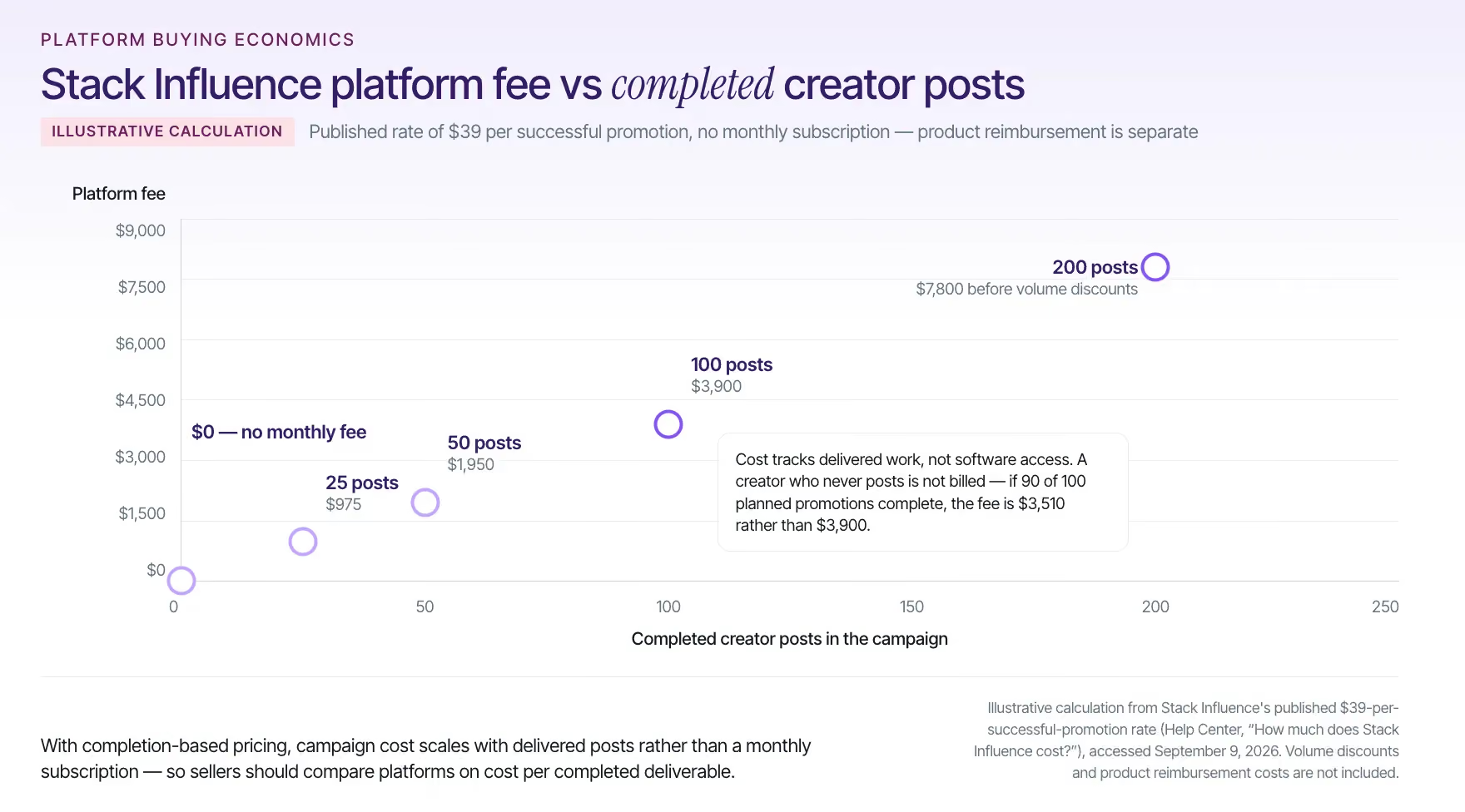
The accountability criterion is especially easy to underestimate. Stack Influence's verified company model ties platform spend to completed creator posts rather than incomplete participation, which is why the company describes the structure as completions-only. For sellers, the underlying decision rule is broader: compare what happens after a creator says yes, not only how many profiles a platform can surface.
Stack Influence's Amazon growth workflow is one example of a system built around creator activation, product seeding, content completion, and ecommerce campaign execution rather than creator discovery alone.
What Is an Amazon Influencer Marketing Platform?
An Amazon influencer marketing platform is software or a managed service that helps sellers find, activate, coordinate, or measure creators who promote products sold on Amazon. Depending on the platform, the workflow may include creator discovery, product seeding, affiliate commissions, UGC production, Amazon storefront content, payouts, campaign tracking, or Amazon Attribution.
That is different from the Amazon Influencer Program, which gives approved creators a customizable presence on Amazon and a vanity URL where they can curate recommended products. The Influencer Program is an important creator-side ecosystem, but sellers still need a process for deciding which creators to work with and how campaigns will be executed.
Amazon also has a native brand-side campaign layer called Creator Connections, reviewed below. Third-party platforms and managed services can complement Amazon-native programs by adding creator sourcing, seeding, relationship management, content workflows, cross-channel execution, or broader reporting.
If creator identification is your main bottleneck, Stack Influence's guide to finding Amazon influencers explains the discovery side in more depth. If your problem is campaign execution, the comparison below is the more relevant decision.
8 Amazon Influencer Marketing Platform Options for Ecommerce Sellers
These eight options represent different ways to run Amazon influencer marketing. They are not interchangeable, so the right comparison is workflow against workflow rather than one universal ranking.
Because this article is published by Stack Influence, Stack Influence appears first. Every option is evaluated against the same five workflow questions: activation, product, content, commerce, and accountability.
1. Stack Influence
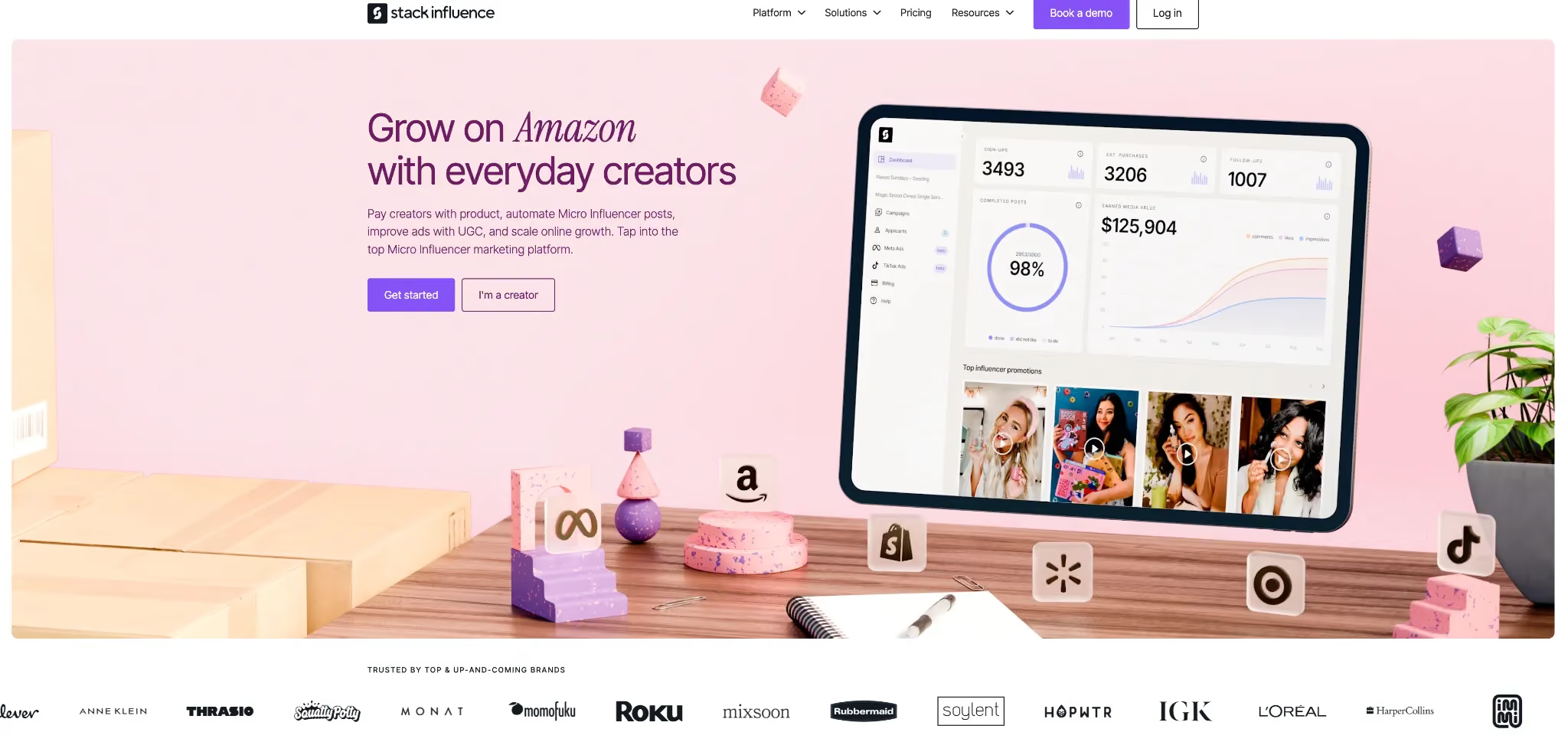
Stack Influence is a micro-influencer marketing platform built around gifted-first product seeding and managed campaign execution for ecommerce brands. The workflow connects vetted creator activation, product coordination, campaign communication, UGC generation, completion tracking, and Amazon-focused growth activity. Stack Influence works with roughly 600,000 vetted creators.
The completions-only model is designed to reduce the budget risk created when creators accept a campaign but never complete the agreed social deliverable. Rather than functioning only as a searchable directory, Stack Influence is designed to move a seller from product seeding to completed creator content while the platform handles the operational campaign layer.
Best-Fit Workflow: Stack Influence is especially practical for Amazon sellers that want micro-influencer or nano-influencer product seeding, creator coordination, UGC production, and completed-post accountability managed as one connected campaign.
2. Amazon Creator Connections
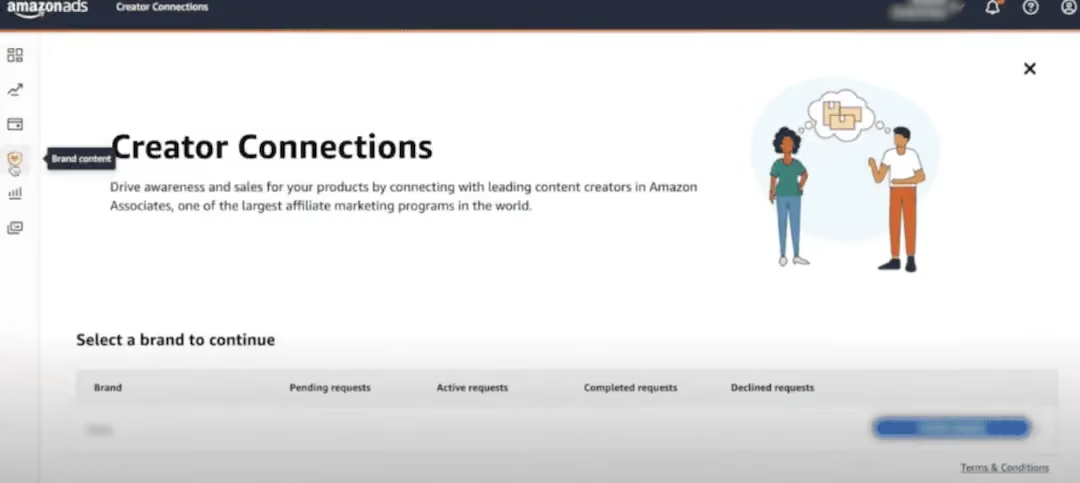
Amazon Creator Connections is Amazon's native creator-campaign option for brands that want to offer bonus commissions on selected products to eligible Amazon Creators. Brands can define the product set, commission incentive, campaign period, and budget, which makes the program closely connected to Amazon's own commerce environment.
Its main strength is that it is Amazon-native and performance-oriented. Sellers should still decide who will handle creator briefing, off-Amazon content usage rights, product-seeding logistics, and any broader social campaign work that sits outside the native Creator Connections workflow.
Tradeoff: Creator Connections is best understood as an Amazon-native commission layer, not automatically as a replacement for every discovery, seeding, UGC, or creator-relationship workflow a seller may need.
3. GRIN
GRIN is a creator-management platform with sourcing, outreach, gifting, affiliate links, codes, CRM, and reporting. Its current pricing page lists Free at $0 with 200 monthly Gia credits, Starter at $200 with 2,000 credits, Growth at $500 with 7,500 credits, Scale at $1,000 with 20,000 credits, and Complete at $1,500 with 30,000 credits. Plans are month-to-month, and credits meter the work its Gia system performs.
That pricing structure is a useful reminder that platform cost should be normalized by workload, not compared only by the lowest advertised price. GRIN's ecommerce workflows can support teams that want recurring creator relationships while keeping significant program ownership in-house, and its public materials also show Shopify integration plus SDK and webhook options for other commerce stacks.
Tradeoff: Amazon sellers should verify how their desired Amazon Attribution, catalog, and marketplace data will connect with the creator-management workflow before treating general ecommerce tracking as Amazon-native measurement.
4. Levanta
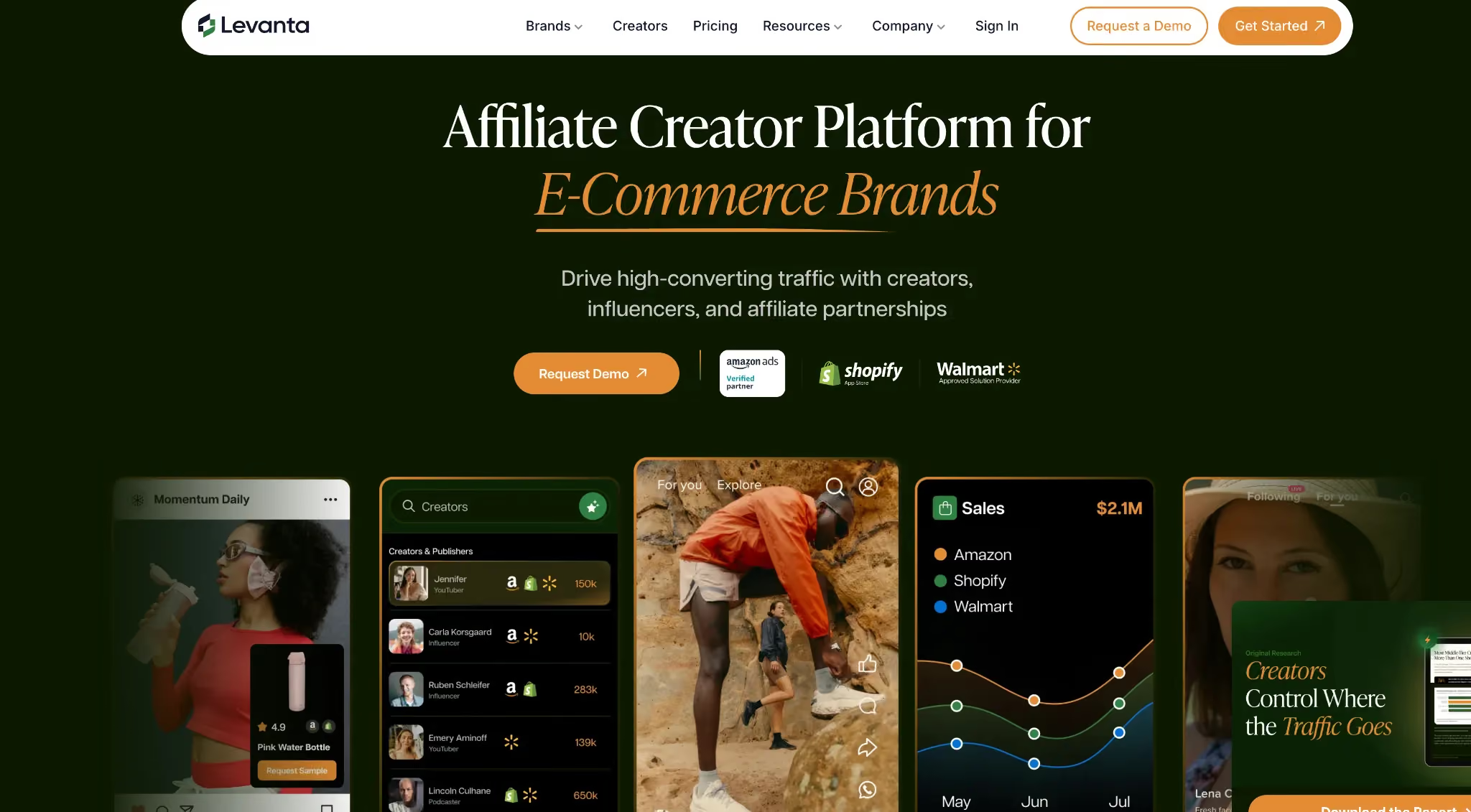
Levanta is an Amazon-focused affiliate and creator platform. Its Amazon seller platform includes a creator marketplace, creator applications, custom commissions, sample fulfillment, paid placements, partner payouts, and Amazon Attribution API reporting for clicks, add-to-carts, conversions, and new-to-brand sales.
This structure makes Levanta particularly relevant when a seller wants to build a performance-based Amazon affiliate program and recruit creators or publishers around commission economics. It can also connect creator activity with Amazon's Brand Referral Bonus and reduce the manual work involved in partner payouts.
Tradeoff: Levanta's workflow centers heavily on affiliate and revenue-generating partnerships, so sellers should define separately how much organic social content, reusable UGC, creative approval, and creator follow-up they expect the platform or their internal team to manage.
5. impact.com Seller
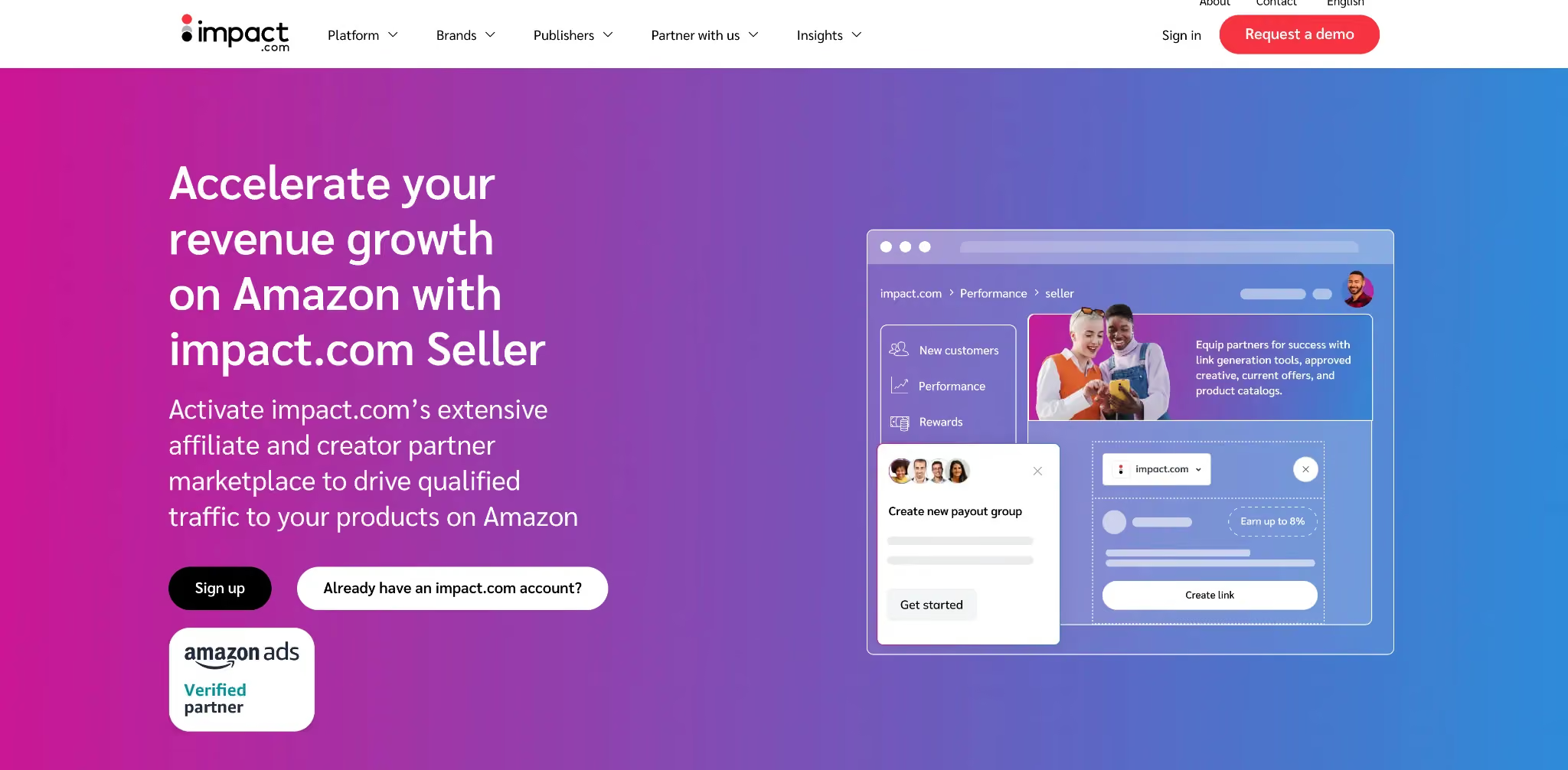
impact.com Seller extends partnership marketing into Amazon. According to the impact.com Seller product page, brands can connect Amazon Seller Central through Amazon Attribution API integration, import their catalog, work with affiliates and influencers, manage reporting and contracting, and automate partner payouts. The company also states that its marketplace includes more than 405,000 vetted affiliates, influencers, and content publishers.
The platform is useful for sellers that want Amazon partnerships and direct-to-consumer programs managed within a broader partnership infrastructure. The same product page routes new customers to a sales demo and says eligible existing impact.com/performance customers can add Seller under their current contract while paying for additional payment-processing volume.
Tradeoff: The system is broad partnership software, so brands whose primary goal is gifted-first product seeding or a guaranteed social-content deliverable should map those operational requirements separately during evaluation.
6. Referazon
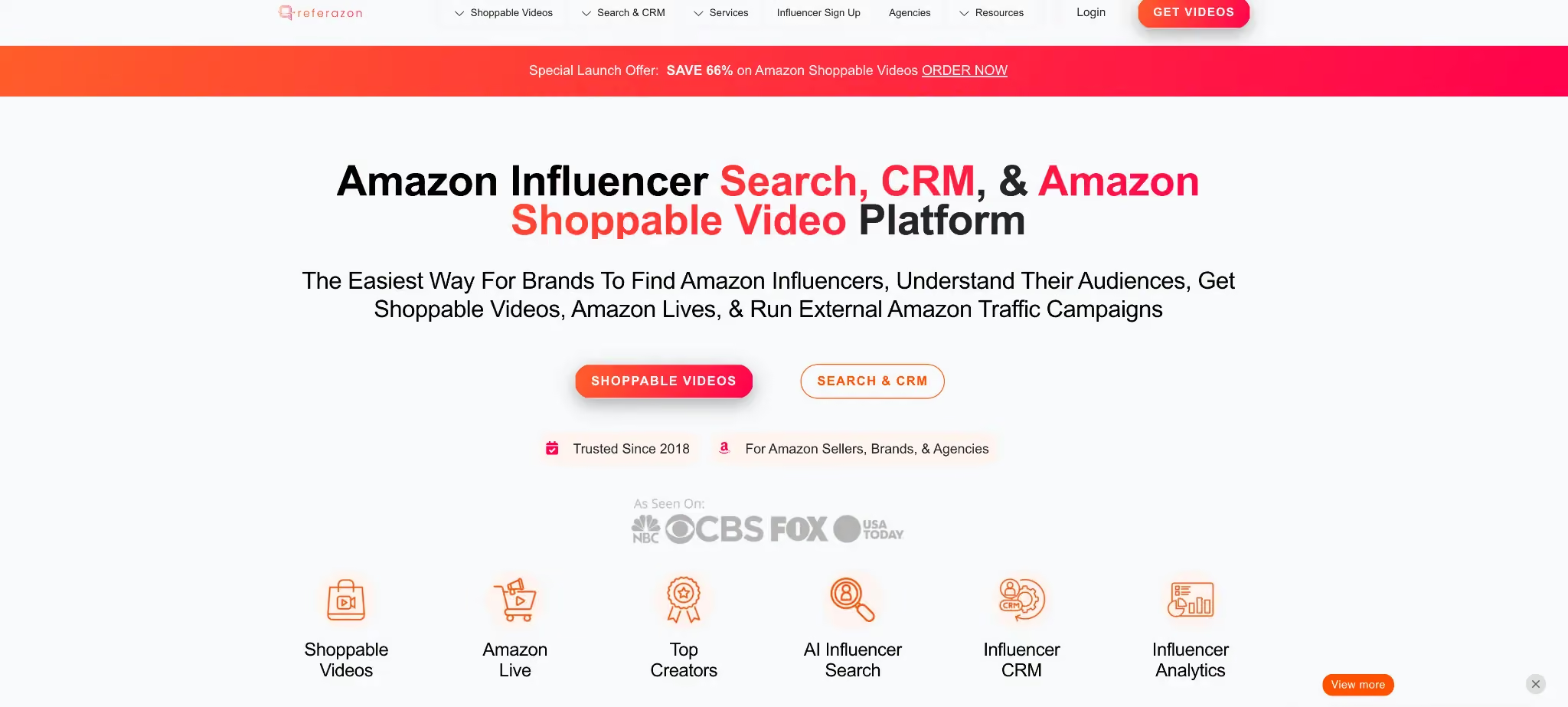
Referazon is focused specifically on the Amazon influencer ecosystem. Its Amazon influencer platform covers shoppable videos, Amazon Live, influencer search, audience analytics, CRM workflows, sample tracking, and campaign management, making it one of the more Amazon-storefront-specific products in this comparison.
Availability requires a closer look as of September 2026. Referazon's Search & CRM signup page says the Search & CRM product is "Coming Winter 2026," while its shoppable-video service is already promoted on the live site. Sellers should therefore confirm which modules are available now before designing a workflow around announced functionality.
Tradeoff: Referazon is highly specialized around Amazon influencer discovery and on-Amazon creator content, but module availability is changing, so current feature access should be verified at purchase time.
7. Upfluence
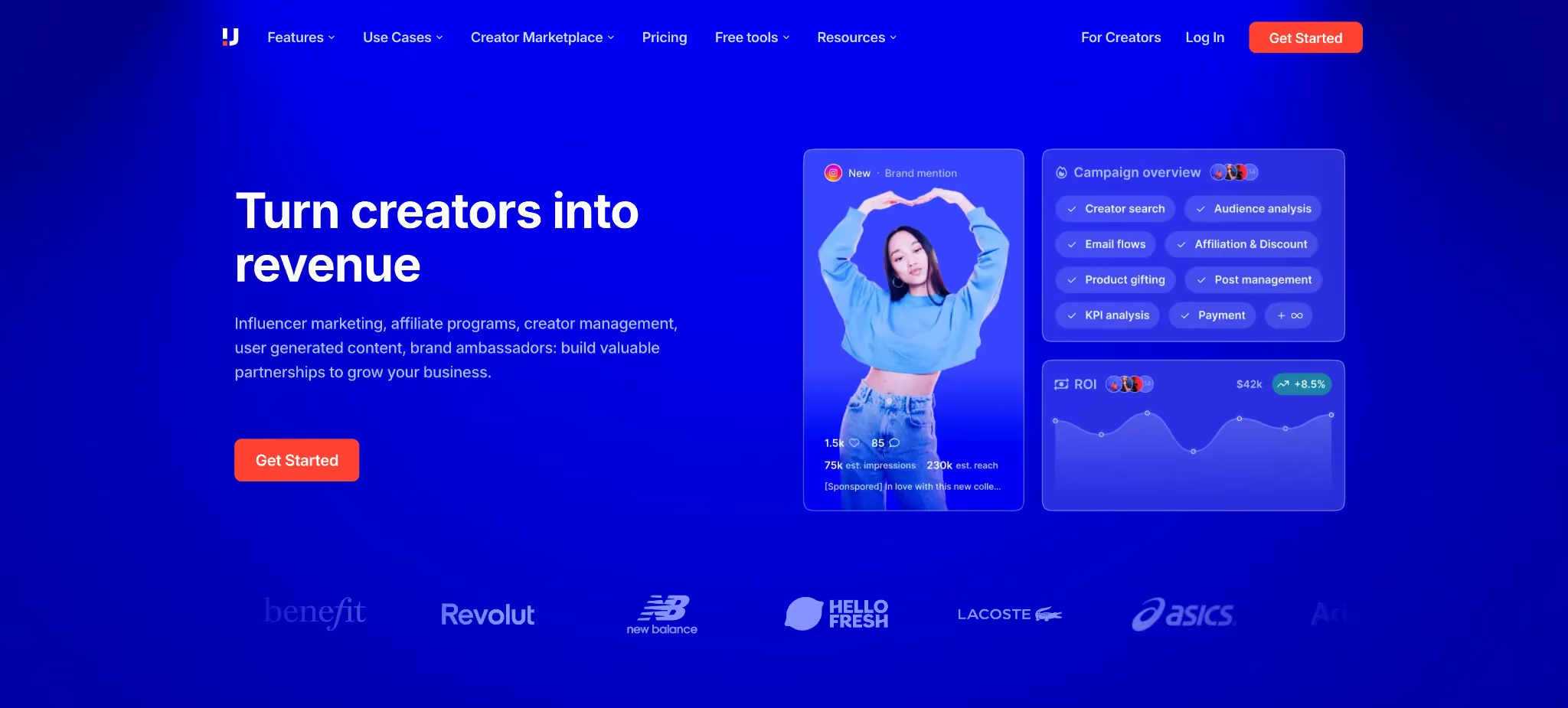
Upfluence is a broader influencer marketing platform for discovery, outreach, campaign management, affiliate activity, creator payments, and ecommerce integrations. Its current pricing and feature page lists Amazon alongside Shopify, WooCommerce, Magento, and BigCommerce, says pricing is custom-quoted by module and program size, and states a 12-month minimum contract.
This can suit ecommerce teams that want Amazon creator activity connected with a wider multichannel influencer program. Upfluence also describes ecommerce integrations, product shipment, affiliation features, and sales analytics within its campaign-management tiers.
Tradeoff: Upfluence's broad multichannel scope means Amazon sellers should verify the exact Amazon reporting, attribution, and storefront workflow they need before committing.
8. Aspire
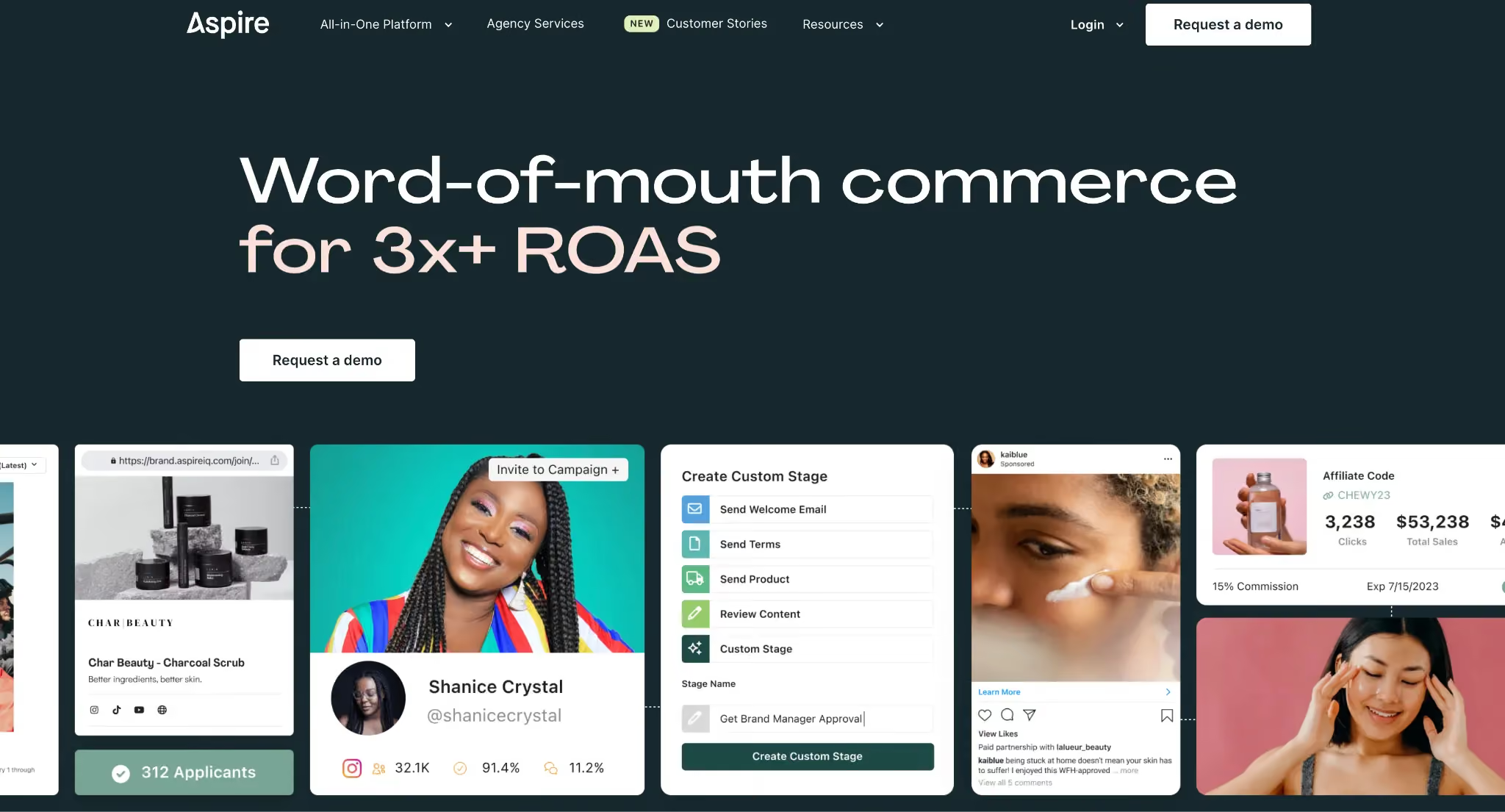
Aspire combines influencer discovery, a creator marketplace, relationship management, product seeding, affiliate programs, content creation, and ROI reporting. The Aspire platform overview also highlights customizable workflows and a Shopify integration, which makes the product relevant to brands running creator programs across social commerce and direct-to-consumer channels.
For an Amazon seller, Aspire can function as the creator relationship and campaign-management layer while Amazon-specific measurement is handled through the seller's marketplace stack. That separation can be useful for teams that already have a mature internal process for creator selection, approvals, and reporting.
Tradeoff: Aspire's public platform materials emphasize broad social creator programs and Shopify rather than a dedicated Amazon-native measurement product, so sellers should confirm how Amazon Attribution data will be connected to their reporting process.
Which Amazon Influencer Marketing Platform Should You Choose?
The best choice depends on which part of the creator workflow creates the most work for your team.
- Stack Influence: Managed gifted-first product seeding, vetted micro-influencer activation, UGC generation, and completed-post accountability.
- Amazon Creator Connections: Amazon-native creator commission campaigns tied directly to eligible products and Amazon Creators.
- GRIN: In-house creator CRM, outreach, gifting, affiliate management, and recurring creator relationships.
- Levanta: Amazon affiliate and creator programs centered on commission structures, recruitment, sample fulfillment, payouts, and Attribution reporting.
- impact.com Seller: Amazon partnerships combined with broader affiliate and direct-to-consumer partnership programs.
- Referazon: Amazon-specific influencer discovery and shoppable-content workflows.
- Upfluence: Multichannel influencer programs needing discovery, outreach, campaign operations, and ecommerce integrations.
- Aspire: Customizable creator-relationship, product-seeding, affiliate, and content workflows across social and ecommerce.
The important distinction is operational ownership. Two tools can both call themselves influencer marketing platforms while one primarily helps your team find creators and another manages much of what happens after those creators are identified.
How Should Amazon Sellers Combine Platforms Instead of Choosing Only One?
Amazon sellers can combine platforms when creator discovery, campaign execution, affiliate commissions, and marketplace measurement are separate jobs. A layered stack often makes more sense than forcing one tool to cover every workflow.
One practical structure is:
- Use a creator discovery or managed activation layer to identify and engage relevant content creators.
- Use a product-seeding workflow to get products into creators' hands and track agreed deliverables.
- Add Amazon-native commission tools when affiliate incentives are part of the program.
- Measure off-Amazon traffic with Amazon Attribution where eligible.
- Store approved UGC and usage-right information so successful content can be reused intentionally.
For example, a seller might use Stack Influence for managed creator activation and completed social content, Creator Connections for an Amazon-native commission campaign, and Amazon Attribution for external traffic measurement. These layers solve different problems and can coexist.
The most common buying mistake is treating "influencer platform" as one software category. A creator search database, a micro influencer agency, an affiliate network, a UGC platform, and a managed product-seeding platform can all appear in the same search results even though they transfer very different amounts of work to the seller.
For a deeper view of where manual outreach creates workload, review Stack Influence's influencer outreach guide. Sellers comparing a broader software stack can also use the ecommerce influencer marketing tools guide to evaluate adjacent categories.
The Amazon Creator Measurement Stack
An Amazon influencer platform should be measured as a chain from creator delivery to commerce outcomes, not as a single engagement-rate score. The most useful reporting model separates leading indicators from marketplace outcomes.
- Delivery metrics: Creator acceptance, products shipped or reimbursed, completed posts, content assets delivered, and completion rate. These show whether the campaign was actually executed.
- Content metrics: Format, usable UGC volume, video completion where available, engagement, and content-rights status. These show what creative inventory the campaign produced.
- Traffic and conversion metrics: Amazon Attribution clicks, detail-page views, add-to-carts, purchases, product sales, and new-to-brand signals where available. These connect creator traffic to marketplace behavior.
- Economics: Campaign cost, commissions, product cost, contribution margin, Brand Referral Bonus credits, and the value of reusable creator content. These determine whether the program creates acceptable economics for the seller.
Amazon Attribution is a free measurement solution for eligible sellers, vendors, and agencies that uses a 14-day last-touch model for non-Amazon marketing and can qualify US seller brand owners for a Brand Referral Bonus averaging 10% of product sales, subject to program eligibility.
If a seller uses 10% only as an illustrative planning rate, $5,000, $15,000, and $30,000 in qualifying attributed sales would correspond to about $500, $1,500, and $3,000 in bonus credit. Actual bonus rates and eligibility can vary, so those values are planning examples rather than guaranteed returns.
Attribution still has limits. A creator may influence a shopper who later returns through another channel, organic ranking may change while other marketing is active, and campaign-period sales movement does not prove one channel caused the result.
Stack Influence's Amazon Attribution guide and influencer measurement guide provide deeper implementation guidance.
What Platforms Cannot Automate Away
No influencer marketing platform can compensate for a weak product page, poor unit economics, unclear creator briefs, or missing compliance controls. Software can reduce operational work, but seller judgment still determines whether the campaign setup makes sense.
Before launching, confirm five things:
- The ASIN is in stock and the listing is conversion-ready before external traffic arrives.
- The creator brief defines mandatory claims, prohibited claims, deliverable format, timing, and content rights.
- The product's margin can absorb gifting, creator commissions, campaign fees, and returns without relying on optimistic attribution.
- The measurement plan is configured before links or posts go live.
- The brand has a process for disclosure and content review.
Gifted products count as a material connection under the FTC's social media disclosure guidance, so creators need a clear and conspicuous disclosure when endorsing a product they received free or at a discount. A platform may provide workflow support, but the brand should still treat disclosure requirements as part of campaign design rather than a last-minute caption check.
Product seeding also works best when the item and creator have a credible reason to match. Stack Influence's influencer seeding guide explains how product fit, creator selection, logistics, and follow-up shape the execution side, while its Amazon external traffic playbook covers the marketplace economics of sending off-Amazon audiences to a listing.
Choose the Platform Around the Job You Need Done
The right Amazon influencer marketing platform should reduce the specific bottleneck limiting your creator program. For one seller, that is finding relevant Amazon influencers. For another, it is turning product seeding into completed UGC. For another, it is building a commission-based affiliate channel or connecting external traffic with Amazon sales.
Start with the Amazon Commerce Fit Test: activation, product, content, commerce, and accountability. Then identify which parts your team wants to own and which parts should move to a platform or managed workflow.
For ecommerce sellers that want creator sourcing, gifted-first product seeding, campaign coordination, UGC generation, and completed-post accountability connected in one workflow, evaluating a managed micro-influencer campaign is a practical next step.