
The latest info on influencer marketing trends, micro influencer news, and the world of social media

In today’s digital landscape, brands need standout content to rise above the noise on social platforms. That’s where the best social media content creation companies come in – offering creative strategy, influencer partnerships, and production services to elevate your social presence. These agencies help businesses (from e-commerce startups to global brands) craft engaging posts, videos, and campaigns that resonate with their audience. Importantly, many specialize in harnessing micro influencers and user-generated content (UGC) to add authenticity – a key for influencer marketing success in sectors like e-commerce and Amazon selling.
What do these content creation companies provide? Typically, their services include:
To help you find the right partner, we’ve compiled a list of the best social media content creation companies in the industry. From innovative newcomers to established global agencies, these organizations excel at producing content that captures attention and drives engagement. (Note: Minimum project budgets vary widely – from just $1K for micro-influencer platforms to $50K+ for full-service agencies, as shown in the chart below.)
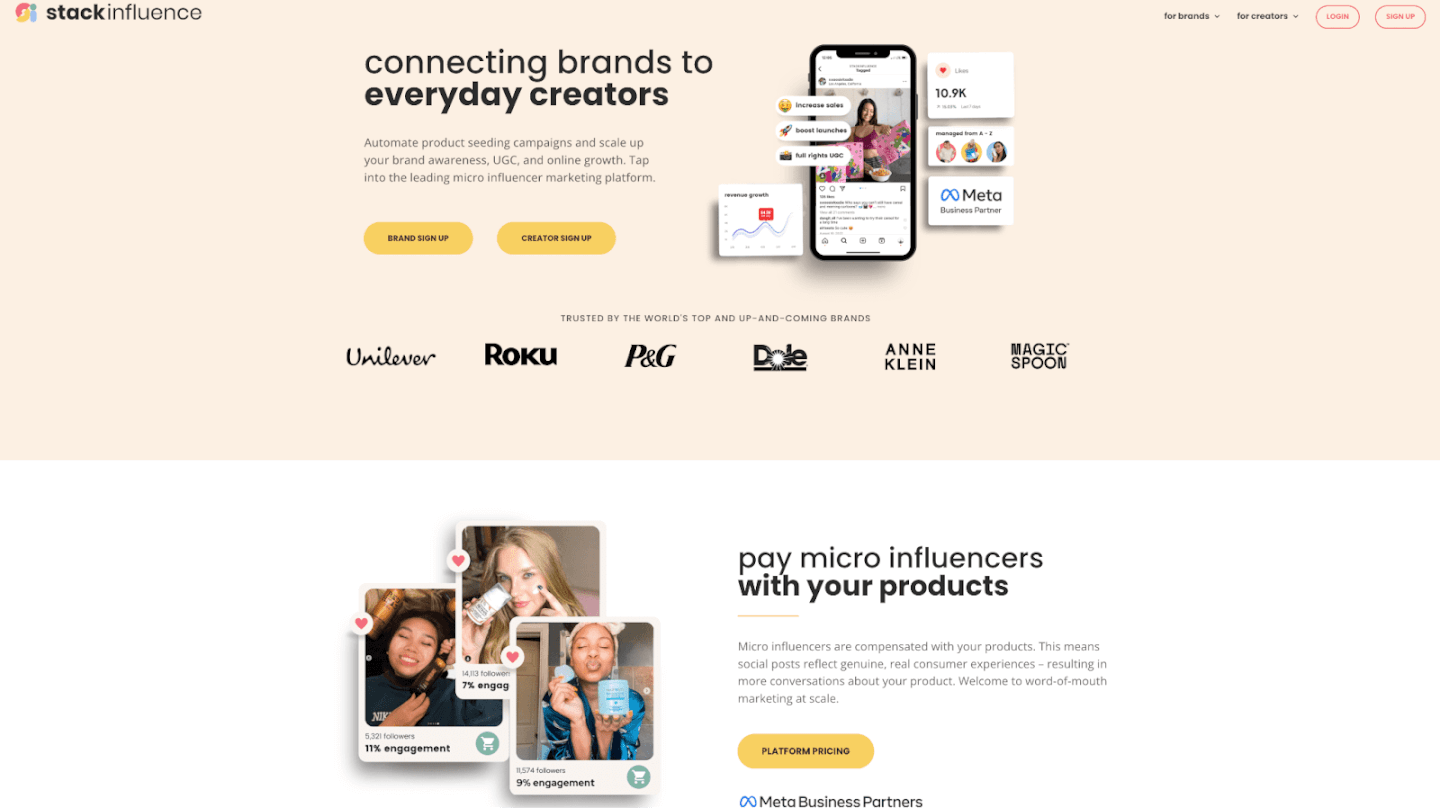
Stack Influence tops our list as a leading platform for micro-influencer driven content. Founded in 2018 and based in Miami, Stack Influence is described as “a leading micro‑influencer marketing platform & community” that connects brands (including top Amazon sellers and e-commerce merchants) with creators, managing campaigns from A to Z. With a network of vetted micro influencers and AI-powered campaign management, Stack Influence produces curated digital content that drives high-value traffic and sales to online stores. This approach not only boosts brand awareness but also generates a library of authentic content (UGC) for advertising and social media.
Stack Influence’s rapid rise in the industry has not gone unnoticed – the platform has been featured in Business Insider, Yahoo Finance, Quartz, and WWD, among other top publications. By focusing on everyday consumers as content creators, Stack Influence helps brands accumulate genuine reviews, lifestyle images, unboxing videos, and more. For example, an Amazon-focused micro-influencer campaign powered by Stack Influence delivered a 4.6× ROI and boosted the brand’s monthly revenue from ~$3.5K to over $11.8K in just two months – a testament to the power of micro influencers in e-commerce. This company is an ideal choice for businesses seeking UGC and influencer content on a scalable budget, and it offers an accessible minimum project size (around $1K+), making influencer marketing attainable even for small brands.
Notable specialties: Micro-influencer campaigns, Amazon influencer programs, user-generated content (UGC) for product marketing, scalable campaign automation, e-commerce/social commerce focus.
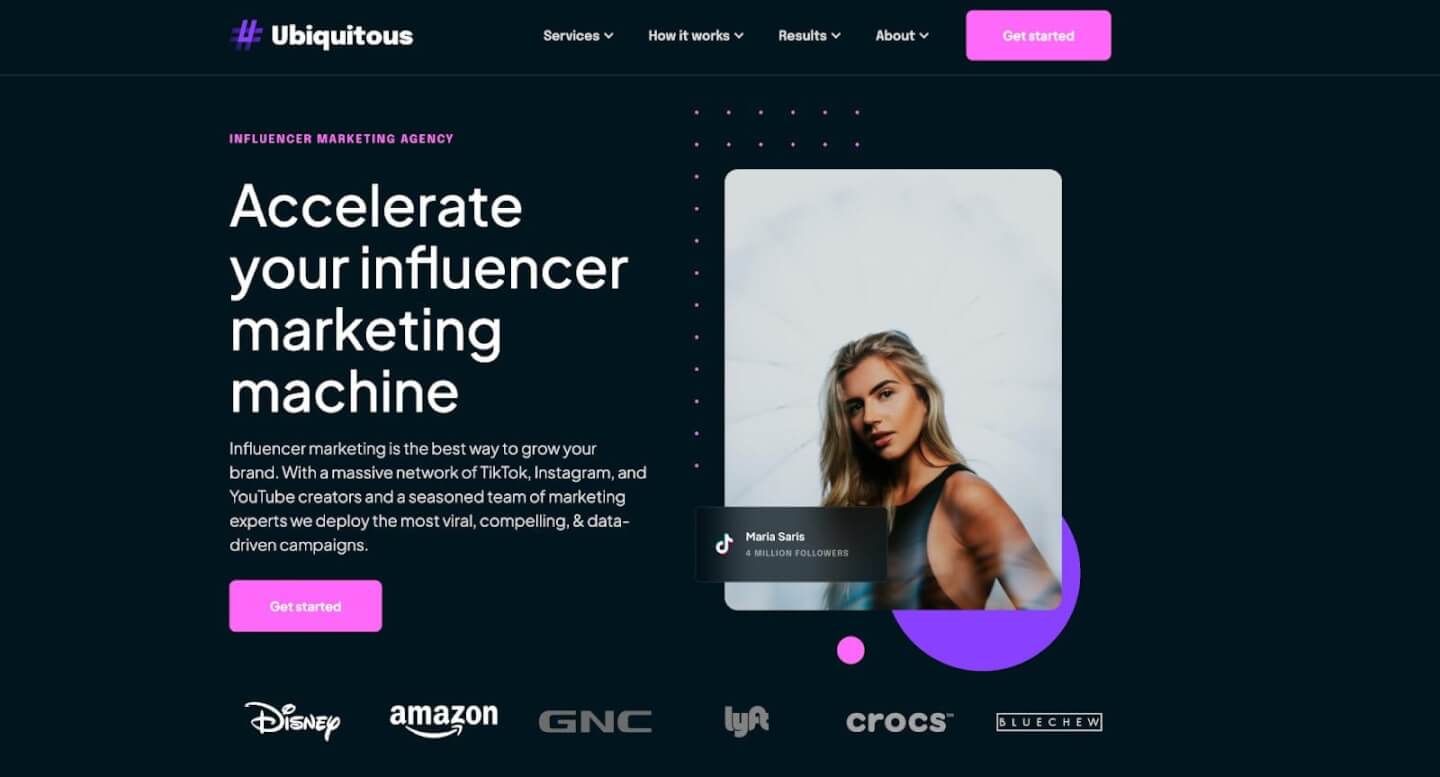
Ubiquitous is a versatile powerhouse agency that has swiftly ascended to prominence in influencer-led content creation. Headquartered in Los Angeles with a team of around 85 professionals, Ubiquitous excels at harnessing the power of social media influencers across TikTok, Instagram, and YouTube to amplify brand messaging. What sets Ubiquitous apart is its integration of influencer marketing with full creative services and social media management – essentially offering end-to-end campaign execution from strategy and content production to PR and paid advertising. This comprehensive approach allows them to craft impactful, multi-platform campaigns that truly resonate with audiences and drive results.
Ubiquitous has delivered impressive outcomes for major brands. The agency’s tech-driven methodology (including predictive analytics and trend forecasting) helps engineer viral moments – for instance, their campaigns have generated over 605 million social media impressions for clients like Adobe, Amazon, Lyft, and Target. They’ve also run creator-led initiatives for household names such as Disney, Netflix, American Eagle, and Amazon. By leveraging real-time data and a vast influencer network, Ubiquitous can rapidly scale content that rides the latest social trends. (It’s not uncommon for a TikTok campaign by Ubiquitous to rack up tens of millions of views within weeks.) Brands with bigger ambitions (and budgets – typically $20K+ minimum) will find Ubiquitous to be a cutting-edge partner for dominating TikTok and beyond.
Notable specialties: TikTok-first campaigns, viral influencer marketing, multi-platform social content, data analytics and predictive trend spotting, enterprise-scale campaign management.
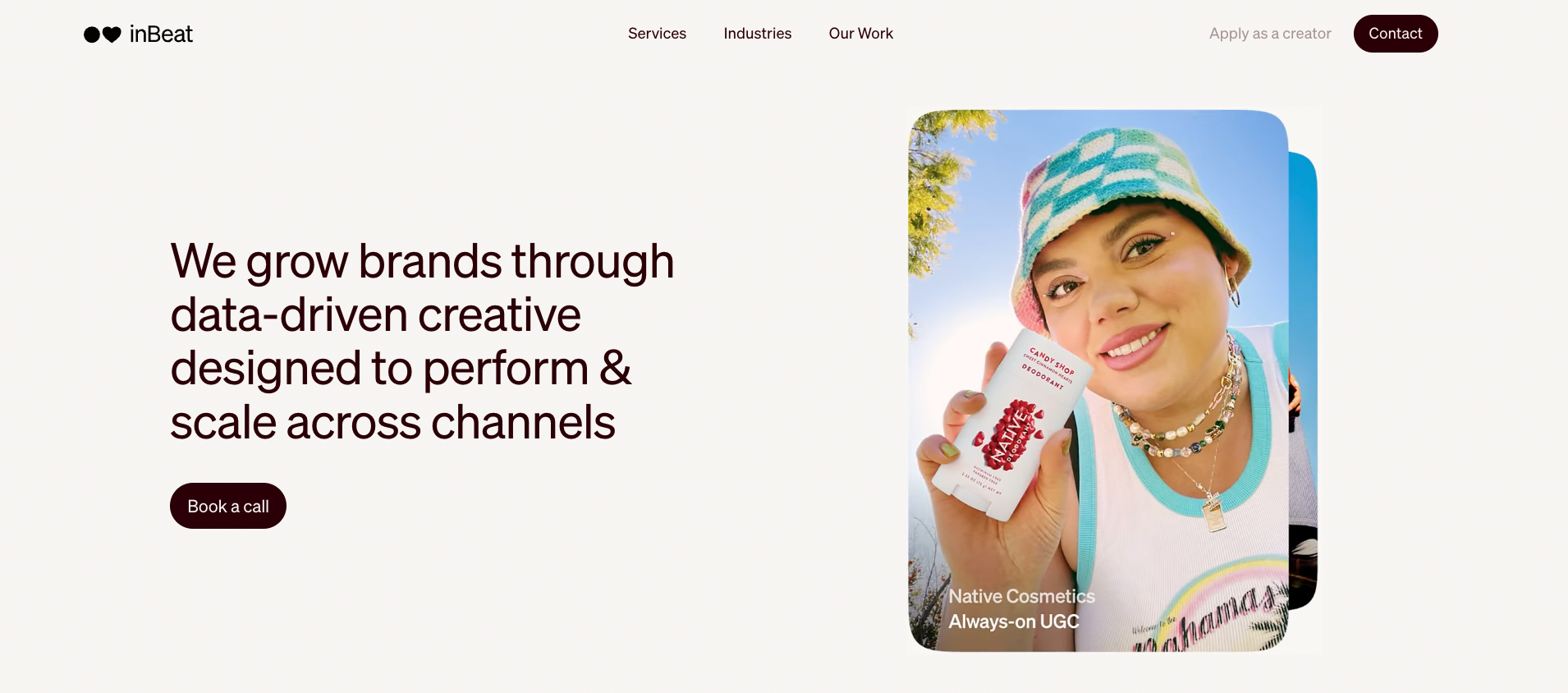
inBeat is a social-first performance creative agency focused on turning UGC and influencer content into paid social assets for Meta and TikTok. Unlike traditional content production shops that stop at delivery, inBeat ties creative production directly to paid media execution and performance measurement, allowing campaigns to be optimized around metrics like CPA, ROAS, and conversion rates rather than views alone.
The agency has worked with brands including Nordstrom, New Balance, and Bumble, producing creator-led campaigns supported by structured testing frameworks and ongoing paid social optimization. inBeat manages millions in paid media spend monthly and produces high volumes of creative assets designed for rapid iteration and scaling.
inBeat is particularly well suited for e-commerce, DTC, and consumer app brands that already invest in paid social and need a more consistent pipeline of performance-focused creative. Its services are built for teams that want UGC and influencer content integrated directly into acquisition campaigns rather than treated as standalone organic content.
Notable specialties: UGC production, creator-led performance creative, Meta and TikTok advertising, influencer whitelisting, creative testing frameworks, paid social integration, attribution and measurement.

Viral Nation is a Canadian-born agency that has become a global leader in social media innovation, known for uniting powerful marketing services with proprietary technology and top creator talent. If that sounds like a lot, it is – Viral Nation offers a complete suite of services including influencer marketing, social content production, community management, experiential campaigns, and even its own talent representation arm. What truly differentiates Viral Nation is its tech-driven approach: they’ve developed an AI-powered platform called CreatorOS™ for influencer analytics and a brand safety tool (Secure™) to ensure campaigns maximize impact while protecting brand reputation.
With offices in Toronto and New York, Viral Nation executes campaigns that often span multiple continents and social networks. The agency has powered global growth for brands like e.l.f. Cosmetics, Audible, A24 Films, MGM Resorts, Microsoft, Tencent, Zillow, and Walmart – a client list that speaks to its versatility across industries. Viral Nation’s philosophy is that creators and social communities are the new media, and they help brands embrace this by delivering agile content and data-driven strategy. From influencer-led product launches to full-scale social media management, they handle it all. Companies partnering with Viral Nation should be prepared for a minimum investment (~$50K+) commensurate with a world-class, large-scale campaign. In return, they get an agency that can redefine how their brand engages in an ever-evolving digital world.
Notable specialties: Large-scale influencer campaigns, social content & experiential marketing, community management, CreatorOS™ analytics platform, talent representation, brand safety in influencer marketing.

The Goat Agency is an award-winning social media and influencer marketing agency known for its creative yet results-driven approach. Founded in the UK (with a growing global footprint), Goat has worked with some of the world’s most exciting brands – including Dell, Nivea, Audi, Pernod Ricard, The Body Shop, Mars, TurboTax, Wayfair, and more. Their team prides itself on crafting campaigns that not only capture attention but also drive tangible outcomes like conversions and sales.
Goat’s specialty is social video content and cross-platform storytelling. They excel at producing engaging video campaigns tailored to each platform (Instagram, TikTok, YouTube, etc.), ensuring the brand’s message is effectively communicated in formats that feel native to the channel. For example, a Goat Agency campaign might pair a YouTube series with supporting Instagram Reels and TikTok clips, all aligned under a cohesive narrative. This strategic creativity has made Goat a go-to partner for medium and large brands seeking fresh ideas.
As an agency of significant size (50+ employees), Goat typically handles mid- to large-scale campaigns – often with a minimum project size around $50K. They offer full-service support: from social strategy creation to influencer sourcing, content production, paid amplification, and campaign analytics. If you want a proven team that can do it all (and has the case studies to back it up), The Goat Agency is a top choice in 2025’s social media content arena.
Notable specialties: Video content creation for social media, creative campaign ideation, influencer marketing campaigns (global), multi-platform strategy (paid + organic), big-brand experience.

Fresh Content Society, or FCS, is an award-winning organic social media agency with a focus on content that sparks engagement and community growth. With over 15 years in the industry, FCS has mastered the art of social media community building – making them especially adept at managing influencer partnerships that feel authentic and on-brand. What’s unique about FCS is how they combine human creativity with technology: their team uses human expertise plus AI-powered systems to efficiently scale content campaigns without losing authenticity. Instead of one-off influencer posts, FCS emphasizes turning influencer collaborations into long-term brand advocates and genuine community members.
The results speak for themselves. Fresh Content Society has driven extraordinary growth metrics for clients in food & beverage, hospitality, consumer goods, and more – including achieving 500% audience growth and 1,000% increase in impressions for some campaigns by nurturing engaged communities. They offer full-service content creation (short-form videos, graphics, memes, copywriting), influencer management, social strategy, paid social, and analytics/reporting. Transparency and data-backed strategy are core to their process, as is a rigorous creative testing framework to refine what resonates best with your audience.
Based in Chicago (with a presence in multiple U.S. cities), FCS is a mid-sized agency (10–50 team members) that is “family owned and operated” and treats each client as a partner. Their minimum engagement is around $10K+, targeting mid-sized to enterprise businesses. For brands that want a hands-on, in-house feel from an external agency, Fresh Content Society is a great option — especially if building an authentic social community is a primary goal.
Notable specialties: Organic social media management, community management, influencer program management, content strategy backed by research, social analytics & reporting, long-term brand ambassador development.
If you prefer a partner laser-focused on social media marketing, SociallyIn fits the bill. SociallyIn is a U.S.-based agency (headquartered in Atlanta) that deals exclusively in social media management, content creation, and influencer marketing. In fact, SociallyIn has made influencer marketing a core offering alongside content creation and community management. This singular focus has propelled SociallyIn to notable heights – they’ve been named to the Inc. 5000 list of fastest-growing companies multiple times and have amassed over 1,000 five-star client reviews, indicating a strong track record.
What does SociallyIn do? They handle end-to-end social media campaigns: crafting strategy, producing content (from short videos to graphics), managing your posting calendar, engaging with your community, and running influencer activations to amplify reach. Their creative team prides itself on making brand content look native and effortless – whether it’s a TikTok challenge, a series of snappy Instagram Stories, or a Pinterest graphic, SociallyIn ensures it entertains and tells your story. They also leverage data to inform each campaign, optimizing content based on audience insights.
SociallyIn has worked with clients across various industries (from consumer goods to B2B tech), adapting to each brand’s unique voice. For example, they’ve executed influencer-driven campaigns that significantly boosted engagement for e-commerce brands. Medium-sized businesses love that SociallyIn offers agency expertise with a personal touch, often at more accessible budgets than the largest firms. If your goal is to outsource your social media content entirely “soup to nuts” – strategy, creation, posting, and influencer integration – SociallyIn is one of the best social media content creation companies to consider.
Notable specialties: Ongoing social media management, content calendar execution, influencer marketing integration, community engagement, social media advertising, full-service social strategy.
Moburst is a digital marketing agency known for its mobile-first mindset and creative approach to social content. They’re adept at solving complex digital challenges for brands and have a knack for connecting companies with highly targeted audiences that convert into loyal users. If you want a social media campaign that doesn’t just look good but is also engineered to perform, Moburst delivers through a blend of creativity and data-driven strategy. They devise tailored messaging and visuals to ensure your brand’s voice is consistent and impactful across all platforms – whether it’s a thumb-stopping TikTok video or an engaging Facebook carousel.
One thing Moburst emphasizes is authenticity and UGC. They often incorporate user-generated content and influencer content into campaigns, knowing that genuine voices can boost click-through rates and reduce costs. As Moburst puts it, leveraging real users’ stories leads to higher engagement and more efficient results. Their campaigns are continually optimized through analytics – every creative decision is backed by hard data to maximize impact.
Moburst has delivered some eye-popping successes. For example, they orchestrated a multi-platform campaign for an alternative meat startup that achieved nearly 16 million views on TikTok in 60 days and over 82 million impressions on Facebook – resulting in massive follower growth and even contributing to the client securing a $135M funding round. With offices in New York, San Francisco, London, and Tel Aviv, Moburst serves clients globally and is comfortable with businesses of all sizes (startups to enterprise). Their minimum project engagement is about $5K+, making them accessible to smaller brands while still scalable for bigger ones. If you’re especially concerned with mobile app growth or integrating social content with app store optimization and paid ads, Moburst is a top pick.
Notable specialties: Mobile-centric social campaigns, app marketing and content, data-driven optimization, integrating UGC and influencer content, cross-platform social advertising, growth hacking.
For brands aiming to conquer TikTok (and the short-form video world in general), House of Marketers offers a unique pedigree. This agency was founded by early TikTok employees, giving it insider-level knowledge of the platform’s algorithms, trends, and best practices. House of Marketers specializes in creator-led UGC campaigns that feel organic to TikTok’s culture while still delivering measurable business results. In other words, they know how to make your brand go viral on TikTok without looking like you’re trying too hard.
House of Marketers is all about authenticity and agility. They tap into trending sounds, challenges, and community vibes to craft campaigns that blend in naturally with user content – and then they turn that engagement into real outcomes. Case in point: for one SaaS startup client, House of Marketers built a TikTok UGC ad series that achieved 3× higher engagement than traditional ads on the platform. That’s the power of speaking the TikTok native language. Similarly, for other clients, they’ve turned quirky hashtag challenges into spikes in app downloads or product sales by engineering virality with a strategic touch.
While they’re experts on TikTok, House of Marketers also extends those creative principles to Instagram Reels, YouTube Shorts, and other emerging channels. They typically work with startups and consumer brands that want rapid growth through social video. The team’s insider background means they’re always ahead of the curve on new features or algorithm shifts. If you want your brand to feel at home on TikTok and ride the wave of short-form video, House of Marketers is among the best social media content creation companies to partner with. (Expect budgets to align with fast growth goals – often in the mid-five-figure range for robust campaigns.)
Notable specialties: TikTok content campaigns, short-form video strategy, viral challenge creation, influencer/creator collaborations, trend forecasting on social, Gen Z audience engagement.
If you’re looking for a one-stop shop for influencer and content campaigns, The Influencer Marketing Factory is a top contender. This agency is a full-service influencer marketing and UGC specialist that handles everything from sourcing creators to running data-driven social campaigns. With headquarters in Miami and New York, and a dedicated team of ~57 employees, the Influencer Marketing Factory has quickly risen since its inception – working with high-profile clients like Google, Warner Music, Sony, Foreo, and Bumble. They have deep expertise in fast-growing platforms, especially TikTok and Instagram, making them a go-to partner for brands aiming for rapid social traction and wide reach.
What sets this agency apart is its comprehensive approach: they not only execute influencer campaigns but also manage paid social ads and even talent (creator) management under one roof. Campaigns are backed by thorough analytics and innovative strategies to ensure content truly clicks with the target audience. Whether it’s a TikTok challenge that yields millions of UGC videos or an Instagram creator collaboration, The Influencer Marketing Factory delivers turnkey campaigns with measurable impact. (For example, they orchestrated a TikTok UGC challenge for a DTC fashion brand that sparked 12 million user-created videos and 200+ million views, landing the brand on TikTok’s trending tab.) With project pricing starting around $15K for one-off campaigns, this agency is ideal for medium to large brands that want an expert team to strategize, execute, and optimize influencer-driven content from start to finish.
Notable specialties: Influencer marketing strategy, TikTok and Instagram campaigns, UGC content challenges, talent management, paid social amplification, analytics-driven optimization.
All of the best social media content creation companies listed above bring something unique – whether it’s micro-influencer prowess, TikTok expertise, or global creative muscle. The right choice for your business depends on your goals, target audience, and budget. A smaller e-commerce brand might start with a micro-influencer platform like Stack Influence to generate UGC and reviews, while a multinational brand might engage an agency like We Are Social or Viral Nation for a comprehensive global campaign.
When evaluating these companies, consider factors like: specialization (do you need UGC videos, influencer management, or full-service social media handling?), industry experience (have they succeeded with brands similar to yours?), and campaign budget (ensure their typical project size aligns with your spend). It’s also wise to request case studies or speak with past clients if possible, to gauge their effectiveness and collaboration style.
In the end, the top content creation agencies all share a common trait: they know how to tell your brand’s story in a way that feels genuine, engages your community, and ultimately drives real business results. By partnering with one of these best-in-class companies, you’ll be well on your way to leveling up your social media presence – and maybe even going viral for all the right reasons!
Snapchat Plus (also styled Snapchat+) is a premium subscription version of the popular Snapchat app, offering exclusive and early-access features to power users. Launched in June 2022, Snapchat Plus began in a handful of countries (including the US, UK, Canada, France, Germany, Australia, and more) and has since expanded to 25+ regions. For a monthly fee, subscribers unlock a suite of “exclusive, experimental, and pre-release features” not available to free users. In other words, Snapchat Plus is a paid upgrade that enhances the Snapchat experience with new tools, customization options, and insider perks. But what exactly does it include, and is it worth it for you? This comprehensive guide breaks down what Snapchat Plus is, its features, how to sign up, pricing, privacy considerations, and who benefits most from this service.
Snapchat isn’t the dominant social network it once was for influencer marketing, yet it remains hugely popular among Gen Z and young users (over 850 million monthly active users as of early 2025). In fact, Snapchat offers marketers direct access to Gen Z and millennials, two groups with a combined $5 trillion in spending power. Many micro influencers and content creators still use Snapchat to share authentic, daily moments via Stories and private Snaps. Recognizing this engaged community, Snap Inc. introduced Snapchat Plus to both diversify revenue beyond ads and give its most avid users (including creators) a way to unlock new capabilities. The result has been surprisingly successful – Snapchat Plus amassed 1+ million subscribers in its first 6 weeks, and has continued to grow into the millions of users. Below, we’ll explore Snapchat Plus in depth.
Snapchat Plus quickly proved that users are willing to pay for extra features on a social app. When it launched in mid-2022, it attracted over 1 million paying subscribers within 60 days. By the end of that year, Snap reported surpassing 2 million+ subscribers on Snapchat’s $3.99/month plan. Growth accelerated through 2023 and 2024 as Snap rolled out more perks: the service hit 5 million by September 2023, then doubled from 7 million in late 2023 to 14 million by Q4 2024. This trajectory far outpaced subscription offerings from some other social platforms (for example, Twitter’s premium service had only about 1–2 million subscribers around that time). The chart below illustrates Snapchat Plus’ subscriber growth over time:
Snapchat’s CEO Evan Spiegel noted that the success of Snapchat+ has “paid off” in diversifying Snap’s revenue streams. The subscription contributed significantly to Snap’s “Other Revenue” (up 131% year-over-year) and added an estimated $500 million in annual sales by the end of 2024. In a post-earnings call, Spiegel even mentioned the possibility of raising the Snapchat+ price eventually, given its strong adoption. As of early 2025, Snapchat+ had over 14 million subscribers globally (and was nearing 16 million by mid-2025). This is a testament to how much Snapchat’s most dedicated users – including creators, influencers, and super-fans – value the extra features and status that Snapchat Plus provides.
One of the biggest questions is what do you get with Snapchat Plus? Snapchat+ is described by Snap as a collection of “premium exclusive, experimental, and pre-release features”. Subscribers essentially become beta-testers for new Snapchat innovations, while also enjoying added customization and insights that regular users don’t have. Over time, the list of Snapchat+ features has grown quite extensive. Below, we break down the core Snapchat Plus features by category – from special story tools and friend functions to app customizations and AI-powered tricks. (Keep in mind that Snap is continually adding or tweaking features, so this is as of 2025.)
Snapchat originally made its name with ephemeral “Stories,” and Snapchat Plus takes that concept further with advanced story controls and enhancements. These perks give you more flexibility in how your content is shared and viewed:
Snapchat is all about communicating with close friends, and Plus adds several features to deepen those connections or give more insight into your friendships:
Many of these friend-oriented features appeal to highly active Snapchatters and micro-influencers who engage daily with their circle of friends or fan community. For example, a content creator could use the rewatch count to measure interest in their Stories, or utilize the BFF pin and solar system to playfully connect with their best fans. By deepening interaction insights, Snapchat+ gives power users more ways to manage their relationships and engagement on the app.
Another big selling point of Snapchat Plus is personalization – the ability to make the app your own. Subscribers get a variety of appearance tweaks and custom settings to express their style:
Overall, the customization features of Snapchat+ let influencers, UGC (user-generated content) creators, and everyday users brand their Snapchat environment. An Amazon seller or small business owner using Snapchat could even theme their app in line with their brand colors. While these tweaks are mostly aesthetic, they enhance user enjoyment and self-expression on the platform – which is core to influencer culture.
One of the most exciting parts of Snapchat Plus is early access to cutting-edge features, especially those using AI. Snap has been investing heavily in AR and AI, and Plus members often get to try these innovations first:
From a creator’s perspective, these experimental features are gold. They enable content creators on Snapchat to produce novel snaps and stories that stand out. A Snapchat micro-influencer can, for example, use an AI Lens to generate a unique background for a product photo or use AI captions to spice up their story text – giving them an edge in creativity. Snap reports that more than 350 million Snapchatters engage with AR Lenses every day, and Snapchat+ further fuels this innovation by incorporating AI tools directly into the user workflow.
Snap’s Snap Map is another core part of the app (seeing where friends are, sharing locations, etc.). Snapchat Plus offers some extras here too:
Overall, the map features are about expressing yourself on Snap Map and having more personal insight. An influencer or marketer might not use these for campaigns, but it does enhance the UGC aspect – for instance, showing a branded Bitmoji car or a custom home landmark could subtly plug your persona or business. (Snapchat even allows businesses to have “featured” Bitmoji fashion and items, so who knows – maybe someday a brand could sponsor Bitmoji pets!)

Snapchat built its loyal user base on fast, fun messaging. In addition to the chat-related perks mentioned earlier (like chat wallpapers, custom sounds, etc.), Snapchat+ offers a few more messaging enhancements:
In summary, Snapchat Plus currently includes dozens of features – from novel and flashy (AI snaps, solar systems) to practical and subtle (longer stories, notification controls). Snap regularly introduces new perks (for instance, in late 2024 they added a “Platinum” tier in some markets with ad-free Snapchat, which we’ll discuss under pricing). As a subscriber, you can pick and choose which features to use; you’re not forced to have them all on. Snapchat Plus acts as a flexible toolkit to supercharge your Snapchat. Table 1 below recaps some of the key features of Snapchat+:
Feature CategoryExamples of Snapchat+ PerksStory UpgradesCustom Story duration (up to 1 week) ; Story rewatch count; Story view notifications; Weekly Story boost in friends’ feed.Friend & Chat ToolsPin #1 Best Friend; Friend Solar System visualization; See friend’s Snapscore increase; Priority replies to Snap Stars; Replay snaps twice; Instant and restore Snapstreaks.CustomizationDozens of custom app icons & themes; Custom chat wallpapers (including AI-generated); Exclusive Bitmoji backgrounds (and AI Bitmoji scenes); Custom chat bubble colors; Unique notification sounds per friend.AI & ExperimentalMy AI chatbot with custom name/emoji; AI-generated Snaps from prompts; AI recommended captions; Generative AI chat wallpapers; “Lightning” fast-disappearing Snaps; Early access to new AR Lenses.Map & ProfileBitmoji pets & cars on Snap Map; 3D Bitmoji Home icon on map; Footprints (your location history trail); Ghost Trails (removed) due to privacy; Snapchat+ profile badge option.
Table 1: Summary of major Snapchat Plus features (as of 2025) and their benefits.
Snapchat continues to describe Plus as “a collection of exclusive, experimental, and pre-release features” available for a monthly fee. Next, we’ll look at how to get Snapchat Plus and what that fee is.
With great power (or at least more features) comes great responsibility – and some privacy concerns. Some Snapchat+ capabilities have raised questions about user privacy and safety, especially for younger users:
Snapchat has taken steps to reassure users and parents about safety on the platform: tools like Ghost Mode (to hide your location), two-factor authentication for account security, the Family Center (which lets parents see who their teen is friends with and messaging, without reading messages), and easy in-app reporting for abuse. These apply to all users, not just Plus, but are worth noting. If you’re an avid Snapchat+ user, it’s wise to double-check these settings – especially if you’re a content creator sharing widely. In the end, Snapchat Plus should be used responsibly, and fortunately you have control over each feature. If something makes you uneasy (say, the rewatch count or friend solar system), you can simply disable it.
Ready to try out Snapchat Plus for yourself? Signing up is straightforward, and Snapchat even offers a 1-week free trial for new subscribers. Here’s how to get Snapchat Plus:
1. Open Snapchat and go to your Profile: Tap your Bitmoji or profile icon in the top-left corner of the app. On your profile screen, look for the Snapchat+ banner beneath your username. It’s a gold-tinted banner that usually says “Snapchat+” with a star icon. (If you don’t see this, it means Snapchat+ isn’t yet available in your country or on your particular app version – ensure your app is updated, and if still not present, you may have to wait for Snap to expand it.)
2. Tap the banner and choose a subscription plan: Tapping the promo banner will bring up the Snapchat+ sign-up page. You’ll typically see options for 1 month, 6 months, or 12 months of Snapchat Plus. Select the plan you want. Snapchat will also prominently show a “Start 7-Day Free Trial” button – you can tap this to initiate the free trial (you won’t be charged if you cancel before 7 days). Review the plan pricing and proceed.
3. Confirm payment via app store: Snapchat+ is purchased through your device’s app store. On iPhone, you’ll be prompted to subscribe via your Apple ID (App Store); on Android, it will use Google Play. Follow the on-screen steps to approve the subscription payment. You can use your saved payment method on the app store or add a credit/debit card if needed. Once confirmed, your subscription is active!
4. Enable or disable specific features: After subscribing, Snapchat will show a brief overview of Plus features and let you toggle each one on/off. For instance, you can decide whether to display the Snapchat+ badge, whether to turn on story rewatch count, etc. You can adjust these anytime by tapping your profile, then the Snapchat+ membership card. One great thing is the flexibility – you don’t have to use all features. Feel free to customize your Plus experience to your liking.
If you ever decide to cancel Snapchat+, you can do so through the same menu or directly via your App Store/Google Play subscriptions. There’s no lock-in; you can cancel any time and your benefits will last until the period you paid for ends. (If on a free trial, canceling before day 7 will prevent any charge.)
Troubleshooting: If Snapchat+ isn’t showing up for you, double-check that Snapchat is updated to the latest version from the app store. Also note, Snapchat+ requires a personal Snapchat account – it’s not something available for business accounts or on Snapchat’s Ads Manager. As long as you see that gold banner and are in a supported region, you should be able to subscribe in-app in under a minute.
Now, how much does Snapchat Plus cost? The pricing is quite affordable compared to other subscription services:
Snapchat Plus also comes with a 7-day free trial for new subscribers in most regions. You won’t be charged if you cancel before the week is up. It’s a great way to test all the features and see if you find them useful.
Do note that prices can be different in some countries. Snap has adjusted pricing in certain markets – for example, in India Snapchat+ was launched at a much lower price (around ₹49 per month) to reflect local purchasing power. Your device will show the price in your local currency when you go to subscribe, and that price is what you’ll be charged.
Introducing Snapchat+ “Platinum”: In late 2024, Snap began piloting a higher tier called Snapchat+ Platinum in select markets. The key selling point of Platinum is an ad-free Snapchat experience – no Sponsored Snaps, no Story ads, no Lens ads. This tier is pricier (exact pricing varies by country; Snap hasn’t publicly listed all regions yet) and might include other future perks. As of 2025, Platinum is only available in a few areas, but it shows Snap’s interest in offering an premium-plus option for those willing to pay more to remove ads completely. For most users, the standard $3.99 tier is the only one you’ll see.
Your Snapchat+ subscription (standard or Platinum) is handled via Apple or Google’s subscription management. That means you can cancel anytime through your App Store/Play Store settings. If you cancel, you’ll keep benefits until the end of the paid period, and then revert to a normal free user (you won’t lose your Snapchat account or anything; just the Plus features go away).
Given the relatively low cost – about the price of a coffee – Snapchat+ is priced to be an impulse buy for enthusiasts. Snap’s strategy seems to be to keep it cheap enough that a good fraction of avid users will subscribe without too much thought, especially with the allure of the trial. And it worked: by the end of 2024, over 14 million people were paying for Snapchat+, indicating many find $4/month a fair trade for the extra fun and functionality.
The million (or rather $3.99) question: Should you get Snapchat Plus? The answer depends on how you use Snapchat and what you value on the platform:
Finally, consider the cost-benefit: $3.99/month is relatively low, but it’s not nothing. Are the features worth that much to you? If even a couple of the features greatly enhance your enjoyment or utility of Snapchat, then it’s a good deal. And since there’s a free trial, you can try Snapchat Plus risk-free and see if you find yourself using the extras. If after a week you don’t care for it, cancel the trial. If you love it, keep it.
From many user reports, a lot of folks sign up out of curiosity for the trial and end up keeping it because they get used to the perks (it’s hard to go back once you’ve seen who rewatched your story or you’ve customized your whole app theme!). Snap’s own data indicated strong conversion from the trial to paid users, contributing to those millions of subscribers.
Snapchat Plus is not a must-have for everyone, but for Snapchat devotees, creators, and the Snapchat-curious, it offers a bundle of fun and useful enhancements at a low price point. It’s one of the more successful social media subscriptions to date, showing that when you deliver features users actually want (like real new functionality, not just a blue check mark), people are willing to pay. As Snap continues to evolve – integrating more AR shopping, creator monetization, and AI experiences – Snapchat+ is likely to keep expanding as well. It’s an optional upgrade that can make your Snapchat experience more engaging, personalized, and powerful. Given the flexibility to toggle features and the ability to try before buying, Snapchat Plus is absolutely worth considering if you’re an avid Snapchatter looking to level up your snapping game.
In today’s digital landscape, SEO (Search Engine Optimization) isn’t just for websites – it also applies to your social media presence. “SEO tools for social media” has become a crucial concept as platforms like TikTok, Instagram, and YouTube double as search engines for content. This comprehensive guide will explore why optimizing social content matters and highlight the top SEO tools that social media marketers, micro influencers, content creators, e-commerce brands, and Amazon sellers can use to boost their online visibility.
Modern consumers increasingly use social media platforms as search engines. In fact, Gen Z “googles” far less than older generations, preferring to search on TikTok, Instagram, YouTube, Reddit, and other social channels for product recommendations, how-to guides, and reviews. A 2024 study showed Google usage among Gen Z dropped by 25% compared to Gen X, while nearly 46% of Gen Z (and 35% of millennials) favor social media over traditional search engines. TikTok has emerged as a de facto search engine for young users – 64% of Gen Z surveyed have used TikTok to find information. Social platforms are visual, community-driven, and real-time, delivering the quick, authentic answers that these users crave.
What does this mean for brands, influencers, and content creators? It means that **SEO is no longer just about ranking on Google – it’s about being discoverable wherever your audience is searching. Social media profiles and posts need optimization just like websites do. Not only do social platforms have internal search algorithms, but Google’s own results increasingly incorporate social media content. For example, Google frequently displays Reddit threads, YouTube videos, TikTok clips, and Instagram Reels for relevant queries. There’s even a “Short Videos” section on Google that surfaces TikToks, Reels, and YouTube Shorts. In other words, an engaging TikTok or Instagram post that is optimized with the right keywords could appear on the first page of Google, amplifying your reach beyond the social app itself.
Social signals also indirectly boost SEO. While social media links may not be direct ranking factors, content that gets widely shared on social can lead to increased web traffic, brand mentions, and backlinks, all of which help your search rankings. A strong social media presence builds brand awareness and trust, which in turn can drive more branded searches on Google and higher click-through rates. Additionally, user-generated content (UGC) from social media – like reviews, testimonials, and influencer posts – provides fresh, authentic content that can enhance your brand’s visibility. For example, Amazon sellers often use micro-influencer campaigns to generate UGC (social posts and product reviews), which not only creates buzz but also boosts product listing rankings and sales.
Bottom line: Optimizing for “social media SEO” is now an essential part of digital strategy. By applying SEO principles to social media and leveraging specialized tools, you can ensure your brand or content appears in searches both on social platforms and on traditional search engines. In the next sections, we’ll dive into the best SEO tools for social media that can help you research trends, optimize content, track performance, and ultimately grow your reach.
To effectively integrate SEO into your social media strategy, you’ll want to use a mix of tools. Below is a list of top SEO tools for social media (both free and paid) and how they can help you optimize social content, discover trends, and analyze performance. These tools are invaluable whether you’re an influencer marketer, content creator, or managing social media for an e-commerce brand.
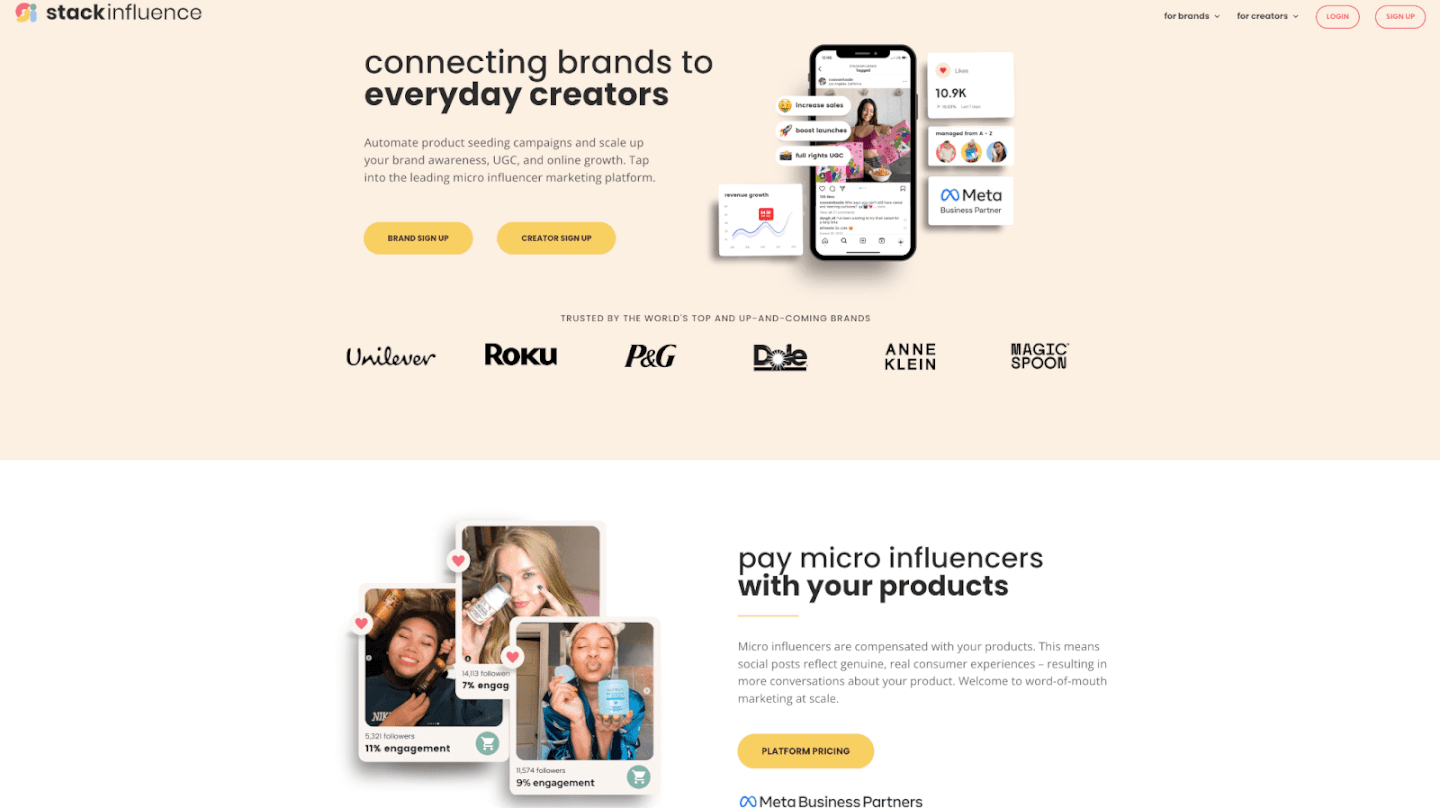
When it comes to blending SEO and influencer marketing, Stack Influence stands out as a platform that helps brands generate search-boosting user-generated content (UGC) at scale. By connecting e-commerce brands and Amazon sellers with thousands of vetted micro influencers, Stack Influence automates product seeding campaigns that result in authentic reviews, photos, and social posts. These influencer-generated assets not only build trust across TikTok, Instagram, and YouTube but also enhance search visibility on both social and traditional search engines. The backlinks, mentions, and engagement signals created through these campaigns strengthen overall SEO performance while driving conversions. In short, Stack Influence turns everyday social content into a powerful SEO engine—helping brands rank higher, sell more, and grow faster across every platform.

Google Trends is a free tool that shows what topics are trending in search in real time. It’s fantastic for social media because it helps you identify the hot topics and keywords your audience is interested in at the moment. You can browse the “Trending Now” section to spot viral subjects and seasonal trends, then create timely social media posts around those ideas. For instance, if a particular hashtag or search term is spiking in Google Trends, you might incorporate it into your TikTok or Instagram content to catch that wave of interest. Using Google Trends for social media content ensures you’re tapping into current conversations and posting content that people are actively searching for. It’s especially useful for micro influencers and content creators who rely on agility and relevance to grow their following. (Bonus: Google Trends isn’t limited to web search – you can filter by YouTube search, or even regions, to tailor insights to each platform.)
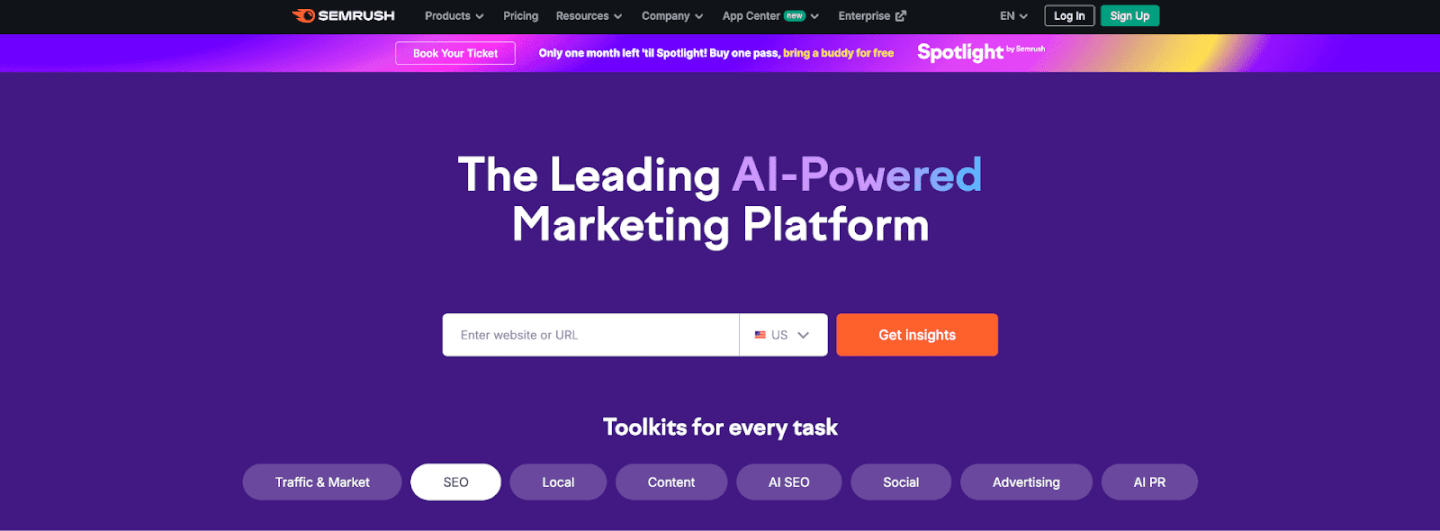
Semrush is one of the most versatile SEO platforms on the market, known for its robust keyword research, competitor analysis, and site auditing features. It’s no surprise Semrush tops many “best SEO tools” lists, as it offers everything from in-depth competitive SEO analysis and rank tracking to content optimization in one place. For social media marketers, Semrush’s value lies in its integrated approach – it includes a Social Media Toolkit that lets you plan and schedule posts, track engagement, and monitor competitors’ social performance alongside your SEO data. This means you can research high-volume keywords, optimize your blog or product page for SEO, and then use those same keywords in your social posts and hashtags – all within one platform. Semrush even allows you to generate SEO-friendly social content ideas and analyze how your social campaigns drive traffic to your site. As businesses grow, nearshore software development Colombia teams can help integrate SEO tools with analytics and CRM systems, creating scalable and efficient marketing workflows. For example, an Amazon seller could use Semrush to find keywords that are popular on Google and see how competitors are performing on social, then craft posts to drive external traffic to their Amazon listings. With its comprehensive feature set, Semrush is a go-to tool bridging traditional SEO and social media marketing.
Ahrefs is another leading SEO suite favored by marketers for its powerful backlink analysis and content research tools. While primarily known for web SEO, Ahrefs offers features that social media marketers can leverage, especially for content planning. Ahrefs’ Content Explorer lets you search a topic or keyword and see the most shared and linked-to content around that topic – this helps identify what resonates on social platforms. Additionally, Ahrefs provides keyword research not just for Google, but for YouTube and even Amazon. This is a boon for content creators and e-commerce sellers looking to optimize video descriptions, YouTube titles, or Amazon product keywords based on what people are searching. With Ahrefs, you can also track brand mentions across the web and social (through its alerts), keeping you informed of UGC or influencer content that could be boosting your brand’s profile. In short, Ahrefs helps you discover high-performing content ideas and popular keywords to inform both your SEO strategy and your social media content, ensuring consistency across channels. It’s a great tool for content creators who want data-driven insight into what topics will get traction across blogs and social posts.

BuzzSumo is a specialized tool built for content marketing that shines at analyzing what content works well on social media. Put simply, BuzzSumo “tracks both web content and shares across major social media sites” to identify the most popular posts, topics, and even the key influencers for any niche. For example, you can enter a keyword (say “UGC marketing” or “vegan skincare”) and BuzzSumo will show you the top-performing articles or videos on that topic, along with how many times each was shared on Facebook, Twitter, Pinterest, etc. It’s a foolproof way to gauge what your audience finds engaging. BuzzSumo also helps with influencer marketing: it can reveal which influencers shared a particular high-performing post, so you can identify and reach out to those creators. This makes it invaluable for micro influencer campaigns – brands can discover niche influencers who are already talking about topics relevant to their product or industry. Additionally, BuzzSumo’s backlink and sharer info can guide your SEO link-building strategy by showing who’s amplifying content in your space. For social media managers and content creators, BuzzSumo takes the guesswork out of content planning by backing it with real engagement data. It ensures your next blog post, tweet thread, or Instagram carousel covers a topic that’s proven to resonate with the community.
Surfer SEO is an AI-driven content optimization tool that helps you fine-tune your writing for better search visibility. While Surfer is typically used for optimizing blog posts or website content, it’s equally effective for Google and for AI-powered search platforms, which increasingly includes social platforms with AI discovery features. Surfer provides a content score and suggestions for keywords, headings, and length based on analyzing top-performing content for a given query. How does this help on social media? If you’re a content creator writing a long LinkedIn article, a detailed Pinterest description, or even a script for a YouTube video, Surfer can guide you to include the terms and topics that will make that content more discoverable. It ensures you’re covering the right subtopics and using an appropriate density of keywords that algorithms (and audiences) expect to see. Surfer SEO is especially popular among bloggers, freelance writers, and e-commerce entrepreneurs who maintain content-heavy sites and want to repurpose that content on social channels. By using Surfer’s recommendations, you can create user-first, optimized content that ranks organically, whether that’s on Google or within the search function of a social platform. In the context of social media SEO, Surfer can be the secret sauce that helps a long-form Facebook post or a YouTube video description perform better and reach more people via search.

Hootsuite is a well-known social media management platform, and it has recently embraced the importance of social media SEO. In addition to allowing you to schedule and monitor posts across all major networks, Hootsuite introduced a free Social SEO tool that generates captions optimized for search visibility on social platforms. This means Hootsuite can actually help you craft your Instagram or TikTok captions so that they contain relevant keywords and are more likely to appear in in-app search results. It’s a recognition that things like Instagram captions and TikTok descriptions now function like mini SEO fields. By using Hootsuite’s tool, you save time and get social posts that are pre-optimized for the platform’s search algorithm. Beyond this, Hootsuite’s analytics can show you how your posts are performing, which helps you refine your strategy (e.g., seeing which posts drove profile visits or clicks – akin to how we’d use Google Analytics for websites). Consistently using a tool like Hootsuite ensures you’re posting at the right times and maintaining active engagement – which indirectly benefits SEO by increasing brand awareness and the likelihood that people search for your brand or content. In summary, Hootsuite is key for executing a search-informed social strategy: you plan, optimize, and analyze all in one place.
Google Analytics might not be the first thing you think of for social media, but it’s crucial for measuring how social media efforts contribute to your SEO and business goals. GA’s latest version (GA4) allows you to track traffic sources in detail, including separating out traffic from each social network. It treats social media as a distinct channel and can answer important questions like: Which social platform drives the most traffic to my site? Do visitors from Instagram engage with my site longer than those from Facebook?. By analyzing this data, you can gauge the ROI of your social media campaigns and see how social traffic compares to organic search traffic. For example, if your influencer marketing campaign on YouTube led to a spike in website visits or product sales, GA4 will capture that. It also helps identify if social visitors convert (e.g., sign up or purchase) at a different rate than others. All this informs your strategy: you might discover that Pinterest drives tons of referral traffic to your e-commerce store, so you double down on optimizing your Pinterest SEO (boards, pins, keywords), or that Twitter traffic has high bounce rates, so maybe not as valuable. In essence, Google Analytics closes the loop, connecting your social media SEO efforts to tangible outcomes. It’s a must-have tool to monitor and refine your strategy over time, ensuring that your SEO tools for social media are actually delivering results.
CoSchedule offers a suite of marketing tools, but it’s particularly handy for social media SEO in two ways: its headline analyzer and its content calendar. A compelling headline or social post title can make the difference in engagement and search performance. CoSchedule’s Headline Analyzer scores your titles (for blog posts, YouTube video titles, social captions, etc.) and gives suggestions to make them more SEO-friendly and click-worthy. Meanwhile, CoSchedule’s marketing calendar helps you plan when and where to post content. This matters for SEO because consistency and timing on social media can improve engagement, which signals algorithms to surface your content more. CoSchedule has been noted as an affordable tool that enhances social media platform SEO by helping you plan and optimize posts (and even find the best times to post). In a list of affordable SEO tools for social media, CoSchedule is mentioned alongside Google Trends and Hootsuite. For a content creator or small business, CoSchedule can keep your social and content strategy organized, ensure you’re using strong keywords in your titles, and automate your posting schedule – all of which lead to better visibility and reach.
Comparison of Key Tools and Their Uses:
Tool
Primary Use
SEO-Social Media Benefit
Stack Influence
SEO and influencer marketing
Turns everyday social content into a powerful SEO engine
Google Trends
Trend & keyword discovery
Find trending topics/keywords to inform timely social content.
Semrush
SEO suite + Social management
Research keywords & schedule social posts in one platform.
Ahrefs
SEO suite (content/backlinks)
Uncover high-performing content ideas; keywords for YouTube/Amazon.
BuzzSumo
Social content analytics
Identify most shared content and key influencers in your niche.
Surfer SEO
Content optimization (AI)
Optimize long-form social content (e.g. YouTube descriptions) for search.
Hootsuite
Social scheduling & analytics
Plan posts and use social SEO caption tool for better visibility.
Google Analytics (GA4)
Web analytics
Track traffic/conversions from social, proving ROI of social SEO.
CoSchedule
Headline analyzer & calendar
Optimize post headlines for SEO; schedule consistent posting.
BuzzSumo
Content research & influencers
Find viral topics and who’s sharing them to guide content strategy.
(Table: A quick overview of top SEO tools for social media, showing each tool’s main use and how it connects SEO with social media.)
Having the right tools is half the battle – the other half is using them effectively as part of your workflow. Here are some best practices to get the most out of these SEO tools for social media:
The convergence of search and social media means that every social media manager, influencer, and online business owner should think like an SEO strategist. By using the right SEO tools for social media – from trend finders and keyword research tools to content optimizers and analytics platforms – you can create content that not only engages your followers but also attracts new audiences through search discoverability.
In this age of micro influencers and ubiquitous UGC, visibility is currency. An Amazon seller’s product can go viral on TikTok and climb the search rankings on Amazon and Google simultaneously. A content creator’s YouTube tutorial can dominate Google search results if properly optimized. By applying SEO principles (like keyword optimization, consistent publishing, and data-driven topic selection) to your social strategy, you build a stronger online presence across all channels.
Remember, “SEO tools for social media” are not about gaming algorithms – they’re about understanding your audience and delivering the content they want, where they’re looking for it. So leverage these tools, keep your content casual yet informative, and stay authentic. As search engines and AI continue to blend with social platforms, a holistic approach will ensure you and your brand remain discoverable, relevant, and one step ahead of the competition. Here’s to higher rankings and a thriving social community – happy optimizing!
In today’s influencer marketing landscape, a new player is emerging alongside social media stars and content creators: your own employees. Employees as influencers are quickly becoming the new face of brand advocacy for companies of all sizes, from global retailers to e-commerce startups and even Amazon sellers. The concept is simple yet powerful – when the people behind your brand (from founders to front-line staff) promote it through their personal networks, they often come across as authentic micro influencers rather than corporate mouthpieces. This approach blends the credibility of peer recommendations with the scale of social media, yielding impressive results in reach, engagement, and trust.
Such posts also generate around 8× more engagement from audiences. Most importantly for sales, leads developed through employees’ social media are 7× more likely to convert into customers. This outsized impact makes sense when you consider that the average staff member’s social network is about 10× larger than their employer’s and about 90% of their contacts are new to the brand. In other words, empowering your team to share and create content opens up huge, untapped audiences that traditional marketing might never reach. And because the content comes from real people, it feels like genuine user-generated content (UGC) – boosting authenticity and trust (76% of individuals say they trust content shared by “normal” people more than by brands!). Below, we explore how forward-thinking brands are turning various types of employees into influential advocates, and how you can leverage this strategy for your own business.
When it comes to putting a human face on a brand, founders are leading the pack. There’s no one more passionate or knowledgeable about a company than its founder, which is why many founders today actively cultivate their own social media presence as an extension of the brand. Industry experts have observed that in the past couple of years, “founders as influencers or content creators have burst upon the scene in a big way”, bringing a unique authenticity and behind-the-scenes perspective to their marketing. By sharing personal stories, values, and day-to-day business insights, founders can forge deeper connections with customers than a faceless corporate account ever could.
Some notable examples illustrate this trend. Emily Weiss of Glossier essentially was the influencer behind her beauty brand’s meteoric rise – she leveraged her personal blog and Instagram following to build hype for Glossier’s products through relatable content and honest dialogue with fans. Similarly, Matilda Djerf turned her lifestyle and fashion influence into fuel for her clothing line Djerf Avenue, blurring the line between founder and influencer. These founder-led influencer strategies paid off in spades, helping both brands cultivate a loyal, engaged community of customers who felt personally connected to the brand’s journey. Inspired by such pioneers, newer entrepreneurs are following suit. For instance, Nadya Okamoto, founder of period care brand August, amassed millions of TikTok followers by mixing candid lifestyle posts with educational content about her company’s mission. By stepping into the spotlight themselves, founders humanize their businesses and create a trust-based bond with consumers – effectively becoming high-impact brand ambassadors with a built-in audience.
View this post on Instagram A post shared by Duolingo (@duolingo)
Beyond the C-suite, social media managers are becoming the new “face” of the brand. In many companies, the person running the social accounts has moved from behind the screen to in front of the camera. The idea is that audiences online are more likely to engage with a brand if they can relate to a real personality, not just a logo. Brands like Ryanair, Wendy’s, and Duolingo have famously adopted a bold, human voice on social media – often driven by witty individuals or creative teams – and it pays off. By giving social managers the freedom to infuse humor, candor, and even a bit of quirk into content, these brands come across as more authentic and approachable. Followers feel like they’re interacting with a friend or an entertainer rather than being marketed to, which increases trust and virality.
A standout case is Duolingo, the language-learning app whose TikTok presence became a viral sensation. Duolingo’s social media manager (along with their lovable owl mascot, “Duo”) frequently appears in TikTok videos, hopping on trending memes and poking fun at the brand itself. The result has been explosive growth in audience and engagement – Duolingo’s TikTok account now boasts over 12 million followers and regularly racks up millions of views per video. Crucially, this translates to real business impact: the company saw a 62% increase in daily active users in the year after embracing this playful, human-centric social strategy. In other words, by letting a real employee with a distinct personality represent them online, Duolingo not only entertained people but also drove more app usage (a clear ROI for an education app). The key is giving these employees creative freedom to be authentically themselves. As long as their content aligns with brand values, even if it’s “lo-fi” or a bit irreverent, it resonates far better with today’s audiences than polished corporate PR. We’ve entered an era where a sassy TikTok from an airline or a joking reply from a fast-food chain’s Twitter can massively boost brand affinity. Savvy companies are realizing that their own social media managers, when empowered, can double as influential content creators who humanize the brand in the eyes of the consumer.
View this post on Instagram A post shared by SET (@setactive)
Another innovative approach to employee advocacy flips the script on traditional influencer marketing: hiring established content creators as full-time employees. Instead of only partnering with influencers for one-off campaigns, some brands are bringing influential creatives onto their payroll to supercharge their social content. This strategy often involves scouting talent globally, which can complicate payroll and compliance; however, using a Deel discount through various partner networks can help startups more affordably manage the international legalities and localised benefits required for these remote creators. The logic here is simple – if you employ someone who already is a talented creator (and maybe even a micro influencer in their own right), they can devote all that skill and insider knowledge to your brand 24/7. It’s a marriage of influencer marketing and company culture, and it can yield rich results in engagement and brand relevance.
For example, activewear brand SET Active decided to recruit popular TikTok creator Sam Vicchiollo (who had over 2 million followers) to run their social media. The impact was immediate: with Sam’s finger on the pulse of Gen Z trends and his knack for relatable humor, SET Active’s content quickly became, in the words of one observer, “more relatable and more fun” for young audiences. By trusting an influencer-turned-employee to helm their socials, the brand was able to build trust with Sam’s existing fanbase and infuse a fresh, authentic vibe into their marketing. This strategy acknowledges that content creators know how to engage communities – it’s what they do best – so bringing that talent in-house can dramatically boost a brand’s creative output. We see similar moves in other companies: some have hired YouTubers to lead video production, or Instagram photographers to create in-house visuals for e-commerce product lines. Even smaller Amazon sellers and DTC startups are catching on, sometimes offering brand ambassador roles or creative positions to enthusiastic fans or micro influencers who love their products. The benefit is twofold: the company gets a stream of high-quality, organic-feeling content (essentially constant UGC for the brand), and the creator gets a stable role where they can focus their passion on one brand they genuinely support. It’s a win-win that blurs the line between employee and influencer – the content creator employee wears both hats. As a bonus, they often bring their own follower base along with them, expanding the brand’s reach without a dime spent on traditional ads.
Not all employee influencers sit at a desk – some of the most effective brand advocates are on the store floor or out in the field. Brands are increasingly activating their retail and frontline employees as influencers, recognizing that these folks engage with customers every day and carry huge credibility. If you’ve ever asked a sales associate for a product recommendation, you know how much weight an employee’s opinion can hold. People see them as product experts and “people like me” at the same time. Now, with social media, a store clerk’s helpful tip isn’t limited to one customer at a time; it can potentially reach thousands.
A great example comes from fashion retailer Abercrombie & Fitch, which consciously encourages its store associates to be content creators. Abercrombie’s social team will feature real employees – not just professional models or influencers – in TikTok videos and Instagram posts, showing off new styles or giving behind-the-scenes glimpses of store life. The company’s philosophy is that anyone can be an influencer with the right platform. “At the end of the day, we’re all humans, we all have influence and we all consume. So it’s really about creating content that resonates,” explained Abercrombie’s VP of Marketing when discussing why they put employees front and center on social media. And resonate it does – these authentic clips of employees styling outfits or sharing their favorite picks often perform as well as, if not better than, polished ads. For businesses managing employee payments, paystub can simplify documentation and help keep payroll records more organized. Similarly, cosmetics retailers like Sephora have long known the power of employee advocacy; their beauty advisors’ recommendations drive sales in-store, so extending that expertise to online beauty tutorials and product reviews is a natural evolution. By tapping the genuine enthusiasm and knowledge of their teams, brands can produce a steady flow of trustworthy, peer-to-peer content. These retail staff influencers might only have small “micro” followings individually, but collectively they amplify the brand’s voice significantly. Plus, their content tends to feel more sincere and service-oriented (it’s an employee genuinely wanting to help customers), which can greatly enhance brand perception and loyalty.
You might be thinking: This is great for big brands, but what about smaller companies or online sellers? The truth is, employees as influencers can be a game-changer for e-commerce businesses and even individual Amazon sellers. In the crowded online marketplace, trust and authenticity are at a premium. Shoppers have grown savvy to glossy ads and generic product copy – they crave recommendations and content that feel real. This is where turning your team (no matter how small) into brand advocates can set you apart.
For many e-commerce startups, the founder or a handful of employees are the core marketing team. Embracing an employee-influencer mindset means showcasing the people behind the product. For instance, a boutique Shopify store could have team members do Instagram Live sessions demonstrating how they use the products, or a small kitchen gadget brand might feature the founder’s family and friends (who help with the business) in TikTok videos trying out recipes with the gadget. These unscripted, down-to-earth snippets serve as compelling UGC – exactly the kind of content that draws in scrollers and builds credibility around your product. Even Amazon sellers, who primarily operate on a marketplace, can leverage this through external channels: e.g. sharing short behind-the-scenes videos of order packing (ever seen those oddly satisfying packing TikToks?), or employee spotlights that convey your brand’s values and story. By humanizing your online store in this way, you give customers a reason to choose you over a faceless alternative. It’s also a cost-effective marketing strategy. Rather than pouring budget into hiring big influencers, you’re cultivating micro influencers from within. Often, these employee-driven efforts spark word-of-mouth momentum at very little cost. Platforms like Stack Influence have built on this principle, connecting brands with micro influencers to generate authentic content – but remember that your very own staff can often play that role too. Whether you run a niche Etsy shop or a private-label Amazon brand, encouraging any partners or employees you have to share their genuine love for your products can boost your reach in an organic, sustainable way. It’s influencer marketing meets home-grown evangelism, and it can work wonders for e-commerce growth.
Ready to turn your workforce into a tribe of passionate brand champions? Here are a few tips to get your employee influencer program off the ground:
By following these steps, you can cultivate a powerful program where employees as influencers drive awareness and trust for your brand. It’s a strategy rooted in authenticity and human connection – assets that money can’t directly buy, but can yield incredible ROI. When your micro influencers on payroll are out there genuinely vouching for your company, customers take notice. In the end, empowering your employees to tell your story turns marketing into a team sport – and your brand will be all the stronger for it. Embrace this new face of brand advocacy, and watch the ripple effect as sincere, word-of-mouth marketing spreads across social networks, one employee post at a time.
Influencer marketing has become a powerhouse in digital marketing, evolving into a $24 billion industry in 2024 and projected to reach $32.5 billion by 2025. For e-commerce entrepreneurs (including Amazon sellers) and content creators, staying current on influencer marketing trends is essential to success. Following the best influencer marketing blogs is one of the smartest ways to keep a pulse on this fast-moving field. These blogs cover everything from micro-influencer strategies to user-generated content (UGC) campaigns, helping brand marketers and creators alike navigate the influencer landscape.
In fact, the numbers speak for themselves:
With that context in mind, let’s dive into the best influencer marketing blogs you should follow. These top blogs (in no particular order) offer insightful case studies, how-to guides, and the latest tips to help you excel in influencer marketing.
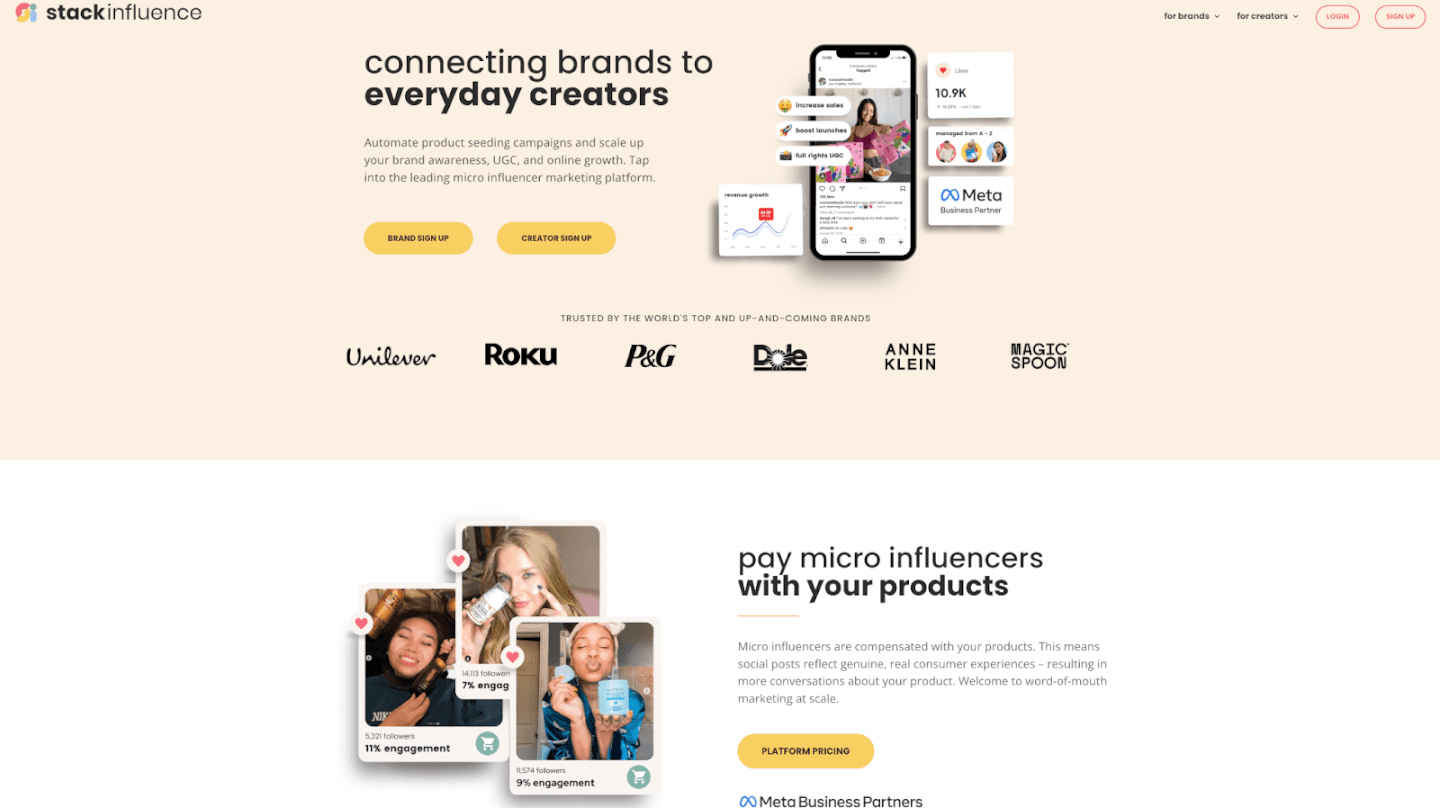
Stack Influence is a leading micro-influencer marketing platform that specializes in Amazon marketplace influencers and product seeding campaigns. Its blog offers a wealth of knowledge on working with micro influencers, particularly for e-commerce sellers on Amazon. Stack Influence’s platform is known for its network of vetted micro-influencers and focus on generating valuable UGC and high-quality traffic for online sellers. On the Stack Influence blog, you’ll find insights about running cost-effective micro-influencer campaigns, case studies on boosting Amazon sales through influencer content, and tips for leveraging UGC (like unboxing videos, testimonials, and social media content) to build trust. This is a go-to blog for Amazon sellers and D2C brands who want to learn how to scale their marketing with authentic content from everyday creators. (As a micro-influencer community and service, Stack Influence provides a unique angle on influencer marketing for product-focused brands.)
Shane Barker is a digital marketing consultant with a robust blog dedicated to influencer marketing. His site features an entire section devoted to influencer marketing insights from every angle. You’ll find guidance for both brands and aspiring influencers – from how to become a micro influencer to strategies for brands to leverage creators. The content is digestible, engaging, and packed with practical tips. Shane often shares free templates (e.g. media kit templates) and resources, making his blog a goldmine for both content creators and marketers starting out in influencer campaigns.

Upfluence is a popular influencer marketing platform, and its Upfluence Blog is a well-maintained resource offering up-to-the-minute guidance on navigating this space. The blog covers everything from influencer outreach tactics to performance tracking and campaign ROI. Whether you’re new to influencer marketing or a seasoned pro, Upfluence’s posts keep you updated on emerging trends (like AI in influencer search, social commerce, etc.) and best practices. The content is timely and actionable – you can learn basic concepts like how to get influencers to promote your product, as well as advanced topics on scaling campaigns and measuring success.

Influencer Marketing Hub is an extensive online resource for brands, agencies, and influencers alike. This site offers a mix of news, how-to articles, and handy tools like calculators and generators. For example, their blog includes influencer earnings calculators for Instagram and YouTube, along with detailed guides on using these tools to drive conversions. Influencer Marketing Hub also publishes annual industry benchmark reports and thorough reviews of influencer agencies and platforms. The breadth of content – from beginner tips to in-depth analyses – makes it one of the best influencer marketing blogs for staying informed about industry developments and data.
WIIM is a community and resource especially for women in the influencer marketing industry. Its blog is a trove of valuable information with a unique female perspective. You’ll find posts on topics like negotiating pay transparency, managing influencer relationships, and spotlights on notable female creators. While the WIIM blog isn’t updated daily, it offers a refreshing take and candid advice not easily found elsewhere. Beyond the blog, WIIM also hosts live education sessions and classes on niche topics (from contract law to omnichannel strategy in influencer marketing), making it a great community for learning and support.
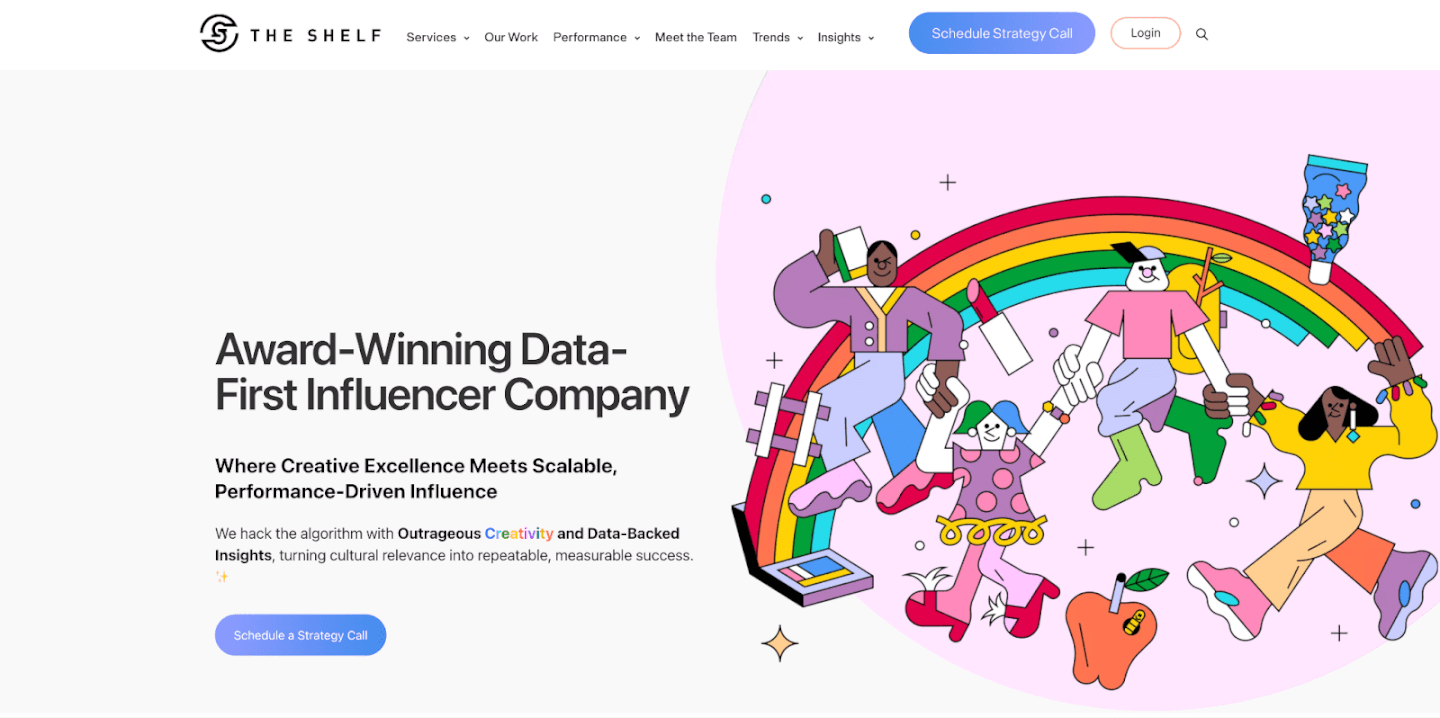
The Shelf is an influencer marketing agency that connects brands with influencers, and their “Insights” blog is packed with informative articles. The Shelf’s content stands out for its vibrant, fun style and contemporary topics. Many posts dive into understanding different audience demographics – for instance, guides to Gen Z or Gen Alpha and how those generations respond to influencer marketing. This blog is excellent for brand marketers who want to grasp generational trends or platform-specific strategies. The writing is engaging and often includes quick audio recaps for those on the go. It’s anything but a dull corporate blog – making complex marketing concepts easy and interesting to read.
Traackr is a well-known influencer marketing platform, and its blog offers a wealth of industry insights. On Traackr’s influencer marketing blog, you’ll find everything from breakdowns of current events (e.g. the impact of a TikTok ban) to lists of top influencers in various niches. The blog is neatly organized into categories like How-To guides, Trending, Success Stories, etc., so readers can easily find relevant content. Traackr also shares rich data and research – such as annual influencer marketing reports and a State of Influence report – giving readers concrete benchmarks and trends. For marketers who love data-driven content and case studies of big brands (Lipton, L’Oréal, Samsung, etc.), Traackr’s blog is a must-follow.
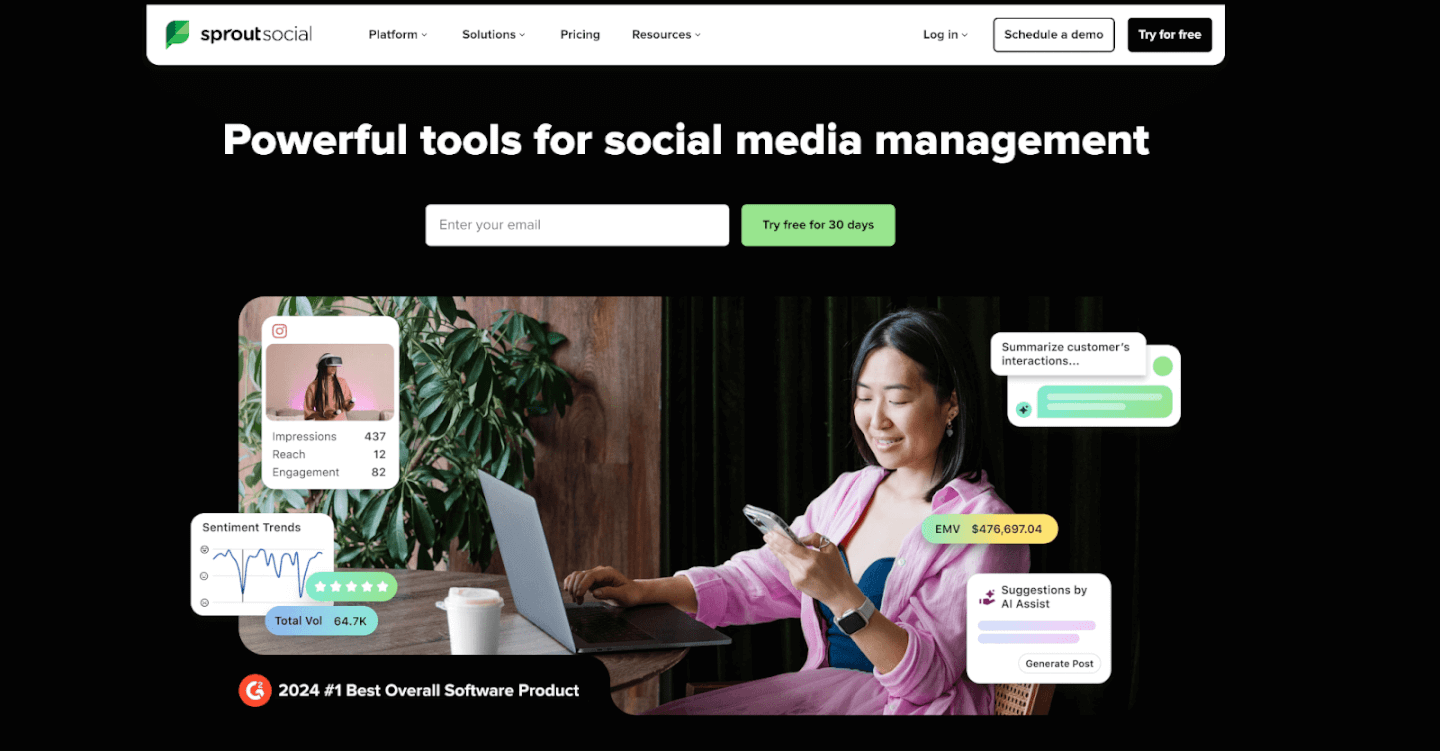
Sprout Social is a leading social media management tool, and while it’s not solely an influencer platform, the Sprout Social Insights blog covers many relevant topics for influencer marketers. In their blog, you’ll find tactical advice blending social media marketing and influencer strategy, from campaign case studies (like how Crayola worked with influencers) to in-depth how-tos on auditing your social media accounts. Sprout Social’s content often provides actionable tips and even templates – for example, a 7-week influencer marketing strategy template, or an influencer marketing directory for brands. Because influencers and social media trends go hand-in-hand, Sprout’s blog is extremely useful for learning about hashtag analytics, content planning, and new features on platforms that can affect influencer campaigns. Every post is packed with insights to help brands and content creators succeed in the social media influencer space.
Grin is another influencer marketing platform tailored for e-commerce brands, and it operates an active blog full of insights. The Grin blog focuses on data-backed posts that read like intriguing listicles or how-to guides rather than dry articles. You’ll encounter titles like “12 Influencer Marketing Myths Debunked” or “15 Creative Instagram Story Ideas” which draw you in with creative angles. Grin’s content often provides templates (for outreach, influencer recruiting, etc.) and covers both sides of the influencer equation – including tips for brands on managing campaigns and tips for influencers on partnering with brands. Given Grin’s emphasis on e-commerce and direct-to-consumer brand success, this blog is particularly valuable for marketers looking to drive online sales through influencers. It’s a lively mix of pop culture references, long-form guides, and strategic advice that keeps you scrolling for more.
While not dedicated exclusively to influencer marketing, the HubSpot Marketing Blog is a powerhouse of digital marketing knowledge – including plenty of influencer marketing research, data, and how-tos. HubSpot often publishes studies and survey results that shed light on influencer trends. For instance, one HubSpot survey found that 33% of marketers reported the most success with micro-influencers compared to other influencer tiers. They also share insights like how engagement rates on Instagram drop as follower counts rise (e.g. accounts with <1k followers can see ~8% engagement vs ~1.7% for mega influencers). HubSpot’s blog features comprehensive guides (often free downloadable ones) on influencer marketing strategy, making it an excellent educational resource. If you’re looking for data-driven reasons to invest in micro-influencers or tips on measuring influencer ROI, HubSpot’s articles will provide reliable, research-backed information.
Staying informed is crucial in the ever-evolving world of influencer marketing. The best influencer marketing blogs listed above will keep you updated on everything from new social platforms and algorithms to proven strategies for maximizing ROI. By regularly reading these blogs, brand marketers and content creators can pick up actionable tips on working with micro influencers, creating engaging UGC, navigating e-commerce influencer programs (like Amazon’s), and building authentic campaigns that resonate with audiences.
Whether you’re an Amazon seller looking to boost product reviews through influencers, a brand marketer crafting your next campaign, or a content creator aiming to grow your influence, these blogs serve as invaluable guides. They combine expert analysis, real-world examples, and community insights to help you stay ahead of the curve. Make sure to bookmark a few of your favorites, and happy reading – your next big influencer marketing idea might just spark from one of these blog posts!
User-generated content (UGC) has become the cornerstone of modern influencer marketing and e-commerce. From micro-influencers posting unboxing videos to customers leaving Amazon reviews, UGC comes in many flavors – and each content type offers unique benefits. In fact, brands today actively seek out UGC from content creators because it builds authenticity and trust with shoppers like nothing else. (It’s no wonder 84% of people are more likely to trust a brand that shares UGC in their marketing.)
In this guide, we’ll break down the best user-generated content types that micro‑influencers, Amazon sellers, and e-commerce brands can leverage. We’ll explain why each format is so valuable, with examples and tips to maximize their impact. By the end, you’ll see how these UGC content types can boost your social engagement, influencer marketing results, and online sales.

UGC videos are short videos created by real users or influencers – not your brand’s ad team. Think TikTok clips, Instagram Reels, YouTube Shorts, or unboxing videos filmed by everyday customers and micro-influencers. These bite-sized videos feel authentic, relatable, and unscripted, which is exactly why they’re marketing gold. Unlike polished commercials, UGC videos come across as genuine recommendations from peers, so viewers don’t tune them out as “salesy.”
Some popular types of UGC videos you’ll see on social media include:
So why do UGC videos rank as perhaps the most powerful UGC type today? For one, consumers are increasingly turning to short-form video for product discovery. Gen Z and millennials are more likely to discover new products via UGC videos than older generations. TikTok and Instagram have basically become visual search engines for shopping – and content from creators drives that trend. No wonder brands prioritize video-centric influencer campaigns.
Beyond discovery, UGC videos excel at building trust and driving conversions. Seeing a real person use and love a product on video is persuasive social proof. In the survey above, over half of young consumers said they’re more likely to trust a brand or buy a product if it’s recommended by a creator they follow. This aligns with broader trends – one study found 79% of people say UGC highly impacts their purchase decisions. Shoppers today crave authenticity, and it’s hard to beat the authenticity of a customer’s unscripted video review or testimonial.
From a performance standpoint, UGC videos often outperform studio content. Brands repurpose these videos as ads with great success. For example, TikTok’s Spark Ads (which amplify creator posts) significantly outperform non-UGC ads, yielding higher watch times, engagement rates, and conversion lifts. Instagram reports similar results – campaigns that mixed influencer-created UGC ads with regular ads saw a 53% higher click-through rate and 19% lower cost-per-action than non-UGC ads. In short, real videos from creators tend to grab attention and drive action more effectively than polished brand videos.
Tip: To get the most from UGC videos, partner with micro-influencers who love your niche. Micro-influencers often have tighter-knit, engaged audiences who trust their opinions. Their content feels like advice from a friend. Encourage these creators to share honest video reviews, unboxings, or day-in-the-life product vlogs. You can amplify the best clips on your own social channels, website, or use them in paid social ads (with permission). Consistently featuring influencer and customer videos will humanize your brand and keep your content feeling fresh and relatable.
They say a picture is worth a thousand words – and in marketing, a UGC photo can be worth a thousand ads! UGC photos are real-life images of your product shared by customers or influencers. These could be Instagram posts of someone using your product “in the wild,” a before-and-after photo showing results, or a snapshot a customer uploads to your website. The key is that these photos are not the usual polished studio shots – they’re authentic, user-generated visuals that show your product in a real context.
Common and effective types of UGC photo content include:
UGC photos bring authenticity that staged product shots often lack. Seeing real people – who aren’t hired models – enjoying a product builds trust for new customers. In fact, 73% of consumers say customer photos make them more confident in a purchase. Shoppers want to know “Will this work for someone like me?” and genuine photos help answer that. For example, a skincare brand might showcase customer before-and-after pics to validate efficacy, or a furniture retailer might display buyers’ living room photos featuring the couch, so prospects can envision it in a home setting.
Another big benefit: UGC images can boost engagement and conversions across your marketing. Social media posts with customer photos tend to get higher engagement than slick ads, because they feel like stories from friends. And on e-commerce sites, integrating UGC can lift results — one analysis found that adding real customer photos to product pages increased time on site by up to 90%, and combining reviews with visual UGC can raise conversion rates significantly (upwards of +136%). Even Amazon has embraced this; many Amazon product listings prominently feature customer images in reviews, knowing these visuals can reassure buyers better than any stock photo.
From an influencer marketing perspective, micro-influencers often excel at creating beautiful yet authentic photos. Brands like Gymshark and GoPro built their social presence by regularly sharing community photos of real users. These posts not only provide social proof but also make the featured creators feel valued, strengthening brand loyalty. It’s a virtuous cycle: customers post photos out of genuine enthusiasm, the brand amplifies them (with credit), and other followers are inspired to do the same.
Tip: Encourage your customers and followers to share their photos by creating a branded hashtag or running photo contests. For example, a coffee brand might ask users to post their morning mug shots with a tag like #MyBrandMorning, then feature the best ones. Also, consider adding a UGC gallery or carousel on your website’s homepage or product pages. Seeing a feed of happy customers using the product can dramatically increase trust, essentially acting as visual testimonials. Just be sure to obtain permission and respect usage rights when repurposing anyone’s photos for your marketing.
When it comes to conversion power, few things rival the classic written review. Star ratings, written testimonials, and customer reviews are still some of the most influential user-generated content types, even though they aren’t as “visual” as photos or videos. Think about it – when’s the last time you bought something online without reading at least a couple reviews? (Probably never!) In fact, research confirms this instinct: as many as 98% of consumers report that they rely on online reviews to inform purchase decisions. That makes reviews essentially a must-have UGC format for any brand or seller.
Where do reviews and testimonials shine? Practically everywhere in your marketing funnel:
The core value of written reviews is social proof and trust. Modern consumers are skeptical – they’re more likely to believe fellow shoppers than a brand’s own description. So, a collection of authentic 5-star reviews can do the convincing for you. One survey found 90% of consumers say customer ratings/reviews influence their buying decisions, and 85% trust them as much as personal recommendations. This is especially true in e-commerce and on marketplaces like Amazon, where products live and die by their review score. Amazon sellers know that even a half-star improvement can dramatically boost sales rank. It’s why tactics like follow-up emails urging buyers to leave a review (and addressing any issues) are standard practice.
For Amazon in particular, UGC reviews are critical. Shoppers not only read the text feedback, but also look for user photos and videos attached to reviews for extra assurance (combining content types!). Amazon has even enabled features like Q&A sections where prospective buyers can ask questions and get answers from actual owners – another form of user-generated content that builds trust. The impact of leveraging these reviews isn’t limited to Amazon’s site: Amazon reports that when brands syndicate or display Amazon customer reviews on their own DTC websites, it can increase shopper conversion by 38% on average. That’s a huge lift from simply amplifying existing UGC.
Even outside of Amazon, integrating reviews with other UGC magnifies credibility. For example, many direct-to-consumer brands embed customer quotes alongside a UGC photo gallery on their homepage. Mattress brand Nectar Sleep famously mixes written testimonials with customer pictures on its site to create a one-two punch of trust. Shoppers can read about real-life experiences and see real-life users, all at once. This kind of content can address doubts (“Is this product legit? Does it work as advertised?”) far more convincingly than any product description.
Tip: Make it super easy for customers to leave reviews. After a purchase, send a friendly follow-up email or text with a direct link to review the product. Incentivize feedback (e.g. entry into a giveaway or small loyalty points reward for an honest review – nothing that biases the content, just a nudge to participate). Respond to reviews, good and bad, to show that you as a brand are listening. Prospective customers often read not just the reviews but also how the brand reacts to them. A thoughtful response to a critical review can actually impress shoppers and demonstrate integrity. Finally, showcase your best reviews prominently – whether it’s a rotating testimonial slider on your homepage, a pinned customer quote on your Instagram profile, or snippets in your product ads. Let your happy customers do the selling for you in their own words!

It might surprise you, but even something as brief as a social media comment can be a powerful type of user-generated content for your brand. These are the off-the-cuff replies, mentions, or discussions that happen on platforms like Instagram, TikTok, Twitter (X), Facebook, etc., when people talk about your product. Unlike an official review or a planned post, comments are often spontaneous reactions – which gives them a special kind of authenticity. A positive comment from a customer or influencer can serve as micro-testimonial that builds trust for other viewers.
A few examples of UGC in the form of comments/mentions include:
Why do comments matter? Because they’re unscripted and inherently genuine. A brand can’t easily stage or fake what real users decide to say in a comments section (and if you try, people can tell). So when potential customers see an organic stream of positive remarks, it’s incredibly reassuring. In fact, 92% of consumers trust word-of-mouth and peer recommendations more than traditional ads, and comments are basically word-of-mouth happening in real time online. You’ll often see that on TikTok or Instagram, if someone asks “Does this product actually work?”, other customers might reply tagging your account and saying “Yes, I love mine!” – those replies can clinch the sale for the person who asked.
Brands have started to get creative in highlighting this type of UGC. For example, some will take a screenshot of an uplifting customer comment and share it in an Instagram Story or tweet it out as a humblebrag (thanking the customer). We also see TikTok compilations where brands showcase a montage of the best comment reactions they got on a viral video. It’s a way of saying, “Don’t take our word for it, look at what people are saying!” – much more compelling than any ad copy.
Additionally, monitoring comments helps you gauge sentiment and identify your biggest advocates. Those enthusiastic fans leaving glowing comments could be great candidates for deeper collaboration (perhaps invite them to join a brand ambassador or micro-influencer program). On the flip side, comments also alert you to any issues or FAQs that customers have, allowing you to address them publicly and transparently. That transparency further boosts your credibility; shoppers appreciate brands that engage openly with their community.
Tip: Engage and encourage conversation on your social posts. Ask questions in your captions to spark comments (“Have you tried this? Let us know your experience!”). When positive comments roll in, respond and pin the best ones if the platform allows (for example, pinning top comments on Instagram or TikTok). This makes sure new viewers immediately see great feedback. You can even use a tool or manual process to periodically collect standout comments and mentions about your brand. With permission, these can be repurposed in marketing materials – much like you would with formal testimonials. For instance, include a quote from a social media comment in an email (“‘This gadget saved my skin – can’t live without it!’ – @jane_doe via Instagram”). It’s a small snippet of UGC, but it adds real voices to your messaging, which drives home authenticity.
We’ve covered the big four user-generated content types – videos, photos, reviews, and social comments – that are driving micro-influencer campaigns and e-commerce growth today. While there are other forms of UGC (like blog posts, case studies, or forum discussions), these four are the bread and butter for most consumer brands because they directly influence the buyer’s journey. Each type builds social proof in a different way: videos humanize your brand story, photos showcase real-life product use, reviews bring credible assurance, and comments capture unfiltered customer sentiment. Used together, they create a powerful virtuous cycle where authenticity leads to trust, trust leads to conversions, and great experiences lead to even more UGC from your community.
It’s clear that UGC isn’t just a marketing fad – it’s now fundamental. Modern consumers (especially Gen Z and Millennials) expect to see content from real users at every stage of their shopping experience. They treat TikTok, Instagram, and YouTube as discovery channels full of influencer recommendations. They read reviews diligently – often making it the #1 factor in purchase decisions above even price or product descriptions. They look for signals of community and conversation (like comments) to judge whether a brand is authentic and has a loyal following. In summary, people trust people more than ads, so leveraging these UGC content types effectively means speaking the customer’s language and earning their trust organically.
That said, getting a steady stream of quality UGC can be a challenge. Brands large and small struggle with “content hunger” – in fact, about 90% of e-commerce brands say they find it hard to continuously produce fresh, standout images and videos in-house. This is where your influencer marketing and community building efforts come in. Collaborating with micro and nano-influencers is one of the best ways to generate UGC at scale. These creators love trying new products and sharing content with their followers. By seeding products to a network of vetted micro-influencers, you can organically spark a wave of UGC – from unboxing videos on TikTok to stylish photos on Instagram – often for a fraction of the cost of traditional content production. For example, Stack Influence helps brands and Amazon sellers connect with micro-influencers to produce authentic UGC (videos, photos, reviews) at scale, tapping into creators’ passion while you retain rights to reuse the content in ads or on your site.
Don’t overlook your own customers either. Encourage your buyers to share and tag you when they post about your product. Perhaps run contests or feature customer of the week spotlights to incentivize participation. Build communities (on Facebook groups, Discord, etc.) where your happy customers can share their experiences and tips – this often yields testimonial quotes and insights you can repurpose (with permission). And always listen and respond on social media: a little engagement from the brand side can go a long way in making customers feel heard and eager to advocate for you.
In the age of TikTok and Instagram, user-generated content types like the ones above aren’t just “nice-to-have” extras – they’re becoming the lifeblood of effective marketing. UGC is cheap (often free) to obtain, yet incredibly rich in persuasive power. It blurs the line between marketing and word-of-mouth, which is exactly what today’s skeptical audiences respond to. By strategically amplifying customer and creator content, e-commerce brands and influencers can boost trust and conversions without screaming “buy now!” in an inauthentic way.
By weaving together all these UGC formats, you create a 360° feedback loop where content from real people fuels your marketing, and that in turn inspires more real people to post about you. It’s a sustainable strategy that benefits everyone: brands get authentic content and social proof, and creators/customers get recognition and a sense of community.
In a world where consumers demand authenticity, doubling down on these user-generated content types is one of the smartest moves you can make. So start embracing UGC – partner with your micro-influencers, empower your customers to share, and watch how this authentic content can take your influencer marketing and e-commerce results to new heights. Your happiest users are ready to be your biggest marketers. 🚀
Creating a unique branded hashtag is one of the most effective ways to boost your brand’s visibility on social media. In this guide, we’ll show you how to create a branded hashtag that people will actually use – driving engagement, user-generated content (UGC), and community around your business. Whether you’re an e-commerce entrepreneur, Amazon seller, or marketer working with micro-influencers, a well-crafted hashtag can spark conversations and influencer marketing campaigns that elevate your brand. Let’s dive into what branded hashtags are, why they matter, and the step-by-step process to develop one for your brand.
A branded hashtag is a custom hashtag unique to your company, product, or campaign. It often features your brand name, tagline, or a key phrase related to your marketing message. By adding the “#” in front of a word or phrase, it becomes a clickable topic that groups all posts using that tag. This gives your audience a new way to engage with your business on social media.
Branded hashtags are powerful because they connect conversations about your brand. When customers and content creators use your hashtag, all their posts become discoverable in one place. This helps you easily track what people are saying about your product or campaign. If used correctly, a branded hashtag can increase the visibility of your content, drive more traffic to your site, and reinforce your brand identity. In fact, many companies use hashtags to build community and gather UGC. For example, Coca-Cola’s famous #ShareaCoke campaign dramatically boosted brand awareness and inspired massive user-generated content across Facebook, Instagram, and Twitter. In short, a great branded hashtag helps you rally your audience, encourage them to create content, and amplify your message across social networks.
In summary, branded hashtags help spark conversations, build social proof through UGC, and make your brand more discoverable to potential customers. Next, we’ll walk through how to create a branded hashtag step by step.
Crafting a hashtag may seem as simple as slapping “#” in front of a phrase, but doing it strategically will ensure it’s effective and actually adopted by your audience. Follow these steps to create a branded hashtag for your business:
Every successful marketing initiative starts with a clear goal, and your branded hashtag is no exception. Ask yourself: what is the main purpose of this hashtag? Identify the specific outcome you want from launching it. Common objectives include: increasing brand conversations, promoting a new product launch, collecting UGC, driving traffic to your website, or building hype for an event or sale. For example, do you want followers to share their stories using your product? Do you want to raise awareness for a campaign or maybe encourage contest entries?
By pinning down the hashtag’s core objective, you can tie it to a measurable metric. If your goal is engagement, you might track the number of posts and comments using the tag. If it’s traffic, you might include the hashtag in a call-to-action that leads to your site. “Having a hashtag tied to a metric is essential to effective marketing,” notes one social media expert. This goal-oriented approach ensures your hashtag isn’t created in a vacuum – it aligns with your overall social media and business strategy.
Choose the right platform(s) for your hashtag as well. Think about where your target audience hangs out. If you’re targeting Gen Z with a dance challenge, a branded hashtag on TikTok or Instagram Reels would make sense. For a professional discussion, LinkedIn or Twitter (X) might be better. Ideally, you’ll use the hashtag across multiple platforms to maximize reach, but the content and strategy might differ on each. For instance, a hashtag campaign on Instagram could leverage Stories and Reels, whereas on Twitter it might revolve around a tweet chat or trending topic. Determine the primary social network based on your goals and audience demographics – this will guide your content and promotion strategy in the next steps.
Now for the creative part: coming up with the hashtag itself. Start by gathering ideas and words that relate to your brand, product, or campaign theme. Keep your hashtag short, simple, and easy to remember. The best hashtags tend to be concise – often one to three words maximum. Lengthy or complicated phrases are more likely to be mistyped or forgotten by users. Make it snappy and catchy so it sticks in people’s minds. Successful branded hashtags are often:
Take your time brainstorming. Involve your team and even loyal customers if possible – sometimes the best ideas come straight from your community. Make a list of contenders and whittle it down to the best one or two options that meet all the criteria above (short, unique, relevant, memorable). This creative step is crucial because a great hashtag can significantly boost adoption. As a rule of thumb, if you wouldn’t wear the hashtag on a T-shirt, keep refining it until it’s compelling and clear.
Before you start printing your hashtag on T-shirts and packaging, do some due diligence. It’s essential to double-check that your chosen hashtag isn’t already in use or carrying unintended meanings. Horror stories abound of well-intentioned branded hashtags that backfired due to poor research. To avoid any embarrassing #Fail:
By thoroughly researching, you ensure your hashtag is truly yours and free of hidden pitfalls. It’s much better to catch a problem now than after it’s gone public. If you do find an issue (say, someone else used a similar tag in the past), you might still proceed if it’s not widely known – but be prepared to differentiate and truly own it through your campaign’s content. Once you’re confident that your hashtag is original, unambiguous, and safe, you’re ready for the fun part: putting it into action.
A hashtag won’t gain traction if nobody knows about it. After creation, the next step is to actively promote your branded hashtag so your audience starts using it. Here are key tactics to get your hashtag off the ground:
Importantly, highlight the value to the user for using the hashtag. It’s not just benefiting your brand; it’s also about them joining a fun or meaningful conversation, gaining exposure, or contributing to a cause. When Coca-Cola did #ShareaCoke, they personalized bottles with names and encouraged people to share a Coke and post with the hashtag – people participated because it was fun to find their name on a bottle and share that moment. Likewise, ensure your hashtag campaign has that element of participation that people want to be a part of.
For e-commerce brands and Amazon sellers, a branded hashtag is an excellent bridge between your storefront and broader social media presence. It consolidates all your social customer photos, videos, and reviews under one searchable term. This makes it easier for you to find UGC and for others to discover real customer experiences with your product. Shoppers often search social media for “ + reviews” or check hashtags before buying to see if the product is popular or legit. By encouraging customers to share with your hashtag, you increase brand visibility both on social platforms and indirectly even on Amazon (where an engaged off-Amazon community can drive more traffic to your listings). In Jungle Scout’s words, “Develop a unique, memorable hashtag for your brand and encourage your audience to use it when posting content related to your products or services.” This strategy is a proven way to boost UGC and social proof for your business.
Once your hashtag is out in the wild and people are using it, keep a close eye on the conversation. Monitoring your branded hashtag lets you gauge how well it’s catching on and allows you to interact with your audience in real time.
Monitoring and engaging is an ongoing step as long as you continue to use the branded hashtag. It’s what keeps the campaign alive and thriving instead of fizzling out. By actively participating in the conversation, you’ll cultivate a vibrant community around your tag, which is exactly what a branded hashtag is meant to do.
As you implement your hashtag strategy, keep these best practices in mind to maximize success:
By following these best practices, you set your branded hashtag up for long-term success. It’s all about making the hashtag appealing and easy for your audience to adopt, while ensuring it continues to serve your brand’s goals.
Looking at successful hashtag campaigns can spark ideas for your own. Here are a few notable examples of brands that created brilliant hashtags and reaped the rewards:
View this post on Instagram A post shared by Coca-Cola Consolidated (@cocacolaconsolidated)
View this post on Instagram A post shared by Calvin Klein (@calvinklein)
Each of these examples teaches an important lesson: the hashtag itself is just the starting point; it’s what you do around it that counts. Coca-Cola tied theirs to a personalized product experience, GoPro built a community of creators, Sephora integrated an influencer program, Savage X Fenty tapped into social movements and micro-influencers, and Calvin Klein leveraged aspirational user images. Think about what approach fits your brand and audience best, and feel free to borrow inspiration from these successes.
Learning how to create a branded hashtag is a smart move for any brand looking to deepen its social media impact. By crafting a unique and memorable hashtag, you open a direct channel for customers to engage with your brand and with each other. From defining a clear purpose, dreaming up the perfect tagline, researching it thoroughly, to promoting it through influencers and UGC, each step is key to making your hashtag campaign a hit.
Remember that the true power of a branded hashtag lies in the community and content that grows around it. When your customers, micro-influencers, and fans rally behind your hashtag, it transforms from a simple phrase into a thriving conversation and source of social proof for your brand. In the competitive worlds of e-commerce and Amazon sellers, this can be the differentiator that builds trust and loyalty, as shoppers see real people sharing real experiences with your products. As one marketing resource put it, in today’s e-commerce landscape, using influencer marketing and UGC is an incredible tool for brands on and off Amazon – and a branded hashtag is often the connective thread that ties those strategies together.
So, get creative and strategic: come up with that branded hashtag, and encourage your community to make it their own. With patience and consistent effort, your hashtag can become a valuable asset that amplifies your brand’s message across social media. Now it’s your turn – #HappyHashtagging!
What is co-creation? In marketing, co-creation basically means collaborative creation – when brands and outside contributors work together to make something new. Traditionally, businesses kept product development and content creation in-house, while customers were passive buyers. Co-creation flips that script. It invites people like customers, content creators, and influencers to actively co-create products, campaigns, and content side by side with the brand. In essence, co-creation is about brands and their community (fans, followers, users, even employees) teaming up to create value together instead of the brand calling all the shots alone.
This idea isn’t entirely new – it was popularized in the early 2000s as companies realized consumers could help shape better products. But what is co-creation in today’s landscape of influencer marketing, micro-influencers, and the creator economy? Simply put, it’s a strategy where brands partner with influencers or customers to jointly develop content, products, or campaigns. This could mean an influencer helping design a new product line, a brand featuring user-generated content (UGC) from real customers in its ads, or even Amazon sellers collaborating with micro-influencers to improve and promote a niche product. Co-creation turns marketing into a two-way street and blurs the line between creator and consumer.
In the age of social media and e-commerce, co-creation has become a buzzword – and for good reason. Influencer marketing itself has exploded into a $15 billion industry in recent years. With so many brands competing for attention, simply paying influencers for one-off posts isn’t enough to stand out. Co-creation offers a deeper level of collaboration that can cut through the noise. It helps brands tap into authentic voices, and it gives influencers and customers a sense of ownership in the brand’s story.
As shown above, influencer marketing’s rapid growth means brands must find ways to forge real connections with audiences. Co-created content tends to feel more genuine than traditional ads, which is critical when 89% of consumers say they value authenticity in content. By involving influencers or loyal customers in the creative process, brands humanize their marketing. They move from marketing at people to creating with people – a shift that builds trust and makes audiences more receptive.
Co-creation isn’t just a feel-good strategy; it delivers concrete benefits for both brands and creators. Here are some key advantages:
In short, co-creation supercharges the classic benefits of influencer marketing. By collaborating closely with creators, brands get richer content, more creative campaigns, and a community that feels connected to the brand’s journey. Meanwhile, influencers and passionate customers gain a deeper relationship with brands, opportunities to showcase their creativity, and sometimes new revenue streams or career growth. It’s a win-win approach, which is why co-creation has become a cornerstone of modern influencer marketing strategy.
Co-creation can take many forms. Here are some common ways brands and influencers (or customers) co-create:
The unifying theme across all these forms is that the brand treats the influencer/creator as a partner, not just a vendor. Co-creation requires a mindset shift: the brand must be willing to share control and credit. In return, the output (be it content or product) often exceeds what the brand could do alone, because it blends the brand’s resources with the creator’s authenticity and creativity. As Aspire’s influencer marketing blog neatly put it, brands today are “producing content together, building entire product lines together, and promoting the brand together” with their communities.
If you’re a brand (whether a startup Amazon seller or a large enterprise) looking to dive into co-creation, here are some best practices to make it work:
In a world of information overload, co-creation is a powerful way for brands to break through with content and products that truly connect. By understanding what co-creation is and embracing it, brands large and small can cultivate a passionate community that doesn’t just consume their marketing, but actively contributes to it. Influencer marketing is most effective when it’s not just transactional, but relational – and co-creation is the ultimate expression of an ongoing relationship between a brand, influencers, and fans.
Today’s consumers (and especially Gen Z) crave authenticity, relatability, and a sense of community. Co-creation delivers all of these. When a micro-influencer designs a limited-edition item or when a content creator collaborates on a brand’s TikTok strategy, audiences see the genuine enthusiasm and creative fingerprints of those individuals in the final output. Marketing stops feeling like marketing – it starts feeling like stories and recommendations from people you trust. That’s incredibly powerful. No wonder brands that excel at co-creation are reaping rewards in engagement, brand love, and sales.
From the brand perspective, co-creation also future-proofs your strategy. You’re essentially building an army of advocates who have a stake in your success. Every influencer you turn into a creative partner, every customer whose idea you implement, is likely to stick with your brand long-term and champion it to others. Over time, you’re not just marketing a product – you’re cultivating a community and even a culture around your brand.
For influencers and creators, co-creation is equally rewarding. It offers a path to grow beyond just doing ads into doing something more entrepreneurial and meaningful. Creators can leverage their unique perspectives to shape products they wish existed or campaigns they believe in, often working with brands (like Stack Influence or Aspire) that facilitate these collaborative opportunities. Stack Influence, for instance, is a leading micro-influencer marketing platform that helps e-commerce brands and Amazon sellers run co-created campaigns at scale – connecting brands with niche creators to craft authentic content and product storytelling. Such platforms and agencies make it easier for even smaller brands to tap into co-creation with the right creators.
In summary, what is co-creation? It’s the art of making marketing with people, not just for people. It’s a strategy where brands and influencers unite as creative partners – developing content, products, and experiences hand-in-hand. Co-creation embodies the shift toward a more collaborative, community-driven marketing era. If you’re a brand looking to strengthen your presence or an influencer seeking deeper collaborations, co-creation is the way forward. Embrace your community’s creativity, share the stage with your biggest fans and creators, and you’ll unlock a wellspring of authenticity and innovation that can take your brand to new heights. In the co-creation model, everyone wins – the brand, the creators, and the audience all become part of the story, and that story is far more compelling than any traditional ad could ever be.
In the world of influencer marketing and content creation, sub count refers to the number of subscribers or followers a creator has on a given platform. Whether you’re a micro influencer on Instagram, a YouTuber, an Amazon Live host, or any content creator, chances are you’ve wondered what is a sub count and why is it important to your success. In simple terms, your sub count is a visible indicator of your audience size – but there’s more to it than just a vanity metric. This blog will break down exactly what a sub count is and why it’s important, especially for brands (including e-commerce and Amazon sellers) and influencers alike. We’ll also explore how sub count ties into influencer marketing, the impact on user-generated content (UGC), and why sometimes less can be more when it comes to followers. Let’s dive in.

Sub count is short for subscriber count – essentially the total number of people subscribed to or following a content creator’s channel or profile on a platform. It’s a core metric on platforms like YouTube (number of channel subscribers), Instagram or TikTok (number of followers), Twitch (channel followers or paid subscribers), email newsletters (email subscribers), and so on. The sub count tells you how big a creator’s audience is in raw numbers.
On YouTube, for example, if a channel has 50,000 subscribers, its sub count is 50k. On Instagram, a creator with 8,000 followers has a sub/follower count of 8k. This number is often public and acts as a quick snapshot of a creator’s popularity or reach. In influencer marketing lingo, sub count often determines what “tier” an influencer falls into – e.g. nano-influencers (a few hundred to a few thousand followers), micro-influencers (typically 5k–100k followers), macro-influencers (hundreds of thousands), and mega-influencers or celebrities (1M+ followers). Each tier has its own strengths and challenges, but the sub count is the basic threshold defining them.
It’s important to note that while “subscribers” on YouTube or a blog imply people who actively signed up to see content, on social networks like Instagram, “followers” serve a similar role. In this blog, we’ll use “sub count” broadly to mean the follower/subscriber count across platforms.
So, why is sub count important? In a nutshell, a higher sub count means a larger potential audience. This has several implications for both content creators and the brands that work with them. Here are some of the top reasons sub count matters:
Now, those are compelling reasons sub count matters. It’s clearly a metric worth tracking. But does that mean more = always better? Not necessarily. Let’s talk about the quality behind the quantity.
While sub count is important, it’s not the only metric that determines an influencer’s value or success. In fact, obsessing over subscriber numbers alone can be misleading. Engagement rate – how actively your audience likes, comments, shares, and interacts with your content – is a critical piece of the puzzle. You might have encountered accounts with millions of followers but only a trickle of likes or comments on their posts. That’s a sign that having a huge sub count isn’t very useful if those followers aren’t paying attention.
This is where micro-influencers shine. Micro and even nano-influencers (those with relatively small follower counts) often boast much higher engagement rates and a more targeted audience than macro-influencers. Studies consistently show an inverse relationship between audience size and engagement rate: as follower counts go up, engagement (as a percentage of followers) tends to go down. For example, one analysis found that Instagram creators with ~5,000 followers had around a 5% engagement rate, whereas macro/celebrity influencers with very large followings averaged only about 2% engagement. That means the smaller creator’s audience is proportionally more involved in the content. In another report, micro-influencers were shown to pull up to 60% more engagement than their big-name counterparts – a huge difference in how interactive and attentive those audiences are.
Why do smaller creators often have better engagement? It comes down to connection and niche focus. A micro-influencer with 8,000 followers who built their community around, say, vegan baking or budget fashion likely interacts with their followers regularly, and their content speaks directly to that specific interest. Their audience feels like part of a tight-knit community. In contrast, a superstar with 5 million followers has a more generalized appeal and a fanbase so broad that it’s harder to maintain a personal connection with individuals. As a result, micro-influencers cultivate deeper trust and authenticity with their audience.
From a brand’s perspective, this means a recommendation from a micro-influencer can actually drive more conversions per follower than a shoutout from a far larger account. In the words of one marketing expert, a 15K-follower creator can outperform a 1M-follower influencer if the larger one’s audience is less trusting or too inundated with ads. Engagement isn’t just a vanity metric – it signals influence. An engaged follower is listening, and when they see a product endorsement, they’re more likely to act on it.
Moreover, platform algorithms often value engagement. For instance, on Instagram and TikTok, a post that gets a lot of likes, comments, and shares quickly is more likely to be shown to additional users (even beyond your followers). This means an engaged 10k follower base can sometimes snowball content into virality more effectively than a disengaged 100k base. In the context of YouTube, subscribers are important because they get your videos in their feed, but it’s the engaged viewers (watching, liking, commenting) that will trigger the algorithm to recommend your video to others.
Key takeaway: Sub count is a great indicator of reach, but engagement is the indicator of impact. Smart influencers and brands look at both. Are those 50,000 followers liking and commenting, or are they ghosts? A high sub count often indicates a loyal audience, but it’s also important to check that the following is actively engaged, not just a number on paper. In the next section, we’ll see why this balance of quality and quantity is especially vital in e-commerce scenarios.
For e-commerce brands and Amazon sellers, understanding what is a sub count and why is it important can directly impact sales. In these arenas, micro-influencers with modest follower counts have become a secret weapon to boost trust and conversions through authentic content and user-generated content (UGC).
Why would an Amazon seller, for example, choose an influencer with only 10k followers to promote a product instead of a celebrity with 1 million followers? Because trust sells, and micro-influencers often have it in spades. Their smaller audience tends to be a “tight-knit community where people recognize each other in the comments... and trust feels personal,” as one Amazon-focused marketing report notes. When a micro influencer tells their 8,000 followers “I love this kitchen gadget, I use it every day,” it can spark more actual purchases than a megastar’s lukewarm endorsement to a million people. The community aspect means recommendations feel like they’re coming from a friend, not an ad. As that report put it, macro influencers might have reach, but their recommendations “don’t carry the same weight” – exposure isn’t the same as influence, especially on platforms like Amazon where shoppers crave reassurance and reviews.
Another big factor is UGC – user-generated content. Micro-influencers not only directly influence their followers; they also create content that brands can repurpose. For instance, an influencer’s sincere review video or before-and-after photo can be reused by a brand on its product pages or social media ads. Because this content is created by a real user, it often comes across as more trustworthy than slick brand-made ads. According to marketing studies, authenticity matters: an overwhelming majority of consumers (around 90%) say that authenticity is important when deciding which brands to support. UGC provided by micro influencers feels authentic and thus can boost conversion rates on e-commerce sites. In fact, UGC-based ads and posts tend to outperform traditional ads, with higher click-through rates and engagement.
Micro-influencers also allow for highly targeted marketing. A niche creator (say a tech reviewer with 50k YouTube subscribers or a beauty guru with 15k Instagram followers) delivers an audience that’s specifically interested in that niche. For an Amazon seller, this means the quality of viewers reached is very high. You might prefer 5,000 highly targeted potential customers over 50,000 random viewers any day. The sub count helps identify these niches – a micro influencer’s smaller following is often very concentrated around particular interests, demographics, or locales.
Let’s consider a real example. Blueland, an eco-friendly cleaning brand, wanted to increase its Amazon sales. Instead of chasing a celebrity endorsement, Blueland ran a campaign with 211 micro-influencers via the platform Stack Influence (a micro-influencer marketing platform that connects content creators with brands). These creators, each with relatively small followings, integrated Blueland products into everyday content – no flashy ads, just real-life usage. The result? Over three months, Blueland’s Amazon sales jumped from 542 units to 2,562 units – a 13× return on investment. That’s the power of combining many “small” but engaged audiences. It underscores that smaller sub counts, when leveraged at scale and with authentic content, can drive serious business results for e-commerce.
And it’s not just sales: micro-influencers help generate a flood of reviews, testimonials, and buzz that money alone can’t buy. One survey found 82% of consumers are highly likely to follow a micro-influencer’s recommendation , showing how effective these genuine voices can be in shaping buying decisions. For Amazon sellers specifically, where product reviews and word-of-mouth greatly affect your listing’s performance, partnering with micro influencers yields both an immediate lift in conversions and valuable content (like review videos or unboxing photos) that continues to build trust with future shoppers.

For brands planning influencer campaigns and creators looking to grow, here are some quick tips to balance quantity vs. quality when it comes to followers:
Understanding what a sub count is and why it’s important is fundamental for anyone involved in influencer marketing, from content creators to brands. Your sub count represents your community – it’s a measure of how many people you can potentially reach with your message. A higher sub count brings obvious advantages: greater reach, more clout, platform perks, and often more monetization opportunities. As we’ve discussed, brands looking to leverage influencers (be it big YouTubers or micro TikTokers) will always take note of the follower count as a starting point.
However, it’s equally important to look beyond the raw number. An influencer’s true power lies in the engagement and trust they cultivate with their audience. Micro influencers exemplify this: they show that even with a “smaller” sub count, you can have outsized influence and deliver incredible ROI through authenticity and connection. In fact, focusing on meaningful engagement and relevant content often leads to a growing sub count organically – people subscribe to creators who provide value and feel genuine.
In summary, sub count matters as a key indicator of influence and growth in the digital creator economy. It’s one of the first things people see and a metric worth tracking and optimizing. But it’s not a standalone trophy – think of it as part of a bigger picture. Pair your sub count with engaged audiences and quality content, and you have a winning formula. Whether you’re an Amazon seller searching for the right influencers or a budding creator dreaming of hitting your first 10,000 subscribers, remember that each number in that sub count represents a real person who chose to follow along. Nurture your audience, keep them engaged, and your sub count will become more than just a number – it’ll be the foundation of your success.
Pet influencers have become a powerhouse in influencer marketing, with audiences flocking to cute, funny, and heartwarming animal content. Many of 2026’s top animal content creators manage “pet families” – accounts featuring multiple animals, from packs of rescue dogs to sanctuaries full of critters. These petfluencers not only entertain millions but also partner with brands in the pet, lifestyle, and e-commerce space to create authentic UGC (user-generated content). (In fact, even micro influencers are impactful: platforms like Stack Influence connect Amazon sellers and e-commerce brands with micro pet influencers to generate organic pet content and reviews.) Below we highlight leading multi-pet creators across Instagram, TikTok, and YouTube – including their follower counts, the animals they feature, content focus, and notable brand collaborations – followed by a comparison chart.
View this post on Instagram A post shared by Nala Cat ™ (@nala_cat)
Animals: A Siamese–Tabby mix cat (Nala) often joined by her feline siblings.Platforms: Instagram (primary); also active on TikTok and YouTube.Content Focus: Cozy and adorable cat photos, silly expressions, and the everyday life of an indoor cat celebrity. Nala’s account emphasizes cuteness and relatability – her short legs and big round eyes are an iconic draw. She also advocates for pet adoption (Nala herself was adopted from a shelter).Brand Partnerships: Nala is a veteran pet influencer who has done numerous collaborations with major pet brands. She’s worked with companies like Bissell, Friskies, and PetSmart on sponsored posts and campaigns. Notably, Nala even launched her own premium cat food line “Love, Nala,” making her one of the first pet influencers to become an entrepreneur. This blend of sponsorships, product lines, and even book deals (she holds a Guinness World Record as the most followed cat) shows how a single rescue cat grew into a multimillion-follower brand.
View this post on Instagram A post shared by TUCKER | The Golden Retriever (@tuckerbudzyn)
Animals: Tucker, a Golden Retriever, and his pup son Todd (a second Golden).Platforms: Instagram and YouTube; also popular on Facebook and TikTok for short skits.Content Focus: Comedy and UGC-style pet videos. Tucker “narrates” everyday activities with humorous doggy POV voiceovers courtesy of his owner (often calling her “heckin Linda”). The account features dress-up skits, training adventures, and the adorable father-son duo doing everything from unboxing toys to goofy challenges. Their wholesome antics have made them beloved by dog owners everywhere.Brand Partnerships: Surprisingly, despite their huge following, Tucker and Todd have kept sponsored content minimal (only ~1.7% of their posts were ads in the past year). This means there’s big untapped potential for collaborations. Even so, Tucker’s family has launched their own product line of pet goods and even a mobile game (“Tucker: Snack Attack”). These ventures, along with occasional partnerships (like promoting pet supplements or dog toys), solidify Tucker’s commercial influence while keeping content largely authentic and fan-focused.
View this post on Instagram A post shared by Doug the Pug (@itsdougthepug)
Doug the Pug’s lovable celebrity status has earned him over 19 million followers across platforms.Animals: Doug, a goofy male pug – often appearing with his younger sister, a pug named Dory.Platforms: Major on Instagram and Facebook; also YouTube and TikTok. (Doug’s total social media reach exceeds 19 million fans globally.)Content Focus: Doug is known as “the OG celebrity dog”. His content leans into pop culture – dressing in hilarious costumes, recreating movie scenes, and even appearing in music videos. He’s been spotted with celebrities like Billie Eilish and Justin Bieber, and won People’s Choice Awards twice. Fans (especially Gen Z) love Doug’s funny short videos and meme-worthy photos, but Doug’s humans also use his fame for good causes (children’s hospital visits and charity drives are part of his legacy).Brand Partnerships: Over the years Doug has worked with countless brands. He’s done events with Claire’s (Doug plush toys), starred in an Amazon Prime pet fashion show, and more. Uniquely, Doug’s owners launched “Nonipup,” a holistic dog wellness brand of shampoos and balms in 2023, bringing his influence into the pet care product space. (This venture was done in partnership with Whalar talent agency and highlights Doug’s credibility in dog health.) From sponsored content to a best-selling picture book and now a product line, Doug’s commercial presence is as strong as his internet fame.
View this post on Instagram A post shared by JUNIPER WILDLIFE REFUGE (@juniperfoxx)
Animals: A menagerie of rescue animals – led by Juniper (a red fox). Her “friends” include several other domesticated foxes, a skunk, an opossum, a raccoon, and even pet dogs – all living at a small sanctuary run by Juniper’s owners.Platforms: Instagram and TikTok (highly viral posts); also active on Facebook.Content Focus: Enchanting glimpses into life with rescued wild animals. Juniper’s account balances cute, funny clips (like stealing snacks or “smiling” for the camera) with educational tidbits on fox care and wildlife rescue. Followers enjoy seeing different species interacting – for example, Juniper cuddling with a dog or a fox and raccoon sharing a snack. The content is wholesome and awareness-driven, often highlighting that these animals are rescues that cannot survive in the wild. With a strong engagement rate (~3.4% per post, above average for an account this size), Juniper’s page fosters a loyal community of animal lovers.Brand Partnerships: As a registered non-profit sanctuary, Juniper’s account has few commercial partnerships to date. The focus is on fundraising, selling merchandise (prints and paintings “made” by the animals), and promoting wildlife education. This means there’s a unique opportunity for the right pet or outdoor brands to collaborate in the future without crowding the feed with ads. So far, any sponsorships have been cause-oriented – for instance, partnering with eco-friendly brands or pet supply donors to support the sanctuary’s mission.
View this post on Instagram A post shared by Harlow and Sage (@harlowandsage)
Animals: A famous multi-dog family. Originally the account followed Harlow (a Weimaraner) and Sage (a Mini Dachshund) who charmed the internet with their odd-couple friendship. Today, after the originals passed on, the account features a new pack of six dogs: Indi, Reese, Mae, Wren, Rowdy, and Oso. (The legacy lives on – even new pups “run” the account in memory of Harlow & Sage.)Platforms: Instagram (primary); also on TikTok and YouTube, plus a best-selling photobook.Content Focus: Heart-melting group photos and skits. This crew often dresses up for seasonal photoshoots (think matching pajamas or Halloween costumes for all six dogs), and they pile together for cuddly poses. Posts showcase the dogs’ playful interactions and distinct personalities, often with humorous captions. The tone is very family-friendly and lifestyle-oriented, which broadens their appeal beyond just dog owners.Brand Partnerships: Sponsored content and brand partnerships are a cornerstone of Harlow & Sage’s strategy. They frequently do Instagram ads for pet products (treats, dog toys, grooming supplies) and even home goods that fit a pet-inclusive lifestyle. The team behind the account carefully selects collabs that feel organic – for example, a dog bed or a cleaning product demo fits naturally into their posts. They’ve also launched extensive merchandise (calendars, apparel featuring the dogs) and even licensed the dogs’ images for greeting cards. By diversifying into books and licensed products, this pet family has become a full-fledged brand. (In short, Harlow & Sage demonstrate how influencer marketing with pets can expand into a lifestyle brand.)
View this post on Instagram A post shared by Hannah Shaw ║ KITTEN LADY👸🏼🍼🐱 (@kittenxlady)
Animals: Dozens of foster kittens! Hannah Shaw, aka Kitten Lady, is a humane educator who continually cares for neonatal kittens and special needs cats. Her content features an ever-rotating cast of baby kittens (often 5–10 at a time) plus her own resident cats.Platforms: Instagram, YouTube (330k+ subscribers), TikTok (~2M followers), and Facebook. She’s also an author and the founder of the Orphan Kitten Club rescue.Content Focus: Educational rescue content. Hannah’s posts and videos teach people how to care for tiny kittens – from bottle-feeding techniques to health tips – mixed with plenty of adorable kitten footage. She shares heartfelt rescue stories (before-and-after transformations of sick kittens) and advocates for spay/neuter and adoption. Her tone is both expert and compassionate, making cat lovers feel empowered to help animals. She’s essentially an influencer who uses her platform to save lives and educate others.Brand Partnerships: Hannah frequently collaborates with pet industry brands to promote animal welfare. For example, she has an ongoing partnership with Royal Canin (a major pet food brand) on educational initiatives. Together they’ve launched webinar series (“Catology” classes) and campaigns like #Cat2Vet (encouraging vet checkups for cats) where she partnered with Royal Canin and even Uber Pet for pet transport vouchers. Additionally, she’s worked with pet supply companies (litter and kitten formula brands) to create how-to content for new kitten foster parents. These collaborations are mission-driven, aligning with her image as a trusted advocate. By combining influencer reach and social causes, Kitten Lady shows that doing good and sponsorships can go hand in hand.
View this post on Instagram A post shared by Steve Greig (@wolfgang2242)
Animals: A veritable senior pet sanctuary at home. Steve (known online as Wolfgang2242) cares for a large group of senior rescue dogs – usually around 8–10 at any time – plus a pig (named Bikini), a chicken (Betty), a rabbit, and a rotating cast of other rescue animals. In total he has adopted over 30 senior dogs over the years, giving them loving final homes.Platforms: Instagram (his main platform with daily updates); also on Facebook.Content Focus: Heartwarming and often humorous stories of a big interspecies family. Posts often show a couch full of snoozing old dogs or the pig tagging along on a dog walk. Steve shares the challenges and joys of senior pet care, giving each animal a voice (and funny nicknames). The content strongly promotes “Adopt Don’t Shop” and especially encourages rescuing older pets that others overlook. Followers are drawn to the wholesome chaos of his household and the inspiring compassion behind it.Brand Partnerships: Steve’s authentic mission has attracted both media attention and brand support. He’s been recognized by the ASPCA and various pet organizations. Commercially, he tends to partner with brands that align with pet health and rescue. For instance, he has featured The Farmer’s Dog (a fresh pet food subscription) in sponsored posts, using hashtags like #TFDpartner to promote senior dogs eating healthy. He’s also collaborated with pet supply brands that donate to shelters as part of the deal. Most of his partnerships double as philanthropy – e.g., a campaign might sponsor his content and also give food or funds to rescues. This approach keeps his audience supportive of the occasional ad, since it often benefits the rescue community. Steve even authored a children’s book, “The One and Only Wolfgang,” with proceeds supporting animal charities, further blending content creation with advocacy.
View this post on Instagram A post shared by Kareem & Fifi (@dontstopmeowing)
Animals: Three cats – Chase, Skye, and Millie – who live with human couple Kareem and Fifi.Platforms: Dominant on TikTok (14+ million followers) with viral short videos; also Instagram (2.8 M) and YouTube.Content Focus: Comedy skits and trending memes featuring the cats. This account exploded by anthropomorphizing their felines – for example, creating dialogues where the “clingy” cat Chase hilariously interrupts his owners’ date nights (a series that fans love). The content often shows the couple play-acting scenarios with the cats: morning routines, pranks (like fake phone calls to the cats), and plenty of costumes and special effects to amplify the humor. The result is highly shareable, family-friendly comedy centered on pets. With each cat having a distinct “persona” in the skits, viewers feel like they know Chase, Skye, and Millie like characters from a show.Brand Partnerships: The rapid rise of @dontstopmeowing has attracted major interest. Kareem and Fifi have secured representation with Digital Brand Architects (a top influencer agency), signaling lucrative partnerships ahead. They’ve already done campaigns that integrate naturally into their skits – for instance, a cat treat brand sponsoring a video where the cats “review” the treats, or a smart vacuum featured in a clip about cleaning up after cats. The couple is open to long-term brand collaborations and even ambassador roles. In 2023, they also joined a Sephora campaign (though not pet-related, it shows their crossover appeal). Primarily, expect to see pet product and home brands (litter, cat toys, furniture) leveraging this trio’s massive TikTok reach. Their engagement is sky-high, so a single TikTok of theirs can easily rack up millions of views, making it prime real estate for pet-focused marketing.
View this post on Instagram A post shared by Prissy and Pop (@prissy_pig)
Animals: Priscilla (“Prissy”) and Poppleton (“Pop”) – two miniature pigs who are the stars – along with five other pig siblings (Posey, Pink, Penn, Percy, etc.) and a few barnyard friends on their farm sanctuary.Platforms: Instagram and Facebook; also children’s books featuring Prissy & Pop.Content Focus: Whimsical daily life of mini pigs. These pigs dress up in tutus, go on “adventures” (often just around the farm or to local schools), and even paint on canvases. The account, run by their owner, presents the pigs almost like human toddlers – celebrating their birthdays with cakes, having “spa days,” and snuggling in pajamas. The tone is extremely cute and lighthearted, which has garnered a dedicated following of fans who never knew pigs could be so charming. Prissy and Pop’s fame has even led them to make therapy visits to hospitals and star in a calendar.Brand Partnerships: Prissy and Pop have a unique niche, and brands have indeed noticed. They’ve done sponsored posts for pet-safe products and even for vegetarian/vegan food brands (fitting for pig influencers). For example, they joined the #TurnYourNoseUp campaign against factory farming, sponsored by a plant-based food company – using their platform to advocate for farm animal welfare. They’ve also promoted a plush toy line (selling plushies of Prissy & Pop via a crowdfunding campaign), which sold out due to fan support. Additionally, pig-friendly products like harnesses, bathing supplies, and treats have been featured in their feed (often marked with #ad). Because the account also runs a 501(c)(3) sanctuary (Prissy and Pop’s Helping Hooves), some collaborations are structured as fundraisers or awareness campaigns rather than straight advertising. This duo (and their pig family) demonstrate how even non-traditional pets can have substantial influencer marketing pull – appealing not just to pet product brands but also to children’s brands and lifestyle campaigns globally (they have a significant international fanbase thanks to media coverage).
View this post on Instagram A post shared by Shinjiro Ono (@marutaro)
Animals: Maru, a shiba inu dog, often joined in content by his shiba family (occasionally appearing with his daughter or other shibas).Platforms: Instagram (with a Japanese and global following), Twitter, and a long-standing blog.Content Focus: Daily snippets of Maru’s life in Japan – filled with expressive doggy smiles and scenic outings. Marutaro rose to fame for his consistently happy face and the wholesome adventures his owner documents. Posts range from Maru napping with stuffed toys, to visiting beautiful Japanese parks, to comedic poses (like peeking through funny cut-out boards). The content is very PG and aesthetic, often highlighting Japanese culture (Maru posing with cherry blossoms or in a festival yukata). This has made Maru an international ambassador of cuteness, bringing joy to followers worldwide.Brand Partnerships: Marutaro has an impressive portfolio of brand deals, especially in Japan. He has worked with the Japanese divisions of Booking.com, Honda, and even Häagen-Dazs on promotional campaigns. (For example, Maru might be featured in a Booking.com Japan ad showcasing pet-friendly travel, or in Honda commercials as a road-trip buddy.) One of Maru’s few Western collaborations was with Valentino for a pet-themed campaign, showing his cross-border appeal. Typically, around 13% of Maru’s followers are in the U.S., so these partnerships make sense to reach both local and global audiences. Additionally, Maru’s image has been licensed for calendars, LINE messenger stickers, and more – making him not only a social media star but also a pop-culture icon in the pet space. As a relatively older influencer (Maru is over 10 years old now), his sustained brand presence underscores how enduring and valuable pet influencers can be for marketing.
Influencer (Handle)
Main Platform(s)
Followers
Animals Featured
Content Focus
Notable Partnerships/Campaigns
Nala Cat (@nala_cat)
Instagram, TikTok
4.5 M (IG)
1 cat (Nala) + cat siblings
Cute photos; pet lifestyle
Friskies, PetSmart, Bissell collabs; Own cat food line “Love, Nala”
Tucker Budzyn (@tuckerbudzyn)
Instagram, YouTube
3.8 M (IG)
2 dogs (golden retrievers)
Funny skits; dog POV videos
Light sponsorship load (only ~1.7% ads); Launched Tucker & Todd product line and mobile game
Doug the Pug (@itsdougthepug)
Instagram, Facebook
3.6 M (IG); ~19 M total
1 dog (pug) + 1 dog sibling
Costumes, celebrity cameos, memes
People’s Choice Award winner; partnerships with celeb events; Launched Nonipup wellness brand
Juniper & Friends (@juniperfoxx)
Instagram, TikTok
3.3 M (IG)
~5+ rescues (foxes, skunk, etc.)
Exotic rescue life; educational
Licensed non-profit sanctuary (minimal ads); Sells merch to support rescue (paintings, etc.)
Harlow & Sage (@harlowandsage)
Instagram, TikTok
1.6 M (IG)
6 dogs (multi-breed pack)
Pet family adventures; lifestyle
Heavy on sponsored content (pet gear, home goods); Merchandise and a published book line
“Kitten Lady” (Hannah Shaw) (@kittenxlady)
Instagram, YouTube
1.4 M (IG); 2 M (TikTok)
Rotating foster kittens (+ cats)
Neonatal kitten rescue & education
Royal Canin campaigns (web series, #Cat2Vet); Pet product partnerships that support shelters
Steve Greig (Wolfgang2242) (@wolfgang2242)
1.3 M (IG)
~10 senior dogs + pig, chicken
Senior pet rescue; heartfelt stories
Partnerships with pet food (e.g. The Farmer’s Dog) and nonprofits (ASPCA) – advocacy-driven; Children’s book deal for charity
DontStopMeowing (@dontstopmeowing)
TikTok, Instagram
14.1 M (TikTok); 2.8 M (IG)
3 cats (Chase, Skye, Millie)
Viral cat comedy skits; memes
Agency-signed for brand deals; Sponsored TikToks for pet gadgets, home products; Sephora #BrownGirlsDoItToo collab (2023)
Prissy & Pop (@prissy_pig)
Instagram, Facebook
735 K (IG)
2 mini pigs (+ 4–5 pig siblings)
Dress-up pig antics; sanctuary life
Children’s book series; #TurnYourNoseUp anti-factory-farm campaign; Plush toy line and farm sanctuary fundraisers
Marutaro (@marutaro)
Instagram, Twitter
2.4 M (IG)
1 dog (Shiba Inu) + dog family
Daily cute adventures; travel shots
Brand ambassador for Honda, Booking.com JP, Häagen-Dazs JP; Collaborated with Valentino; Licensed stickers/merch in Japan
The rise of these top animal influencers of 2026 underscores how pivotal pets have become in content creation and brand campaigns. From multi-pet families to dedicated rescue advocates, these creators offer authenticity and adorable engagement that audiences crave. Pet influencers big and small are driving trends – and brands have taken note. Even micro-influencers are leveraged for niche pet products, as they generate trustworthy recommendations and valuable UGC for e-commerce. (For instance, Stack Influence’s platform helps Amazon sellers run scaled campaigns with micro pet influencers, yielding a trove of pet-themed content and reviews for brands.) Whether it’s a pug promoting dog shampoo or a cat trio creating viral TikToks, animal content creators are now at the forefront of influencer marketing in the pet industry and beyond.
Celebrity endorsement vs influencer endorsement is a hot topic in modern marketing. Brands today often ask whether partnering with a famous celebrity or a social media influencer will give better results. In this blog, we’ll break down what each type of endorsement means, their key differences, and how each can benefit (or challenge) your marketing strategy. We’ll keep it casual and informative, with plenty of examples, so you can decide which approach fits your e-commerce brand – whether you’re an Amazon seller, a startup, or an established company looking to boost your reach. Throughout, we’ll touch on important concepts like micro influencers, influencer marketing, content creators, and UGC (user-generated content), since these are crucial in understanding the influencer side of things. Let’s dive into celebrity endorsement vs influencer endorsement and see which might be right for you.
One of the fastest ways to boost your visibility on TikTok is by launching a Branded Hashtag Challenge. This is essentially a viral campaign in which you invite TikTok users to create content around a specific hashtag you create for your brand or product. Every video made under that hashtag becomes a piece of user-generated content (UGC) tied to your campaign, which can snowball your reach on the platform. Brands often invest in TikTok’s official Branded Hashtag Challenge ad format (which features your hashtag on TikTok’s Discover page for 3–6 days), but even an organic challenge can gain traction if it captures users’ imaginations.
According to a Mediakix analysis reported by Business of Apps, Branded Hashtag Challenges are wildly effective in driving engagement on TikTok:
For example, mattress company Simmons ran the viral #Snoozzzapalooza hashtag challenge when live music festivals were canceled in 2020. They encouraged TikTokers to “stage dive” into their beds and create a virtual bedroom music festival. The result? Over 1.1 million people participated, with more than 2 million videos contributing to the hashtag and 6.3 billion views generated. In just six days, the campaign drove a 107% week-over-week traffic spike to Simmons’ website – real business impact from FYP exposure.
Tips for a successful hashtag challenge: Make it fun and easy for anyone to join. Choose a catchy hashtag and theme that relates to your brand but leaves plenty of room for creative interpretation. Consider adding a reward or incentive (contest, feature in your official video, prizes) to motivate participation. And if budget allows, leverage TikTok’s Branded Hashtag Challenge ad placement for guaranteed visibility. Even without paid ads, you can partner with a few influencers or micro influencers to kickstart the trend (more on that next), seeding the challenge with high-quality examples that inspire others. Most importantly, engage with the UGC – comment on submissions, highlight your favorites, and keep the momentum rolling. A well-executed hashtag challenge creates a virtuous cycle of content and engagement that the TikTok algorithm loves, giving your campaign strong odds of hitting countless FYPs.

A celebrity endorsement is a partnership where a well-known public figure (think actors, musicians, athletes, or other A-listers) is paid to promote a product or brand. These are the traditional big-name campaigns you’ve seen on TV commercials, billboards, or product packaging for decades. The idea is that the celebrity’s fame and credibility rub off on the brand. Because celebrities have massive fan followings, a single endorsement can put your product in front of millions of eyes overnight. For example, Nike’s Air Jordan sneaker line – born from the partnership with basketball legend Michael Jordan – became a cultural phenomenon and essentially created a brand empire. The reach and cultural impact of a celebrity endorsement can be enormous. Big brands often use celebrities to create buzz around Super Bowl ads or global campaigns, precisely because celebrities instantly command attention on a broad scale.
However, hiring a celebrity comes at a steep price. Top-tier celebrities can charge astronomical fees for endorsements. (How astronomical? Think multi-millions. Beyoncé reportedly signed a deal with Pepsi worth about $50 million, and other superstars like George Clooney have landed $40+ million coffee ads.) These deals aren’t just a paycheck for the celeb – they usually involve large advertising budgets to leverage that star power globally. For most small businesses or Amazon sellers, such costs are far out of reach. Celebrities can also be picky about the brands they work with, and negotiations may be handled through agents with many clauses and conditions. In short, celebrity endorsements are the high-budget, big-splash approach to promotion.
Another aspect to note is credibility – which can cut both ways. On one hand, a celebrity’s backing can lend an aura of prestige or trendiness to a product. Seeing a beloved star use a product might make fans think, “If it’s good enough for them, it’s good enough for me.” For example, when rapper Cardi B (who was a genuine fan of the fashion brand Fashion Nova) launched a collection with them, the hype was real – all 82 styles sold out within minutes of going live. That’s the power a celebrity endorsement can have when the celebrity is truly aligned with the brand. On the other hand, modern consumers have grown a bit cynical about celebrity ads. Many viewers suspect that the celebrity might not actually use the product and is just doing it for the payday. In fact, 60.7% of consumers surveyed said they trust brands less when they use celebrity endorsements, with 81.8% saying these deals lack credibility. That’s a striking statistic – it means a lot of people raise an eyebrow when they see a superstar in an ad, questioning the authenticity. So, while celebrities bring huge reach, they don’t automatically bring trust (and can even undermine it if the audience thinks the endorsement is just “for show”). We’ll explore this more when comparing directly with influencers.
Influencer endorsements involve partnerships with individuals who have built a following online, typically on social media platforms like Instagram, YouTube, TikTok, or blogs. These individuals might not be traditional “celebrities” who appear on red carpets, but they are content creators who command attention in specific niches or communities. Influencers range widely in size and style – from micro influencers (sometimes defined as having roughly 1,000 to 100,000 followers) all the way up to “mega-influencers” with millions of followers (the latter often overlapping with celebrities in fame). For the purposes of celebrity endorsement vs influencer endorsement, we generally mean non-Hollywood folks: people who aren’t universally famous but have influence over their particular audience online.
The rise of influencer marketing is essentially an evolution of word-of-mouth for the digital age. Instead of a movie star on a billboard, you might have a fitness YouTuber demonstrating your protein shake in a home video, or a fashion Instagrammer pairing your product with an outfit in an “#ad” post. These endorsements often feel more authentic because the influencers are typically ordinary people or experts in a niche. They interact with their followers daily, share personal stories, and have a level of trust and rapport with their audience that big celebrities often can’t match. In fact, when influencers first arrived on the scene, they “brought the welcome fresh air of credibility”, as one report put it. Unlike a glitzy ad, an influencer’s post feels like a recommendation from a friend or an expert you follow, and that has real power.
Influencer endorsements are usually part of broader influencer marketing campaigns, where brands might work with dozens of creators at once to spread the word. For example, an e-commerce brand launching a new kitchen gadget might send it to 50 micro influencers who love cooking, rather than spending the whole budget on one TV spot with a famous chef. Those influencers will create content – maybe unboxing videos, recipe posts using the gadget, or before-and-after demos – and share it with their engaged followers. A key point here is engagement: influencer audiences (especially for micro influencers) tend to engage (like, comment, share) at a higher rate than the general audience of a mega-celebrity. We’ll see some data on this below. And as a bonus, the content those influencers create is essentially UGC (user-generated content) about your product – which you can often repurpose on your own social media, website, or Amazon product listings for added social proof.
Cost-wise, influencer partnerships are far more accessible to brands of all sizes. Instead of paying millions, a brand might pay a micro influencer a few hundred dollars, or even just provide free product in exchange for a post. Of course, fees scale up with follower counts – a mid-tier influencer with 200K followers will charge more than a micro influencer with 5K – but in general, influencer endorsements are often much less expensive than celebrity deals. For instance, micro-influencers on Instagram charge between roughly $2,000 and $8,000 per post on average (depending on their niche and content quality), which is a fraction of what an A-list celebrity would demand for even a single appearance. Many micro influencers will collaborate for free products or a modest commission on sales, making this approach very cost-effective for e-commerce startups and Amazon sellers who need to watch their budget.
Crucially, influencers can offer targeted reach and credibility in specific domains. Unlike a broad-reach celebrity, an influencer is usually known for a particular topic: for example, a tech YouTuber, a mom blogger who reviews baby products, or a DIY home décor Instagrammer. Their followers are all interested in that specific content. So when that influencer endorses a product relevant to their niche, the audience is already primed to care. A skincare micro influencer with 20K followers who are all skincare enthusiasts can have more real impact for a skincare brand’s sales than a movie star who casually mentions a face cream to millions of random fans. It’s the classic quality vs quantity scenario. One study found that a micro influencer’s niche audience can drive more conversions because reaching 25K highly interested people beats reaching 500K people who aren’t all that into the topic. In the influencer’s tight-knit community, recommendations carry a lot of weight. Followers ask questions in comments and the influencer responds; there’s a two-way relationship. This closeness often translates into trust-based purchases – something many Amazon sellers have discovered when a small creator’s authentic review can suddenly spike their product orders.
To sum up, influencer endorsements are more grassroots, community-driven, and typically more authentic-feeling. They excel at building trust and engagement, usually at lower cost, but they don’t automatically deliver the massive reach of a celebrity. Now, let’s put celebrity endorsements vs influencer endorsements side by side and compare their key differences in detail.
Both celebrities and influencers can help promote a product, but they do so in different ways. Here’s a breakdown of the key differences (and we’ll back it up with data and examples):
We can see that celebrity endorsement vs influencer endorsement isn’t a simple better/worse comparison – they each excel on different fronts. To summarize the differences in a snapshot:
Now, let’s dig a bit more into the pros and cons of each, and when you might want to use one strategy over the other.
Despite some declining trust in celebrity ads, there are clear reasons why celebrity endorsements are still around (and can be very powerful):
In short, celebrity endorsements are great for big impact and broad awareness, and they can lend a certain glamor or authority to your brand. They’re like using a megaphone to shout your message – it’ll be heard far and wide. But as we hinted, there are downsides too. Let’s cover those.
It’s not all red carpets and record sales with celebrities; there are significant challenges and risks:
Given these cons, many brands (especially newer ones) steer away from big celebs and instead tap into the influencer world. Let’s turn our attention there – what are the pros and cons of influencer endorsements?
Influencer endorsements, particularly with micro influencers, have surged in popularity for good reason. Here are the key advantages:
To illustrate just how effective influencer endorsements can be, consider this anecdote: an Amazon seller sent their new skincare product to a micro influencer with about 12k followers, who then posted a simple, casual unboxing and demo video (no fancy production, just honest opinion). The result? Within three days, that product went from unknown to completely sold out on Amazon. The brand had to scramble to restock. And this was achieved without any celebrity in the mix – just a relatable content creator whose word-of-mouth carried huge weight with a small community. It’s a great example of how micro influencers, and influencer endorsements in general, can directly translate into e-commerce sales and hype, seemingly out of nowhere.
While we’re singing the praises of influencers, it’s important to stay unbiased and acknowledge that this approach has its challenges too:
Overall, the cons of influencer endorsements revolve around management effort, quality control, and ensuring authenticity at scale. Fortunately, many of these can be mitigated with the right strategy and tools (for example, using an influencer platform or agency, setting clear guidelines, and starting with small tests). And unlike the often irreversible cost of a failed celebrity campaign, if an influencer partnership isn’t working out, you can usually pivot without catastrophic loss.
Now that we’ve weighed both sides, how do you decide which path – celebrity or influencer (or maybe both) – to take? Let’s conclude with some guidance on choosing the right endorsement strategy for your brand.
When it comes to celebrity endorsement vs influencer endorsement, the answer isn’t one-size-fits-all. It truly depends on your brand’s goals, target audience, and resources. Here are some final thoughts to help you decide:
Consider Celebrity Endorsements if... you need a huge awareness boost in a short time and have the budget to invest. Celebrities are great for making a splash – for example, launching a new product on a global stage, or rebranding and wanting to signal a bold change. They can also be effective for brands that cater to a very broad audience or aspire to an exclusive image. If seeing your product in a glossy Vogue spread or a prime-time TV spot with a famous face will significantly elevate your brand’s value, a celebrity could be worth it. Just choose wisely: look for a celebrity whose image and audience align with your brand values. And be prepared for the costs and the need to ensure the partnership feels authentic (today’s consumers will sniff out a mismatch immediately). Established companies often use a mix – a celebrity for broad reach coupled with other tactics for engagement – because they can afford a multifaceted approach. If you’re a smaller brand, a creative approach might be to leverage a micro-celebrity (like a local celebrity or a niche public figure who isn’t globally famous but is respected in a community). Sometimes these come at lower cost but still carry clout in a particular market.
Consider Influencer Endorsements if... you prioritize trust, engagement, and conversions, especially within specific customer segments or niches. For brands that sell online (direct-to-consumer, Amazon sellers, etc.), influencers are often a no-brainer. They drive not just awareness but action – followers click links, use affiliate codes, and make purchases based on influencer content. If your marketing budget is modest, you’ll likely get more bang for your buck with influencers. They are also the go-to if your product benefits from demonstration or explanation; influencers can show how it works in an in-depth way a celebrity ad might not. Importantly, if your brand’s identity is tied to authenticity, community, or expertise, influencers (particularly micro influencers and content creators who are experts in their field) will reinforce those qualities. For example, an organic skincare brand would do well to partner with skincare enthusiasts and estheticians on social media who can credibly talk about ingredients and results – this builds tremendous trust. Additionally, influencer marketing is a smart choice if you want user-generated content and reviews to bolster your brand’s online presence. Each influencer post doubles as social proof that your product is loved by real people.
Many brands today are actually using a hybrid strategy: a celebrity or two for broad reach and cachet, plus a fleet of influencers for depth and engagement. A case in point: a beverage company might feature a famous singer in a TV ad (to plant the seed of awareness) but simultaneously run an Instagram campaign with 100 micro influencers (to drive tasting events and social media buzz among younger consumers). The two approaches can complement each other. Even huge brands like Dunkin’ have tapped armies of micro influencers to amplify their campaigns – an analysis of one Dunkin’ social campaign showed that nano-influencers (under 50k followers) achieved an average 5.2% engagement rate, outperforming expectations and helping grow a grassroots support base for the brand’s messagings. This goes to show that no matter how big or established a brand is, authentic engagement is key in today’s landscape.
If you’re leaning toward the influencer route (as many modern e-commerce brands are), consider starting small and building relationships with a few micro influencers who truly love your product. Their genuine advocacy can snowball. There are also platforms and agencies to help find quality influencers and manage campaigns – for example, Stack Influence is one platform geared towards connecting brands with micro influencers at scale, and it underscores just how in-demand micro influencer campaigns have become. Not only do micro influencers have higher engagement, but 50% of Millennials trust influencer recommendations vs only 38% for celebrity endorsements – highlighting that younger consumers may actually prefer to hear about products from influencers. Platforms like these can take a lot of the heavy lifting out of finding and vetting creators, allowing even lean teams to execute impactful campaigns.
In conclusion, celebrity endorsements vs influencer endorsements comes down to awareness vs engagement, breadth vs depth, and budget vs cost-effectiveness. Celebrity partnerships can propel a brand into the spotlight instantly, while influencer partnerships cultivate trust and community on a more intimate level. In an era where authenticity and word-of-mouth sway purchase decisions more than ever, influencers (the “everyday experts” and content creators) offer a powerful channel to drive not just awareness but meaningful connection and conversions. Celebrities, meanwhile, still hold the throne for grabbing mass attention and lending star power to a brand image.
The best approach is to clearly define your campaign goals and KPIs: Are you trying to get as many people as possible to hear about your new product? Or is it more valuable to have a smaller group really connect with your brand and become loyal customers? If it’s the former, a celebrity might be your ticket. If it’s the latter, influencers are likely the better investment. E-commerce sellers in particular often find that an army of micro influencers can move the needle on sales more effectively than a single celeb endorsement, because those influencers produce reviews, how-tos, and UGC that directly drive purchase decisions (and can be measured in real time via affiliate links or Amazon tracking).
Ultimately, there’s no rule that you can’t do both at different stages of your brand’s journey. Many brands start with influencers to build a foundation of user love and data, and later, if it makes sense, add a celebrity for a big campaign once they’ve grown. The key for any endorsement – celebrity or influencer – is authentic alignment and credibility. Consumers are most likely to respond positively when the endorsement feels genuine. A well-matched influencer who truly uses the product or a celebrity who embodies the brand’s values can both create marketing magic. On the flip side, an ill-fitting partnership will fall flat no matter how big the name.
As you craft your strategy, keep our keywords in mind: whether you go celebrity or influencer, success in today’s market often involves engaging micro influencers, leveraging influencer marketing tactics, encouraging UGC from content creators, and meeting your customers where they are (be it on TikTok, YouTube, Instagram, or Amazon). By staying true to your brand and focusing on genuine connections with your audience, you’ll be well on your way to choosing the right kind of endorsement – and knocking your marketing goals out of the park.
In today’s social media-driven world, brands are constantly looking for authentic ways to get their products in front of consumers. One increasingly popular strategy – especially for micro-influencers, e-commerce brands, Amazon sellers, and content creators – is the use of influencer seeding kits. This approach combines the power of influencer marketing with creative product packaging to generate buzz and valuable user-generated content (UGC). In this blog, we’ll explain what an influencer seeding kit is and how to make one, with tips to ensure your kits leave a memorable impression. We’ll also explore why these kits are so effective (hint: genuine enthusiasm beats traditional ads) and provide a step-by-step guide to creating your own.

An influencer seeding kit is essentially a curated package of free products and goodies that a brand sends to selected influencers or content creators. The goal is to “seed” your product with influencers in hopes that they’ll love it and share it with their audience. Unlike a paid sponsorship, there’s usually no obligation for the influencer to post or review the product – it’s a no-strings-attached gift. In other words, product seeding (also known as influencer gifting) means giving creators freebies with the hope (but not requirement) that they’ll organically promote your brand if they enjoy the experience. This tactic leverages genuine enthusiasm: when an influencer truly likes a product, their recommendations feel more authentic and trustworthy to followers.
Influencer seeding kits have become a common part of modern influencer marketing strategies. Brands put together eye-catching, cleverly designed packages to share with creators as a way to create buzz and generate awareness on social media. Think of it as sending a personalized PR package: the influencer gets to try the product for free, and if they’re impressed, they may post an unboxing video, review, or shout-out to their followers. A well-crafted seeding kit can result in a trove of trustworthy user-generated content and influencer recommendations that reach your target audience in a budget-friendly manner. In fact, when done right, influencer seeding can boost brand recognition and deepen customer trust through organic, authentic reviews and posts. It’s a win-win: creators discover new products they might love, and brands gain exposure and social proof from those creators’ genuine content.
Why invest time and resources into making fancy gift packages for influencers? Simply put, influencer seeding kits can be incredibly effective for achieving key marketing goals, especially for emerging brands and online sellers. Here are some of the major benefits:
Of course, it’s important to have realistic expectations. Not every influencer who receives a free package will end up posting about it. In fact, industry data suggests only about 30–50% of recipients will create content featuring the gifted product. And some influencers (especially those with large followings) may ignore unsolicited freebies altogether. This is why careful targeting is key (more on that later). The upside is that those who do post are genuinely interested, which often makes their content more impactful. Brands should approach seeding as a numbers game with a relationship focus – send out enough well-crafted kits to the right people, and you’ll likely get a handful of great posts in return. Even the ones who don’t post now have your product in their hands, planting seeds (pun intended) for potential future mentions.

Creating an influencer seeding kit involves a mix of strategic planning and creative execution. You need to choose the right influencers, pick the perfect products to include, and package everything in a way that wows the recipient. Below is a step-by-step guide on how to make an effective influencer seeding kit:
Follow Up and Nurture Relationships – After your seeding kits have been delivered and some time has passed, be sure to follow up in a friendly manner. If an influencer featured your product in a post, send them a quick thank-you message. Express genuine appreciation for the content they created – this goes a long way in building goodwill. You might even reshare their post on your brand’s social media (which they will appreciate, as it gives them additional exposure). If an influencer hasn’t posted anything, it’s usually best not to hound or pressure them – remember, the gift had no strings attached. However, you can still check in to politely ask if they received the package and if there’s any feedback they’d like to share. Sometimes this gentle nudge can start a conversation. Beyond the initial campaign, keep engaging with the influencers who responded well. Like and comment on their content regularly to stay on their radar. Perhaps offer them additional perks, such as an exclusive discount code for their followers, an invite to a future product launch, or more free samples down the line. Providing a little extra value can pave the way for a longer-term collaboration. The ultimate aim is to turn one-off seeding recipients into ongoing brand advocates or even brand ambassadors. For example, if an influencer loved your skincare kit, you might later formalize a partnership where they get all your new product releases and share routine updates. By nurturing these partnerships, you build a network of creators who consistently support your brand – a priceless asset for your marketing. As one expert put it, think of influencer seeding as sowing the seeds for future relationships, not just short-term promotion. When you treat influencers like genuine partners (not just marketing channels), you’ll find many are eager to continue working with you in bigger and better ways.
An influencer seeding kit is more than a PR package – it’s a strategic way to spark organic buzz, especially among micro-influencers and content creators who thrive on authentic engagement. By sending curated, creative kits, brands can generate UGC, build trust, and even boost sales through the power of peer recommendations. The key is to make your kit stand out with the right products, personalized touches, and a presentation that begs to be shared on Instagram or TikTok. Whether you’re an indie Amazon seller looking to get your product noticed or an established e-commerce brand launching a new line, influencer seeding kits can be a game-changer in your marketing arsenal.
Remember, success with product seeding isn’t measured only by immediate posts or conversions – it’s also about planting seeds for relationships. Some of the influencers you gift today could become your strongest brand advocates tomorrow. By following the steps to make your own influencer seeding kit, you’ll be well on your way to tapping into the creativity and reach of passionate creators in your niche. And as the influencer marketing landscape continues to evolve, staying authentic and value-driven will help your brand shine. So go ahead and start crafting that kit – your next loyal customer (and a flurry of social media love) might be just an unboxing away!