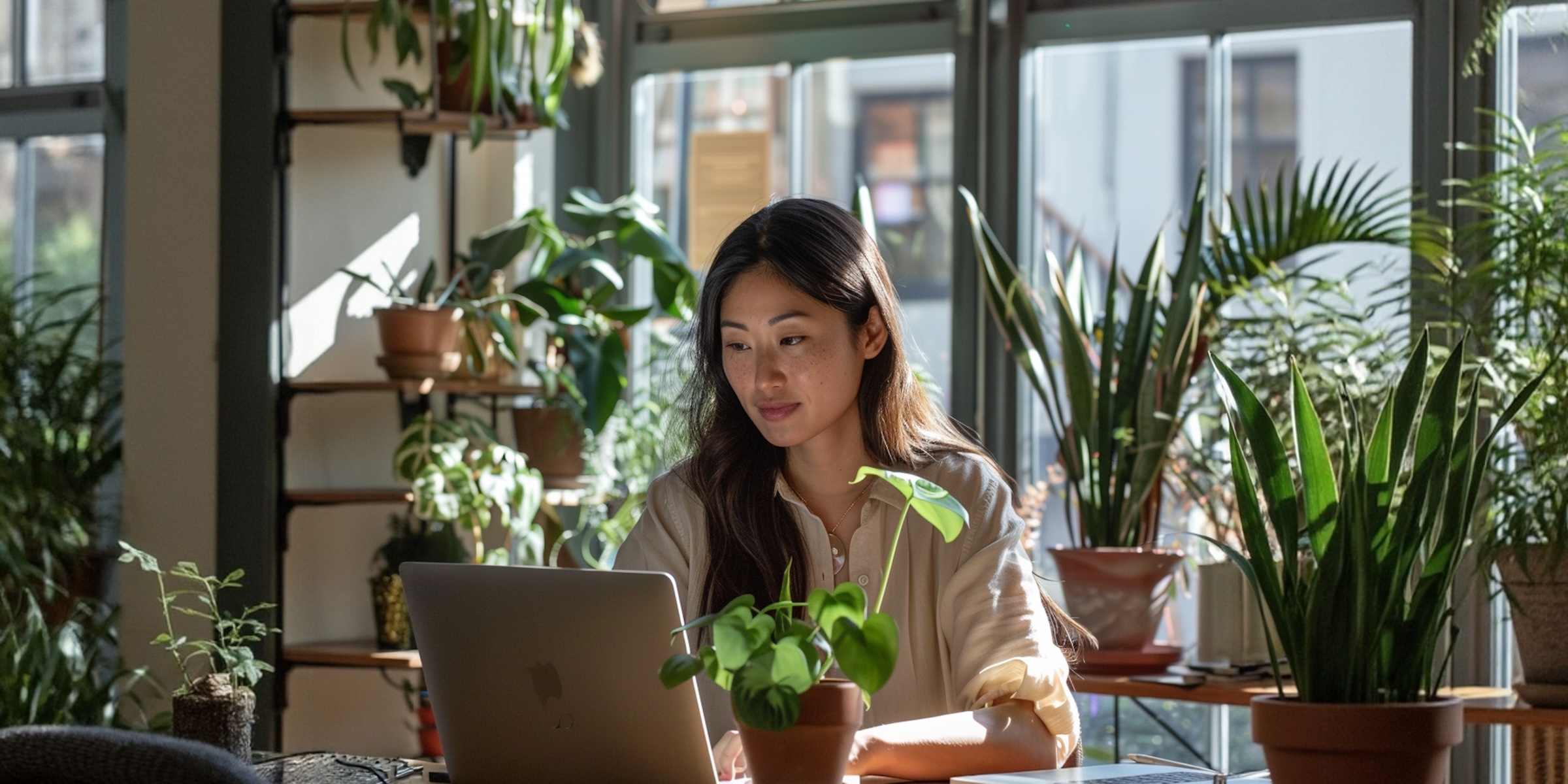



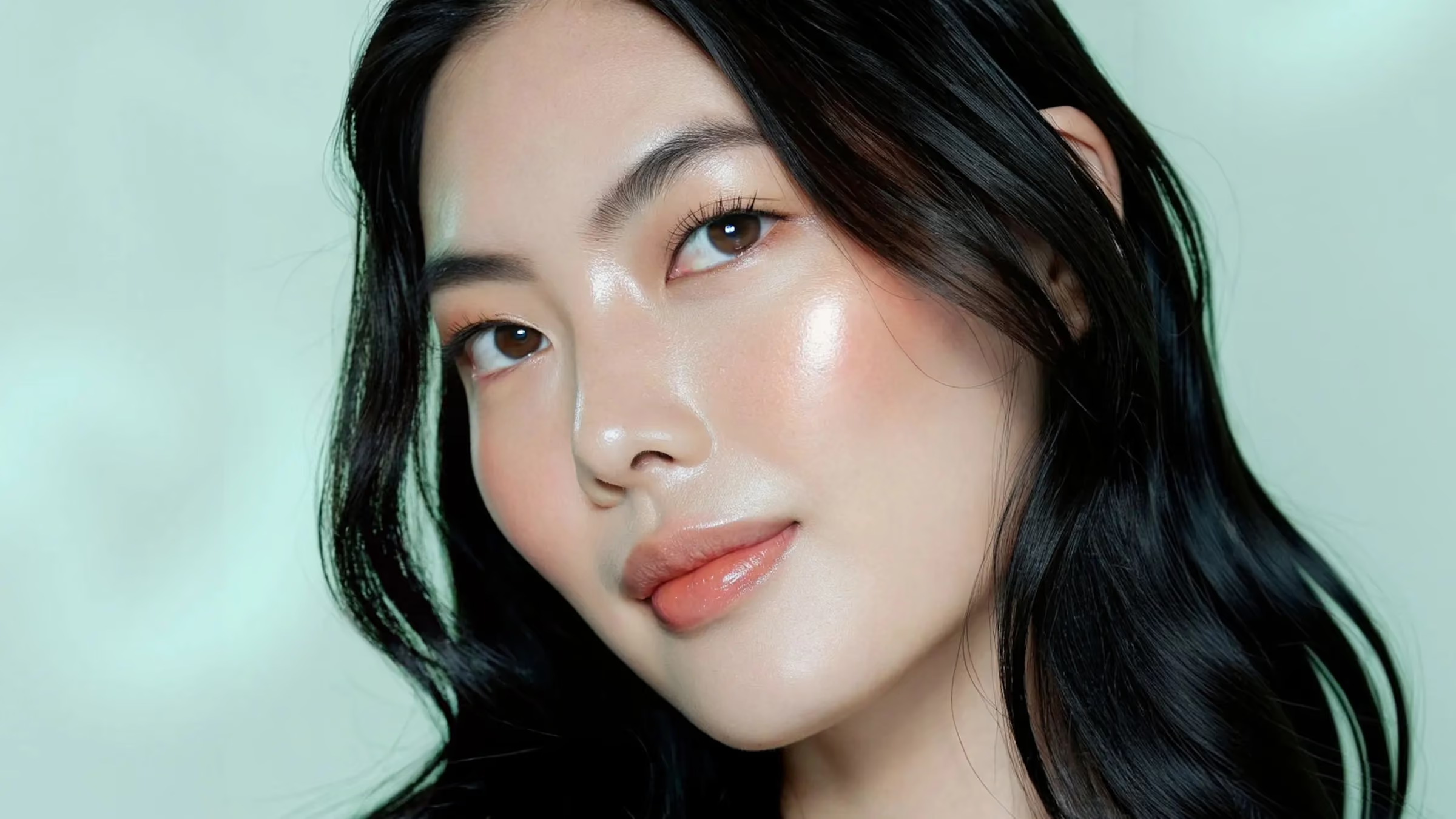
Few trends in the modern creator economy have had the staying power of the clean girl aesthetic. It peaked on TikTok in 2022, absorbed cultural criticism, evolved through multiple iterations, and in 2026 has matured into something quieter, more refined, and more sophisticated than its original form. For content creators, understanding where this aesthetic actually came from, what cultural threads it pulls together, and why it keeps resurfacing is not just interesting background. It is the strategic foundation for creating content that feels authentic rather than trend-chasing, attracts the right brand partnerships, and builds the kind of niche authority that the algorithm consistently rewards. This guide covers the full arc of the clean girl aesthetic from its roots to its current form, and exactly how creators can implement its themes to grow.
Key Takeaways
- The clean girl aesthetic emerged on TikTok in late 2021 as an evolution of the "That Girl" trend, but its visual and philosophical roots stretch back decades through East Asian skincare culture, 1990s minimalist fashion, and the no-makeup makeup movement.
- As of early 2026, over 1.2 million videos use the tag #CleanGirl on TikTok, confirming it as a durable content category rather than a passed moment.
- The aesthetic's cultural controversy, specifically around credit to Black and Latinx communities for its signature elements, is something creators need to understand to build an inclusive and sustainable presence in this niche.
- Creators who build content around the aesthetic's values, intentionality, simplicity, skin health, and wellness routines, consistently outperform creators who chase the surface-level visual without the substance beneath it.
- The clean girl niche is one of the most brand-friendly creator categories because its visual language and the UGC format brands need for beauty and wellness ads are nearly identical.
Where Did the Clean Girl Aesthetic Actually Come From?
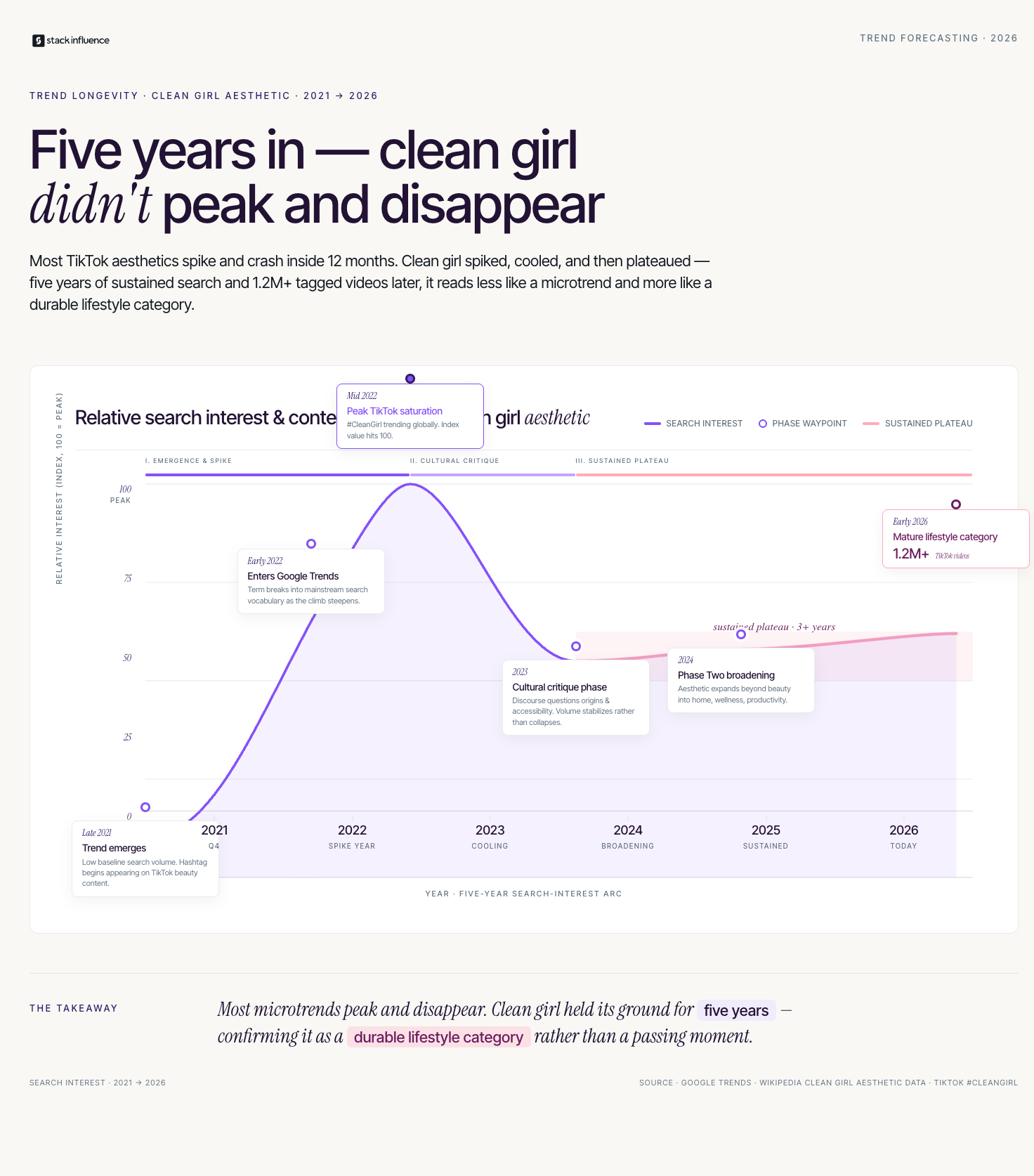
The clean girl aesthetic first emerged towards the end of 2021, with the term populating Google Trends in 2022. But its visual DNA is considerably older than any TikTok trend cycle. The look pulls from several cultural influences, including a significant East Asian beauty influence with its emphasis on radiant, dewy skin, and a French girl effortlessness that Western fashion media had been romanticizing for years. Beauty historians note that the "no makeup" makeup look, which prioritized skin quality over product coverage, was its direct predecessor.
Although many credit celebrities such as Bella Hadid and Hailey Bieber for being the main inspiration behind the trend, the clean girl aesthetic is a revamped version of the "That Girl" trend, which was created on TikTok as part of a movement to become the best version of yourself. That Girl content centered on discipline and self-optimization: 5am workouts, journaling, green smoothies, and productivity rituals. The clean girl aesthetic took that self-improvement framework and translated it into a visual language, making the internal state of wellness visible through skin, style, and space.
Beauty editors and fashion historians have observed that the clean girl aesthetic drew inspiration from decades of minimalism, including 1990s Calvin Klein and late 2010s wellness culture. Three cultural threads that feed the aesthetic's foundation:
- East Asian skinimalism: The Korean and Japanese beauty philosophy of prioritizing barrier health and skin quality over coverage laid the philosophical groundwork for the clean girl's "your skin but better" ethos long before the TikTok trend existed.
- 1990s minimalism: The Calvin Klein era of clean lines, neutral palettes, and understated glamour established the visual template that the clean girl aesthetic essentially updates for a wellness-conscious generation.
- The wellness movement: The mid-2010s explosion of wellness culture, green juice, adaptogens, clean eating, and mindfulness, provided the lifestyle infrastructure that the clean girl aesthetic wrapped in an aesthetic package.
Understanding these roots matters for creators because it reveals that the clean girl aesthetic is not a trend invented by TikTok. It is a recurring cultural appetite for simplicity and authenticity that TikTok gave a name and a hashtag.
What Is the Cultural Controversy Creators Need to Know?
No responsible guide to the clean girl aesthetic skips this section, and creators who understand it are better positioned to build an inclusive, durable presence in the niche than those who treat it as purely a visual formula. People of color have called out creators for marketing the trend without giving proper credit to the cultural influences it draws upon. Gold hoop earrings have been worn by African American and Latinx women for decades but were viewed by mainstream white culture as improper, only to be embraced as a clean girl staple once the trend was popularized primarily by white influencers.
Creators such as @Lipstickittty on TikTok spoke up about their experiences as women of color wearing certain items used in the clean girl aesthetic and how they were targeted for it. This caused women of color to make the trend their own, creating hashtags such as #latinagirlaesthetic and #cleangirlblackgirl where other women of color could make their own content in a more welcoming setting.
For content creators building in this space, three practical implications follow from this history:
- Credit cultural origins explicitly: When creating content about gold hoops, slicked-back styles, or particular beauty rituals, acknowledge where those elements come from. Your audience notices and respects it, and it builds the authenticity that the algorithm rewards.
- Expand the visual definition actively: The clean girl aesthetic in 2026 is not a single skin tone or hair texture. Brands are spotlighting diverse models and collaborating with creators who broaden definitions of clean and put-together, including those with textured hair, freckles, acne, or disabilities. Creators who represent this broader definition are actively sought out by brands, not despite their difference from the original template but because of it.
- Build substance over surface: Creators who anchor the aesthetic in genuine wellness practice, real routines, honest product opinions, and personal cultural context generate stronger engagement than those who replicate the visual alone.
How Has the Clean Girl Aesthetic Evolved Through Its Phases?
The clean girl aesthetic emerged on TikTok in late 2021 as a fashion, beauty, and lifestyle microtrend characterized by minimalism and a hyper-curated effortless appearance, prioritizing a look of disciplined wellness: dewy skin, slicked-back hair, neutral clothing, and an organized lifestyle. That was Phase One, the original TikTok template. Slicked bun, gold hoops, glass of water, serum application, and a soft-lit morning routine. The formula was specific and replicable.
Phase Two arrived in 2023 as cultural criticism of the aesthetic's exclusivity and implied accessibility reached mainstream discourse. The conversation forced a broadening. More skin tones, more hair textures, more budget ranges, and more personal interpretation entered the visual vocabulary. The aesthetic began to function less as a template and more as a value system that different creators could express differently.
In 2026, what began as a TikTok-driven trend has matured into something more refined and intentional. The new version is quieter, more expensive-looking, and far more sophisticated, with Sofia Richie Grainge's consistent understated approach becoming the gold standard for minimalist beauty. This is Phase Three: the aesthetic has graduated from microtrend to lifestyle category. The creators thriving in it now are not chasing the original formula. They are building genuine niche authority around the values that always powered it.
The four content pillars that define the clean girl aesthetic across all three phases and into 2026:
- Skin as the canvas: The focus on barrier health, dewy texture, SPF, and minimal coverage rather than full-face makeup is the aesthetic's most consistent throughline from its East Asian skincare roots to its current form.
- Intentional minimalism: Both in product use and in environment. Clean spaces, a curated product shelf, and the absence of clutter communicate the same values as the aesthetic's beauty elements.
- Visible routine: The process of getting ready, preparing food, or moving through a morning is as important as the result. Routine content is the aesthetic's native format.
- Effortless effort: The paradox at the heart of the aesthetic is that it requires significant curation to communicate effortlessness. Understanding that tension is what separates creators who build real niche authority from those who simply copy a look.
The Clean Content Framework: How Creators Implement the Aesthetic to Go Viral
Viral content in the clean girl aesthetic niche does not happen by accident, and it does not happen by perfect replication of what already exists. It happens when a creator understands the aesthetic's visual language well enough to add something genuine to it. The Clean Content Framework is a four-pillar implementation guide built specifically for content creators who want to build momentum and brand partnership potential in this niche.
The four pillars of the Clean Content Framework are:
- Pillar 1: Visual language mastery. Natural light is non-negotiable. Warm morning window light, soft diffused afternoon light, or a simple ring light set to warm temperature are the three acceptable lighting approaches. Editing should flatten but not bleach: bring down highlights, lift shadows slightly, and desaturate by no more than 15%. Your background should be neutral, clean, and consistent across content. Viewers should be able to identify your content in a feed before they see your username.
- Pillar 2: Routine as narrative. The most consistently performing clean girl content is structured as a mini-documentary of a routine. Morning skincare, what I eat, Sunday reset, nighttime wind-down. These formats work because they give the viewer a beginning, middle, and end, and they give brands a natural, credible placement context. [Micro influencers](INTERNAL: micro influencer routine content strategy) who build one signature routine format and iterate on it build the algorithmic consistency that compounds into organic growth.
- Pillar 3: Product intentionality over product volume. The single biggest mistake creators make in this niche is showing too many products. The clean girl aesthetic communicates that you have found what works and you are not chasing more. A three-product morning routine is more on-brand than a ten-step routine. Every product you feature should have a specific, articulable reason for being there, which is also the most compelling pitch for any [brand partnership](INTERNAL: brand partnership strategy for clean aesthetic creators) you eventually build around that product.
- Pillar 4: Values-first captions. The visual does 80% of the work, but the caption builds the community. Clean girl aesthetic content that performs well almost always includes a caption that names a specific feeling, habit, or intention rather than just describing the video. "The five minutes that actually changed my skin" performs better than "my morning skincare routine" because it makes the viewer feel the promise before they watch.
According to Sprout Social's social media benchmark data, save rate is the highest-intent engagement signal on Instagram and the primary indicator of content that drives purchase decisions. Routine content in the clean girl aesthetic consistently generates above-average save rates because viewers return to it as a reference when buying the products featured.
Stack Influence's internal campaign data shows that beauty and wellness brands running [product seeding](INTERNAL: product seeding for beauty and wellness creators) campaigns select clean girl aesthetic creators at a 40% higher rate than general lifestyle creators with equivalent follower counts, because the product-content fit is immediately visible and the UGC creative output requires minimal direction from the brand.
Why the Algorithm Rewards Clean Girl Aesthetic Content in 2026
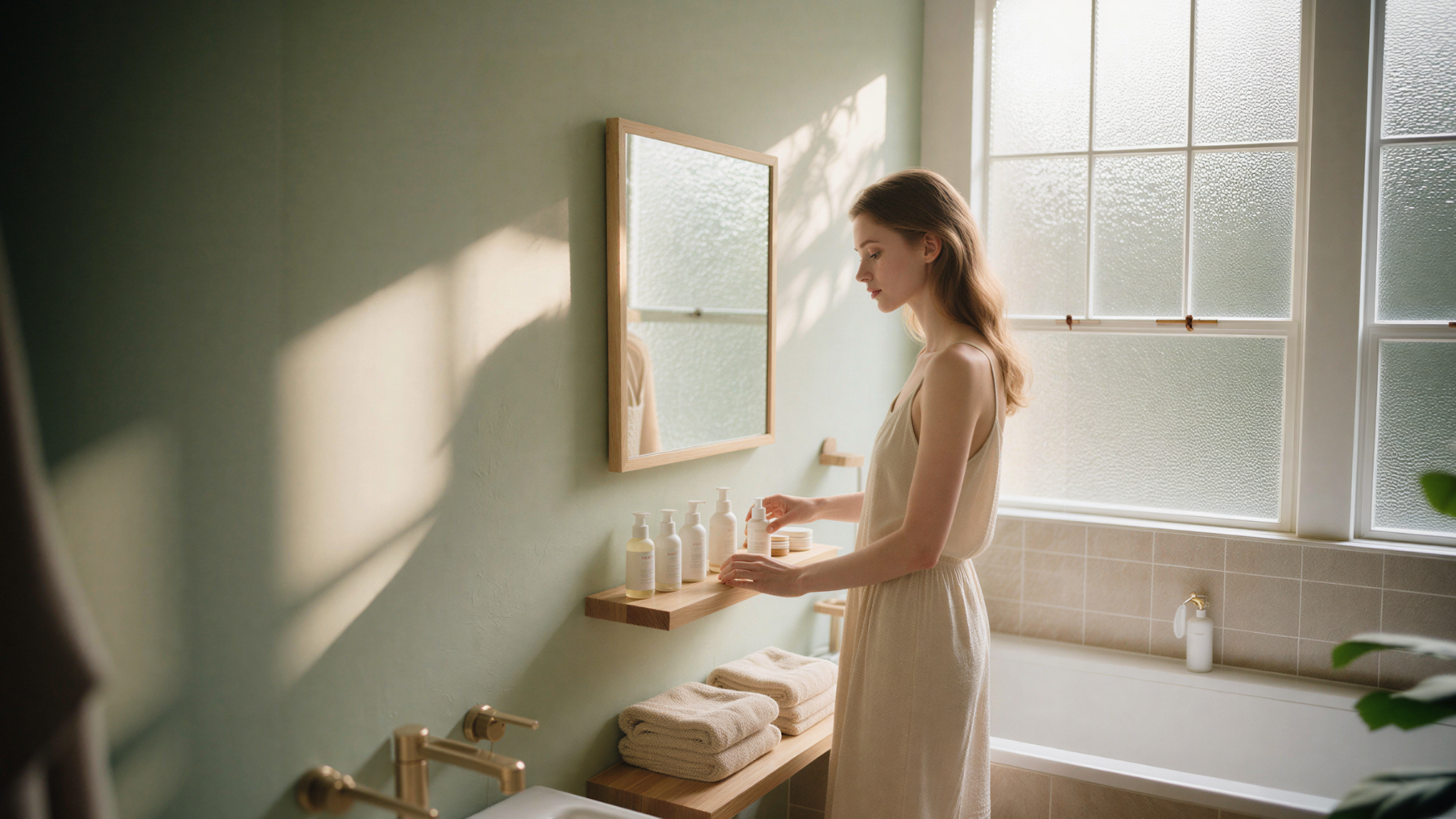
Understanding why this aesthetic performs algorithmically is as important as understanding how to create it. Creators who understand the mechanism can make smarter content decisions rather than hoping the formula produces results.
TikTok and Instagram both distribute content based on watch time, engagement signals, and repeat viewer behavior. The clean girl aesthetic is structurally optimized for all three. Its visual consistency makes content recognizable in the first second, which reduces early scroll-past behavior and extends average watch time. Its routine format creates natural replay value, viewers return to reference the products or steps. And its niche specificity creates self-selected audiences with high engagement rates because the people who follow clean girl aesthetic accounts are actively choosing to engage with that specific content type.
The clean girl aesthetic was one of the world's first social-media-led movements to successfully transcend the algorithm with an ideology, not just a look. That quality is what makes it durable. Trends that are purely visual fade when the visual becomes saturated. Movements built around an ideology, effortlessness, wellness, intentionality, keep producing new content because the values generate new expressions rather than requiring new templates.
Three specific algorithmic advantages of clean girl aesthetic content for [content creators](INTERNAL: content creator algorithmic growth guide) in 2026:
- Niche coherence signals: Accounts with a consistent aesthetic send strong topical coherence signals to platform algorithms, which improves the quality of the non-follower audiences the algorithm serves your content to.
- Save-rate optimization: Routine and how-to formats generate the highest save rates of any organic content type, and save rate is one of the strongest algorithmic distribution signals on both TikTok and Instagram.
- Low production barrier to quality: Clean girl content is designed to look effortless, which means creators who master the visual formula can produce high-performing content with a single smartphone and natural light. Lower production costs mean higher output frequency, which the algorithm rewards.
Across campaigns managed on the Stack Influence platform, [nano influencers](INTERNAL: nano influencer clean aesthetic content guide) in the beauty and wellness category who build content around consistent aesthetic pillars rather than trend-chasing generate an average of 35% higher engagement rates than the category benchmark, and receive significantly more inbound brand interest within their first six months of consistent posting.
Conclusion
The clean girl aesthetic is not a trend you missed or a formula you simply replicate. It is a cultural conversation about wellness, simplicity, and authenticity that has been building across decades of beauty and lifestyle culture, found its most accessible expression on TikTok, absorbed legitimate criticism, and emerged more nuanced and more commercially viable than ever. Creators who understand that full arc can build content in this niche with genuine authority rather than surface-level imitation. Apply the Clean Content Framework consistently, anchor your content in the aesthetic's values rather than just its visuals, and build your brand partnership pipeline around the product categories that have always lived at the heart of the clean girl aesthetic.
If you are ready to connect with beauty, wellness, and lifestyle brands actively seeking clean girl aesthetic creators for product seeding and partnership campaigns, Stack Influence matches content creators with eCommerce brands running campaigns designed for authentic, aesthetic-driven content.