

The top gaming influencers worth studying include TheBurntPeanut, Jynxzi, CaseOh, Caedrel, Ninja, shroud, Markiplier, jacksepticeye, DanTDM, Typical Gamer, Pokimane, and Valkyrae. They offer different reference points for competitive gameplay, horror commentary, Minecraft adventures, collaborative entertainment, and live community building.
For a content creator, the useful question is what you can learn from their work. Which creator gives you a better way to explain a match, introduce a challenge, or make a viewer care about the next episode?
This guide connects each creator to a documented example and a practical exercise. Use it to choose a relevant reference, develop an original idea, and decide how to evaluate your own content.
Key Takeaways
- Choose a creator to study by game, format, and audience promise. A competitive analyst and a variety entertainer solve different creative problems.
- The list is an editorial selection of English-language examples. The separate viewing comparison has a defined metric, period, and platform scope.
- Adapt a specific technique, such as explaining a decision or establishing a shared challenge, using your own footage and perspective.
- Evaluate your next few posts against comparable work on your own channel. Celebrity viewing totals provide context, not a beginner's performance target.
12 Top Gaming Influencers to Study
These creators were selected for a recognizable gaming focus, documented content examples, and distinct lessons another creator can apply. The selection includes creators outside the United States whose English-language work is relevant to US readers. The numbered order is editorial, combining prominent livestreamers with established gaming YouTubers and variety creators.
The examples come from game publishers, creator websites, representatives, and firsthand interviews. The exercises are editorial recommendations for adapting those examples to a smaller production.
1. TheBurntPeanut: Make Your Presentation Recognizable
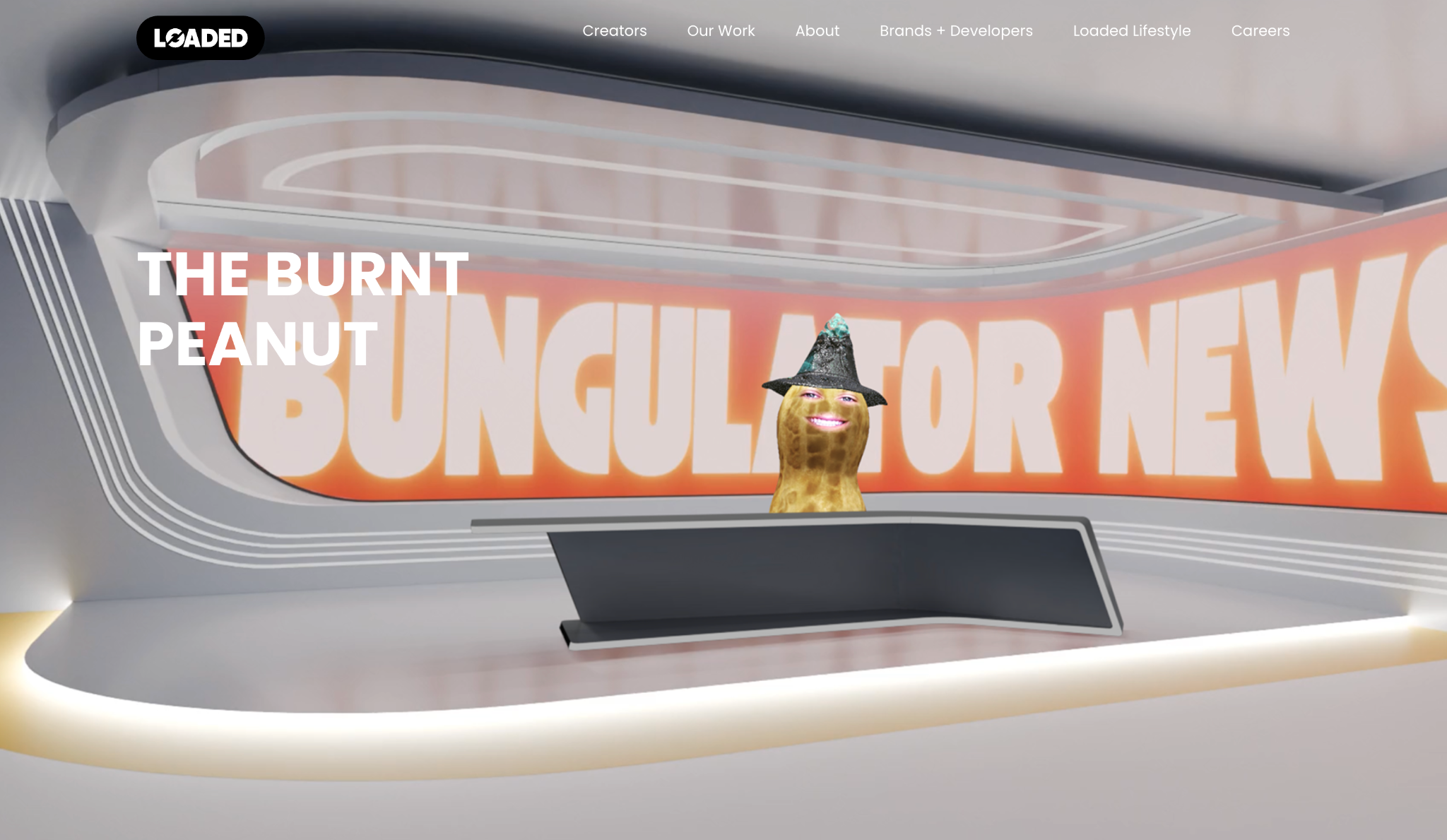
TheBurntPeanut offers a useful reference for creators who prefer an avatar to a face camera. His representative's TheBurntPeanut profile describes a peanut-headed character, improvisation, recurring jokes, and chat interaction around games including Rust and ARC Raiders.
The adaptable idea is a recognizable presentation that works across different gameplay situations. Decide what viewers should recognize immediately: your voice, a visual identity, a recurring challenge, or a particular kind of humor.
Try recording one session with an original, simple visual identity and a clear commentary premise. Check that the avatar remains readable on a phone and that your voice is easy to understand before investing in elaborate animation.
2. Jynxzi: Give Competition a Clear Format
Jynxzi is a useful example of programming built around a game community. Ubisoft's announcement for his August 2026 Rainbow Six Siege tournament described an event scheduled for August 11 with 16 creators competing in 2v2 matchups.
A smaller creator can apply the idea by organizing a manageable challenge with an understandable objective. Explain who is participating, how someone wins, and when the result will be decided.
For example, invite a few collaborators to a private lobby and build the session around one agreed challenge. Show the rules before play begins, identify the turning point, and finish with the outcome. The proposed exercise does not depend on a celebrity guest list or publisher-backed rewards.
3. CaseOh: Give Variety Content a Consistent Promise
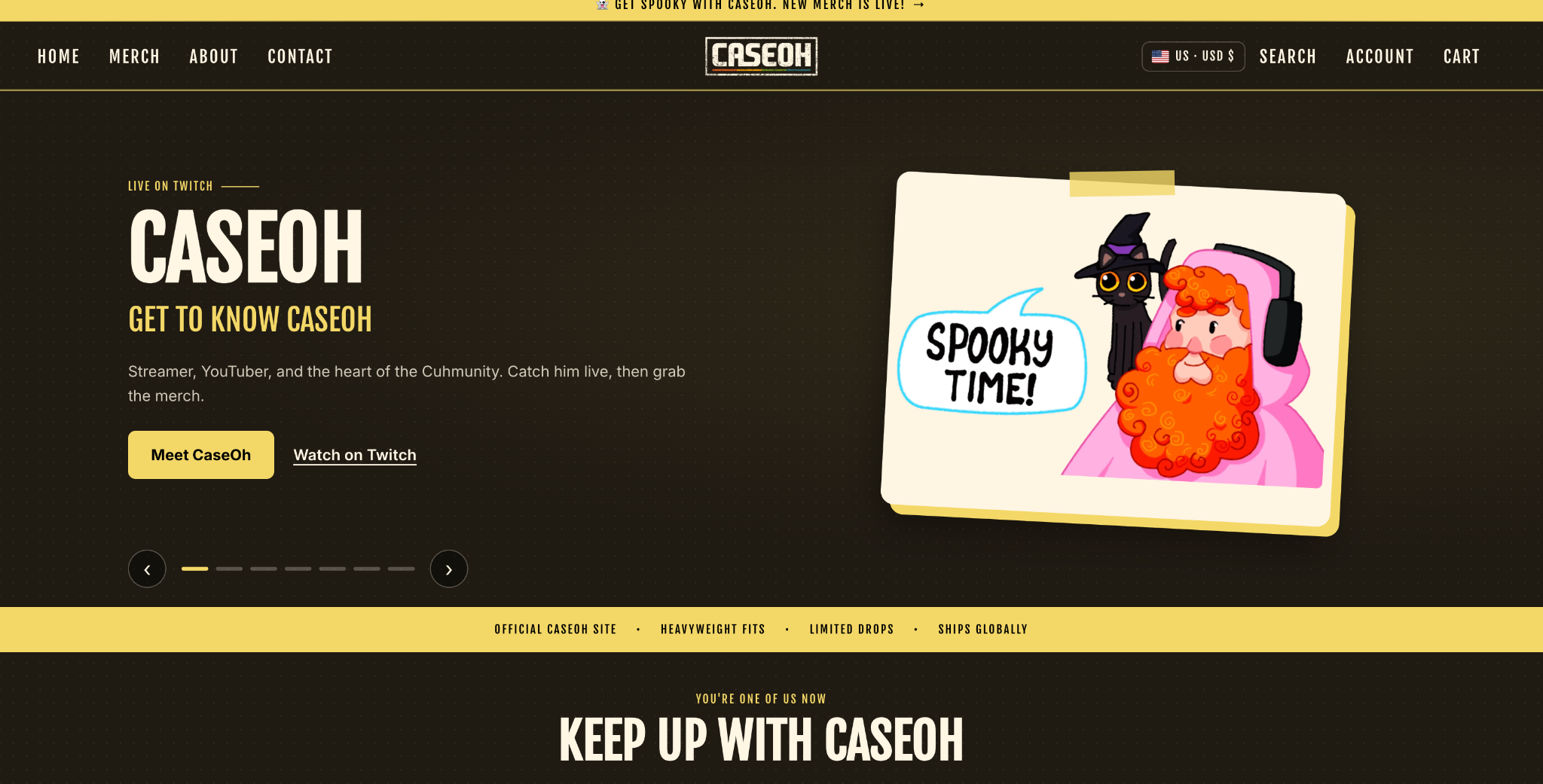
CaseOh's official creator website features gaming across Twitch, YouTube, and TikTok, with examples including Subnautica, Phasmophobia, and Firewatch. His catalog provides a reference for studying a host whose gaming content spans different titles.
If you want to make variety content, define what stays familiar when the game changes. That could be your first attempt at an unfamiliar world, a recurring group of friends, or a particular approach to solving problems.
Try describing your next three ideas without naming their games. If the descriptions share a clear entertainment promise, you have a useful starting point for a series. Introduce the situation clearly enough that someone arriving for the first time can follow it.
How Much Live Viewing Did These Creators Generate?
Streams Charts' first-half 2026 North American streamer report records these selected creators:
- TheBurntPeanut: 128,912,478 hours across Twitch, YouTube, and Kick.
- Jynxzi: 78,538,064 hours across Twitch and YouTube.
- CaseOh: 30,337,064 hours on Twitch.
These January through June figures cover all tracked channel content and global audiences. The selection is not the report's overall top three.
The provider's metric definitions calculate hours watched from average concurrent viewers and broadcast duration. Streaming schedules and platform coverage affect the totals, so use them to understand viewing scale. They do not measure unique fans, creative quality, or how easily a new creator could reproduce the result.
4. Caedrel: Make Expertise Useful to the Viewer
Caedrel is a reference for creators interested in competitive League of Legends. Riot Games included him among the English-language co-streamers in its LEC Versus 2026 broadcast roster. The announcement limits that co-streamer list to LEC Versus and notes that it can change during the year.
The useful exercise is to explain a decision with consequences. Take a moment from your own match and show the available options, the choice made, and what happened next. A viewer should understand why the moment matters even if they would not have noticed it during live play.
Use your own gameplay to practice. If you want to rebroadcast an esports event, check that organizer's applicable co-streaming permissions first.
5. Ninja: Connect Your Identity to a Clear Gaming Experience
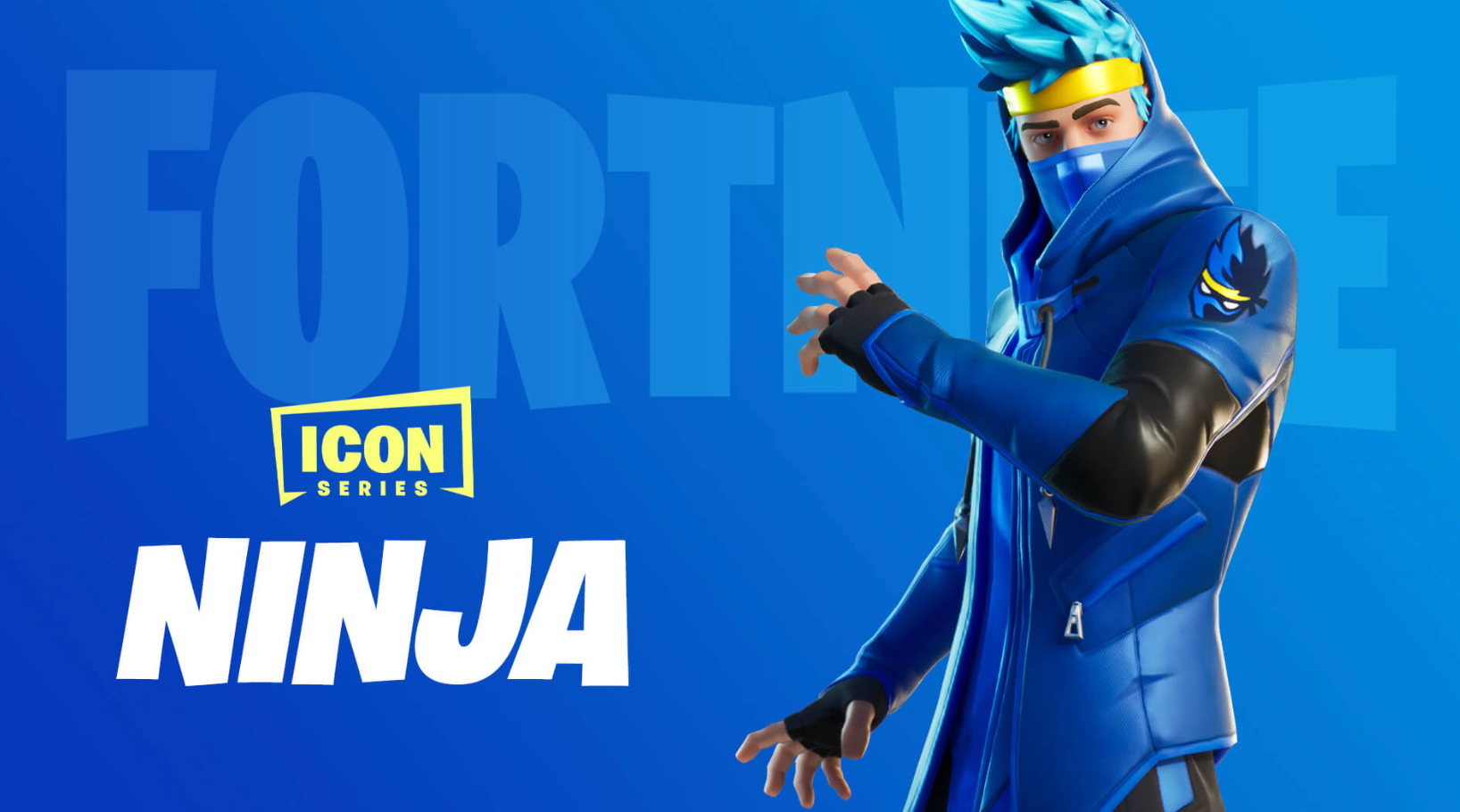
Ninja's association with Fortnite has a concrete historical example in Epic Games' 2020 Icon Series announcement, which introduced his in-game cosmetics. It illustrates how closely a creator identity can become associated with a particular gaming experience.
For your own channel, write a specific promise someone can understand before pressing play. “Fortnite challenges explained for casual players” gives you more direction than a general promise to upload gaming content.
Build a short series around that promise, with consistent naming and a fresh objective in each episode. Keep the presentation recognizable while allowing the actual gameplay to provide variety.
6. shroud: Give Skilled Gameplay Context
Loaded's shroud profile describes his professional Counter-Strike background and a calm, methodical style across games including Counter-Strike and VALORANT. He is a relevant reference if technical play is central to the content you want to make.
To adapt that focus, help viewers understand a decision inside a strong play. Choose one moment involving positioning, timing, or information and explain what you noticed before acting.
An effective practice project is a short breakdown of your own failed attempt followed by a corrected attempt. Keep the explanation narrow enough that viewers can try the same decision in their next game. This is a suggested teaching format, not a claim about shroud's production process.
7. Markiplier: Give a Playthrough a Point of View
Markiplier is a useful YouTube reference for horror gameplay and commentary. YouTube's feature on horror creators describes his indie horror Let's Play background and highlights HUMAN SHAPED as an example of his gaming commentary.
For a smaller creator, start by deciding what the viewer is experiencing with you: uncertainty, curiosity, frustration, or the satisfaction of solving something. Preserve enough context for the reaction to make sense.
Try introducing one question at the beginning of a short horror playthrough, such as whether you can identify the danger before it reaches you. Edit toward the answer, keeping the moments that establish the stakes and change your understanding of the game.
8. jacksepticeye: Build a Collaboration Around a Shared Premise
Jacksepticeye's official publicist profile documents his YouTube variety gameplay and collaborative videos, including Playing Uncharted 4 With Tom Holland. The useful reference is a collaboration that gives the audience an immediate reason to watch those people together.
You can develop that idea with another small creator. Give each person a role: one explains the mechanics, one attempts the challenge, or both compete under the same unusual constraint.
Before recording, agree on the objective and the moment that will end the session. Keep the introduction focused on that premise so the video remains understandable to someone who has never seen either channel.
9. DanTDM: Find Different Stories Inside One Game
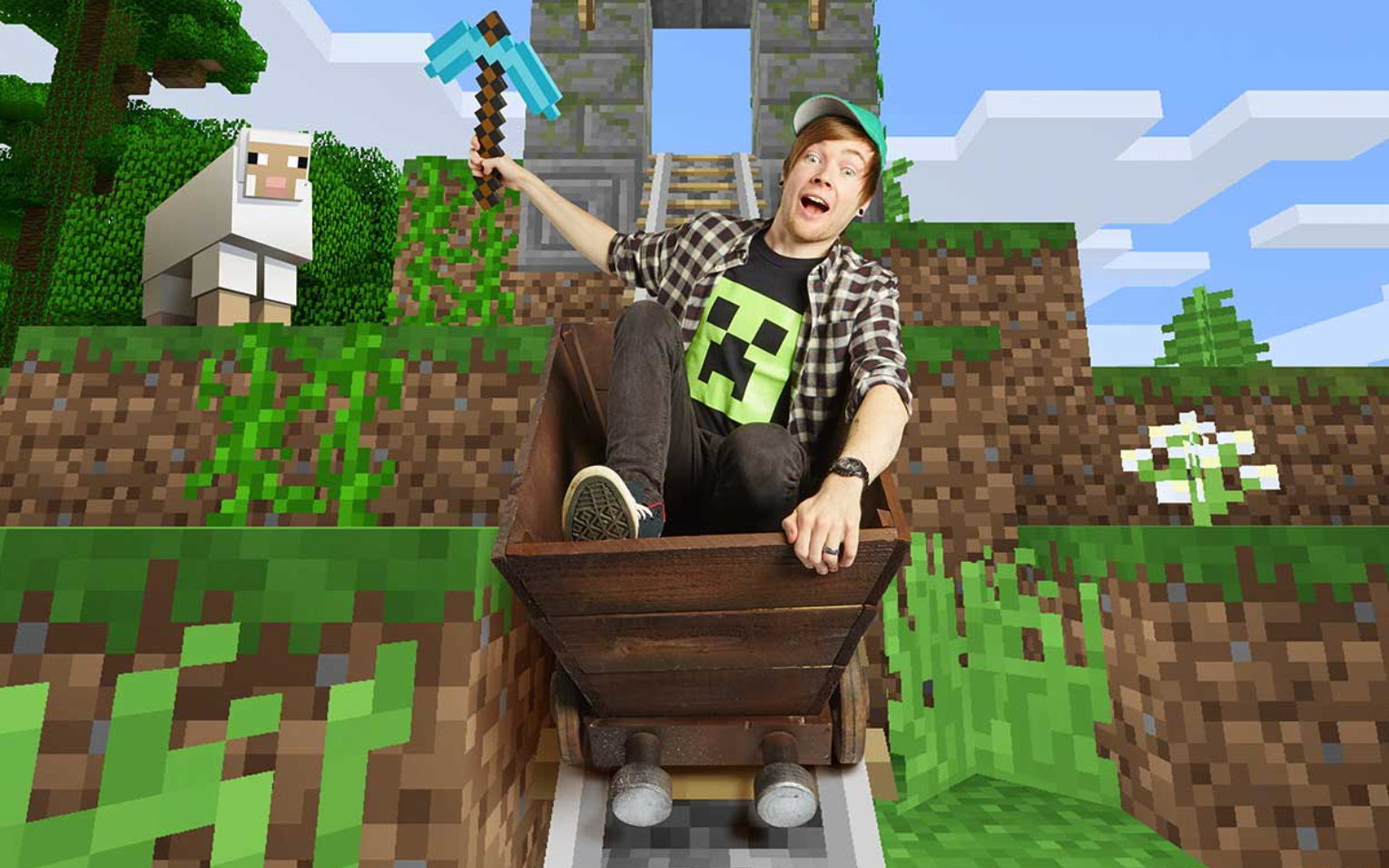
DanTDM offers a long-running YouTube Minecraft reference. In Guinness World Records' 2016 interview, he discussed the game's range of possibilities, including building, adventures, and exploring other people's worlds. That historical example remains useful for thinking about episode variety.
Choose one familiar game and give each upload a distinct objective. A build attempt, an exploration challenge, and a test of an unfamiliar mechanic can belong to the same recognizable series.
Write the episode's question before recording. “Can I protect this village using only materials I already have?” gives you a clearer beginning and ending than recording an open-ended session and hoping a story appears.
10. Typical Gamer: Explore More of a Game's Ecosystem
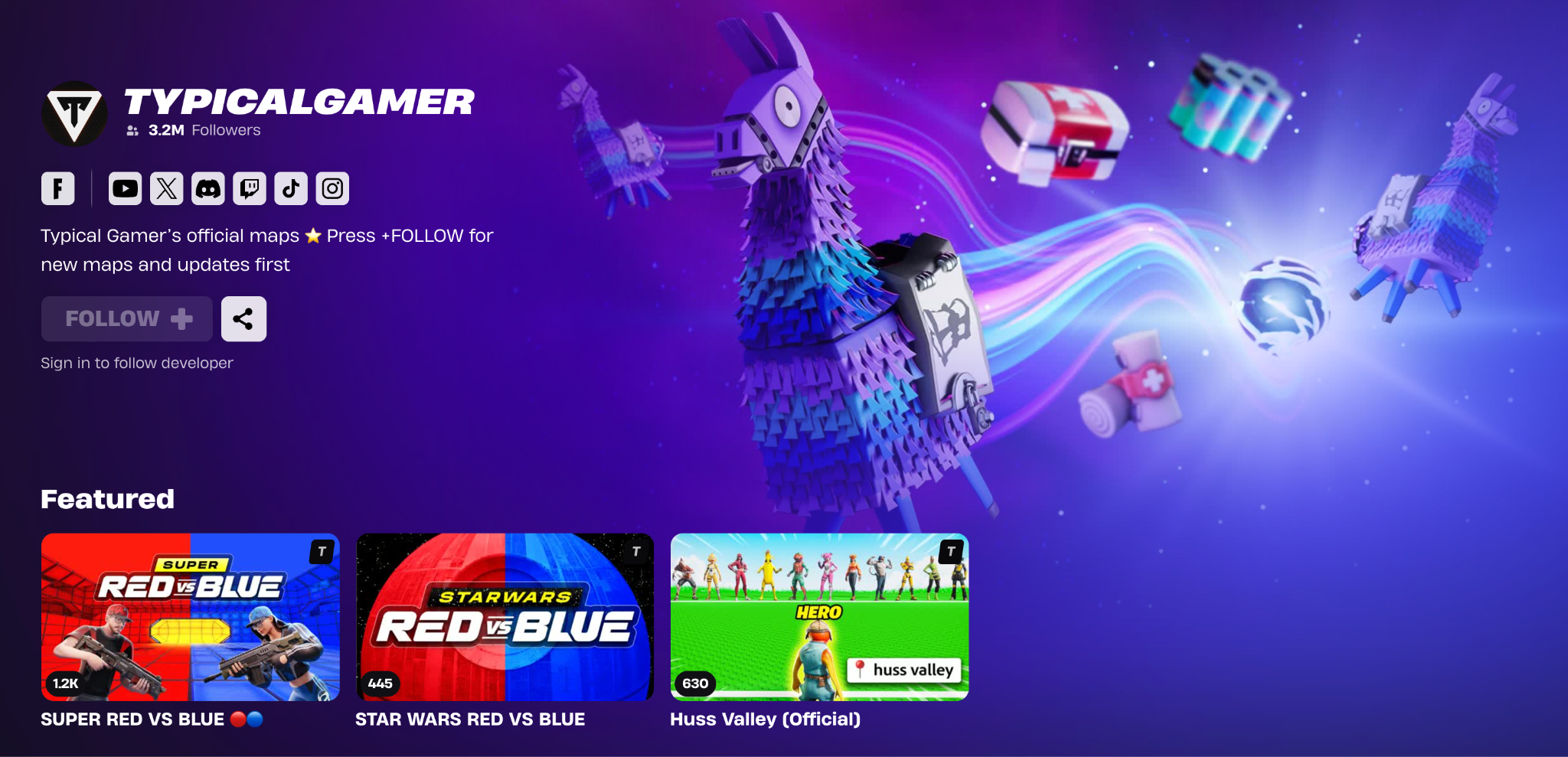
Typical Gamer's official Fortnite creator page features playable experiences including Super Red vs Blue and Star Wars Red vs Blue. It provides an example of a creator's involvement extending into experiences people can play themselves.
For another creator, the practical application is to explore a game you know deeply. You could explain a map's unfamiliar mechanic, compare approaches to a challenge, or document how a community experience changes over time.
Start with a series you can produce using your existing skills. For example, make each episode answer one question a newcomer has about a particular mode. A consistent subject can support several useful angles without requiring you to develop your own game.
11. Pokimane: Make Room for the Person Behind the Gameplay
In her 2023 WIRED interview, Pokimane described herself as a streamer, gamer, and vlogger, and identified League of Legends as the game that brought her into streaming. The example shows a creator identity spanning several kinds of content.
To apply that idea, decide what personal perspective belongs naturally in your gaming videos. It could be how you approach unfamiliar games, the questions you ask, or a recurring conversation with a collaborator.
Try a short post-match reflection that connects directly to what viewers just watched. Keep it specific, such as one decision you would change, rather than adding unrelated conversation only to make the video longer.
12. Valkyrae: Give a Roleplay Character a Clear Motive
Valkyrae discussed Among Us and her GTA roleplay character in her 2024 WIRED interview. Those examples offer a reference for gaming entertainment built around interaction between people and characters.
For your own roleplay session, give your character a simple motive that other players can respond to. A character trying to repay a debt, keep an inconvenient promise, or win someone's trust creates specific choices for you to perform.
Try editing one session around how those interactions advance or frustrate the character's goal. Establish the motive early, keep the important reversals, and show where the character ends up. Make the distinction between the fictional role and the real person clear to viewers.
Choose a Platform Around Your Content Format
Choose your format and production demands alongside the creator you want to study. Live interaction, an edited explanation, and a short standalone clip require different preparation.
Streams Charts' Q3 2026 livestreaming report reported gaming's share of each platform's own tracked live watch time as:
- Twitch: 76.9%.
- TikTok LIVE: 16.2%.
- YouTube livestreaming: 14.5%.
This July through September 2026 comparison describes global live viewing, with a separate denominator for each platform. It excludes conclusions about YouTube's recorded videos, Shorts, or TikTok's regular feed. Twitch's live viewing mix was more concentrated in gaming; the percentages do not establish where a new creator will grow fastest.
Use the distinction to choose a manageable starting format:
- Live gaming: Start with a scheduled session that has a clear objective and room for audience interaction.
- Edited gaming videos: Start with a question, challenge, or story that benefits from removing downtime and adding explanation.
- Short clips: Start with a complete moment that someone can understand without watching the original session.
You can adapt one recording into different formats, but give each version its own introduction and payoff. A clip that depends on several minutes of missing context needs additional editing before it can stand alone.
Turn One Creator Lesson Into Your Next Three Posts
Choose one creative problem to work on first. For example, you might want viewers to understand a tactical decision, follow a collaboration, or recognize the purpose of a series.
Use this practical sequence to move from watching references to making something original:
- Choose a relevant example. Pick a creator whose game, format, or presentation solves the problem you are facing. Include an ordinary upload or session alongside a popular example so your notes are not based entirely on exceptional events.
- Describe the viewer's experience. Write down what the viewer knows at the start, what changes, and what makes the outcome worth watching. Separate what you can observe from guesses about the creator's strategy.
- Write your own premise. Change the situation, commentary, and execution to suit your skills and audience. Use your own footage and create a reason for the idea to belong on your channel.
- Make three related pieces. Keep the central audience promise consistent while giving each piece a distinct question or challenge. Three is a manageable practice sequence, not a platform requirement or a sufficient sample for proving a growth strategy.
- Review what viewers experienced. Compare similar formats over comparable reporting windows. Look for a specific improvement you can make in the next piece rather than treating one view total as a verdict on the entire idea.
For example, a creator interested in analytical gaming could plan three original videos: one explaining a missed opportunity, one testing an alternative decision, and one showing when that alternative fails. The shared promise is helping viewers understand choices under pressure. This is an illustrative editorial plan, not a campaign run by any featured creator.
For edited YouTube videos, the platform's audience retention guidance explains how dips and spikes can help you examine particular moments. A spike can reflect repeat viewing or confusion, so inspect the relevant segment before deciding what it means. Use the report when sufficient data is available, alongside comments and your own review of whether the video delivered its promise.
Make Your Work Easy for Brand Partners to Evaluate
If collaborations are part of your goal, assemble a small portfolio that explains what you create and shows relevant examples. A gaming creator might demonstrate a product they already use, explain a practical setup choice, or show how they present an unfamiliar feature clearly.
Label self-initiated samples honestly. Record the platform, format, reporting window, and your role in each example; separate content production, posting, and any requested reuse permissions. Stack Influence's micro influencer media kit guide provides a template for organizing those details.
The FTC's influencer disclosure guidance explains that material brand relationships, including free products, should be disclosed with the endorsement. For a sponsored livestream, repeat the disclosure periodically so people joining later can see or hear it.
For creators interested in product collaborations, Stack Influence's creator information explains its purchase, social-post, and payment workflow. Review each campaign's actual requirements before participating, including the permitted channel, deliverable, and compensation arrangement.
Choose One Reference and Make Your Next Piece
Choose the gaming influencer whose work is most relevant to the problem you want to solve. Define one technique to practice, turn it into an original premise, and make a small sequence you can evaluate on your own channel.
The useful outcome is concrete: a clearer explanation, a more understandable collaboration, or an episode with a stronger purpose. Build from that improvement, then choose your next reference.