
The latest info on influencer marketing trends, micro influencer news, and the world of social media

In today's digital era, influencer marketing plays a crucial role in helping brands connect with their target audience and boost brand awareness. To effectively measure the impact and success of influencer campaigns, businesses rely on influencer tracking software. This software provides valuable insights into campaign performance, enabling marketers to optimize their strategies and maximize ROI.
Influencer tracking software enables brands to track, measure, and analyze the effectiveness of influencer collaborations. By leveraging key metrics such as engagement rates, reach, conversions, follower growth, and social media marketing softwares such as Stack Influence marketers can identify successful influencer partnerships and refine their future campaigns.
In this landscape of evolving consumer behavior and expanding influencer industry, businesses can enhance their marketing strategies by investing in efficient influencer tracking software. By utilizing these tools to identify suitable influencers, track real-time campaign performance, assess ROI, and derive valuable insights for future strategies, brands can elevate their influencer marketing efforts and drive business growth effectively.
Selecting the right influencer tracking software is essential for businesses aiming to run successful influencer marketing campaigns. With the plethora of options available in the market, it's crucial to understand the key features and functionalities to look for in influencer tracking software.
When evaluating influencer tracking software, there are several critical features to consider:
A robust influencer tracking tool should provide access to vetted influencer databases, making it easier for marketers to discover relevant influencers for their brand.
The software should offer real-time performance metrics to track the success of influencer campaigns, including engagement rates, follower growth, and conversion data.
The ability to analyze industry trends and track popular topics can help marketers stay ahead of the curve and align their influencer strategies accordingly.
Some influencer tracking software tools provide insights into competitor influencer strategies, allowing businesses to benchmark their performance against industry peers.
Look for features that help in maximizing ROI, such as fraud detection capabilities to ensure transparency and authenticity in influencer collaborations.
Effective influencer tracking software can make a significant difference in the success of influencer marketing campaigns:
According to Iconosquare, the average engagement rate on Instagram for influencers is around 4.7 %. Tracking and analyzing these engagement rates can help brands gauge the effectiveness of their influencer partnerships.
The influencer marketing industry is not immune to fraudulent practices like fake followers and engagementTherefore, having fraud detection features in tracking software is crucial for ensuring genuine collaborations and a higher ROI.
Real-time content performance metrics are essential for quickly identifying high-performing content and making timely adjustments to campaigns for optimal results.
Influencer tracking software offers a multitude of benefits for businesses looking to run successful influencer marketing campaigns. From gaining valuable insights to maximizing return on investment, leveraging these tools can significantly enhance the effectiveness of influencer partnerships.
1. Data-Driven Decision Making:
By utilizing influencer tracking software, businesses can access real-time data on key performance indicators such as engagement rates, reach, and audience demographics. This data empowers marketers to make informed decisions and optimize their influencer strategies for maximum impact.
2. ROI Measurement:
Tracking software enables businesses to measure the return on investment of their influencer campaigns. According to Charle.co.uk, 89% of marketers believe that influencer marketing delivers a higher ROI than other marketing channels. With the right tracking software, companies can accurately gauge the effectiveness of their influencer collaborations and allocate resources strategically.
3. Identifying Top-Performing Influencers:
Through influencer tracking software, brands can identify and nurture relationships with top-performing influencers. Understanding which influencers drive the most engagement and conversions allows businesses to prioritize lasting partnerships with the most effective collaborators.
4. Campaign Optimization:
Real-time analytics and insights provided by tracking software allow for quick adjustments and optimization of influencer campaigns. This agility ensures that brands can maximize the impact of their campaigns and address any issues promptly.
5. Fraud Detection and Transparency:
Influencer tracking software often includes features for fraud detection, helping businesses identify and avoid collaborations with influencers who engage in fraudulent practices like buying fake followers or engagement. This fosters transparency and authenticity in influencer partnerships.
The benefits of using influencer tracking software are manifold, ranging from data-driven decision making and ROI measurement to campaign optimization and fraud detection. With the booming growth of influencer marketing, businesses can gain a competitive edge by harnessing the power of these tools to drive successful influencer campaigns and achieve tangible business results.
In the realm of influencer marketing, having access to reliable tracking software is paramount for ensuring the success of campaigns and optimizing brand collaborations. From analyzing performance metrics to discovering new influencers, these tools offer a range of features that can enhance the effectiveness of influencer partnerships.
Here are the best influencer tracking software tools:
A post shared by Stack Influence (@stackinfluence)
A post shared by Sprout Social (@sproutsocial)
The diverse features and capabilities of influencer tracking software tools such as Sprout Social, Upfluence, HypeAuditor, and Stack Influence play a crucial role in helping businesses navigate the complex landscape of influencer marketing. By harnessing these tools effectively, brands can make data-driven decisions, optimize campaign performance, and foster genuine connections with influencers for successful outcomes.
When it comes to selecting the right influencer tracking software, there are several factors to consider. From the features and pricing to the user interface and customer support, choosing the right tool can have a significant impact on the effectiveness and efficiency of influencer marketing campaigns.
This is how to choose the right influencer tracking software for your needs:
Identify key metrics and data points important to your campaign goals, such as audience demographics and engagement rates, to ensure the software meets your specific requirements.
Choose a tool with an intuitive, easy-to-navigate interface that simplifies managing your influencer marketing campaigns.
Select software that offers real-time analytics and detailed reporting on metrics like engagement rates and reach to gain actionable insights.
Ensure the software provides reliable customer support through various channels, such as email, phone, and live chat, for effective problem resolution.
Review the pricing structure to find a solution that fits your budget while offering the necessary features and services.
Implementing influencer tracking software effectively is essential for maximizing the success of your influencer marketing campaigns. From setting clear objectives to engaging with influencers, these strategies can help businesses leverage tracking tools to achieve their marketing goals successfully.
Here is how to implement the best strategies for influencer tracking:
Define specific goals for your influencer campaigns, such as increasing brand awareness or boosting conversions, to guide your strategy and measure success.
Track essential metrics like engagement rates, audience demographics, and conversion rates to evaluate campaign performance and make data-driven decisions.
Build and maintain strong relationships with influencers by providing support, resources, and maintaining open communication.
Use data from tracking software to identify trends and areas for improvement, guiding campaign optimizations.
Regularly assess performance, make adjustments, and refine strategies through continuous measurement and optimization to enhance campaign results.
In today's digital age, influencer marketing has become an integral part of a brand's marketing strategy. Influencer tracking software empowers businesses to optimize their influencer partnerships and drive meaningful results. By analyzing data insights, identifying effective influencers, measuring campaign success, and optimizing continuously, businesses can enhance the impact of their influencer marketing campaigns.
While the benefits of influencer tracking software are clear, it's critical to approach influencer partnerships with authenticity and transparency. Influencers with fake followers or disingenuous content can hurt a brand's reputation. Therefore, it's essential to use influencer tracking software to verify the authenticity of influencers and ensure that their content aligns with the brand's values.
Influencer tracking software has revolutionized the way brands approach influencer marketing.
By providing data insights that shape strategic decision-making, businesses can enhance the impact of their influencer partnerships and achieve measurable success.
Brands that employ influencer tracking software have seen significant improvements in metrics such as online sales, brand awareness, engagement, and customer loyalty. However, while leveraging the power of influencer tracking software, it's also vital for businesses to maintain authenticity and transparency in their influencer partnerships.
Over the years, multiple studies have confirmed what most Amazon FBA sellers already suspected: customers flock to brands they trust.
In a recent survey, a staggering 90% of buyers said authenticity was a crucial characteristic they looked for in a brand. Unfortunately, a majority also said that less than half of the brands they discovered manage to portray themselves as authentic.
For Amazon FBA sellers looking to increase sales, this signals the need for a shift in strategy. Brands must look for new ways to build an image that customers can trust.
What does this entail? In this blog, we offer tips on creating a more authentic brand image, outline the benefits that come with it, and highlight some of the best Amazon seller tools to assist you on this journey. It’s a lot to unpack, so let’s dive straight in.
To see success on a massive platform like Amazon, customers must be able to find and want your product and trust that you can make good on your promise. This trust builds customer loyalty, which translates to higher sales.
What are the characteristics that build trust? Amazon says brands that provide accurate descriptions, deliver products on time consistently and reliably and have a solid customer support system in place will be rewarded with higher customer loyalty.
Another recent report established that, for Gen Z, several factors can feature in the definition of authenticity: contribution to social causes, a focus on sustainability, and a gripping brand narrative.
It may not surprise you to learn that customers on Amazon are not spoiled for choice. Creating a trustworthy image through a combination of transparent and authentic practices is crucial for Amazon FBA sellers looking to gain a competitive edge.
Now that we have a better idea of the goals, let’s examine the steps needed to achieve them.
What are some actionable steps an Amazon FBA seller can take to build an authentic brand image? Consider the following:
Every brand promises the world, but ultimately, only an unbiased customer can convince another individual that your product is worth buying. There’s no bigger endorsement of a brand than a genuine positive customer review.
Reviews also grab eyeballs. A study from 2022 indicates that product pages with 11 or more reviews on display received 12% more page views than brands with no reviews.
The lesson here is this: Sellers must consistently encourage customers to leave genuine positive reviews and manage negative reviews with tact. Furthermore, to ensure that people see your reviews, you must make provisions to ensure they’re visible across the listings page, your website, and your social media platforms.
If you’re struggling with any of these tasks, you could use review management tools. The best review management software provides a complete overview of your reviews on a single dashboard, including conversion rates and review analysis. It can also automate the process of requesting reviews and contacting customers who have posted reviews.
To establish authenticity and earn trust, Amazon FBA sellers must ensure their product detail pages are accurate and clear to understand.
A solid place to start is revisiting all descriptions, titles, and images. Ensure titles contain relevant keywords and that descriptions effectively convey all the product’s features and unique selling propositions.
Amazon FBA sellers can utilize a keyword research tool, like Sellerise, to optimize all titles and descriptions with phrases that people are actually searching for. Product listings should also convey your brand’s story, assure customers that you stand for ethical and sustainable practices, and emphasize why your brand should be trusted.
When these pages are accompanied by high-quality images and multimedia features, buyers gain even more confidence in your brand and are more likely to buy from you.
As the adage says, the customer is king. Amazon FBA sellers looking to improve their reputation and earn positive reviews must invest in a comprehensive customer support system. With so much on the line, it is important to go above and beyond to ensure that your customers are satisfied.
Sellers must provide more than one communication channel, including live chat, email, website, socials, and even a phone number. Contact details should be easy to find on product description pages.
Sellers should also use technology to answer frequently asked questions efficiently and ensure that customers get the information they ask for as quickly as possible. A system must also be in place so that customers can speak to a human when they are looking for personalized solutions.
Don’t underestimate the benefits of review management for sellers in this regard. Such software can browse through thousands of reviews and help you find the root cause of negative sentiment. This will help you tailor your customer support offerings according to the customer’s most significant pain points.
Amazon offers several tools to help improve a brand’s image, from optimizing your product listing page to streamlining your supply chain. Here are three offerings you should know about:
As mentioned, Gen Z customers place an inordinate amount of value on a brand story, sustainability, and contribution to social causes.
How did a product come about? What problem is it solving? Where are the materials sourced from? Are employees paid fairly? These are all questions that a potential Gen Z buyer could mull before deciding whether to trust your brand.
However, with so little space on the product listing page, it can be challenging to convey all of these values effectively in as few words as possible. Amazon’s A+ Content tool can help build up an image of authenticity. This tool lets you play with different layouts, present information in bullet lists, and add comparison charts, among a host of other features.
Sellers can use A+ content to optimize their pages, tell their stories more comprehensively, and give customers another reason to trust them over the competition.
A big part of creating and maintaining customer loyalty is ensuring that your products are delivered reliably, accurately, and on time. After all, no customer is going to leave a positive review for a product that arrives four days late and is a different color from what they ordered.
Amazon’s Transparency helps ensure that FBA sellers never run into such issues. Sellers who sign up for this can tag individual products with secure and unique codes which are scanned by Amazon on delivery.
This helps prevent counterfeits from being sent to customers, provides insights to help you optimize your delivery schedules, and enhances customer satisfaction. Above all, it ensures that you send the right product to the right address at the right time.
With millions of brands operating on Amazon, there are bound to be a few that use unethical practices. It’s not uncommon for sellers to notice that another brand has been using their logo to sell poor-quality knock-offs, which in turn may hurt your reputation.
This can be avoided by using Amazon’s Brand Registry feature. When you register your brand, you gain a host of tools that protect your intellectual property rights, allow you to monitor and report trademark infringements, and enhance your product listings.
Brand Registry ensures that another user can’t use your name or logo and helps prevent counterfeiters.
Besides these practical Amazon offerings, there is another third-party software that can help you effectively achieve all of these goals with ease and on a single platform.
Here are some features that make Sellerise the best Amazon seller tool for anyone looking to boost the image of their brand:
Essentially, Sellerise offers a simple solution to tackle a host of problems and helps you improve your overall image among your customers. Whether you use the tool to enhance review management for sellers or improve your listing’s visibility, this comprehensive solution has all an Amazon FBA seller needs to succeed.
Amazon shoppers rely on reviews to make purchasing decisions. Amazon reviews impact product search rankings and conversion rates. They’re also front and center on your ads. And as Amazon develops even more artificial intelligence features, reviews will continue to play an important role in your success on the platform.
In this article, we’ll discuss why having recent and relevant reviews is crucial and how to get those reviews without violating Amazon’s policies.
Amazon rolled out AI-powered customer review highlights in 2023. This feature is designed to make it faster and easier for shoppers to make purchases. Product reviews are aggregated into a short summary of highlights, key features, and common issues. Buyers can quickly evaluate review sentiment without needing to filter or search through reviews.
Getting relevant reviews is key. After all, Amazon’s customer review highlights are only as good as the reviews they’re summarizing. Proactively encouraging buyers to leave reviews on Amazon can help you increase the number of reviews on your listings. Anyone can leave a review for your product, whether they purchased it on Amazon or not. However, verified purchase reviews from customers who bought your item on Amazon have more weight in Amazon’s algorithm.
Amazon only includes text-based verified purchase reviews created from the local store when generating a review highlight. Because the feature displays frequently mentioned sentiments from customer reviews, it’s important to have a process in place for requesting reviews from customers who recently purchased your product to keep the highlights fresh and accurate. Since reviews can include photos, videos, and/or written content along with the buyer’s star rating, getting more reviews means you may see a natural increase in user-generated content about your products.
Getting reviews is crucial, but it can also be challenging. Having a strategy for requesting reviews can help you continue to get recent and relevant reviews to keep your listings performing well. If you’re brand registered on Amazon and your product is eligible with less than 30 reviews, you can enroll it in the Amazon Vine program. It’s free to enroll up to two products per parent ASIN, or you can send in up to 30 for $200. You will need to provide your product for free, but Vine reviews carry a lot of weight in Amazon’s algorithm so this can be a great way to kickstart reviews for your products.
You also need to ensure that you’re following all of Amazon’s communication and review policies when communicating with buyers. Any request must use neutral language – don’t ask for a positive rating. You can’t offer coupons, discounts, free products, or any other incentives in exchange for a review.
You can manually request reviews for each order using the Request a Review button in Seller Central. Alternatively, you can automate review requests based on your preferred timing using software included in the Selling Partner Appstore, such as FeedbackFive by eComEngine. In addition to automating the review request process, software makes it easier to comply with Amazon’s policies. For example, all communication with buyers needs to be sent within 30 days of order completion, must include the order ID, and should be translated into the buyer’s preferred language. Software like FeedbackFive ensures that your requests meet these guidelines.
Some sellers experiment with including product review requests on their packaging or a product insert. This can be another way to reach buyers, but it doesn’t have a high effectiveness rate. Be sure you’re always following Amazon’s guidelines in any communication with buyers.
Amazon’s Voice of the Customer dashboard categorizes products that require more attention with “poor” and “very poor” health ratings. This feature was recently updated to factor in customer service sessions, Buyer-Seller Messaging, A-to-z Claims, and seller feedback into your product health ratings as well as customer reviews. Voice of the Customer includes recommendations to help you address product issues, update size chart information, lower mishandling of products, edit listings, remove inventory, and reduce returns.
Recognizing and resolving product issues can help you prevent unnecessary negative experiences and the negative reviews that come along with them. Unhappy people are quick to tell you when something is wrong with your product! That’s why it’s important to ensure you’re providing an exceptional customer experience and following up with review requests. Most buyers are happy, but leaving a review isn’t top of mind. Sending a review request is the best way to get more Amazon reviews. It requires persistence – not every customer is going to leave a rating – but it’s worth it! Note that you should only send one review request per order.
Keep your Amazon detail pages as accurate as possible. Your listing sets the tone for the buyer's expectations of your product, so it's important to get it right. Ensure any size information is current and include detailed content to help shoppers evaluate your product.
Monitoring your Amazon reviews gives you direct insight into how buyers experience your product. Don't discount negative reviews! No one likes receiving them, but they often include useful information that can inform your listing content or even spark ideas for new features or bundles. You can monitor your ASINs and competitive ASINs with FeedbackFive with the option to receive an alert when you receive a new review. This is a great way to quickly filter and evaluate review data, which is available in the software and can be exported to a CSV. Negative reviews can seriously damage your reputation, so make changes if applicable. If you're brand registered, you can contact the buyer directly to learn more about their experience or offer a replacement/refund.
As Amazon continues to roll out new features, it’s clear that reviews will remain an essential part of the platform’s shopping experience. Having a process to ensure that you’re regularly getting new reviews will help your listings succeed on this competitive platform.
If you need assistance with your review strategy, the experts at eComEngine are available to answer your questions.
Becky Trowbridge is the Digital Marketing Manager at eComEngine. Her mission is to empower Amazon sellers with the information they need to be successful in a competitive market.

Becky Trowbridge is the Digital Marketing Manager at eComEngine. Her mission is to empower Amazon sellers with the information they need to be successful in a competitive market.
Have you ever scrolled through your social media feed and come across someone promoting a product or service in a way that felt genuine and relatable? Chances are, you may have stumbled upon a post by a micro-influencer. In the world of digital marketing, micro-influencers have been gaining popularity for their ability to connect with audiences on a more personal level. But what exactly are micro-influencers and why should businesses consider working with them?
To put things into perspective, let's delve into the world of influencer marketing. Influencer marketing has seen a significant rise in recent years, with businesses leveraging the influence of social media personalities to promote their products or services.
From Instagram to YouTube, influencers have become key players in shaping consumer behavior and brand perceptions.
Influencer's authenticity stems from their ability to share personal experiences and recommendations in a way that feels natural and unforced. This authenticity is vital in an age where consumers are becoming increasingly discerning and skeptical of traditional advertising tactics.
So, if you're a business looking to tap into the power of influencer marketing, consider the benefits of partnering with micro-influencers. Their cost-effectiveness, targeted audience approach, high engagement rates, and authenticity make them a compelling choice for brands seeking to make meaningful connections with their target consumers.
In today's digital landscape, influencer marketing has emerged as a powerful tool for businesses to connect with their target audience. With the rise of social media platforms like Instagram, TikTok, and YouTube, influencers have become key players in shaping consumer behavior and driving brand awareness.
But what exactly is influencer marketing, and why is it such a crucial component of modern marketing strategies?
According to the Social Shephard, influencer marketing market reached a valuation of 21.1 billion U.S. dollars for 2023. This staggering figure showcases the rapid growth and potential impact of influencer marketing on consumer behavior and brand perception. So, what makes influencer marketing so effective?
At its core, influencer marketing involves collaborating with individuals who have a significant following on social media to promote products or services. These influencers, often referred to as content creators, possess the ability to sway their audience's purchasing decisions through authentic and engaging content.
Research by Marketing Dive shows that 69% of consumers trust influencer recommendations, highlighting the credibility and influence that influencers hold over their followers.
One of the key advantages of influencer marketing is its ability to reach a broad and diverse audience. Unlike traditional marketing methods that may struggle to resonate with modern consumers, influencer marketing allows brands to leverage the reach and influence of social media personalities to connect with potential customers.
In fact, a study by Media Kixk found that 89% of marketers believe that investment in influencer marketing generates a higher ROI than other channels.
Moreover, influencer marketing enables brands to tap into niche communities and micro-influencers who cater to specific demographics or interests. By partnering with influencers who share the same values and interests as their target audience, brands can create authentic and personalized content that resonates with consumers on a deeper level.
This personalized approach is key in an era where consumers crave authenticity and meaningful connections with brands.
Influencer marketing has become a driving force in the digital marketing landscape, offering brands a unique opportunity to engage with consumers in a more authentic and targeted way. By leveraging the influence of social media personalities, businesses can tap into new audiences, drive brand awareness, and ultimately drive sales in a competitive market.
In the realm of influencer marketing, micro-influencers have been creating waves for their unique approach to connecting with audiences. But who exactly are micro-influencers, and why are they becoming increasingly sought after by brands in the digital age?
Micro-influencers are individuals who have a smaller following compared to traditional influencers, typically ranging from 1,000 to 100,000 followers.
While their follower count may not reach the millions like macro-influencers, micro-influencers offer a more intimate and engaged community of followers.
Research by Medium revealed that micro-influencers achieve 22.2 times more conversations weekly about recommendations compared to the average consumer, highlighting the significant influence they hold over their audience.
One of the key strengths of micro-influencers lies in their high engagement rates with their followers. As an influencer's follower count increases, their engagement rates tend to decrease. This means that micro-influencers are able to foster genuine connections with their audience, leading to more meaningful interactions and brand engagements.
Additionally, micro-influencers are often perceived as more relatable and authentic by their followers, making their recommendations and content more trustworthy.
Another defining feature of micro-influencers is their niche focus and expertise within a particular industry or interest. Unlike macro-influencers who may cater to a broader audience, micro-influencers often specialize in specific niches, from beauty and fashion to fitness and gaming.
This level of specialization allows brands to target niche demographics effectively and create tailored campaigns that resonate with a highly engaged audience.
According to Liveyourmessage.com micro-influencers on TikTok with fewer than 1,000 followers have, on average, a 9.38% engagement rate
Furthermore, working with micro-influencers can be a cost-effective strategy for businesses, especially for those with limited marketing budgets.
Micro-influencers typically charge lower fees for collaborations compared to macro-influencers, making them a more accessible option for brands looking to harness the benefits of influencer marketing without breaking the bank.
In essence, micro-influencers represent a valuable asset for brands aiming to establish authentic connections with their target audience.
Their high engagement rates, niche expertise, affordability, and relatability make them a compelling choice for businesses seeking to boost brand awareness, drive sales, and foster meaningful relationships in the digital sphere.
When it comes to influencer marketing, leveraging micro-influencers can offer a plethora of advantages for brands looking to make an impact in the crowded digital space.
These individuals, with their modest yet engaged followings, bring unique benefits to the table that can drive brand awareness, engagement, and ultimately, conversions. So, what are the key benefits of using micro-influencers in your marketing strategy?
One of the standout advantages of collaborating with micro-influencers is their ability to foster a genuine and authentic connection with their audience.
Research conducted by Edelman revealed that 63% trust what influencers say about a brand more than what the brand says about itself. This level of trust stems from the perceived authenticity and relatability that micro-influencers bring to the table.
By partnering with micro-influencers, brands can tap into this sense of trust and credibility, leading to more meaningful interactions with their target audience.
Moreover, micro-influencers are known for their high engagement rates, which can significantly impact the success of a marketing campaign.
The intimate nature of these interactions can translate into improved brand visibility and customer loyalty over time.
In addition to their authenticity and engagement, micro-influencers offer a cost-effective solution for brands looking to maximize their marketing ROI. Compared to celebrities or macro-influencers who command hefty fees for collaborations, micro-influencers typically charge lower rates for sponsored content. This affordability makes it easier for businesses of all sizes to incorporate influencer marketing into their overall strategy without draining their budget.
Furthermore, by partnering with micro-influencers, brands gain access to niche audiences that may be otherwise challenging to reach through traditional marketing channels.
Micro-influencers often have a specific focus or interest, allowing brands to target niche demographics with precision. This targeted approach can lead to higher conversion rates and a more engaged customer base, ultimately driving business growth and loyalty.
In conclusion, the benefits of using micro-influencers in your marketing campaigns are clear. From authenticity and engagement to cost-effectiveness and niche targeting, micro-influencers present a valuable opportunity for brands to connect with consumers in a meaningful way and drive tangible results in the competitive world of digital marketing.
The effectiveness of micro-influencer marketing is not just theoretical; numerous case studies demonstrate the tangible benefits that come from partnering with individuals with smaller yet dedicated followings.
Let's take a look at some notable examples of brands that have leveraged micro-influencers to drive engagement, sales, and brand awareness.
A post shared by Glossier (@glossier)
The cult beauty brand Glossier is a shining example of how micro-influencers can help grow a brand's presence. Glossier often partners with beauty bloggers and micro-influencers to promote their products, an approach that has yielded remarkable results.
According to Brand Vision Insights, Glossier's micro-influencer campaign generated over 10 million impressions and reached over 5 million users.
The campaign also led to a 66% increase in engagement compared to their previous campaigns, showcasing the power of partnering with micro-influencers in driving brand awareness and engagement.
A post shared by Daniel Wellington (@danielwellington)
The watch brand Daniel Wellington is another brand that has seen impressive results from working with micro-influencers.
The brand's influencer strategy involves collaborating with Instagram and YouTube micro-influencers, who showcase the watches in various lifestyle settings.
The brand has reported that this approach has translated into a significant increase in sales. According to Mayple, Daniel Wellington's micro-influencer campaigns generated 8 times the return on investment (ROI) compared to their traditional digital marketing campaigns.
A post shared by HelloFresh US (@hellofresh)
The meal kit delivery service HelloFresh is a prime example of how micro-influencers can be used to drive conversions. The brand partnered with micro-influencers to generate buzz around their meal kits, and the campaign proved to be a success.
According to Tableau, the brand's micro-influencer campaign generated a 3.3 times higher ROI compared to their other digital marketing campaigns. The campaign also led to a 3.6 times increase in clicks and a 4.1 times increase in revenue per impression.
In these case studies, we see a consistent theme -- the power of micro-influencers to drive engagement, brand awareness, and sales.
By tapping into the trust, authenticity, and niche expertise that micro-influencers bring to the table, brands can make a significant impact in the digital space and grow their audience in a highly targeted, cost-efficient way.
In conclusion, the use of micro-influencers in marketing strategies offers a multitude of benefits that are backed by compelling data and real-world case studies. By looking at the bigger picture, it's evident that micro-influencers play a crucial role in driving brand awareness, engagement, and ultimately, conversions for businesses across various industries.
Looking at specific case studies, we see how brands such as Glossier, Daniel Wellington, and HelloFresh have harnessed the power of micro-influencers to achieve remarkable results. These success stories underscore the impact that micro-influencers can have on brand visibility, audience engagement, and sales performance. From generating millions of impressions to delivering substantial increases in ROI, these case studies provide concrete evidence of the effectiveness of micro-influencer marketing.
This emphasizes the pivotal role that micro-influencers play in fostering trust and credibility among their followers, leading to meaningful interactions and long-term brand loyalty.
In today's digital landscape, where authenticity and engagement are paramount, micro-influencers offer a compelling solution for brands looking to make a real impact.
Their ability to reach niche audiences, drive high engagement, and do so at a reasonable cost makes them an invaluable asset for businesses aiming to elevate their marketing efforts.
In essence, the data, case studies, and consumer trust all point to one resounding conclusion -- micro-influencers are a force to be reckoned with in the marketing world, offering a potent combination of authenticity, engagement, and tangible results for brands willing to harness their potential.
Within the beauty industry, micro-influencers wield significant influence by connecting niche audiences with brands that resonate authentically.
From Gisou's commitment to sustainability, Glossier's community-driven approach, to Fenty Beauty's trailblazing inclusivity, these brands exemplify how collaboration with micro-influencers amplifies brand presence and cultivates meaningful connections in the beauty industry.
Platforms like Stack Influence further enable partnerships, making influencers pivotal in shaping contemporary beauty trends.
Let’s explore these impactful beauty brands that deserve a spot on your radar…
A post shared by Gisou (@gisou)
Gisou is a renowned honey-based beauty brand, founded by Dutch-Iranian blogger Negin Mirsalehi and her fiancé Maurits Stibbe. The brand's name, translating to "hair" in Persian, signifies its emphasis on hair care.
Building on a tradition dating back six generations, Gisou has integrated sustainable beekeeping practices into its products, sourcing honey and propolis from their own Mirsalehi bee garden.
Chief Beekeeper Negar Mirsalehi, daughter Cyra, and the whole family are deeply involved in the brand's success. Negar, with an upbringing rooted in beekeeping introduced by her father, has passed down this legacy through the generations.
Gisou's products, including shampoo, hair oil, and lip oil, are all made from honey and propolis harvested by Negar and her father from the family bee garden. The brand's origin also pays homage to the family's matriarch, who was a hairdresser known for her honey hair masks and DIY innovations.
The company's commitment to sustainability extends to their beekeeping practices, ensuring the well-being of the bees and emphasizing organic and chemical-free cultivation. The Mirsalehi family's dedication has led to the expansion of their beekeeping business, including plans to open another bee garden according to Teen Vogue.
Empowering women is fundamental to Gisou's ethos, with Negin as the face of the brand, Negar and Cyra also playing key roles. Their story embodies the strength and capabilities of women, illustrating their impact on the beauty industry and beyond.
As the brand continues to thrive, it remains rooted in the family's tradition, dedication to sustainable practices, and a deep appreciation for the natural world
A post shared by Kosas (@kosas)
Kosas Cosmetics is a renowned clean beauty brand founded by Sheena Yaitanes, a chemist and painter who combined her expertise in both fields to create a makeup line that enhances natural beauty.
The brand's ethos is centered around effortless beauty and self-expression, offering a range of high-performance makeup products that are formulated with nourishing ingredients.
Sheena Yaitanes, the visionary behind Kosas, drew inspiration from her background as a chemist and knowledge of color theory as a painter to develop a line of makeup that marries science with art according to Forbes.
Her commitment to clean beauty is evident in the brand's products, which are crafted without harmful chemicals and are cruelty-free.
Kosas Cosmetics is known for its innovative formulations that deliver skincare benefits alongside makeup, catering to the modern consumer who values both efficacy and safety in their beauty products.
The brand's range includes products such as tinted face oil, weightless lip colors, and high-impact eyeshadows, all designed to enhance one's natural features.
With a focus on inclusivity and diversity, Kosas aims to offer products that suit a wide range of skin tones and types, empowering individuals to embrace their unique beauty.
Sheena Yaitanes' passion for creating clean, high-quality makeup has positioned Kosas as a leader in the clean beauty movement, setting new standards for transparency and performance in the cosmetics industry.
A post shared by Glossier (@glossier)
Glossier, established by Emily Weiss in 2014, has redefined the beauty industry landscape with its innovative approach to skincare and makeup. Inspired by Emily's own journey as a beauty blogger, Glossier began as a digital-first brand that prioritized community feedback and engagement.
The brand's philosophy revolves around the idea that beauty routines should be effortless yet effective, focusing on enhancing one's natural features rather than masking them as noted by Wired.
From its inception, Glossier has placed a strong emphasis on customer interaction and inclusivity. Through direct-to-consumer feedback channels and active social media presence, Glossier has cultivated a loyal community of followers who feel intimately involved in the brand's evolution.
This community-driven approach has not only shaped Glossier's product development but also fostered a sense of belonging among its customers, who often participate in co-creating new products and campaigns.
Glossier's success can be attributed to its ability to tap into the aspirations and desires of its audience. By leveraging social media platforms as more than just marketing tools, Glossier has transformed them into hubs for real-time feedback and conversation. This strategy not only drives product innovation but also strengthens customer loyalty by making customers feel heard and valued.
Emily Weiss's vision for Glossier was to build a brand that goes beyond selling products; it's about creating a lifestyle that empowers individuals to embrace their unique beauty.
This vision is evident in Glossier's minimalist packaging, carefully curated product offerings, and commitment to transparency in ingredients and pricing.
Today, Glossier continues to evolve and expand its footprint in the beauty industry while staying true to its core values of authenticity, inclusivity, and community.
With each new product launch and marketing campaign, Glossier reinforces its position as a trailblazer in the beauty space, setting new standards for what it means to engage with and empower consumers globally.
A post shared by FENTY BEAUTY BY RIHANNA (@fentybeauty)
Fenty Beauty, established by the globally acclaimed icon Rihanna in September 2017, has not only transformed the beauty industry but also reshaped perceptions of inclusivity and diversity within the realm of cosmetics.
Since its grand launch at Harvey Nichols in Knightsbridge, Fenty Beauty has captured the hearts of beauty enthusiasts worldwide. While Rihanna's star power was undeniably a driving force behind the brand's initial success, Fenty Beauty stands as a testament to more than just another celebrity-owned venture.
Breaking barriers that had long persisted in the beauty industry, Fenty Beauty's introduction of an initially 40-strong foundation range (expanded to 50 shades later) marked a new era of inclusivity.
By embracing a wide spectrum of skin tones, Fenty Beauty defied the industry's traditional adherence to Eurocentric beauty standards and ushered in a wave of change. The brand's impactful marketing campaigns, centered around representation and diversity, gave rise to what is now recognized as the “Fenty Effect."
This revolutionary impact has not only empowered individuals to embrace their unique beauty but has also spurred other beauty brands to broaden their shade ranges and rethink their approach to inclusivity as mentioned by Vogue UK.
Fenty Beauty's unwavering commitment to offering high-quality formulations, coupled with its unapologetic celebration of diversity, has set an unparalleled standard in the beauty landscape. By challenging established norms and advocating for authentic representation, Fenty Beauty continues to be a trailblazer, inspiring a new generation of beauty brands to redefine beauty on their own terms.
A post shared by Stack Influence (@stackinfluence)
In the realm of influencer marketing, Stack Influence serves as a pivotal platform that bridges the gap between budding micro-influencers and esteemed beauty brands.
With a keen focus on empowering influencers regardless of their follower count, Stack Influence opens doors for individuals eager to collaborate with top beauty brands.
By offering a seamless process where influencers can align themselves with products that resonate with their aesthetic, craft authentic content based on their experiences, and share feedback on social media, Stack Influence facilitates a direct avenue for micro-influencers to engage with reputable beauty companies.
The platform not only provides opportunities for influencers to receive coveted beauty products but also extends access to exclusive growth resources, affiliate programs for recurring income, and prospects for forging valuable brand partnerships.
Through Stack Influence, micro-influencers are presented with a vibrant community that nurtures their influencer journey and empowers them to establish meaningful connections with the beauty brands that align with their unique voice and style.
As the beauty industry evolves, the role of influencers with smaller audiences becomes increasingly pivotal in shaping trends and fostering authentic connections between brands and consumers.
Gisou, Kosas, Glossier, Fenty Beauty, and platforms like Stack Influence exemplify the transformative power of collaboration in this dynamic landscape. Each brand's commitment to inclusivity, sustainability, and community engagement underscores the importance of aligning with values that resonate deeply with audiences.
For these influencers, partnerships offer not only a platform to showcase their creativity and expertise but also a pathway to contribute meaningfully to the industry's ongoing narrative of empowerment and innovation.
By leveraging these opportunities, influencers with smaller audiences can continue to influence and inspire, driving forward a future where beauty is celebrated in all its diverse and authentic forms.
Hey there! Let's dive into the world of influencer tracking software and why it's such a game-changer in the realm of influencer marketing. Did you know influencer marketing is set to reach $24 billion by the end of 2024, according to Statista That's a massive leap from where it was just a few years ago.
Influencer tracking software plays a crucial role in helping brands navigate this rapidly growing landscape. Imagine being able to measure the impact of your influencer campaigns with precision.
These tools allow you to do just that and more. Whether you're looking to discover niche influencers, analyze content performance, or optimize your campaign strategy, influencer tracking software has got your back.
So, if you're ready to take your influencer marketing to the next level, buckle up and explore the world of influencer tracking software. With the right tools in your arsenal, you'll be well on your way to creating powerful partnerships with influencers that drive real results.
Let's dig into the world of influencer tracking software and why it's become a must-have tool for brands in the age of social media marketing.
Have you ever wondered how brands keep tabs on the effectiveness of their influencer campaigns or identify the perfect influencers to collaborate with? That's where influencer tracking software swoops in and works its magic.
In a digital landscape where influencer marketing is booming, brands need more than just a gut feeling to measure the success of their campaigns.
According to Influencer Marketing Hub, 67% of marketers plan to increase their budget for influencer marketing in the next 12 months. It's clear that influencer marketing is here to stay, making it essential for brands to leverage the power of influencer tracking software.
But what exactly does this software do? Think of it as your trusty sidekick in the world of influencer marketing. These tools not only help you discover the right influencers but also provide valuable insights into their audience demographics, engagement rates, and content performance.
With the ability to track metrics like reach, impressions, click-through rates, and conversions, influencer tracking software lets brands optimize their campaigns for maximum impact.
RELATED - What are Influencer Metrics and How to Track Them
Now, here's where it gets interesting. Influencer tracking software isn't just about numbers and data – it's about building meaningful relationships with influencers. By understanding what resonates with their audience, brands can create authentic partnerships that drive genuine engagement.
According to The Social Shepard, 69% of consumers trust the product recommendations they get from influencers. That's the power of influencer marketing done right.
So, whether you're a budding brand looking to break into the influencer scene or a seasoned marketer looking to level up your strategies, influencer tracking software is your secret weapon.
With real-time data, in-depth analytics, and actionable insights, you'll be on your way to creating impactful influencer campaigns that resonate with your target audience.
Welcome to the world of influencer tracking software, where the magic happens behind the scenes of successful influencer marketing campaigns.
You might be wondering, "What exactly can these tools do?" Well, buckle up and let's explore some of the key features that make influencer tracking software a game-changer for brands looking to conquer the influencer marketing landscape.
First things first, influencer tracking software excels at helping brands discover the perfect influencers for their campaigns. With the rise of micro-influencers and niche content creators, finding the right fit can be a daunting task.
According to Smart Insights Digital, 61% of marketers believe that finding relevant influencers is the most challenging aspect of influencer marketing. That's where influencer tracking software steps in, using advanced algorithms to match brands with influencers that align with their target audience and values.
But wait, there's more! Once you've found your dream team of influencers, it's time to dive into the world of performance metrics. Influencer tracking software allows brands to track the success of their campaigns in real-time, measuring key metrics like engagement rates, impressions, follower growth, and click-through rates.
With this data at your fingertips, you can optimize your campaigns on the fly and ensure you're getting the most bang for your buck.
Another powerful feature of influencer tracking software is content analysis. By digging deep into the performance of influencer-created content, brands can gain valuable insights into what resonates with their audience.
Are your followers loving those unboxing videos or do they prefer product demos? With content analysis tools, you'll have the answers you need to fine-tune your content strategy and boost engagement.
Influencer tracking software isn't just about numbers and analytics – it's about building long-lasting relationships with influencers. By providing brands with detailed influencer profiles, audience demographics, and engagement data, this software fosters meaningful connections between brands and influencers.
So, whether you're a brand looking to amplify your influencer marketing efforts or an influencer searching for the perfect brand partnership, influencer tracking software has all the tools you need to succeed in the dynamic world of social media marketing.
A post shared by Stack Influence (@stackinfluence)
Now that we've explored the essential features of influencer tracking software, let's dive into some of the top tools available in the market today. With so many options out there, it can be challenging to decide which tool is right for your brand.
We've done the research for you and rounded up some of the best influencer tracking software tools available.
1. Stack Influence - Stack Influence is a powerful influencer marketing platform that offers top-tier analytics and data-driven insights to optimize influencer campaigns. With features like audience segmentation, predictive analytics, and ROI tracking, Stack Influence helps brands elevate their influencer marketing strategies.
2. AspireIQ - AspireIQ is an influencer marketing platform that helps brands streamline their influencer marketing campaigns. With features like influencer discovery, content management, and campaign analysis, AspireIQ simplifies the process of working with influencers.
3. Upfluence - Upfluence is an all-in-one influencer marketing platform that lets brands discover, analyze, and manage their influencer campaigns. With a database of over 12 million influencers, Upfluence gives brands access to a vast pool of potential collaborators. According to Digital Marketing Institute, Many budgets for influencer marketing are on the rise, with 20.9% of marketers expected to invest an average of $1,000-$10,000, followed by 2024
4. HypeAuditor - HypeAuditor is an influencer marketing tool that offers in-depth analytics and insights into influencers' audience demographics and content performance. With a focus on authenticity and transparency, HypeAuditor is a trusted tool for brands looking to identify genuine influencers.
These are just a few of the top influencer tracking software tools on the market, and there are plenty of other options out there. When choosing a tool, be sure to consider your specific needs, budget, and goals.
With the right influencer tracking software on your side, you'll be on your way to creating impactful influencer campaigns that drive engagement, build trust, and deliver results.
Influencer tracking software is crucial for brands interested in influencer marketing. Its importance is reflected in the predicted $24 billion by the end of 2024, according to Statista, and the fact that 89% of marketers believe it provides an outstanding return on investment.
By using tools like Stack Influence, brands can make informed decisions, measure campaign impact, and cultivate genuine connections with their target audience.
As the influencer marketing landscape continues to evolve, staying attuned to industry perspectives and utilizing reliable tracking software will be instrumental in maximizing the potential of influencer collaborations.
In the fast-paced world of digital marketing, brands are constantly vying for attention in an oversaturated market.
One unique strategy that has gained momentum in recent years is influencer whitelisting, a game-changing tactic that bridges the gap between influencer marketing and paid advertising. As retailers seek new avenues to capture the attention of their target audience, influencer whitelisting has emerged as a powerful tool for driving authentic user engagement and boosting sales.
Shedding traditional ad formats, influencer whitelisting offers retailers a more nuanced way to connect with consumers.
By harnessing the influence of social media personalities, brands can tap into a vast network of engaged followers and leverage the authority and credibility that influencers have built within their communities.
Influencer marketing isn’t just about partnering with high-profile celebrities; it also encompasses collaboration with micro-influencers, whose smaller but highly engaged audiences can yield remarkable results.
As a result, influencer whitelisting presents an opportunity for both macro and micro-influencers to work with brands in a more targeted and impactful way.
In essence, as brands increasingly seek to refine their marketing strategies, influencer whitelisting has emerged as an effective approach to personalized and impactful advertising.
By blending the authenticity of influencer content with the efficiency of ad targeting and performance tracking, retailers have found a winning formula for driving successful consumer engagement.
Photo Credits Hype Auditor
Influencer whitelisting, a concept gaining prominence in the realm of digital marketing, represents a fusion of influencer collaborations and paid advertising.
It involves running ads for a brand using an influencer's social media account, allowing brands to target a broader audience while leveraging the influencer's credibility and following.
Think of it as a strategic collaboration where brands directly promote their products or services through an influencer's platform, giving them a personalized touch that resonates with the influencer's audience.
This approach goes beyond the typical sponsored post or collaboration, as brands gain access to the influencer's network to amplify their reach and impact.
According to Charle.co.uk, 89% of marketers say influencer marketing ROI is comparable to or better than other channels. This emphasizes the effectiveness of influencer collaborations and, by extension, influencer whitelisting, in driving tangible results for brands.
By whitelisting an influencer, brands can customize the advertising content to align seamlessly with the influencer's style and tone, maintaining authenticity and engagement with their audience. This method enhances the credibility of the ads, as they appear as organic content to the influencer's followers, leading to higher levels of trust and interaction.
While influencer marketing has often been associated with macro-influencers and celebrities, the rise of micro-influencers has reshaped the landscape.
Research by Emplifi.io shows that micro-influencers (those with 10,000-50,000 followers) have 61% higher engagement rates and are 6.7 times more cost-effective than macro-influencers. This highlights the untapped potential of collaborating with a diverse range of influencers within the influencer whitelisting framework.
Influencer whitelisting represents a strategic evolution in the influencer marketing sphere, offering brands a unique opportunity to merge the authenticity of influencer content with the precision and scalability of targeted advertising.
Influencer whitelisting offers a plethora of advantages for brands seeking to elevate their marketing strategies.
From broadened reach and strategic content optimization to insightful performance data, this approach presents a compelling case for retailers looking to harness the power of influencer marketing and paid social advertising.
One of the primary benefits of influencer whitelisting lies in amplified reach through advertising. By running whitelisted ads through influencers' accounts, brands can extend their message beyond the confines of their own followers and directly tap into the influencer's extended network.
This opens up the potential for reaching new, potentially interested buyers who may not have encountered the brand through traditional advertising channels.
Influencers are trusted figures in the eyes of their followers, and leveraging their accounts for whitelisted ads can significantly impact consumer behavior.
Digital Marketing Institute indicates that 69% of consumers trust influencer recommendations where consumers make a swift buying decision after engaging with an influencer marketing post.
This unique advantage allows brands to not only expand their reach but also gain access to a receptive and engaged audience.
Another compelling benefit of influencer whitelisting is the ability to optimize content through A/B testing. By running multiple versions of the same ad through an influencer's account, brands can glean valuable performance data and insights.
According to 99firms, A/B testing is used by 59% of businesses to improve conversion rates, emphasizing its effectiveness in refining the impact and appeal of advertising content.
Additionally, influencer whitelisting provides brands with firsthand performance data and audience insights. By directly running ads from influencers' accounts, brands can capture data on impressions, engagement, click-through rates, and conversions.
This valuable feedback loop allows for informed decision-making, enabling brands to adapt and refine their strategies based on real-time performance metrics.
Furthermore, influencer whitelisting enables improved targeting and precision in reaching the right audience. Brands can leverage the influencers' demographics and audience data to tailor their ads effectively.
According to AIContentfy targeting the right audience has a significant impact on engagement and conversions underlining the significance of precise targeting in ad campaigns.
Influencer whitelisting presents a multitude of benefits, from expanding brand reach and engagement to refining content through A/B testing and obtaining valuable performance data for targeted advertising.
Influencer whitelisting is a powerful marketing strategy that can yield significant results when executed correctly.
To make the most of this approach, it's essential to follow some best practices that will help brands maximize their collaboration with influencers and optimize their whitelisted ad campaigns.
Selecting the right influencers is crucial for successful influencer whitelisting.
Look for influencers whose values align with your brand and whose audience matches your target market. Consider factors such as engagement rates, authenticity, and the influencer's ability to drive action from their followers. Collaborating with relevant and trusted influencers creates a solid foundation for effective whitelisting campaigns.
One of the key benefits of influencer whitelisting is the opportunity to merge the influencer's unique voice with your brand's messaging.
Work closely with the influencer to co-create whitelisted ads that maintain their authentic style while effectively showcasing your brand. This collaborative process ensures that the content resonates with the influencer's audience while conveying your message accurately.
While collaborative content creation is essential, it's equally important to provide clear guidelines to ensure consistency and alignment. Clearly communicate your campaign objectives, desired messaging, and any legal or compliance requirements to the influencer.
By establishing guidelines, you ensure that the whitelisted ads meet your brand's standards and align with your campaign goals.
Influencer whitelisting enables precise targeting, so take advantage of this feature to reach the right audience.
Utilize the influencer's audience insights and demographic data to refine your target audience for the whitelisted ads. By targeting specific demographics or interests, you can enhance the relevance and effectiveness of your ad campaign.
Continuous monitoring and optimization are essential for influencer-whitelisted campaigns. Keep a close eye on key performance indicators such as engagement rates, click-through rates, and conversions.
Analyze the results and make data-driven decisions to optimize your campaigns for better results. Regularly assessing the performance enables you to refine your strategies and improve ROI.
Transparency and open communication are vital for successful influencer whitelisting. Establish a clear partnership agreement that outlines compensation, campaign duration, and any exclusivity clauses.
Ensure that both parties have a clear understanding of their roles and expectations. Transparent communication fosters trust and builds a strong partnership for future collaborations.
By following these best practices, brands can leverage influencer whitelisting to drive brand awareness, increase conversions, and cultivate long-term relationships with influencers and their audience.
Sources
In conclusion, influencer whitelisting emerges as a dynamic and effective marketing strategy that empowers brands to leverage the influence and reach of trusted content creators.
By combining the authentic voice of influencers with the precision of targeted advertising, brands can unlock a multitude of benefits that drive brand awareness, engagement, and conversions.
Embracing influencer whitelisting as part of your marketing arsenal presents a unique opportunity to tap into the power of social proof and influence that influencers hold over their dedicated audiences.
Furthermore, the data-driven approach inherent in influencer whitelisting enables brands to optimize their campaigns for maximum effectiveness.
By analyzing performance metrics such as engagement rates, click-through rates, and conversions, brands can track the success of their whitelisted ads and make informed decisions to enhance future campaigns.
This iterative process of monitoring and optimization is key to driving continuous improvement and boosting return on investment.
Maintaining open communication and transparency with influencers is essential for building sustainable and mutually beneficial partnerships. Clear guidelines, partnership agreements, and respectful collaboration contribute to fostering trust and professionalism in influencer whitelisting campaigns.
Establishing a solid foundation of trust allows brands to navigate potential challenges and complexities that may arise during the campaign.
As the landscape of digital marketing continues to evolve, influencer whitelisting emerges as a potent tool for brands looking to stand out in a crowded marketplace and connect with consumers in meaningful ways.
By following best practices, leveraging the expertise of influencers, and adapting to changing trends, brands can harness the full potential of influencer whitelisting to achieve their marketing objectives effectively.
Incorporating influencer whitelisting into your marketing strategy can yield impressive results, driving brand visibility, audience engagement, and ultimately, business growth.
Marketing your Shopify store effectively requires strategic planning and precise execution across various channels. From defining your target audience and optimizing your website to leveraging social media, email marketing, and paid advertising, each step plays a crucial role in enhancing visibility, driving traffic, and ultimately boosting sales.
This comprehensive guide explores essential strategies to help you navigate the complexities of promoting your Shopify store, ensuring you reach your audience with impactful marketing initiatives tailored to maximize success.
Let's get into the main steps that you need to follow…
When it comes to marketing your Shopify store, one of the most crucial steps is to define your target audience. Understanding who your ideal customers are can help you tailor your marketing strategies to effectively reach and engage with them.
Your target audience refers to the group of people who are most likely to be interested in your products or services. This group is typically defined by demographics, interests, behaviors, and other characteristics. By defining your target audience, you can create more targeted and personalized marketing campaigns that resonate with your potential customers.
One way to define your target audience is by looking at demographics such as age, gender, location, income level, education, and occupation. For example, if you are selling luxury skincare products, your target audience might be affluent women aged 25-45 who live in urban areas.
Understanding the interests and behaviors of your target audience is also crucial. This includes what they like, what they value, where they spend their time online, and what influences their purchasing decisions. By knowing these factors, you can tailor your marketing messages to appeal to their preferences and motivations.
Defining your target audience is essential for several reasons. Firstly, it helps you allocate your marketing budget more effectively by targeting those who are most likely to buy your products. Secondly, it allows you to create more personalized and relevant marketing campaigns that resonate with your audience. Finally, understanding your target audience can help you differentiate your brand from competitors and build a loyal customer base.
According to a report by Hubspot, 74% of online consumers get frustrated with websites when content appears that has nothing to do with their interests.
This highlights the importance of targeting the right audience with relevant content to enhance the user experience and drive conversion rates.
Additionally, according to Insta Page personalized emails deliver six times higher transaction rates, further emphasizing the impact of understanding and catering to your audience's preferences.
Defining your target audience is a critical step in successfully marketing your Shopify store. By identifying who your ideal customers are based on demographics, interests, and behaviors, you can create more effective and engaging marketing campaigns that drive results.

When it comes to marketing your Shopify store, optimizing your website is a crucial step. A well-optimized Shopify store not only improves user experience but also increases your chances of attracting and converting visitors into customers. Here are some essential tips to optimize your Shopify store.
First impressions matter, especially when it comes to online shopping. Your Shopify store should have a visually appealing design that reflects your brand and captures the attention of your visitors. Use high-quality product images and engaging visuals that resonate with your target audience.
According to Sweo, 38% of people will stop engaging with a website if the content/layout is unattractive.
With the rise of mobile usage, it is crucial to ensure that your Shopify store is mobile-friendly. Responsive design ensures that your website looks and functions seamlessly across different devices, such as smartphones and tablets.
As of 2024, 60.67% of website traffic comes from mobile devices according to What’s The Big Data, highlighting the importance of catering to mobile users.
A user-friendly and intuitive navigation menu is essential for a positive user experience. Make sure that your website is organized in a clear and logical manner, allowing visitors to find products, collections, and relevant information quickly. Confusing navigation can lead to high bounce rates and abandoned shopping carts.
Optimizing your Shopify store for search engines is essential to increase your visibility and organic traffic. Conduct keyword research to identify relevant keywords that your target audience is searching for.
Incorporate these keywords strategically in your product descriptions, page titles, URLs, and meta tags. Additionally, create unique and informative product descriptions to improve your search rankings.
Page speed is a crucial factor in user experience and search engine rankings. Ensure that your Shopify store loads quickly by optimizing images, leveraging caching, and using a reliable hosting provider.
According to Hobo Web, 53% of mobile site visitors leave a page that takes longer than three seconds to load.
Positive user reviews and testimonials can significantly impact the decision-making process of potential customers. Display customer reviews prominently on your product pages to build trust and credibility.
Optimizing your Shopify store is vital for a successful marketing strategy. By focusing on design, mobile-friendliness, navigation, SEO, page speed, and social proof, you can create a seamless and engaging shopping experience for your visitors, ultimately increasing conversions and driving sales.
In today's digital age, social media has become a powerful tool for marketing your Shopify store. With millions of users on various platforms, leveraging social media marketing can help increase brand awareness, drive traffic to your website, and build a loyal customer base. Here are some essential tips for utilizing social media marketing effectively.
Not all social media platforms are created equal. It's essential to identify which platforms your target audience frequents the most.
For instance, if you are targeting a younger demographic, platforms like Instagram and TikTok may be more suitable, while LinkedIn might be ideal for a professional audience. Tailoring your social media strategy to the specific platforms your audience uses can lead to higher engagement and conversion rates.
Creating engaging and relevant content is key to capturing the attention of your social media audience. Whether it's visually appealing images, informative product videos, or engaging blog posts, make sure your content provides value to your followers.
According to Tru List, 54% of social browsers use social media to research products.
Consistency is crucial in social media marketing. Establishing a regular posting schedule helps keep your brand top of mind for your audience and encourages engagement. Tools like Hootsuite and Buffer can help you schedule posts in advance, ensuring a consistent presence on social media platforms.
Engagement is a two-way street on social media. Responding to comments, messages, and mentions shows that you value your audience's input and cultivates a sense of community around your brand. Additionally, incorporating user-generated content and running contests or polls can encourage active participation from your followers.
While organic reach on social media can be limited, investing in paid advertising can help amplify your reach and target specific audience segments. Platforms like Facebook Ads and Instagram Ads allow you to target users based on demographics, interests, and behaviors, maximizing the effectiveness of your ad campaigns.
Monitoring the performance of your social media marketing efforts is essential to understanding what works and what doesn't. Analyze metrics such as reach, engagement, click-through rates, and conversions to refine your strategy and make data-driven decisions. Tools like Google Analytics and native platform insights can provide valuable insights into the effectiveness of your social media campaigns.
Social media marketing is a powerful tool for promoting your Shopify store and engaging with your target audience. By selecting the right platforms, creating engaging content, maintaining a consistent posting schedule, interacting with your audience, utilizing paid advertising, and tracking performance metrics, you can maximize the impact of your social media efforts

Email marketing is a powerful tool for nurturing relationships with your customers and driving sales for your Shopify store. Despite the rise of social media and other digital marketing channels, email remains one of the most effective ways to engage with your audience.
The foundation of successful email marketing is a quality email list. Instead of purchasing or renting email lists, focus on building your own organic list of subscribers who have willingly opted to receive emails from you. This ensures that your emails are reaching a targeted and engaged audience.
Provide multiple opportunities for visitors to subscribe to your email list, such as through pop-ups, website forms, and gated content.
Not all subscribers have the same interests and preferences. Segmenting your email list allows you to send more personalized and relevant content to each subscriber based on their demographics, purchase history, and engagement behavior.
According to Mailchimp, segmented email campaigns have a 14.37% higher open rate compared to non-segmented campaigns.
To keep your subscribers engaged, it's crucial to create compelling and valuable content in your emails. Whether it's announcing new product launches, sharing educational content, or offering exclusive promotions, provide content that your subscribers find useful and interesting. Use eye-catching visuals, concise copy, and clear call-to-action buttons to encourage interaction and drive click-through rates.
Email automation allows you to send targeted and timely emails based on predetermined triggers, such as a welcome email for new subscribers or abandoned cart reminders. Automation not only saves you time but also ensures that your subscribers receive relevant emails at the right moment.
Mobile optimization is crucial in email marketing, as a significant portion of emails are now opened and read on smartphones and tablets. Ensure that your emails are mobile-friendly and have responsive designs that adapt to different screen sizes.
According to Campaign Monitor, 81% of consumers now read emails primarily on their mobile devices.
To continually improve your email marketing campaigns, it's important to A/B test different elements, such as subject lines, email content, and call-to-action buttons. Analyze the results of your A/B tests to identify what resonates with your audience and to optimize your future campaigns accordingly.
Tools like Mailchimp and HubSpot provide built-in A/B testing features and analytics to track the performance of your email campaigns.
Implementing email marketing is a valuable strategy for growing your Shopify store.
By building a quality email list, segmenting your audience, creating compelling content, automating your campaigns, optimizing for mobile, and regularly analyzing your results, you can effectively engage with your subscribers, drive sales, and build long-lasting customer relationships.
Paid advertising is an effective way to expand the reach of your Shopify store and generate more traffic and sales. While it may require an investment, it can produce significant returns when done correctly.
Before running any paid advertising campaigns, it's crucial to define your goals and objectives. Whether your aim is to increase brand awareness, drive traffic to your website, or generate direct sales, having a clear goal in mind will help you develop a more targeted and effective ad strategy.
Knowing your target audience is critical in running successful paid advertising campaigns. Conduct market research to identify your customer demographics, interests, and behaviors. This will enable you to create compelling ad copy, select the right ad format and placement, and target your ads to the most relevant audience segments.
There are numerous advertising platforms available, including Google Ads, Facebook Ads, Instagram Ads, and Twitter Ads. Each platform has its own strengths and weaknesses, and choosing the right one for your business depends on factors such as your audience, budget, and goals. For instance, if you're targeting a younger audience, Instagram and TikTok may be more effective, while LinkedIn is ideal for a more professional audience.
To stand out in a crowded advertising space, you need to create ad copy that is both compelling and informative. Use concise and attention-grabbing headlines, high-quality visuals, and clear calls-to-action to encourage clicks and conversions. It's also important to ensure that your ad copy is consistent with your brand's messaging and tone.
The performance of your ads is not set in stone. Running A/B tests, monitoring the performance metrics, and making data-driven optimizations are essential in improving the effectiveness of your ad campaigns. Monitor key metrics such as cost-per-click, conversion rates, and return on investment, and regularly adjust your ad targeting, messaging, and format to maximize your ad performance.
Paid advertising requires a financial investment, and it's important to set realistic budgets and expectations. Start with a small test budget and gradually increase your investment once you've identified the most effective ad formats and targeting methods. It's also important to have realistic expectations and understand that running ads is a long-term strategy that requires patience and perseverance.
Running paid advertising campaigns is a valuable strategy for growing your Shopify store. By defining your goals, researching your audience, choosing the right platform, crafting compelling ad copy, monitoring and optimizing performance, and setting realistic budgets and expectations, you can effectively expand your reach, drive more traffic, and generate more sales for your business.
Working with influencers can be a powerful way to expand your brand's reach, build trust with your target audience, and generate sales for your Shopify store.
It's no surprise that the influencer marketing industry is projected to be worth $24 billion by the end of 2024, according to Statisca. Here are some essential tips for working with influencers to promote your products or services.
The key to successful influencer marketing lies in finding the right influencers who align with your brand and appeal to your target audience.
Look for influencers whose values, content, and audience demographics align with your brand's identity. Consider working with micro-influencers as well, as they often have highly engaged and niche audiences, which can lead to better conversion rates.
When approaching influencers, focus on building authentic and mutually beneficial relationships rather than viewing them as mere channels for promotion. Engage with their content, demonstrate an interest in their work, and find ways to offer value to them. Authentic relationships can lead to more genuine endorsements and long-term partnerships that benefit both parties.
Influencer marketing campaigns should be authentic and resonate with the influencer's audience. Provide influencers with creative freedom to integrate your products or services into their content in a way that feels natural and authentic. It's crucial to avoid coming across as overly promotional; instead, strive to create engaging and genuine campaigns that provide value to the influencer's audience.
To assess the effectiveness of your influencer marketing efforts, it's important to measure key performance metrics such as engagement rates, clicks, conversions, and return on investment. Track how the influencer's content has impacted your website traffic, sales, and brand visibility. Tools like Google Analytics and social media analytics platforms can help you measure the impact of influencer collaborations.
Influencer marketing is subject to regulations and guidelines, such as FTC guidelines in the United States, which require influencers to disclose sponsored content.
Ensure that your influencers are aware of these regulations and that they clearly disclose their partnerships with your brand in their content. Transparency and authenticity in influencer collaborations are essential for maintaining trust with the audience.
Building long-term partnerships with influencers can be more beneficial than one-off collaborations.
Continuous partnerships allow influencers to become more familiar with your brand, resulting in more authentic endorsements and a deeper understanding of your products or services. Long-term partnerships can also lead to a more loyal and engaged audience for your brand.
Working with influencers can be a highly effective strategy for expanding the reach and credibility of your Shopify store. By identifying the right influencers, building authentic relationships, creating compelling campaigns, measuring performance, staying compliant, and cultivating long-term partnerships, you can harness the power of influencer marketing to drive brand awareness and sales.
Optimizing your Shopify store for search engines is crucial for increasing visibility, driving organic traffic, and ultimately boosting sales. Did you know that 53.3% of all website traffic comes from organic search, according to Higher Visibility? Here are some essential tips for optimizing your store for SEO and improving your search engine rankings.
Keyword research is the foundation of any successful SEO strategy. By identifying the right keywords for your products or services, you can better understand what your target audience is searching for and tailor your content accordingly.
Use tools like SEMrush or Google Keyword Planner to discover relevant keywords with high search volumes and low competition.
Optimizing on-page elements such as title tags, meta descriptions, headings, and image alt text can significantly impact your search engine rankings. Ensure that your titles and meta descriptions are descriptive, concise, and include relevant keywords. Use headings to structure your content and make it easier for search engines to understand the context of your pages.
High-quality and valuable content is essential for both engaging users and improving SEO. Create product descriptions, blog posts, and landing pages that are informative, relevant, and unique. Incorporate keywords naturally into your content, but avoid keyword stuffing, as it can harm your rankings. Remember, content is king when it comes to SEO.
Site speed is a crucial ranking factor in Google's algorithm. A slow-loading website can lead to a higher bounce rate and lower search engine rankings. Use tools like Google PageSpeed Insights to analyze and improve your site's loading speed. Optimize images, enable browser caching, and minimize unnecessary scripts to enhance your site's performance.
With the increasing use of mobile devices for online shopping, mobile optimization is no longer optional—it's essential for SEO success. Ensure that your Shopify store is responsive and provides a seamless user experience across all devices. Google prioritizes mobile-friendly websites in its search results, so optimizing for mobile can have a significant impact on your rankings.
Backlinks from reputable and relevant websites are a strong signal of authority and trust to search engines. Focus on building high-quality backlinks through guest blogging, influencer collaborations, and partnerships with industry publications. Remember that quality matters more than quantity when it comes to backlinks.
SEO is an ongoing process that requires continuous monitoring and analysis. Use tools like Google Analytics and Google Search Console to track your site's performance, identify areas for improvement, and measure the impact of your SEO efforts. Regularly review your keyword rankings, organic traffic, and conversion rates to refine your SEO strategy.
Optimizing your Shopify store for SEO is essential for improving your search engine rankings, increasing visibility, and driving organic traffic. By conducting keyword research, optimizing on-page elements, creating high-quality content, improving site speed, optimizing for mobile, building backlinks, and monitoring performance, you can enhance your store's online presence and attract more potential customers.
Offering discounts and promotions is an effective way to entice shoppers and increase sales for your Shopify store. Here are some essential tips for offering discounts and promotions that drive sales.
Segmenting your audience can help you create targeted promotions and discounts that resonate with specific groups of customers.
Use customer data, such as purchase history, browsing behavior, or demographics, to segment your audience and tailor your promotions accordingly. Personalized promotions are more likely to generate interest and increase conversions.
When planning your discounts and promotions, it's essential to set clear goals and objectives that align with your business strategy. Are you aiming to boost sales, attract new customers, or strengthen customer loyalty? Tailor your promotions to your goals and measure performance to refine your strategy over time.
A compelling offer is more likely to capture shoppers' attention and generate sales. Consider offering discounts on popular items, offering free shipping, buy-one-get-one-free deals, or exclusive deals to reward your loyal customers.
Consider running a flash sale or holiday promotion to create a sense of urgency and excitement.
Ensuring that your promotions reach your target audience is crucial for success. Use email marketing campaigns, social media, paid advertising, and product recommendation tools to promote your offers and attract potential customers. Make sure that your offers are visible and easy to access on your website.
Holidays and special events provide excellent opportunities for running discounts and promotions. Whether it's Black Friday, Cyber Monday, Christmas, or Valentine's Day, tailor your promotions to the occasion and create a sense of urgency and excitement. Many shoppers actively seek out deals during these times, making it an ideal time to attract new customers and increase sales.
Measuring the effectiveness of your discounts and promotions is crucial for refining and optimizing your strategy over time. Use tools like Google Analytics, Shopify analytics, and promotional apps to track the performance of your promotions.
Evaluate metrics such as conversion rates, sales revenue, and return on investment, and adjust your strategy accordingly.
Offering discounts and promotions is an effective way to increase sales and attract new customers to your Shopify store. By segmenting your audience, setting clear goals, creating compelling offers, promoting effectively, leveraging holidays, and tracking performance, you can optimize your promotional strategy and maximize your sales potential.
Engaging with your customers is a crucial aspect of running a successful Shopify store. Did you know that 81% of customers are likely to make a repeat purchase if they have a positive experience with a brand, according to research by HubSpot? Here are some essential tips for effectively engaging with your customers to build lasting relationships and drive loyalty.
Personalized communication is key to connecting with your customers on a deeper level. Use customer data to tailor your marketing messages, product recommendations, and promotional offers based on their preferences, purchase history, and behavior. Personalization can help you stand out in a crowded marketplace and make customers feel valued and understood.
Social media platforms provide an excellent opportunity to engage with your customers in real-time and build a community around your brand.
Respond promptly to customer inquiries, comments, and messages on platforms like Facebook, Instagram, Twitter, and LinkedIn. Use social media to showcase your products, share behind-the-scenes content, run contests, and gather feedback from your audience.
Providing exceptional customer service can set your Shopify store apart from competitors and leave a lasting impression on your customers. Make it easy for customers to reach out to you with questions or concerns, offer multiple communication channels such as live chat, email, and phone support, and resolve issues promptly and effectively.
A positive customer service experience can lead to repeat purchases and positive word-of-mouth referrals.
Customer feedback is a valuable source of insights that can help you improve your products, services, and overall shopping experience. Use surveys, feedback forms, reviews, and ratings to gather input from your customers and identify areas for improvement. Act on the feedback you receive to show customers that their opinions are valued and make meaningful changes to enhance their experience.
A loyalty program can incentivize repeat purchases and foster customer loyalty for your Shopify store. Offer rewards, discounts, exclusive access, or VIP perks to customers who regularly engage with your brand and make purchases.
A well-designed loyalty program can help you retain customers, increase customer lifetime value, and drive long-term growth for your business.
Email marketing remains a powerful tool for engaging with your customers and driving conversions. Send out regular newsletters, product updates, promotions, and personalized recommendations to keep customers informed and engaged. Segment your email list based on customer behavior and preferences to deliver targeted content that resonates with different segments of your audience.
Monitoring customer engagement metrics can help you gauge the effectiveness of your strategies and identify opportunities for improvement.
Track metrics such as open rates, click-through rates, conversion rates, social media engagement, and customer satisfaction scores to measure how well you are engaging with your customers. Use these insights to refine your engagement strategies and optimize your customer interactions over time.
Engaging with your customers is essential for building relationships, driving loyalty, and increasing customer retention for your Shopify store.
By personalizing communication, engaging on social media, offering exceptional customer service, collecting feedback, creating a loyalty program, staying connected via email marketing, and tracking customer engagement metrics, you can create a positive and memorable experience for your customers that keeps them coming back for more.
Monitoring and analyzing your Shopify store's performance is essential for making data-driven decisions that drive growth and profitability. Here are some essential tips for effectively monitoring and analyzing your Shopify store's performance.
Setting KPIs can help you define and measure the performance of your Shopify store against specific goals and objectives. Choose KPIs that align with your business strategy and focus on metrics that reflect your store's revenue, traffic, conversion rates, and customer satisfaction scores. Setting realistic targets and measuring progress can help you identify areas for improvement and optimize your store's performance over time.
Google Analytics is a powerful tool for tracking and analyzing your store's performance. Use Google Analytics to measure traffic, source of traffic, user behavior, conversion rates, cart abandonment rates, and other valuable metrics. Use this information to optimize your website, marketing campaigns, and customer experience.
Tracking inventory and sales can help you optimize your product offerings and make informed decisions about restocking, promotions, and discounts.
Use Shopify analytics to track your inventory levels, sales revenue, and profit margins. Use this information to identify your best-selling products, plan promotions and develop a pricing strategy that maximizes profitability.
Monitoring customer service metrics can help you identify pain points in your customer experience and improve your overall service quality. Monitor metrics such as response time, resolution time, customer satisfaction scores, and reviews. Use this data to identify common issues and make changes to your customer service strategy that improve the overall customer experience.
Employing A/B testing can help you test different strategies, designs, pricing, or promotions to measure their effectiveness. Use Shopify apps and tools to set up A/B tests and measure the results. Utilize this data to inform future strategies and optimize your store's performance.
Understanding and measuring your customer's lifetime value can help you optimize your customer retention strategies and improve profitability. Use Shopify analytics to measure metrics such as customer lifetime value, purchase frequency, and average order value. Employ these metrics to segment your customer base and develop retention strategies that work best for the different segments.
Keeping up-to-date on industry trends can help you stay competitive and make informed decisions about your Shopify store's performance. Join industry groups and newsletters, attend webinars, and read industry blogs or news sources.
Monitoring and analyzing your Shopify store's performance is essential for making informed decisions and optimizing your store's profitability. By setting KPIs, using Google Analytics, tracking inventory and sales, monitoring customer service metrics, employing A/B testing, understanding customer lifetime value, and staying up-to-date on industry trends, you can stay on top of your store's performance and drive long-term growth.
Marketing your Shopify store effectively involves a strategic blend of defining your target audience, optimizing your website, leveraging social media and email marketing, running paid advertising campaigns, working with influencers, optimizing for SEO, offering enticing discounts, engaging with customers, and diligently monitoring performance metrics.
By implementing these strategies thoughtfully and adapting them to your unique business needs, you can not only increase brand visibility and attract more visitors but also foster long-term customer relationships and drive sustainable growth for your Shopify store.
Embrace these proven tactics to stay competitive in the dynamic e-commerce landscape and achieve your business goals.
In the fast-paced world of social media, timing can make all the difference. When it comes to Instagram Reels, understanding the best time to post is not just a matter of guesswork.
Leveraging the platform's comprehensive analytics tools is the key to unlocking the ideal posting schedule. By delving into audience behavior, considering diverse perspectives, and knowing the impact of time zones, you can strategically schedule your Instagram Reels posts for maximum visibility and engagement.
This article will guide you through the crucial steps to determine the best time to share your captivating content with the world.
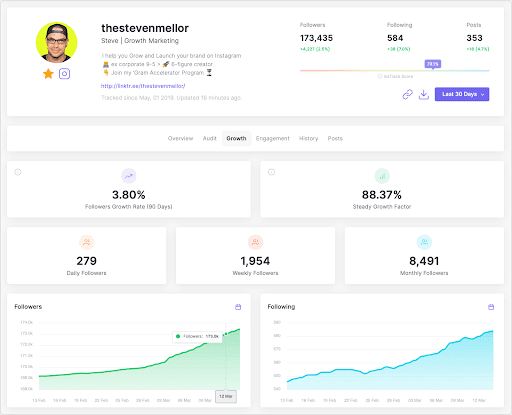
When it comes to determining the best time to post on Instagram Reels, understanding analytics is crucial. Instagram provides a range of analytical tools that can offer valuable insights into your audience's behavior and engagement patterns.
By utilizing these tools, you can gain a deeper understanding of when your followers are most active and receptive to your content.
According to Instagram, the Instagram Insights feature allows users to access data such as follower demographics, post engagement, and the times when their audience is most active.
This data is invaluable for making informed decisions about the timing of your post.
In addition, a study by Later, an Instagram scheduling tool, revealed that the overall best time to post on Instagram is between 9 AM and 12 PM, with the highest level of engagement occurring on weekdays rather than weekends.
This narrows down the time frame for optimal posting, but it's important to remember that every audience is unique and may have different peak engagement times.
Considering diverse perspectives is also essential when analyzing analytics. Different demographics, cultural backgrounds, and time zones of your followers can greatly impact their online activity.
A study by Hootsuite emphasizes the importance of identifying the location and time zone of your target audience to tailor your posting schedule for maximum impact.
By taking advantage of these analytical tools and considering a range of perspectives, you can gain a comprehensive understanding of your audience's behavior and make informed decisions about the best time to post your Instagram Reels.
When determining the best time to post on Instagram Reels, it's essential to consider the time zone, particularly since Instagram uses PST for all devices.
Adapting your posting schedule to this time zone can help ensure that your content reaches a broader audience at optimal times.
According to Instagram's official documentation, the platform displays dates and times in Pacific Standard Time (PST) for all users, regardless of their actual geographical location. This means that when scheduling posts or analyzing engagement data, it's important to keep in mind the PST time zone to effectively reach a wider audience and align with Instagram's default settings.
Diverse perspectives are crucial when considering time zones, as your audience may be located in different parts of the world. Understanding the time zone distribution of your followers is key to tailoring your posting schedule for maximum impact.
A report by Statista highlights the global distribution of Instagram users, with significant user bases in regions such as Asia and Europe, each operating in different time zones.
It's important to be mindful of the impact of time zones on your audience's online behavior. For example, a study by the Pew Research Center noted that individuals in different time zones may have varying social media usage patterns.
Taking these differences into account can help you optimize your posting schedule to better reach and engage your diverse audience.
By considering the PST time zone as a starting point and then adjusting for the specific time zone distribution of your audience, you can strategically schedule your Instagram Reels posts for maximum visibility and engagement.
Analyzing engagement is a key step in determining the best time to post on Instagram Reels. By looking at the times when your audience is most active and engaged, you can gain insights into when to schedule your posts for maximum impact.
According to a report by HubSpot, analyzing engagement metrics such as likes, comments, and shares can help you understand your audience's behavior and identify the best times to post.
Instagram Insights provides data on these metrics that can be used to create a posting schedule that aligns with your audience's activity patterns.
It's important to keep in mind that engagement patterns can differ depending on audience demographics and region.
Considering diverse perspectives is also crucial when analyzing engagement. Different demographic groups may have varying peak engagement times.
For example, a report by Sprout Social found that the highest level of engagement for the auto industry occurs on Wednesdays at 10 AM, while the food and beverage industry's peak engagement time is on Fridays at 12 PM.
Analyzing engagement data can help you determine the best time to post on Instagram Reels and make informed decisions about your posting schedule.
By keeping audience demographics and regional differences in mind, you can further tailor your posting schedule for maximum impact.

Later: When Is the Best Time to Post on Instagram in 2024?
Determining the best time to post on Instagram Reels involves synthesizing the data gathered from analyzing engagement metrics and considering various factors that can impact your audience's online behavior.
By leveraging this information, you can strategically schedule your posts to maximize visibility and engagement.
A report by Hootsuite emphasized the significance of considering different time zones and audience demographics when determining the optimal posting times. Understanding the distribution of your followers across time zones and their peak engagement hours can help you reach a more diverse and engaged audience.
Taking regional and cultural differences into account is also crucial when deciding on the best time to post on Instagram Reels.
Cultural events, holidays, and even local traditions can influence online behavior and engagement patterns. By recognizing and incorporating these factors into your posting strategy, you can ensure that your content resonates with a global audience.
Ultimately, the best time to post on Instagram Reels is a personalized decision that should be informed by a combination of analytics, industry trends, audience demographics, and regional considerations.
By taking a holistic approach and continuously analyzing your performance metrics, you can refine your posting schedule to optimize engagement and reach on the platform.
Understanding your target audience is fundamental to effectively determining the best time to post on Instagram Reels. By delving into your audience's demographics, preferences, and online behavior, you can tailor your content and posting schedule to resonate with them.
Target Internet highlighted that different age groups and demographics engage with social media platforms in distinct ways.
For example, younger audiences may be more active on Instagram during evenings and weekends, while professionals might interact primarily during weekdays.
Considering these demographic variations when analyzing your target audience can provide valuable insights into when they are most likely to be online and engaged.
For businesses with a global audience, catering to different time zones can significantly impact the reach and engagement of your Instagram Reels content. By aligning your posting schedule with the peak activity hours of your target audience, you can enhance the visibility of your posts and optimize engagement levels.
Another critical aspect of understanding your target audience is recognizing their interests, preferences, and content consumption habits.
AI Marketing Engineers emphasizes the significance of creating content that resonates with your audience's preferences to drive engagement and build a loyal following.
By analyzing the type of content that performs well with your target audience, you can tailor your Instagram Reels posts to meet their expectations and interests.
In conclusion, understanding your target audience involves a multifaceted approach that considers demographics, time zone distribution, and content preferences.
By gathering insights from various sources and continuously monitoring audience engagement metrics, you can craft a targeted posting strategy that effectively engages your audience on Instagram Reels.
Determining the frequency of posting for your Instagram Reels is an essential aspect of your content strategy. Finding the right balance between consistency and bombardment is key to engaging your audience without overwhelming them.
Research from Social Media Today suggests that maintaining a regular posting schedule on Instagram Reels can help build your brand presence and keep your audience engaged. However, the ideal frequency of posting can vary based on your audience's preferences and the type of content you create. Understanding your audience's expectations and online behavior is crucial in developing an effective posting frequency.
Industry-specific insights from a report by HubSpot highlight that different sectors might benefit from distinct posting frequencies.
For instance, fashion and beauty brands often post multiple times a week to keep up with industry trends, while B2B companies might find success with a more moderate posting cadence. Tailoring your posting frequency to your industry and audience can have a significant impact on reach and engagement.
Furthermore, the quality of your content should always take precedence over quantity.
According to Emerald Insight while consistency is important, posting irrelevant or low-quality content too frequently can lead to audience disengagement.
By focusing on creating high-quality Instagram Reels that resonate with your audience, you can maintain engagement without inundating them with content.
Finding the right frequency of posting for your Instagram Reels involves a careful balance between consistency, audience preferences, and content quality.
By taking into account industry-specific trends and understanding your audience's expectations, you can develop a posting schedule that effectively engages your followers and maximizes the impact of your content.
Creating engaging content for your Instagram Reels is essential for capturing the attention of your audience and fostering meaningful interactions.
From storytelling to incorporating trends, the quality and creativity of your content play a pivotal role in driving engagement.
Research from a report by Influencer Marketing Hub highlights that storytelling through visual content can be a powerful tool for captivating your audience.
By crafting narratives that resonate with your followers and evoke emotional responses, you can establish a deeper connection with them. Utilizing Instagram Reels to tell compelling stories can significantly enhance engagement and foster a sense of community among your audience.
Moreover, leveraging trending topics and challenges can bolster the appeal of your Instagram Reels.
Statistics from a study by Socialbee underscore the impact of incorporating popular trends and challenges into your content strategy. When executed thoughtfully, participating in trending challenges can amplify your reach and engagement by aligning your content with the interests of a broader audience.
A diverse perspective on creating engaging content includes a focus on authenticity and relatability. Research from Hootsuite emphasizes that relatable content that reflects genuine experiences and emotions tends to resonate deeply with audiences.
By showcasing authenticity in your Instagram Reels, you can establish a more meaningful connection with your followers, leading to increased engagement and loyalty.
Creating engaging content for your Instagram Reels involves elements of storytelling, trend incorporation, and authenticity.
By understanding your audience's preferences and strategically leveraging popular trends, you can craft compelling content that drives meaningful engagement and amplifies your brand presence on the platform.
Determining the best time to post on Instagram Reels is a multifaceted endeavor that intertwines data-driven insights with a nuanced understanding of your audience.
By embracing the significance of diverse perspectives, considering the impact of time zones, and analyzing engagement patterns, you can craft a tailored posting strategy that resonates with your followers.
Furthermore, recognizing the unique habits and routines of specific audience segments, such as finance professionals who might be active earlier in the morning or the typical lunchtime engagement around 12 PM, allows for a more personalized approach to scheduling your Instagram Reels.
Ultimately, by continuously refining your posting strategy to meet the needs and behaviors of your audience, you can solidify your presence on the platform and foster enduring engagement
The world of makeup is constantly evolving, with new brands and products emerging all the time. From luxury to budget-friendly, there's something for everyone.
However, with so many choices, it can be overwhelming to navigate the market and find the right products for you. To help, we've compiled a list of makeup brands that beauty influencers love, three names that should be on your radar.
So, whether you're a seasoned beauty enthusiast or a curious beginner, keep reading to discover the standout brands and products that are taking the beauty industry by storm.
A post shared by SHEGLAM OFFICIAL (@sheglam_official)
SHEGLAM, the company has become a "hidden gem" in the beauty industry due to its top-notch, affordable products and its commitment to meeting consumers' needs.
The brand achieves this by analyzing data and user insights to tailor its products to consumers' preferences, often optimizing and upgrading its products within just three months.
SHEGLAM has built a major following on social media, with over 6 million followers and 5.6 billion views under the #SHEGLAM hashtag on one social platform alone according to ELLE.
In addition, the brand has successfully expanded beyond e-commerce into physical stores, with over 800 retail locations in Japan and more than 40 throughout the Middle East.
SHEGLAM products range from color cosmetics, such as lipsticks and blushes, to tools and skincare. The company continues to innovate with new product launches and collaborations.
Overall, SHEGLAM has established itself as a major player in the beauty industry due to its combination of affordable, high-quality products and connection with consumers through data analysis and social media engagement.
With its commitment to innovation, SHEGLAM is poised to continue its growth as a leader in the beauty industry.

Dundas Beauty is a makeup brand created by fashion designer Peter Dundas in collaboration with Anastasia Soare, CEO of Anastasia Beverly Hills, and her daughter Claudia.
Dundas Beauty is a result of a partnership aimed at bringing together fashion and makeup expertise. The brand has taken four years to develop, facing challenges such as the pandemic and supply chain issues.
The line features a minimalist collection of five gender-inclusive products: Hydratan Tinted Moisturizer, Undercover Enhancer Concealer, Anonymous Bronzer, Day-to-Night Eye Pencil, and Pumped Lip Moisture.
Dundas Beauty's philosophy revolves around providing effortless beauty solutions that are easy to use and suitable for all gender identities.
The emphasis is on enhancing natural beauty with a glamorous touch. The formulations have been carefully crafted in collaboration with Claudia Soare to ensure the products deliver perfect coverage, moisture, and adapt to different skin tones.
The packaging of Dundas Beauty products showcases Peter Dundas's signature color: yellow. The choice of yellow represents sunshine and brings a vibrant and uplifting energy to the brand accordion to Harpers Bazaar.
The line also features a plumping lip balm, designed to be more personal and universally appealing than traditional glosses or oils.
Both Peter Dundas and Evangelo Bousis, Dundas Beauty's co-founders, incorporate the brand's products into their own daily makeup routines. The line is now available for purchase on Revolve and Amazon.
Overall, Dundas Beauty is a makeup brand created to provide gender-neutral, effortless, and glamorous beauty solutions curated by the collaboration of renowned fashion and makeup experts.
A post shared by ATTITUDE (@attitude_living)
Attitude is a pioneering company in the beauty and home industry, aiming to revolutionize the market with performance-driven products that are eco-innovative and beneficial for both the body and the planet.
Founded in 2006, Attitude was born out of a desire to create products that prioritize both health and environmental welfare. With the added motivation of the founder's child on the way, the company wholeheartedly dedicated itself to developing the finest consumer products in the world.
Attitude is committed to formulating its products with the highest standards of quality and transparency, using only the most effective and clean, naturally-sourced ingredients.
The company's dedication to providing clean, performance-driven beauty and home products in innovative, low-waste packaging is exemplary. Their product line spans across Beauty, Hair, Body & Mom, Kids, and Home categories, all designed to meet the highest standards of cleanliness and performance.
With a focus on sustainability, Attitude continuously challenges its packaging norms by introducing innovative, eco-friendly options such as eco-refills, refillable and recyclable bottles, and biodegradable FSC certified cardboard.
In fact, the company's dedication to sustainability has helped save over 1000 tons of plastics since 2021 and led to planting over 15 million trees. Attitude's efforts to reduce plastic waste are demonstrated in the design of its eco-friendly boutique, creating a serene space that promotes well-being and innovation.
The company's in-house laboratory and state-of-the-art factory underscore its commitment to innovation and its unique ability to invent and develop new high-quality products while minimizing harmful impacts on families and the environment.
Attitude's values of authenticity, inclusivity, diversity, wellness, and transparency are clearly reflected in its commitment to connecting with customers, creating products that raise the standard for home and beauty care, and promoting a message of endless innovation and creativity.
With a focus on clean ingredients, less plastic, and more trees, Attitude continues to set a high standard in the beauty and home industry, striving to deliver products that are not only high-performing and clean but also environmentally responsible.
The makeup industry continues to witness the rise of innovative and influential brands that are reshaping the way consumers perceive and interact with beauty products.
From SHEGLAM's commitment to affordable, high-quality cosmetics tailored to consumer preferences, to Dundas Beauty's gender-inclusive and effortless beauty solutions, the landscape of makeup brands is diversifying and evolving.
Additionally, Attitude's pioneering approach to eco-innovative and performance-driven beauty and home products sets a high standard for environmental responsibility and sustainable practices.
As we continue to witness the intersection of creativity, sustainability, and inclusivity, it is clear that the future of the beauty industry is promising, with exciting developments that cater to a wide range of consumer needs and preferences.
Amazon's Choice is a label assigned to certain products by Amazon that are deemed to be highly rated, well-priced, and ready to ship immediately.

It aims to simplify the purchasing process for customers by highlighting products that meet specific criteria.
The concept of Amazon's Choice was introduced to help customers navigate the vast selection of products available on the platform. With millions of products in various categories, finding the right item can often be overwhelming.
Amazon's Choice is designed to provide users with a curated list of products that have been vetted and recommended by Amazon.
Amazon's Choice products are denoted by an orange badge with the text "Amazon's Choice" displayed prominently on the search results page.
This badge acts as a quick visual indicator for customers as they browse through the numerous options. Receiving the Amazon's Choice label can provide increased visibility and higher placement in search rankings, making a product more likely to be noticed and purchased.
Amazon's Choice offers customers a convenient way to discover well-rated, reasonably priced, and readily available products.
It simplifies the purchasing process and provides an added level of assurance. Understanding Amazon's Choice can help customers make more informed buying decisions on Amazon's platform. Let’s dive into more about Amazon’s Choice and how it can benefit you…
Amazon's Choice is a label assigned to certain products by Amazon that meet specific criteria. The purpose of this program is to provide customers with trustworthy and convenient purchasing options.
Here are the main factors that Amazon considers when selecting products for the program:
Amazon's Choice aims to provide customers with an added level of convenience and trust by identifying products that meet a high standard.
By meeting the eligibility criteria, the Amazon's Choice label offers some reassurance regarding the quality and value of the product. These products are expected to be high-quality, available to ship immediately, and well-priced.
However, it is worth noting that fulfilling the criteria for Amazon's Choice does not guarantee that the product is the best option for you. Customers should consider diverse perspectives and preferences, conducting their research and reading customer reviews before making a purchase decision.x`
Amazon's Choice program is designed to simplify the purchasing process by highlighting well-rated, competitively-priced, and readily-available products.
The criteria for Amazon's Choice selection includes high customer rating, competitive pricing, availability, low return rates, and good reputation. Understanding these factors can help customers make informed purchase decisions on Amazon's platform.
Sources:
Amazon's Choice is a designation given to select products on Amazon that meet specific criteria set by the platform.
This labeling system is designed to help users navigate the vast marketplace and make informed purchasing decisions. Here's how you can identify an Amazon's Choice product and understand its significance.
When browsing through Amazon's product listings, look for the distinctive orange "Amazon's Choice" badge displayed next to specific items. This badge serves as a visual cue, indicating that the product has been recommended by Amazon based on predefined criteria.
According to Amazon to earn the Amazon's Choice label, a product must meet certain requirements.
These include having a high customer rating, being competitively priced, readily available for shipping, and having a low return rate. A product that meets these standards is more likely to be designated as Amazon's Choice and receive the associated benefits, such as increased visibility and prominence in search results.
It's important to note that while Amazon's Choice can be a helpful indicator, it may not always represent the best product for your specific needs.
Personal preferences, brand reputation, and other factors should also be taken into account when making a purchase decision. Reading customer reviews and comparing similar products can provide a more comprehensive view of what might suit you best.
From a seller's perspective, receiving the Amazon's Choice designation can significantly boost a product's visibility and sales.
According to SellerLabs, products with an Amazon's Choice Badge received twice the traffic than comparable products without one. This demonstrates the impact that the Amazon's Choice badge can have on consumer perception and purchasing behavior.
Ultimately, understanding how to identify Amazon's Choice products can help you navigate the vast selection on Amazon and make well-informed buying decisions. While the badge itself can be a helpful guide, it's essential to consider a variety of factors and perspectives before making a final purchase.
Amazon's Choice is a valuable tool for customers seeking quality products on Amazon.
By recognizing the badge and understanding the criteria behind it, you can make better-informed decisions when shopping online.
Amazon's Choice is a labeling system that distinguishes select products available on Amazon.
This designation comes with several benefits for both customers and sellers, aiming to simplify the purchasing process and increase sales. Let's explore the advantages of Amazon's Choice and why it matters.
It's important to keep in mind that Amazon's Choice is just one factor to consider when making a purchase. Individual preferences, specific requirements, and additional research should also play a role in decision-making.
Reading customer reviews and considering alternative options is still vital to finding the best product for your needs.
In conclusion, Amazon's Choice offers several advantages for both customers and sellers.
The enhanced visibility, increased trust, and simplified decision-making process can all contribute to a better shopping experience. The label serves as a helpful guide, but customers should still exercise their judgment and take into account their specific needs and preferences.
Amazon's Choice is a valuable tool for customers seeking guidance in the vast sea of products available on the platform. It can save time, simplify the shopping experience, and provide assurance that a product has met Amazon's quality standards.
However, it's important to remember that this feature is just one piece of the puzzle when it comes to making informed purchasing decisions.
By understanding the factors that influence Amazon's recommendations, customers can gain insight into why certain products are highlighted and assess whether they align with their preferences and needs.
In addition, as with any buying decision, it's important to consider other sources of information, such as customer reviews, price, and individual preferences.
While the Amazon's Choice label is a strong indicator of quality and value, it doesn't guarantee the best option for everyone.
Customers can use this feature as a starting point, focusing on products that have earned the badge, but should still weigh their own opinions and examine other factors to ensure they are making the best purchase.
In conclusion, Amazon's Choice provides customers with a valuable tool for navigating the marketplace and discovering top-rated products. Understanding how this feature works and its limitations is crucial to making informed purchasing decisions, saving time, and feeling confident in the products they buy.
So, you're thinking about stepping into the exciting world of content creation? Buckle up, because we've got everything you need to know to kickstart your journey.
First things first, let's talk about finding your niche. It's like finding your groove in a crowded room – it's where you belong, where you shine the brightest.
Whether you're eyeing up a blog, YouTube channel, podcast, or any other form of content creation, pinpointing your niche is key to building a loyal following. But why is it so important, you ask?
Well, we're diving into that, along with the importance of understanding your audience, embracing diversity, staying flexible, and honing those essential skills.
And hey, we're not stopping there. We'll also dish out some insider tips on building a killer online presence and leveraging platforms like Stack Influence to boost your influencer resume. So, grab your notepad and get ready to level up your content creation game!
When venturing into the world of content creation, it's crucial to carve out your own niche - a specific subject or topic that you are not only passionate about but also something that resonates with your audience.
Whether you're looking to start a blog, a YouTube channel, a podcast, or any other form of content, pinpointing your niche will help you establish a unique identity and build a loyal following.
Identifying a niche is crucial because it allows you to focus your efforts on a specific area, making it easier to create targeted content that caters to a particular audience. According to Linearty, 75% of marketers say that targeted personalization increases customer engagement rates. ... 100% higher lead-to-close rate than those without.
By narrowing down your focus, you can stand out in a crowded digital landscape and become an authority in your chosen subject.
Begin by researching and discovering topics that you are genuinely interested in. Consider your hobbies, professional expertise, and personal experiences. Take note of what excites you and what you can speak about with authority and enthusiasm.
It's equally important to understand your target audience. Utilize tools like Google Analytics, social media insights, or survey platforms to gather data on your potential audience. A comprehensive understanding of your audience's demographics, preferences, and behaviors will aid in tailoring your content to better resonate with them.
In today's diverse and inclusive digital landscape, considering diverse perspectives within your niche is essential. Including perspectives from various ethnicities, gender identities, and cultures can enrich your content and make it more relatable and appealing to a wider audience.
As you explore different topics and test the waters within your niche, remember to remain flexible. Your niche can evolve as your interests and the needs of your audience change. Embracing flexibility can keep your content fresh and engaging.
Remember, your niche is your digital fingerprint. It's what sets you apart and makes your content unique. Once you've identified your niche, it becomes easier to create content that resonates with your audience.
Developing skills and knowledge is one of the critical components of becoming a successful content creator. With new tools and techniques emerging every day, it's essential to stay updated with the latest trends to remain relevant and competitive. In this section, we'll explore the key skills and knowledge areas that content creators should focus on.
Good writing and editing skills are essential for creating high-quality content. Consider taking courses, workshops, or attending online seminars to improve your writing and editing skills. According to a study by Tidio, more than 97% of people said grammar mistakes influence their impression of a business. For those who need extra support or professional input, an online writing service can provide guidance and help ensure content is polished and effective.
Besides this, you can also use writing tools for skill improvement. For example, sentence rephraser will help boost your sentence structuring capabilities, whereas a grammar checker will increase your knowledge about grammar rules. If you ever need professional guidance to refine your writing or academic projects, consider turning to a custom essay writing service EssayHub that helps you learn by example and improve your overall writing quality."
Incorporating visual elements into your content, such as using an API with an image generator, can enhance the user experience and draw more engagement. As a content creator, having fundamental graphic design skills can help you create stunning graphics, infographics, and presentations. Learn the basics of design tools like Adobe Photoshop, Illustrator, or Canva to create visually stunning content.
According to Sproutworth, visual content is a staggering 40 times more likely to be shared across various social media channels in the market
Video and audio content are commonly used in content marketing and advertising. Learning how to create, edit, and produce videos or audio content can take your content to the next level.
According to Wyzowl, 91% of businesses use video as a marketing tool. The rise of podcasting has also made audio content creation a highly sought-after skill.
Social media platforms have become an integral part of content creation and marketing. As a content creator, you need to stay updated with the latest social media trends, posting frequency, and engagement tactics.
Learning about social media algorithms, content distribution, and community management can help you increase your online visibility and maximize audience engagement. For this purpose you can leverage social media management tools like ContentStudio.
In today's digital age, building a strong online presence is essential for content creators. It involves creating and maintaining a compelling digital footprint that showcases your content, engages your audience, and helps you grow your brand. Let's dive into the key aspects of building an online presence in the ever-evolving online landscape.
Before you begin building your online presence, take the time to establish your brand identity. This includes defining your brand's values, mission, and unique selling points. According to a TheFSForu, 71% of consumers said it was very or somewhat important that they recognise a brand before they make a purchase.
Creating a strong and consistent brand image can foster trust and familiarity with your audience.
Produce high-quality, valuable content that resonates with your audience. Whether it's blog posts, videos, podcasts, or social media posts, your content should reflect your brand's voice and values. Also, focus on consistent content distribution across multiple platforms to expand your reach.
According to Medium, content marketing gets 3x more leads than paid search advertising.
Diverse perspectives in your content can help you connect with a wider audience.
Engage with your audience through comments, messages, and social media interactions. Building a community around your content can lead to higher engagement and word-of-mouth marketing.
According to Sprout Social, 35% of U.S. consumers use Instagram for customer service. Responding to feedback and fostering a sense of community can strengthen your online presence.
Understanding SEO is crucial for making your content discoverable. Optimizing your content for search engines can significantly improve your visibility.
According to HigherVisibility, 53.3% of all web traffic comes from organic search. Utilize SEO best practices to increase the chances of your content appearing in relevant search results.
Partnering with other content creators, brands, and influencers can help expose your content to new audiences.
Moreover, networking with like-minded individuals can open up opportunities for collaboration and knowledge sharing. Consider reaching out to creators with diverse perspectives to expand your network and gain new insights.
Remember, building a strong online presence takes time and effort, but the benefits are well worth it. It allows you to connect with your audience, establish your authority, and grow your brand in the digital space.
When it comes to crafting your influencer resume, leveraging platforms like Stack Influence can significantly enhance your credibility and appeal to potential brand partners.
Stack Influence, a platform focused on micro-influencers community, offers valuable resources and opportunities that can help you strengthen your influencer resume in the following ways:
By joining Stack Influence's micro-influencer community, you gain access to various brand collaborations and partnership opportunities. Engaging with brands through the platform can provide you with tangible results and success stories to include in your collaboration history section of your influencer resume. This showcases your ability to collaborate effectively and deliver positive outcomes for brands.
Being part of the micro-influencer community on Stack Influence allows you to network with other creators, learn from their experiences, and potentially collaborate with them. Mentioning your involvement in such a community in your influencer resume can demonstrate your interest in continuous learning, networking, and building relationships within the influencer marketing space.
Utilize Stack Influence to showcase your best content pieces and collaborations within the platform. By including these content samples in your influencer resume, you can highlight your creativity, quality of work, and ability to engage your audience effectively. This can provide brands with a glimpse of your content style and approach before initiating collaborations.
Incorporating your experiences and achievements from engaging with Stack Influence's micro-influencer community can elevate the depth and credibility of your influencer resume.
Highlighting how you've utilized the platform to grow your influence, collaborate with brands, and hone your skills can set you apart in the competitive world of influencer marketing.
As a content creator, networking and collaboration are crucial for expanding your reach, discovering new opportunities, and fostering meaningful connections within the industry.
Building relationships and collaborating with like-minded individuals can help you grow your audience, learn from diverse perspectives, and tap into new markets. Let's delve into how you can effectively network and collaborate as a content creator.
Social media platforms act as virtual networking spaces, connecting creators from all around the world. Engage with other content creators by liking, commenting, and sharing their content. Join relevant groups and communities to participate in discussions and share your insights.
According to Dr.Miles Bassell, more than 90.4% of Millennials, 77.5% of Generation X, and 48.2% of Baby Boomers are active social media users. Utilizing these platforms allows you to connect with a diverse audience.
Industry events and conferences provide excellent opportunities to network and meet like-minded individuals. Connect with fellow creators, attend panel discussions, and participate in workshops.
According to Mit Magazine, 60% of attendees at events consider networking with peers as the most valuable benefit of attending. These events enable you to build relationships, exchange ideas, and potentially find collaboration opportunities.
Partnering with creators who have complementary content and audiences can be mutually beneficial. Collaborate on content projects, cross-promote each other's work, or combine forces for campaigns. This allows you to tap into new communities and broaden your reach.
Leverage your network and reach out to brands for potential collaborations. Brands are increasingly turning to influencers to promote their products or services.
According to Influencer Marketing Hub, Influencer Marketing is expected to be worth $24 Billion by the End of 2024.
Develop a professional approach, demonstrate your value, and pitch ideas that align with your brand and the brand you are reaching out to. Focus on creating mutually beneficial partnerships that provide value to both parties.
Continual learning is essential in the ever-evolving world of content creation. Attend workshops and webinars to gain new insights, learn from industry experts, and stay updated on trends. These educational opportunities often provide networking opportunities as well, allowing you to connect with fellow participants and speakers.
According to Bankrate, 75% of professionals say they attended an online course to help them find a new job. Expanding your knowledge can enhance your expertise and attract new collaborations.
Building a strong network and actively seeking collaborations can help you thrive as a content creator. Embrace the power of networking to discover new opportunities, learn from diverse perspectives, and establish meaningful relationships within the industry.
And there you have it – your ultimate guide to becoming a content creation pro! We've covered everything from identifying your niche to honing your skills, building an online presence, and networking like a boss.
Now, armed with these invaluable insights, it's time to unleash your creativity and make your mark in the digital realm. Remember, Rome wasn't built in a day, and neither is a successful content creator's empire.
Stay patient, stay passionate, and keep hustling. With dedication, perseverance, and a sprinkle of creativity, there's no limit to what you can achieve in the world of content creation. So, go ahead, chase those dreams, tell those stories, and let your unique voice be heard.
Here's to your journey ahead – may it be filled with endless possibilities and boundless success!