
The latest info on influencer marketing trends, micro influencer news, and the world of social media

Influencer marketing isn’t just for fashion or tech – the art world has its own social media superstars. In this Top 10 Artist Influencers list, we highlight ten hugely popular artists who double as content creators on platforms like Instagram. These influential creators produce visually stunning, highly shareable content (often user-generated content or UGC) that inspires millions. From anonymous street art legends to viral digital creators, these top artist influencers shape trends and demonstrate the power of art in the social media age. Brands, Amazon sellers, and marketers can learn from their massive followings and engagement, whether collaborating with these stars or with emerging micro influencers in the art niche.
The convergence of art and social media has given rise to a new breed of influencer. These artists share their creations online, building loyal audiences and influencing visual culture globally. On Instagram in particular – a platform built for visuals – many artists have amassed followings in the millions. They use Instagram not just to post art, but to engage fans, promote exhibitions, and even collaborate with brands. This merger of creativity and influencer marketing means that an artist’s feed can spark trends overnight. It’s also an opportunity for brands: visually striking art content often doubles as user-generated content (UGC), which brands can leverage for authentic marketing. Even traditional art icons like Yayoi Kusama have become “Instagram’s favourite” due to immersive installations that thousands of visitors photograph for the ’gram. In 2025, influencer marketing and the art world are more intertwined than ever, from micro creators to headline-making art superstars.
View this post on Instagram A post shared by Banksy (@banksy)
Banksy remains arguably the world’s most famous street artist, despite working anonymously. He boasts over 10 million Instagram followers (13M+ as of 2025), making him the most-followed visual artist on the platform. Banksy’s politically charged murals and viral public stunts have made headlines worldwide. Not only do his artworks spark social commentary, but they also generate massive online buzz – in fact, his Instagram is used to confirm new pieces that appear overnight. From shredding a painting at auction to painting murals in war zones, Banksy’s viral influence extends far beyond the art community, proving how powerful content and mystery can build a global brand in the age of social media.
View this post on Instagram A post shared by @kaws
A former graffiti artist turned art entrepreneur, KAWS has transformed pop culture imagery into a multimillion-dollar art brand. On Instagram he has over 4 million followers and counting. KAWS’s signature cartoon-like figures (like the X-eyed Companion) bridge fine art and commercial design. He’s known for high-profile collaborations with companies like Supreme, Dior, Uniqlo and even Fortnite. In 2022, he simultaneously exhibited at London’s Serpentine Gallery and inside the Fortnite video game – arguably the most visited solo art show ever. By blending collectible art, streetwear, and social media hype, KAWS exemplifies influencer marketing in the art world. His posts tease limited drops and gallery shows, keeping an engaged audience of art lovers, content creators, and consumers eagerly awaiting the next release.
View this post on Instagram A post shared by Takashi Murakami (@takashipom)
Murakami is a Japanese contemporary artist who has achieved rockstar status in both fine art and pop culture. With around 2.7 million Instagram followers, Murakami uses the platform to share his brightly colored “Superflat” art and behind-the-scenes looks at his projects. He’s famous for merging high art with commercial appeal – think flower face motifs and collaborations with Louis Vuitton, Pharrell Williams, and major museums. Murakami’s feed is packed with playful anime-inspired characters and updates on his latest fashion and gallery partnerships. He even embraces digital trends, having launched NFT projects and a YouTube channel. By staying culturally relevant and tech-savvy, Murakami demonstrates how an artist can be a content creator who influences both luxury markets and internet audiences simultaneously.
View this post on Instagram A post shared by YAYOI KUSAMA MUSEUM (@yayoikusamamuseum)
At 95 years old, Yayoi Kusama is a living legend of contemporary art – and a social media sensation. Dubbed “Instagram’s favourite artist”, Kusama has become one of the most popular artists in the world. Her whimsical polka dots and immersive Infinity Rooms attract huge crowds to museums, with visitors waiting hours just to snap that perfect selfie inside a Kusama installation. Though her personal Instagram following (~0.7 million) is modest, her influence is felt in millions of posts by others. A recent blockbuster Kusama exhibit in Melbourne drew record attendance and endless Instagram photos. She has also partnered with brands like Louis Vuitton, literally towering over their flagship store in a larger-than-life sculpture. Kusama’s example shows that an artist can become a global influencer by creating experiences that people love to share – turning art into viral UGC.
View this post on Instagram A post shared by beeple (@beeple_crap)
Beeple is a digital artist who skyrocketed to fame in the influencer and crypto art scene. He famously sold an NFT artwork for an eye-popping $69 million in 2021, putting him among the world’s most expensive living artists. On Instagram, Beeple has around 2 million followers and is known for posting a new piece of digital art every single day – a project he’s maintained for years. His futuristic, sometimes bizarre renders are freely available for others to use, fueling countless memes and remixes. Beeple’s work blurs the line between art and content: by allowing free use of his visuals and engaging with the tech community, he built a massive online following. His story is a case study in the new creator economy – he leveraged social media and blockchain technology to turn digital art (once hard to monetize) into a global influencer brand.
View this post on Instagram A post shared by Shepard Fairey (@obeygiant)
A pioneer of street art’s crossover into marketing, Shepard Fairey is best known for his “Obey Giant” street art campaign and the iconic 2008 HOPE poster of Barack Obama. With about 1.3 million Instagram followers, Fairey uses his platform to blend art with activism. “American artist and activist Shepard Fairey is best known for blending street art with powerful social and political messages,” writes Forbes. His bold graphic style – often featuring propaganda-style images – is immediately recognizable. Today, Fairey’s work appears in galleries and murals worldwide, and he frequently collaborates on social causes and brand campaigns that align with his message. The Institute of Contemporary Art, Boston calls him “one of the most influential street artists of our time,” noted for merging graffiti aesthetics with design and marketing. In the influencer era, Fairey’s career shows how consistency and authentic messaging can build a lasting personal brand.
Known simply by his initials, JR is a French artist who has turned the planet into his gallery. Working at the intersection of photography and street art, he pastes massive black-and-white photo murals in public spaces from the favelas of Rio to the streets of Paris. JR has 1.9 million Instagram followers, where he showcases these ambitious global art projects. Often focusing on social issues and unheard voices, he uses art to influence public awareness – literally putting faces of ordinary people onto skyscrapers, bridges, and border walls. He even won the TED Prize for his Inside Out project, which has inspired people worldwide to participate in public art. JR describes the streets as “the biggest art gallery in the world”, and through social media he invites the world to walk through it. His innovative, participatory approach demonstrates influencer marketing in a different sense: spreading powerful messages through viral art initiatives that communities and brands alike can rally around.
View this post on Instagram A post shared by Joan Cornellà (@sirjoancornella)
Joan Cornellà is a Spanish illustrator whose darkly comic artworks have become an internet cult phenomenon. With over 3 million Instagram followers, Cornellà’s profile (@sirjoancornella) is filled with satirical, often absurd cartoon panels that are instantly recognizable for their cheerful style and twisted humor. These wordless comic strips routinely rack up hundreds of thousands of likes and shares for their biting social commentary. Cornellà’s distinct visual style and viral appeal make him one of the most recognizable illustrators online. He proves that you don’t need video or flashy effects to be a content creator – simple, bold images that tap into social absurdities can capture massive engagement. Brands have taken note too: Cornellà’s art has been featured in collaborations from clothing lines to plush toys. He exemplifies how a creator can gain global influencer status by consistently delivering content that provokes conversation (and a guilty laugh) on social feeds.
View this post on Instagram A post shared by V I L L A Z A N (@villazangallery)
Mr. Doodle is a British artist who has turned doodling into a viral art form – and a lucrative career. He shot to fame through viral videos showing him covering entire surfaces in his whimsical, interconnecting black-and-white drawings. Over time he amassed millions of followers and significant art sales, eventually earning the title of the world’s 5th most successful artist under 40 at auction in 2020. On Instagram (where he has around 2.7 million followers), Mr. Doodle shares playful content of him “doodling” everything from furniture to cars. In 2022 he completed his magnum opus: covering every inch of a 12-room mansion in doodles, a project that took two years and hundreds of paint pens. The feat made headlines globally (even BBC News featured it) and solidified his viral internet fame and auction stardom. Mr. Doodle’s success underscores how social media virality can catapult an artist from niche hobbyist to influencer with a global audience, especially when the content is as fun and shareable as “graffiti spaghetti” on a mansion’s walls.
View this post on Instagram A post shared by Ellen Sheidlin (@sheidlina)
Ellen Sheidlin is a Russian digital artist and model who has become an Instagram sensation through her surreal photography. Her eye-catching fine art photos – often featuring herself in fantastical, dreamlike setups – have earned her nearly 5 million followers on Instagram. Sheidlin’s images are instantly recognizable: whimsical, bizarre, and impeccably styled with props, makeup, and digital effects. Each post is a creative visual narrative, which has made her a favorite among Gen Z art lovers. She has even expanded into oil painting and performance art, blurring the lines between online persona and gallery artist. Brands have noticed her imaginative style; Sheidlin’s work lends itself to fashion and lifestyle collaborations that want an artful, avant-garde edge. By redefining self-portraiture and embracing weirdness, Sheidlin exemplifies the content creator as an artist – using social media as her canvas to challenge reality and inspire her followers “to stop being afraid of being different”.
The Top 10 Artist Influencers show how powerful creative content can be in building an audience. But you don’t need millions of followers to apply these lessons – even micro influencers (those with roughly 800 to 20,000 followers) can have high impact. In fact, brands often collaborate with hundreds of micro influencers in a single campaign to reach niche audiences at scale. This is especially valuable for e-commerce businesses and Amazon sellers looking to stand out:
In conclusion, the top 10 artist influencers prove that creativity and influence go hand-in-hand. They’ve mastered the art of content creation, building massive followings through originality and authenticity. Brands can take a page from their playbook by embracing visual creativity in marketing and partnering with both macro and micro influencers. In the era of influencer marketing, artistic content creators offer a goldmine of inspiration – and partnering with them (or the next generation of them) can help e-commerce and Amazon businesses capture the imagination of consumers worldwide. By tapping into the influence of artists, marketers not only boost their reach but also infuse their campaigns with the cultural relevance and creativity that today’s audiences crave.
In the world of e-commerce, product photography can make or break a sale. Business owners – from small online shopkeepers to Amazon sellers – often face the challenge of presenting products in the best light without breaking the bank on professional photoshoots. Fortunately, learning how to make your own product photography is both achievable and rewarding. Great product photos not only enhance your online store’s appeal, but they also feed into your influencer marketing and social media efforts, providing content for micro influencers, content creators, and user-generated content (UGC) campaigns. In this comprehensive guide, we’ll walk through why DIY product photography matters and a step-by-step process to create stunning images that can boost your e-commerce success.
Various studies highlight the importance of product photography in e-commerce. For instance, a Google/Ipsos survey found 85% of shoppers consider product information and pictures important when deciding on a brand. Likewise, an Etsy buyer survey showed 90% of online shoppers rate the quality of product photos as “extremely” or “very important” to their purchase decision. Most strikingly, a Shopify study revealed that high-quality product photos can lead to a 94% higher conversion rate compared to low-quality images. In short, better photos mean more trust, engagement, and sales – a critical insight for any e-commerce entrepreneur learning how to make your own product photography.
You don’t need a full studio or expensive gear to get professional-looking results. Many micro influencers and small brands produce great product photos with minimal equipment. Here’s a list of essential items for your DIY product photography toolkit:
With these tools assembled, you’re ready to create your own mini photography studio. Next, let’s go through the step-by-step process of how to make your own product photography from start to finish.
Follow these steps to set up your DIY product photoshoot. This process will help you create high-quality images that showcase your product’s best features, whether for your website, Amazon listing, or social media.
By following these steps on how to make your own product photography, you can produce a suite of high-quality images ready to upload to your e-commerce site or Amazon product page. But great photos aren’t just for your online storefront – they can be powerful assets in your broader marketing strategy, too.
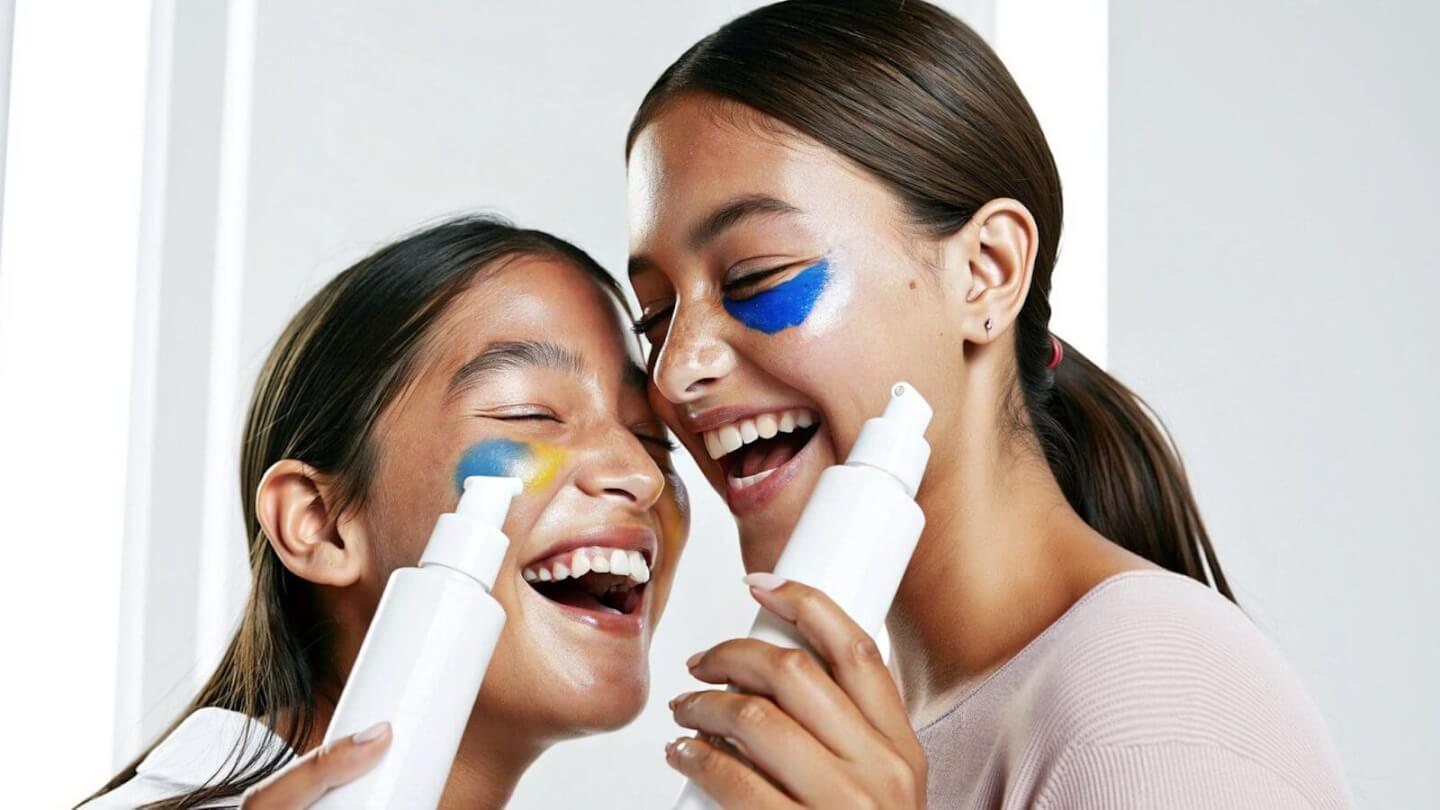
Creating your own product photography doesn’t just save you money; it also feeds into content that can be used across social media, influencer marketing, and UGC campaigns. Here are some ways to maximize the value of your DIY product photos beyond the product page:
Finally, always monitor how your product photos are performing. If you notice a high bounce rate on a product page, it could be that the photos aren’t appealing enough or don’t show the product details customers want. Don’t hesitate to reshoot or add more images if needed. The beauty of doing it yourself is that you can update and improve your catalog at any time. As you gain experience in how to make your own product photography, you’ll become more efficient and creative – perhaps even experimenting with advanced techniques like 360-degree product videos or stop-motion clips for social media.
Mastering how to make your own product photography is a game-changer for e-commerce sellers and business owners. Not only does it save on hiring costs, but it also gives you agility and creative control to showcase your products exactly how you envision. From setting up a mini studio with a white backdrop and lights, to shooting with a steady hand (or tripod) and editing the final images for polish, each step contributes to professional-grade photos that can increase sales and customer trust. High-quality images highlight your product’s value – they tell shoppers that you care about quality and detail, which reflects on your brand’s credibility. Moreover, accurate photos manage expectations and can even reduce returns since customers know what they’re getting.
As you implement these tips, remember that photography is as much an art as a science. Don’t be afraid to experiment with different lighting setups, angles, or background styles once you’ve covered the basics. You might discover a signature style that sets your brand apart. And keep an eye on trends: for instance, UGC and influencer-style shots (more candid, lifestyle-oriented images) are very popular and effective in marketing now, so blending some of that style into your product gallery could boost engagement.
In the end, great product photography is an investment in your brand’s success. It’s one of the first things customers see and judge when shopping online. By following this step-by-step guide to make your own product photography, you empower yourself to put your products in the best light – literally. So set up that DIY studio and start shooting! With practice, your photos will look like they were done by a pro, and your online store will reap the benefits through higher traffic, trust, and conversions. Happy shooting, and may your products always shine (with no filter needed)!
Facebook remains a marketing powerhouse with billions of active users. Yet even a perfectly crafted post can fall flat if it’s published when your audience isn’t online. That’s why understanding the best time to post on Facebook is crucial for any successful social media content strategy. By using data to schedule posts when followers are most active, micro influencers, e-commerce entrepreneurs (like Amazon sellers), and content creators can increase visibility, boost engagement and drive more conversions. In this comprehensive guide, we’ll explore when you should post on Facebook for maximum impact – and how timing fits into influencer marketing and UGC strategies – so you can make every post count.

Timing is everything on Facebook. With 3+ billion monthly active users (and 90% of consumers holding a Facebook profile), the platform’s audience is huge – but they won’t all see your content if it’s posted at 3 a.m. when no one’s scrolling. Research shows that high engagement on Facebook now stretches across the entire workday (morning through late afternoon on weekdays). In other words, Facebook users have integrated checking the platform into their daily routines, meaning there are broad windows of opportunity to reach them throughout the day.
For micro‑influencers and brands alike, posting at the right time can significantly amplify your reach. A Sprout Social study noted that using data-backed timing can “increase visibility boost engagement”. Influencer marketing campaigns often rely on timing to ensure sponsored posts or UGC (user-generated content) hit the news feed when target customers are online and ready to interact. Even Amazon sellers leveraging Facebook groups or pages for promotion can see better results by aligning posts with peak user activity. In short, timing your Facebook posts wisely means more eyes on your content, more engagement (likes, comments, shares), and ultimately more traffic and sales.
So, what are the best times to post on Facebook? Various studies have analyzed millions of Facebook posts to pinpoint high-engagement windows. While results can differ, a few clear patterns emerge:
Various studies provide slightly different “best time” recommendations for each day. Here’s a quick summary combining insights from recent data:
It’s important to factor in time zones and audience location when scheduling Facebook posts – especially for content creators or Amazon sellers with international customers. The “best time to post on Facebook” isn’t one-size-fits-all globally. For example:
The takeaway: know where your audience is. If you’re an American micro-influencer but a large chunk of your followers are in Europe, you may want to post on your off-hours (e.g. early morning U.S. time) to hit the European midday peak. Likewise, an e-commerce brand targeting India should schedule posts to align with India’s local peak times. Facebook Insights can show you a breakdown of when your particular followers are online by time zone – use that data to fine-tune your posting schedule for each region.
Different industries have different audience behaviors on Facebook. A one-size-fits-all timing approach might not work if your niche has unique patterns. Here are a few examples:
While general guidelines are invaluable, the very best time to post on Facebook ultimately depends on your unique audience. Every creator, influencer, or business may notice slightly different peak times based on their followers. Here are steps to pinpoint your optimal posting schedule:
1. Check Facebook Insights: Start with your Page’s own analytics. Facebook Insights (for Pages) or professional dashboard (for Creator accounts) show when your followers are online most days of the week. Look for patterns – for example, you might discover your follower count peaks around 7 p.m. on Thursdays. Facebook keeps a timestamp of each post and its performance, so compare your top-performing posts against the times they were posted. If your recent videos did best when posted at noon, that’s a clue.
2. Experiment and A/B Test: Use a bit of scientific method. Try posting similar content at different times to see which gets more engagement. For instance, if you usually post your product photo at 9 a.m., try posting a similar one at 3 p.m. another day and compare results. Over a few weeks, you’ll gather data on which time slots consistently yield higher reach or interaction. Micro-influencers should pay attention to when their core community is most responsive – perhaps evenings after work, if followers are 9–5 professionals, or late nights if they’re students. Don’t be afraid to experiment; as one expert notes, treat global best-time data as a starting point and adjust from there based on your followers’ behavior.
3. Leverage Scheduling Tools and Features: Many social media management tools can suggest optimal times specific to your audience. For example, Hootsuite’s “Best Time to Publish” feature analyzes your past post engagement and recommends ideal time slots to schedule future posts. Similarly, Buffer and other platforms offer analytics-driven scheduling recommendations. These tools crunch your data automatically – a big help if you’re managing multiple platforms or influencer campaigns. Even without third-party apps, when creating a post, Facebook might show you when your fans are most active that day. Utilize these insights to time your content. (Bonus tip: Schedule content in advance for high-engagement times. This way, you maintain a consistent presence without needing to be online at odd hours – perfect for hitting that 5 a.m. slot if your data calls for it!)
4. Mind the Algorithm (Quality Matters Too): Remember that timing is only one factor in Facebook’s algorithm. Highly engaging content can sometimes overcome suboptimal timing – and conversely, posting at the “best time” won’t save boring content. Facebook’s algorithm prioritizes posts that spark meaningful interactions. So, while you should post when your audience is online, make sure you’re also delivering quality content (interesting videos, questions that encourage comments, valuable links, etc.). For those in influencer marketing, this means ensuring your sponsored posts or UGC pieces are not just timely but also authentic and engaging to the audience.
Mastering the best time to post on Facebook is a powerful way to amplify your social media results. By posting when your audience is most active, you give each photo, video, or status update the greatest chance to be seen and to spark engagement. This is especially important for micro‑influencers and content creators who rely on every bit of engagement to grow their presence, as well as for e-commerce brands and Amazon sellers who use Facebook to drive traffic and sales via influencer campaigns. Even Stack Influence – a platform that connects brands with micro-influencers – emphasizes aligning post timing with audience activity to maximize campaign ROI.
To recap, focus your Facebook posting schedule on weekday mornings and middays when possible, adjust for your target audience’s time zone, and keep an eye on your own analytics to refine those suggestions. Use the general trends (like mid-week, mid-morning peaks) as a starting point, then tailor from there. And don’t forget: consistency and quality content go hand in hand with timing. A well-timed post that offers value to your audience will always outperform a mediocre post, no matter when it’s published.
By understanding and applying these timing insights, you’ll be well on your way to Facebook marketing success. Happy posting during those peak hours, and enjoy the boost in likes, comments, and shares!
LLC vs LLP (Limited Liability Company vs. Limited Liability Partnership) is a common dilemma for entrepreneurs looking to formalize their business. Whether you're launching an online store, selling on Amazon, or growing as a micro influencer or content creator producing UGC (user-generated content), choosing the right business structure is crucial.

An LLC (Limited Liability Company) is a business structure that shields your personal assets from business liabilities, combining the flexibility of a partnership with the liability protection of a corporation. An LLC is a separate legal entity owned by “members” (which can be one or many individuals or entities). This structure is extremely popular for small businesses and startups in the U.S. because it’s relatively easy to set up and offers pass-through taxation by default (avoiding double taxation).
Key features of an LLC:
Advantages of an LLC:
Disadvantages of an LLC:
An LLP (Limited Liability Partnership) is a partnership of two or more owners (“partners”) where each partner has limited personal liability for business debts and other partners’ actions. In essence, an LLP is like a traditional partnership boosted with some liability protection. It’s a separate legal entity from its owners, formed by registering with the state, and it shares profits among partners.
Key features of an LLP:
Advantages of an LLP:
Disadvantages of an LLP:
To clarify the LLC vs LLP distinction, here’s a quick comparison chart covering the major points:
Aspect
LLC (Limited Liability Company)
LLP (Limited Liability Partnership)
Ownership
Can have 1 or more owners (members). Even a single entrepreneur can form an LLC.
Owners can be individuals, other companies, or foreign persons.
Requires 2 or more partners. Cannot be formed by a single person.
Often limited to licensed professionals as partners in many states.
Liability Protection
Strong, comprehensive protection: Members are not personally liable for business debts or legal claims against the company.
If the business fails or gets sued, personal assets of members are generally safe (only the LLC’s assets are targeted).
Limited protection: Partners are not liable for other partners’ negligence or wrongdoing, and the LLP’s debts usually can’t touch personal assets.
However, each partner is still liable for their own actions/mistakes, and overall protection may be slightly less complete than an LLC’s shield.
Management
Flexible management: Can be member-managed (owners run day-to-day) or manager-managed (appoint managers).
Works for any setup from a solo owner-operator to a larger team with hired managers.
Partner-managed by default: All partners typically share management responsibilities and decisions equally, unless the partnership agreement specifies otherwise.
No option to have outside managers – the partners run the show, which is ideal for collaborative professional practices.
Taxation
Pass-through taxation by default (profits taxed on owners’ personal returns, avoiding corporate tax).
Can elect corporate taxation (C-Corp or S-Corp) if beneficial. This flexibility allows choosing the optimal tax treatment as the business grows.
Pass-through taxation only. The LLP itself doesn’t pay income tax; profits are distributed to partners to report on personal returns.
No option for corporate tax status for an LLP – it’s taxed like a general partnership by default, with partners typically paying self-employment taxes on earnings.
Formation & Availability
Created by filing Articles of Organization with the state and paying a fee. Available in all states for almost any lawful business purpose.
No special license required to form an LLC, and even non-U.S. citizens can own one.
Created by registering as a limited partnership (usually a Certificate of LLP) with the state. Only available in some states and often restricted to certain industries.
Many jurisdictions require partners to be licensed in a profession (law, accounting, etc.), so it’s not a go-to option for general e-commerce businesses.
Continuity & Transfer
Perpetual existence: The LLC can continue even if an owner leaves or sells their stake; membership interests can be transferred (though may require consent depending on the operating agreement). This makes it suitable for building a lasting brand or for eventual sale of the business.
Dependent on partners: Typically, an LLP may dissolve if a partner exits, unless the partnership agreement has provisions to continue or add new partners.
It’s inherently tied to its partners, which can make continuity and transfer of ownership more complex.
Typical Use Cases
Great for small businesses, startups, e-commerce sellers, Amazon FBA businesses, content creators, and influencers who want liability protection and flexibility.
Also used by larger companies for subsidiaries or by real estate investors, etc. Basically, an LLC fits a wide range of industries and scenarios.
Commonly used by professional firms (law firms, CPA firms, medical groups, consulting groups) where several professionals co-own the practice.
Less common for retail or e-commerce. Rarely, two or more online business owners might use an LLP if they qualify, but generally an LLC or a standard partnership is chosen for non-professional co-founders.
(Chart: Comparison of LLC vs LLP on ownership, liability, management, taxation, formation, continuity, and use cases. Data sourced from authoritative business resources.)
Despite their differences, LLCs and LLPs do share some important similarities:
In short, both LLCs and LLPs offer a blend of liability protection and operational flexibility, which is why they’re both popular alternatives to traditional corporations or informal partnerships. The LLC vs LLP decision really comes down to the nuances of how you want to organize your venture and what your state allows.

When deciding LLC vs LLP for your e-commerce business or content creation venture, consider these factors:
Bottom line: For most e-commerce sellers, Amazon FBA entrepreneurs, and content creators (including micro influencers), an LLC tends to be the best all-around choice. It offers simplicity, strong liability protection, flexibility in ownership and taxation, and broad acceptability. An LLP can make sense if you have multiple co-owners in a professional services context and your state laws favor that structure. But if you’re simply partnering with a friend on a Shopify store or starting a YouTube channel with a buddy, a multi-member LLC is usually going to serve you better than an LLP in terms of both legal protection and ease of operation.
Choosing between an LLC vs LLP comes down to the nature of your business and your goals. For online entrepreneurs and influencers, LLCs are often the go-to because of their flexibility and robust protection. They let a solo creator or a team start small and grow, with the legal safeguards of a formal company. LLPs, while powerful for certain partnerships, are more niche – mostly benefiting professional firms that need a joint practice structure.
If you’re an e-commerce seller building the next big brand or a content creator monetizing your passion, don’t let the alphabet soup of business entities intimidate you. Consider how many owners you have, how you want to run the business, and what liabilities you need to guard against. An LLC or LLP can provide peace of mind that your personal finances won’t go down if the business hits a bump.
In the grand scheme of influencer marketing and e-commerce, the entity you choose is a foundation for your success. It’s not as flashy as a marketing campaign, but it’s just as important. So take the time to pick the structure that fits your situation. And remember, you can always consult a business attorney or CPA to get personalized advice on the LLC vs LLP decision. With the right structure in place, you can focus on scaling your business – teaming up with micro influencers, generating UGC content, or optimizing your Amazon listings – knowing that you’ve got the legal basics covered. Here’s to building your empire, one informed decision at a time!
TikTok has taken the world by storm and become a central hub for content creators, micro influencers, and even e-commerce entrepreneurs. If you’re wondering how to use TikTok as a beginner, you’re not alone – the app’s rapid growth has attracted users of all ages, not just teens. In fact, TikTok is now a social media juggernaut with over 1 billion monthly active users worldwide, and its audience is expanding well beyond Gen Z. Millennials (ages 25–34) now make up the largest age group on TikTok, showing that how to use TikTok is a question relevant to a broad range of newcomers. Users also spend nearly an hour per day on the app on average – around 47 minutes daily, the highest engagement of any major social platform. TikTok’s popularity isn’t just about entertainment; it’s also transforming influencer marketing and e-commerce. Over a third of social media shoppers have made purchases through TikTok, making it a rising star in social commerce. Brands large and small are pouring into TikTok (about 32% of brands now have TikTok accounts), seeking to leverage its viral power. The good news for new content creators is that TikTok’s unique algorithm can catapult micro-influencers to fame overnight with the right content. Even if you’re just starting out, this TikTok for beginners guide will walk you through everything from setting up your profile to creating videos, growing your audience, and tapping into TikTok’s potential for influencer marketing and e-commerce. Let’s get started on how to use TikTok effectively!
TikTok is a short-form video-sharing app where users create and upload videos set to music, dialogue clips, or original sound. Owned by the Chinese tech company ByteDance (which merged TikTok with Musical.ly in 2018), TikTok allows anyone to be a creator by providing an array of creative tools at their fingertips. The app’s defining feature is an uncanny ability to deliver addictive, personalized video feeds through its For You Page (FYP). TikTok’s algorithm studies each user’s behavior and shows a never-ending feed of videos it thinks you’ll enjoy. No two users have the same FYP – it’s highly individualized and evolves as your interests change. This powerful recommendation system is what keeps users glued to the app and helps even new creators get discovered.
TikTok’s explosive growth speaks for itself. It launched globally in 2017, and by 2021 TikTok had already hit 1 billion monthly users – a milestone that platforms like Facebook and Instagram took nearly a decade to reach. As of 2025, some estimates put TikTok’s user base at around 1.1–1.5 billion active users (Statista even projects 2 billion). This massive audience skews young but is aging up: originally fueled by Gen Z teens, TikTok now sees huge adoption among adults in their 20s and 30ssproutsocial.com. More than 60% of TikTok’s early users were under 30, but now Millennials are just as hooked. Another notable fact is how global TikTok is – it’s available in 154 countries and over 75 languages, creating a worldwide community. Users around the globe turned to TikTok for entertainment during pandemic lockdowns, fueling record downloads and growth.
So, what makes TikTok so popular for content creators and influencers? A few key factors:
TikTok’s unique mix of these features makes it an exciting, fast-paced platform. Now that you know what TikTok is and why it’s special, let’s dive into getting started with your own account.
Ready to join TikTok? Setting up is quick and easy. Follow these steps to create your TikTok account and profile:
Once your account is created, you’re officially on TikTok! The app will typically ask if you want to allow notifications (so you’ll know when people like or comment on your videos, etc.). It may also have you select some interests or follow a few popular creators to start tailoring your feed.
After creating your account, take a minute to set up your TikTok profile. This is your personal page that other users will see if they tap on your username. To edit your profile, tap the Profile icon in the bottom-right corner, then tap the “Edit Profile” button. Here are the key things you can do:
Spend a few moments making your profile look inviting – add a fun profile pic, maybe a catchy bio line, and any links. A completed profile helps others know you’re an active, real creator and might encourage them to follow you when they come across your videos. Now, with your account set up, let’s explore the TikTok interface and learn how to navigate TikTok.

When you open TikTok, you’ll land on the Home feed, which is where the magic happens. TikTok’s home screen has two main feeds and several icons, but it’s pretty simple once you know what’s what. Here’s a quick tour of how to navigate TikTok’s home interface and find content:
That covers the basics of navigating TikTok. Spend some time browsing your For You page and Following feed to get comfortable. You’ll likely come across funny sketches, dance challenges, life hacks, cute pet videos – TikTok has it all. Notice how interactive the content is and how quickly the algorithm learns (e.g., watch one recipe video to the end, and you might suddenly get a bunch of cooking clips!). When you feel ready to create your own TikTok, move on to the next part of this guide.
One of the most exciting parts of how to use TikTok is actually creating your own videos. Don’t be intimidated – TikTok’s app makes the filming and editing process very beginner-friendly. In this section, we’ll cover the steps to film a TikTok video, use the creative effects, edit your clip, and publish it for the world to see. Let’s break it down:
To start creating, tap the “+” (plus) button in the center of the menu. This opens the TikTok camera interface – essentially your recording studio. Here’s what you’ll see and the options available:
Recording your video: When you’re ready, press and hold the red button (or tap once) to start capturing video. If you’re using the Timer, you’ll get a countdown and then recording starts automatically for the duration you set. Perform your content – whether it’s talking to the camera, doing a dance, showing a product, or filming your cat – and then stop recording. You can record multiple clips until you reach the maximum time. If you added a song, you’ll hear it play and see the waveform; try to align your actions to the music beat or lyric if that’s part of your video.
As mentioned, music is the heart of TikTok. The app provides a massive library of sounds and songs you can use for free in your videos. To add a sound, you can do it either before recording (tapping Add Sound at top) or after you’ve filmed a clip (there will be a Sounds option in editing). Using popular music can increase the chance of your video being discovered, since people often search for videos with a certain song. However, note that TikTok usually offers snippets of songs (the most viral 15-60 second segments). You might not get to pick any part of a song unless it’s provided; sometimes you have to work with what’s available. Avoid trying to play copyrighted music externally as a workaround – TikTok might flag it or mute your video for copyright (and recent updates catch many unlicensed uses). Stick to the in-app sounds or original audio you create.
Beyond music, effects can take your TikToks to the next level. There are effects to change your face (funny distortions, celebrity look-alikes), add AR objects (like 3D stickers or environment changes), green screen background (superimpose yourself over another image/video), and interactive effects (like quizzes, games that react to your movement, etc.). To use an effect, tap Effects before recording and pick one. Some effects can be applied while you record, even switching mid-recording for creative transitions. You’ve probably seen TikTok videos where a person changes into a new outfit with a jump cut – they likely used the pause recording plus maybe an effect or just clever editing.
Don’t be afraid to experiment with TikTok’s effects. They’re there to spark creativity. For beginners, a simple one is Green Screen – it lets you select an image from your phone to appear behind you, as if you’re anywhere you want. This can be used for comedy (put yourself in a funny background) or information (stand in front of screenshots or news headlines, etc.). Another is the Time Warp Scan (blue line filter) which went viral as people used it to create funny deformities or mirror effects. New effects trend all the time, and you can find them on the Discover page or by seeing an effect label on someone’s video and tapping it to try it yourself.
After you’ve recorded all your clips, tap the checkmark (✓) to proceed. Now you enter TikTok’s editing screen, where you can polish your creation before posting. Here’s what you can do in the editing phase:
TikTok’s editing interface is quite robust for a mobile app. You can do almost everything here that you’d want for short-form video. Take advantage of text and stickers to add context or humor. Once you’re happy previewing your edited video and everything looks good, it’s time to publish!
Now for the big moment – posting your TikTok. When you tap Next after editing, you’ll see the Post screen, where you can add details and set preferences for your video:
Everything set? Double-check your caption and settings. Then hit Post! Congratulations, you’ve just uploaded your first TikTok video. 🎉 TikTok will process the video for a moment (longer if it’s a 3 min clip, etc.) and then it will be live. By default, TikTok also saves the video to your device (you can toggle this off if you don’t want it saved locally). It’s a good idea to save your videos, though, in case you want to repurpose them or have a backup.
After posting, TikTok might show you some initial metrics (views, likes, comments) on the video page. Don’t worry if you don’t get many views at first – as a brand new account, it may take a little time and consistent posting to get the algorithm to start showing your content widely. In the next sections, we’ll talk about participating in trends, growing your audience, and other tips that will help your videos get seen.
One of the fastest ways to learn how to use TikTok features and get more eyeballs on your content is by jumping into TikTok challenges. Challenges are viral trends usually built around a hashtag (e.g. #FlipTheSwitch challenge) where users try to perform a specific task or creative idea. They’re a cornerstone of TikTok culture and a fun way for beginners to engage with the community.
What are TikTok challenges? They can be anything from dance routines, glow-ups (before/after transformations), trick shots, comedy skits following a prompt, or even a specific filter effect everyone tries. Often, a challenge has a hashtag associated with it, and sometimes a particular song or sound as well. For example, the #LevelUp challenge involved people stacking objects to climb higher (set to Ciara’s song “Level Up”) – it amassed over 16 billion views on TikTok. Yes, you read that right: billions of views. That shows how TikTok challenges can snowball when thousands of users participate.
There are two types of challenges:
Why participate in challenges? For a beginner or micro influencer, it’s a golden opportunity to get discovered. Challenges are highly visible – TikTok’s Discover page will feature trending challenge hashtags, meaning lots of users are clicking that hashtag and browsing videos. If you make a video for a popular challenge, it can easily get on the For You Page of users following that trend, even if they don’t follow you yet. Essentially, it piggybacks on the viral wave. Also, challenges spur creativity – they give you a ready-made idea to run with, which is handy when you have creator’s block. And not to mention, it’s fun! You become part of a community moment when you do the same dance or skit as thousands of others, each adding their personal flavor.
How to find and join challenges: Simply go to Discover and look at the trending hashtags listed, or scroll your For You page – if you keep seeing a certain hashtag or theme in multiple videos, that’s probably a current challenge. TikTok often promotes big challenges in banners. Once you spot one you like, tap on its hashtag to see the details. TikTok might show an official description for sponsored ones, or you’ll at least see top videos to emulate. Then, create your own video following the challenge format. Be sure to include the exact hashtag in your caption so your video shows up among others in that challenge. Use the same music if it’s music-based (usually the challenge hashtag page will have a button like “use this sound”). And then post away!
For example, an organic challenge like #DJAtHome (which went viral during quarantine) had people pretending to DJ in their kitchens. Or the #Inverted filter challenge where people reacted to a symmetry filter. Joining those, you’d use the filter and tag the hashtag. Another one: #Boorito by Chipotle asked users to show off their Halloween costume transformation – using that tag gave a chance to be featured by the brand.
When you participate, make it your own. Add a bit of personality or a twist so your video stands out. The key instructions are usually simple, but the execution is where you get creative. If the challenge is to say a funny phrase to your pet and film the reaction, maybe you do it in a unique setting or with a surprising punchline. Originality can make your challenge entry go viral even among hundreds of thousands of others.
Also, don’t worry if you’re not a pro dancer or actor. Many TikTok users appreciate genuine, relatable attempts. In fact, some of the most liked challenge videos are by everyday people adding a humorous fail or a creative edit rather than doing it perfectly. TikTok rewards authenticity and entertainment value more than perfection.
Tip: Try to hop on challenges early if you can. The sooner you catch a trend, the less saturated it is, and the more likely your video can gain traction. But even late is okay if you have a fresh angle.
Lastly, challenges can help grow your followers. If someone discovers you through a challenge and likes your style, they might follow for more. It’s a funnel to gain fans who share your sense of humor or interests. So as a beginner, actively look out for challenges as you scroll TikTok, and don’t hesitate to join in on those you find enjoyable.
TikTok is a social platform at its core, and two features epitomize the collaborative spirit of the app: Duets and Stitch. These allow you to directly interact with other users’ videos, creating content together (even if you’re strangers). For beginners, learning to use Duet and Stitch opens up a world of possibilities for responses, reactions, and creative remixes. Here’s how they work:
Both Duet and Stitch require that the original creator has the feature enabled for that video. Not everyone allows it (some people turn it off in settings or per video). If you don’t see the option, you can’t use that video for these features.
Why use Duet/Stitch? As a beginner, these features are amazing tools to get inspiration and piggyback off existing content. If you see a viral video and have something to add – maybe a joke, a helpful comment, or an alternate POV – stitch it. This way, anyone watching the original might also see your stitch in the thread of that trend. It’s one more way to join popular conversations on TikTok. Duets, on the other hand, can start fun collaborations. You could duet with your favorite singer’s TikTok and showcase your talent, or do a duet dance with a popular choreographer’s video. Sometimes duets themselves go viral if you do something especially creative or funny next to the original.
From a community standpoint, duets and stitches make TikTok feel like a big collaborative project. It’s perfectly acceptable to piggyback on someone’s content – just make sure your addition is respectful or within fair use (TikTok automatically credits the original by showing their username and linking back to the original video’s page). In fact, original creators often appreciate good duets and stitches because it can boost their fame too.
As an example scenario: You come across a cooking TikTok where the cook says, “Stitch this and show me what you’re having for dinner tonight.” You can stitch the first 2 seconds of them saying that, then cut to your own kitchen and meal. Now your video becomes part of a collective trend of showing dinners. Or in a duet example, a musician plays an instrumental track and asks others to add vocals – you duet and sing along, thereby tapping into their audience of music lovers.
Keep in mind, duetting or stitching a very popular video can sometimes net you lots of views because TikTok might push your combined video to people who engaged with the original. On the flip side, if you duet a friend’s random video, it might not get the same boost – but it’s still fun and a way to engage with friends/followers (they’ll likely appreciate the duet).
In summary, Duet and Stitch are your friend. They are excellent for engagement, inspiration, and visibility. Don’t shy away from using them – scroll through TikTok, find content that sparks an idea, and use Duet/Stitch to join the action in your own unique way.
By now you might be enjoying creating videos and growing a following – but did you know TikTok also offers ways to monetize your content? Yes, you can earn money or other rewards as a TikTok creator. Whether you aim to be a full-fledged influencer or just make some side income, it’s good to understand the options available once you learn how to use TikTok effectively. Here are the main ways creators (even micro-influencers) can earn on TikTok:
Chart: Top platforms used to make a purchase via social media in 2025 – TikTok is now a major player. About 36% of social media users have made purchases on TikTok, second only to Facebook’s 39% (Instagram is ~29%). This underscores TikTok’s rise as a shopping and influencer marketing platform, meaning creators can increasingly earn through product links and brand partnerships on TikTok.
As a TikTok beginner, you don’t need to pursue all these monetization methods at once. Initially, focus on creating quality content and building an audience. But it’s smart to know what’s possible down the line. Even with a modest following, you can start by perhaps joining affiliate programs related to your niche, or accepting gifts on live streams. When you cross that 10k follower threshold, definitely explore the Creator Fund and Marketplace. And keep an eye on TikTok’s new features, since they’re always expanding ways for creators to earn (for example, TikTok Pulse is an ad revenue share program for top creators, and they might roll out more in the future).
One more piece of advice: diversify income if you aim to be a full-time creator. Don’t rely solely on the Creator Fund (it’s not huge), or a single brand deal. Instead, combine a few streams – maybe Creator Fund + some brand deals + affiliate links + merch, etc. Also, engage in influencer marketing communities and platforms (like Stack Influence, Upfluence, etc.) which can connect you to brand opportunities off TikTok too.
To inspire you, many TikTok influencers have reported earnings once they got traction. On the lower end, even small creators with ~5k followers have made a couple hundred dollars a month through affiliate sales and small brand deals (like free products plus $50). Mid-level influencers (say 50k followers) might snag $200–$500 for a sponsored post. Top stars with millions can earn thousands per post or through their own product lines. And some niches monetize better than others (fashion, beauty, tech tend to have more brands willing to pay; comedy or meme pages might need to rely on merch/gifts). But regardless of size, authenticity is what retains your audience – never compromise trust for a quick buck.
In summary, TikTok provides a path not just for creative expression but also for financial opportunities. As you progress from a beginner to an experienced content creator, you can tap into these avenues. Who knows – TikTok could become not only your creative outlet but also part of your income or business, especially if you leverage the platform’s e-commerce power and influencer marketing potential.
Now that you’re creating content and exploring the features, you’re probably thinking about how to get more people to see your TikToks. Growing your audience (followers and viewers) is a common goal, especially if you want to increase your influence or monetize eventually. TikTok’s algorithm can actually work in your favor here, because it’s designed to push good content to many viewers, even if you’re not famous. But “good content” alone isn’t always enough – you can accelerate growth with some smart strategies. Here are tips to grow your TikTok audience:
TikTok’s own algorithm can actually help small creators if you play to its strengths: engagement, relevance, and consistency. In fact, an average user in 2025 spends nearly 52 minutes per day on TikTok – that’s a lot of time and a lot of videos they could potentially see, including yours. The more you create and engage, the higher the odds your content finds its audience. Some TikTok stats show younger users even spending up to 90 minutes a day on the app, which is huge.
So keep at it! As you grow, remember to maintain the authenticity that drew people in. Interact with your community – reply to comments, maybe create running jokes or recurring themes that fans recognize. Building a loyal audience is not just about numbers, but about connection. And don’t get disheartened by occasional dips in views (TikTok can be a rollercoaster; even big creators see fluctuations).
To summarize: post often, engage often, trend often, and be patient. With these practices, you’ll see your follower count and views start climbing. TikTok is one of the few platforms where you can go from zero to hundreds of thousands of followers in a matter of months with the right strategy and a bit of luck. Your next TikTok could be the one that blows up – so keep creating!
As you start posting regularly and building an audience, it’s important to track how your content is performing. This is where TikTok Analytics comes into play. TikTok offers a built-in analytics tool for creators, which provides a wealth of data on your videos, followers, and overall account performance. By understanding these metrics, you can make more informed decisions on how to use TikTok effectively (like what’s working, what’s not, when to post, etc.). Here’s a quick guide to TikTok Analytics for beginners:
Accessing Analytics: You need to have either a Pro Account (which is now essentially the same as Creator or Business account) to access analytics. The good news: switching to a Creator account is free and instant. Go to your profile settings > Manage Account > Switch to Business/Creator (TikTok changes terminology, but either option gives analytics). Once you have it, you’ll see an Analytics option under the Creator Tools menu in settings. Tap that to open your analytics dashboard.
TikTok Analytics is divided into a few tabs:
Why use analytics? Because guessing can only take you so far. The data might reveal, for example, that your 15-second funny skits retain viewers 90% to the end, whereas your 1-minute vlogs see drop-off at 20 seconds. Then you’d know to focus more on short skits or improve the hook in longer vlogs. Or perhaps videos you post at 9 PM get twice as many views as those at noon – indicating your audience scrolls more at night.
Analytics can also tell you if you’ve been shadow-banned or if something’s off. If you see a sudden drastic drop in views/impressions across the board, maybe a video violated guidelines or TikTok had an algorithm change. It helps with troubleshooting.
For influencer ambitions, these stats are also what brands might ask for – such as your average views or engagement rate, and demographic info (to see if your audience matches their target customers). So it’s good to familiarize yourself with them.
One thing to note: Analytics aren’t real-time; there’s usually about a one-day delay for data to update. Also, you only get historical data from when you enabled Pro account, not retroactively. So switch to that early on if you haven’t.
Key metrics to watch:
Analytics might sound a bit technical, but TikTok presents it in user-friendly charts. As a beginner, don’t obsess over every number (content creation should still be fun!), but do periodically review your analytics to become a smarter creator. It’s like getting feedback from the platform on what it likes or doesn’t like about your content.
Remember, sometimes the data might be puzzling – e.g., a video you thought was great didn’t do well. Don’t let it discourage you; external factors or sheer luck can play a role. Use analytics as a guide, not a strict directive.
In essence, TikTok Analytics is your friend for long-term growth. It helps you iterate and improve. So take advantage of it – after all, it’s free insight into how to build your TikTok presence more effectively.
Before we wrap up, here are a few extra tips, tricks, and hacks to help you master TikTok and get comfortable using the app like a pro. These are little things that might not be obvious at first but can enhance your TikTok experience:
These tips cover some lesser-known aspects that can make using TikTok smoother and more fun. As TikTok updates, there may be new features and tricks (for example, TikTok might add new editing tools or profile options – always explore the app menus for what’s new).
By now, you should feel pretty equipped to handle TikTok – from setting up, navigating, creating content, participating in trends, to analyzing performance and beyond. It might seem like a lot of information, but TikTok is truly one of those platforms where learning by doing is the best approach. The more you use it, the more intuitive it becomes.
Let’s close out with some final thoughts to encourage you on your TikTok journey.
TikTok is a fantastic platform for creativity, entertainment, and community. As a beginner content creator, you’re stepping into an environment that is constantly evolving – new trends emerge every day, new features roll out regularly, and what goes viral can sometimes be delightfully unpredictable. The key is to enjoy the process of creating and connecting. Don’t worry if your first few videos only get a handful of views – almost every TikTok star started from zero. With practice and persistence, you’ll improve your skills and find your audience.
One of the coolest things about TikTok is how it has democratized fame. You don’t need fancy equipment or a huge following elsewhere to make it big here. All it takes is one great idea executed well to potentially reach millions. That next viral trend or sound? It could be started by you, the beginner reading this guide. Keep that optimism!
Now, go forth and conquer TikTok! We can’t wait to see what you’ll create. And remember, whether your goal is to become a famous influencer, drive sales for your business, or just share your creativity and meet like-minded folks – TikTok offers the tools and audience to make it happen. Happy TikToking!
Social media has given rise to a new kind of celebrity known as the social media influencer. But what is a social media influencer, exactly? In simple terms, it’s someone who has built a loyal following online and can sway the opinions or buying decisions of that audience through content and authenticity. These individuals aren’t necessarily movie stars or singers – they’re often everyday people turned content creators who gained trust in a specific niche, from beauty and fashion to tech or fitness. Brands big and small (including e-commerce entrepreneurs and Amazon sellers) now work with social media influencers as part of “influencer marketing” strategies to reach consumers in a more relatable way.
View this post on Instagram A post shared by Stack Influence (@stackinfluence)
So, what is a social media influencer in formal terms? A handy definition comes from social marketing experts: it’s a social media user who has established credibility in a specific industry or niche and who can persuade others by virtue of their authenticity and reach. In other words, an influencer is someone with the power to influence potential buyers by recommending (or critiquing) products on social platforms. They build their own audience from the ground up by consistently sharing engaging content like posts, videos, or stories. Unlike traditional celebrities who became famous through TV or movies, social media influencers grow their fame through social channels rather than any pre-existing stardom. They often monetize their influence by partnering with brands – promoting products or services to their followers in exchange for compensation, free goods, or other perks.
It’s important to note that influencers are not merely advertising tools; they’re real people who cultivate relationships with their audience. In fact, marketing experts emphasize that influencers should be seen as “social relationship assets” – partners who brands collaborate with to achieve marketing objectives, rather than just ad channels to rent. The trust and rapport an influencer has with followers is their true value.
Social media influencers influence their followers in a variety of ways. They do exactly what their name suggests – they influence opinions, trends, and purchasing decisions through their content. For example, an influencer might post a makeup tutorial featuring a new product, share an honest review of a gadget, or simply showcase a lifestyle that others aspire to. Their followers often see them as relatable experts or friends, so a recommendation from a favorite influencer can carry a lot of weight. Brands love working with influencers because they can spark trends and encourage followers to buy the products they promote. In essence, influencers serve as trusted tastemakers for their niche communities.
Crucially, influencers succeed where traditional ads sometimes falter: authenticity. Audiences tend to trust people more than blatant advertisements. Surveys show that more than 60% of social media users won’t engage with an influencer’s content if it doesn’t feel genuine, and 53% have actually purchased a product or service due to an influencer’s post. This trust factor is a big part of why influencer marketing works. If an influencer genuinely loves a product and shares their real experience, followers take note. In fact, 61% of customers say they trust social media influencers to recommend products – presumably because the influencer’s posts come off as more genuine and unbiased than traditional ads. This peer-like trust can directly translate into purchasing behavior. Whether it’s a YouTuber’s tech review leading viewers to buy a new phone, or a TikTok creator’s fashion haul causing a spike in sales for those clothing items, social influencers can drive meaningful e-commerce outcomes through their personal influence.
Another way influencers impact behavior is by creating a sense of community and conversation. They regularly interact with followers through comments, Q&As, live videos, and more, which further strengthens the audience bond. Many also set trends or challenges (think viral hashtags or dances) that get their followers actively participating. All of this activity keeps audiences engaged and paying attention – which is exactly what brands hope for when they team up with an influencer.
View this post on Instagram A post shared by Stack Influence (@stackinfluence)
Not all social media influencers are created equal. They come in different sizes and specialties, so it helps to distinguish the main types of influencers. One common way to categorize influencers is by the size of their following:
Besides follower count, influencers can also be categorized by niche or content type (e.g. beauty influencers, travel influencers, tech influencers, fitness influencers, etc.) and by platform (Instagram influencers vs. YouTube creators vs. TikTok stars). But the nano/micro/macro/mega breakdown is one of the most common ways to understand the influencer spectrum. It highlights an important point: bigger isn’t always better. A micro influencer with 20k highly engaged followers in a niche might drive more conversions for a niche product than a mega influencer with 5 million indifferent followers. Marketers now recognize that matching the right influencer size and niche to the campaign is key for success.
In the world of e-commerce, social media influencers play a pivotal role in driving product discovery and sales. Online sellers – from independent Shopify store owners to big Amazon sellers – leverage influencers as a modern form of word-of-mouth marketing. Instead of solely relying on pay-per-click ads or traditional marketing, e-commerce brands partner with influencers to showcase their products in an authentic way. And it works: a survey found that over half of women have bought something because of an influencer’s post, underscoring how influencer recommendations can translate into real purchases.
Major platforms have even created programs to facilitate these collaborations. For instance, Amazon launched the Amazon Influencer Program, which allows influencers to earn commissions by recommending Amazon products to their followers. This bridges the gap between content creators and Amazon sellers – influencers create content (like review videos or idea lists of their favorite Amazon finds) and drive traffic to Amazon product pages, benefitting both the seller and the influencer. It’s an example of how influencer marketing has become intertwined with online retail.
One big advantage for e-commerce brands working with influencers is the content they get out of it. The photos, videos, and reviews that influencers produce are essentially user-generated content (UGC) that the brand can repurpose. This influencer-created UGC serves as social proof – it shows real people using and loving the product, which builds credibility. In marketing, authentic social proof can be more persuasive than polished ads, because consumers trust peer-like recommendations. (Remember that stat: 84% of people trust peer recommendations over traditional advertising.) By incorporating influencer content (unboxing videos, testimonials, before-and-after photos, etc.) into their product pages or social ads, e-commerce sellers inject authenticity into their marketing. It feels less like the brand bragging and more like a friend giving a recommendation.
Micro-influencers have become especially popular in the e-commerce arena. Smaller brands or new Amazon sellers often don’t have huge budgets for marketing – and that’s where micro and nano influencers shine. They are relatively budget-friendly to work with, yet they deliver high engagement and targeted reach. For the cost of one celebrity influencer post, an e-commerce company could hire dozens of micro-influencers and flood social media with diverse, authentic content about their product. Because micro-influencers charge much less on average (often only $100–$500 per Instagram post as noted earlier), they offer an attractive return on investment. In fact, influencer marketing in general has an impressive ROI – studies indicate that for every $1 spent on influencer campaigns, brands earn around $5.78 in value on average. When it comes to micro-influencers specifically, many brands find the ROI can be even higher due to the combination of lower cost and higher engagement per follower.
Let’s say you’re an Amazon seller launching a new kitchen gadget. By sending free samples to a bunch of micro-influencers in the cooking/food niche, you could get a flurry of Instagram reels, TikTok demos, and YouTube reviews – effectively a wave of honest endorsements – for a fraction of what a traditional ad campaign might cost. Those influencer posts not only directly reach their followers, but also produce valuable content and buzz around your product. And unlike a paid ad that disappears once you stop paying, an influencer’s post or video stays up and can keep generating interest over time. That kind of long-tail benefit is gold for e-commerce sellers.
In summary, what is a social media influencer? It’s a modern-day digital trendsetter – a person on social platforms who has the credibility and audience reach to shape consumer opinions and behavior. Social media influencers have become an integral part of how brands communicate with customers, bringing a human touch to digital marketing. They create relatable content, build trust through authenticity, and bridge the gap between peer recommendation and advertising. From micro influencers posting niche tutorials to mega influencers launching global campaigns, these creators are now key players in industries ranging from beauty and fashion to tech and gaming.
For businesses – whether you’re a small Amazon seller or a large e-commerce brand – understanding what a social media influencer is and how to collaborate with them can unlock new avenues of growth. Influencers offer access to engaged communities and user-generated content that can significantly boost your brand’s visibility and credibility. It’s no surprise that influencer marketing is forecast to keep growing rapidly in the coming years.
As the influencer economy expands, companies are finding smarter ways to harness it. Platforms like Stack Influence (among others) have emerged to help brands connect with micro influencers and manage campaigns at scale. The bottom line: a social media influencer is more than just an internet celebrity; they’re a powerful conduit for word-of-mouth in the digital age. By partnering with the right influencers, brands can tap into authentic storytelling and social proof – turning loyal followers into new customers, one post at a time.
Instagram has evolved into more than a photo-sharing app – it’s an interactive platform where engaging your audience is key. One popular feature fueling that engagement is the Instagram poll. So, what are Instagram polls and why are they useful? In short, Instagram polls are a fun, easy way to interact with followers by asking questions and getting instant feedback. They boost audience participation, which in turn pleases the Instagram algorithm (since it favors content with lots of interactions). This makes polls a powerful tool for everyone from micro influencers and content creators to e-commerce brands and Amazon sellers looking to connect with their audience. Let’s dive into what Instagram polls are and why they’re so useful for influencer marketing, brand engagement, and even gathering valuable user insights.
View this post on Instagram A post shared by Stack Influence (@stackinfluence)
Instagram polls are an interactive sticker feature that allows you to pose a question to your followers and offer multiple choices for them to vote on. Originally launched in Instagram Stories (back in 2017), polls now can be used in Stories, Reels, and even group chats. With the poll sticker, you write a question and provide 2 to 4 answer options for viewers to choose from. As soon as you share the poll, your audience can vote with just a tap on their preferred option. Instagram will then display the real-time voting results – both to you as the creator and (in percentage form) to voters once they’ve voted. You even have the option to share the final poll results in your Story after the poll ends.
Previously, Instagram polls were limited to only two options (essentially a binary yes/no or A/B question). Now, however, the feature supports up to four options, giving more flexibility for nuanced questions. Poll stickers come in a few different formats as well, including the classic two-option poll, multi-option polls, the emoji slider (where followers drag an emoji along a scale to indicate sentiment), and even quiz-style polls where you can mark a correct answer. In all cases, the idea is the same: polls make your Instagram content interactive, inviting your followers to actively participate rather than passively scroll by.
In summary, Instagram polls are like mini surveys built right into your Instagram content. They take only seconds for a follower to engage with – just a tap – which lowers the barrier to interaction. That ease-of-use means polls can dramatically increase audience engagement on your posts and Stories. And as we’ll explore, that engagement can be incredibly valuable for influencers, content creators, and brands alike.
Why bother adding a poll to your Instagram Story or Reel? It turns out Instagram polls are useful for several important reasons:
Creating a poll on Instagram is straightforward, even if you’re new to the platform. Here’s a quick step-by-step guide:
That’s it – you’ve successfully run an Instagram poll! The whole process can be done in a minute or two. And because Instagram notifies some followers when new Stories are posted, you might see votes coming in almost immediately. Don’t forget to interact with the results if appropriate (for instance, if someone voted for an option and left a comment about why, respond or react to keep the engagement going).
View this post on Instagram A post shared by Stack Influence (@stackinfluence)
Once you know what Instagram polls are, it’s time to put them to use strategically. Here are some creative ideas and use cases for polls that can benefit influencers, Amazon sellers, and brands alike:
It’s worth highlighting how Instagram polls intersect with influencer marketing and brand growth, especially for micro influencers and smaller brands:
For brands and marketers, this is big news. Greater engagement not only means a more vibrant community, but also more efficient marketing. In fact, campaigns driven by micro influencers have been found to achieve 60% higher engagement rates than campaigns with larger influencers, and can be 6.7 times more cost-efficient per engagement. Polls help micro influencers keep those engagement numbers high by continually inviting the audience to participate. When an influencer asks their followers’ opinion (via a poll), it reinforces the trust and friendship-like feel that makes micro influencer marketing so powerful. The followers feel like the influencer values their input, and the influencer gains useful data or content ideas – it’s a win-win.
Similarly, e-commerce brands and Amazon sellers who leverage micro-influencer marketing (through platforms like Stack Influence, which connects brands with micro and nano influencers) can benefit hugely from polls. The influencers can use polls to gather feedback on the brand’s products (for example, “Which unboxing was more satisfying?” or “Should I do a tutorial on Product A or Product B next?”), driving engagement that ultimately shines more attention on the brand’s offerings. Even the brands themselves can use polls on their own Instagram pages to engage customers. Many direct-to-consumer brands create polls in Stories to ask customers about their favorite product flavors or what kind of sale they want next (e.g. “Vote: 10% off vs. free shipping”). This not only boosts engagement metrics, it also can drive sales – if a majority votes for a particular offer and you then grant it, those voters are primed to convert.
Another angle is polls as a tool for user-generated content and social proof. Suppose you run a poll like, “How do you rate our new product? 😍 or 😐”. If 90% vote 😍 (love it), you’ve essentially gathered a stat that you can share as social proof (“90% of our Instagram followers love the new product!”). It’s user feedback turned into marketing material. Or if you run a poll asking “Have you tried our product yet? Yes/No” and a good portion say “Yes”, you could follow up with those who said yes to gather testimonials or UGC photos – and those who said “No” you now know are warm leads to target with a sample or discount. In short, polls not only engage your audience, they can funnel valuable information back to you for marketing and product development purposes.
Instagram polls are a simple feature with powerful effects. We’ve covered what Instagram polls are and why they are useful – they drive engagement, provide real-time feedback, help you learn about your audience, and foster a sense of community. Whether you’re an influencer trying to boost your content’s performance, a content creator brainstorming your next post, or an e-commerce brand looking to increase customer interaction, polls can be a game-changer. They exemplify the interactive, two-way nature of social media that sets platforms like Instagram apart from traditional media.
The best part is how easy and casual polls are to implement. They fit naturally into Instagram Stories or Reels without feeling like “market research” to your followers. By incorporating polls regularly, you invite your audience to be part of your brand’s story – and that creates a deeper connection. As engagement rises, so too will your visibility and influence on the platform (remember, Instagram loves engagement).
So if you haven’t yet, start experimenting with Instagram polls in your strategy. Ask fun questions, serious questions, any questions that invite your followers to join the conversation. Not only will you entertain and involve your community, but you’ll gather insights to guide your content and business decisions. It’s not often that a single tool can simultaneously boost your social media metrics and give you free market research – yet Instagram polls do exactly that. In the ever-evolving world of influencer marketing, features like polls are handy tricks to have up your sleeve to keep your audience engaged and growing.
In the end, the success on Instagram (especially for micro influencers and growing brands) comes down to genuine engagement and understanding your audience. Instagram polls help you achieve both. So next time you’re posting a Story, throw in a poll sticker and ask your followers something – you might be pleasantly surprised at how much value those little votes can deliver. Happy polling!
Podcasting is more popular than ever – in 2026 there are over 4.5 million active podcasts globally, and 73% of Americans have listened to a podcast at least once. With 584 million people worldwide tuning in (a number expected to reach 619 million by 2026), there’s no better time to start your own show. Podcast content spans every imaginable niche, with comedy, society & culture, news, and true crime ranking among the top genres in the U.S. In other words, whether you’re passionate about sports, cooking, influencer marketing or anything in between, there’s an audience out there for you.
Even micro influencers, Amazon sellers, and everyday content creators are jumping into podcasting as a way to build their brand and share unique content. A few years ago there were only a handful of podcasts pulling back the curtain on the creator economy, but today podcast platforms are flooded with “creator” shows covering social media, influencer marketing, and the business of content creation. This surge reflects how creators and entrepreneurs (big and small) are using podcasts to engage their communities in a casual, authentic way.
So, where do you begin? The first step is choosing a compelling topic for your podcast. Below, we’ll walk through some tips on finding the right topic (spoiler: pick something you love!), followed by podcast topic ideas broken out by niche. Whether you’re an aspiring host looking for inspiration or an experienced creator seeking a fresh angle, these podcast topic ideas will spark your imagination. (And yes – we’ll cover everything from influencer marketing and e-commerce to travel and pop culture!)
Choosing your podcast’s theme is a crucial decision. The goal is to find a topic that aligns with your passion, expertise, and audience interest. Here are some quick tips to guide you in picking the perfect podcast topic:
With these tips in mind, let’s dive into the fun part – podcast topic ideas by niche. We’ve organized ideas into popular categories, so you can find the perfect fit for your interests. Each niche includes several specific podcast ideas along with insights on why they’re engaging. Feel free to mix and match or put your own twist on them. Happy brainstorming!
Staying informed is a priority for many listeners, making news and current events a perennially popular podcast niche. In fact, news is consistently among the top podcast genres by reach. If you have a knack for journalism or love discussing what’s happening in the world (or your local community), consider these newsy podcast ideas:
Why News Podcasts? People love to stay informed on topics they care about, and many prefer getting news via conversational podcasts rather than dry news articles. If you provide accurate info and engaging discussion, you can become part of your listeners’ daily routine. Just be sure to keep content timely, verify your facts, and consider the balance between heavy and light news to keep the tone listenable.
Business podcasts are booming, covering everything from startup tips to side hustles. With a large share of millennials (around 30%) running a small business or side gig, there’s a huge audience seeking advice and inspiration in this space. If you have experience in business or just a passion for entrepreneurship, here are topic ideas in this niche:
Why Business Podcasts? People are always eager to learn how to make money, save money, or turn their ideas into successful ventures. Business podcasts can be both inspirational and highly practical. If you position your show well (say, “the podcast for first-time founders” or “simple finance hacks weekly”), you can tap into a motivated listener base. Plus, this niche offers strong opportunities for monetization down the line (through sponsorships, courses, coaching, etc., once you build credibility).
Marketing is a dynamic niche, and with the dominance of social media today, it’s extremely relevant. From digital marketing tactics to the ever-evolving world of influencer marketing, there’s plenty to cover. In fact, influencer marketing itself has exploded – 86% of U.S. marketers are expected to partner with influencers in 2026 – so creators who can speak to this trend are in high demand. Consider these marketing-related podcast ideas:
Why Marketing Podcasts? Virtually every business and creator needs marketing to succeed, so the potential listener base is broad. If you have some marketing savvy or are willing to research and learn, you can build authority in this niche. It’s also highly shareable – listeners might apply your tips directly to their projects, and if they find success, they’ll likely become loyal fans of your show. Pro tip: using real examples or even performing live experiments (“I tried posting 3 TikToks a day for a month – here’s what happened”) can make the content extra engaging and credible.
Tech podcasts have been popular since the early days of iTunes, and they continue to draw big audiences – after all, technology impacts everyone. If you’re a tech enthusiast or work in the tech field, consider a podcast in this category. You can go broad or niche depending on your interests:
Why Tech Podcasts? Tech enthusiasts are always hungry for information and opinions on the latest and greatest. If you can position yourself as knowledgeable and relatable, listeners will return to hear your take on new developments. Tech is also inherently forward-looking – there’s always something new around the corner – which gives you a constant stream of content. From a content creator perspective, tech podcasts can also be a gateway to YouTube or blogs (e.g. recording video of gadget reviews to supplement the audio podcast). In short, if you love gadgets or geek out about how things work, there’s definitely an audience out there like you. As your audience grows, podcast advertising networks can help connect your show with relevant sponsors, making it easier to monetize while reaching brands that align with your content.
Are you naturally curious about the world? An educational or science-themed podcast might be perfect for you. This niche lets you explore fascinating facts and share knowledge with listeners who love learning. The key is to make complex topics engaging and easy to understand. Some ideas in this realm:
Why Educational Podcasts? Humans have an innate desire to learn. A well-done educational podcast can attract not just hobbyists but also students, lifelong learners, and professionals seeking to broaden their knowledge. These podcasts often have strong word-of-mouth growth (“you’ve got to hear this crazy story I learned on a podcast…”). They can also be evergreen – episodes about historical events or science concepts won’t lose relevance quickly, so new listeners can binge your back catalog. If you position yourself as a trustworthy guide to interesting stuff, you’ll carve out a nice niche.
From Hollywood films to niche hobbies, arts and entertainment topics make for fun and engaging podcasts. These ideas often let your personality and opinions shine, since listeners tune in to hear your takes on the content they love. If you’re a pop culture vulture or a creative soul, consider these podcast topics:
Why Arts & Entertainment Podcasts? Simply put, they’re fun! Listeners tune in to hear opinions, get recommendations, and feel like they’re chatting with friends about their favorite shows, songs, or hobbies. This niche allows for a lot of personality – don’t be afraid to be yourself, whether that’s snarky, goofy, or deeply analytical. Consistency matters (if you’re reviewing a new episode or doing a weekly top 10, stick to that schedule so fans know when to expect it). And engagement is key: encourage listeners to send in their thoughts or votes (“What movie should we review next? Write to us!”). This builds a community around your podcast.
Lifestyle podcasts cover a broad spectrum – basically, any interest or activity that people incorporate into daily life or personal improvement. From cooking to fitness to travel, these topics are extremely popular because they’re relatable and often aspirational. Here are some lifestyle and hobby podcast ideas:
Why Lifestyle Podcasts? These topics resonate because they touch on everyday life and personal passions. Listeners tune in to improve themselves (health, cooking, style) or indulge in their hobbies (travel, sports, crafts). As a host, you can form a genuine connection by sharing your own journey – your attempts at a recipe, your progress in training for a marathon, etc. It feels like learning or hanging out together. Plus, lifestyle niches often have strong potential for community-building: think challenges (like a “30-day fitness challenge” podcast series) or listener submissions (reading fan travel stories on air). If you’re living it, you can podcast it – and inspire others along the way.
Parenting and family life is a niche where many seek support and community. If you have personal experience in this area (as a parent or working with kids) or are willing to gather expert advice, a family-focused podcast can be incredibly rewarding. Here are a couple of angles:
Why Family Podcasts? Parenting can be a tough job, and many moms, dads, and caregivers turn to podcasts for guidance and solace during late-night feedings or school pick-up lines. If you provide a non-judgmental, informative, and comforting voice, you can become a reliable friend to your listeners. Family podcasts also tend to have high engagement – listeners might write in with questions (great for Q&A episodes) or topic suggestions based on what they’re dealing with at home. This two-way dialogue can keep your content very relevant and build loyalty. And when it comes to kids’ podcasts, you’re offering free, screen-free entertainment or learning, which parents adore. Some of the most heartfelt reviews you’ll ever get might come from a thankful parent or even a child who loves your show.
As a final category, let’s explore a few unique, offbeat podcast ideas that don’t fit neatly elsewhere. Sometimes the best concepts are the ones that make people say, “Huh, I’ve never heard a podcast about that before!” Here are some creative niche ideas:
Why Offbeat Podcasts? Niche and quirky topics can build a small but passionate audience. You may not get millions of listeners with an ASMR role-play podcast or a deep-dive into paranormal investigations, but the listeners you do get will be super engaged because you’re delivering something hard to find elsewhere. Plus, less competition means you could become the known podcast in that micro-genre. These unique ideas also allow a lot of creative freedom – you’re not expected to follow a standard format, so you can experiment with sound design, format, and storytelling techniques. If it excites you and isn’t overly served in the podcast market, go for it!
Starting a podcast is an exciting journey, and choosing the right topic is a big part of setting yourself up for success. The podcast topic ideas we’ve explored cover a wide range – from business and influencer marketing, to lifestyle, tech, arts, and quirky niches – proving that any passion or expertise can find a home in the podcasting world. The key is to pick a topic that you are genuinely interested in and that has an audience who will benefit from or enjoy your content.
Remember, whether you’re a micro influencer looking to expand your platform or an Amazon seller wanting to share e-commerce tips, authenticity and consistency build trust with listeners. The most successful podcasts, regardless of niche, have hosts who are truly engaged with their topic and audience. They also aren’t afraid to evolve – you can start broad and niche down, or start niche and expand as you get feedback and discover what resonates most.
In the world of podcasting, content is king but consistency is queen. Once you’ve picked your awesome topic, commit to a schedule you can handle (weekly, biweekly, etc.) and start building that listener trust that you’ll deliver. Over time, you’ll refine your style, grow your audience, and maybe even turn your podcast into a revenue-generating part of your brand or business.
Good luck, and happy podcasting! Who knows – your show might just climb the charts or become the next must-listen in your niche. At the very least, you’ll have a blast creating content about something you love, and that passion is contagious. As the team at Stack Influence would tell any creator: focus on genuine engagement and value, and the followers (or in this case, listeners) will come.
Learning how to link TikTok to Instagram can be a game-changer for social media creators. By connecting these two powerhouse platforms, micro influencers, e-commerce entrepreneurs (like Amazon sellers), and content creators can maximize their reach, repurpose user-generated content (UGC), and streamline their influencer marketing efforts. In fact, 94% of marketers repurpose their content across multiple channels – and you should too. Stack Influence, a leading micro-influencer agency, often reminds creators not to keep all their eggs in one basket. Linking TikTok with Instagram allows you to tap into each platform’s strengths, expanding your audience and saving time. This casual yet informative guide will walk you through why and how to link TikTok to Instagram, with step-by-step instructions, tips for cross-posting, and best practices to build a robust cross-platform strategy.
If you’re active on both TikTok and Instagram, linking the two accounts is a no-brainer. Let’s break down the key benefits:
Creating quality short-form videos takes serious effort – many creators spend hours scripting, shooting, and editing just a single clip. Why not get more mileage out of each video? Linking TikTok to Instagram lets you seamlessly cross-post content from one platform to the other, so you don’t have to create new videos from scratch every time. For example, you can share your TikTok videos directly to Instagram (either on your feed or in Stories) instead of manually re-uploading or making separate content for each app. This repurposing of content means your Instagram followers won’t miss out on your TikToks, and vice versa, without doubling your workload. The result: your social feeds stay active and engaging with fresh content, while you save hours in content creation and editing.
TikTok and Instagram each have enormous user bases, but they’re not identical communities. Not everyone on Instagram is on TikTok, and not everyone on TikTok uses Instagram. (Some regions even restrict TikTok entirely, meaning a large chunk of people can’t see content on that platform.) If you stick to just one app, you’re leaving potential fans on the table. Linking your accounts allows you to share content across both platforms, giving new people a chance to discover your brand. It effectively combines your reach – some followers who only hang out on Instagram can find you on TikTok, and your TikTok fans can easily follow your Instagram. This two-way traffic can significantly boost your follower growth on both platforms.
TikTok vs Instagram Global Active Users (Q2 2025): TikTok’s meteoric growth brought it to ~1.88 billion monthly active users, surpassing Instagram’s ~1.63 billion. By linking TikTok to Instagram, creators can tap into a combined audience of over 3 billion users worldwide. That’s a massive pool of potential viewers and customers waiting for your content!
Consider the sheer size of these networks. Instagram has over 1.6–2 billion active users globally, and TikTok isn’t far behind (even overtaking Instagram by early 2025). Each platform also excels in different areas: Instagram offers polished visuals and built-in shopping features like Shops and product tagging for easy e-commerce integration, while TikTok’s algorithm can send a creative video viral even from a small account. By linking TikTok to Instagram, you can leverage the strengths of both. For instance, a micro influencer might use TikTok’s viral trends to build buzz around a product, then direct those viewers to Instagram for deeper engagement or purchasing (Instagram’s shopping tools are perfect for Amazon sellers showcasing products). Overall, cross-promoting on both platforms means more eyeballs on your content. In fact, brands have seen 32% higher ROI from influencer campaigns on TikTok compared to Instagram in 2025 – but imagine the impact of a coordinated campaign that harnesses both platforms together!
Another big reason to link TikTok and Instagram is to safeguard your audience. Social media moves fast – today’s trending app can be tomorrow’s forgotten story. (Remember Vine? It was huge until it shut down in 2017, abruptly leaving many creators without their hard-won followings.) Similarly, TikTok has faced periodic threats of bans or restrictions. It’s already completely banned in countries like India and Somalia, and it has been under scrutiny in places like the U.S. over security concerns. If you’re only on TikTok and it gets restricted, you risk losing access to your fans overnight. By maintaining an active presence on Instagram as well, you have a backup channel to stay connected with your community. In short, linking TikTok to Instagram helps you not put all your eggs in one basket. Should one platform face an outage, algorithm changes, or policy issues, you’ll have the other platform to fall back on. This diversified approach makes your overall social strategy more resilient.
From an influencer marketing standpoint, linking accounts can also boost your engagement and collaboration opportunities. When your TikTok and Instagram audiences converge, you create multiple touchpoints with fans – reinforcing your personal brand and keeping followers engaged on whichever app they prefer. Cross-platform promotion can even improve your share of voice in your niche, as you’re active in more places at once. Plus, brands love to see creators with strong multi-platform followings. By growing your presence on both IG and TikTok, you become more attractive for sponsorships and partnerships, whether you’re a fashion micro influencer or an Amazon seller leveraging UGC to drive sales. The bottom line: a linked TikTok-Instagram strategy can amplify your content’s impact and open up new opportunities in the creator economy.
Ready to connect your accounts? Good news – how to link TikTok to Instagram is super easy and takes less than a minute. Just grab your smartphone and follow these steps:
If you ever need to unlink your Instagram from TikTok, you can do so by returning to the Edit Profile page on TikTok. Tap the Instagram handle that’s connected, then choose the option to remove or unlink the account, and confirm. The Instagram icon will disappear from your TikTok profile (don’t worry, you can always reconnect later if you change your mind).
Troubleshooting: In most cases, linking works smoothly. But if TikTok isn’t letting you add Instagram, a few quick checks can help. First, make sure your TikTok app is updated to the latest version – outdated versions may not support the linking feature. Also double-check that you entered the correct Instagram login info (yep, even influencers mistype passwords sometimes!). If credentials are wrong, TikTok can’t verify the account. Occasionally, there could be regional restrictions or a temporary bug. If you suspect a glitch, try logging out and back in, or reinstalling TikTok. Usually, one of these steps fixes the issue so you can successfully link your accounts.
Linking TikTok to Instagram (as we did above) places an Instagram button on your TikTok profile – great for driving TikTok viewers to your IG. But what about the opposite? If you have a big Instagram following, you might want to lead your IG followers to your TikTok content. While Instagram doesn’t have a built-in “add TikTok” feature, you can still achieve this by adding your TikTok profile link to your Instagram bio.
Here’s how to do it:
Now, your Instagram bio will display a direct link to your TikTok profile. This way, people scrolling your IG page can easily tap over to check out your TikTok videos. Pro tip: Instagram allows multiple links in bio now, so you can include your TikTok alongside other important links (your online store, YouTube channel, etc.). And don’t worry – there’s no evidence that Instagram penalizes users for simply adding a TikTok link in their bio. (Instagram’s algorithm mainly cares about content quality and engagement, not the text in your bio.) That said, if you prefer a cleaner look or want to avoid any perceived risk, you could use a link-in-bio tool to house your TikTok URL. This creates a single bio link that leads to a page with multiple links – a nice workaround some creators use to keep their profile tidy.
Once your accounts are linked, you can start cross-posting videos for maximum exposure. Below are tips on sharing content from one platform to the other, and best practices to get the most out of each post.
If you’ve linked Instagram to your TikTok, the apps play nicely together. TikTok actually gives you an option to share new videos directly to Instagram when you’re publishing. Here’s how it works:
What about going the other direction – using your Instagram content on TikTok? Since Instagram doesn’t offer a “share to TikTok” function, cross-posting an IG Reel to TikTok is a manual process. Download your Instagram Reel (for example, save it to your phone from the Instagram app or your archives), then upload it on TikTok as a new video. Make sure to remove any Instagram watermarks or borders as well, for the reasons mentioned above. You might also need to adjust the video length or format if your Reel was longer than TikTok’s limits (though TikTok now allows up to 10-minute videos, it’s best to keep things snappy).
When repurposing content, adapt it to fit each platform’s vibe. TikTok and Instagram have slightly different cultures, trends, and audience expectations. A goofy TikTok with on-screen captions and viral sounds might thrive on TikTok, but you might want to trim it or change the cover image for Instagram’s more curated aesthetic. Conversely, an Instagram video with polished edits might benefit from adding a trending TikTok soundtrack or challenge hashtag when you post it on TikTok. The core content can be the same – just present it in a platform-friendly way. Remember, cross-posting doesn’t mean blasting the exact clone of a post everywhere; tailor your captions, hashtags, and edits to suit each app’s style. This increases the odds that people engage with it rather than scrolling past something that feels out of place.
To ensure your cross-posted content performs well, keep these best practices in mind:
Following these best practices ensures that when you link TikTok to Instagram and cross-post content, you’re doing it intelligently. You’ll maintain high content quality and respect each platform’s nuances – which ultimately leads to better reach and engagement.
Linking your TikTok and Instagram is just the beginning. To truly harness the combination, you should develop a cross-platform content strategy. Here are some tips to make the most of your linked accounts:
Finally, consider using social media management tools if you’re juggling a lot of cross-posting. There are schedulers that allow you to upload a video once and publish to both TikTok and Instagram (even automatically, if the platforms’ APIs allow). This can save you from the midnight “oops, forgot to post on IG!” moments. Just be mindful of still customizing captions and removing watermarks as needed, as noted earlier.
By now, you should not only know how to link TikTok to Instagram, but also have a solid understanding of why it’s so valuable. Embracing a multi-platform presence is practically a must in today’s creator economy. When you link these two social media giants, you’re making it effortless for fans to follow you everywhere you create – and that translates to more views, higher engagement, and greater growth potential. Whether you’re a rising micro influencer, a content creator partnering with brands, or an Amazon seller using influencer marketing to boost e-commerce sales, a synced TikTok-Instagram strategy will elevate your game. So go ahead and link those accounts, start cross-posting like a pro, and watch your online community (and opportunities) grow!
Throwback Thursday posts are a beloved social media tradition that have stood the test of time in the fast-paced world of influencer marketing. Every Thursday, content creators, micro influencers, and even major brands participate by sharing nostalgic memories or old photos with the hashtag #ThrowbackThursday (often shortened to #TBT). In this blog post, we’ll explore what a Throwback Thursday post is, why it’s so popular, and how influencers, e-commerce brands (yes, even Amazon sellers!), and content creators can leverage this trend to boost engagement and build community. From the history of the #TBT hashtag to creative ideas and best practices, consider this your comprehensive guide to Throwback Thursday posts.
A Throwback Thursday post is a social media post shared on (you guessed it) Thursday, featuring content that “throws back” to the past. It could be an old photograph, a vintage video clip, or a memory that sparks nostalgia. The defining feature is the use of the #TBT or #ThrowbackThursday hashtag in the caption. By tagging a post with #TBT, users join a larger conversation and make their content easily discoverable as part of this weekly trend.
Originally popularized on Instagram and Twitter, Throwback Thursday posts can include anything from baby pictures and childhood memories to a company’s early office or a brand’s first product launch. The tone is often fun, lighthearted, and reflective. It’s an “excuse” to reminisce and share a bit of history. Content creators and influencers often use Throwback Thursday posts to give followers a peek into their past (think “look how far I’ve come!” moments). Brands use them to showcase their heritage or to tell the story of their growth over time. In short, a Throwback Thursday post is all about nostalgic content shared on a Thursday to engage your audience with a blast from the past.
View this post on Instagram A post shared by Bobby (@bobbysanders22)
Like many internet trends, the exact origin of Throwback Thursday is a bit fuzzy. The phrase “Throwback Thursday” was being used in blogs as early as 2006 – for example, a sneaker blog series called Throwback Thursday showcased old basketball shoes. However, the trend truly took off on social media later on. The first #ThrowbackThursday hashtag post on Instagram is credited to a user named Bobby Sanders, who posted a retro photo with #ThrowbackThursday back in February 2011. At the time, he had no idea it would spark a worldwide phenomenon – he just thought it was a funny hashtag for an old photo!
The real explosion in popularity came in 2012 when celebrities like Kim Kardashian and her family started hopping on the trend. Once high-profile influencers and celebrities began regularly posting their throwbacks, the hashtag went viral. By the end of 2012 and into 2013, #TBT had become a weekly social media ritual for millions.
How popular did Throwback Thursday become? Consider this: by mid-2014, over 228 million Instagram posts had been tagged with #ThrowbackThursday or #TBT. Just a few months later in early 2015, that number had skyrocketed to 357 million+ posts using the hashtag. Today, the momentum continues – as of recent counts, #TBT has been used over 500 million times on Instagram alone, making it one of the most enduring social media trends ever.
Growth of #ThrowbackThursday posts on Instagram over time. The hashtag surged in popularity around 2012-2015 (from ~228 million posts in 2014 to over 357 million in 2015) and has now exceeded 500 million total #TBT posts as of 2025. This sustained popularity shows how powerful nostalgia can be in social media.
The staying power of Throwback Thursday posts can be attributed to a universal appeal: nostalgia. In the ever-changing landscape of TikTok challenges and fleeting memes, #ThrowbackThursday taps into something timeless – people’s love of reminiscing. Whether you’re an everyday Facebook user or a micro influencer on Instagram, sharing a fond memory or a “before and after” story gives your audience a relatable, human glimpse into your life or brand history. In fact, even e-commerce entrepreneurs and Amazon sellers have embraced Throwback Thursday, posting about their company’s humble beginnings or early product versions to connect with customers on a more personal level. The trend’s history proves that nostalgic storytelling resonates widely, which is exactly why savvy content creators and brands continue to use Throwback Thursday posts in their social media mix.
Throwback Thursday isn’t just a fun idea – it’s popular because it works. Here are some of the key reasons a Throwback Thursday post is a brilliant addition to your content strategy in influencer marketing and brand storytelling:
In summary, a Throwback Thursday post is popular because it’s fun, nostalgic, and impactful. It engages emotions, encourages interactions, expands reach, and reinforces authenticity – all with one simple weekly hashtag. No wonder it’s still around while lesser trends have faded! Now that we know the “why,” let’s look at some creative ways you can make the most of #ThrowbackThursday.
View this post on Instagram A post shared by BRANDITO (@brandito_llc)
Ready to dive in and create your own Throwback Thursday content? Here are some inspiring ideas (with examples) to get your creativity flowing. Whether you’re a content creator, a micro-influencer, an e-commerce brand, or an Amazon seller, these #TBT ideas can help you connect with your audience:
Feel free to mix and match these ideas or put your own twist on them. The key is to ensure each Throwback Thursday post is meaningful and on-brand. A micro-influencer might focus more on personal growth stories, while a larger brand might emphasize heritage and legacy. But in all cases, creativity and authenticity are your best guides. Now that you have some content ideas, let’s go over a few do’s and don’ts to make your #TBT posts truly shine.
While Throwback Thursday posts are meant to be fun and informal, a bit of strategy never hurts. Here are some best practices to help your #TBT posts get maximum traction (and avoid any faux pas):
By following these best practices, your Throwback Thursday posts will not only be enjoyable for your audience but also serve your larger marketing goals. Remember: the magic of a Throwback Thursday post is in sparking that warm, nostalgic feeling while keeping things relevant and engaging for today.
In the ever-evolving landscape of social media and influencer marketing, the Throwback Thursday post (#TBT) remains a powerful tool for engagement. Its enduring popularity – from the early Instagram days to now over half a billion uses – shows that people love a good throwback. For content creators and brands, this is a golden opportunity. By incorporating Throwback Thursday posts into your content strategy, you tap into a form of storytelling that is inherently authentic and community-building.
Whether you’re a micro influencer sharing personal milestones, an e-commerce brand highlighting your origin story, or an Amazon seller reminiscing about your first product sold, #ThrowbackThursday can add depth to your content. It reminds your audience that behind every polished post or successful product is a journey worth celebrating. As we’ve discussed, these posts can boost engagement, expand your reach, and strengthen the emotional connection with your followers – all vital ingredients for sustained success in social media marketing.
So next Thursday, don’t hesitate to join in the fun. Pull out that old photo or memory that shaped who you are or what your brand stands for. Craft a thoughtful caption, toss in the #TBT hashtag, and hit publish. You might be surprised at the reaction – often, Throwback Thursday posts receive some of the highest engagement of the week as fans and followers drop comments about “remember when…”. It’s a refreshing break from the constant push of new content and a chance to reflect and bond over shared nostalgia.
In the end, a Throwback Thursday post is more than just a trend; it’s a storytelling device. It’s proof that sometimes, looking backward can actually help you move forward – by learning from the past, humanizing your presence, and bringing people together. So embrace the nostalgia. Your audience (and future self) will thank you for it.
Now, time to start digging through those old photos – #ThrowbackThursday is calling!
If you're on the hunt for the best Twitter/X marketing tools to elevate your social media strategy, you're in the right place. Twitter (now rebranded as X) remains a bustling social hub where trends spark and conversations flow in real time. For e-commerce brands, Amazon sellers, and marketers, leveraging the right tools – from scheduling apps to influencer marketing platforms – can amplify your reach and generate valuable user-generated content (UGC). These tools help you save time by scheduling posts for peak times, provide deeper analytics beyond Twitter’s native metrics, and even connect you with micro-influencers (everyday content creators on X) to drive authentic engagement. In short, adopting the best Twitter marketing tools transforms the platform from a chaotic feed into a measurable channel for growth.
In this guide, we’ll cover the top tools for Twitter/X marketing and how each can boost your strategy. We’ll include a variety of solutions – from all-in-one social media management suites to niche utilities for finding optimal post times – so you can find the perfect fit for your needs. Whether you’re a content creator, a small business, or an influencer marketing professional, these tools will help you harness Twitter (X) more effectively. Let’s dive in!
To start, here’s a quick overview of the best Twitter/X marketing tools and their primary strengths:
Tool
Primary Use / Strength
Stack Influence
Micro-influencer marketing campaigns (product seeding, UGC for brands)
Sendible
Agency-focused social media management (multi-client scheduling)
Iconosquare
In-depth analytics and performance tracking for social content
Agorapulse
All-in-one scheduling & social inbox management across platforms
Buffer
Simple multi-platform scheduling and queueing (great for small teams)
Hootsuite
Full-scale social media management suite (comprehensive features)
Sprout Social
Advanced analytics and team collaboration for social media
SocialFlow
Data-driven publishing optimization (popular with media publishers)
TweetDeck (X Pro)
Real-time Twitter dashboard for power users (multi-account monitoring)
Tweriod
Best-time-to-tweet analysis (optimize posting schedule; free tool)
Tagboard
Hashtag content aggregation and social listening across platforms
Commun.it
Twitter community management and relationship-building tool
Crowdfire
Content curation and easy social posting for multiple accounts
MeetEdgar
Automated content recycling to keep evergreen posts in rotation
CrewFire
Brand ambassador platform (turn customers into social promoters)
Later
Visual content planner (ideal for Instagram, also supports Twitter)
SocialPilot
Affordable multi-platform management (great for SMBs & agencies)
Now, let's explore each of these tools in detail and see how they can enhance your Twitter marketing efforts.

Stack Influence is a leading micro-influencer marketing platform that connects brands to everyday creators for impactful product promotions. It’s essentially an all-in-one solution for running influencer campaigns on Twitter/X and other social networks. Stack Influence handles everything from landing page creation and finding the right micro-influencers to full campaign management, making it a powerful tool for brands looking to generate authentic buzz and UGC around their products. If you’re looking to leverage micro-influencers on Twitter (X) – often a game-changer for online businesses – Stack Influence is a great place to start. The platform is especially popular with e-commerce entrepreneurs (including Amazon sellers) who want to scale up word-of-mouth marketing on social media.
Key features of Stack Influence include:
Overall, Stack Influence is a fantastic tool if influencer marketing is part of your Twitter strategy. It automates and scales the process of finding and working with micro-influencers, helping you tap into the power of personal recommendations and social proof on Twitter.
Sendible is a versatile social media management tool, particularly built for agencies and teams that juggle multiple client accounts. It supports Twitter and all major social networks. With Sendible, you get all the standard features – scheduling, engagement monitoring, analytics – plus some unique perks tailored to heavy users. For example, Sendible offers powerful automation tools to cut down repetitive tasks, helping you save time on things like bulk posting or routine reporting. You can even customize the dashboard with your branding, which is great for agencies who provide client access.
Some highlights of Sendible include:
Sendible’s ease of use and scheduling capabilities make it suitable for businesses of all sizes, from solo entrepreneurs to enterprises. The pricing is reasonable (with plans starting around the ~$25–$30 range), and every plan packs a lot of features. If you need a reliable all-round tool to manage Twitter and other socials – especially if you’re an agency or consultant – Sendible is a top choice.
Iconosquare is a platform renowned for its high-quality analytics, originally gaining fame as an Instagram analytics tool. These days, Iconosquare supports Twitter analytics and scheduling as well, making it a powerful asset for marketers who want deep insights into their Twitter performance. If you’re data-driven, Iconosquare gives you a wealth of metrics at your fingertips: you can see your community growth, track engagement rates, monitor top-performing tweets, and much more at a glance. It even provides demographic insights about your Twitter audience (age, gender, location of followers, etc.), which can inform your content strategy.
Key features of Iconosquare include:
One thing to note: Iconosquare’s historical strength is analytics; while it does allow Twitter post scheduling, some advanced monitoring features (like social listening) that it offers for Instagram/FB haven’t fully extended to Twitter yet. However, for most brands and creators, Iconosquare provides more than enough insight to optimize a Twitter content strategy. It’s often praised as a go-to for social media analytics and is used by many businesses and agencies to track performance all in one place.

Agorapulse is a popular social media management tool that supports Twitter alongside Facebook, Instagram, LinkedIn, and others. It’s an excellent choice if you need an all-in-one platform to handle publishing, engagement, and reporting. On Twitter, Agorapulse helps you engage with your followers, schedule tweets, discover conversations, and even run a bit of social listening. It has a reputation for a very user-friendly interface and top-notch customer support, which makes it appealing if some of the more complex tools feel overwhelming.
Notable features of Agorapulse:
Agorapulse is often cited as an “up-and-coming” tool that packs a lot of functionality for its price. It can replace several point solutions thanks to features like a social CRM (it keeps profiles of users who interact with you), competitor analysis tools, and even Facebook/Twitter ad comments management. Overall, if you want a one-stop shop for Twitter and your other socials – and especially if an intuitive UI is important to you – Agorapulse should be on your shortlist.
Buffer is one of the original and most beloved social media tools, known for its simplicity and effectiveness in scheduling. For Twitter marketing, Buffer is a reliable workhorse that helps you plan out tweets and other social posts in advance, keep a consistent posting schedule, and analyze basic performance metrics. It supports not only Twitter/X but also Facebook (profiles, pages, and groups), Instagram, LinkedIn, Pinterest, and more. The heart of Buffer is its easy-to-use content queue – you add posts to your Buffer queue, and it will publish them at the pre-set times you’ve chosen for each social account.
Why Buffer is great for Twitter:
Buffer’s mantra has always been to keep social media management simple – and it delivers on that. It’s an extremely popular tool (one of the “most popular social media scheduling platforms” by reputation) and has maintained a loyal user base. If your primary need for Twitter marketing is to schedule content consistently and smoothly across time zones or days, Buffer is a dependable choice that won’t overwhelm you with complexity.

Hootsuite is often considered an industry standard when it comes to social media management. It’s one of the oldest platforms in the game and offers a comprehensive suite of tools for Twitter and just about every other social network. Hootsuite’s strength lies in its breadth: you can do everything from scheduling tweets, monitoring multiple streams, engaging with your audience, running ads, to measuring ROI – all within one platform. For Twitter specifically, Hootsuite provides robust management tools that can take your presence to the next level.
Key features of Hootsuite for Twitter marketing:
Hootsuite is used by everyone from small businesses to large enterprises. In fact, it’s one of the first platforms that streamlined social media management and continues to be a market leader. Best of all, it scales: it’s “best for small, medium, and large businesses” alike. While Hootsuite’s interface can feel a bit complex at first (given the sheer number of features), it’s incredibly powerful once mastered. If you want a one-stop command center for all your Twitter marketing activities – and your broader social media strategy – Hootsuite is a top contender.
Sprout Social is another heavyweight in social media management platforms, geared towards businesses and teams that require robust collaboration, rich analytics, and customer engagement tools. For Twitter marketing, Sprout Social offers a blend of features: you get a unified inbox to manage interactions, a content calendar to plan and publish tweets, powerful analytics reports (including trends and sentiment), and even social listening capabilities. Sprout is particularly known for its polished interface and reports, and it has recently integrated some AI features to surface insights for users.
Highlights of using Sprout Social for Twitter:
Sprout Social is often favored by organizations that need a professional, reliable platform and are willing to invest a bit more for higher quality insights and support. As noted in one analysis, Sprout’s combination of unified publishing, integrated listening, and analytics makes it ideal for teams that want data-driven strategy. If your goal is not just to schedule tweets, but to truly understand and grow your Twitter presence with a collaborative team, Sprout Social is a tool to consider. (It’s also worth mentioning Sprout has a very high customer satisfaction rate – many users rave about its user experience and the value it brings despite being on the pricier side).

SocialFlow is a high-level social media management platform with a unique focus: it uses data insights to optimize when and what you post. This tool is particularly popular among publishers and large media companies for managing their Twitter (and Facebook) presence. If you’ve ever wondered how outlets like the New York Times or National Geographic manage to get so much traction on social, one of the answers is platforms like SocialFlow. It’s about getting the right content in front of the right people at the right time, and SocialFlow’s algorithms help do exactly that.
Key aspects of SocialFlow:
It’s worth noting that SocialFlow is a more specialized tool – ideal for data-driven social publishing and enterprises. The interface is utilitarian, and some reviews cite that its UI isn’t the flashiest (since the focus is on backend optimization). However, if you manage a content-heavy Twitter account or a media brand, SocialFlow can significantly boost efficiency and engagement by ensuring every tweet is sent when it’s most likely to hit the mark. It essentially helps you do more with less by squeezing maximum value out of each piece of content through smart timing and targeting.
TweetDeck has long been a favorite tool of Twitter power-users and social media managers who need to monitor multiple aspects of Twitter in real time. It’s a Twitter-owned dashboard that lets you create a custom layout of columns for everything that matters to you on the platform. In TweetDeck, you can see your timeline, notifications, direct messages, trending topics, specific hashtag feeds, Twitter lists, and more – all updating live side by side. This multi-column view makes it incredibly efficient to engage and track information without constantly switching context.
Key features of TweetDeck (now called X Pro):
Now, a crucial update: TweetDeck was historically free for all users, but as of 2023 it has been rebranded as “X Pro” and moved behind Twitter’s Blue subscription. This means that to use TweetDeck/X Pro now, you need to be a Twitter Blue (X Premium) subscriber. Twitter announced that “users must be verified to access TweetDeck,” i.e., have a paid subscription, and this change has taken effect. While this is a bummer for those used to the free tool, many professionals find X Pro worth the subscription for the productivity boost it offers.
In summary, if you’re serious about real-time Twitter marketing – such as live event tweeting, rapid customer service responses, or minute-by-minute monitoring – TweetDeck (X Pro) is unparalleled. It turns Twitter into a mission control center for power users. Just factor in that it’s now part of the paid X Premium; if you already subscribe (or don’t mind the $8/month), it’s absolutely one of the best Twitter marketing tools you can have in your arsenal for staying on top of the action.
Tweriod (often misspelled as "Tweroid") is a handy little tool with a singular purpose: it tells you the best times to tweet. Timing can have a huge impact on engagement – tweet when most of your followers are online and active, and you’re likely to get more impressions and interactions. Tweriod takes the guesswork out of this by analyzing your account and giving you actionable insights on when you should schedule your posts for maximum exposure.
What Tweriod offers:
Using Tweriod, you might discover surprising patterns – for instance, maybe your tweets get higher engagement on Sunday nights than on Monday mornings, or perhaps your followers are most active around 3pm in a certain time zone. These insights allow you to adjust your scheduling accordingly. Many marketers pair Tweriod with a scheduler (like Buffer or Hootsuite) to then post consistently at those best times. It’s a simple tool, but in the quest to get more eyes on your content, it’s extremely valuable. Consider it the timing coach for your Twitter strategy – because even the best tweet can flop if no one’s around to see it. With Tweriod, you’ll tweet when others listennonprofitcopywriter.com.
Optimizing Your Twitter Marketing: Each of these tools can play a role in a successful Twitter (X) marketing strategy – and often, combining a few is the best approach. For example, you might use Tweriod to find the best times to post, then schedule content with Buffer or Hootsuite, engage your community via Commun.it, run an influencer campaign through Stack Influence or CrewFire, and analyze results on Iconosquare or Sprout Social. By leveraging the strengths of the best Twitter marketing tools outlined here, you’ll save time, make data-driven decisions, and ultimately drive more growth on Twitter. Remember, Twitter is a real-time platform but with the right tools, you can stay ahead of the curve and make your fluencer campaigns, especially for eCommerce brands.
Instagram may be a visual platform, but short Instagram captions can make a big impact – especially for micro influencers, content creators, and even e-commerce brands like Amazon sellers. In the fast-paced world of influencer marketing, you have only a couple of lines to grab attention before the “Read more” cut-off. Crafting a concise, punchy caption can boost engagement and stop scrollers in their tracks. This is crucial for micro influencers who thrive on high engagement and authentic connections with their audience. In fact, micro influencers (generally 10k–100k followers) often cultivate highly engaged communities, translating to more authentic interactions and higher engagement rates than mega influencers. In an era dominated by user-generated content (UGC), audiences and brands alike crave authenticity – and a witty one-liner or a short caption can feel more genuine, like a friend’s voice, rather than a scripted ad.
Why do short captions work so well? For one, Instagram’s algorithm favors posts with strong engagement (likes, comments) by showing them more prominently in feeds. A brief caption that’s easy to read helps ensure your message isn’t lost or truncated, encouraging more people to actually read and interact. Instagram itself even recommends keeping captions under 125 characters for sponsored posts to ensure they don’t get cut off and remain reader-friendly. The consensus among social media experts is that around 138–150 characters is a sweet spot for organic post captions – long enough to add context or a call-to-action, but short enough to be quickly digestible on a smartphone screen.
Short captions aren’t just anecdotal wisdom – data backs them up. A 2024 study by Socialinsider analyzed over 9 million Instagram posts and found a clear trend: posts with shorter captions (under ~30 words) saw significantly higher engagement rates than those with longer captions. In fact, as caption length increases, the engagement potential decreases. The effect is especially pronounced when a snappy caption is paired with engaging content formats. For example, carousel posts (multiple images) combined with a short caption achieved some of the highest engagement rates (around 0.8% average engagement rate), outperforming longer-caption posts. The takeaway? Brevity coupled with strong visuals can ignite conversation. Users often skim captions, so that quick hit of humor, inspiration, or curiosity in the first line can compel them to like, comment, or share before they scroll past.
It’s also worth noting that Instagram only displays the first ~140 characters of a caption in the feed by default. A short caption ensures your audience sees the entire message without needing to tap “more.” This is critical for grabbing attention and prompting engagement immediately. Short captions that include a clear call-to-action (CTA) (like “Double-tap if you agree 👍” or “Tag a friend who needs to see this”) can further boost interaction. Posts that ask followers to engage tend to perform better; for instance, Instagram contests or “caption this” challenges can generate 3.5× more likes and 64× more comments on average than regular posts. In other words, a concise caption with an engaging prompt can do wonders for your visibility – the Instagram algorithm loves that flurry of activity and may reward your post with even more reach.
Ready to put witty brevity into action? Below we’ve compiled 150+ short Instagram caption ideas across various categories that influencers, content creators, and brands can use. From selfies to travel shots to product posts, these captions are designed to be short, catchy, and engaging. Feel free to tweak them to fit your personal style or niche – the best captions sound authentic to you. (Pro tip: Mix in relevant emojis or hashtags to add personality, but don’t overdo it – more on that in the tips section later!)
Selfies are a staple of Instagram for micro influencers and everyday users alike. A great selfie caption can convey confidence or humor in just a few words, letting your personality shine without overshadowing the photo. Here are some short caption ideas for those “me, myself & I” moments:
(These quick quips keep the focus on you while inviting a like or laugh. Micro influencers often use simple, relatable captions like these to come across as authentic and approachable.)
Travel and adventure posts are all about the visuals – stunning landscapes, cityscapes, and wanderlust-inducing moments. A short caption can complement the image without distracting from it. Try these wanderlust-worthy, bite-sized captions:
(Travel influencers and content creators often keep captions minimal, letting the imagery do the talking. A single evocative word or a tiny phrase can amplify the mood of the photo – and encourage followers to dream along with you.)
When your outfit is on point or you’re showing off a new look, you want the spotlight on the style. A short, chic caption can add a dash of attitude or context. Here are some stylish caption ideas:
(These captions are popular with fashion micro influencers and boutique brands. They’re short and hashtag-friendly, making your post more discoverable without a novel-long description. Pair with a couple of fashion hashtags for extra reach.)
Foodie content and coffee shots are huge on Instagram – and often a quirky one-liner is all you need to accompany that mouthwatering photo. Keep it fun and light with captions like:
(Whether you’re a food blogger or an Amazon seller showing a product-in-use shot, a short caption can whet your audience’s appetite. Bonus: ask a question like “Pineapple on pizza: yes or no?” to spur comments – that’s a quick engagement win!)
Inspirational quotes and motivational snippets are popular on Instagram feeds. When sharing an uplifting message or quote graphic, brevity can actually make it more powerful. Consider captions such as:
(Content creators in niches like wellness, self-improvement, or entrepreneurship often post short inspirational captions or even one-word affirmations. These bite-sized words of wisdom are highly shareable and comment-friendly – ask followers if they agree or have a mantra of their own.)
Humor is gold on social media. A clever one-liner or witty quip can turn a simple post into a viral hit. Keep your funny captions brief for maximum punchiness. Some ideas:
(Funny captions often double as relatable memes. Micro influencers thrive by sharing these little nuggets of real life that make followers think “omg, same!” And because they’re short, there’s a better chance people will read them and tag a friend for a laugh.)
Whether it’s a post about your significant other, best friend, or just spreading love, a short heartfelt caption can resonate strongly. Try these sweet and simple captions:
(These captions keep things genuine and to-the-point, perfect for emotional posts without being overly sentimental. Using a popular phrase or song lyric (“All you need is love”) also taps into something familiar that followers might connect with instantly.)
One of the best ways to drive engagement is to literally ask for it! A caption that poses a question or prompt invites followers to comment. Keep the question direct and easy to answer. Examples:
(Questions naturally encourage people to drop a quick reply. Even something as simple as “Thoughts?” can significantly boost your comment count. For micro influencers, higher engagement not only pleases the algorithm but also demonstrates an active community to potential brand partners. And as studies show, more comments = more visibility.)
If you’re an influencer doing a brand collaboration, an Amazon seller showcasing a product, or an e-commerce brand promoting an item, short captions can highlight the product without feeling too “salesy.” Focus on a key benefit or feeling. For instance:
(Captions for product posts should feel authentic and in the voice of the creator. Many micro influencers succeed by treating product mentions like friendly recommendations rather than formal ads. A short caption that exudes genuine enthusiasm or curiosity can prompt followers to ask questions or click the bio link for more info. And disclosure can be kept simple with a quick hashtag like #ad or #gifted, while still keeping the tone casual and genuine.)
Coming up with these little one-liners might seem easy, but writing short captions that truly work is a craft. Here are five pro tips to help you nail your caption game (and ensure those micro captions pack a macro punch!):
In the world of Instagram, sometimes small is mighty. Short Instagram captions can pack a punch by delivering your message quickly and memorably. For micro influencers and content creators, mastering the art of the concise caption is a smart strategy to boost engagement, build your personal brand, and stand out in crowded feeds. Remember, the goal is to stop the scroll – and a snappy one-liner or a witty quip often does the trick better than a long essay. By keeping captions short and sweet, starting strong with a hook, adding a dash of personality (emojis, hashtags) and inviting your audience to interact, you’ll be well on your way to crafting captions that capture attention and spark conversation.
Finally, always stay true to your voice. The best captions, short or not, sound authentic to the creator. Whether you’re sharing selfies, foodie snaps, or promoting an e-commerce product, let your genuine personality shine through those brief words. Authenticity builds trust and connection – the likes and comments will follow. And if you’re looking to take your influencer marketing game to the next level, consider leveraging platforms that value authenticity. For example, Stack Influence connects micro influencers with brands to create genuine, buzz-worthy campaigns that often revolve around relatable content and, yes, attention-grabbing short captions. Harness the power of brevity, and watch your Instagram engagement thrive!
🎉 Here’s to making every word count in your captions, and happy ‘gramming! 🚀