


Ever watched a favorite content creator unbox a surprise package from a brand on YouTube or Instagram? That exciting gift box – filled with products, samples, and swag – is what’s known as a PR package. In the influencer and e-commerce world, PR packages have become a popular way for brands to get their products into the hands of content creators (from micro-influencers to celebrities) in hopes of generating buzz. This blog will demystify what PR packages are, why they matter for both creators and brands (including Amazon sellers and other e-commerce businesses), and how you as a content creator can start receiving them. We’ll also cover tips for brands on sending PR packages that stand out and lead to valuable user-generated content (UGC). Let’s dive in!
Key Takeaways
- A PR package is a branded gift box sent to influencers or journalists with no posting obligation, designed to generate organic word-of-mouth and user-generated content.
- Micro-influencers are often better PR package recipients than celebrities, delivering higher engagement at a fraction of the cost.
- Creators with as few as 1,000 followers can start receiving PR packages by building a niche presence, joining influencer platforms like Stack Influence, and pitching brands directly.
- Brands should treat PR packages as relationship builders, not one-time sends, and track results by monitoring post volume, reach, and any promo code redemptions.
- Always disclose gifted products to your audience, per the FTC's updated endorsement guidelines.
Understanding PR Packages
A PR package (short for “public relations package”) is a branded box of goodies that a company sends as a gift to influencers, journalists, or celebrities. It’s carefully curated with products or samples, often in creative packaging, with the hope that the recipient will share an authentic review or unboxing with their audience. In essence, a PR package is like a VIP invite into the brand’s world – a tangible experience of their products meant to excite the receiver and encourage social media sharing. These packages typically live at the top of the marketing funnel, focusing on awareness and buzz rather than immediate sales.
No Strings Attached: Unlike a paid sponsorship or ad, PR packages are usually no-obligation gifts. The brand covers the cost of the products and shipping, but there’s no contract requiring the influencer to post or say anything specific in return. The influencer has full creative freedom – they might choose to feature the products in a video or Instagram story, but it’s voluntary. This lack of obligation can be a double-edged sword: many influencers will share genuinely if they love the products, but there’s also a chance the package gets no coverage at all. Brands accept this risk because a genuine, unsolicited endorsement often carries more credibility than a paid post.
Why Brands Send Them: PR packages are part of a broader PR or influencer marketing strategy centered on building relationships and earning media (exposure you don’t directly pay for). It’s about planting seeds – if the influencer likes the product and shares it, the brand gets exposure to a new audience via a trusted voice. Even if not, the brand has started a relationship by gifting their product. As we’ll discuss, when done right, PR boxes can generate valuable word-of-mouth marketing, user-generated content, and credibility for the brand.
Why PR Packages Matter (A Win-Win for Brands and Creators)
For Brands – Awareness, Trust, and UGC: In an age of banner ad fatigue, PR packages offer a more authentic way to reach consumers. When an influencer enthusiastically unboxes a product and shares it, it feels like a recommendation from a friend rather than an ad. In fact, 92% of people say they trust a recommended brand – even if the recommendation comes from a stranger online. This is exactly why unboxing videos and “PR haul” posts are so popular; they harness the power of word-of-mouth recommendations to raise brand awareness. The influencer’s genuine reaction and review serve as social proof that the brand is worth paying attention to.
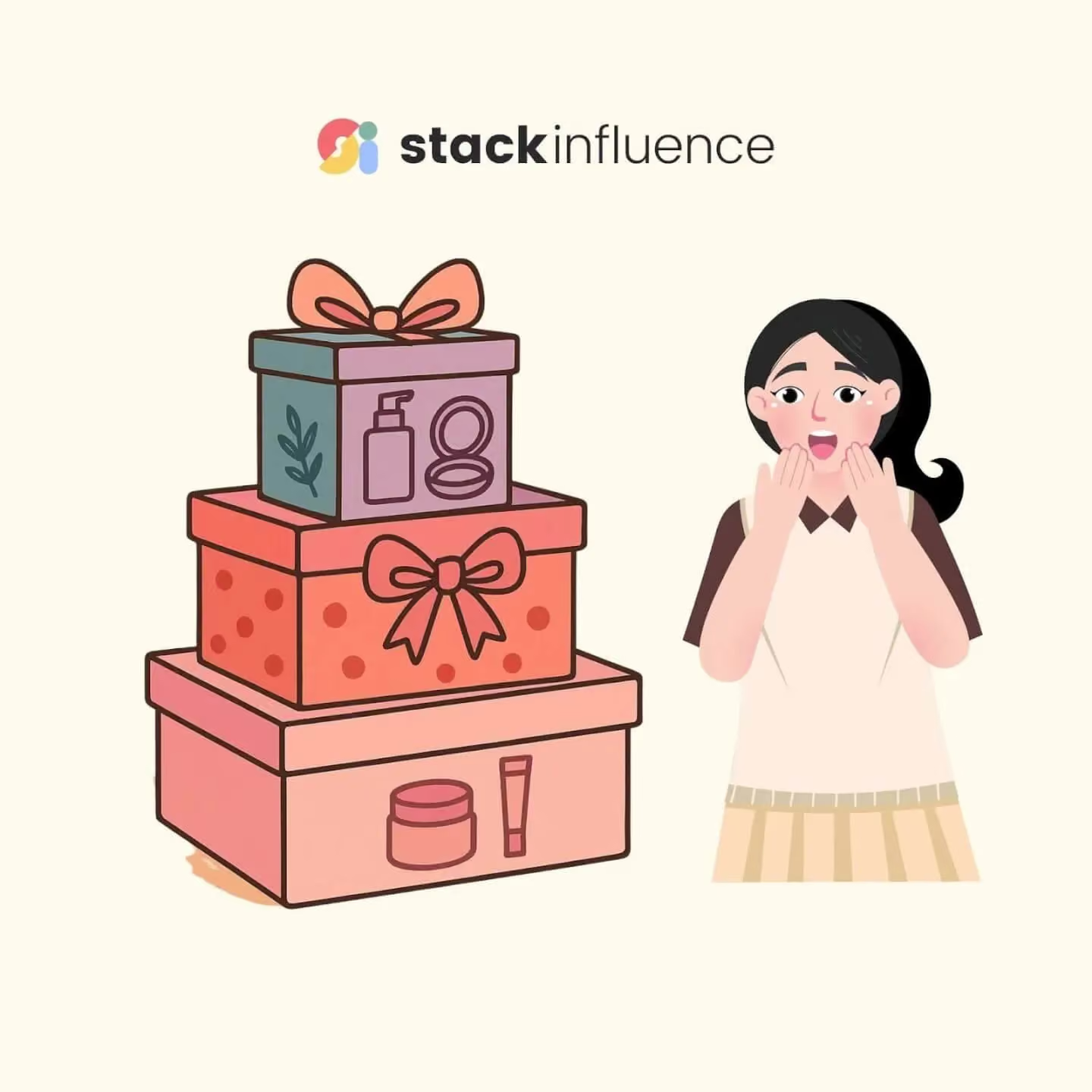
Figure: PR packages often arrive in creative, eye-catching boxes filled with curated products and a personal note. The goal is to create a memorable unboxing experience for the content creator, which in turn can lead to an exciting reveal for their audience.
When a brand’s PR box delights an influencer, it can spark immediate social media content – think Instagram stories, TikTok unboxings, YouTube reviews – essentially free publicity that feels organic. These posts are a form of user-generated content (UGC) which brands love to repurpose. By sending out PR packages, companies can accumulate a library of real-life product photos, unboxing videos, and authentic testimonials created by the influencers themselves. This UGC can be re-shared on the brand's own social channels, used in ads, or even featured on e-commerce sites. Some brands use an online catalog maker to turn that growing library of influencer photos into a browsable product catalog, giving shoppers real-world images alongside the standard product shots. It’s like outsourcing a portion of your content creation to passionate fans.
Another big benefit is credibility and trust. When people see someone they follow (and trust) using a product, it validates the brand. A good PR package tells a story about the brand – who they are and what they offer – in a way that doesn’t feel like a sales pitch. As one PR expert notes, a well-crafted PR box can elevate a brand’s image and build credibility when shared by the right people. This kind of third-party endorsement is gold. Research backs it up: 82% of consumers in one survey said they are “highly likely” to follow a micro-influencer’s recommendation. In other words, if a micro influencer raves about your product, their audience is much more inclined to check it out. This trust-by-association can even translate into increased sales – not necessarily immediately, but as a downstream effect of the positive buzz. Partnering with the right influencers lets brands tap into that small percentage of followers who are ready to buy, potentially giving sales a boost.
For Influencers – Free Products and Opportunities: From the content creator’s side, PR packages are exciting because who doesn’t love free products? 🎁 Getting on a brand’s PR list means you’ll receive new goodies (often before they’re released to the public). This not only saves you money (no need to buy those makeup palettes or gadgets to review) but also gives you fresh content for your channels. Free product gifts can spice up your content and keep your followers engaged with new reviews and unboxings. It’s a chance to try the latest trends without straining your wallet – and if you genuinely like the products, it could lead to a longer-term partnership or even paid sponsorships and other influencer compensation models down the line.
Perhaps even more valuable is the relationship aspect. When a brand starts sending you PR packages, it’s opening the door to a mutually beneficial relationship. You get cool products and validation (being on a PR list signals you’re an influencer worth noticing), and the brand gets potential exposure. If you consistently deliver great content and engagement with those PR products, you’ll stay on their radar for bigger things. Brands often use PR gifting as a way to test the waters with influencers – if you impress them with an unpaid unboxing, you might be first in line for future paid campaigns. As an influencer, being gracious, honest, and creative with PR gifts can convert those one-off mailers into ongoing collaborations.
Finally, PR packages add to your credibility as a creator. When your followers see brands sending you products, it reinforces that you’re seen as an authority or trendsetter in your niche. (Always disclose that the item was gifted in your post, per the FTC's updated endorsement guidelines, which require clear language like #gifted or #ad even for non-paid partnerships ).
Bottom Line: PR packages, when aligned correctly, are a win-win. Brands get affordable outreach and grassroots buzz; influencers get free products and content material. It’s marketing fueled by genuine enthusiasm rather than traditional ads. As one report put it, influencer recommendations feel like advice from a friend, and modern consumers value that authenticity highly. Next, let’s look at how you as a creator can start receiving PR packages, and how brands can level-up their PR package game to maximize results.
How to Receive PR Packages as a Content Creator
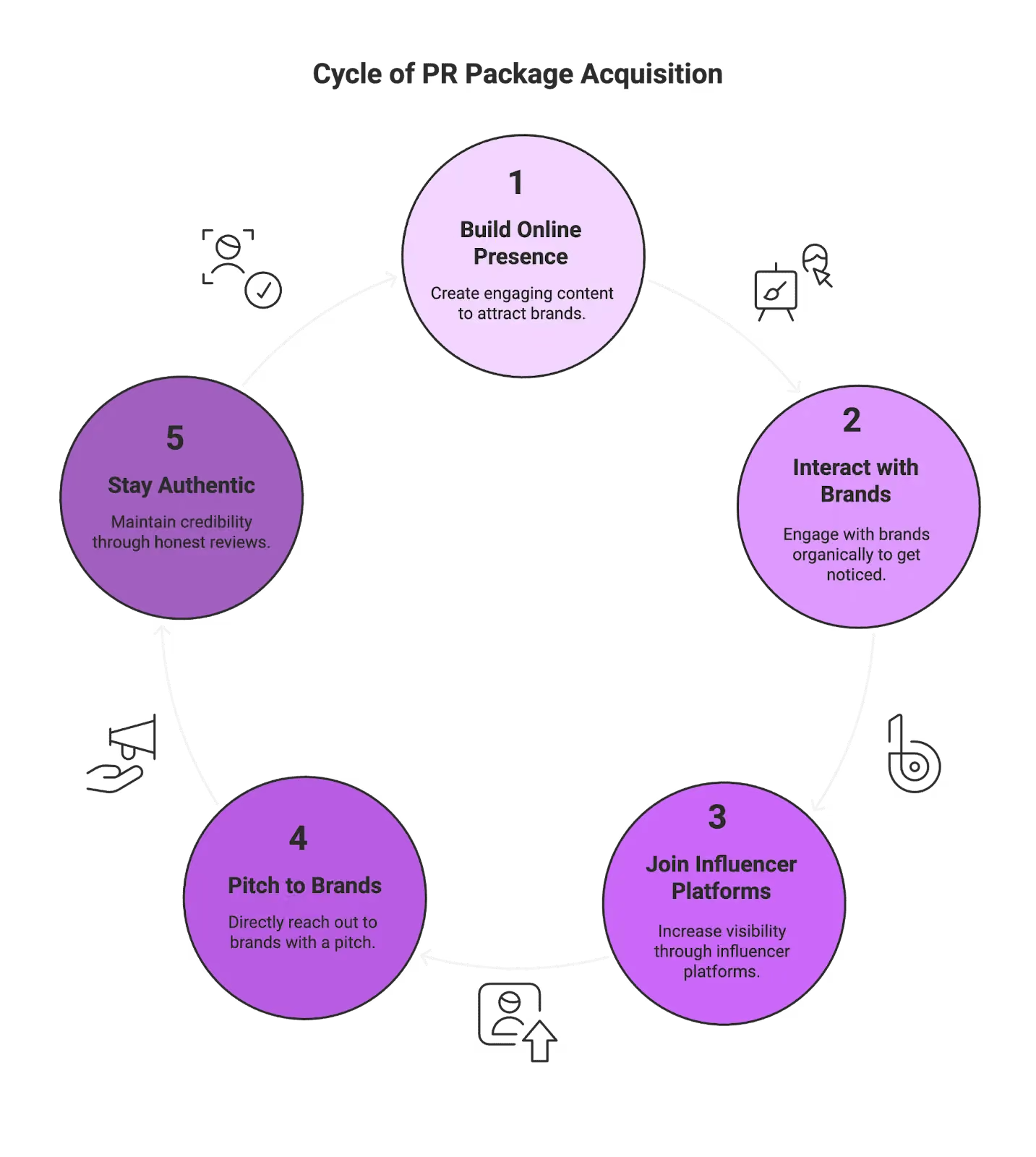
If you’re an aspiring influencer or micro-influencer dreaming of free PR mailers showing up at your door, here are some tips to help make it happen. Spoiler: You don’t need millions of followers, but you do need to put in some work to get noticed and added to those coveted PR lists.
1. Build an Engaging Online Presence in Your Niche: Brands usually look for influencers who have an audience that matches their target customers. Focus on a niche or theme you’re passionate about – whether it’s beauty, tech gadgets, fashion, fitness, or home decor – and start creating quality content around it. The key is to grow an authentic and engaged following. You might be a micro-influencer (typically defined as having anywhere from ~1,000 up to 50,000 followers), but that’s okay. In fact, many brands prefer micros because of their tight-knit communities and higher engagement rates. For example, on Instagram, micro-influencers often boast ~4-5% engagement per post, whereas mega influencers (think 1M+ followers) might only get ~1% engagement. Brands care about those likes, comments, and shares – it shows your followers actually pay attention to what you share. So focus on quality over quantity: better to have 5k followers who care about your content than 50k who scroll past it. Post consistently, hone your photography/video skills, and be authentic. A strong content portfolio and engaged audience will make brands more likely to send you free products.
2. Interact with Brands in Your Content: An effective way to get on a brand’s radar is to show love to their products organically. Create posts or videos featuring things you genuinely use and tag the brand’s official account. For instance, if you bought a new skincare item and love it, post a review or a tutorial and tag the brand. Brands often notice when creators mention them – especially smaller brands or those actively seeking UGC. Sometimes a simple tag can lead to a brand reaching out to you. Also, use relevant hashtags (e.g., #PRHaul, #Gifted, or niche tags like #beautycommunity) which brands or PR agencies might monitor. Engaging with a brand’s own posts (thoughtful comments, participating in their chats or live streams) can also put you on their radar as a loyal fan. Essentially, make sure your name comes up in the communities around products you’d love to receive. Just remember to keep it genuine – brands can tell the difference between a real fan and someone begging for freebies.
3. Join Influencer Platforms and Marketplaces: Take advantage of influencer marketing platforms that connect creators with brands and campaigns. There are websites and apps where you can create a profile, showcase your social stats and content style, and apply to campaigns looking to send out free products for promotion. For example, platforms like Stack Influence, Collabstr, Shein's influencer program, and others maintain large networks of micro-influencers or nano-influencers and let brands filter by niche, follower count, engagement rate, etc., to find a good match. Often you can discover brands actively seeking creators to send PR packages or product samples to. Being on these platforms increases your visibility – it’s like putting your hand up and saying “Hey, I’m here and open to collaborations!” Some platforms even list campaigns specifically offering free product in exchange for content (filterable by “gifted” or “product only” collaborations). Sign up for a few that cater to your niche and keep an eye out for opportunities. This approach can be especially fruitful for micro-influencers; it bridges the gap so you don’t have to solely rely on brands finding you – you can find them.
4. Pitch to Brands Directly: Don’t be shy about reaching out. If there are particular companies you adore and align with, send them a friendly pitch email or direct message. Introduce yourself, express what you love about their products (be genuine – flattery only works if it’s believable), and let them know you’d be thrilled to be considered for any influencer opportunities or PR lists. Highlight your engagement and what you can offer: for example, mention that you create high-quality review videos or stylish photos, and explain how your audience fits their target market. Essentially, answer the “what’s in it for them” – maybe you have a niche audience that would love their product, or you specialize in detailed reviews that help drive purchase decisions. Include links to your best content and your media kit (a short document or page with your stats, audience demographics, past collaborations, etc., if you have it). Keep the tone polite and enthusiastic. Even if your following is small, demonstrating professionalism and a clear value proposition can catch a brand’s attention. The worst that can happen is they say not now – the best is, you land on their next PR send-out list!
5. Stay Authentic and Follow Through: Once you start receiving the occasional PR package, handle it like a pro. Treat the free product as you would a business collaboration: thank the brand (a quick email or tag them in a “Thank you @Brand for this package!” post), and if you do like the product, share your honest thoughts in a timely manner. Always disclose that the item was gifted (#gifted or #PR in your caption or video description) to be transparent with your audience. You’re not obligated to post just because something was free, but if it fits your content, featuring it can strengthen your relationship with the brand. They’ll appreciate the love and will be more likely to keep you on the list or even consider you for future paid campaigns. On the flip side, if something really doesn’t work for you, it’s okay not to post; you’re not under contract. Perhaps provide the brand private feedback in that case. The key is to maintain your credibility with your followers – never hype a product you don’t actually believe in, just because it’s free. Authenticity is your currency as a creator. If you keep your audience’s trust first, you’ll also become a more valuable partner to brands in the long run.
Tips for Brands: How to Send PR Packages That Stand Out
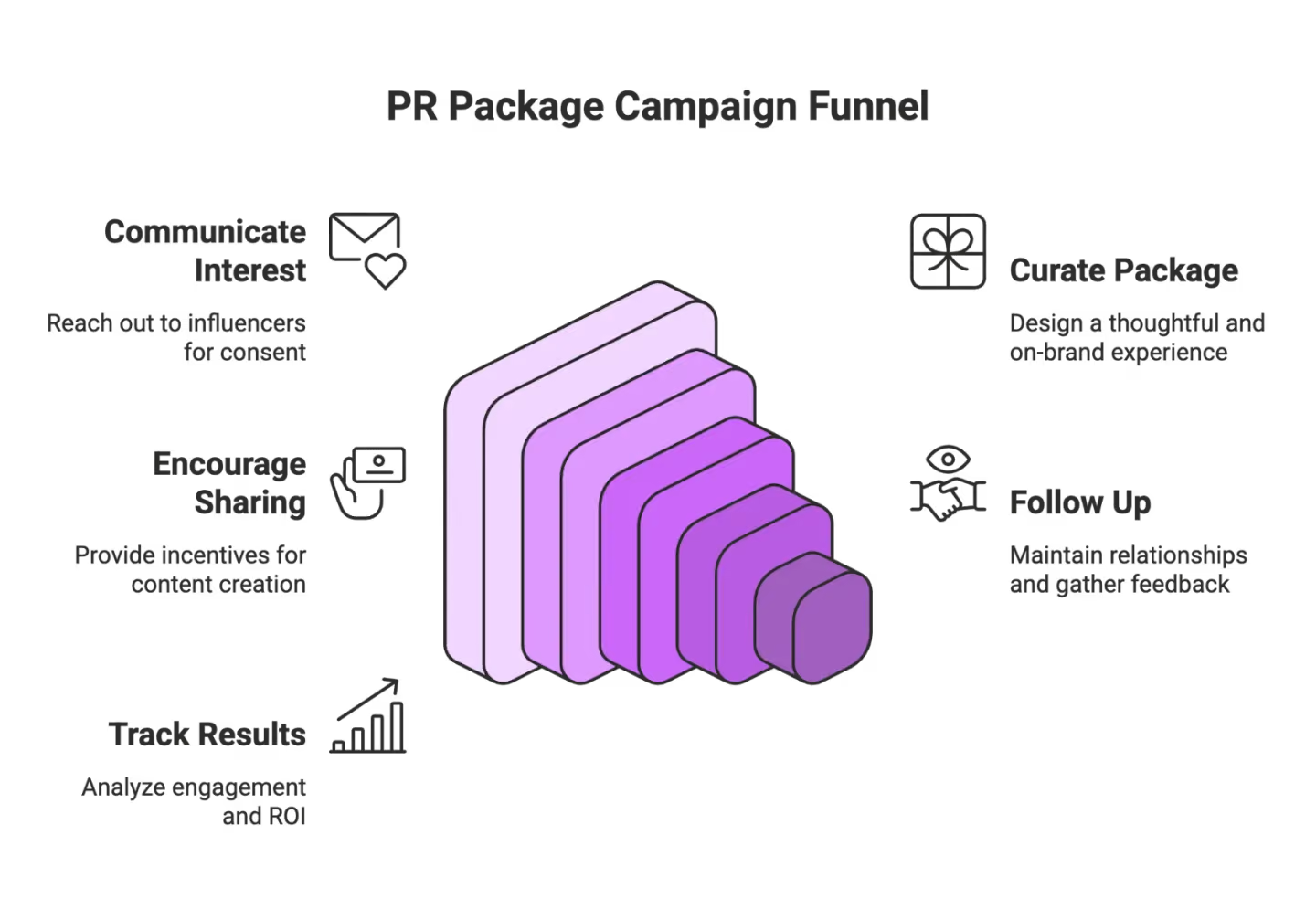
For brands (including small businesses, Amazon sellers, and e-commerce startups) looking to leverage PR packages as a marketing strategy, here are some best practices to ensure your efforts pay off. Sending out free product isn’t cheap – between the product cost, packaging, and shipping – so you want to maximize the chances that your PR package makes a splash and generates ROI.
- Find the Right Influencers: The success of a PR package campaign hinges on choosing the right recipients. Bigger isn’t always better – it’s usually more effective to target micro-influencers or niche creators whose audience aligns closely with your brand. If you’re a small or new brand, mega influencers and celebrities might be a long shot (and they’re inundated with packages). Micro-influencers, on the other hand, tend to be more approachable and often deliver higher engagement. Their followers trust them as genuine peers, and they can have engagement rates of 5% or more, far above the 1-2% typical for million-plus follower accounts. Plus, micros are often excited to receive PR and likely to share it if they love your product. Do some research to identify influencers in your niche: check who’s talking about topics related to your product, or who has reviewed similar items. Look at their content quality and engagement, not just follower count. Ensure they have a vibe/aesthetic that fits your brand. You can find potential partners by searching relevant hashtags, scouring your own follower list for fans with a following, or using influencer discovery tools. Influencer marketing platforms (like Stack Influence, Collabstr, etc.) can streamline this by letting you filter and find vetted micro-influencers in your target niche. However you do it, vet your list before sending anything – it’s worth making sure the recipients are a good match so your products don’t end up gathering dust or feeling out-of-place on their feed.
- Communicate and Get Consent: Once you’ve identified creators you’d love to send a PR package to, reach out to them first (unless they’ve publicly posted a PO box/address for fan mail or PR). A simple DM or email introducing your brand and asking if they’d be interested in receiving a sample works wonders. This polite outreach serves two purposes: (1) it ensures your package will be welcome (and you get the correct mailing address), and (2) it starts a relationship with the influencer on a positive, collaborative note. Clear communication is key – let them know why you think they’d love your products and what you envision (e.g. “I think your fitness enthusiast followers would enjoy our new protein snacks. I’d love to send you a box to try – no obligations, of course!”). By confirming their interest, you avoid unwanted surprises and wasted products. It’s also a good idea to discuss expectations subtly; you can mention you’d be thrilled if they share their honest thoughts, but make it clear there’s no pressure. Once they give the go-ahead, be sure to get their details (name, address, any preferences) and let them know when you ship. Pro tip: provide tracking info for the package – not only does it help ensure it reaches them, but some influencers appreciate the courtesy and will be on the lookout for your delivery.
- Curate an Awesome Package Experience: Think of a PR package as an experience in a box. It’s not just random products tossed in – it should feel thoughtfully curated and on-brand. Start with the packaging itself: invest in aesthetics. A beautifully packaged box with your branding can make a great first impression (and is more likely to get featured in an unboxing video). Use your brand’s colors, include some neat wrapping or filler, and consider a custom box or sleeve with your logo. Inside, include a selection of products that make sense for the particular influencer. If you have multiple product lines, don’t send everything – choose items you know align with their interests or audience. For example, if you’re a cosmetics brand and the influencer mainly does eye looks, send a curated set of eye makeup, not just a random assortment. Some brands even let influencers pick from a shortlist of products beforehand so that what arrives is something they genuinely wanted (increasing the chance of a post). Personalize it if possible – little touches like a handwritten note go a long way. Address them by name and express genuine enthusiasm (“Hope you enjoy these, can’t wait to hear what you think!”). Not only does this make the influencer feel valued, it also shows your effort, which can make them more inclined to share. Remember, you want your package to stand out from the dozens of others they might be receiving. Storytelling is powerful: in your note or a small booklet, share a bit about your brand mission or the product’s backstory. Give them talking points (subtly) about what makes your product special – e.g. “This serum is made with organic rosehip oil from local farms” – interesting tidbits that they might mention if they do a review. Ultimately, the goal is to delight the influencer so that opening your PR package is a memorable experience they naturally want to tell people about.
- Encourage (Don’t Require) Social Sharing: While you can’t (and shouldn’t) mandate an influencer to post about a free gift, there are friendly ways to encourage content creation. One popular method is to include a little extra something for the influencer’s followers – like a unique discount code or giveaway item – and mention it in your note. For instance, “We’ve included an extra pair of socks – feel free to share with your followers and let them know code INFLUENCER10 gives them 10% off if they’d like to try our store!” This provides the creator a reason to mention your brand (it’s value for their audience). It’s a win-win: their followers get a perk, and you get a trackable promotion. Similarly, you could suggest a hashtag for them to use if they post (#YourBrandPR or a campaign-specific tagline), but keep it casual. Some brands also subtly package products in a photogenic way that begs to be Instagrammed. Ultimately, remember the influencer is doing you a favor if they post, so keep any “ask” very light. Often, just creating a delightful package and being a cool brand is enough – if they love it, they’ll share. And if they don’t, pressuring them won’t help, so stay gracious. Over time, as you build real relationships, you won’t even need to nudge; loyal influencers will post out of excitement.
- Follow Up and Foster Relationships: After sending out a PR package, your job isn’t completely done. Give it a week or two and then follow up with a friendly message. Ask if the package arrived safely and what they think of the products. Thank them for their time, regardless of whether they posted or not. If they did share content featuring your products, definitely drop a note expressing how thrilled you are – and feel free to re-share their content (with permission/credit) on your brand’s pages. This follow-up phase is crucial for turning a one-time PR send into a long-term relationship. Influencers, like anyone, appreciate feeling valued. Even a top micro-influencer will be more inclined to keep engaging with a brand that treats them like a partner, not just a free advertising outlet. You can also gently ask for any feedback they have on the products or the package – this can be valuable insight, and it makes them feel heard. For example, maybe they loved product A but found product B’s packaging hard to open; such feedback can help you improve. Most importantly, maintain a connection: add them to an email list or group for future news (with their permission) or occasionally send a quick update about new launches. By nurturing these relationships, you might find some of your PR recipients turn into genuine brand ambassadors over time.
- Track Results and Iterate: As a brand, you’ll want to know if your PR package strategy is yielding fruit. Keep an eye on social media for any mentions, unboxing videos, or reviews that come from the packages you sent. Simple tools like Google Alerts or manual hashtag searching can help, as well as checking the influencer’s pages. If you provided a promo code, track how many times it’s used – that can give a rough gauge of conversion. While PR packages are mainly about awareness, they can lead to sales (sometimes influencers’ followers will purchase immediately if they’re very convinced). Take note of which influencers ended up posting and which didn’t, and see if there are patterns. Maybe those with certain audience sizes or content styles resonate more with your product. Use that info to refine your next outreach list. Also, consider the content that did get generated: do you see a spike in followers or web traffic after an influencer posted? Calculate the ROI in terms of engagement or reach versus what you spent on the package. Often, PR packages can be extremely cost-effective – instead of paying for a single big ad, you sent out, say, 10 gift boxes, and got 5 solid pieces of content reaching several thousand people each. Many micro-influencer campaigns yield an excellent return because of the low cost and strong engagement; studies even show nano/micro influencers can deliver about a 20:1 return on investment on average, far higher than macro influencers (whose ROI might be ~6:1). If your PR approach is hitting those kinds of numbers in terms of equivalent ad value, you’re doing great! If not, tweak your strategy – maybe improve the package contents, target different people, or personalize more. PR gifting has some trial and error, but done thoughtfully, it can become a cornerstone of your influencer marketing, especially for e-commerce and Amazon sellers looking to generate buzz without breaking the bank.
What Actually Makes Influencers Post About a PR Package?
Running product seeding campaigns at scale reveals a consistent pattern: the size of the package has almost nothing to do with whether a creator posts. What actually drives posting behavior is a combination of fit, surprise, and ease.
From running thousands of automated product seeding campaigns across Amazon, Shopify, and TikTok Shop brands, the clearest driver of organic posting is product-audience alignment. When a beauty creator receives a skincare product their followers are already asking about, the post almost writes itself. Across the campaigns we run, on-niche sends consistently generate organic post rates around 40 to 50 percent, while off-niche sends to creators whose audience doesn't overlap with the product category typically fall below 15 percent. That gap rarely closes regardless of how premium the packaging is. When the product fits naturally into what a creator already talks about, the post almost writes itself -- and the resulting content tends to be longer, more detailed, and more convincing to their audience than anything a mismatched creator would reluctantly produce.
The second biggest factor is unboxing experience. Packages that arrive looking like a gift, rather than a fulfillment box, are significantly more likely to generate video content, particularly on TikTok and Instagram Reels where the unboxing moment itself is part of the entertainment. A handwritten note still outperforms a printed card in creator feedback across most niches.
Finally, speed matters more than brands expect. Creators who receive a package within the first week of a launch tend to post while the excitement is high. Delayed shipping, especially packages that take three or more weeks to arrive, often result in the post never happening at all. If you are sending products to coincide with a campaign window or seasonal moment, build shipping lead time into your calendar.
How Do You Measure the ROI of a PR Package Campaign?
Most brands track PR packages the wrong way, counting only posts and reach. A more complete picture requires separating three distinct value streams: earned media value, UGC asset value, and relationship pipeline value.
Earned Media Value (EMV) is the estimated equivalent cost of the impressions generated if you had paid for them as ads. A rough formula: multiply the influencer's average post reach by a cost-per-thousand-impressions (CPM) benchmark for their platform. In our network, micro-influencer posts on Instagram and TikTok typically deliver an effective CPM in the $10 to $15 range once you calculate total impressions against the product-plus-shipping cost of the send. That's roughly on par with what brands pay for paid social placements on Meta and TikTok, which average $10 to $14 per thousand impressions in 2025. The meaningful difference is what you get for that spend: micro-influencer impressions carry the weight of a personal recommendation from a trusted voice, while paid ad impressions do not. Even a modest creator with 8,000 followers posting to their full audience can represent $50-$200 in EMV per post, and that scales quickly across 20 or 30 creators.
UGC Asset Value is often overlooked. Every photo and video an influencer creates and posts is a content asset you can request permission to repurpose in ads, Amazon listing images, and email campaigns. Brands running campaigns through our platform regularly repurpose creator-generated photos and videos as primary ad creative on Meta, and the performance gap is consistent: UGC creative typically drives 50 to 70 percent higher click-through rates than studio-produced brand assets in the same campaigns. That lift comes from the native feel of the content -- audiences scrolling Instagram and TikTok respond to content that looks like something a real person made, not a polished brand shoot. For many of our brands, that CTR improvement is enough on its own to justify the full cost of the seeding program.
Relationship Pipeline Value is the hardest to quantify but often the most significant. A creator who posts organically once is a candidate for a paid collaboration, an affiliate arrangement, or a long-term ambassador program. Track which PR gifting recipients convert to repeat partners. Over time, that pipeline has compounding value that a single post metric will never capture.
A simple tracking setup for most brands: create a unique UTM link or promo code per creator, monitor post activity within 30 days of delivery, and log the result in a simple spreadsheet. You do not need enterprise software to start measuring; you need consistency.
Common PR Package Mistakes That Kill Your Campaign
Even well-intentioned PR sends fail when a few avoidable errors stack up. These are the patterns that consistently undermine campaigns, based on what we see across brand accounts on the platform.
Sending to the wrong creators. The most common mistake is prioritizing follower count over audience fit. A fitness influencer with 15,000 engaged followers in the supplements space will almost always outperform a lifestyle creator with 150,000 followers whose audience does not overlap with your product category. Niche fit is the single strongest predictor of whether a post happens and whether it converts.
Skipping the opt-in step. Sending a package cold, without first confirming the creator's interest, wastes product and shipping budget and risks a negative public reaction. Some creators now openly call out unsolicited PR on their channels. A 30-second DM confirming interest protects the relationship before it starts.
Over-packing the box. Including too many products can actually reduce the quality of the content. Creators who receive 15 items often post a chaotic overview rather than a focused, convincing review of any single product. Curate to two or three hero products that tell a clear story.
No follow-up plan. A package without a follow-up strategy is just a donation. Brands that check in after delivery, express genuine interest in the creator's experience, and make it easy to ask questions consistently see higher post rates than those who send and go silent.
Ignoring disclosure requirements. Under the FTC's updated guidelines, creators must clearly disclose gifted products, and brands share responsibility for ensuring this happens. Failing to brief creators on this up front creates legal exposure and can damage audience trust if followers feel misled.
Conclusion
PR packages have become a staple of modern influencer marketing – from indie skincare brands sending care packages to TikTok creators, to big tech companies gifting gadgets to YouTubers. They operate on a simple but powerful principle: gift someone something awesome, and they just might share it with the world. For content creators and micro-influencers, receiving your first PR package is a thrilling milestone that can open doors to bigger opportunities. And for brands, especially e-commerce businesses and Amazon sellers navigating a competitive market, PR packages offer a cost-effective way to generate authentic hype and a trove of user-generated content.
The beauty of PR packages is in their authenticity. When done right, they don’t feel like advertising – they feel like friend-to-friend recommendations playing out on social media. That kind of trust and organic buzz is invaluable in today’s landscape. So whether you’re a creator looking to get on PR lists, or a brand planning your next influencer outreach, remember that it’s all about building genuine relationships. Keep it real, keep it fun, and you might just find your products popping up all over Instagram feeds or your doorstep filled with surprise boxes.
In the end, successful PR packages come down to finding the right partners (brands ↔️ influencers), adding value to each other, and creating shareable moments. Here’s to unboxing many happy collaborations! 📦✨