



TikTok isn’t just for dance challenges anymore – it’s become a serious e-commerce engine. With over 150 million U.S. users (and billions worldwide) on TikTok, content creators have turned the platform into a revenue goldmine. Trends like #TikTokMadeMeBuyIt show how viral videos can drive real sales for brands. In fact, a whopping 92% of TikTok users take action (like visiting a site or adding to cart) after watching a TikTok video, and 37% have purchased something they discovered on the app. For e-comamerce brands and Amazon sellers, this means TikTok isn’t just about entertainment – it’s a legitimate marketing channel where creative content can lead directly to conversions.
How do TikTokers make money from all this activity? In this post, we’ll break down the key monetization strategies TikTok creators use in 2026, from TikTok’s built-in programs to influencer partnerships and beyond. Whether you’re a DTC brand owner, an Amazon seller, or a budding content creator, you’ll learn what revenue streams exist on TikTok and how you can tap into these trends. Let’s dive into the money-making side of TikTok and see what opportunities it offers for creators and brands.
How Do TikTokers Make Money? Key Revenue Streams in 2026
TikTokers (TikTok content creators) earn income through a variety of channels. The beauty of TikTok’s ecosystem is that creators can diversify their earnings – much like a business with multiple product lines. Below is an overview of the main ways TikTokers make money, and how each method works:
Monetization Method
How Creators Earn
Brand Opportunity
TikTok Creator Fund & Programs
TikTok pays creators for high video views and engagement (new Creativity Program pays per view)
N/A (platform-driven payouts to creators)
Brand Sponsorships
A company pays the creator to feature or review a product (in cash or freebies)
Brand gets authentic exposure to the creator’s audience (influencer marketing)
Affiliate Links
Creator earns a commission for product sales via special links or codes (e.g. Amazon Associates)
Brand only pays when a sale is made; drives performance-based sales
TikTok Shop & Social Commerce
Creators sell products directly on TikTok (their own merch or partner products) and earn profits or commissions
Brands can list products on TikTok Shop and partner with creators to promote them, streamlining in-app purchases
Fan Gifts & Tips
Viewers send virtual gifts, tips, or donations during live streams or on videos; creators redeem them for cash
Signals strong engagement; brands can sponsor live events or capitalize on fan enthusiasm (e.g. co-hosting live shopping)
Exclusive Content/Subscriptions
Fans pay for premium content (TikTok Series, Patreon, memberships) for extra videos or shoutouts
Creators build loyal communities; brands could collaborate on exclusive content or offer special deals to subscribed fans
Merchandise & Digital Products
Creator sells their own merchandise (shirts, apps, courses, etc.) directly to followers for profit
Potential brand collaborations on co-branded merch or featuring creator-designed products to new customers
As the table shows, some income streams come directly from TikTok (through its Creator Fund, new programs, or gifts), while others come from brands and fans outside the platform. Top TikTokers often juggle several of these at once. Notably, creators are increasingly diversifying beyond brand deals, meaning they’re not relying on just one method. For brands, this diversity is a chance to engage creators in different ways – from traditional sponsored posts to affiliate partnerships or even using creators’ content in ads.
Let’s explore each major monetization strategy in detail and see what it means for both TikTok creators and the e-commerce brands looking to work with them.
Brand Partnerships and Sponsored Content
One of the most lucrative ways TikTokers make money is through influencer marketing deals – essentially, partnering with brands. A TikToker might promote a product in a video, do a review, or incorporate a brand’s item into a trend. In return, the brand pays them a fee, provides free products, or both. These brand sponsorships and shout-outs have become a primary income stream for many creators.
Why are brands so eager to work with TikTok influencers? Authenticity and reach. TikTok’s algorithm can catapult a single video to millions of views, and a creator’s genuine endorsement feels more trustworthy to viewers than a traditional ad. According to industry data, 73% of brands prefer to work with micro and mid-tier influencers (rather than mega-celebrities) because they offer the best engagement for the cost. In other words, a creator with 10,000 highly engaged followers might drive more sales than a celebrity with a million lukewarm followers.
Brands large and small are thus investing heavily in TikTok collaborations. In fact, 80% of companies maintained or increased their influencer marketing budgets in 2026. For e-commerce startups or Amazon sellers, teaming up with a TikTok creator is a cost-effective way to showcase products to niche audiences. For example, an Amazon seller might send a popular gadget to a tech-review TikToker, who then demonstrates it to their followers. If the content feels authentic and entertaining, it can spark a “TikTok made me buy it” ripple effect.
Micro influencers (those with roughly 1k–50k followers) are particularly attractive to brands on a budget. They charge lower fees but often have very loyal audiences. Their recommendations feel personal, not like ads. A micro-influencer might even agree to promote a product in exchange for free samples or a small commission per sale – making them an affordable marketing channel for new e-commerce brands. Platforms like Stack Influence help brands connect with vetted micro influencers at scale, streamlining these collaborations and ensuring the content aligns with brand goals.
From the TikToker’s perspective, brand deals can range from one-off sponsored videos to long-term ambassadorships. The income varies widely – top TikTok stars might command thousands of dollars per post, whereas micro influencers might earn $50–$500 or just free products. The key for creators is to partner with brands that fit their niche and audience interests (a fitness influencer promoting gym wear, a beauty creator doing makeup tutorials with a new cosmetics line, etc.). When the fit is right, these sponsored posts come off as genuine recommendations rather than forced ads, benefiting both parties.
Tip for Brands: When working with TikTok creators, give them creative freedom. Rigid scripts or overly salesy messaging won’t resonate with TikTok audiences. It’s the creator’s authentic voice and storytelling – sometimes humorous, sometimes candid – that engages viewers. Trust them to know what content clicks with their community. Also, consider leveraging user-generated content (UGC) rights: you can ask the influencer for permission to repurpose their video as an ad (e.g. TikTok Spark Ads) to reach even more people. In 2026, 66% of brands plan to repurpose micro-influencer content in TikTok ads, underlining how valuable influencer-made videos are for marketingjoinstatus.com.
TikTok’s Built-In Monetization Tools
TikTok has been rolling out features to help creators earn money directly on the platform. These are programmatic ways TikTok rewards popular or engaging content, allowing TikTokers to monetize without needing an outside sponsor. Key built-in monetization tools include:
TikTok Creator Fund & Creativity Program
TikTok’s Creator Fund (launched 2020) was an early program that pays creators for video views. In 2023, TikTok introduced the new Creativity Program as an upgraded version, aiming to increase payouts. Under this model, eligible creators (typically 10,000+ followers and a certain number of recent views) can earn around $0.40–$1.00 per 1,000 views on their videos – a significant boost from the old fund’s rates. Essentially, TikTok shares ad revenue with creators based on how well their content performs. While the per-view earnings sound small, they add up when videos get millions of views.
Creators don’t have to do anything “extra” to make this money aside from creating content that attracts eyeballs. However, it’s not a path to riches for everyone – a video with 100k views might net under $100. Still, for active TikTokers, the Creator Fund/Creativity Program provides a nice baseline income every month. It’s also a badge of credibility (viewers know these creators are recognized by TikTok).
Brand angle: There isn’t a direct role for brands here, but it’s worth knowing that creators are incentivized to make content that gets high engagement (since it boosts their TikTok payout). Entertaining, informative, or trend-worthy videos do best. As a brand, if you create your own TikTok content or partner with a creator, focus on quality and engagement – that’s what TikTok’s algorithm (and payment system) rewards.
TikTok LIVE Gifts and Tips
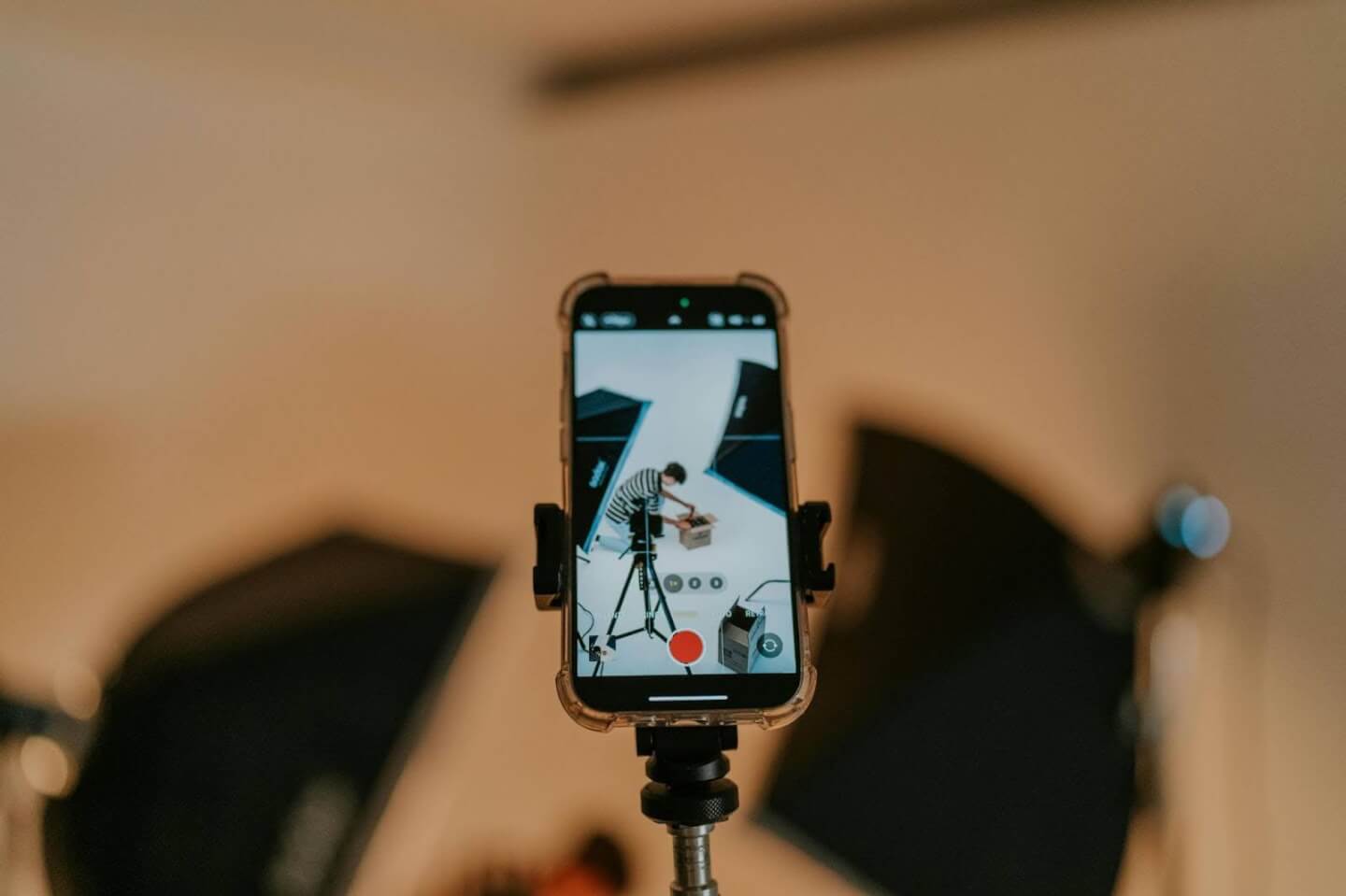
Going live on TikTok isn’t just a way to chat with followers – it’s also a money-maker. During a TikTok LIVE stream, viewers can purchase and send virtual gifts (animated icons like roses, hearts, etc.), which the streamer later converts into real currency. TikTok’s virtual gifting economy allows fans to tip their favorite creators as a form of appreciation. Likewise, TikTok has introduced a direct tipping feature on profiles for select creators, enabling one-time donations outside of live videos.
For example, a cooking influencer doing a live recipe might receive gifts throughout the broadcast – perhaps a viewer sends a gift worth 100 coins (TikTok’s in-app currency) to thank them for a great tip. Those coins accumulate and translate into actual dollars for the creator (after TikTok’s cut). Over many live sessions, this can become substantial income. Some TikTokers report making $20–$300 per live session, and one creator even earned $34,000 in a single month just from live streaming.
From a brand’s perspective, live streams can be like interactive commercials or shopping events. Live shopping is growing: brands partner with creators to showcase products in livestreams where viewers can ask questions and see demonstrations in real-time. If your brand has an engaging personality (either an in-house host or an influencer ambassador), TikTok LIVE can drive immediate sales – viewers can often click to purchase featured items directly from the live video.
TikTok Series (Paid Exclusive Content)
In 2023 TikTok rolled out Series, a feature that lets creators put out premium content behind a paywall. Think of it as TikTok’s version of selling episodes or a mini-course: a creator can package a set of longer videos (up to 20 minutes each) and charge viewers a one-time fee to access that series. Only fans who pay can watch those exclusive videos.
For example, a fitness trainer on TikTok might create a 10-part workout program series – complete with detailed exercise routines – and charge $9.99 for access. Their regular short TikToks remain free and act as teasers, but hardcore fans who want the full program pay for the series. TikTok allows creators to set prices from about $1 up to $190 for a series, and it’s experimenting with generous revenue shares to entice creators to use the feature (in some regions, TikTok now lets creators keep up to 90% of subscription revenue from features like Series).
For brands, TikTok Series could be a way to collaborate on deeper content. A skincare brand might sponsor a beauty creator’s “Skincare Masterclass” series, for instance – either by paying the creator to include their products or by co-creating a series and splitting revenue. This is a newer area, but it highlights TikTok’s push into longer-form, paid content to compete with platforms like YouTube.
TikTok Shop Integration
TikTok has blurred the line between social media and shopping with TikTok Shop and related e-commerce features. TikTok Shop allows creators and businesses to sell products directly within the app (with product links embedded in videos or a shopping tab on profiles). Creators can earn money here in a couple ways:
- Affiliate commissions on TikTok Shop: A creator can feature a product from a brand’s TikTok Shop in their video (or live stream) and earn a percentage of each sale made through that video. This is similar to affiliate marketing but facilitated in-app. TikTok’s algorithm might even boost videos that drive sales, creating a win-win for the platform and the creator.
- Selling their own products: Some TikTokers are business owners – they use TikTok Shop to sell merch, handmade goods, or even digital products. By linking their store directly to TikTok, they make it easy for viewers to go from watching to buying in seconds.
The impact is huge: TikTok reports that 71% of TikTok Shop users have bought something after seeing it on their feed, and over half of TikTok users have made an impulse purchase on the platform. For brands, getting your products into TikTok Shop and partnering with creators who can showcase them is a powerful strategy. Imagine a home decor brand working with a DIY TikToker – the creator’s video of a room makeover features lamps and pillows that viewers can tap to buy without leaving TikTok. This frictionless shopping experience can dramatically increase conversion rates.
TikTok is effectively becoming a social commerce platform. Amazon sellers should note: while Amazon remains a separate ecosystem, TikTok trends often spill over to Amazon (“TikTok made me buy it” products frequently top Amazon’s charts). Some Amazon sellers use TikTok to drive traffic to their Amazon listings via affiliate links or by becoming Amazon Influencers (who earn commission on Amazon purchases they inspire). Others are eager to see TikTok Shop expand in the U.S., as it could become another huge sales channel alongside Amazon’s marketplace.
Affiliate Marketing and Product Sales
Another major way TikTokers earn money is through affiliate marketing – promoting products in exchange for a cut of the sales. Unlike a flat sponsorship fee, affiliate deals pay out only when viewers buy something using the creator’s link or promo code. This model has become popular on TikTok, especially for product review and “Amazon Finds” style creators.
Here’s how it works: a TikTok creator joins an affiliate program (for example, the Amazon Associates program or a brand’s own affiliate scheme). They then feature the brand’s product in a video – maybe a gadget unboxing, a fashion try-on, or a before-and-after using a beauty product – and include a special referral link (in bio or via TikTok Shop) or a discount code. When a viewer purchases the item using that link/code, the creator earns a commission (often anywhere from 5% to 20% of the sale price, depending on the program).
For instance, a TikTok user might say, “Check out these kitchen gadgets that are total game-changers!” and in the comments or their bio, provide an Amazon affiliate link. If hundreds of viewers click and buy, the commissions roll in. Creators like this essentially act as charismatic salespeople, and some can make thousands per month if a product goes viral.
Amazon sellers benefit greatly from affiliate-minded TikTokers. Trends such as “#AmazonFinds” or “TikTok made me buy it” often involve creators showcasing cool products available on Amazon. Those creators might have an Amazon Influencer storefront (a curated page of recommendations) or use Amazon affiliate links. Amazon wins by selling the product, the seller wins by getting the sale, and the TikToker gets a commission – a triple win. (By one estimate, over a third of TikTok users have made a purchase after seeing a product on the platform—so this is a channel Amazon sellers shouldn’t ignore.)
From the brand side, affiliate deals are low-risk, high-reward. You’re essentially getting advertising for free and only paying a commission when a sale actually happens. For this reason, many e-commerce companies are setting up affiliate programs targeting TikTok creators. It broadens their pool of promoters beyond the few they might pay for sponsored posts.
To do affiliate marketing right, creators need to maintain trust. TikTok audiences can sniff out when someone is pushing too hard to make a sale. Successful affiliate TikTokers often frame products as genuine recommendations or “things I use every day” rather than ads. They also tend to focus on niches – a fitness creator might affiliate-sell gym gear and health supplements, whereas a mom influencer might share baby gadgets. By choosing products that truly match their audience’s interests, they drive more conversions (and keep their credibility intact).
Pro tip for brands: Provide your affiliates with a special discount code for their followers. For example, “Use code JANE10 for 10% off.” This gives viewers an extra incentive to buy (who doesn’t love a discount?) and lets the creator promote the deal more enthusiastically. Plus, it helps you track sales per creator easily. Ensure your website or Amazon listing is mobile-friendly and that the checkout is smooth – TikTok traffic is mostly mobile, so any hiccup can lose a sale.
Fan Support and Memberships

TikTokers can also earn income directly from their fans, outside of the TikTok app. If a creator has built a loyal following, some followers are willing to pay for extra access, content, or recognition. Here are common ways creators monetize fan support:
- Patreon or Membership Platforms: Creators often invite their biggest fans to support them on platforms like Patreon, where for a monthly subscription, fans get perks – e.g., exclusive videos, early access to content, private group chats, or behind-the-scenes updates. A travel vlogger on TikTok, for example, might offer a $5/month Patreon that gives supporters an extra travel diary video each week that isn’t posted publicly.
- Exclusive Communities: Similarly, TikTok has introduced subscriber-only features (like subscriber badges, live subscriber chats), and some creators have private Discord servers or Telegram groups for paying fans. These make followers feel like part of an inner circle.
- Personalized Shoutouts: Fans can also pay for one-off personal messages. Some TikTokers use Cameo (a platform for celebrity shoutouts) or simply take requests via DMs – for a fee, they’ll create a custom video message (like a birthday greeting or pep talk). If a TikToker has a passionate fanbase, this can be a fun side hustle.
- Merchandise Sales: We touched on selling merch through TikTok Shop, but many creators also sell through their own websites or print-on-demand services. Fans might buy T-shirts, mugs, or stickers with the creator’s slogans or inside jokes. It’s both support for the creator and a way for fans to feel connected.
- Digital Products and Courses: Knowledgeable creators (like those who give business advice, teach a skill, or share recipes) sometimes package their expertise into a digital product. This could be an e-book, a preset pack (for photographers or video editors), a meal plan PDF, or an online course. TikTok becomes the marketing channel to funnel interested fans into buying that product. For example, a TikTok finance guru might sell a detailed budgeting spreadsheet template as a digital download.
While these methods might happen off TikTok, they are fueled by TikTok fame. It demonstrates the broader creator economy in action: once you build an audience, you can monetize that audience in various ways beyond just ads. Content creators essentially become micro-entrepreneurs, launching merchandise lines or subscription services around their personal brand.
For e-commerce companies, fan-driven monetization isn’t a direct revenue stream, but it’s worth noting. A creator who has an engaged community of paying members likely has a lot of influence. Those fans trust them enough to pay them monthly – which means any brand endorsement from that creator will carry significant weight. Brands might even sponsor a creator’s Patreon content or provide a special deal just for that creator’s paying members (e.g., a bonus product sample for patrons only).
UGC Creators – a special case: Not everyone making money with TikTok is doing it on TikTok. A growing trend is UGC creators – people who may not be TikTok-famous themselves, but create TikTok-style videos for brands to use. Brands are actively seeking authentic-looking content for ads, and they’ll pay talented creators to film product reviews or demo videos that the brand can post on its own TikTok or run as ads. These UGC creators get paid per video, without needing a huge following of their own. It’s a way to monetize video skills and creativity without being an influencer. If you’re a brand struggling to produce relatable TikToks in-house, hiring UGC creators (through platforms or agencies) can be a smart shortcut. And if you’re an aspiring creator who isn’t into “being an influencer,” this can be a viable income stream — brands will pay for good content even if you have zero followers, because they just want to use the content in their marketing.
Conclusion to How TikTokers Make Money in 2026
The creator monetization landscape on TikTok in 2026 is richer than ever. From brand-sponsored videos and affiliate product hauls to TikTok’s own revenue programs and fan-funded projects, TikTokers have a toolkit of income streams at their disposal. Crucially, they are leveraging multiple channels – a creator might earn a base salary from the TikTok Creativity Program, big chunks from a few brand deals, steady trickles from affiliate links, and bonus cash from live gifts all in the same month. This diversification has turned top creators into savvy entrepreneurs running mini-media businesses.
For e-commerce brands and Amazon sellers, the rise of TikTok monetization presents a huge opportunity. When you understand how TikTokers make money, you can craft partnerships that align incentives on both sides. For example, offering an affiliate commission to a micro influencer may motivate them more than a one-time fee, because they’ll earn as they drive your sales. Or, collaborating with a creator on a limited-edition product (merch collab) can excite their fanbase and give you a sales boost. Even simply using TikTok’s powerful algorithm yourself – by creating engaging content or running ads – can pay off in increased store traffic and revenue, as so many brands have discovered through #TikTokMadeMeBuyIt moments.
In summary, TikTok has evolved into a platform where content creators and commerce intersect. A silly viral video can sell out a product line overnight, and a well-executed influencer campaign can put an unknown brand on the map. If you’re not already leveraging TikTok in your marketing strategy, you might be missing out on the social commerce wave. The good news is that even on a modest budget, you can find micro influencers or UGC creators who will create impactful TikTok content for your brand. Embrace the creativity and authenticity that define TikTok – it’s the currency that turns views into engagement, and engagement into sales.