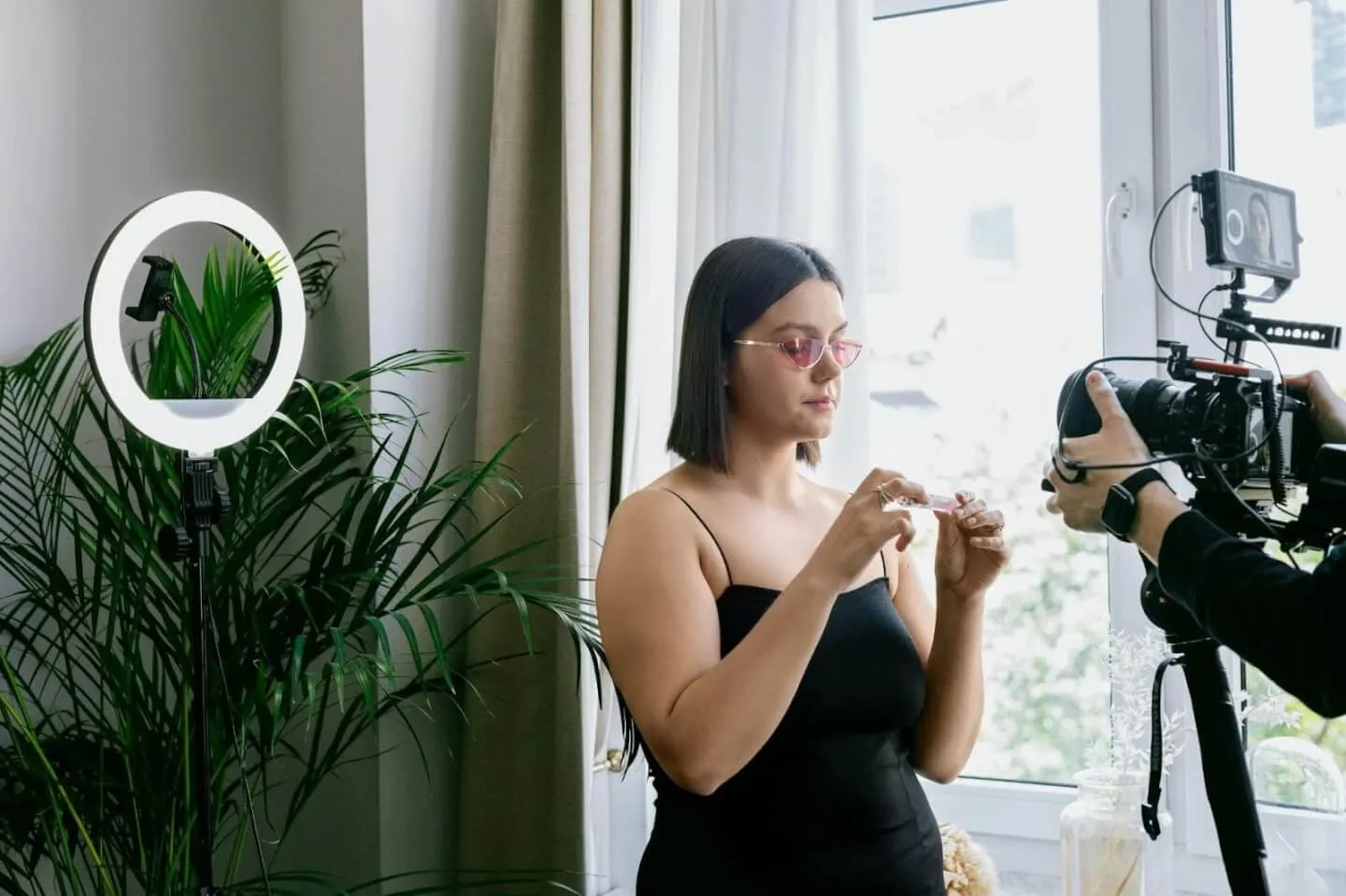




Launching a new product is exciting – but it can also be daunting for e-commerce brands and Amazon sellers. In today’s fast-paced digital market, traditional tactics (basic ads, standard promotions) aren’t enough to make a splash. You need creative product launch ideas that leverage social media trends, influencer marketing, and authentic community engagement. This post will explore six proven strategies – from harnessing user-generated content to partnering with micro influencers – to give your product the impactful debut it deserves. By the end, you’ll learn how to create buzz that translates into real sales and loyal customers.
1. Craft a Compelling Product Story
Consumers crave connection. Storytelling around your product can transform a simple item into a meaningful experience. Instead of just listing features, frame why your product exists and the problem it solves. For example, share the founder’s inspiration or a customer’s success story that led to the product’s creation. This emotional narrative builds trust and memorability – in fact, people are 22 times more likely to remember facts when they’re told within a story. It’s no surprise that 92% of consumers prefer ads that feel like stories.
To put this into action, incorporate your product story across channels:
- Social media videos – e.g. a TikTok or Instagram Reel showing the journey behind the product.
- Blog posts or emails – describing the challenges that inspired the product and how early users benefited.
- About pages and packaging – use a few sentences to remind buyers of the mission or story whenever they interact with your brand.
This narrative approach humanizes your brand. It makes shoppers feel emotionally invested, which can set you apart in a crowded e-commerce market. A compelling story not only sparks initial interest but also fosters brand loyalty over time (one study found 55% of people who love a brand point to its compelling storytelling as a key reason for their loyalty). Whether you sell on Amazon or your own site, leading with your story gives your product launch a memorable, relatable hook.
2. Organize an Exclusive Launch Event
Nothing generates buzz like an exclusive event. People love to feel like insiders – so give your target audience a VIP experience. This could be a private virtual launch party, a live demo webinar, or an invite-only in-person event if feasible. By making it invitation-only (for top customers, email subscribers, or select content creators and industry influencers), you tap into FOMO and excitement. Over 35% of online shoppers admit they’re influenced by exclusive deals or events – scarcity and exclusivity motivate people to pay attention and act.
How to execute an exclusive launch event:
- Virtual live stream – Host a live unveiling on Instagram, YouTube, or even Amazon Live (great for Amazon sellers) where you demo the product. Enable a private link or code for invitees.
- Influencer co-hosts – Involve a few micro-influencers as co-hosts or guests who can draw their niche audiences. For example, a beauty brand launch could feature a beauty micro-influencer broadcasting the event to her followers.
- Early-bird perks – Offer attendees special incentives (e.g. a unique discount code or a giveaway draw) only available during the event. This not only rewards them but also encourages immediate purchases.
- Interactive Q&A – Take live questions and feedback. When viewers can engage directly with you and your product, they feel more invested.
During the event, showcase your product in action and highlight its story or unique features. Encourage participants to share on social media for added reach (perhaps a custom hashtag for the event). The key is to make attendees feel special – they are part of an exclusive first-look. This sense of privilege can amplify buzz as they brag about it to others. And if you’re working with influencers, their live reactions and endorsements provide social proof to all their followers. Just ensure to record or repurpose the event content to keep the momentum going after it’s over. An exclusive launch event, done right, creates a ripple effect of awareness and demand that extends beyond the guest list.
3. Harness User-Generated Content (UGC)
Your happiest customers can be your best marketers. User-generated content (UGC) – like customer photos, videos, unboxings, or reviews – is pure gold for a product launch. It’s authentic social proof that builds trust. Consider seeding your product to a small group of early users or brand fans before the official launch, and encourage them to share their honest experiences on social media. If you’re launching a new fitness gadget, for example, give a few fitness enthusiasts a trial run and have them post their workouts with it. Their content will serve as testimonials that excite others.
UGC is powerful because people trust real people more than marketing departments. 84% of consumers trust peer recommendations over branded advertising, and 79% say UGC from other customers highly impacts their purchasing decisions. In other words, when shoppers see others (just like them) genuinely loving a product, it greatly boosts credibility and purchase intent. This is especially relevant for e-commerce, where buyers can’t touch the product – seeing everyday folks using it reduces skepticism.
To generate UGC around your launch:
- Run a hashtag campaign – Create a catchy campaign hashtag (e.g. #MyProductExperience) and ask beta testers or new buyers to share posts with it. Repost the best content on your brand’s channels (with permission) to spotlight customers.
- Offer an incentive – For example, entry into a giveaway, or a small discount on a future purchase, for those who share a review, unboxing video, or lifestyle photo featuring the product.
- Leverage reviews and ratings – If you’re an Amazon seller, early reviewer programs or Amazon Vine can help gather initial reviews (with images/videos) – a form of UGC that’s critical on that platform. On your own site, consider sending a follow-up email post-purchase to encourage reviews or social shares.
One tip: Engage with the UGC creators. Comment on their posts, say thank you, and foster that community. It shows that you see and value your customers. Plus, engaging and sharing UGC fuels a cycle – more customers will be inspired to create content if they know the brand might feature them. By launch day, you could have a bank of customer-made photos, videos, and testimonials ready to share – far more persuasive than any polished ad copy. UGC not only amplifies your launch reach but also creates a sense of community around your product from day one.
4. Collaborate with Influencers (Especially Micro-Influencers)
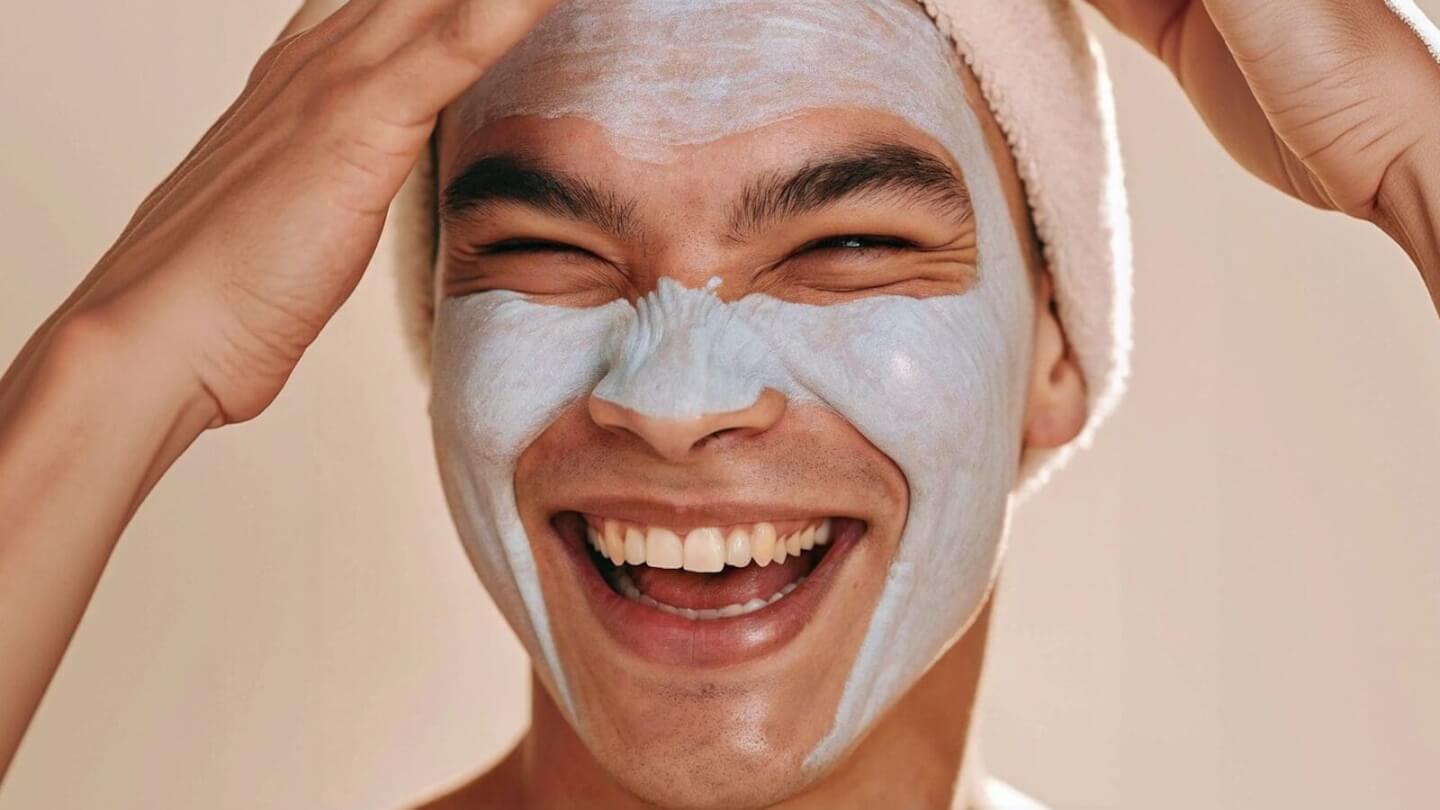
Leveraging influencer marketing is a launch strategy that can quickly put your product in front of a targeted, trusting audience. The key is to find influencers whose followers align with your niche – and often, micro-influencers (those with roughly 5K–100K followers) are the sweet spot for e-commerce brands. They may have smaller reach than celebrities, but their audiences are highly engaged and niche-specific. In fact, micro-influencers inspire up to 60% more engagement than macro-influencers. Their content feels more authentic, and followers tend to genuinely pay attention to their recommendations.
For example, if you’re launching an organic skincare line, a skincare micro-influencer on Instagram or TikTok who focuses on clean beauty could be ideal. Their followers are already skincare enthusiasts, meaning any product they endorse is immediately more credible to that audience. And it’s cost-effective – micros often charge far less than big influencers, which is likely why 44% of marketers prefer working with micro-influencers for affordability. You can often engage multiple micro-influencers for the price of one celebrity, expanding your reach across different communities.
How to maximize an influencer partnership for launch:
- Choose the right platform – Identify where your target customers hang out. For visually appealing consumer products, Instagram and TikTok are great (short demos, unboxings, before-and-after videos). For tech gadgets, YouTube influencers who do in-depth reviews might be better. Pick influencers who are strong on the platforms that matter for your product.
- Provide early access – Give your influencers the product ahead of launch so they can test it and create content (reviews, tutorials, styled photos) to post when you launch or in the days leading up. Their “first impression” content will serve as both promotion and social proof.
- Allow creative freedom – Influencers know their audience. Share key points about your product, but let them present it in their own voice and style. Authenticity is crucial; audiences can tell if a post is overly scripted. Whether it’s a funny TikTok skit or a heartfelt personal story featuring your product, authentic content will resonate more.
- Track with codes or links – Provide each influencer with a unique discount code or referral link for your product. This not only incentivizes their followers to buy (a small promo can drive action) but also lets you track sales coming from each influencer, helping measure ROI.
Speaking of ROI, influencer campaigns can pay off big. On average, businesses earn about $5–$6.50 in revenue for every $1 spent on influencer marketing, making it one of the highest-ROI marketing tactics. And micro-influencers can exceed even that, thanks to the trust they’ve built with tight-knit communities. Platforms like Stack Influence specialize in connecting brands with micro and nano influencers at scale – a useful option if you want to run a broad micro-influencer campaign without doing all the legwork. By collaborating with the right influencers, you effectively borrow the influence and credibility they’ve built. Their followers trust their recommendations, so a well-placed endorsement or review during your launch can rapidly translate into traffic and sales that would be hard to achieve with brand advertising alone.
5. Build Buzz with a Countdown Campaign
Don’t underestimate the power of anticipation. A countdown campaign in the days or weeks leading up to your launch can turn a casual observer into an excited prospective buyer. The concept is simple: you tease and hype your product incrementally, often doing a daily countdown (e.g., T-minus 7 days, 6 days… etc. until launch day). By revealing a little bit at a time – whether it’s a feature highlight, a behind-the-scenes snippet, or a mystery clue – you keep your audience engaged and curious. This sustained engagement creates a sense that “something big is coming,” and people will tune in each day to see what’s new.
Here are some effective tactics for a countdown campaign:
- Social media countdown posts – Post a graphic or short video each day numbering down to launch. For example, 5 days left with a sneak peek of five product features, 4 days left with a 4-second teaser video, and so on. Instagram Stories even has a countdown sticker that followers can subscribe to for reminders.
- Email countdown series – Send your email list a brief update each week or each day as launch nears. Tease early-bird discounts or share “insider” info (like an image of the product prototype, or a quote from the founder about the launch). Make these fun and valuable so people look forward to them.
- Contests or challenges – To get audiences really involved, consider a mini-challenge leading up to launch. For example, “Post a photo of your current workout routine with our hashtag; in 3 days we’ll pick a winner to receive the new product on launch day.” This not only engages people but also generates UGC and awareness even before launch.
- Countdown timer on site – If you have a landing page or “coming soon” page, include a live countdown clock. It’s a constant visual reminder of the approaching launch and builds urgency.
Urgency is your friend here. The psychological effect of a ticking clock can spur action – people hate to miss out. Approximately 60% of consumers make a purchase within 24 hours after experiencing FOMO (Fear of Missing Out). A well-executed countdown heightens that FOMO right before launch: “Only 1 day left until you can get this – don’t be the last to know!” By launch day, your audience should be not only fully aware of when it’s happening, but genuinely excited for it. They’ve been on the journey, counting down with you, and the payoff is finally here. This means your launch isn’t a cold start – it feels like an event that everyone’s been talking about. When you finally drop the product, you’ll already have a warm pool of eager potential buyers primed to convert, which can lead to a strong launch day and solid initial sales momentum.
6. Offer Pre-Order Incentives and Early Access
When possible, let your biggest fans secure the product before it’s officially out – and reward them for it. Pre-orders are a fantastic way to gauge interest and generate revenue upfront. More importantly, they create a sense of exclusivity and urgency. Shoppers who are truly excited won’t want to wait; by offering a pre-order, you’re catering to that enthusiasm and locking in early sales. To sweeten the deal, include special incentives for pre-order customers:
- Limited-time discount – e.g. “Pre-order now for 20% off the launch price.” This not only drives immediate action but also makes those customers feel like they got a great deal.
- Free gift or upgrade – e.g. a free accessory, an extended warranty, or an exclusive piece of merch for pre-order purchasers. It’s a way of saying thank you for their early trust.
- Exclusive access – This could be early access to content, such as a behind-the-scenes video series about the product, or membership in a private community (like a Facebook Group for product enthusiasts, where you share tips and gather feedback). Essentially, make them feel like VIPs.
Such perks make the act of pre-ordering a no-brainer for fans. They know they’ll get the product first, and get something extra. It leverages the scarcity principle – you might even cap the pre-order quantity (“limited to the first 500 orders”) to amplify FOMO. Scarcity and exclusivity have been shown to significantly boost consumer action, so a limited pre-order window can encourage fence-sitters to jump in early.
For e-commerce brands, pre-orders can also help you manage inventory and supply. If you see a huge number of pre-orders, that’s a strong signal of demand (and great hype to mention in marketing – “over 1,000 people already secured theirs!”). If you’re an Amazon seller, you can utilize Amazon’s pre-order feature (available in certain categories like books, and for established sellers in other categories) to capture orders ahead of the release date – this can boost your product’s ranking momentum once it officially launches, as those orders all process on launch day. Off Amazon, if you run a DTC site, you could set up a pre-order product page with clear shipping dates.
Pro tip: Keep communicating with pre-order customers. Since they pay early and then wait, send them updates to maintain excitement. For example, “Your pre-order is confirmed – here’s a sneak peek of the packaging!” or a countdown update (“30 days until your order ships!”). This keeps them engaged and less likely to cancel. Plus, they’ll be more likely to rave about the experience on social media if they feel taken care of.
By launch, you’ll already have a core group of customers locked in and cheering for your product. Not only does that guarantee some revenue, but it also helps build a community of early adopters. These are the folks who will often leave the first reviews, refer friends, and create additional UGC. All of that compounds to give your product a stronger start. Pre-order incentives and early access programs are essentially about rewarding your most eager customers – a win-win that drives early sales for you and special value for them.
Conclusion to Product Launch Ideas
In 2026, a successful product launch is about more than just listing a product online and hoping for the best. It’s about crafting an experience and a narrative that captivates your audience. The product launch ideas we’ve covered – storytelling, exclusive events, UGC, influencer partnerships, countdowns, and pre-order incentives – all center on creating excitement and trust. They engage customers emotionally and socially, which ultimately drives them to take action. Whether you’re a scrappy Amazon seller launching your next private-label item, or a growing DTC e-commerce brand rolling out an innovative product line, these strategies can help you maximize impact.
Remember, you don’t have to use every idea for every launch. Consider your target audience and pick the tactics that fit your brand and resources. You might start by, say, building a compelling brand story and teaming up with a couple of micro-influencers for your first launch, then layer in more strategies like UGC campaigns or a live virtual event as you grow. Monitor the results, learn from each launch, and refine your approach.
The common thread is authentic engagement. By making your launch interactive, inclusive, and buzz-worthy, you’ll do more than drive one-time sales – you’ll lay the foundation for a loyal customer base and ongoing brand momentum. In an era where consumers are flooded with choices, launching with creativity and community can be the difference between a product that flops and one that soars. So plan ahead, get creative, and make your next product launch not just an introduction, but an event to remember. Your brand’s growth will thank you for it!
Ready to launch? Start putting these ideas into action now, and watch the excitement (and sales) build. In the ever-evolving e-commerce landscape, a smart launch strategy sets the tone for your product’s success – so take the leap and give your product the spotlight it truly deserves.