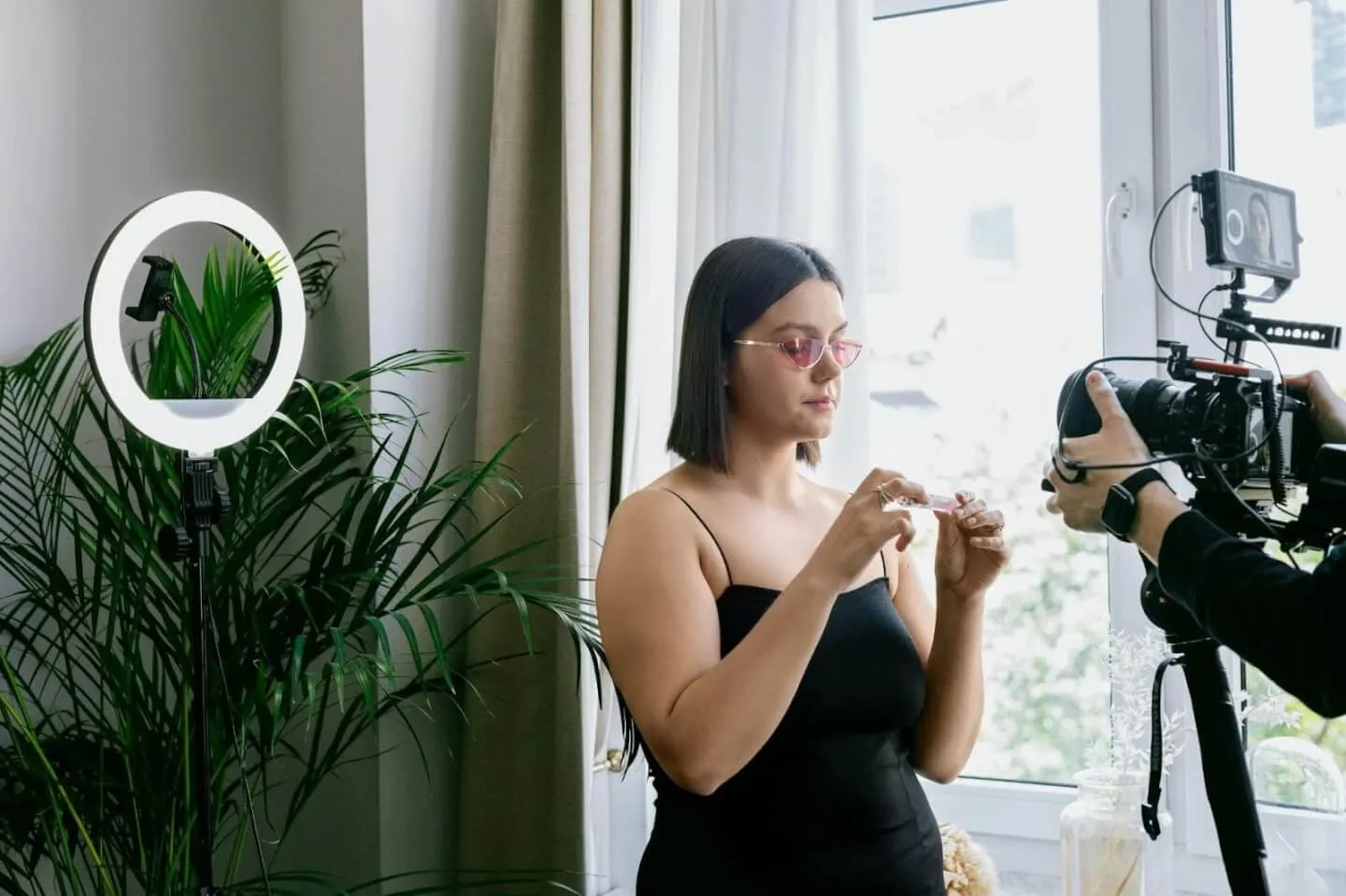




Modern consumers expect to see diversity and inclusion reflected in the brands they support. For e-commerce companies and Amazon sellers, embracing inclusive influencer marketing isn’t just a nice-to-have – it’s a must in 2026. Brands that partner with influencers from diverse backgrounds can connect authentically with a broader customer base and demonstrate values that align with today’s social expectations. In fact, inclusive campaigns have proven business benefits. A global study by Unilever found that ads with authentic diversity are 62% more likely to become a consumer’s first choice, while driving 3.5% higher short-term sales and 16% higher long-term sales. These campaigns also boost loyalty by about 15%. The message is clear: representing different ages, races, genders, abilities, and cultures in your influencer marketing isn’t just about ethics – it drives ROI.
Inclusivity also supercharges engagement. When followers see themselves represented, they respond with enthusiasm. For example, a recent Nielsen analysis found that Instagram posts by creators with disabilities outperformed those by non-disabled creators – delivering 21% higher media value and 20.5% more interactions on average. Similarly, marketing agency case studies highlight success stories like Ergobaby, which partnered with a diverse set of parent influencers (varying family structures, ethnicities, lifestyles) to promote a baby carrier. The result was a significant boost in reach and engagement for the brand. These examples show how inclusive influencer marketing turns passive audiences into engaged communities. By amplifying diverse voices, brands can spark genuine conversations and loyalty that translate into sales.
7 Strategies for Inclusive Influencer Marketing in 2026

To make your influencer campaigns more diverse and effective, use these key strategies. They will help e-commerce brands, Amazon sellers, and DTC startups create inclusive campaigns that resonate with wider audiences and drive growth:
- Define Clear Diversity Goals: Start by analyzing your current audience and identifying representation gaps. Use social data and customer insights to see which demographics (e.g. age groups, ethnicities, regions, abilities) you might be missing. Define what diversity means for your brand – whether it’s featuring more women in tech, more Black creators in beauty, or more multilingual content for global shoppers. Setting specific diversity goals will guide your influencer selection and campaign messaging.
- Partner with Diverse Micro-Influencers: Big influencers aren’t the only option. In fact, micro-influencers (those with roughly 5,000–100,000 followers) often have stronger engagement and trust with niche communities. Their smaller audiences feel more like peers, so recommendations carry weight. Micro and even nano influencers (under 5k followers) also tend to be more affordable, allowing you to work with multiple creators and represent a variety of backgrounds without breaking the bank. Studies show micro-influencers can achieve engagement rates around 7% (and up to 10% for nano-influencers), significantly higher than many macro influencers. By collaborating with a roster of micro-influencers across different cultures, locations, and viewpoints, your brand can reach many diverse customer segments with authentic content. (Tip: Using a specialized micro-influencer platform – for example, Stack Influence – can help automate the process of sourcing content creators from varied communities and managing campaigns at scale.)
- Create Authentic, Culturally Relevant Content: Ensure that diversity in your campaign isn’t just for show, but genuinely celebrates each community you engage. Work closely with your influencers to co-create content that feels real to their audience. Avoid tokenism (e.g. casting diversity just to “check a box”). Instead, empower influencers to share personal stories or demonstrate your product in ways that fit their lifestyle and culture. Be mindful of cultural holidays, local norms, and language – for instance, let creators adapt the messaging to their region or in their own words. Also, make content accessible: include captions on videos, use inclusive language, and showcase people of different abilities. When campaigns reflect genuine understanding of a group’s values and experiences, it strikes an emotional chord. Consumers will notice that your brand is truly listening and respecting their identity.
- Encourage User-Generated Content from Customers: Don’t overlook your own customers as part of an inclusive strategy. User-generated content (UGC) – such as reviews, unboxing videos, or photos customers post using your product – is extremely influential and comes from diverse voices. UGC serves as social proof and shows real people benefiting from your brand. Consider running campaigns that invite customers from various backgrounds to share content (maybe via a hashtag contest or a featured stories series). Highlighting UGC not only provides a stream of authentic material but also builds community. Importantly, UGC drives trust: 84% of people are more likely to trust a brand that shares UGC in its marketing. And nearly 79% of consumers say UGC from peers highly impacts their purchase decisions. By amplifying customers’ voices – whether it’s a Latina mom demoing your kitchen gadget or a wheelchair-using gamer reviewing your app – you show that your brand is for everyone, not just a single target persona.
- Use Multi-Platform Outreach to Reach All Audiences: Different demographics prefer different social platforms, so an inclusive approach means meeting people where they are. For example, Gen Z shoppers and content creators thrive on TikTok and Instagram Reels, while older consumers or B2B audiences might respond on Facebook or LinkedIn. If you’re targeting a broad market, diversify your influencer campaigns across platforms. An Amazon seller might partner with TikTok creators for viral product videos, YouTubers for longer reviews, and Instagram micro-bloggers for carousel posts. By spreading campaigns across channels, you ensure no audience segment is left out. Multi-channel marketing also reinforces your message – a potential customer might first discover your product in a TikTok clip, then see a more detailed Instagram post from another creator. Ensure the campaign’s inclusive messaging stays consistent across platforms, but allow each influencer to tailor the content style to what their followers engage with (for instance, a TikTok influencer might do a funny skit about your product, while an Instagram creator might share a heartfelt personal story). This strategy amplifies diverse perspectives and maximizes your reach.
- Build Long-Term Relationships and Communities: Inclusion is not a one-off campaign for 2026; it should be an ongoing commitment. Rather than doing a single “diversity influencer post” and moving on, invest in longer-term collaborations. Many brands create ambassador programs or recurring influencer partnerships that grow over time. For example, Sephora’s #SephoraSquad selects a new group of ~70 diverse micro-influencers each year and works with them for 12 months. This sustained approach shows influencers (and their followers) that your brand truly values their voice. Long-term partners can become genuine brand advocates who continually introduce your product to their communities in fresh ways. Moreover, by engaging a community of diverse creators, you open a two-way dialogue – influencers can relay feedback from their audience on how your brand can improve or better serve that group. Consistency is key: celebrate diversity year-round, not just during specific heritage months or events. Over time, your influencer community can even interact with each other, further amplifying inclusive messaging. The end result is a loyal, diverse fan base that feels connected to your brand’s journey.
- Measure Impact and Refine Your Strategy: As you implement these diversity-focused tactics, track the results so you can learn and improve. Define KPIs that go beyond vanity metrics. For example, measure engagement from new audience segments, increases in website traffic from influencer referral links, or growth in sales for specific product categories after inclusive campaigns. Pay attention to qualitative feedback too – comments and sentiment can reveal if an influencer’s community felt genuinely represented or if anything missed the mark. Internally, gather input from your team (ensure your marketing team itself is diverse or consult outside experts) to evaluate campaigns through an inclusive lens. Perhaps an Instagram Live Q&A with a deaf influencer taught you the importance of always adding subtitles – incorporate that learning moving forward. The goal is to continually refine your approach. Marketing trends evolve quickly, so keep an eye on emerging platforms or creator communities that could broaden your reach. By treating inclusive influencer marketing as a long-term, data-informed strategy, you’ll keep improving your ROI and maintaining authentic connections with consumers.
Conclusion to Inclusive Influencer Marketing
In 2026, inclusive influencer marketing is one of the most powerful ways for e-commerce brands and Amazon sellers to drive growth. By weaving diversity into your influencer campaigns, you unlock authentic engagement that translates into sales. Brands that commit to representing many voices are reaping rewards in customer loyalty, brand sentiment, and market share. Meanwhile, those stuck in homogeneous marketing risk losing relevance. The good news is that by applying the strategies above – from partnering with diverse micro-influencers to leveraging UGC – you can create campaigns that genuinely connect with today’s consumers. It’s not only the right thing to do, but a savvy business move that improves your ROI.
Ready to future-proof your marketing? Start auditing your next influencer campaign for inclusivity. Identify which new voices could tell your brand’s story and invite them in. Whether you’re a niche Amazon seller or a growing DTC brand, an inclusive approach will help you tap into new customer communities and build trust at scale. Embrace diversity now to drive meaningful engagement and sustainable success. By doing so, you’ll not only make 2026 your best year yet – you’ll also set your brand up to serve a broader audience in the years to come. In a diverse digital world, inclusive influencer marketing is your key to stand out and succeed.