Stack tools

See your real profit per unit after {Amazon fees}

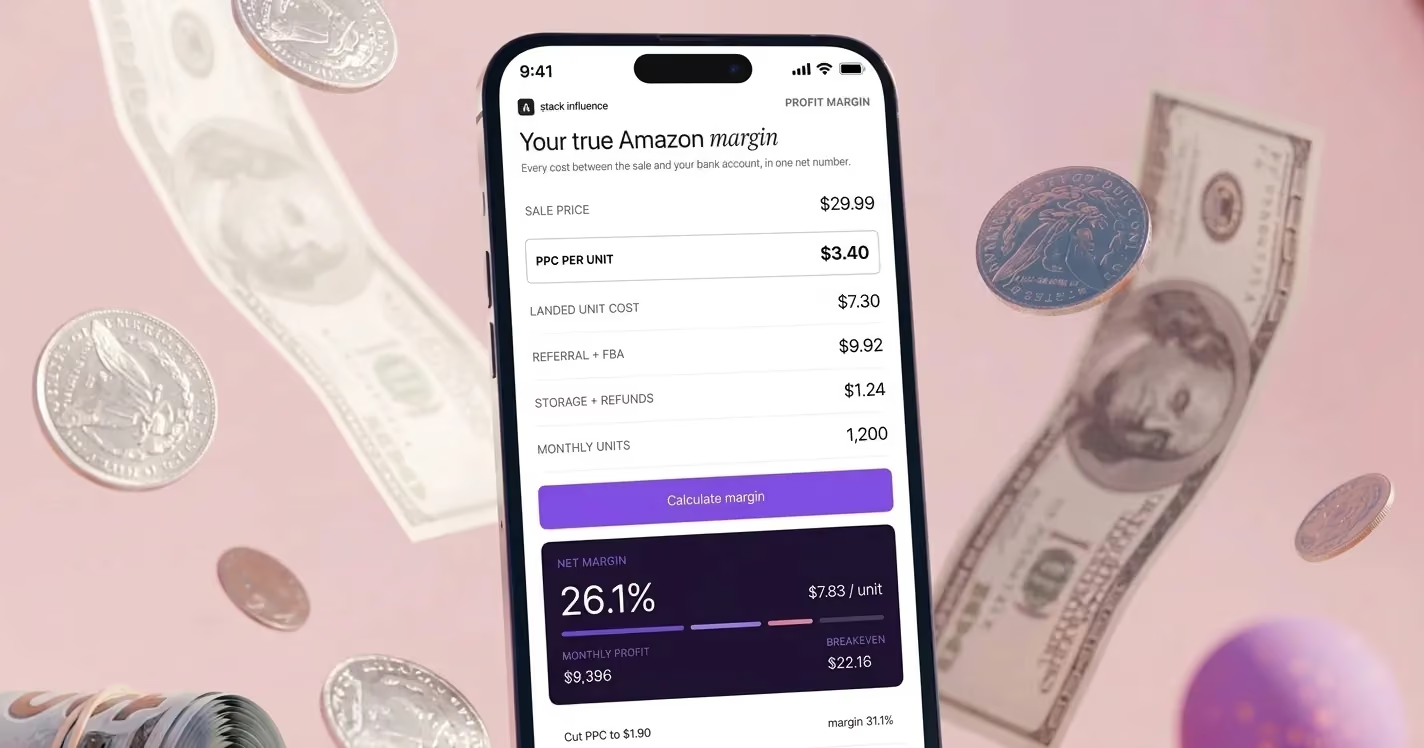
Enter a product's selling price and your landed cost, pick the category and size tier, and get net profit per unit, margin, return on cost, and a break-even price.

how to use this tool

Get started with the Free Amazon Deal Profit Calculator
1

Enter price and cost

Add the product's selling price and your landed cost per unit what you pay to get one unit ready to sell.

3

Read your margin

See profit per unit, net margin, return on cost, and your break-even price, then adjust price or cost to see what moves the number.

2

Pick category and size

Choose the product category and FBA size tier so the calculator applies the correct referral and fulfillment fees.

benefits
Why use our Free Amazon Deal Profit Calculator

Real margin, not guesswork

Referral and FBA fees come out before you see a dollar. The calculator subtracts both, so the number you see is what actually lands in your account.

Category-accurate fees

Referral rates run from 6 to 45 percent and several categories are tiered by price. The tool applies the right rate for your category and price point automatically.

Know your break-even

See the lowest price that still covers cost and fees, so you can price with a cushion for ads and returns instead of finding the floor the hard way.

What Amazon takes before you see a dollar

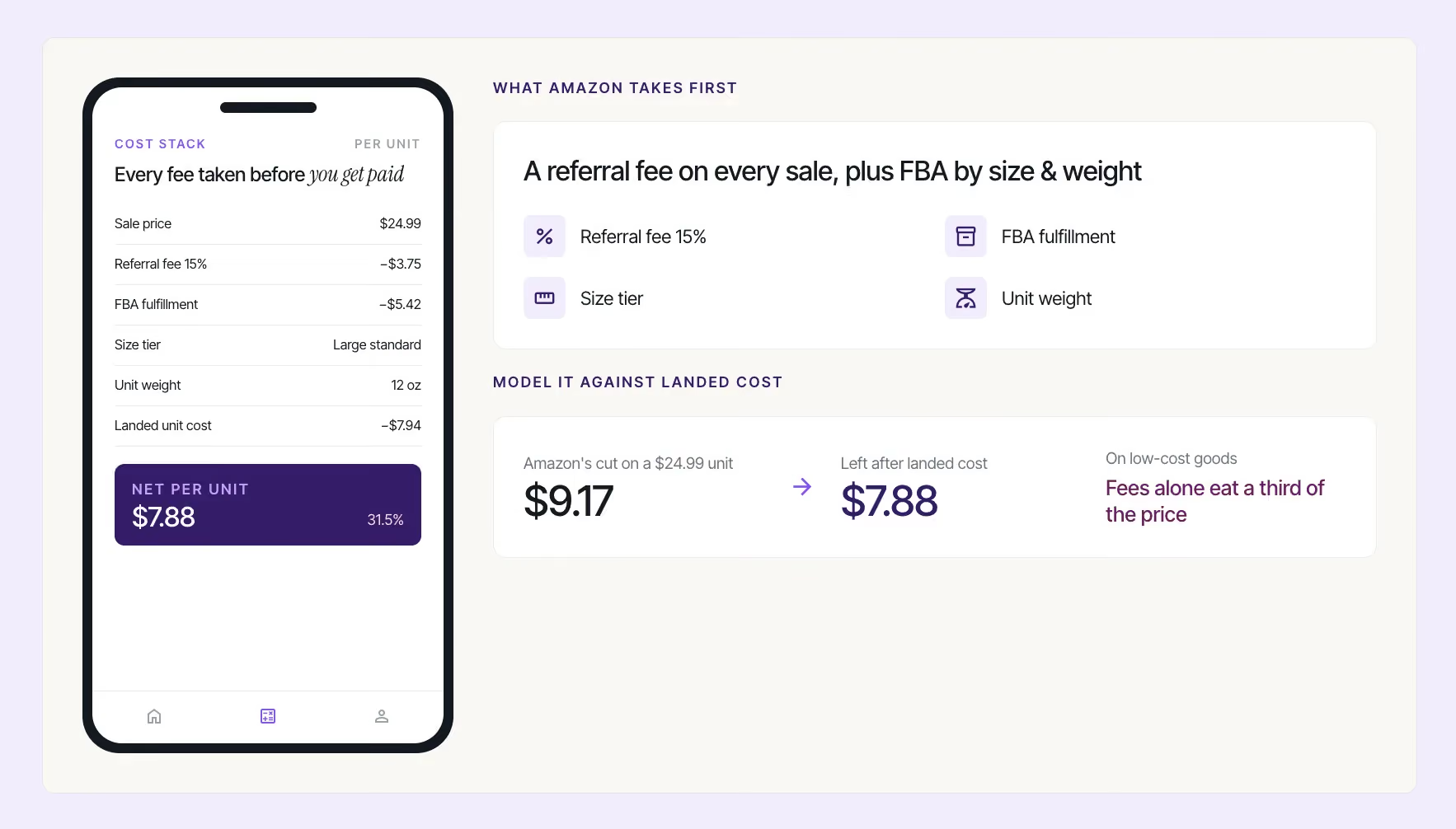
Amazon takes its cut up front. Every sale carries a referral fee, and FBA adds a fulfillment fee based on size and weight. On low-cost goods, the two together can eat a third of the price. Model both against your landed cost to know if a product really makes money.
When thin margins are worth it

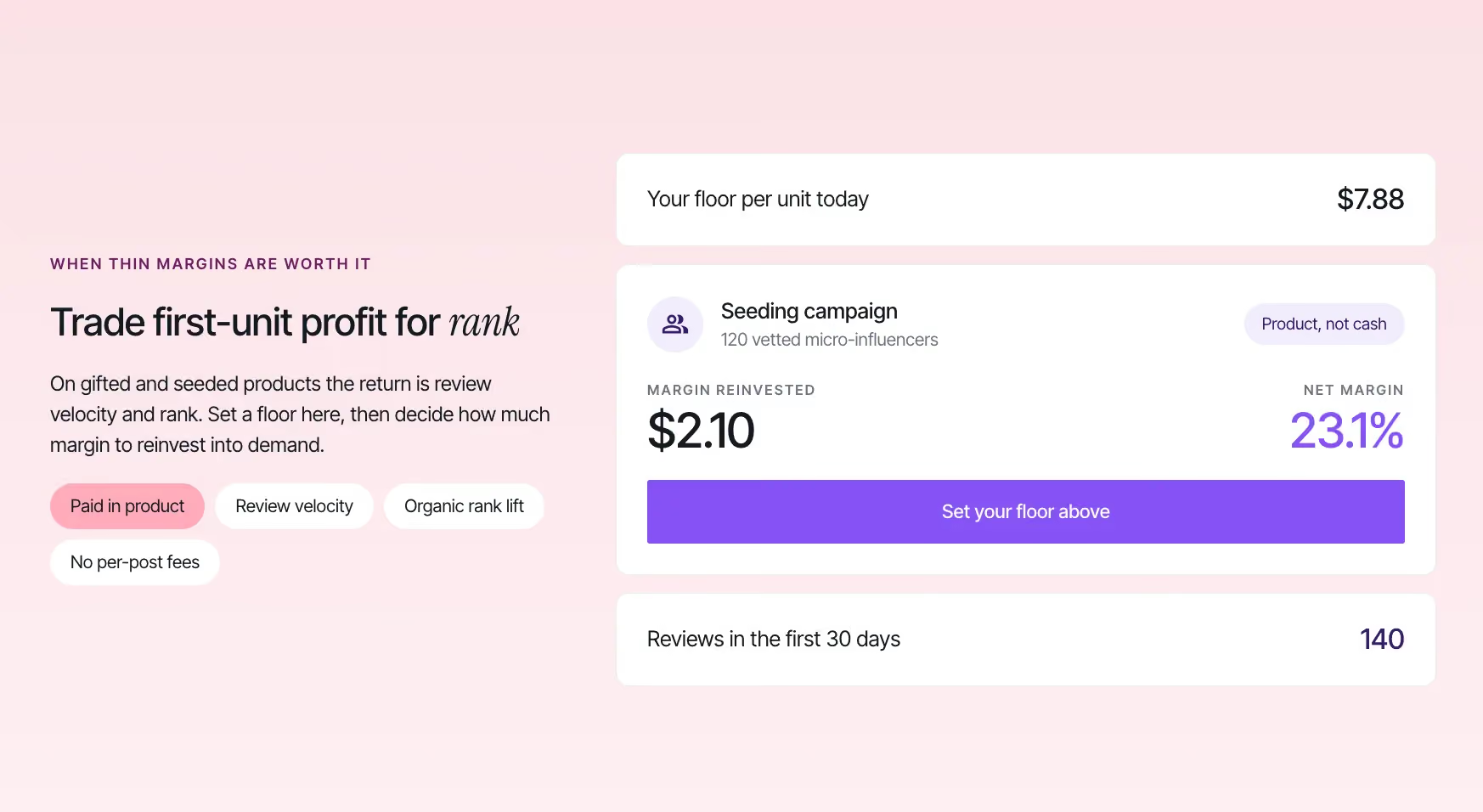
On gifted and seeded products, the goal is review velocity and rank, not first-unit profit. That trade works only if you know your real per-unit economics. Set a floor here, then decide how much margin to reinvest into demand. Micro-influencer seeding drives volume without per-post cash fees.


Frequently asked questions

Help with the Free Amazon Deal Profit Calculator

How accurate are these fee estimates?

Referral rates reflect Amazon's 2026 US schedule, which has been stable since January 2024. FBA fulfillment fees for standard sizes are estimated from size tier, weight, and price band. They are directional, not a guarantee. For an exact FBA fee, check the Fee Preview report in Seller Central and enter it in the FBA field to override the estimate.

What costs are not included?

The core result covers referral fee, FBA fulfillment fee, and your product cost. Monthly storage, long-term storage, returns processing, and advertising are not included unless you add them under other costs. For a full picture, add your average per-unit ad spend and any storage in that field.

How is the referral fee calculated?

The referral fee is a category-based percentage of the selling price, with a minimum of 30 cents in most categories. Some categories are tiered: clothing is 5 percent under 15 dollars, 10 percent from 15 to 20, and 17 percent above 20, for example. Media categories add a fixed closing fee per unit. The tool applies the right rate for your category and price.

What is the difference between FBA and FBM here?

FBA means Amazon stores and ships the product, so a fulfillment fee applies based on size and weight. FBM means you ship it yourself, so there is no Amazon fulfillment fee, but you carry your own shipping and handling. Choose FBM and enter your shipping under other costs to model self-fulfillment.

What counts as a healthy margin?

It depends on the product and your goals, but as a rough guide, under 10 percent net margin leaves little cushion for ads or returns, 10 to 20 percent is workable, and above 20 percent is strong. Sellers running product-seeding campaigns often accept thinner first-unit margins in exchange for review volume and ranking gains.

How can I improve a thin or negative margin?

The biggest levers are landed cost, selling price, and size tier. Lowering packaged dimensions or weight can move a product into a cheaper FBA tier. Raising price helps if the listing supports it. And driving sales velocity through reviews and ranking can justify a higher price over time. Product seeding with micro-influencers is one way to build that momentum.
more free tools

Trusted by top & up-and-coming brands

Scale your eCommerce brand

Join 1000's of brands already growing with Stack Influence
Sign up as a brand

Join our creator community

You only need 200+ followers to get paid for your social posts
Sign up as a creator

What our creators say