



CPG & FMCG Influencer Marketing Trends 2026: TikTok & UGC
As we enter 2026, influencer marketing has evolved from an experimental tactic into a key strategy for CPG and FMCG brands. Today’s e-commerce companies and Amazon sellers are doubling down on creators to drive product discovery and trust at scale. In fact, global influencer marketing spend surged to $32+ billion in 2025, fueled by a shift toward ROI-focused campaigns, AI-driven tools, and a strong preference for micro and mid-tier creators. Brands have learned that partnering with influencers isn’t just about buzz – it delivers real business outcomes. Nine out of ten marketers report that influencer-generated content outperforms their own brand-created content in engagement, and 83% say it converts better into sales. With results like these, it’s no surprise CPG giants like Unilever now call influencer marketing a “key pillar” of growth strategy.
What will influencer marketing look like for consumer packaged goods in 2026? Below we break down the top trends – from the rise of micro influencers on TikTok to the explosion of user-generated content (UGC) – that are reshaping how CPG/FMCG brands connect with consumers this year. These insights will help e-commerce brands and Amazon sellers stay
1. Micro & Nano Influencers Drive Authentic Connections
In 2026, bigger isn’t always better when it comes to influence. Micro-influencers (typically 5k–100k followers) and even nano-creators (under 5k) have become the go-to partners for CPG and FMCG brands seeking real engagement. Why? These smaller creators cultivate tight-knit communities and high trust with their audiences. Their recommendations feel like advice from a friend rather than a celebrity endorsement. According to industry experts, “micro-influencers are delivering where it counts – with tighter communities, higher engagement, and lower-cost campaigns that drive real sales.” In other words, a handful of niche micro influencers often yield better ROI than one big-name influencer who has a million passive followers.
Consumers also place more trust in relatable micro creators. One survey found 69% of consumers trust influencer recommendations (from people they feel they know) as much as direct brand claims. This is especially impactful for everyday products in the FMCG sector – shoppers are more likely to try a new snack, shampoo, or household item if a down-to-earth creator they follow genuinely vouches for it.
Major brands have taken notice. Unilever’s CEO recently declared plans to work with thousands of local micro influencers, saying he wants “one influencer in each ” to speak for their brands. This hyper-local strategy reflects the power of micro influencers to drive word-of-mouth in specific regions or demographics. For Amazon sellers, tapping into micro and nano influencers can be a game-changer for boosting product rankings and reviews. Instead of pouring a huge budget into one celebrity post, smaller creators can seed your product to diverse micro-audiences and spark authentic buzz. For example, Stack Influence’s platform helps brands run product seeding campaigns with micro-influencers, generating genuine UGC (user-generated content) and reviews at scale for e-commerce products. By embracing the “small but mighty” influencer approach, CPG marketers in 2026 are seeing higher engagement and trusted recommendations that translate into real sales lift.
2. Authentic UGC Outperforms Polished Ads
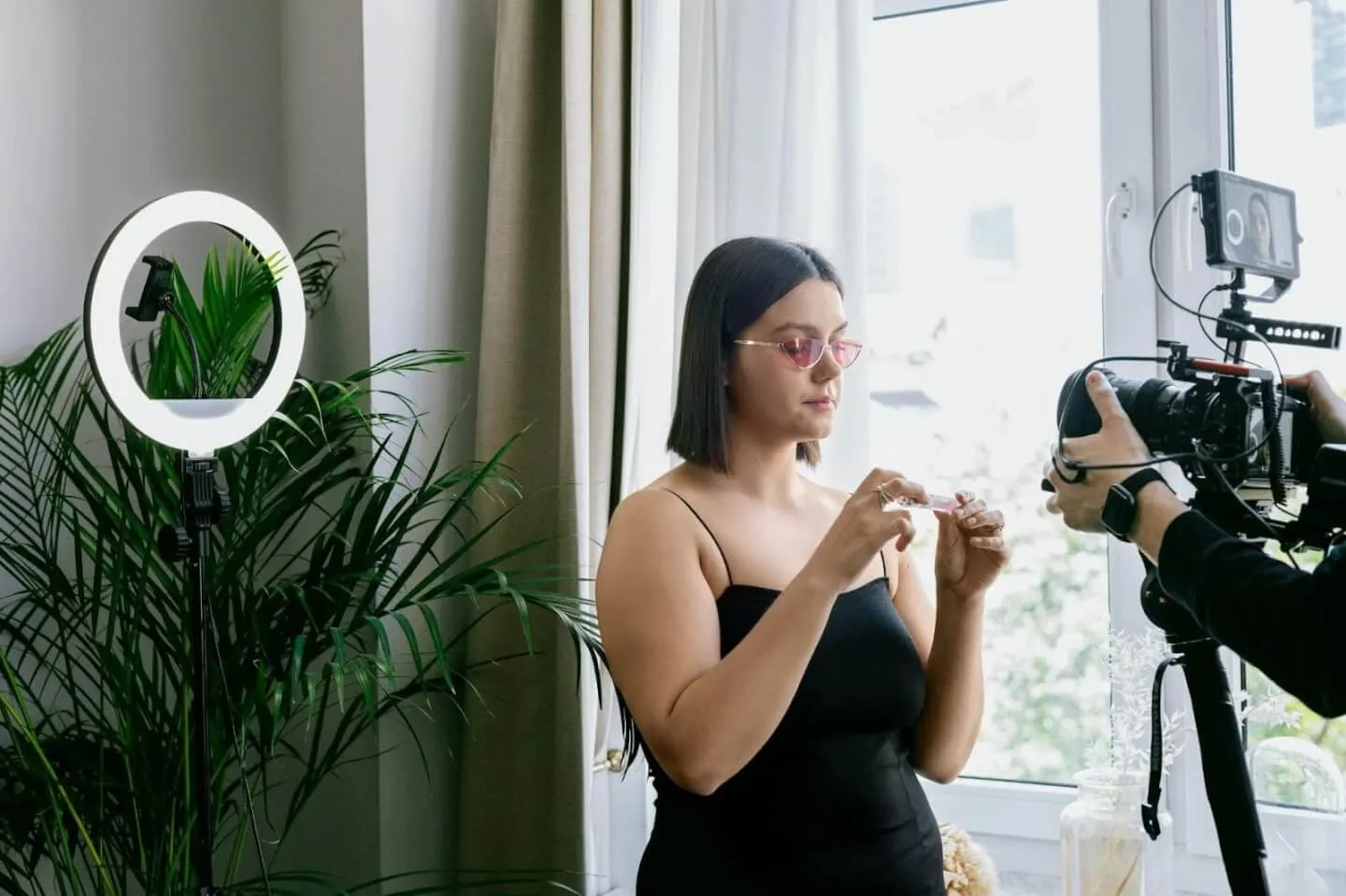
Polished ad campaigns are no longer the only (or best) way to reach consumers – authentic content is king. In 2026, CPG and FMCG brands are leaning heavily into user-generated content (UGC) and unfiltered creator posts that feel organic. Audiences, especially Gen Z and Millennials, have grown tired of overly scripted, airbrushed ads. Instead, they crave content that’s raw, real, and relatable.
We’re seeing influencers share behind-the-scenes snippets, honest reviews, and even “fail, then win” stories that humanize the brand. This “lo-fi” style resonates because it comes off as genuine word-of-mouth rather than a sales pitch. As a result, UGC often outperforms studio-quality commercials in engagement. One marketing report noted that when an audience sees a creator consistently using the same product over time (for example, a beauty vlogger using a skincare brand for months), the trust level “skyrockets.” The eventual product recommendation feels like a natural part of their life, not a one-off ad.
For CPG brands, this trend means that empowering content creators to tell personal stories about your product can yield huge dividends. A fitness micro-influencer’s casual Instagram Story about their favorite protein snack can spark more interest than any glossy TV spot – because it feels authentic. Amazon sellers are also leveraging UGC by encouraging influencers (and even customers) to post photos, unboxing videos, and honest reviews on social platforms and Amazon pages. This kind of social proof builds credibility for new products in crowded marketplaces.
The takeaway: content that doesn’t feel like marketing is now the most effective marketing. By prioritizing authentic creator content and customer UGC, brands can humanize their image and earn consumer trust. In 2026, smart CPG marketers are investing in relationships that let real people become enthusiastic storytellers for their products.
3. Influence Becomes a Sales Engine (Not Just Awareness)
Another major shift in 2026 is the evolution of influencer marketing from pure awareness into a full-funnel, conversion-driving channel. In the past, brands often hired influencers primarily to boost visibility or “brand love.” Now, there’s a performance mindset: campaigns are designed to drive tangible sales, sign-ups, and ROI – and the tools to do it are finally here.
Social commerce features are booming across platforms, blurring the line between content and storefront. On Instagram and TikTok, influencers can tag products in posts or livestreams, enabling followers to buy items instantly without leaving the app. TikTok’s in-app shopping and Instagram’s Shop tab have essentially turned videos into checkouts. According to industry updates, more 2026 campaigns will use features like shoppable posts, “link in bio” affiliate deals, promo codes, and live shopping events to directly tie influencer content to conversions.
For CPG and FMCG brands – which often rely on volume sales – this is a game changer. An influencer’s TikTok about a new beverage can include a link to purchase a sample pack, merging inspiration and purchase in one moment. Live selling (popularized in Asia) is catching on too: beauty and food brands host livestream demos with creators where viewers can shop in real-time. These tactics turn influencer marketing into a direct sales driver, not just a buzz generator.
Crucially, brands are also setting clear KPIs and tracking for influencer campaigns. With larger budgets at stake, marketers demand proof of performance: conversion rates, referral traffic, and revenue generated – not just likes and impressions. This means tighter integration of influencer campaigns with e-commerce analytics and attribution tools. Amazon sellers, for instance, often give influencers unique referral links or Amazon Associates codes to track how many product sales each creator is driving. By treating influencers as an extension of the salesforce, companies can measure ROI and scale up what works.
The numbers underscore this trend. Surveys indicate the majority of brands plan to increase influencer marketing spend in 2026, but with that comes higher expectations. Influencers are now expected to move the needle on revenue. The bottom line: Influencer marketing is growing up and acting more like performance marketing. CPG marketers should leverage this by aligning influencer campaigns with their e-commerce strategy – using affiliate partnerships, flash sale collaborations, and promo codes to turn engaged followers into paying customers.
4. Long-Term Partnerships Trump One-Off Deals
As the influencer space matures, brands are moving away from one-and-done sponsorships. In 2026, the emphasis is on long-term partnerships and brand ambassadors rather than fleeting posts. Both creators and companies have realized that consistent relationships build authenticity. When an influencer genuinely uses and loves a product over time, their audience takes notice – and trusts that endorsement far more than a one-time ad.
Consider this scenario: a food blogger posts about a new healthy snack every week for 6 months, incorporating it into recipes and daily routines. By the time they explicitly say “I recommend this product,” followers are already sold on it. As noted above, seeing a creator stick with a brand for the long haul massively increases credibility (fans can tell it’s not just a paycheck). It feels like a friend vouching for a favorite, as opposed to a sponsored hit-and-run.
Many CPG brands are now treating influencers as true partners or even extensions of the team. They bring creators into insider programs, early product development, or “creator councils.” For example, some beauty and food brands have annual ambassador programs where a group of micro-influencers get insider access and are expected to regularly represent the brand’s values and products. This aligns with the idea of “others speak for your brand at scale,” which Unilever’s CEO emphasized. Dove (a Unilever brand) even launched an end-to-end creator campaign spanning dozens of digital placements, reflecting a deep integration of influencers into their marketing.
The benefits of long-term influencer collaborations include:
- Greater authenticity: Followers see that the creator truly uses the product, not just for a paid promo, which builds trust and brand credibility.
- Deeper storytelling: Over time, influencers can tell a brand’s story in richer ways – from unboxing, to how they use the product daily, to behind-the-scenes at the brand.
- Community building: Creators often foster communities around interests (fitness, parenting, skincare, etc.). A long-term partnership allows brands to tap into and support these communities continuously, not just interrupt them with an ad.
- Better performance: Steady advocacy tends to yield better conversion in the long run. One study found that these multi-month ambassadorships significantly outperform one-off posts in driving customer loyalty and sales.
For marketers and Amazon sellers, the takeaway is to think relationship, not transaction. Identify influencers who genuinely align with your brand’s niche and values, and invest in ongoing collaborations. Instead of a single sponsored Instagram post, consider a 6-month campaign where the creator integrates your product into multiple videos, does an in-depth review on YouTube, and features it in their newsletter or podcast. By making creators true brand advocates, you’ll harness a more credible and sustained influence that resonates with consumers over time.
5. Tech & AI Enable Smarter Influencer Strategies

Influencer marketing may be driven by human creativity, but in 2026, technology is playing a huge supporting role. Brands are embracing AI tools, data analytics, and new tech platforms to enhance how they find creators, manage campaigns, and even create content. In fact, 63% of marketers plan to incorporate AI and machine learning into their influencer strategy going forward, using tech to work smarter at scale.
One area seeing rapid advancement is influencer discovery and matchmaking. Instead of manually sifting through profiles, brands can use AI-powered platforms that analyze millions of social posts to find the perfect creators by niche, audience demographics, engagement quality, and even personality fit. Natural language processing now lets marketers search for influencers based on specific topics or values (e.g. “eco-friendly mom bloggers with high engagement”). This ensures a more relevant match than simply choosing by follower count. For example, a health foods CPG brand can identify micro-influencers who frequently post about vegan recipes and have audiences that overlap with the brand’s target – all via an AI tool in minutes.
Campaign optimization is another boon. Advanced analytics dashboards track each influencer’s performance (click-throughs, conversions, sentiment of comments, etc.) in real time, allowing marketers to tweak content or boost top-performing posts. AI can even assist in content creation: tools like smart caption generators, image editors, and video editing apps help influencers produce quality content faster. This is critical for scaling campaigns across dozens or hundreds of micro-influencers while maintaining quality and consistency.
What about the buzz around virtual influencers and AI-generated content? It’s true – completely virtual “influencers” (CGI characters or AI personalities) exist and some brands experiment with them, especially in fashion and entertainment. However, these have limitations. Studies find that audiences are not very comfortable with fully AI influencers – people crave real human authenticity that AI avatars can’t provide. The consensus for 2026 is that AI works best behind the scenes, powering insights and efficiency, rather than replacing human creators. Successful brands will use AI to empower their influencers, not to impersonate them. For instance, an AI might help a content creator A/B test which video thumbnail drives more clicks, but the trust and relatability still come from the creator’s human touch.
In summary, tech is turbocharging influencer marketing: making it more data-driven, efficient, and scalable. E-commerce brands should take advantage of these innovations – whether it’s using analytics to identify your highest-ROI influencer partners, or leveraging tools to manage a large micro-influencer program seamlessly. By marrying technology with the creativity of content creators, CPG marketers can maximize impact while preserving the authenticity that makes influencer marketing so powerful.
6. Multi-Platform Campaigns and New Channels
Gone are the days when “influencer marketing” just meant Instagram posts. In 2026, effective campaigns are omni-channel – spanning TikTok, YouTube, Instagram, Facebook, and even emerging platforms – to meet consumers wherever they spend time. Creators are no longer confined to a single app; a popular influencer might engage fans on TikTok with short videos, stream on Twitch or YouTube Live, send out a Substack newsletter, and host a podcast. Brands are following suit by crafting multi-platform collaborations.
Each platform has its strengths: TikTok is unmatched for viral product discovery, Instagram offers polished visuals and shopping features, YouTube allows deep-dive reviews or tutorials, and newer players like Lemon8 or Twitch reach niche communities (e.g. beauty enthusiasts or gamers). Mixing formats is key. For example, a beverage brand’s 2026 campaign could involve a TikTok challenge started by influencers, plus longer YouTube content where those influencers share their workout routines featuring the drink, and an Instagram giveaway to wrap it up. By leveraging each channel’s unique style, the brand reinforces its message across the consumer’s journey.
Interestingly, influencer marketing is even moving beyond social media into more traditional and in-person arenas. We’re seeing influencers appear in TV commercials, on product packaging, and as the faces of experiential marketing events. Brands are hiring top creators as creative directors or consultants (the so-called “creator-consultant” trend), indicating how influential their cultural insights have become. Live events are also on the rise: from meet-and-greets at stores to influencer-hosted pop-up shops and brand trips. According to one report, 80% of consumers are more likely to buy from brands that partner with influencers in projects beyond just online posts – such as real-world events or multi-channel ad campaigns. This suggests that combining online and offline influence can amplify credibility and purchase intent.
For Amazon sellers and DTC e-commerce brands, multi-platform influence might include collaborating with YouTube reviewers who link to your Amazon product page, getting your product featured in a TikTok trend, and utilizing the Amazon Live platform where influencers demo products via livestream to shoppers. Diversifying channels not only broadens reach, it also reinforces your brand message through multiple touchpoints – crucial in the fragmented attention economy of 2026.
The big picture: influencers are becoming integrated 360° marketing partners. CPG brands should be open to creative collaborations that span various media – social feeds, private community groups, live experiences, and beyond. By following the audience and being present in many contexts, your brand stays top-of-mind wherever consumers turn for recommendations.
Conclusion to CPG & FMCG Influencer Marketing Trends 2026
The CPG & FMCG influencer marketing trends in 2026 all point to one thing: a marketing landscape where authentic human connection and smart strategy trump old-school advertising. Micro-influencers and content creators are now at the forefront of driving consumer trust, whether through genuine product stories on TikTok or loyal brand ambassador relationships that evolve over time. Meanwhile, advances in technology and social commerce mean these creator partnerships can directly fuel e-commerce growth and measurable ROI like never before.
For e-commerce brands and Amazon sellers, the message is clear: embrace these trends or risk being left behind. If you haven’t already, start integrating influencer marketing as a core pillar of your strategy (just as industry leaders have). Identify niche creators who align with your brand values, invest in building genuine, long-term collaborations, and leverage tools to track the results. By focusing on community, authenticity, and data-driven execution, you can tap into creators to not only boost brand awareness but also drive conversions and loyalty.
In 2026, people want to discover and buy products in more personal, interactive ways – and influencer marketing is the bridge that connects brands with these modern consumers. The companies that thrive will be those who build real relationships with their audiences through trusted voices. It’s time to put these trends into action. Make influencers your allies in telling your brand’s story, and empower them with the support and creative freedom to shine. Whether you’re launching a new CPG product or scaling an Amazon store, an army of passionate micro-influencers and authentic UGC can be the catalyst that propels your growth this year. Don’t just follow the 2026 trends – leverage them to become a leader in your niche.