
The latest info on influencer marketing trends, micro influencer news, and the world of social media

How to Make Your Instagram Grid Aesthetic (2026 Playbook)
In e-commerce, first impressions are everything—especially on Instagram. Your Instagram profile acts as a digital storefront for your brand, often determining in seconds whether a visitor becomes a follower or clicks away. That’s why learning how to make your Instagram grid aesthetic is so valuable for online sellers. A cohesive, visually pleasing grid can instantly grab attention, build trust, and showcase your brand’s style. Many successful content creators and micro influencers maintain gorgeous feeds because they know an appealing layout converts casual scrollers into engaged followers. If you’re an e-commerce brand or Amazon seller, a well-planned grid aesthetic can similarly help you captivate customers at first glance and even boost your sales.
In this guide, we’ll break down the strategies and steps to design an Instagram feed that looks professional and on-brand. You’ll discover popular grid layout ideas, a step-by-step plan for creating a consistent aesthetic, and the best tools to plan your feed. We’ll also touch on leveraging influencer marketing, working with content creators (like micro influencers), and incorporating UGC (user-generated content) to enhance your Instagram presence. Let’s dive in!
Visual First Impressions: Instagram is a highly visual platform, so your feed’s look is your brand’s handshake with potential customers. With only a few seconds to convey your value, a compelling aesthetic can be the difference between someone hitting “Follow” or moving on. In fact, a strong and consistent Instagram aesthetic works like a magnet for your target audience – it can convert casual profile visitors into followers and even leads. Simply put, people are more likely to engage with and trust a page that looks thoughtfully curated rather than random or messy.
Brand Identity and Trust: A cohesive grid immediately communicates your brand’s personality and quality. Think of your Instagram feed as an extension of your brand identity – colors, image style, and layout all signal who you are. If your posts share a recognizable look or color palette, viewers will start to associate that visual style with your brand. This kind of consistency not only makes you more memorable, it also signals professionalism. Studies have shown that businesses with consistent branding across their platforms enjoy significantly higher revenue (up to 33% more) than those with fragmented branding. In practice, maintaining a steady aesthetic on Instagram shows that you care about quality and detail, which builds trust with your audience.
Driving Engagement and Sales: A beautiful feed doesn’t just attract followers – it can also support your business goals. For brands, attracting the right followers (people who align with your niche and are interested in your products) is key. An eye-catching, on-theme grid will draw in your ideal audience and encourage them to stick around. It also encourages viewers to scroll through your posts, increasing engagement. Over time, this can translate into more inquiries and conversions. Your Instagram page can even serve as a product showcase or lookbook; if you’re an Amazon seller or DTC founder, a cohesive feed with lifestyle shots can inspire trust in your products’ quality. Essentially, your grid aesthetic helps set the stage for higher engagement and can indirectly boost sales by establishing credibility. As Sprinklr’s marketing experts put it, a well-curated Instagram feed that resonates with your audience becomes a lead magnet, turning visitors into followers and eventually customers.
Content Planning Made Easier: Another underrated benefit of choosing a specific aesthetic is streamlined content creation. When you define a clear theme or style, it actually simplifies your posting decisions. You’ll know which colors, filters, or image types fit your feed and which don’t. This focus saves you time when shooting or selecting visuals. In fact, establishing an Instagram aesthetic can make it easier to plan your content calendar, since you have a guiding framework for what to post. For example, if you decide on a minimalist, neutral-toned aesthetic, you can immediately rule out overly bright, cluttered images – narrowing your content choices to those that match your vibe. Consistency guides creativity, helping you develop content faster while keeping your grid looking great.
Authenticity Over Perfection: Keep in mind that “aesthetic” doesn’t mean every post must be airbrushed or staged. Instagram trends in 2025 and beyond actually favor authenticity. Audiences, especially Gen Z, appreciate realness – unfiltered moments and genuine stories – even within a curated feed. In fact, many brands and influencers are abandoning the overly “perfect” look in favor of a more humanized style. It’s about finding a balance: your grid should be visually cohesive and aligned with your brand, but it shouldn’t feel so polished that it’s impersonal. Don’t be afraid to show some behind-the-scenes or user-generated shots if they align with your theme. Micro influencers exemplify this balance well; they often maintain a consistent style while still sharing relatable, everyday content. Remember, an aesthetic feed is meant to enhance your storytelling, not replace it. Strive for a grid that is consistent yet authentic – this combination builds both trust and engagement.
When planning your Instagram feed’s look, it helps to pick a grid layout pattern. A layout is basically how your posts are arranged visually and how they complement each other in the 3-column grid. Sticking to a layout can make your page instantly more organized and pleasing to the eye. Here are some popular Instagram grid layout ideas to inspire your own aesthetic:
Those are just a few popular layout ideas – you can certainly mix and combine them to suit your brand. The goal is to give your profile a sense of intentional design. Whether you choose a simple color theme or an elaborate puzzle grid, having a layout plan ensures your Instagram page looks organized and on-brand at a glance. It sets you apart from competitors whose feeds might look haphazard. Feel free to experiment with these patterns and find one that fits your content and audience. And remember, you’re not locked in forever; some brands switch up their layout every few rows or with seasonal campaigns. The key is maintaining cohesion within whatever structure you choose.
Ready to level up your Instagram feed’s look? Here is a step-by-step framework to create a cohesive and aesthetic grid. This process works for both personal content creators and business accounts – whether you’re a solo artisan, a DTC founder, or running an Amazon storefront, these steps will help you present a polished Instagram presence.
Start by clearly defining the visual identity and vibe you want your Instagram to convey. This should tie directly to your brand personality. Ask yourself: What feelings or style should someone instantly get when they see my feed? Are you going for fun and vibrant, calm and minimalist, edgy and bold, or luxurious and elegant? Pin down a few keywords that describe your desired aesthetic (e.g. warm, welcoming, and earthy or sleek, modern, and high-contrast). For businesses, a great tip is to revisit your existing brand guidelines if you have them – consider your logo colors, product packaging, and website design for inspiration. The idea is to align your Instagram look with your overall brand image so everything feels consistent. For example, if your e-commerce brand’s mission is about sustainability and nature, you might lean towards greens, browns, and natural imagery. If you’re a tech gadget seller, you might opt for cooler tones and futuristic visuals.
Defining your visual identity upfront will guide all your content decisions. It’s like choosing a theme for your store decor. Consistency is crucial here – remember that what people see on your profile should match who you are as a brand. A cohesive visual identity not only looks professional but also makes your content recognizable. As you define this, you can even create a quick style reference: decide on 2-3 core colors, choose one or two filters or editing styles you’ll use consistently, and identify the types of subjects or motifs that fit your theme (for instance, outdoor lifestyle shots vs. studio product shots). Having these parameters means when it’s time to create or select content, you know immediately if something “fits” your Instagram aesthetic or not. This foundation sets you up for success in the next steps.
With your overall vibe in mind, choose the grid layout pattern (or combination of patterns) that you can realistically maintain. Refer back to the popular layout ideas above – which one resonates with you and suits the kind of content you’ll post? For beginners, a simple approach like a consistent color/filter for all posts (the “squares” method) or a basic checkerboard (alternating two content types) is easy to implement. If you have plenty of visual content and a creative itch, you might try a diagonal or row-by-row theme. The key is to pick a layout that you can stick to consistently, given your content resources and time. It’s better to start simple and stay consistent than to attempt a complex puzzle grid and not follow through.
Keep in mind, you don’t have to rigidly stick to one layout forever. Some brands mix layouts or evolve their style over time. But when starting out, having one clear structure will make planning easier. For example, you might decide: “I’ll do an alternating pattern of product photo, then quote graphic, then product photo, etc.” Now you know you’ll need a steady supply of quotes and photos and the order to post them. This takes a lot of guesswork out of content planning. Also consider what layout makes sense for your marketing. If you run promotions or new product drops often, a row layout (where each row could announce a campaign) might work well. If you primarily post one type of image (e.g. fashion portraits), using a border or color theme might be the main thing creating the aesthetic rather than a fancy pattern. Ultimately, choose a layout that complements your content style and brand, and that you can maintain consistently. It will serve as the framework for your feed design.
One of the most powerful tools for a cohesive Instagram aesthetic is a consistent color palette (and by extension, consistent filters or editing). Decide on the colors that will dominate your feed. Often these will be your brand’s colors or colors that evoke the mood you defined in Step 1. You don’t need to use the exact same color in every post, but you might choose a set of complementary colors or a general tone. For example, an upscale beauty brand might stick to soft pinks, whites, and neutrals across all posts. A bold streetwear brand might favor high-contrast black and neon colors. By limiting your color palette, your posts will naturally look related to each other.
Next, consider applying the same filter or editing preset to all your images for uniformity. Many influencers achieve a signature look by using one Lightroom preset or editing formula every time. Whether you prefer a bright and airy filter or a moody, desaturated look, pick one that aligns with your brand vibe and use it consistently. If you’re not into presets, manually ensure your contrast, brightness, and color balance are similar across photos. The goal is that when someone glances at your grid, nothing looks out of place color-wise. As Hootsuite’s experts note, picking a cohesive color scheme and sticking to it is one of the best ways to immediately make your brand stand out.
Also, pay attention to other visual elements like fonts (for any graphics), border usage, or illustration style – these should all match your aesthetic. For instance, if you use text overlays, maybe use the same two fonts throughout and in colors from your palette. If you add graphics or doodles, keep their style consistent. By standardizing these visual elements, you reinforce your aesthetic with every post. Over time, followers will begin to recognize your posts in their feed because of this consistency – a big win for brand recognition. And importantly for you, having preset filters and defined colors makes content creation faster (less indecision during editing!). Tip: Create a simple style guide for yourself: list your hex color codes, save your filter presets, and maybe even make a Pinterest or Canva mood board for reference. This ensures anyone on your team (or any influencer you collaborate with) knows the visual guidelines to follow.
Now it’s time to gather or create the actual content for your Instagram feed – the photos, videos, graphics, and captions that will fill up your grid. With your theme, layout, and colors in mind, you want to curate content that fits together. Quality over quantity is important here; aim for clear, well-composed images that reflect your brand’s style. Plan out your content mix according to your layout. For example, if you’re doing a checkerboard, prepare an equal number of both content types (say 10 product photos and 10 quote graphics for the month). If you decided each row will share a theme, line up those sets of three images that go well together.
Don’t hesitate to involve content creators or repurpose user-generated content (UGC) to enrich your feed. Many e-commerce brands partner with micro influencers or photographers to produce lifestyle images of their products, which can dramatically enhance a feed’s aesthetic. For instance, if you sell handmade ceramics, you might collaborate with a micro influencer who styles your mugs in beautiful kitchen shots that match your vibe. These collaborations not only provide you with gorgeous content, but also add authenticity. User-generated content (like customers’ photos of your product in real life) is another goldmine – it’s social proof and often resonates with audiences. If a customer’s Instagram photo of your product aligns with your aesthetic (maybe you encourage them with a certain hashtag), you can ask permission to feature it. This brings real-life flavor into your feed while still keeping on-brand (you can always apply your filter or editing to UGC to help it blend in).
When working with influencers or using UGC, communicate your aesthetic guidelines so the content aligns. Many content creators are experienced in following brand briefs – you can mention your preferred lighting, colors, or mood. For example, you might tell a creator, “our brand feed is very minimalist and bright, so photos with clean backgrounds and natural light work best.” This ensures that even content coming from outside sources will harmonize with your grid. Internal Tip: Stack Influence – a leading micro-influencer marketing platform – specializes in connecting e-commerce brands with vetted micro influencers and content creators who can produce on-brand UGC. Platforms like this can help you quickly source creators that match your style and campaign needs.
As you curate content, always preview how upcoming posts look next to each other. This is where a feed planning tool (which we’ll discuss soon) comes in handy. The idea is to plan your posts in a sequence that maintains the aesthetic flow. For instance, avoid posting five very busy, colorful images back-to-back if your look is supposed to be airy and simple – break them up with some negative space images or softer tones in between. By intentionally ordering your content, you can prevent any one post from sticking out like a sore thumb on the grid. At this stage, you should have a pool of content (your own creations, professional shoots, influencer contributions, etc.) that all meets your style criteria. The final step is to schedule and manage these posts for consistent execution.
Consistency is much easier to maintain when you plan ahead. Rather than posting on the fly, use a content calendar or an Instagram planning app to map out your grid in advance. Start by laying out at least a week or two of posts in the order you intend to publish them. There are several popular tools that let you drag-and-drop images on a mock Instagram grid so you can visualize the outcome before you actually post. By doing this, you can spot if a photo clashes with its neighbors or if the balance of your checkerboard is off, etc., and adjust before it goes live. This proactive approach ensures your feed stays cohesive over time, not just post by post.
Next, schedule your posts at optimal times to keep a steady cadence. Regular posting (e.g. daily or a few times a week) helps maintain the aesthetic and keeps your audience engaged. With planning tools, you can load up your photos, write captions (don’t forget to keep your voice consistent too!), and set them to publish automatically. This way, even during busy weeks, your Instagram remains active and on-brand. Using an Instagram scheduler also has the benefit of letting you rearrange or swap out content easily. For example, if a trending topic comes up and you want to slot in a new post, you can visualize where it will fit in your grid and reschedule other posts around it.
Many scheduling tools today come with grid preview features and other helpful analytics. You can use those insights to refine your aesthetic strategy. For instance, you might notice via analytics that photos with a certain color background get more engagement – that could inform future content choices. Planning and scheduling isn’t just about convenience; it also helps you stick to your aesthetic game plan without forgetting or rushing. And if you have a team, a shared content calendar makes it easy for everyone to collaborate under the same visual guidelines.
In summary, planning ahead solidifies all the hard work you put into defining and creating your aesthetic. It’s the last mile that ensures your “how to make your Instagram grid aesthetic” efforts truly pay off, resulting in a feed that is consistently stunning. To help with this step, check out some tool recommendations below that are particularly useful for visual planning and scheduling.
Designing a gorgeous feed is easier with the right tools. Here are a few top-rated planner apps and platforms that can help you visually plan your Instagram grid, schedule posts, and maintain that aesthetic you worked so hard on:
Each of these tools can help ensure your feed remains consistent, because you’ll always be looking at the big picture of your grid, not just one post at a time. They also save you time by automating the posting process. Instead of rushing to post every day (and potentially messing up the aesthetic due to haste), you can dedicate one day a week to plan everything, knowing the tool will handle the rest. As Sprout Social notes, using scheduling tools not only improves efficiency but lets you visually plan your feed to align with your branding goals. In other words, these planners act like your Instagram design assistant, helping you keep that beautiful, on-brand look 24/7.
Mastering how to make your Instagram grid aesthetic is more than a vanity project – it’s a strategic move that can yield real benefits for your brand. By creating a cohesive and attractive feed, you make a powerful first impression on every profile visitor. For e-commerce entrepreneurs and Amazon sellers, this could mean the difference between a visitor browsing your products or bouncing away. A well-curated grid signals professionalism, consistency, and an eye for quality, which in turn builds trust. It also reinforces your brand story visually, making your marketing messages more memorable.
As we’ve discussed, start with clear visual branding and pick a layout that showcases your content best. Keep your colors and editing style consistent to tie everything together. Leverage content from micro influencers or happy customers to add authenticity, but always integrate it into your aesthetic framework. Plan ahead with tools so you can maintain that consistency over time without stress. The payoff will be a profile that not only looks beautiful but also effectively engages your target audience.
In the end, an aesthetic Instagram grid should drive tangible results – whether that’s growing your follower count, increasing engagement, or encouraging visitors to click the link to your store. It’s about form and function. So implement the tips from this guide, stay true to your brand’s vibe, and you’ll create an Instagram presence that delights the eye and strengthens your business. Now it’s your turn: apply these best practices and watch your Instagram transform into an on-brand, scroll-stopping gallery that turns curious visitors into loyal customers. Happy planning, and we can’t wait to see your aesthetic feed shine!
10 Digital Product Ideas for E-commerce in 2026
Digital products have become a goldmine for e-commerce brands and Amazon sellers. Unlike physical goods, digital product ideas can be created once and sold repeatedly with minimal overhead. This means better profit margins and a chance to reach customers globally without worrying about inventory or shipping. In fact, the global market for digital goods is booming – valued at over $124 billion in 2025 and projected to reach $416 billion by 2030. For online entrepreneurs, this presents a huge opportunity to diversify revenue streams.
What will you learn? In this guide, we’ll explore 10 of the best digital product ideas for 2026 and how to sell them successfully. Whether you’re an Amazon seller looking to expand beyond physical products or a direct-to-consumer founder seeking passive income, these ideas will spark inspiration. We’ll also cover tips on marketing your digital goods – including using micro influencers, influencer marketing, and UGC (user-generated content) – to maximize your sales. Let’s dive in!
Digital products are intangible goods delivered electronically – think e-books, software, online courses, and more. Selling digital products offers several advantages for modern e-commerce businesses:
Of course, there are a couple of challenges too. The market is competitive – popular niches (like stock photos or web templates) can be crowded with creators. You’ll need to differentiate your product with quality or a unique angle. Additionally, protecting your content is important; digital goods can be prone to unauthorized sharing or copycats. Using watermarks, license keys, or member-only delivery can help safeguard your intellectual property. Overall, the benefits far outweigh the drawbacks, especially in 2026 when consumers are more accustomed than ever to purchasing digital goods for work, education, and entertainment.
Ready to explore what you can sell? Below are 10 profitable digital product ideas for e-commerce entrepreneurs, Amazon marketplace sellers, and content creators in 2026. These range from simple downloads to more involved content offerings. Pick one that aligns with your industry expertise or audience needs, and you could unlock a fresh revenue stream.
One of the most accessible digital products to create is an e-book. E-books can be how-to guides, industry whitepapers, recipe books, tutorials – essentially any informational content packaged in PDF or e-reader format. If you have specialized knowledge or a story to tell, an e-book is a low-cost way to productize it.
Why it’s hot: E-books continue to surge in popularity. The global e-book market reached $18 billion in 2025 and is still growing as readers embrace the convenience of digital formats. Consumers love instant access to information on their devices. For sellers, e-books offer high profit margins (no printing costs) and can establish you as an authority in your niche.
Examples: A fitness coach might sell a “12-Week Meal Prep Guide” as an e-book. An experienced Amazon seller could write “The Ultimate Amazon FBA Handbook” and sell it to new entrepreneurs. Even content creators leverage e-books – for instance, the team behind How To Cake It (a popular baking channel) sells digital recipe books alongside their videos. Founder Yolanda Gampp grew her brand by combining free YouTube tutorials with premium e-book cookbooks and online courses, proving that creators can use multiple formats to serve their audience.
Tips: Focus your e-book on solving a specific problem or teaching a clear skill (this makes it more compelling). Use engaging writing and include visuals if helpful. You can sell e-books on your own website or through platforms like Amazon Kindle Direct Publishing (KDP) for a wider reach. Remember to differentiate your content from what’s already free online – offer exclusive insights, a step-by-step framework, or a unique perspective so customers feel it’s worth paying for.
Printable digital products are templates, planners, and other printables that customers can download and print at home. These could be PDF planners, habit trackers, budget spreadsheets, to-do lists, calendars, greeting cards, art prints, craft patterns – the possibilities are endless. DIY and organizational printables are especially popular on marketplaces like Etsy, where shoppers look for creative and useful downloads.
Why it’s hot: People love tools that help them save time or get organized. A well-designed template or planner can attract a broad audience, from students to professionals to busy parents. For example, printable coloring pages and worksheets have a huge following among parents and teachers (they mix fun and learning for kids). One digital download brand, Caravan, sells printable coloring poster files online and even offers shipped prints for those who prefer physical art. The appeal is that customers get instant access to a beautiful or useful design, and they can print it to use or frame.
Examples: If you’re a graphic designer, you might sell a bundle of Instagram Story templates or resume/CV templates. A teacher could create printable lesson plans or activity sheets. If you run a business blog, you could offer downloadable budget trackers, marketing plan templates, or content calendars. These products often do well via a direct site or on Etsy (notably, Etsy jump-started many digital printable businesses).
Tips: Quality design is key – your template should be both visually appealing and functional. Use software like Canva, Adobe Illustrator, or even Google Sheets (for spreadsheets) to craft your templates. Consider providing various formats (e.g., PDF for print, fillable PDF or editable Canva links for digital use). Niche templates can stand out; for instance, a wedding planner template kit for brides, or Dungeons & Dragons character sheets for gamers. The more specific you get, the more you cater to a passionate segment of customers.
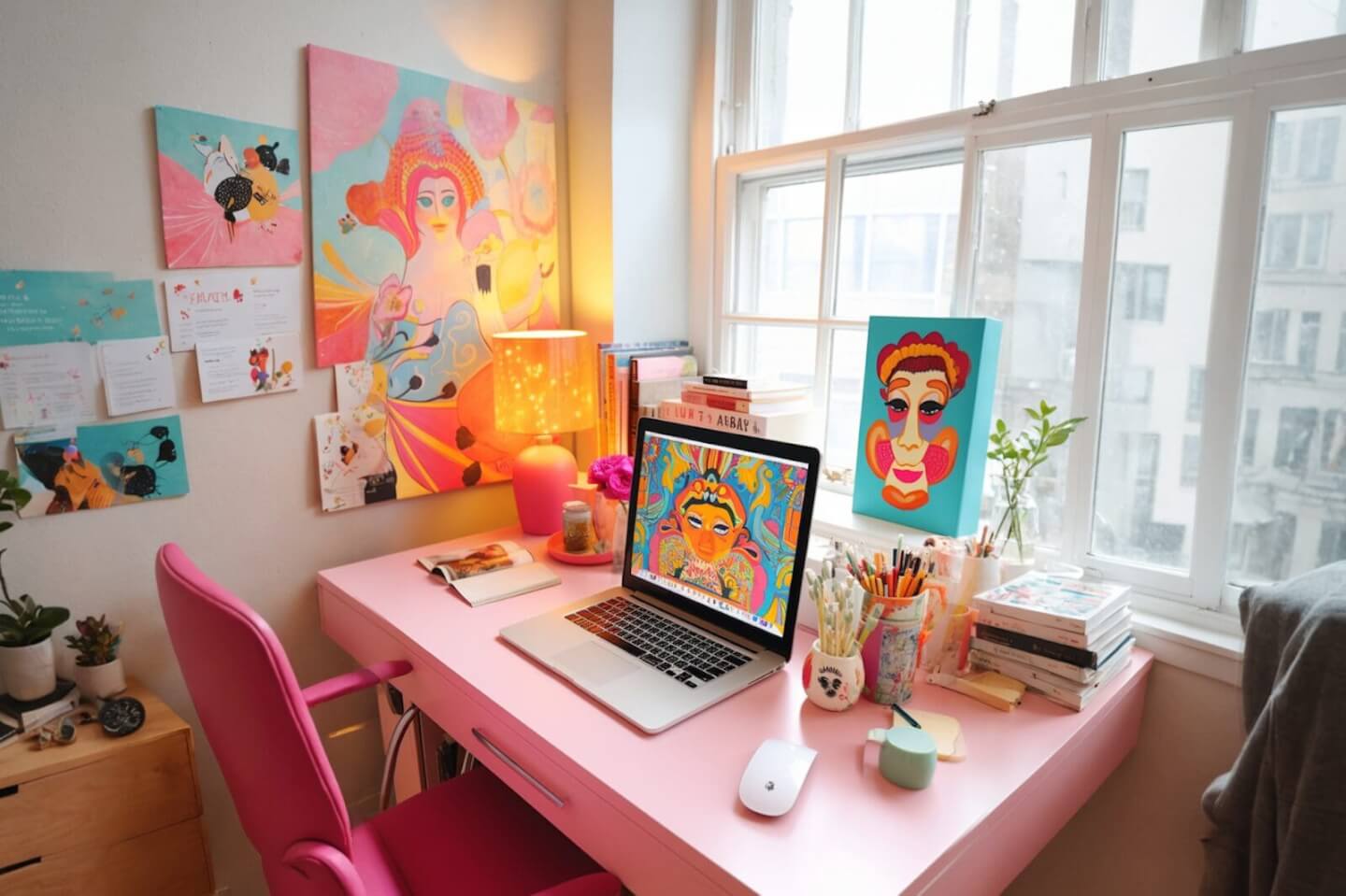
If you have artistic talent, consider selling digital design assets. This category includes things like stock illustrations, icon packs, UI/UX kits, fonts, Photoshop brushes, Procreate brushes, Lightroom presets, and even complete graphic templates for flyers or business cards. Digital art can also be sold as files – for example, digital posters or wallpapers – or as licenses for use. Essentially, you’re creating creative elements that other people (or businesses) can purchase and use in their own projects.
Why it’s hot: With so much content creation happening (presentations, social media, websites, videos), there’s a huge demand for ready-made design elements. Not everyone can draw an icon set from scratch or create a unique font – but they might happily buy yours. Designers and content creators often purchase these assets to save time or achieve a certain look. Selling digital art or assets lets you monetize your creativity over and over. Plus, with the rise of the creator economy, even independent artists can find a market globally by selling online.
Examples: Many designers sell on marketplaces like Creative Market or their own site. For example, RetroSupply Co. is a small business that sells digital brushes, textures, and templates for use in programs like Procreate and Photoshop. Photographers sell packs of Lightroom preset filters to help others achieve a signature photo style. An illustrator might sell a bundle of cute clip-art images for teachers to use in classroom materials. Even social media content creators buy graphics packs (like YouTube thumbnail templates or Twitch stream overlays) rather than making them from scratch. If you can create it digitally, someone likely needs it!
Tips: Figure out a niche – are you great at font design? Logo icons? Watercolor-style illustrations? Focus there and build a collection. Ensure you clarify the usage license (personal use vs. commercial use) when selling design assets. This affects your pricing. High-quality previews are critical: show the customer what they’re getting and how it can be used. And don’t forget to protect your work – deliver in formats that are usable but not easily editable (for instance, an image or PDF rather than the raw source file, unless you intend to include those). You can also update your asset packs over time with new additions to encourage repeat customers or justify a higher price.
If you have a camera and a good eye, stock photography and video footage can be a lucrative digital product. Stock media refers to photos, illustrations, video clips, or even sound effects and music (we’ll cover music next) that are licensed for others to use in their own content. As a creator, you can upload your visuals to stock marketplaces or sell licenses directly to buyers. Each time someone downloads or uses your content, you earn a fee or royalty.
Why it’s hot: The demand for fresh visual content is insatiable in marketing, blogging, and video production. Companies and creators are constantly looking for high-quality stock images and b-roll footage to enhance their projects. By 2026, the content boom means stock contributors can earn steady income if they fill a needed niche (for example, drone footage of specific locations, or diverse business lifestyle photos). It’s a form of passive income – you create a library of assets once, and they can sell repeatedly without extra work.
Examples: You could specialize in a certain theme: e.g., food photography, fitness videos, urban drone shots, cultural travel photos – whatever interest or access you have. Photographers often use platforms like Shutterstock, Adobe Stock, or Getty Images to reach buyers, though you can also sell via your own site for a higher cut. There’s also growing demand for short video clips (for use in YouTube videos, ads, etc.) on sites like Storyblocks or Pond5. Even illustrations and vector graphics fall in this category on sites like Freepik or iStock. One example in video: a site called EditStock sells licenses for filmmakers to use its stock footage in demo reels. That shows how specialized you can get (in this case, targeting film students).
Tips: Focus on quality and relevance. Research what types of images or footage are in demand (some stock sites show current trends). Ensure you have proper model or property releases if needed (for photos of people or private locations). Tag and describe your content well so it can be found via search. You can list the same item on multiple stock marketplaces to increase exposure (unless exclusivity is required). Finally, consider protecting your work with watermarks on previews and delivering the purchased files in high resolution only after payment, to prevent free misuse.
Audio-based products are another thriving digital category. This includes music tracks, sound effects, audiobooks, and podcasts. If you’re musically inclined, you can compose songs or instrumental tracks and sell them as royalty-free music for use in videos, games, or events. Podcasters and speakers can package their audio content (like an exclusive podcast series or recorded lectures) behind a paywall or subscription. Voice actors might sell narration tracks or offer downloadable spoken-word content (e.g., guided meditations). Even DJs or producers sell sample packs and loops to other musicians.
Why it’s hot: The explosion of video content has fueled demand for background music and sound effects. Creators on YouTube, Twitch, TikTok, etc., constantly need music they can legally use – and they’ll pay for quality or unique tracks. Additionally, podcasts and audiobooks have become mainstream; many consumers are willing to pay for premium audio content that educates or entertains them on the go. For musicians and audio creators, selling digital audio is a way to monetize skills without needing a record label or physical distribution.
Examples: An independent musician might sell a bundle of 10 instrumental tracks for vloggers to use in videos. There are marketplaces like AudioJungle and Epidemic Sound for music licensing, or Bandcamp for selling music directly to fans. A sound engineer could release a “Sci-Fi Movie Sound Effects Pack” for indie filmmakers. On the podcast side, imagine a financial advisor running a free weekly podcast but offering a paid bonus episode library or ad-free feed for subscribers – essentially turning loyal listeners into paying customers. Even audiobook production can be lucrative: authors or voice artists can publish through Amazon’s Audible (via ACX) and earn royalties on each download.
Tips: Decide whether you want to sell through big platforms or independently. Music and sound effects often do well on stock media sites for volume sales. If you have an existing audience (say, as a podcaster or musician), consider selling directly on your website or Patreon for a closer customer relationship. Always ensure your software is legally compliant, including privacy requirements, licensing of any code libraries, and regional requirements that come with selling digital products globally, which is often handled through tools like sales tax software.
For the more tech-savvy entrepreneurs, software products are top-tier digital goods. This can range from full-blown software-as-a-service (SaaS) platforms, to mobile apps, to WordPress plugins, to simple desktop utilities or even database templates. With cloud computing and app marketplaces, a solo developer or small team can create tools that solve specific problems and sell them worldwide.
Why it’s hot: Businesses and consumers alike rely on software daily, and they’re willing to pay for solutions that make life easier. If you can identify a pain point that a piece of software or an app could fix, you have a potential product. For example, imagine an e-commerce seller needing an analytics dashboard – a custom plugin or app could be built for that niche. Software can command higher price points (or recurring subscription fees) compared to many other digital products because of the value they provide. Plus, once developed, software can be distributed endlessly at near-zero cost. The creator economy monetization trend also extends here: developers monetizing their code and creators selling digital tools (like Notion templates or spreadsheet models, which border between software and template).
Examples: Some profitable ideas include: a mobile app related to your niche (e.g., a meal planning app if you’re in the nutrition space), an Adobe Photoshop plugin if you know design and coding, or even an Excel macro toolkit that you sell to financial analysts. On a simpler scale, website themes and e-commerce store templates (for platforms like Shopify or WooCommerce) are essentially software products too – sellers buy them to quickly launch their own site with your design. Many Amazon sellers, for instance, use third-party software tools for keyword research or inventory management – those tools are created by entrepreneurs who saw a gap in the market. With the rise of low-code platforms, even non-traditional developers are creating apps and automations to sell. If you're not technical yourself, partnering with experienced developers can help. For instance, Ruby on Rails developers can support you in building robust, scalable web applications faster due to the convention-over-configuration features of this framework, which are crucial when you're testing a new software product in the market.
Tips: Building software requires more upfront work and possibly technical skills. Start with a minimal viable product focusing on core features that solve a specific problem. Offer great documentation or customer support, since users might need help installing or using your software. If you go the SaaS route (subscription web app), prepare for ongoing maintenance and updates – but the reward is recurring revenue. Alternatively, you can sell lifetime access downloads on marketplaces. Always ensure your software is legally compliant (privacy, licensing of any code libraries, etc.). And be prepared to issue updates, especially for apps that need to stay compatible with operating systems or other software.
Online courses have been a breakout digital product in the last decade, and they continue to thrive in 2026. If you have teaching skills or expertise in a subject, you can create a course to share knowledge through video lessons, slides, and assignments. Similarly, live or pre-recorded webinars (online workshops) are a popular format to teach or demonstrate something to an audience in a 60-90 minute session. Both formats allow you to charge a premium because you’re delivering concentrated value and potentially an interactive experience.
Why it’s hot: E-learning has become a multi-billion dollar industry. Professionals and hobbyists alike go online to learn new skills, from coding to cooking to marketing. For creators and businesses, courses can be a high-income product – students are often willing to pay $50, $200, or more for a well-structured course that could advance their career or passion. The year 2026 emphasizes remote learning and upskilling, so demand is strong. Moreover, courses build a community around your brand; students who enroll are highly engaged and can become loyal fans or customers for your other products.
Examples: A direct-to-consumer beauty brand might offer a paid course like “Mastering DIY Skincare Formulations”. A content creator on photography could launch an in-depth photography masterclass video course. There are countless successful examples – from marketers selling SEO courses, to gamers teaching game development, to academics offering tutoring via courses. Some creators host courses on their own websites or use platforms like Teachable, Thinkific, or Kajabi. Others leverage marketplaces like Udemy or Skillshare for volume. Even webinars can be monetized; for instance, an expert might charge admission for a live 2-hour workshop on tax planning for small businesses, with the replay available as a download later.
Tips: Plan your course curriculum around clear outcomes (what will the student be able to do after the course?). Include a mix of video lessons, readings, and maybe quizzes or community discussion to enhance engagement. Production quality helps – good audio/video and organized materials will set you apart from amateur courses. When pricing, consider the depth of content and what similar courses charge. You can also offer free mini-courses or webinars as lead magnets to attract students, then upsell your premium course. And don’t forget to gather testimonials from early students – social proof will help sell future enrollments.
Instead of selling one-off products, you can offer a membership or subscription that gives customers ongoing access to a library of content or a community. Paid membership models are booming – essentially, you create a vault of digital content (videos, articles, templates, etc.) or an exclusive community (forums, group coaching calls, private social group) that members pay to join, usually monthly or annually. This is a fantastic digital product for creators or brands that continually produce content or updates.
Why it’s hot: Memberships provide recurring income and foster a loyal community around your brand. Subscribers stick around for new content and for the network of like-minded members. For customers, it’s often a great value – they get a steady flow of content or support. We’re seeing everyone from fitness trainers launching membership clubs with new weekly workout videos, to SaaS companies adding premium community forums, to influencers creating VIP groups (for example, a DIY craft blogger might have a members-only Facebook group with extra tutorials and live Q&As). By 2026, consumers are comfortable with subscription services, and they often prefer an all-access pass model for content.
Examples: Think of platforms like Patreon where fans subscribe to creators for perks. Or consider a site like Snowboard Addiction, which sells physical gear but also has a subscription for premium training videos and tutorials for its sport. Another example: a marketing agency could have a membership portal where they publish exclusive research reports and how-to videos for startup founders. An Amazon seller who’s an expert might run a paid community for other Amazon sellers to share tips and get monthly coaching calls. The key is ongoing value.
Tips: If you choose this model, plan out enough content for at least the first few months to keep members engaged. Common approaches include releasing new content on a schedule (e.g., “new digital magazine issue every month” or “5 new stock photos every week to members”). Engage your community – encourage discussion, host live sessions, or offer member spotlights to make people feel involved. Technically, you can set up memberships through tools (WordPress plugins, Patreon, Substack for newsletters, etc.) fairly easily. Retention is the name of the game – listen to member feedback and continuously deliver value so they stay subscribed. The benefit is, as your community grows, it often becomes more attractive (nobody wants to leave and miss out on the shared knowledge and networking).

Not all digital offerings are pre-packaged content – you can also sell virtual services delivered via video call or email. If you have expertise that lends itself to one-on-one or small group interaction, this could be your digital “product.” Examples include consulting calls, coaching sessions, freelance services (like graphic design, copywriting, or marketing strategy done remotely), or virtual tutoring. While these are services, they’re facilitated digitally (through Zoom, Google Meet, etc.) and often sold as fixed packages (e.g. a 1-hour consultation, or a monthly coaching package with four calls).
Why it’s hot: Many entrepreneurs start out selling services online because it requires no upfront content creation – you are the product. It’s a way to monetize skills directly. For clients, having access to an expert or receiving a done-for-you service can be extremely valuable. In 2026, remote consulting and coaching is totally normalized (you can coach a client on the other side of the world as easily as someone local). For Amazon sellers or e-commerce founders who’ve built successful businesses, offering consulting to newbies can be a lucrative side digital product. Likewise, content creators often offer services like personalized advice or audits (e.g., a YouTube creator reviewing someone else’s channel for a fee).
Examples: A nutritionist might offer personalized meal plan consultations over Zoom. An experienced Amazon FBA seller could sell an hourly Amazon store audit service to analyze others’ listings and give improvements. Freelancers commonly package their services on platforms like Fiverr or Upwork, but you can also sell via your own site (for example, a photographer selling remote photo editing services or a writer selling resume critique sessions). Another example: language teachers giving lessons via Skype – essentially selling their time and knowledge digitally.
Tips: Define your service scope clearly – what exactly will the client get, and in what timeframe. For instance, “a one-hour video call plus a follow-up action plan document.” Use scheduling tools to manage bookings and consider different time zones. Since this doesn’t scale as easily as selling a file (it uses your time), you can charge a premium, especially for highly specialized advice. Ensure you deliver great value and experience so clients leave happy (they may leave you testimonials or refer others). Over time, you might record or systematize aspects of your service to turn them into standalone digital products (for example, recording a generic version of your coaching and selling it as a mini-course). Virtual services can be a stepping stone that complements your product sales – you might even upsell product buyers to coaching for more help, or vice versa.
A cutting-edge digital product idea for 2026 is leveraging NFTs (non-fungible tokens) and digital collectibles. NFTs are unique digital assets verified by blockchain technology – essentially a way to create one-of-a-kind or limited edition digital items (art, music, videos, virtual goods) that can be bought, sold, and traded with proof of ownership. Brands and creators have jumped into NFTs as a new way to monetize digital art and build community (often by offering holders exclusive perks). Even if you don’t delve into complex crypto tech, you can still create digital collectibles in a more traditional sense – like limited digital art prints or trading card-style graphics, sold in limited quantities.
Why it’s hot: The NFT market saw a huge surge in recent years, and while it has stabilized, it opened consumers’ eyes to the idea of owning digital-only collectibles. For artists and content creators, NFTs offer a chance to create scarcity and exclusivity for digital work that could otherwise be infinitely copied. Fans enjoy collecting and owning a piece of their favorite creator’s digital world. By 2026, big brands and independent creators alike are using NFTs for things like fan club membership tokens, digital artwork, virtual fashion, and more. While you should approach this category carefully (it’s important to add real value, not just hype), it can be very lucrative if done right. For instance, many graphic artists have sold NFT art collections; some musicians release limited digital albums or concert tickets as NFTs.
Examples: A digital artist might mint a series of 100 unique art pieces and sell them on NFT marketplaces such as OpenSea or Rarible. A game developer could sell in-game items or characters as NFTs, which players can trade. Even an e-commerce brand could create an NFT that grants special privileges (e.g., access to exclusive products or events). Outside of blockchain, you could simply do limited releases of digital content – for example, only 50 copies of a special edition 3D animated short film, sold directly to your fans. The collectible aspect means you can charge more for rarity.
Tips: If going the NFT route, educate yourself on the technology and choose a platform that makes sense for your audience (Ethereum-based marketplaces are common, but there are eco-friendlier blockchains too). Make sure you offer more than just a jpeg – successful NFT projects often include community access, future content airdrops, or real-world tie-ins to justify their price. Be transparent about the supply (how many tokens, etc.) and the benefits. For simpler digital collectibles (non-crypto), numbering your editions and providing a certificate of authenticity can simulate the effect. Keep in mind the legal considerations as well; ensure you aren’t violating platform terms or selling anything infringing. This space is evolving, so staying updated is key.
Coming up with a great digital product idea is half the battle – next you need to launch and market it effectively. Here are some key tips and steps to help you succeed:
By following these steps and tips, you’ll be well on your way to digital product success. Remember that persistence is key – it might take some time to build up sales, but digital products scale beautifully once you get going. Now, let’s wrap up with a quick recap and next steps.
In 2026, digital product ideas are transforming the way e-commerce brands and Amazon sellers grow their businesses. From e-books and courses to software and design assets, the possibilities are vast. The beauty of digital products lies in their scalability and flexibility – you can start small, iterate quickly based on feedback, and reach a global audience from your laptop. By choosing the right product niche and delivering real value, you create an income stream that can run 24/7 for you.
The key is not just having a great product, but also marketing it smartly. Leverage modern strategies like micro influencer partnerships and UGC-driven campaigns to build trust and buzz around your product. Remember, influencer marketing isn’t just for big brands – a single shoutout from a relevant micro influencer can introduce your digital download to thousands of potential customers in your target community. And don’t overlook your own customers’ voices: reviews and shared user content can significantly boost credibility and conversion rates.
As you explore these digital product ideas, keep the focus on your audience. Solve their problems, delight them with quality, and engage them authentically. Whether you’re an Amazon seller diversifying beyond physical goods or a content creator monetizing your expertise, digital products can become a game-changer for your business.
It’s time to take action. Pick one idea from this list that resonates with you, and commit to researching and developing it. Start small, iterate, and use the tips we covered to launch effectively. By embracing digital products and creative marketing, you can drive new revenue, increase your brand’s reach, and build a community of happy customers – all in a sustainable, scalable way. Here’s to your digital product success in 2026 and beyond!
Top 10 TikTok Alternatives for Brands in 2026
TikTok’s explosive growth – now exceeding 170 million U.S. users (and over 1.6 billion globally) – has made it a staple for influencer marketing and e-commerce. However, the app’s uncertain future (facing data privacy scrutiny and potential bans) has marketers on edge. In early 2024, the U.S. even passed a law requiring TikTok’s Chinese parent company to sell the app or face a nationwide ban by 2026. Anticipating this, creators from micro influencers to major brands began urging followers to join them on other platforms. The message is clear: diversifying your social media presence is now a must.
For e-commerce brands and Amazon sellers, this is actually an opportunity. By embracing TikTok alternatives, you can reach new audiences, generate fresh user-generated content (UGC), and safeguard your marketing strategy from platform risks. Below we break down the top ten TikTok alternatives in 2026 – what makes each unique, and how brands and content creators can leverage them. (Hint: Many of these platforms offer robust communities or monetization features that rival TikTok.) Let’s dive in.
What It Is: Instagram Reels is Meta’s answer to TikTok, built right into the Instagram app. It allows short vertical videos (up to 90 seconds) with music, effects, and editing tools – tapping into Instagram’s massive user base.
Why It’s a Top Alternative: Reels benefits from Instagram’s ~2 billion monthly users and existing social graph. For brands and influencers already on Instagram, it’s a seamless way to do short-form video without starting from scratch on a new app. Reels now drives huge engagement (Meta reported Reels content generates 140+ billion plays daily across Instagram and Facebook), and accounts for about a third of all Instagram viewing. In the U.S. it’s already the third most-used short-video platform after TikTok and YouTube Shorts.
How to Use It: Reels is ideal for repurposing TikTok-style content or creating product demos, unboxings, and how-tos. Micro influencers often cross-post their TikToks to Reels to maximize reach. Brands can collaborate with these creators to showcase products in a relatable, bite-sized format. Instagram’s built-in shopping features (product tags, Shops) also let e-commerce brands drive direct sales from Reels. In short, if you have an Instagram presence, Reels is a no-brainer way to engage your audience with short videos.
View this post on Instagram A post shared by YouTube (@youtube)
What It Is: YouTube Shorts is the short-form video section on YouTube, supporting 15–60 second clips. Launched in 2021, Shorts lives alongside traditional YouTube content, giving creators a new way to gain views and subscribers.
Why It’s a Top Alternative: YouTube brings serious credibility – it’s the most-used social platform in the U.S., and Shorts has grown at breakneck speed. In fact, YouTube Shorts now tops 50 billion daily views, thanks to YouTube’s algorithm and reach. Unlike TikTok, YouTube also offers direct monetization: as of 2023, creators in the YouTube Partner Program earn ad revenue from Shorts views. This has enticed many influencers to shift some content from TikTok to Shorts. For brands, YouTube’s searchability means Shorts can have a long shelf-life (people might discover your short video via Google/YouTube search weeks later, not just in a fleeting feed).
How to Use It: Think of Shorts as a way to tap into YouTube’s huge audience with TikTok-style clips. It’s great for quick tips, product teasers, or behind-the-scenes glimpses. E-commerce brands can repurpose product videos or testimonials into Shorts to reach customers who prefer YouTube. And because Shorts can funnel viewers to your long-form YouTube videos or channel, they’re a useful tool for building a following. Many content creators use a multi-platform strategy: viral challenge on TikTok, detailed review on YouTube, and a teaser on Shorts linking the two. With YouTube’s robust analytics and SEO advantage, Shorts deserves a spot in your social video lineup.
What It Is: Snapchat is a veteran in the social media space known for ephemeral messages and Stories. Its newer Spotlight feature (launched 2020) is Snapchat’s TikTok-style feed of short videos, showing viral content from users (whether you follow them or not).
Why It’s a Top Alternative: Snapchat might not dominate headlines like TikTok, but it quietly boasts over 422 million daily active users. That massive reach – particularly among Gen Z – makes it attractive for brands. Spotlight specifically has given Snapchat a boost, surfacing funny clips, challenges, and creator content to keep users scrolling. Notably, Snapchat was one of the first to pay creators for viral posts – at one point shelling out $1 million per day to top Spotlight videos. While it no longer pays out that much, Snapchat continues to offer Creator Rewards and Spotlight challenges as monetization for popular content. For brands and influencers, this means there’s an existing ecosystem rewarding engaging videos.
How to Use It: To leverage Snapchat Spotlight, you’ll want to create snappy, trend-aware videos (up to 60 seconds). Think quick product use demos, before-and-afters, or participatory challenges. Because content on Spotlight is public, it’s a chance to reach beyond your follower list. Use Snapchat’s creative tools (AR lenses, filters, captions) to add personality – Snapchat’s camera is a playground for effects that resonate with younger users. Also, don’t overlook regular Snapchat features: posting behind-the-scenes Stories or utilizing Snap’s AR try-on filters can engage fans. If your target demographic skews under 30, Snapchat is still a must-have in your social mix – it’s where many trends and memes catch fire before spreading elsewhere.
What It Is: Triller is a social video app that gained fame as a TikTok alternative, especially around the time TikTok was threatened with bans in 2020. It’s a music-centric video platform that emphasizes easy editing – often described as “TikTok for music videos.”
Why It’s a Top Alternative: Triller has carved out a niche with its automated editing features and ties to the music industry. The app lets you record a few takes, then automatically splices them to music with AI – making anyone feel like a director. This simplicity attracted many celebrities and artists; at one point Triller was even used by stars like Cardi B and Marshmello for releases. While its user base isn’t as large as TikTok’s, Triller’s partnership with music labels and focus on trending songs are a draw. It’s also more editing tool than algorithm-driven network – meaning content is often edited for cross-posting to other apps. Triller does allow social sharing and discovery, but with less reliance on unpredictable algorithms than TikTok. For creators, this can mean more control over how your videos turn out.
How to Use It: Brands or influencers can use Triller to quickly make polished, music-synced videos – for example, a fashion brand could create a montage of new outfits auto-edited to a trending song. If you sponsor a micro influencer, they might appreciate Triller’s editing help to produce high-quality clips featuring your product. After editing in Triller, videos can be shared on Triller’s feed or downloaded to post on Instagram, YouTube, etc. (Triller even encourages cross-platform sharing). One thing to note: Triller’s discovery feed isn’t as hyper-tailored as TikTok’s For You, so you might need to promote your Triller videos on other channels to gain traction. Still, as a creative tool and a TikTok fallback for the music-video crowd, Triller earns a spot on this list.
View this post on Instagram A post shared by Lemon8 United States (@lemon8us)
What It Is: Lemon8 is a rising social app from ByteDance (TikTok’s parent company) that blends elements of Instagram, TikTok, and Pinterest. It’s a lifestyle-focused platform where users share curated photos and videos with longer captions, often in categories like fashion, beauty, wellness, and travel.
Why It’s a Top Alternative: Lemon8 has been called TikTok’s “sister app,” and it gained traction when talk of a TikTok ban grew louder. Creators have been encouraging followers to join Lemon8 as a back-up. The app’s vibe is a bit more polished and blog-like: think aesthetic collages, tip videos, and influencer mini-blogs. This is appealing for lifestyle brands and content creators who want to tell a story beyond a 15-second clip. ByteDance has quietly pushed Lemon8 by incentivizing TikTok creators to post there, so there’s a growing influencer community. In April 2023, Lemon8 actually hit the top of U.S. app charts amid TikTok ban rumors. The catch? It’s still ByteDance-owned, so it faces the same data security questions – any law banning TikTok could potentially affect Lemon8 as well. Nevertheless, for now it’s an exciting new arena with relatively light competition.
How to Use It: Brands in niches like decor, fashion, cosmetics, or fitness can really shine on Lemon8. The audience expects high-quality visuals and useful info. A DTC skincare brand, for example, could post an infographic-style image set with tips, plus a detailed caption (the app encourages longer text). You can also share TikTok-like videos, but the tone is a bit more educational or inspirational. Partnering with influencers on Lemon8 might involve providing them with product and letting them create a magazine-worthy post or tutorial. Since Lemon8 is newer, engaging early can help your content get featured as the platform defines its style. Monitor trending topics in the app’s categories and use relevant hashtags. The goal is to catch the eye of users scrolling for inspiration – if TikTok is the wild dance party, Lemon8 is the chic cafe conversation.
What It Is: RedNote, known as Xiaohongshu or “Little Red Book” in China, is a social commerce app combining short videos, photos, and product recommendations. Think of it as a hybrid of TikTok, Instagram and Amazon – users post about products, tag items, and share shopping tips alongside creative content.
Why It’s a Top Alternative: Xiaohongshu is huge in China and now making inroads overseas as “RedNote.” It reportedly has around 300 million monthly active users. With TikTok’s fate uncertain, RedNote saw a surge of U.S. downloads in late 2024 and early 2025, even briefly topping app store charts. Creators call themselves “TikTok refugees” flocking to the app. The appeal is clear: RedNote is built for social shopping. Users often share mini-reviews or haul videos, and others can directly see and buy recommended products. For e-commerce brands, a platform where UGC and product discovery blend so closely is a goldmine. It’s like influencer marketing and an online marketplace in one. However, RedNote is also Chinese-owned, so it comes with similar data considerations – any broad ban on Chinese apps could include it. Still, in markets where it’s allowed, it offers something TikTok doesn’t: a heavy focus on product-based content and community advice.
How to Use It: If you have visually appealing products or a brand that thrives on recommendations (beauty, fashion, gadgets, food), RedNote is worth exploring. You or your partnered influencers can create content that feels community-driven – e.g. “5 Must-Have Kitchen Gadgets” or a makeup tutorial featuring specific items (with honest commentary). Because users expect product info, it’s okay to be a bit product-centric as long as it’s authentic. Hashtags and keywords are important for discovery on RedNote, similar to Instagram. Engage with comments, as the app has a strong community/Q&A aspect. Also note, RedNote allows outbound links and has e-commerce integrations, so you can direct viewers to your Amazon store or website more easily than on TikTok. Overall, RedNote/Xiaohongshu taps the social commerce trend – merging content and shopping – making it a compelling TikTok alternative for brands.
What It Is: Likee is a global short-video app that gained popularity as a TikTok competitor, originally launched by Singapore-based BIGO (a subsidiary of JOYY Inc.). It offers short-form videos, special effects, live streaming, and a community spanning many countries.
Why It’s a Top Alternative: Likee has a significant international user base – over 100 million worldwide users by some estimates (TechCrunch reported ~150 million MAUs in 2020). In certain regions (Southeast Asia, Eastern Europe, Middle East), Likee is as well-known as TikTok. Its strength lies in a feature-rich platform: creators can use countless AR filters, stickers, and editing effects to jazz up videos. It also has a live streaming component and even a virtual gifting economy (fans can send creators animated gifts that convert to earnings). In fact, Likee’s early growth was fueled by allowing influencers to monetize through those virtual gifts, something TikTok was slower to roll out. For brands, the active community and cross-posting potential make Likee interesting – content that trends on TikTok often finds an audience on Likee, and vice versa. It’s another place to amplify your short-form content and reach audiences in markets where TikTok isn’t the only game in town.
How to Use It: Using Likee isn’t too different from using TikTok – you create an account, follow trends, and post short videos with music or voiceovers. Brands can repurpose their TikTok content to Likee, or encourage influencers to share sponsored content there for extra reach. One unique idea is tapping into Likee’s challenges and contests. The app frequently runs themed competitions and hashtags (sometimes with rewards for winners), which can be a great way to get visibility. For example, a fitness gear brand might join a #HomeWorkout challenge on Likee by sponsoring an influencer’s entry. Also consider the live feature: a tech brand could have a micro influencer do a live unboxing on Likee, interacting in real-time with followers. Keep in mind that Likee’s audience skews young and fun-loving, similar to TikTok. Authenticity and creativity will go far – slick “ads” won’t. Show real people using your product in imaginative ways to blend into the feed.
What It Is: Kwai is the international version of China’s Kuaishou, one of the world’s largest short-video platforms. Kuaishou is TikTok’s biggest rival in China (Douyin vs. Kuaishou), and “Kwai” is how the app is branded in markets like Brazil, Latin America, and beyond.
Why It’s a Top Alternative: To grasp Kuaishou’s scale: it reaches over 416 million daily active users in China alone – more daily users than the entire U.S. population. Globally, the Kwai app has been aggressively expanding. In markets such as Brazil, it became a top downloaded app by paying users to watch videos and by hosting viral contests. Kwai’s content style often differs from TikTok’s polished aesthetic; it leans more “real” and community-focused, with a lot of vlogs, comedy skits, and everyday life snippets. For creators, Kwai offers various incentive programs. Much like TikTok, it has trending challenges and a powerful algorithm, but it also has unique features (e.g. a 48-hour Stories feature and frequent hashtag contests with prizes to keep engagement high). Brands might find that in certain countries, Kwai is more popular than TikTok, making it a key channel. Additionally, because Kuaishou/Kwai has a strong e-commerce integration in China, it’s likely to bring more shopping features to its global app too.
How to Use It: If your brand has an international presence or targets emerging markets, exploring Kwai could yield great returns. Start by researching if your niche is active on Kwai (for instance, beauty and comedy content are huge on the platform). Then, create content similar to what works on TikTok – but don’t be afraid to be a bit more raw or humorous. Kwai thrives on viral trends and participatory content. Joining an ongoing challenge (dance, prank, DIY, etc.) can expose your content to millions. You might also collaborate with local micro influencers who already have a Kwai following, rather than trying to build your own from scratch. They can incorporate your product into their skits or routines. Lastly, keep an eye out for any creator funds or ad options Kwai offers for brands; as the platform grows, it’s introducing more ways for businesses to promote content. The bottom line: Kwai shows that short-form video is a global phenomenon, and savvy brands will go where the audience goes.
View this post on Instagram A post shared by Clapper (@theclapperapp)
What It Is: Clapper is a newer social video platform that positions itself as a more community-oriented, “authentic” space – their slogan is “real lives, real people.” It’s often described as a TikTok alternative for adults (17+ audience) with less emphasis on flashy trends.
Why It’s a Top Alternative: Clapper appeals to users seeking a less filtered, less algorithm-driven experience. There are no fancy AR effects or aggressive recommendation algorithms here; instead, content is sorted by time and location, giving every creator a more equal chance to be seen. For some influencers burnt out by TikTok’s unpredictable reach, Clapper’s chronological feed is refreshing. The platform has a smaller user base, but they’re quite engaged and community-minded. One standout feature is monetization: Clapper introduced a “Clapper Fam” subscription program, where fans can subscribe to a creator for a fee (similar to Patreon or OnlyFans style, but for general content). Creators can also go live and earn tips. This focus on community and creator earnings makes Clapper a unique pocket for influencer marketing. If TikTok is about mass viral moments, Clapper is about niche communities and deeper connections with followers. For marketers, that means potentially higher trust and attention within those smaller circles.
How to Use It: Clapper might be a fit if your brand or product caters to a more mature or specific audience that values authenticity (for example, DIY crafts, motivational content, local business highlights, etc.). Content on Clapper tends to be more conversational – think rants, storytimes, how-tos with minimal editing. As a brand, you could share customer testimonial videos, founder insights, or community spotlights that feel like honest talk rather than ads. Working with micro influencers on Clapper could involve sponsored content that is transparently labeled and resonates as personal endorsement. Because Clapper doesn’t have TikTok-level reach, measure success in engagement quality (comments, discussions) rather than view count alone. It’s also wise to use Clapper as part of a multi-platform strategy – for example, collect UGC from Clapper communities (maybe by running a contest asking users to share stories involving your product) and then repurpose that content elsewhere. Clapper’s user base may be smaller, but it can yield high-impact UGC and loyal advocates.
What It Is: Fanbase is a subscription-based social platform that blends elements of TikTok and Patreon. Founded by entrepreneur Isaac Hayes III, Fanbase lets creators post short-form videos, photos, audio, and live streams — and crucially, it allows them to monetize all content from day one via follower subscriptions or paywalled posts.
Why It’s a Top Alternative: Fanbase is built on the idea that every user can be a creator with paying fans, not just those with massive followings. It’s essentially a social network where the default is that some content is free and some is behind a paywall. This model is attractive to influencers who want to earn money from their content beyond ad revenue or brand deals. Instead of chasing huge view counts, creators on Fanbase focus on super-serving their true fans with exclusive content (for example, bonus videos or insider access for subscribers). For brands and marketers, Fanbase represents an interesting shift: influencer marketing here might mean collaborating with creators who have smaller but ultra-dedicated fanbases willing to pay for their content. If an influencer on Fanbase incorporates your product into their subscriber-only content, you’re reaching an audience that highly values that creator’s recommendations (which can translate to higher conversion). Also, because Fanbase supports short videos, Stories, live audio rooms, and more, it covers many content formats in one app. It’s like TikTok’s engagement meets Patreon’s monetization meets Clubhouse’s audio chats.
How to Use It: Getting into Fanbase might involve a different approach than other platforms. First, identify creators on Fanbase whose audience aligns with your target – these might be micro influencers who cultivate a tight-knit community (e.g., an indie makeup artist, a niche fitness coach, etc.). Approach collaboration with a value-add mindset: perhaps you sponsor a creator to do an exclusive review or tutorial for their subscribers featuring your product (so the creator gets paid by you and gains subscriber content, and you get in front of their most loyal fans). You could also start your own brand account and post a mix of free content (to build a following) and some “premium” content for subscribers – for instance, a premium podcast episode or a limited coupon code only for paying fans. Fanbase is still growing, but it’s one of the best choices for creators serious about monetization, meaning it will attract quality content. By supporting creators there, you not only get exposure but also show that you’re part of the movement to empower content creators – which can boost brand affinity. As always, authenticity is key: Fanbase users are literally invested in the content, so any brand integration should feel organic and worthwhile to the fan.
Exploring these TikTok alternatives doesn’t mean TikTok is “dead” or that you must abandon it. TikTok is still a powerhouse, but savvy e-commerce brands are hedging their bets. The goal is to build a multi-platform presence so that if one channel falters (due to algorithm changes, bans, or shifting demographics), you have others picking up the slack. Here are a few parting tips as you diversify:
In a world where TikTok might fade or evolve, one thing is certain: short-form video and influencer-driven content are here to stay. By embracing a portfolio of platforms, you ensure your brand’s message keeps resonating no matter where the social media winds blow. The creators who adapt quickly and meet their audience “wherever they go next” will always have an edge – and the same goes for brands.
The potential TikTok ban scare has been a wake-up call for many e-commerce marketers. But those who act now can turn it into an advantage. By engaging with these top ten TikTok alternatives in 2026, you’re not only insuring your influencer marketing strategy against uncertainty – you’re also tapping into new streams of content, communities, and customers. From Instagram Reels and YouTube Shorts (the heavy hitters) to niche newcomers like Clapper and Fanbase, each platform offers a unique way to showcase your brand through micro influencers and UGC.
Ultimately, the brands and Amazon sellers that thrive are those who meet their customers wherever they consume content. TikTok may rise or fall, but your brand’s story can live on across Reels, Shorts, Snap, and beyond. Now is the time to diversify and double down on what works. By doing so, you’ll keep your influencer marketing engine humming, drive fresh engagement and sales through UGC, and future-proof your social commerce strategy for whatever twists the digital world throws next. Don’t put all your eggs in one basket – spread out, have fun with these TikTok alternatives, and watch your brand’s reach and resilience grow! 🚀
TikTok-Worthy Trade Show Booth Examples for 2026
For e-commerce brands and Amazon sellers who live online, trade shows offer a rare chance to connect face-to-face with customers and retail buyers. And the opportunity is huge – the global B2B trade show market was valued around $34.4 billion and on track to surpass $40 billion even before the recent resurgence of events. More importantly, trade show attendees are primed to buy: 81% have decision-making or buying authority, and 72% are more likely to purchase from brands they meet in person. In other words, a successful booth can directly translate into new customers and sales.
The challenge? Amid hundreds of booths at a big expo, it’s easy to get lost in the crowd. Standing out requires more than a generic table and banner. The most successful exhibitors get creative – they design engaging experiences that draw people in, spark conversations, and even go viral on social media. In this article, we’ll explore 7 creative trade show booth examples for 2026 that show how to wow attendees and maximize ROI. You’ll learn how to: use oversized visuals to stop traffic, build immersive on-brand spaces, incorporate interactive demos and giveaways, design Instagrammable booths that generate user-generated content (UGC), leverage micro influencers and content creators for extra buzz, and more. These ideas will help your brand’s booth become the talk of the trade show floor.
View this post on Instagram A post shared by Tarte Cosmetics (@tartecosmetics)
Bigger is often better when it comes to grabbing attention. One proven idea is to supersize a product or element of your brand as a dramatic booth centerpiece. For example, a food brand once built a giant ten-foot cheese board loaded with product samples, instantly drawing in cheese lovers from across the expo hall. The spectacle of an oversized prop not only piques curiosity but also creates a memorable visual associated with your company. Think about what signature item or theme from your brand could be blown up to an unusual scale – it could be a massive product replica, an inflatable version of your packaging, or an enormous tool related to your industry. These larger-than-life props act like beacons on a busy floor.
Crucially, make sure the supersized item is on-brand and relevant (a random giant rubber duck might get attention but won’t help brand recall unless you sell rubber ducks). The goal is to create a visual magnet that ties back to your product. This strategy isn’t just anecdotal – nearly 48% of exhibitors say eye-catching displays are what attract the most attendees to booths. Bold, creative visuals give you a fighting chance to pull people away from competitors. So whether it’s an oversized beverage can, a huge cosmetic bottle, or a gigantic model of your tech gadget, don’t be afraid to go big. As a bonus, a supersized display often doubles as a natural photo backdrop, meaning attendees will snap pics (free publicity for you) without any extra prompting.
View this post on Instagram A post shared by Ulta Beauty (@ultabeauty)
A trade show booth isn’t just a space – it’s an experience. Brands that stand out often design their booths as immersive, themed environments that tell a story. Instead of a generic setup, they recreate a scene that puts attendees right into the world of their product. For instance, an artisanal gelato company built a cozy living room scene (complete with a faux fireplace, rug, and comfy furniture) inside their booth to make visitors feel “at home” with their ice cream. A bakery brand set up their booth like a mini bakery shop, with a cute countertop, faux brick walls, and the aroma of fresh cookies, so attendees felt like they walked into a real store. These thematic touches transport people out of the hectic trade show and into a setting associated with the brand’s identity.
When planning an immersive booth, think about the lifestyle or environment your product is linked to. If you sell outdoor gear, you might create a camping scene with artificial grass and a tent. A coffee brand could simulate a cozy café vibe with barista bar and stools. Even simple props and backdrops can set the scene – for a kitchenware product, a mock kitchen counter with your utensils on display makes perfect sense. The key is consistency: tie every detail back to your brand’s story, from flooring and furniture to staff attire. Immersive booths are powerful because they engage multiple senses and make your corner of the expo genuinely memorable. Attendees will recall “that booth that felt like a homey cafe” more than a generic booth #427 with a standard table. Plus, a well-designed theme invites people to linger and interact (sitting in that “living room,” sampling those cookies, etc.), which naturally leads to conversations about your product. By crafting an experience, not just a display, you create a lasting impression that sets you apart from the sea of basic booths.
In a convention center full of passive displays, one of the best ways to attract and engage visitors is to offer something active to do. Interactive elements – whether it’s a hands-on demo, a game, or a fun challenge – can make your booth a must-visit destination. For example, if your product is something tangible, set up a station where attendees can try it out for themselves. Tech companies often have touchscreens or VR headsets for virtual demos; cosmetic brands might offer mini makeovers or sampling stations; food and beverage brands can do live tastings or mixology demos. The idea is to get people involved rather than just standing and listening. According to event industry research, 56% of attendees prefer hands-on interactions or participatory activities during events – they don’t just want a sales pitch, they want an experience.
Another crowd-pleaser is incorporating simple games or contests. A spinning prize wheel, for instance, adds excitement and draws a crowd whenever someone gives it a whirl to win swag. Trivia quizzes, small competitions, or even virtual games with a leaderboard can create friendly competition that keeps people at your booth longer. Importantly, pair these activities with some reward – branded giveaways or chances to win a bigger prize. Giveaways are not mere gimmicks; they’re proven foot-traffic drivers. In fact, 52% of trade show attendees say they are more likely to visit a booth if there’s a freebie or giveaway involved. Everyone loves free stuff, and a useful or clever piece of swag can continue marketing for you long after the show (as attendees carry your tote bag or wear your T-shirt around).
When planning interactivity, make it relevant to your brand. A “spin-to-win” wheel can feature prizes that tie into your product line. A game could incorporate product knowledge in a fun way. And if nothing else, food and drink samples are eternally effective – a warm cookie or a free cup of coffee will get weary trade show-goers flocking to you. The bottom line: an interactive booth is an engaging booth. By giving attendees something to do (and win), you’ll naturally pull in a crowd, spark conversations, and leave people with a positive, memorable impression of your company.
These days, if attendees don’t stop to snap a photo at your booth, you might be missing out on a huge secondary audience. Creating “Instagrammable” moments – visually compelling spots or props that people can’t resist photographing – is a modern trade show must. Think of it as designing your booth with social media in mind. This could be as simple as a striking backdrop with neon neon signage or a lush living wall of greenery with your logo, or as elaborate as a whimsical art installation featuring your product. One beloved example: a snack brand at a food expo set up a colorful neon sign of their slogan and a decorative vine wall, and even served their treats on giant, over-the-top milkshake props. It was so eye-catching that attendees formed lines just to take selfies in front of it. The result? Dozens of organic posts on Instagram and TikTok featuring that brand’s booth, logo, and products – essentially free advertising reaching far beyond the convention center.
When brainstorming your own photo-friendly features, consider what visuals would make someone pull out their phone. Bright colors, large interesting props, stylish lighting, and clear branding all help. Popular options include neon or marquee lights spelling out a catchy phrase (ideally your tagline or hashtag), thematic photo booths or cut-out frames people can pose in, and unique decorations (giant product replicas, quirky art pieces, etc.) that serve as conversation starters. Remember that on social media, aesthetics matter – attendees will share photos that make them (and by extension, your booth) look cool or fun. So ensure good lighting and a tidy, attractive setup. You might even designate a specific “photo spot” in your booth with a sign encouraging photos.
Why go to these lengths for a few selfies? Because attendees’ social sharing can amplify your reach exponentially. An incredible 98% of consumers create digital or social content at events – essentially everyone is posting something. And a whopping 96% of millennials will take photos or videos during a brand event. If your booth provides the backdrop for those posts, your brand enters countless social feeds in an authentic way. It’s no wonder industry experts say the goal now is to create experiences that are shareable online to drive engagement even after the show. Every time an attendee posts a photo of your booth, they’re indirectly endorsing your brand to their followers. In short, making your booth photo-worthy turns your visitors into micro-influencers, each post boosting your visibility without a dime spent on ads.
Designing a photogenic booth is step one; step two is actively encouraging attendees to share their experience on social media. User-generated content (UGC) – like posts, stories, and videos created by your visitors – is marketing gold. To boost UGC, make it as easy and rewarding as possible for people to post about your booth. One tactic is to create an event hashtag and display it prominently on banners, signs, and the booth backdrop. When you include a catchy hashtag (and your social handle) in the booth decor, it reminds attendees to tag you in their posts. Some brands even incorporate the hashtag into the physical design – for example, printing it on the photo backdrop wall – so that it naturally appears in every photo taken. This not only spreads the tag but also lets you later find and aggregate all the great content people shared.
Another highly effective approach is running a social media contest or giveaway tied to sharing. For instance, you can host a “Post to Win” contest: attendees must post a photo or story of your booth or product, include your hashtag, and then show the post to your staff to claim a prize or entry into a bigger raffle. This kind of contest creates a win-win: visitors get an incentive (prize, swag, or a chance at a bigger reward) and your brand gets a flood of online mentions. It’s a strategy many savvy exhibitors use – share a pic with our product and you could win a gift card, etc. You can also incorporate live social media integration, such as a display screen showing a live feed of tweets or Instagram posts using your hashtag. People love seeing their content pop up on a “social wall,” which encourages even more posting. According to event marketing studies, integrating social media at events can boost online engagement significantly – one report noted that events with social photo booths and live hashtag feeds engaged up to 30% more guests online (by extending the experience to their networks).
Don’t forget to also leverage influencers or on-site creators (more on that next) to kickstart the sharing. If a popular content creator posts from your booth early in the show, others will follow suit. And keep in mind, UGC isn’t just fluff – it’s social proof and extends the life of your trade show investment. Each piece of UGC is like a personal recommendation from the attendee to their peers. When potential customers see real people excited about your brand at an event, it builds credibility and interest. Tip: After the show, collect the best attendee posts about your booth and reshare them (with permission) on your brand’s channels. It’s great for post-event content and shows appreciation for your community. By actively encouraging social sharing, you turn a one-time booth visit into a stream of ongoing impressions and conversations about your brand.
One trend that’s heating up going into 2026 is blending influencer marketing with trade show marketing. Micro influencers – social media creators with a niche but dedicated following – can inject fresh energy into your booth and amplify its reach. How so? Consider inviting a few relevant creators to be part of your trade show presence. For example, a beauty brand at a trade show might have a popular Instagram skincare guru do a live demo at their booth, or a tech gadget company might host a well-known YouTube reviewer for an in-booth Q&A or livestream. These influencers attract their own fans to your booth (boosting foot traffic) and create content in real time that features your brand. It’s like having a mini celebrity at your stall who also happens to be generating buzz online about your booth.
Even if you don’t have a big-name personality, local micro influencers (often those with 10,000–50,000 followers in your niche) can be very effective. They come across as authentic and relatable, which today’s audiences trust more than overt ads. In fact, 84.8% of brands find influencer marketing effective, and a significant portion say that influencer-generated content outperforms what they create themselves. Bringing that into your trade show strategy can “significantly boost your booth’s visibility and attract more foot traffic”. The micro influencers can create live Instagram stories, TikTok videos, or even just post aesthetic photos from your booth, exposing your brand to all their followers who couldn’t attend. It’s real-time amplification: as one industry article put it, these creators capture the energy of the show and extend your booth’s reach far beyond the exhibit hall.
To make the most of it, plan collaborations with creators in advance. You could schedule specific times for them to appear (promote this in pre-show marketing: “Meet TikTok creator @TechGuru at our booth on Day 2 at 3pm!”). You might give them a tour of your new product so they can talk about it knowledgeably on their channels. Some brands even have influencers take over their own social media for live posting during the event. Platforms like Stack Influence, for example, specialize in matching brands with micro influencers at scale, which can simplify finding the right creators for your campaign. The presence of an influencer also adds a layer of personal engagement at your booth – they often mingle with the crowd, take selfies with fans (more UGC!), and lend that “cool factor” to your exhibit. Just be sure any creator you partner with aligns well with your brand values and audience. Done right, an influencer collaboration can turn your booth into a content factory and magnet for enthusiastic attendees. It’s the modern word-of-mouth – by the end of the show, you’ll have not only impressed visitors in person but also reached tens of thousands more through the influencers’ posts and stories.
Don’t have a massive booth or a six-figure budget for custom exhibits? No worries – creativity and personality beat size any day. Some of the most effective trade show booths are actually small 10x10 or 10x20 setups where every element is thoughtfully used. The key is to maximize your limited space with smart design and a welcoming vibe. Start by focusing on a single bold idea rather than cramming too much in a small area. For instance, one small beverage startup used an eye-catching color scheme (bright pink walls) and a simple counter with nicely arranged product samples, and it stood out in a sea of larger booths because it was clean, colorful, and on-brand. Another company literally framed their product on the back wall with stylish picture frames and matched the backdrop to their packaging design – it was a simple, inexpensive decor touch that made their display pop and feel custom. Think of affordable tricks like colorful wallpaper, creative shelving, or a custom banner that covers the entire back wall with your brand’s look. These relatively cheap details like “pops of color, a fun wallpaper and keeping things simple” can go a long way in making a small booth inviting.
Beyond design, the human element is huge for smaller booths. When you don’t have a two-story exhibit or giant LED screens to attract attention, your booth staff becomes the attraction. Make sure you have energetic, friendly team members who actively greet people passing by. A confident, approachable face at your booth can literally outshine the flashiest design. People are drawn to genuine enthusiasm. Even if your space is just a table and backdrop, a warm welcome and a great elevator pitch can hook prospects effectively. Use your small setting to your advantage by creating a more intimate, personalized experience. For example, set up a tiny seating area or demo table where you can really converse with visitors one-on-one (something big booths often lack). Offer a simple refreshment like candy or coffee that entices people to pause. It’s also important to keep a small booth uncluttered – prioritize your best product or a single strong message rather than displaying everything. Clarity will make your booth feel bigger than it is.
Ultimately, the size of your booth doesn’t matter nearly as much as the creativity, strategy and heart you put into it. As one trade show expert noted, brands with small booths can still steal the show if they maximize every inch and lead with a smile. Many direct-to-consumer and indie brands have made a splash at expos simply by being authentic, visually sharp, and engaging with everyone who walks by. So if you’re a startup or on a tight budget, take heart: a “small but mighty” booth can absolutely compete with the giants. Focus on a memorable theme, bold design elements, and genuine human connection. Those leave a bigger impression on attendees than a large booth with none of the above. When you radiate passion and creativity from a small space, attendees will remember you – and that’s what ultimately converts into new customers and partnerships after the show.
Trade shows can be a game-changer for e-commerce brands and Amazon sellers – if you play to win. The trade show booth examples and ideas above prove that with a bit of creativity, any brand can stand out on a crowded show floor. Whether you deploy a show-stopping oversized prop, craft an immersive brand experience, run interactive demos and contests, or supercharge your presence with micro influencers and social media, the goal is the same: attract, engage, and leave a lasting impression. Remember that today’s trade show success isn’t just measured in booth visitors, but in the buzz and relationships you build. A well-designed, experiential booth will not only generate more foot traffic and leads on-site – it will also live on through shared content and word-of-mouth long after the event. In fact, these in-person interactions often translate into a significant chunk of new business for companies (in some cases up to one-third of annual new business comes from trade shows).
For brands that primarily sell online, the face-to-face connections made at trade shows are incredibly valuable. It humanizes your company and builds trust in ways digital marketing can’t fully replicate. By applying the ideas in this guide, you’ll transform your booth from just another exhibit into an engaging destination that attendees seek out and talk about. You’ll collect more leads, spark more social buzz, and maximize the return on every dollar and hour you invest in the event. Most importantly, you’ll forge real relationships – turning trade show conversations into long-term customers and partners. So as you plan your next trade show appearance, dare to be different and put engagement first. With the right strategy, your booth will be the one that everyone remembers this year, helping drive ROI both on the expo floor and across your online channels. Now it’s time to get creative, step out of that comfort zone, and make your next trade show booth the one that wows the crowd – and pays dividends for your brand.
How to Go Viral as an Influencer in 2026: TikTok & IG Guide
Going viral on social media is often seen as the holy grail of influencer marketing, offering massive exposure at little to no cost. For e-commerce brands, Amazon sellers, and DTC founders, a single viral post can translate into a surge of traffic and sales virtually overnight. In this post, we’ll explore how to go viral as an influencer – not through gimmicks, but with proven strategies that content creators and brands can use to spark rapid growth. You’ll learn why virality matters, which platforms offer the best viral potential, and specific tips to create shareable, impactful content. Whether you’re a micro-influencer or a brand tapping into influencer marketing and UGC, these insights will help you maximize your reach. Let’s unlock the blueprint for viral success in today’s social media landscape.

Virality means content that spreads rapidly across platforms, reaching a vast audience in a short time. In influencer marketing, viral content isn’t just about vanity metrics—it drives tangible benefits:
For e-commerce and Amazon sellers, the takeaway is clear: viral influencer content can be a game-changer. It amplifies your brand message to thousands or even millions organically, something traditional ads struggle to achieve. Next, we’ll examine where these viral moments are most likely to happen in 2026.
Not all social platforms are equal when it comes to virality. In 2026, TikTok and Instagram (particularly via Reels) stand out as prime arenas for viral content:
Key Insight: Focus your viral efforts where they count. For most brands in 2026, that means doubling down on TikTok and Instagram Reels. These platforms reward creativity and consistency with outsized reach. Now, let’s dive into the how—the concrete steps and strategies to improve your odds of going viral as an influencer.
Going viral isn’t guaranteed, but you can significantly improve your chances by following best practices. Here are seven actionable strategies for influencers and brands:
Viral content starts with relevance. The most shareable posts speak directly to a specific audience’s interests or feelings. Spend time understanding your target demographic’s passions, pain points, and humor. Are you aiming at budget-savvy Amazon shoppers, beauty enthusiasts, or tech gadget fans? Tailor your content accordingly. When you carve out a clear niche and deliver content that community loves, you’re more likely to strike a nerve. For instance, an influencer focusing on eco-friendly living will have better luck going viral with a clever zero-waste hack than with a random trending dance. Tip: Create a simple persona of your ideal viewer/customer and ask if each content idea would excite that person. If yes, you’re on the right track.
Authenticity is the currency of trust on social media. Audiences can tell when a post is genuinely heartfelt versus just made for views. Influencers who express real passion, even about niche topics, tend to connect emotionally with viewers. Don’t be afraid to show behind-the-scenes moments, personal stories, or honest reactions. Micro-influencers often excel here—they come off as “the person next door,” which viewers find relatable and trustworthy. In fact, 56% of consumers say they’d rather follow “normal people” over celebrities, and that down-to-earth vibe can spark more shares. So go ahead and nerd out on what you love! When people see your genuine excitement or hear a personal anecdote, they’re more likely to engage and pass it on. Remember: realness over gloss. A quick smartphone video with authentic enthusiasm can outperform a polished ad. As one creator put it, “People want to see reality, not reality TV” – authenticity makes your content human, shareable, and primed for virality.

Facts tell, but stories sell – and they also go viral. Craft content that has a narrative or emotional hook to draw viewers in. Maybe you share a before-and-after journey, reveal a surprising behind-the-scenes fact about your product, or highlight a customer story. Emotional triggers like humor, inspiration, or even heartfelt vulnerability can compel people to share content widely. For example, an influencer marketing a skincare line might create a Reel about the emotional struggle of dealing with acne and the relief of finding a solution. Such relatable storytelling encourages viewers to tag friends with, “this is so us!” Viral posts often have this quality of shared experience. In fact, many of the most viral videos are highly relatable slices of life – they make people think “I thought I was the only one who…” and hit that share button. Pro tip: Aim to evoke a specific reaction – be it laughter, awe, or “aww”. Research confirms humorous content can boost engagement (funny memes are particularly shareable), while heartfelt stories build deeper connection. By giving your content a narrative arc or emotional center, you transform a simple post into something people feel compelled to spread.
To hack virality, ride the waves that are already trending. Social platforms reward users for adopting their latest features and popular content styles. Here’s how to leverage that:
In short, be agile and trend-aware. Blend your brand’s message with the formats the algorithms (and users) are currently loving, and you’ll greatly amplify your viral potential.
If you want virality, don’t be shy—ask for it. Encourage your audience to engage with your content actively. Simple calls to action like “Tag a friend who needs to see this” or “Share this if you agree!” can nudge people to spread the word. You can also spark engagement by asking questions or running polls in your captions and Stories (e.g., “Which outfit would you pick? Comment below!”). The more comments and shares a post gets, the more most algorithms will amplify it further. Another tactic: design content that feels interactive or participatory. This could be a challenge (“Join me in a 7-day fitness challenge, duet this video to participate!”) or using a fill-in-the-blank prompt that encourages people to comment. User interaction not only boosts visibility but also builds community around your content. And when people feel like they’re part of something, they’re more likely to share it. Pro tip: Respond to comments and engage back. When your followers see you listening and chatting with them, it often prompts even more interaction (and can inspire loyalty that turns viewers into sharers). Essentially, make your content a two-way street – a conversation rather than a broadcast – and watch how much farther it can go.
Two (or more) audiences are better than one. Collaborations can inject fresh life into your content and expose you to new follower circles, dramatically increasing viral potential. Consider teaming up with:
When you collaborate, allow your partners creative freedom to do what they do best. Influencers especially know what content clicks with their followers, so trust their expertise. A successful collaboration can dramatically multiply reach – you’re effectively co-creating a mini viral network. And as a bonus, you build relationships that can lead to long-term advocacy. (On that note, brands can leverage platforms like Stack Influence to find and manage micro-influencer partnerships at scale, making collaborations easier to execute.)
Virality is often unpredictable – sometimes half the battle is luck. That’s why consistency is crucial. By posting regular, high-quality content, you give yourself more “lottery tickets” in the virality game. Don’t get discouraged if a post doesn’t blow up; learn from it and try again. Social media success usually comes from cumulative effort. Develop a content calendar to post frequently (e.g. aim for a few times a week on each platform, or even daily on TikTok as it favors volume). Consistency helps you stay in the algorithm’s favor and keeps your audience engaged so that when you do hit on something viral, there’s already momentum. Also, keep refining your timing: experiment with posting at different hours or days and note when engagement peaks (each audience has its own rhythm). Many influencers who “suddenly” went viral had actually been consistently creating for months, honing their craft until the right piece took off. In short, don’t quit. Keep showing up with great content, and eventually one of your posts may catch the spark. And when it does, be ready to fan the flames—engage with the influx of comments, repost the content across other channels, and ride that wave! Viral success tends to favor the persistent and prepared.
Mastering how to go viral as an influencer is both an art and a science. By understanding your audience, staying authentic, leveraging trends, and encouraging engagement, you set the stage for content that can erupt in popularity. For e-commerce brands and Amazon sellers, the real power of going viral lies in what comes next: converting that burst of attention into loyal customers and sustained growth. Make sure you have the infrastructure (optimized landing pages, stocked inventory, etc.) to capture the surge in interest a viral post can bring.
Finally, remember that virality is a means to an end – not every post needs to go viral to be valuable. Building a genuine community and steady engagement is just as important for long-term success. But when those viral moments do happen, embrace them! Encourage user-generated content, interact with your new followers, and consider scaling up your influencer collaborations (Stack Influence, for example, can help brands systematically work with micro-influencers to keep the momentum going). By applying the strategies in this guide, you’ll maximize your chances of creating viral content that not only garners millions of views, but also drives real ROI for your brand. Now it’s your turn – start creating, stay consistent, and you might just find your next post on everyone’s feed this year.
How to Partner with 2026's Best Travel YouTube Channels
For e-commerce brands and Amazon sellers, the world of travel vlogging on YouTube offers more than just entertainment – it’s a gateway to highly engaged audiences. Travel videos aren’t just about wanderlust; they influence real consumer behavior. In fact, two-thirds of U.S. consumers watch travel videos when planning trips, and viewers are 98% more likely to trust recommendations from YouTube creators than from other platforms. The popularity of travel content is surging (YouTube’s travel category saw a 64% spike in viewership in Q2 2025 alone), meaning these travel vloggers command attention and trust at an unprecedented scale.
Best travel YouTube channels have loyal followings that look to them for inspiration on where to go, what to buy, and how to prepare for adventures. This presents a golden opportunity for brands – especially in the travel, outdoor, and lifestyle sectors – to leverage influencer marketing. By partnering with travel content creators, e-commerce companies can showcase products in authentic settings (from luggage being packed to camping gear in use), while Amazon sellers can drive product awareness through reviews or trip vlogs. Crucially, these creators often produce content that feels like user-generated content (UGC) – which 79% of people say impacts their purchase decisions. In short, aligning with travel YouTubers allows brands to tap into genuine storytelling that builds credibility.
In this guide, we’ll highlight the best travel YouTube channels to follow in 2026 and explain how to partner with these content creators for maximum impact. Whether you’re a direct-to-consumer travel gear startup or an Amazon seller looking to boost sales, the list below and accompanying tips will help you navigate influencer marketing in the travel niche.
Travel YouTubers are more than just entertainers – they are influencers in the truest sense. Here’s why these channels are influencer marketing gold for brands in 2026:
In summary, travel YouTube channels matter because they combine reach, trust, and relevance. Next, let’s dive into the top travel creators making waves in 2026, and how they might fit into your influencer marketing strategy.
Below are ten of the best travel YouTube channels (2026 edition) that brands should keep on their radar. These creators range from globetrotting couples to solo adventurers and niche explorers. Each has a unique style and audience, offering different collaboration opportunities for e-commerce brands and Amazon sellers:
View this post on Instagram A post shared by Kara and Nate (@karaandnate)
This husband-and-wife duo from Nashville documented their journey of visiting 100 countries by the end of 2019 and haven’t stopped since. With over 3 million subscribers, Kara and Nate are beloved for their down-to-earth storytelling and high-quality videography. They’ve taken viewers everywhere from obscure temples in Asia to U.S. national parks in a converted van. Their content spans budget travel (e.g. sleeping in tiny airport pods) to luxury experiences (like $1,000-per-night resorts), making their channel appealing to a broad audience. Brands love their family-friendly, adventurous vibe – a travel company or an app for finding accommodations could easily fit into their videos. During the pandemic, Kara and Nate famously pivoted to van-life road trips, showing an ability to adapt and keep audiences engaged. For a brand, partnering with Kara and Nate means tapping into a community that trusts them for honest reviews and fun travel inspiration.
View this post on Instagram A post shared by Lil Dizzy’s Cafe (@lildizzyscafe504)
A legendary food and travel vlogger, Mark Wiens has built an empire around tasting the world’s most delicious (and sometimes strangest) foods. Based in Bangkok but constantly on the move, Mark has amassed over 10 million subscribers with his enthusiastic food tours across dozens of countries. Each video features him taking an extra-big bite (cue his signature head tilt of joy) of local cuisine – from street tacos in Mexico to spicy curries in Thailand. While Mark’s focus is food, he inherently promotes travel by showcasing global cultures through their flavors. His channel’s success (“Travel for Food Lovers”) demonstrates how niche content can achieve massive reach. For brands, Mark Wiens is a perfect partner if you’re in the food, beverage, or travel hospitality space. A tourism board could invite him to highlight their country’s cuisine, or an e-commerce spice company could sponsor an episode where Mark cooks with their ingredients. The key value is his credibility – viewers know Mark is genuine in his love of food, so a casual mention or logo placement carries weight without feeling forced.
View this post on Instagram A post shared by Drew Binsky (@drewbinsky)
Drew Binsky is known for doing what few others have: visiting every country in the world. This American travel vlogger hit 197/197 countries by age 30, and he shares quick-hit videos full of trivia, culture, and human stories from his travels. With roughly 6+ million subscribers, Drew’s channel thrives on fast-paced, list-style content (e.g. “10 Unique Traditions in X Country”) and feel-good interactions with locals. His energetic, friendly delivery appeals to younger viewers and casual travel fans alike. For brands, Drew’s global content provides broad exposure – a luggage brand or travel insurance company could partner with him as he’s constantly on the move. Additionally, his achievement of visiting every country gives him media clout (he’s been featured in major press), so collaborations can gain extra PR value. Drew’s videos often highlight inspiring people and cultural insights, aligning well with brands that have a social good angle or globally-minded message.
An English travel vlogger famous for exploring the off-the-beaten-path, Benjamin Rich (known as Bald and Bankrupt) takes his audience to places few tourists venture. He has journeyed through remote villages in post-Soviet states, forgotten towns in India, and disaster zones – all with a trademark mix of humor and heart. Sporting a shaved head and an unabashed curiosity, Bald has earned around 4.5 million subscribers who tune in for raw, unfiltered travel experiences. As noted by travel bloggers, he often focuses on visiting former Soviet countries and other overlooked regions, breaking language barriers with charm and a smattering of Russian or Hindi. For brands, Bald and Bankrupt offers access to a niche of adventure travel enthusiasts and armchair explorers fascinated by unconventional destinations. Companies selling outdoor gear, translation apps, or rugged apparel might find an authentic advocate in Bald. Just be aware that his style is very candid – any partnership should allow him creative freedom to maintain that authenticity his fans love.
View this post on Instagram A post shared by Eva zu Beck (@evazubeck)
Eva zu Beck is a Polish travel vlogger and adventure filmmaker who has made a name pursuing experiences far from the typical tourist route. She’s lived with nomads in Mongolia, driven a 4x4 across remote Pakistan, sailed to Antarctica, and even spent isolation time on a deserted island. Eva’s channel (with over 1 million subscribers) is known for its cinematic storytelling and an emphasis on personal growth through travel. As a solo female traveler, she inspires many women to step out of their comfort zones. Eva’s content is richly emotional and introspective, showcasing not just places but the internal journey of travel. Brands that could resonate with Eva’s audience include outdoor and camping equipment makers, adventure clothing lines, or even tech gadgets for off-grid exploration. Because she often speaks about meaningful travel and cultural respect, any sponsorship should align with those values (e.g. eco-friendly gear or initiatives that support local communities). An authentic collaboration – such as demonstrating a high-quality travel backpack during her mountain trek – would feel organic to viewers.
View this post on Instagram A post shared by Itchy Boots // Noraly (@itchybootstravel)
This channel, run by Dutch motorcyclist Noraly (aka Itchy Boots), is all about solo two-wheeled adventure. With over 3 million subscribers, Itchy Boots has captivated a niche of motorcycle enthusiasts and adventure travelers by documenting Noraly’s rides across continents. From the highest mountain passes in the Himalayas to the deserts of Africa, she films the journey from her helmet cam, giving viewers a first-person view of the thrills (and challenges) of overland travel. What makes Itchy Boots stand out is the combination of technical skill (she fixes her own bike on the road), bravery, and an infectious enthusiasm for exploring unknown paths. For e-commerce brands in the motorcycle, auto, or outdoor survival niche, Itchy Boots is a dream influencer. Imagine a bike accessories brand providing gear that she then reviews while crossing the Andes, or a rugged apparel company outfitting her for extreme weather. The engagement of her community is exceptionally high – her fans often span motorbike hobbyists and hardcore travelers who trust her recommendations for gear that truly holds up on the road.
View this post on Instagram A post shared by The Bucket List Family (@thebucketlistfamily)
Many brands target young families, and The Bucket List Family proves that travel content isn’t just for solo backpackers. This channel follows the Gee family – parents Garrett and Jessica and their three kids – as they slow-travel the world one country at a time. With ~1.5 million subscribers, the Bucket List Family’s weekly vlogs are equal parts heartwarming and wanderlust-inducing. They showcase kid-friendly adventures: swimming with whales in Tonga, homesteading in Tonga, visiting Disney parks, and experiencing different cultures through the eyes of children. Their content is clean, upbeat, and family-oriented, which is a huge plus for brands concerned about safe, positive associations. Family travel products (like luggage, travel-friendly baby gear, educational travel games) are a natural fit for partnership. Amazon sellers who offer family or travel lifestyle products could benefit from the Gees’ Instagram and YouTube presence – for example, a travel journal for kids or a snorkeling kit could be featured in one of their vacation videos. The key is that this family’s followers trust them as fellow parents who prioritize experiences and education, so a genuine endorsement goes a long way.
View this post on Instagram A post shared by Eamon & Bec (@eamonandbec)
A Canadian couple who turned their van-life dream into a social media career, Eamon and Bec film their lives living and traveling in a converted Sprinter van. Their channel (~1 million subscribers) is known for a mix of travel vlogs, van conversion DIY tips, and even plant-based recipes on the road (they’re entrepreneurs who started a chai and coffee brand during their travels!). The authenticity of Eamon & Bec’s content – from breakdowns on desolate roads to cozy van remodels – resonates with viewers seeking alternative lifestyle inspiration. For brands, Eamon & Bec present a relatable image: young, entrepreneurial travelers who integrate products into everyday life on the road. They’ve previously partnered with services like VPNs (for secure internet while traveling) and showcased travel-friendly cookware and solar panels. They’ve previously partnered with services like VPNs—for travelers asking what is a VPN, it is a tool for secure internet while traveling—and showcased travel-friendly cookware and solar panels. If you’re an e-commerce brand with a product suited for #vanlife or camping, this duo could demonstrate it in action. Amazon sellers of portable chargers, compact furniture, or outdoor cooking gear, for instance, could see strong engagement by having Eamon & Bec use their product in a vlog. The key is alignment – they only feature gear they truly use in their tiny home on wheels, which lends credibility to sponsored content.
View this post on Instagram A post shared by Christian LeBlanc (@lostleblanc)
Lost LeBlanc is a channel that combines travel vlogging with entrepreneurship. Christian LeBlanc started as a budget traveler in Southeast Asia and evolved into a travel filmmaker and online business owner teaching others how to make a living while traveling. His channel (about 2.3 million subscribers) features stunning drone shots and guides to destinations, but also covers topics like quitting the 9-to-5 for a life of travel. Christian’s content often highlights digital nomad life, luxury resort reviews, and travel hacks. This dual nature – aspirational travel and practical advice – attracts a wide demographic of viewers who want both inspiration and how-tos. Brands can leverage Lost LeBlanc in a few ways: a tourism board or hotel chain might invite him for a beautifully shot destination series, whereas a tech or financial service (think VPNs, travel credit cards, or freelance platforms) might partner with him given his entrepreneurial angle. Since Christian often discusses the gear he uses for filmmaking and travel (cameras, backpacks, etc.), tech and gadget companies also find a good fit. His audience sees him as an expert in travel and content creation, so a product shout-out or in-depth review from him can carry significant weight in purchase decisions.
View this post on Instagram A post shared by Wolters World Travel & Culture (@woltersworld)
Run by travel educator Mark Wolter, Wolter’s World is a treasure trove of practical travel advice. This channel (hovering around 1 million subscribers) might not have the flashy cinematics of some others on this list, but it has something perhaps more important: trust through honesty. Wolter is famous for his “travel shocks and dislikes” videos where he doesn’t just show the beautiful side of a destination, but also gives an unvarnished heads-up about the worst parts of traveling there. This balanced approach – highlighting both what to love and what to beware – has earned him a very loyal following of travelers who want the real deal. Wolter’s World covers everything from how to avoid pickpocketing in Europe to the culture shocks Americans might feel in China, presented in a friendly, professor-like tone. For brands, Wolter’s World offers access to an audience actively looking for travel solutions and products. If you sell travel accessories, safety gadgets, or guidebooks, Mark’s viewers are likely interested. A collaboration might involve him testing your product on a trip and giving his candid assessment. Given his style, expect any review to be straightforward – which is a positive, as viewers will trust that it’s not overly sugar-coated. As one of the best travel YouTube channels for actionable tips, Wolter’s World demonstrates that influence isn’t only about huge subscriber counts but about consistency and credibility.
Now that we’ve covered the best travel YouTube channels of 2026, how can e-commerce brands and Amazon sellers actually work with these content creators? Here are some influencer marketing tips to ensure a successful partnership:
By approaching collaborations thoughtfully, brands can harness the storytelling power of these travel YouTube channels to create engaging, persuasive marketing that doesn’t feel like marketing at all. It’s word-of-mouth on a global scale.
In 2026, the best travel YouTube channels are more influential than ever – not just in inspiring wanderlust, but in shaping consumer decisions. From globe-trotting couples like Kara and Nate to niche adventurers like Itchy Boots, these creators offer brands a unique convergence of reach and authenticity. For e-commerce brands and Amazon sellers, partnering with travel content creators can drive tremendous value: increased brand awareness, higher engagement, and yes, even boosted sales. The key is to choose the right influencers and collaborate in a way that adds value to the viewer’s experience.
As you plan your marketing strategy, remember that today’s consumers (especially travel enthusiasts) crave genuine content. A well-executed influencer marketing campaign with travel YouTubers can position your product in front of an engaged audience in a credible manner – the kind of exposure that traditional ads struggle to achieve. Whether you’re selling travel gadgets, outdoor gear, fashion, or services, there’s likely a travel vlogger out there whose style and audience align perfectly with your brand.
In summary, don’t just watch travel videos for fun – leverage them as a business opportunity. The journey these YouTubers take their viewers on could become the journey that leads new customers to your brand. As the saying goes, it’s not about the destination, but the journey – and in this case, the journey is content, and the destination is a win-win for both creator and brand. Start reaching out, form those authentic partnerships, and let these travel storytellers help drive your brand’s growth in the year ahead.
Nike Target Audience: How to Drive Influencer ROI (2026)
Imagine partnering with a famous influencer for your new product, only to see lukewarm sales. What went wrong? In many cases, the issue isn’t the influencer’s popularity – it’s the audience. The brands that win (think Nike) know success comes from aligning with the right followers, not just the most followers. Nike’s approach to influencer marketing proves that when you target the correct audience, you maximize engagement and conversions.
In this guide, we’ll break down how Nike defines and reaches its ideal influencer audience and what e-commerce brands and Amazon sellers can learn from it. You’ll discover how to pinpoint your own target audience, leverage micro-influencers and content creators for authentic reach, avoid common pitfalls, and use audience-focused tactics (including UGC – user-generated content) to drive real ROI. Let’s dive in and learn how to get your message in front of the people who actually matter for your brand.
It’s tempting to judge influencers by sheer follower count. However, a million followers mean little if those people aren’t your target customers. The key question isn’t “Which influencer is most famous?” but “Which audience do I need to reach?” A fitness gear brand, for example, will see far better results partnering with a running coach who has 20,000 runner followers than a general fitness celebrity with 2 million random fans.
Why? Because relevance trumps size. Micro-influencers often have smaller followings but much higher engagement rates in their niche. In fact, one study found micro-influencers on Instagram average about a 6% engagement rate, versus under 2% for mega-influencers. Their audiences pay closer attention and trust their recommendations. For a brand, that means a shout-out from a micro-influencer can drive more meaningful actions (clicks, sign-ups, purchases) than a broad mention by someone with an unrelated crowd.
Bottom line: an influencer’s value lies in who they influence. Always start by defining the audience you want to reach (e.g. college sneakerheads in the U.S., or health-conscious moms on the West Coast). This audience-first mindset will guide you to creators – big or small – whose followers match your customer profile. When the creator’s followers align with your buyer persona, even a modest campaign can outperform a flashy big-name partnership in ROI.
To ensure an influencer is a good fit, look beyond vanity metrics and dig into their audience characteristics. Focus on three layers of audience insight:
If you analyze these layers for every potential influencer, you’ll start to see who truly offers audience alignment. The better you understand an influencer’s followers, the easier it is to choose a partner who can deliver your message to people who will care, not just people who will scroll by.
View this post on Instagram A post shared by Nike Running (@nikerunning)
Nike provides a masterclass in picking influencers based on audience fit. Rather than chasing just the biggest celebrity names, Nike collaborates with a spectrum of creators – from world-famous athletes to local micro-influencers – each chosen for their unique follower base. Here are a few examples of how Nike targets the right influencer audience for each campaign:
What do all these examples have in common? In each case, Nike identified a specific audience segment crucial for the product or message, and then chose an influencer whose audience perfectly matched that segment. Runners for running gear, female ballers for women’s shoes, local fitness communities for wellness campaigns, urban cyclists for street apparel – it’s all about fit. The result: Nike’s campaigns land with maximum impact because they’re speaking directly to people who care.
Moreover, Nike amplifies this strategy by encouraging user-generated content (UGC) from everyday fans. The brand often creates campaign hashtags (like #JustDoIt or sport-specific tags) and invites consumers to participate. For example, Nike’s Mercurial soccer boot campaign prompted users to share their own training moments with #mercurial. By doing so, Nike turned customers into content creators and brand ambassadors. This UGC approach means Nike isn’t only relying on paid influencers – they’re also rallying their real customers (who are effectively nano-influencers) to spread the word in an authentic way. The takeaway for smaller brands: you can similarly spark UGC contests or hashtags to get your buyers posting about your product, creating a ripple effect of genuine endorsements.
Before you start contacting influencers, step back and clearly define your Ideal Customer Profile (ICP) – essentially, a detailed description of the exact audience you want to target. This is a foundational step: you need to know who you’re trying to reach (your end customers) in order to choose an influencer who reaches them.
Start by asking a few pointed questions about your ideal customer:
Writing down your ICP acts like an “audience blueprint” for your influencer campaign. The more specific you are about your ideal customer, the easier it becomes to filter and find influencers who speak to that group. For instance, beauty brand Glossier famously didn’t target all “beauty lovers” at large; they honed in on skincare-obsessed young women who prefer a minimalist routine and peer recommendations. That clarity guided everything from product development to the micro-influencers they partnered with (they sent products to everyday beauty enthusiasts whose followers matched that niche). You can adopt the same approach: zero in on your niche audience and let that profile inform which creators could influence those people effectively.
View this post on Instagram A post shared by Nike (@nike)
With your ICP in hand, it’s time to vet potential influencers through that lens. Essentially, you want to answer: Does this influencer’s audience align with my target audience? Here’s how to evaluate and find the right fit:
Finally, don’t be afraid to leverage technology and expert help. There are now a variety of influencer marketing platforms and tools that can streamline this entire vetting process. For example, Stack Influence (a micro-influencer platform) uses AI to hyper-target creators based on your desired audience criteria, and it manages everything from outreach to tracking content. Using such a platform can help e-commerce brands and Amazon sellers connect with a large pool of vetted micro-influencers in their niche, without the manual legwork. The platform model often ensures you only pay for performance (e.g. when an influencer actually posts content), which keeps campaigns cost-effective. By tapping into these tools, even a small DTC brand can run an audience-focused influencer campaign efficiently – essentially getting a mini “Nike-level” strategy on a startup budget.
Even seasoned marketers can slip up when it comes to defining and targeting the right audience. Avoid these common mistakes that could derail your influencer marketing efforts:
By steering clear of these mistakes, you set your influencer campaigns up for success. Every dollar you spend on influencer content should be intentionally aimed at a defined group of consumers. Avoiding these pitfalls ensures you’re not throwing money at viewers who won’t convert or associating with creators who undermine your message. Instead, you’ll be investing in partnerships that move the needle – driving traffic, sales, and real growth among the customers that count.
Before you finalize any influencer partnership, run through this quick checklist to make sure you’ve covered your bases:
If you can confidently answer all the above positively, then congratulations – you’ve likely found an influencer who is a strong audience match! That puts you in a great position to run a campaign that doesn’t just generate likes, but drives clicks, sign-ups, and sales.
In the end, the success of an influencer campaign boils down to this: Did your message reach the people who are likely to buy? When campaigns flop, it’s rarely because the influencer lacked talent or the content wasn’t pretty. More often, it’s because the brand’s message never truly reached its target audience. Don’t let your efforts fall into that trap.
Nike’s example shows that being deliberate about audience alignment can turn influencer marketing into a powerful growth engine. You don’t need Nike’s budget to apply the same principle. Focus on finding partners whose followers mirror your customer base, whose engagement is genuine, and whose voice complements your brand. When you have that alignment, even a modest campaign can drive real ROI – whether it’s more traffic to your Amazon product page, an uptick in ecommerce sales, or a flood of user-generated content that amplifies your brand’s credibility.
For e-commerce brands and Amazon sellers, this is especially vital. Every marketing dollar counts, and an audience-first influencer strategy ensures those dollars are spent efficiently. It’s better to reach 5,000 of the right people and convert a healthy percentage, than 500,000 of the wrong crowd and convert almost none. By doing the homework on your ideal audience and choosing influencers accordingly, you set yourself up to achieve tangible results like higher conversion rates and repeat customers who found you through a trusted voice.
So before your next influencer campaign, take a page from Nike’s playbook: define exactly who you want to talk to, and let that guide every decision. With the right audience targeting, your influencer content will not only get likes – it will spark conversations, win hearts, and drive sales. Now go forth and start connecting with those creators who speak to your future customers. Your next influencer partnership could become the moment your brand’s story truly clicks with the world. Just remember – it’s all about who’s listening. Focus on that, and the ROI will follow.
How Brands & Influencers Co-Create New Products in 2026 Highlighting The Top Co-Created Products of 2025
Imagine launching a new product with a built-in fan base before it even hits the market. That’s the promise when brands partner with influencers on new launches in 2026. Instead of simply sending out PR boxes or sponsored posts, e-commerce brands – from nimble Amazon sellers to DTC startups – are co-creating products hand-in-hand with influencers and content creators. The result? More authentic products, viral buzz, and a community of customers eager to buy. In this post, we’ll explore why brands are co-creating products with influencers, highlight standout examples from 2025, and break down how you can leverage micro-influencers, user-generated content (UGC), and influencer marketing to fuel your next product launch. Whether you’re an Amazon seller or a global brand, you’ll learn how this trend drives engagement and ROI – and how to get in on the action.
Influencer marketing is evolving from mere promotion to true participation. In the past, an influencer’s role might have been limited to endorsing a finished product. But in 2026, brands are inviting influencers (especially niche and micro influencers) into the product development process itself. In fact, industry analysts predict that “partnerships that invite consumers and niche influencers to co-shape products, stories, and innovation will thrive”. This means turning audiences into collaborators and fandoms into engaged communities.
Why the shift? One reason is authenticity. An influencer’s followers trust their tastes and expertise, so a product co-created by that influencer instantly feels more credible and tailored. When a content creator helps design a new product or limited-edition launch, they infuse it with insider knowledge of what their community wants – whether it’s a new makeup shade or a smart kitchen gadget. The partnership isn’t just a marketing ploy; it’s baked into the product’s DNA. And because the influencer has skin in the game, they’re genuinely invested in the product’s success, often promoting it more passionately than any ad campaign could.
Brands also see big buzz and payoff from these collaborations. Co-created launches generate built-in hype – the moment the product drops, the influencer’s audience is ready to support “their” product. For example, Stanley (of tumbler cup fame) skyrocketed to viral status by collaborating on special editions with partners ranging from Starbucks to pop star Olivia Rodrigo, with every drop selling out in minutes. These collabs turned a utilitarian drinkware item into a status symbol, proving how powerful the right brand–creator pairing can be for demand. It’s no wonder a recent study found 74% of brands are moving more budget into creator programs in 2026 as a core growth strategy (not just experiments). In short, co-created product launches check all the boxes: authenticity, pre-built audience interest, heaps of UGC content, and strong sales driven by influencer-backed credibility.
To understand where this trend is heading, let’s look at some influencer–brand co-creation success stories from 2025. Last year saw everything from beauty brands teaming with micro-influencers to global companies giving creators a seat in the boardroom. Here are a few highlights:
View this post on Instagram A post shared by Toni Bravo (@bonitravo)
Another 2025 standout was Tower 28’s partnership with TikTok star Toni Bravo, a micro-influencer known as the self-proclaimed “CEO of blush.” Toni had a loyal following of beauty enthusiasts and over 100 blush compacts in her personal collection – yet she often lamented she couldn’t find the perfect coral or raspberry shade for her skin tone. Tower 28 saw an opportunity. They worked with Toni in an extended co-development process to create two new highly pigmented blush shades tailored to deeper skin tones. It was the brand’s first-ever influencer-led product collaboration, and it paid off. The limited-edition “Sunset Shirley” and “Downtown Daiquiri” blushes launched in July 2025 to much fanfare. This collab demonstrated that even a smaller creator with a tightly engaged audience can shape a product when a brand values their expertise and community trust over sheer follower count. Toni’s followers felt a sense of pride and excitement in “their” CEO of Blush’s product – translating into immediate sales and vibrant social content of fans trying the new shades.
View this post on Instagram A post shared by Alix Earle (@alix_earle)
Co-creation isn’t limited to cosmetics. Fashion label Frame kicked off 2025 by teaming up with TikTok influencer Alix Earle after a viral moment. When commenters debated Alix’s skinny jeans in a TikTok video, she pitched an idea to Frame: why not collaborate on a denim collection that answers what her audience is looking for? The result was a full product collaboration born directly from a social media conversation. By turning online feedback into a commercial product, Frame and Alix showed how quickly an influencer can help a brand innovate a new offering that resonates with younger consumers. The drop generated massive earned media and positioned Frame as a brand that gets TikTok culture.
View this post on Instagram A post shared by Skylar (@skylar)
2025 also blurred the line between influencer and executive. For instance, Skylar, a fragrance brand, appointed Love Island TV star-turned-influencer Leah Kateb as Chief Creative Officer mid-year. Rather than a one-off endorsement, they literally gave her the keys to shape the brand’s next chapter. Similarly, SoFi hired financial TikToker Vivian Tu as a Chief of Financial Empowerment to guide product and marketing initiatives from a creator’s perspective. These moves signaled that brands see so much value in influencer partnerships, they’re willing to bring creators in-house to co-create everything from products to brand messaging. When an influencer has a formal role, their followers know the collaboration is deep and genuine – not just a paycheck. That trust can translate into very loyal customers.
Not every collaboration is without risks – 2025 also saw a few partnerships backfire due to misaligned values or controversy (as when a beauty influencer collab had to be pulled after offensive remarks on a livestream). The lesson for brands is to choose partners carefully and prioritize long-term brand–creator value alignment. Overall, though, the past year proved that co-created launches can produce blockbuster results. Brands large and small tapped influencers not only to market products but to inspire and design them, leading to products that felt fresher, more inclusive, and pre-approved by the target audience.
As we head further into 2026, the co-creation playbook is expanding in exciting ways. Here are the key influencer collaboration trends to watch this year and beyond:
In summary, 2026’s influencer marketing landscape is all about deeper integration and shared creativity. Rather than renting an influencer’s audience for a one-time ad, brands are making them co-architects of products and campaigns. The upshot is products that feel hyper-relevant and community-driven, giving brands an edge in a crowded e-commerce market.
Seeing the potential, you might be wondering: How can my e-commerce brand or Amazon business actually co-create a product with influencers? Here are some practical tips to get you started on the right foot:
Throughout all these steps, keep the focus on authenticity and alignment. The magic of co-creating products with influencers is that it merges an influencer’s trusted voice with your brand’s innovation. By genuinely collaborating, you’re not just renting influence – you’re integrating it. And as many brands have learned, an engaged micro-influencer or content creator can spark a wildfire of interest that traditional marketing might never achieve. Platforms and services exist to help with this matchmaking too – for instance, Stack Influence specializes in connecting brands with micro-influencers for authentic campaigns (a resource worth exploring if you want to scale up influencer collaborations). With the right partner and strategy, even a small e-commerce brand can punch above its weight by launching a product that feels co-created with the very consumers it’s meant for.
Brands partnering with influencers on new launches in 2026 isn’t just a fad – it’s a forward-looking strategy driven by the demand for authenticity and community. From the examples of 2025 to the trends unfolding now, one thing is clear: co-created products can capture lightning in a bottle. They blend an influencer’s creativity and trust with a brand’s quality and distribution, resulting in offerings that people actually want and love to talk about. For e-commerce brands and Amazon sellers, this approach can differentiate your product in a saturated market and turn customers into a loyal fan base.
As you plan your next product launch, consider this question: Which creator out there would be the perfect partner in designing and debuting something amazing with us? The answer could transform your business. By embracing influencer co-creation, you tap into fresh ideas, ready-made audiences, and the kind of word-of-mouth buzz that traditional advertising can’t buy. In a year where micro influencers drive big ROI and content creators sit at the strategy table, now is the time to experiment with co-creating a product of your own. It could be as simple as a new flavor suggested by a foodie influencer – or as bold as giving a creator the reins to an entire line. Either way, the brands that build with influencers (not just market through them) are poised to see stronger engagement, higher sales, and communities that feel genuinely connected to their products.
Whitelisting vs Darkposting: 2026 Instagram Ad Strategy
Influencer whitelisting is a partnership where a content creator (influencer) grants a brand permission to run paid ads using the influencer’s social media identity. In practice, the influencer “whitelists” the brand as an advertising partner, allowing the brand to promote content through the influencer’s handle. For example, an e-commerce company could take an Instagram post that a micro influencer created about its product and turn it into a sponsored ad appearing to come from that influencer’s account. The original post typically remains on the influencer’s feed, but now the brand can amplify it with ad spend to reach a much wider audience than the influencer’s organic following.
This arrangement benefits both parties. The brand gains authentic user-generated content (UGC) with the influencer’s trusted voice, combined with the precision of paid advertising targeting. The influencer, on the other hand, earns additional compensation and exposure without extra work – their content is shown to more people, potentially attracting new followers. In fact, about 90% of influencers say whitelisting is mutually beneficial for them and brand partners, citing increased reach and follower growth as key perks. Brands also enjoy more control over ad creatives and audience targeting than in a standard influencer post. Whitelisted ads are created in the brand’s ad account, so the brand can tweak the content and targeting (with the influencer’s approval) to optimize performance. It’s essentially a win-win: the influencer’s authentic voice powers the content, while the brand’s paid media strategy powers the distribution.
Note: Influencer whitelisting is sometimes called allowlisting or advertiser access. To implement it on platforms like Instagram (which uses Facebook’s Ads Manager), an influencer must have a Creator or Business account and explicitly grant the brand advertiser access to their page. This is usually facilitated through a Facebook Business Manager request or similar platform tool. Once access is granted, the brand can create ads under the influencer’s name. It’s wise to have a clear agreement on usage rights (how long the ads can run, which content can be used, etc.), since nearly 39% of influencers have faced content being used outside agreed terms. Proper communication and contracts ensure transparency and trust when whitelisting content.

Darkposting refers to running targeted social media ads that feature influencer content without appearing as organic posts on the influencer’s profile. These ads, often called “dark posts” or unpublished posts, are only visible to the specific audience being targeted – not to the influencer’s general followers or timeline. In essence, a dark post is an advertisement crafted for a particular campaign, using an influencer’s likeness or content, that doesn’t clutter the influencer’s own feed. This tactic originated on Facebook as the “unpublished Page post” feature and has since become available on other platforms (Instagram, LinkedIn, Twitter, TikTok, etc.) for precise ad targeting. Notably, many ads on platforms like Twitter and Snapchat are dark posts by default, meaning they never appear on a public profile.
How does darkposting work in practice? Let’s say a direct-to-consumer brand has a testimonial video from a content creator. The brand can run that video as a sponsored post targeting a custom audience (for example, people interested in similar products), without the video ever being posted by the creator organically. To the viewers, it appears as a Sponsored post from the influencer’s account (if done via whitelisting access) or from the brand’s account with the influencer’s content – but unless they are targeted, followers won’t see it on the influencer’s page. This approach allows brands to experiment and optimize ads freely (multiple versions, different audiences) without overloading the influencer’s feed or needing the influencer to create numerous dedicated posts. It’s a highly flexible tool: marketers can test various headlines, images, or calls-to-action on the influencer content to see what drives the best results.
Dark posts are especially useful for reaching new or lookalike audiences beyond the influencer’s follower base. Because these ads don’t rely on the influencer’s organic reach, brands can use the full suite of targeting options provided by the social platform – such as demographics, interests, behaviors, or lookalike audiences – to get the content in front of the most relevant consumers. For example, an Amazon seller could use a dark post to target “Amazon Prime members interested in fitness gadgets” with a micro influencer’s review of a product, even if those people don’t follow the influencer originally. The influencer’s face or endorsement lends credibility to the ad, but the brand isn’t limited to the influencer’s own followers. Essentially, darkposting lets you leverage influencer content as paid ads to a laser-focused audience of your choosing.
It’s important to note that dark posts require coordination with the influencer for content usage rights, but they typically involve less direct involvement from the creator after that. Since the content isn’t published on their profile, many influencers are comfortable with brands creating variations of the ad as needed. Still, as with any influencer marketing tactic, transparency and permission are key – even if the post is “dark,” the partnership shouldn’t be hidden from those who see the ad. Brands usually include clear disclosure (like “Paid partnership” tags or #ad in the ad copy) to remain compliant and honest with consumers, maintaining trust.
Both whitelisting and darkposting are about pairing influencer authenticity with paid advertising reach. However, they operate a bit differently and serve distinct purposes. Here’s how they compare:
Most e-commerce brands and marketers will find value in using both tactics in their influencer marketing strategy. Your choice depends on campaign goals:
These approaches aren’t mutually exclusive. In fact, savvy brands often combine whitelisting and darkposting in one campaign. You could whitelist an influencer’s original post to hit their core fans and run dark variations of that post to test new audiences. The key is to balance authenticity with scale: whitelisting supplies authenticity, and darkposting supplies scalable reach. Used together, they help solve a big challenge in 2025 – declining organic reach on social media. Instagram and other platforms have limited how many followers see organic posts, so turning influencer content into paid ads is the “not-so-secret weapon” many marketers use to ensure the content actually reaches the desired audience.
Why go through the extra steps of whitelisting an influencer’s content? Here are some major benefits for brands (and the influencers they partner with):
Darkposting brings its own set of advantages, particularly for performance-driven campaigns:
Are there any downsides? One trade-off with darkposting is slightly lower engagement or trust metrics on the surface. Since dark ads don’t accumulate likes/comments on the influencer’s profile, you might miss out on that community buzz. And if the ad is shown under the brand’s name (not the influencer’s handle), you lose the immediate recognition factor. Additionally, brands must be careful to still disclose partnerships properly – even if the post is unpublished, it’s still a paid endorsement. These are minor considerations and can be managed easily. Overall, when executed well, darkposting can significantly boost the efficiency and scale of influencer campaigns, complementing the authenticity gained from whitelisting.
Ready to leverage these tactics? Here’s a step-by-step framework for e-commerce brands and Amazon sellers to start using whitelisting and dark posts effectively:
Internal Tip: Managing all these steps can be streamlined with the right tools. For example, Stack Influence (our platform) helps brands automate the process of finding vetted micro influencers, coordinating UGC content creation, and handling usage rights. Using a platform or service can save you time, especially if you plan to scale up to dozens of influencers. Whether you DIY or use a service, ensure that each campaign is well-organized with clear timelines and approvals for whitelisted content and ad creatives.
Influencer marketing is evolving rapidly – no longer just limited to static posts and hopeful virality. Whitelisting and darkposting have emerged as game-changing strategies for e-commerce brands and Amazon sellers looking to actively drive ROI from influencer collaborations. By marrying the trust and relatability of influencer-created content with the targeting and scalability of paid advertising, even smaller brands can punch above their weight. In 2025’s competitive landscape, these tactics allow you to turn a single piece of influencer content into a multi-faceted growth engine: one that builds brand awareness, acquires new customers, and boosts sales figures in a measurable way.
For e-commerce entrepreneurs and Amazon marketplace sellers, the takeaway is clear – it’s time to move beyond organic influencer posts and incorporate these amplification tactics into your marketing playbook. Whether you partner directly with creators or leverage an influencer platform to assist, investing in whitelisting and darkposting can significantly expand your reach and marketing return on investment. The data speaks for itself: influencer marketing isn’t just hype – 93% of marketers already say it’s more effective than traditional ads, and with tools like whitelisted ads, you can double down on that effectiveness. By acting now and experimenting with these approaches, you’ll position your brand to capture more customers across social media and unlock new levels of growth. Don’t let valuable influencer content fizzle out – supercharge it with paid amplification and watch your community and conversions grow. In the end, those who embrace these innovative strategies will stay ahead of the curve, building stronger brand communities and greater sales in the year ahead.
Ready to take your influencer campaigns to the next level? Start exploring how whitelisting and darkposting can fit into your 2025 marketing strategy. With careful planning and the right partners, you can transform influencer content into a powerful, scalable advertising channel that drives sustained success for your brand.
What Is an Advertising Campaign? Amazon Sellers Guide 2026
An advertising campaign is essentially a coordinated series of ads sharing a unified theme and goal. In simple terms, it’s a strategy carried out across multiple channels (TV, print, social media, etc.) to achieve a specific business objective. For example, you might run a campaign simultaneously on Instagram, email, and Amazon Ads to promote a new product launch—each ad may look different, but they communicate the same core message. The campaign theme ties everything together, making sure customers receive a consistent message no matter where they see your brand. The goals of an advertising campaign can vary: some aim to increase brand awareness, others focus on driving e-commerce sales or launching a new product.
It’s important to note that an advertising campaign is more than just one ad. Many first-time entrepreneurs think creating a single ad or a quick post is a “campaign,” but a true campaign involves planning and coordination. You define a target audience, craft a message that resonates, choose the best platforms to deliver that message, and run the ads over a set time frame. All the elements work together toward the campaign’s objective (be it more website traffic, higher Amazon store sales, or improved brand recognition). In short, what an advertising campaign is comes down to a focused, multi-step marketing effort designed to get results.
Planning is everything when it comes to advertising campaigns. In fact, to get the best results, you should be well-organized from the start – set clear goals, know your audience, choose the right channels, and prepare compelling content. Here’s a step-by-step framework for e-commerce brands and Amazon sellers to plan an effective campaign:
By following these steps, you’ll structure your campaigns like a pro. A well-planned campaign not only achieves short-term results but also teaches you more about your market. Each campaign is a chance to gather data and improve your next effort.

In the past few years, influencer marketing has moved from a buzzword to a staple of advertising campaigns—especially for e-commerce brands. Essentially, influencer marketing means partnering with individuals who have an engaged audience (social media content creators, YouTubers, bloggers) and having them promote your product or brand. This strategy can turbocharge an advertising campaign’s reach and credibility. In fact, as of 2025, 86% of U.S. marketers are expected to use influencers as part of their marketing mixsproutsocial.com. Brands large and small are allocating significant budgets to influencer campaigns; over a quarter of agencies/brands worldwide now devote more than 40% of their marketing budget to influencer marketing. These numbers show how mainstream influencer collaborations have become in advertising.
Micro-influencers in particular have gained traction for campaigns targeting niche audiences. A micro-influencer is typically a content creator with a modest but highly engaged follower count (often in the 5,000 to 100,000 range). Think of a fashion enthusiast on Instagram with 20k followers or a tech reviewer on YouTube with 50k subscribers. They may not be celebrities, but they have credibility in their specific communities. Micro-influencers are effective because they offer authenticity and high engagement. Their followers see them as relatable peers, not untouchable stars, which makes their recommendations feel more trustworthy. Research backs this up: on Instagram, micro-influencers can average about 3.8% engagement per post, far outperforming macro-influencers (~1.2%) or mega-celebrities (~0.98%). In other words, a micro-influencer’s audience is more likely to actually pay attention, like, comment, and click through on a post compared to an audience of millions who might scroll past a big celebrity’s ad. Moreover, micro-influencers are typically more cost-effective. Instead of paying one superstar $50,000 for a single post, a brand could work with 50 micro-influencers for the same budget and generate a diverse array of content and reach multiple niche groups. This strategy often yields better overall ROI and tons of user-generated content to reuse.
Speaking of authenticity, user-generated content (UGC) is a powerful byproduct of influencer campaigns. Influencers essentially create UGC when they review your product or share a testimonial, since it’s content coming from a “user” rather than the brand itself. UGC resonates with audiences: fully 92% of consumers trust user-generated content more than traditional advertisements. That’s a huge trust gap in favor of content that feels organic. When people see a real person (like an influencer or customer) vouching for a product in their own words, it carries more weight than a polished ad created by the company. This is why integrating influencers and content creators into your campaigns can dramatically boost credibility.
For example, imagine you’re marketing a new fitness supplement. A traditional ad campaign might involve slick banner ads claiming “Best Pre-Workout of 2026!” paired with stock photos. Now consider an influencer-powered campaign: 10 micro-influencers on Instagram who are fitness enthusiasts each post short videos of themselves mixing your supplement into a smoothie pre-gym, sharing their honest experience (“this flavor is awesome and I felt an energy kick!”). Those posts not only reach thousands of followers each, but they also produce real-world content you can repurpose. You could compile influencer testimonials into a video ad, feature influencer photos in your email marketing, or share their reviews on your own social media. In essence, influencer campaigns often create a trove of versatile marketing assets. Many e-commerce brands will negotiate content usage rights with influencers so that the photos and videos they create can be used in paid ads or on the brand’s website. This blends influencer marketing with your broader advertising campaign – the influencer brings the initial authenticity and reach, and then you amplify that message through paid channels using their content.
To successfully leverage influencers, ensure that the creators you partner with align with your brand and audience. Look for those in your product’s niche whose followers match your target demographics. Also, give influencers creative freedom to present your product in their own voice – it will come across as more genuine (overly scripted endorsements can erode trust). Track the results by providing UTM links or discount codes to influencers, so you can attribute sales or traffic to each campaign. When you find influencers who perform well, consider long-term partnerships for ongoing campaigns.
One more thing: influencer marketing doesn’t have to be an “either/or” choice with other advertising channels. The best campaigns integrate it. For instance, you might run a paid Facebook ad campaign featuring a video created by a TikTok micro-influencer – merging the authenticity of influencer content with the targeting power of paid ads. This is a strategy Stack Influence has used to great effect. (Stack Influence, as a micro-influencer marketing platform, helps e-commerce brands connect with vetted micro-influencers and run campaigns at scale.) By using a platform like Stack Influence, even a small Amazon seller can coordinate dozens of influencers to post about their product simultaneously, creating a wave of buzz and UGC that can be further leveraged in ads or on Amazon product pages. The result is a campaign that feels organic to consumers but is strategically orchestrated in the background.
The takeaway: incorporating micro-influencers and content creators into your advertising campaigns can significantly amplify your reach and improve consumer trust. In 2026, influencer marketing isn’t just a trendy add-on – for many brands, it’s a core pillar of their ad strategy that drives measurable ROI.
Crafting advertising campaigns as an e-commerce brand, whether you sell on your own website or on a marketplace like Amazon, comes with some specific considerations. Online markets are extremely competitive – there are likely dozens of sellers or brands vying for your customers’ attention. A strategic ad campaign can set you apart. Here are some tailored tips for e-commerce entrepreneurs and Amazon sellers:
Remember, whether you’re an Amazon seller or a DTC brand owner, the fundamentals of advertising campaigns remain the same: clear goals, knowing your audience, consistent messaging, and continuous optimization. The specific tactics might differ (e.g., Amazon PPC versus Google Ads, influencer outreach versus blog content), but all should work in concert. By using a mix of these strategies, you create a flywheel effect: your Amazon ads drive marketplace sales, your influencer content drives brand awareness (which later helps your Amazon conversion rate), your email campaign brings back past customers for new releases, and so on. This integrated approach is incredibly powerful for maximizing your e-commerce growth.
In conclusion, understanding what an advertising campaign is and executing it with a strategic mindset can be a game-changer for e-commerce brands and Amazon sellers. Rather than sporadic ads, you’re deploying a focused initiative with a clear purpose, whether that’s to skyrocket your Amazon product to page one, or to build a buzz around your DTC brand’s summer collection. A successful advertising campaign weaves together the right channels (from Amazon Ads to TikTok videos) with a compelling message and leverages modern tactics like micro-influencer partnerships and UGC to amplify its impact.
The marketing landscape in 2026 rewards authenticity and data-driven planning. Micro-influencers and content creators can lend authenticity and trust to your campaigns, while analytics and ROI tracking ensure your budget is well spent. By planning meticulously, staying agile with optimizations, and integrating channels, even a small brand can achieve outsized results. For e-commerce entrepreneurs, this means more than just immediate sales – it means building a recognizable brand and a community of loyal customers in the long run.
Now it’s time to put this into action. Whether you’re gearing up for your next Amazon product launch or a big social media push for your online store, apply these principles to craft your campaign. Set your goals, craft that killer message, and get your ads in front of the right people. With the right strategy and execution, your advertising campaign can drive real growth – increasing your sales, boosting your brand’s profile, and ultimately taking your business to the next level. Ready to launch your next campaign? Start with a plan, embrace creative and influencer-driven content, and keep optimizing – your brand will reap the rewards.
TikTok Profile Ideas for 2026: Boost Engagement & Sales
Every second on TikTok counts – and so does your profile’s first impression. With TikTok now driving product discovery for 61% of its users – and 92% of viewers taking action after seeing branded content – a compelling profile can be a game-changer. For e-commerce brands and Amazon sellers, your TikTok profile is often the first touchpoint for potential customers and influencer partners. Studies show people form an opinion in seven seconds or less, so optimizing each element of your profile is crucial to capture attention and gain trust quickly.
In this guide, we’ll cover powerful TikTok profile ideas and best practices that help micro influencers and brands alike stand out. Whether you’re a content creator looking to attract influencer marketing deals or an Amazon seller converting TikTok viewers into shoppers, these tips will boost your engagement and sales. Let’s dive into how to turn your TikTok profile into an attention-grabbing, credibility-building asset in 2026.

Your profile photo is front-and-center the moment someone lands on your TikTok page. Make it count! If you’re a brand, consider using a high-resolution logo or product image that’s clear even at small sizes. For example, Kylie Cosmetics’ official TikTok (pictured above) uses a simple, stylish logo as its avatar – it’s clear, bold, and captures the brand vibe. The username @kyliecosmetics matches the brand name exactly, reinforcing brand recognition. Using the same handle across social platforms can help fans find you easily. Consistency here builds trust.
For creators or individuals, a face-forward profile pic often works best. Show your personality: use good lighting and a clean background (or even a fun backdrop or color) to stand out. TikTok profile images are small (just 200×200 pixels in feed), so avoid tiny text or clutter. Many successful micro influencers experiment with bright colors, unique props, or even animated profile videos to express their niche. The example above shows how a bold color background and a clear, friendly face can instantly catch the eye. Pro tip: TikTok even allows a profile video instead of a static photo – an animated clip or selfie video can showcase your energy (just ensure it represents your brand style). Also, choose a memorable username aligned with your brand or content. Keep it short and simple. If you’re a niche creator, you might even work a keyword or niche into your display name (e.g. “TechGuru Tom” or “Jane | Fitness Finds”) to make your focus obvious. The goal is to be immediately identifiable and intriguing to your ideal audience.
Your TikTok bio may be limited to ~80 characters, but it’s prime real estate to tell people exactly who you are and what you offer. Don’t waste it. In one or two punchy lines, clearly state your niche, your personality, or your value proposition. A visitor should grasp your content focus within seconds of reading your bio. For example, if you’re a fitness coach, say “Certified Fitness Coach 🏋️♀️ – daily home workout tips”. If you run an e-commerce jewelry boutique, your bio might read “Handmade jewelry 💍 | New drops weekly. Shop below!”. Lead with keywords that describe your content or product – this not only attracts the right followers but also helps your profile show up in TikTok’s search results. In fact, incorporating relevant niche keywords can help your TikTok bio appear in search and draw in like-minded viewers. Many micro influencers thrive by owning a specific niche – whether it’s vegan cooking, budget fashion, or tech gadgets, stating that focus upfront filters in the audience you want.
Equally important, highlight what’s in it for the visitor. Why should they follow you? It could be entertainment (“🤪 Comedy skits for your daily LOLs”), education (“🎨 Art tutorials made easy”), or inspiration (“🌱 Plant-based recipes for healthy living”). This kind of value proposition in your bio sets clear expectations. It’s also wise to mention if you’re a UGC creator or an official brand account, if applicable – for instance, a content creator might put “UGC Creator + Beauty Enthusiast” to signal to brands that you create user-generated content and product reviews. Keep the tone approachable; TikTok is a light-hearted platform, so even brands often adopt a friendly, human voice rather than corporate-speak. A concise, specific bio that screams your niche and value will entice your target audience and even signal professionalism to brands scouting for partners.

TikTok is all about real, relatable content – your profile should feel just as authentic. Let your personality shine through in your bio and overall profile aesthetic. One easy way to do this is by adding a dash of humor, emotion, or quirkiness that reflects your brand voice. Emojis are your friends here: a few well-chosen emojis can convey your vibe and niche without using up characters (🎮 for a gamer, 🎨 for an artist, 😂 for a comedian, etc.). For example, a travel vlogger might say “✈️ Globe-trotter sharing hidden gems” – it’s fun and tells a story. If you’re a brand, you can still be personable; many brands use witty one-liners or pop culture references in their TikTok bios to appear more human. Authenticity matters – users can sense when a profile is just marketing versus when there’s a real human behind it. In fact, 70% of teens trust creator content more than celebrity endorsements, showing how much audiences value a genuine voice. So don’t be afraid to be a bit playful or candid if it fits your image.
At the same time, stay on-brand. If your company or persona has a distinct tone (edgy, wholesome, techy, etc.), let that flavor come through in your profile text and even in your profile picture style. A consistent theme in colors, emojis, and wording helps reinforce your identity. For instance, if you run a luxury fashion TikTok, your profile might stick to a chic and elegant tone, whereas a prank comedian will keep it casual and goofy. The key is to give visitors a peek at the person or personality behind the account. This human touch not only makes you more memorable, it also builds trust. Brands looking at influencer profiles often seek creators who feel genuine and engaged with their community. By sounding like a real person (and not a faceless company or a spammy bot), you encourage viewers to hit “Follow” and interact with your content. Use humor or heart – whatever suits you – but make it relatable.
Your TikTok profile isn’t just about passive info – it can actively drive traffic and conversions. After telling people who you are, give them a next step with a strong call-to-action (CTA). Think about what you want a profile visitor to do: follow you, visit your shop, check out a promo, etc. Then, explicitly invite them to do so. For example, a creator might say “👉 Follow for daily style inspo!” while a brand might write “🎁 Shop the latest collection – link below 🔻”. Phrases like “tap below,” “follow for updates,” or “use code TIKTOK10 for 10% off” are simple nudges that can significantly boost engagement. Don’t assume people will automatically take action – a clear CTA tells them exactly what to do next.
If you’re an e-commerce brand or Amazon seller, one of the most powerful tools at your disposal is the link in bio. Be sure to switch your account to a TikTok Business Account (it’s free and only takes a minute) so that you can add a clickable website link on your profile. Without this, directing TikTok viewers to an external product page or your Amazon store is much harder. Once you have the link, use it smartly. Many brands and influencers use a link-in-bio tool (like Linktree, Beacons, or Later’s Linkin.bio) to create a landing page with multiple links – this way, one tap can lead followers to a menu of options (your online store, a specific product, your YouTube channel, etc.). For example, a beauty brand might have a link that opens a page where users can choose “Shop New Arrivals,” “Subscribe to Newsletter,” or “Watch Tutorials on YouTube.” This multi-link strategy is especially useful if you’re running promotions or have more than one online presence. And if you have a single priority (say, your Shopify store or Amazon product listing), you can link directly to that for maximum conversion.
Don’t forget to incentivize action when possible. A popular tactic for e-commerce is including a promo code or discount in the bio or as part of your CTA. For instance, “Use code TIKTOK10 for 10% off your first order!” creates urgency and reward for visitors to click that link. It’s a win-win: the user gets a deal, and you potentially get a new customer. Finally, keep your CTA updated over time. If your goal changes (perhaps you want newsletter signups this quarter, or you’re pushing a seasonal sale), tweak that bio line to reflect it. A TikTok profile idea that consistently drives results is to treat your bio like a mini billboard – always point viewers toward the next engagement that matters to you, whether it’s on TikTok (following, engaging with a hashtag challenge) or off-platform (making a purchase or visiting your other content).
TikTok is increasingly becoming a search engine for the younger generation – users might search within TikTok for “makeup tutorial” or “easy crockpot recipe.” This means you should treat parts of your profile like SEO keywords. Make sure your bio (and even your display name) includes one or two key terms related to your niche or industry. For example, if you’re a travel blogger, having the word “travel” or “wanderlust” in your bio can help you show up when someone searches travel content. According to social media experts, using relevant keywords in your TikTok bio helps your profile appear in search results and attract the right followers. It’s like giving TikTok’s algorithm a clue about what your content is. Just weave the keyword in naturally – avoid awkward keyword stuffing. A clear description like “🎮 Gamer & Tech Reviewer” or “DIY Home Decor 🏠✨” does the trick by combining niche keywords with emojis for personality.
Hashtags can also play a role. TikTok does allow clickable hashtags in your bio, and while you don’t want to overdo it, adding one branded or highly relevant hashtag can boost discoverability. For instance, if your brand has a campaign or tagline hashtag (think #LiveYourLook or #CookingWithAmy), including that in your profile encourages visitors to click it and see more content, or even use it themselves. Using a popular niche hashtag (like #fitnessTips or #naturalhair) in your bio might also help surface your profile in broader searches. It’s not a primary search driver, but it can’t hurt for discoverability. More importantly, a branded hashtag in your bio actively invites user-generated content. E-commerce brands often say something like “Tag us with #YourBrandName for a feature!” in their bios. This simple call-out prompts fans to create UGC using your hashtag – essentially free promotion and social proof for you. New visitors browsing your profile will see that hashtag and realize there’s a whole community or conversation around your brand. That’s powerful.
Lastly, remember that TikTok’s profile text is also indexed by Google for some popular accounts. A clear, keyword-rich profile can even show up in Google search results for your name or niche, giving you extra exposure beyond the app. So choose your words wisely. In summary: sprinkle in a couple of strategic keywords/hashtags that align with what your target audience might search, and you’ll make your profile easier to find. Combined with the engaging bio tips above, this makes your TikTok profile not just a static page, but an SEO-friendly, interactive asset for growth.
In a crowded TikTok universe, a little credibility boost can go a long way. If you have a notable achievement or status related to your niche, consider slipping a brief mention of it into your bio or profile name. For creators, this could be an award (“Award-winning chef 🏆”), a certification (“Licensed Makeup Artist”), or a standout metric (“🌟 1M+ likes”). For instance, a finance guru might say “CPA | Financial Tips 💡” to highlight their credential, or a small business might add “Top-rated Etsy Seller” in their bio if space permits. This kind of social proof immediately signals to visitors (and potential brand partners) that you’re experienced and trustworthy in your field. It can set you apart from the countless profiles that just say “fashion lover” or “foodie” without context. If you’re a brand, you might include something like “Est. 2010” or “500K happy customers” if applicable – anything that builds trust at a glance.
Another way to show credibility is through numbers and badges. TikTok will display a verification badge if you’re verified (blue check), which is great if you have it – but even if not, your follower count and likes are visible. While you can’t manually change those, you can leverage them in other ways. For example, if you’ve hit a milestone (like 100k followers), celebrating that in a pinned video or mentioning “🎉 100k fam strong” in a content piece can reinforce to profile visitors that you have an engaged audience. Similarly, if you’ve been featured in media or partnered with known brands, you could incorporate that as a subtle brag in your content or profile description, such as “As seen in Vogue” or a simple 🏅 emoji to hint at recognition. Just don’t overcrowd your bio with accolades – pick one key highlight that lends the most credibility.
For micro influencers aiming to work with e-commerce companies, showcasing professionalism is key. Brands scouting TikTok creators often look for signs of reliability – a filled-out profile with a real name or email contact (TikTok allows adding an email contact in your profile settings), a consistent posting style, and any hints of past collaborations. If you’ve done UGC or influencer work before, you might write “📸 UGC creator for beauty brands” or “🤝 Collabs: DM or email” in your profile to indicate openness for influencer marketing partnerships. This both advertises your experience and invites new opportunities. Remember, social proof builds trust, and trust drives conversions. One survey found that consumers trust influencers’ recommendations almost as much as friends’, far more than traditional ads. So by highlighting why you are a trustworthy source – through credentials, experience, or community love – you make it easier for a casual profile visitor to become a loyal follower or customer.
TikTok Shop is here to stay, and it’s reshaping how consumers discover and buy products online. For e-commerce entrepreneurs and Amazon sellers, it’s a chance to expand beyond traditional marketplaces and reach millions of customers through entertainment and community. Knowing how to sell stuff on TikTok Shop comes down to embracing TikTok’s unique blend of commerce and content.
By focusing on trending, camera-ready products and pricing them competitively, you’ll catch shoppers’ attention. By partnering with micro-influencers and encouraging tons of UGC, you’ll build trust and social proof that turn curious viewers into buyers. And by leveraging TikTok’s tools – from in-app affiliate programs to Spark Ads and SEO techniques – you can steadily increase your visibility and sales without breaking the bank.
The brands that win on TikTok Shop are those that act fast and stay agile. 2026 is poised to be a breakout year for social commerce, so now is the time to get your strategy in place. Implement the steps above, experiment, and double down on what works for your audience. Whether you’re a DTC founder or an Amazon seller diversifying your channels, TikTok Shop can drive real growth for your business. So start creating, engaging, and selling – and watch as TikTok’s viral magic transforms your sales funnel. Your next e-commerce success story might just begin with a 15-second video on TikTok!
How to Sell Stuff on TikTok Shop in 2026: 5-Step Guide
If you’re an e-commerce brand or Amazon seller looking for new sales channels, TikTok Shop has emerged as a promising frontier. Launched to let brands sell products directly inside TikTok, this platform is driving a social commerce boom. Many consumers already trust buying through TikTok – more than half of TikTok users have made impulse purchases on the app, a higher share than on Instagram or Facebook. In other words, TikTok’s content-first approach encourages shoppers to discover and buy “viral” products spontaneously.
But how do you tap into this opportunity? In this guide, we’ll show you how to sell stuff on TikTok Shop successfully. You’ll learn the basics of setting up a Shop and five proven strategies to attract shoppers and boost sales. From choosing the right products and offering irresistible deals to leveraging micro influencers, content creators, and TikTok’s own algorithms, these tips will help your brand stand out on TikTok Shop in 2026. Let’s dive in!
Before you can start selling, you need to get your TikTok Shop up and running. If you haven’t set up your Shop yet, here’s a quick rundown of the key steps:
Setting up your Shop is straightforward, and TikTok provides in-app guidance. Once your Shop is live, the real challenge begins: getting sales. Below, we outline five essential strategies for how to sell on TikTok Shop effectively and maximize your ROI.
Success on TikTok Shop starts with picking the products most likely to thrive on the platform. The best-sellers on TikTok often share a few traits:
If your catalog has a lot of SKUs, you don’t need to list everything on TikTok Shop right away. Start with a curated selection of products that tick the above boxes. Look at your current best-sellers or highly reviewed items that meet TikTok-friendly criteria. (For instance, many beauty and snack brands thrive on TikTok, but even home appliance companies have found success by spotlighting their more affordable or viral-ready products.) TikTok’s own guidance suggests offering a variety of products to increase your Shop’s exposure, but make sure each item you list is a good fit and has healthy margins. Your first few hits will teach you what really resonates with TikTok shoppers.
TikTok Shop grew rapidly in part by offering jaw-dropping deals – both to buyers and sellers. In its early days, TikTok heavily subsidized discounts and kept seller fees ultra-low to entice usage. Shoppers could snag products for bargain prices, and brands enjoyed minimal fees. However, this era of “too good to be true” subsidies is winding down. In 2024, TikTok raised its seller fees from 2% to 6%, with an increase to 8% by mid-2024. These higher fees mean brands must plan carefully to maintain profits while still offering attractive prices.
So, how do you price products on TikTok Shop effectively?
In short: competitive pricing and deals are a must on TikTok Shop, but do so intelligently. TikTok shoppers love a bargain – just ensure you’re not giving all your profits away to satisfy that expectation. Aim to delight customers with value and keep your business sustainable.
TikTok is powered by creators, so an “always-on” influencer marketing strategy is arguably the most important factor for success on TikTok Shop. Unlike traditional e-commerce where you might rely on search ads or static product listings, TikTok Shop thrives on social proof and virality. This means getting real people – especially creators who align with your niche – to showcase your products in their videos.
Here’s how to make the most of influencer partnerships on TikTok Shop:
In summary, influencer marketing on TikTok is not a “nice to have” – it’s a necessity. TikTok’s algorithm rewards social interaction and fresh content. The more creators talking about your product, the more chances you have to appear on the For You Page of your target customers. Plus, those creators lend credibility that a brand account alone can’t match. Make influencers your growth engine on TikTok Shop.
Beyond organic influencer posts, consider amplifying your reach with TikTok advertising, especially using content that already works. TikTok offers a variety of ad formats that integrate with TikTok Shop, the standout being Spark Ads. Spark Ads allow you to promote real TikTok posts (from your own account or a creator’s account) as ads, rather than crafting traditional polished commercials. This format is extremely effective on TikTok because it preserves the authenticity of the content and feels native to users. In fact, TikTok reports that Spark Ads significantly outperform standard in-feed ads – they have a 134% higher completion rate and 157% higher 6-second view-through rate on average, since they look and feel like normal TikToks.
For brands selling on TikTok Shop, here’s how you can leverage ads:
In short, TikTok ads can massively amplify your sales if used wisely. By using creator-driven content in ads, you combine the precision of paid marketing with the trust and engagement of influencer posts. Many e-commerce brands find this combination leads to efficient scaling – you reach more people without sacrificing the relatability that makes TikTok content convert.
TikTok isn’t just a social app – it’s increasingly a search engine for product discovery. Users are actively searching for things like “best kitchen gadgets” or “TikTok viral leggings” within the app. That means optimizing your presence for TikTok’s search algorithm (often called TikTok SEO) can give you an edge. However, TikTok Shop has its own search nuances compared to regular TikTok content.
Here’s how to increase your TikTok Shop visibility:
By following these steps, you’ll increase the odds that when someone searches for products like yours on TikTok – or browses the Shop tab – your brand shows up. TikTok Shop is still new and evolving, so stay adaptable. The platform may adjust its search algorithm or add new features (for instance, TikTok is reportedly looking to further integrate Shop and possibly limit external links to keep commerce in-app). What remains constant is TikTok’s priority on engaging, real content. Optimize your Shop, but don’t forget that human-centered content is the ultimate SEO on social media.
TikTok Shop is here to stay, and it’s reshaping how consumers discover and buy products online. For e-commerce entrepreneurs and Amazon sellers, it’s a chance to expand beyond traditional marketplaces and reach millions of customers through entertainment and community. Knowing how to sell stuff on TikTok Shop comes down to embracing TikTok’s unique blend of commerce and content.
By focusing on trending, camera-ready products and pricing them competitively, you’ll catch shoppers’ attention. By partnering with micro-influencers and encouraging tons of UGC, you’ll build trust and social proof that turn curious viewers into buyers. And by leveraging TikTok’s tools – from in-app affiliate programs to Spark Ads and SEO techniques – you can steadily increase your visibility and sales without breaking the bank.
The brands that win on TikTok Shop are those that act fast and stay agile. 2026 is poised to be a breakout year for social commerce, so now is the time to get your strategy in place. Implement the steps above, experiment, and double down on what works for your audience. Whether you’re a DTC founder or an Amazon seller diversifying your channels, TikTok Shop can drive real growth for your business. So start creating, engaging, and selling – and watch as TikTok’s viral magic transforms your sales funnel. Your next e-commerce success story might just begin with a 15-second video on TikTok!