How Brands & Influencers Co-Create New Products in 2026 Highlighting The Top Co-Created Products of 2025

20th

January, 2026


Amazon Influencers
Influencer Marketing
Amazon Marketplace
Artificial Intelligence
TikTok Tips

Imagine launching a new product with a built-in fan base before it even hits the market. That’s the promise when brands partner with influencers on new launches in 2026. Instead of simply sending out PR boxes or sponsored posts, e-commerce brands – from nimble Amazon sellers to DTC startups – are co-creating products hand-in-hand with influencers and content creators. The result? More authentic products, viral buzz, and a community of customers eager to buy. In this post, we’ll explore why brands are co-creating products with influencers, highlight standout examples from 2025, and break down how you can leverage micro-influencers, user-generated content (UGC), and influencer marketing to fuel your next product launch. Whether you’re an Amazon seller or a global brand, you’ll learn how this trend drives engagement and ROI – and how to get in on the action.

Why Brands Partner with Influencers on New Launches in 2026

Influencer marketing is evolving from mere promotion to true participation. In the past, an influencer’s role might have been limited to endorsing a finished product. But in 2026, brands are inviting influencers (especially niche and micro influencers) into the product development process itself. In fact, industry analysts predict that “partnerships that invite consumers and niche influencers to co-shape products, stories, and innovation will thrive”. This means turning audiences into collaborators and fandoms into engaged communities.

Why the shift? One reason is authenticity. An influencer’s followers trust their tastes and expertise, so a product co-created by that influencer instantly feels more credible and tailored. When a content creator helps design a new product or limited-edition launch, they infuse it with insider knowledge of what their community wants – whether it’s a new makeup shade or a smart kitchen gadget. The partnership isn’t just a marketing ploy; it’s baked into the product’s DNA. And because the influencer has skin in the game, they’re genuinely invested in the product’s success, often promoting it more passionately than any ad campaign could.

Brands also see big buzz and payoff from these collaborations. Co-created launches generate built-in hype – the moment the product drops, the influencer’s audience is ready to support “their” product. For example, Stanley (of tumbler cup fame) skyrocketed to viral status by collaborating on special editions with partners ranging from Starbucks to pop star Olivia Rodrigo, with every drop selling out in minutes. These collabs turned a utilitarian drinkware item into a status symbol, proving how powerful the right brand–creator pairing can be for demand. It’s no wonder a recent study found 74% of brands are moving more budget into creator programs in 2026 as a core growth strategy (not just experiments). In short, co-created product launches check all the boxes: authenticity, pre-built audience interest, heaps of UGC content, and strong sales driven by influencer-backed credibility.

micro-influencer platforms

Unlock the Power of Micro Influencers and Elevate your Brand Today!

How Brands & Influencers Co-Create New Products in 2026 Highlighting The Top Co-Created Products of 2025

2025 Co-Creation Hits: Examples of Influencer-Brand Product Launches

To understand where this trend is heading, let’s look at some influencer–brand co-creation success stories from 2025. Last year saw everything from beauty brands teaming with micro-influencers to global companies giving creators a seat in the boardroom. Here are a few highlights:

    • Beauty products born from influencer insight: In May 2025, indie cosmetics brand The Beauty Crop launched a new lip kit designed for deeper skin tones – but the idea didn’t come from their R&D lab alone. It emerged after beauty creator Aisha Asunramu pointed out on social media that the brand’s lip liners lacked sufficiently deep shades. Instead of taking offense, the brand listened and invited her to help develop a solution. The resulting collaboration showed how a creator’s lived experience can directly influence product decisions when brands treat influencers as insightful partners rather than just distributors. The message was clear: involve content creators who truly understand niche consumer needs, and you can create more inclusive, better-loved products.


    • The “CEO of Blush” collaboration:

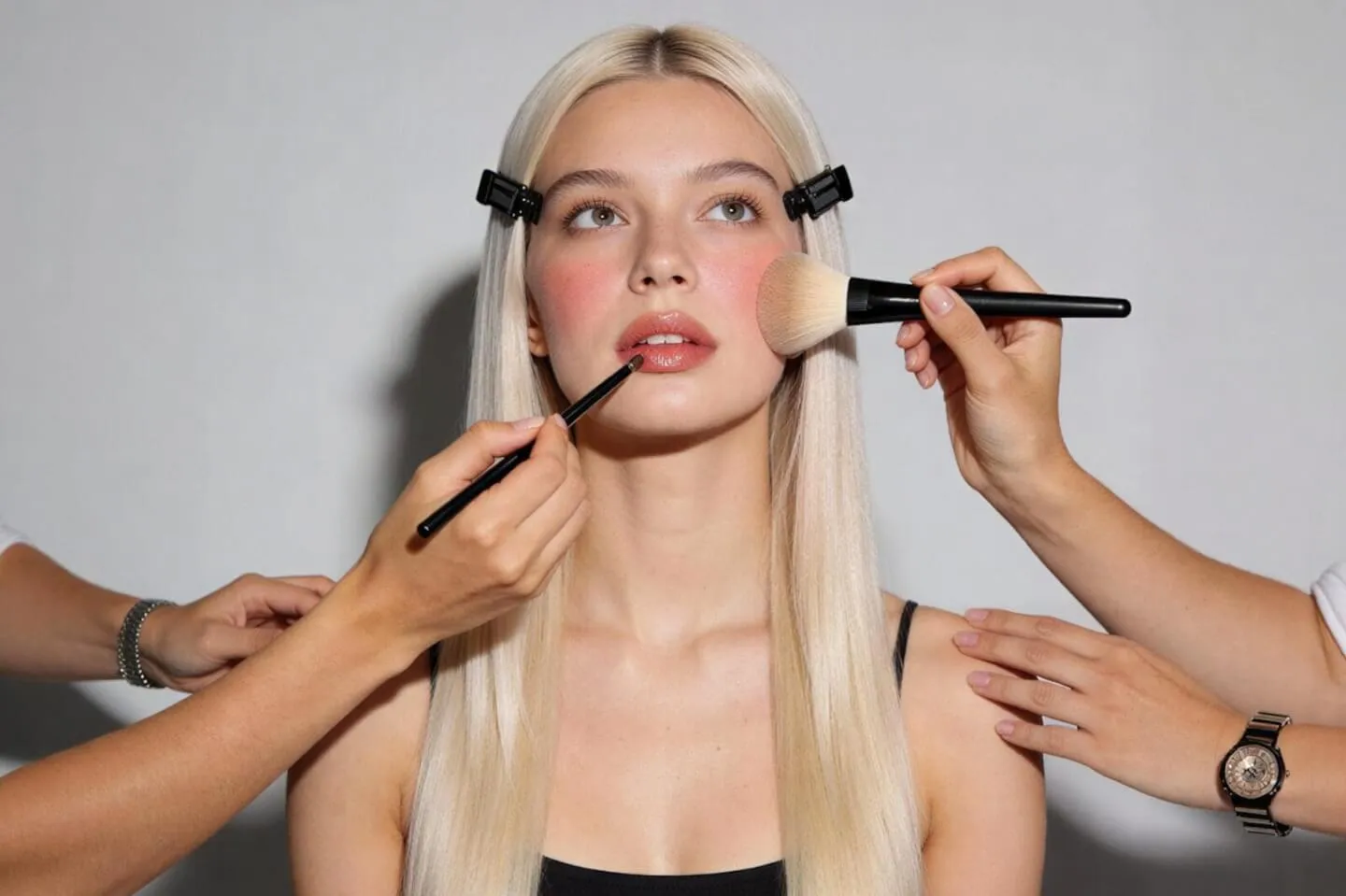
Another 2025 standout was Tower 28’s partnership with TikTok star Toni Bravo, a micro-influencer known as the self-proclaimed “CEO of blush.” Toni had a loyal following of beauty enthusiasts and over 100 blush compacts in her personal collection – yet she often lamented she couldn’t find the perfect coral or raspberry shade for her skin tone. Tower 28 saw an opportunity. They worked with Toni in an extended co-development process to create two new highly pigmented blush shades tailored to deeper skin tones. It was the brand’s first-ever influencer-led product collaboration, and it paid off. The limited-edition “Sunset Shirley” and “Downtown Daiquiri” blushes launched in July 2025 to much fanfare. This collab demonstrated that even a smaller creator with a tightly engaged audience can shape a product when a brand values their expertise and community trust over sheer follower count. Toni’s followers felt a sense of pride and excitement in “their” CEO of Blush’s product – translating into immediate sales and vibrant social content of fans trying the new shades.

    • Influencers in the designer’s seat:

Co-creation isn’t limited to cosmetics. Fashion label Frame kicked off 2025 by teaming up with TikTok influencer Alix Earle after a viral moment. When commenters debated Alix’s skinny jeans in a TikTok video, she pitched an idea to Frame: why not collaborate on a denim collection that answers what her audience is looking for? The result was a full product collaboration born directly from a social media conversation. By turning online feedback into a commercial product, Frame and Alix showed how quickly an influencer can help a brand innovate a new offering that resonates with younger consumers. The drop generated massive earned media and positioned Frame as a brand that gets TikTok culture.

    • Creators as official creative directors

2025 also blurred the line between influencer and executive. For instance, Skylar, a fragrance brand, appointed Love Island TV star-turned-influencer Leah Kateb as Chief Creative Officer mid-year. Rather than a one-off endorsement, they literally gave her the keys to shape the brand’s next chapter. Similarly, SoFi hired financial TikToker Vivian Tu as a Chief of Financial Empowerment to guide product and marketing initiatives from a creator’s perspective. These moves signaled that brands see so much value in influencer partnerships, they’re willing to bring creators in-house to co-create everything from products to brand messaging. When an influencer has a formal role, their followers know the collaboration is deep and genuine – not just a paycheck. That trust can translate into very loyal customers.

Not every collaboration is without risks – 2025 also saw a few partnerships backfire due to misaligned values or controversy (as when a beauty influencer collab had to be pulled after offensive remarks on a livestream). The lesson for brands is to choose partners carefully and prioritize long-term brand–creator value alignment. Overall, though, the past year proved that co-created launches can produce blockbuster results. Brands large and small tapped influencers not only to market products but to inspire and design them, leading to products that felt fresher, more inclusive, and pre-approved by the target audience. 

Emerging Trends for 2026: From Micro-Influencers to Influencer CEOs

As we head further into 2026, the co-creation playbook is expanding in exciting ways. Here are the key influencer collaboration trends to watch this year and beyond:

    • Micro-influencers driving niche product development: Bigger isn’t always better when it comes to influencer partners. In 2026, brands are heavily courting micro and mid-tier influencers (think tens of thousands, not millions of followers) because their niche communities offer high engagement and trust. These creators may have smaller reach, but their recommendations feel “like a friend’s suggestion, not an ad,” which directly boosts conversion. Studies show micro-creators often deliver higher engagement rates than macro influencers while costing 60-70% less – and their authenticity leads to better conversion rates and lower customer acquisition costs. For brands, this means a strong ROI when co-creating or launching a product tailored to a micro-influencer’s passionate niche. Expect to see more micro influencers in sectors like fitness, DIY crafts, and specialized beauty lines teaming up with brands to develop products that speak to their devoted followings. It’s a win-win: the influencer gets to create something their community has been craving, and the brand gets a product launch with a built-in evangelist network. (For example, a gluten-free snack company might collaborate with a micro health-food blogger on a new flavor, or a niche gaming accessory maker might design a product with input from a Twitch streamer known for that game genre.)
    • Influencers taking on official brand roles: The idea of influencers as mere promoters is fading. Creators are increasingly taking on leadership titles – and not just honorific ones. We’re talking real decision-making power, like serving as creative directors, product line curators, or even co-founders of new brand offshoots. A marketing agency report predicts we’ll see “more creators taking on leadership roles (like Chief Creative Officer) or co-creating entire product lines” for brands in 2026. What does this look like in practice? In the beauty world, a cosmetics brand might appoint a popular makeup YouTuber to co-develop an influencer-branded sub-line (think palettes and lipsticks that the creator designs from scratch). In fashion, a streetwear label could bring on a TikTok style icon to oversee a seasonal collection. These arrangements go beyond a single collab drop – they integrate the influencer’s vision into the brand’s ongoing product strategy. The benefit for brands is huge: they essentially import an engaged audience and a stream of fresh ideas, while the creator helps ensure new launches stay culturally relevant. It’s also a savvy way to target Gen Z and millennial consumers who are often more interested in a product if they know a creator they admire had a hand in it.

    • Community co-creation and UGC campaigns: “Community” is the marketing buzzword of 2026, and co-creating doesn’t stop at influencers – it extends to consumers themselves. Smart brands are finding ways to involve their broader customer base in product innovation, often facilitated by influencers or through UGC contests. For instance, makeup brand e.l.f. Cosmetics has been running its Beautyscape initiative, inviting groups of influencers and fans into product development workshops. By 2025, e.l.f. reported this approach led to a 25% jump in engagement, as creators felt heard and viewers saw their ideas materialize in new products. In 2026, we can expect more brands to launch crowd-sourced product ideas (remember the fan-voted flavors of snacks or sodas in past years) but with a social media twist. Niche influencers might host polls asking their followers to choose the next color or feature of a product line, essentially turning followers into co-creators. This not only generates tons of user-generated content (as people share their input and anticipation) but also virtually guarantees a core group of buyers when the product launches – because they had a hand in its creation. The brand–audience relationship evolves from consumer and marketer into a community building together.
    • Content creators as product launch powerhouses: Influencer marketing and e-commerce are becoming more intertwined than ever. Platforms like TikTok and Instagram now integrate shopping features, meaning a creator can debut a co-created product in a livestream or Reel and fans can purchase in-app on the spot. In 2026, many DTC brands plan to leverage influencers not just for pre-launch hype but as the primary channel for selling the new product through social commerce. We’re seeing “drops” where an influencer will unveil a product collab during an Instagram Live, offer an exclusive discount code, and drive a frenzy of sales within minutes. This urgency and authenticity (it feels like buying from a friend) can outperform traditional ad-driven launches. Additionally, long-term influencer partnerships are favored over one-off sponsorships. Brands are nurturing ongoing relationships so that creators become genuine brand ambassadors who are involved in multiple product cycles – providing feedback on prototypes, creating tutorial content, and rallying their community at each launch. All of this feeds an algorithmic advantage too: social platforms reward content that sparks engagement, and few things engage like an influencer asking their fans “Which product should we create next?” or “Here’s the new item I helped design – what do you think?”

In summary, 2026’s influencer marketing landscape is all about deeper integration and shared creativity. Rather than renting an influencer’s audience for a one-time ad, brands are making them co-architects of products and campaigns. The upshot is products that feel hyper-relevant and community-driven, giving brands an edge in a crowded e-commerce market.

How to Co-Create a Product with Influencers: Tips for Brands

Seeing the potential, you might be wondering: How can my e-commerce brand or Amazon business actually co-create a product with influencers? Here are some practical tips to get you started on the right foot:

    1. Identify the right influencer (or micro-influencer) for your niche: Look for creators who are genuinely passionate about your product category and align with your brand values. They don’t need millions of followers. In fact, a micro-influencer with 20,000 highly engaged followers in your niche can be more valuable than a celebrity who isn’t a natural fit. Check their content – do they already discuss problems your product solves or ideas related to your industry? Those are strong candidates for co-creation because they understand the audience’s needs. (Example: A small kitchenware brand might team up with a TikTok home chef known for creative recipes, to develop a better cooking gadget tailored to the influencer’s signature style.)


    2. Start with a limited-edition or pilot collaboration: You don’t have to hand over an entire product line on day one. Consider co-creating a single new flavor, color, or limited-run item as a test. This could be an influencer-curated bundle of your existing products or an add-on feature the influencer suggested. A pilot launch keeps the scope manageable and creates exclusivity (“limited edition” often translates to urgency among fans). For Amazon sellers, this might mean launching a new variation of a private-label product in collaboration with an influencer and labeling it as a special edition. Monitor the response – if it sells out or drives a spike in traffic, you know you’re onto something.

       

    3. Involve the influencer throughout the development process: True co-creation means more than slapping an influencer’s name on the box. Bring the creator into the R&D fold early. This could be as simple as brainstorming calls, or as involved as sending prototypes/sample batches for feedback. Let them influence decisions on design, packaging, naming, or even pricing. Not only will you end up with a product that resonates better with consumers, but the influencer will feel authentic when promoting it (“I literally helped design this, here’s why we made these choices…”). Document some of this collaborative process – it can become great behind-the-scenes content to tease the launch and highlight the influencer’s role (which builds trust with their audience).


       

    4. Leverage user-generated content and community input: Extend the collaboration beyond just the influencer to include their followers (your potential customers). For example, you can have the influencer run polls or Q&As with fans: “What types of scents would you like to see in the new candle I’m designing with XYZ brand?” This makes fans feel heard and creates excitement well before launch day. By the time you’re ready to start selling, you’ll have a library of UGC – comments, poll results, fan art, etc. – that you can reference in marketing (“You voted for it, we made it!”). This strategy not only produces a better product, but also turns the launch into an event the community is personally invested in.


    5. Establish clear terms and creative boundaries: When co-creating with influencers, it’s vital to set expectations on both sides. Discuss things like revenue or profit-sharing (will the influencer earn a royalty or percentage of sales? Or a flat fee plus performance bonuses?), timeline for development and launch, and approval processes for designs or marketing materials. Also be clear on branding – will the product carry the influencer’s name or logo? Ironing this out early prevents misunderstandings. Many brands formalize the partnership with a contract covering intellectual property and promotion commitments (e.g., the influencer will create a certain number of posts or videos about the product). Clarity ensures the partnership runs smoothly and both parties feel motivated to make the launch a success.


    6. Plan a creative, cross-channel launch campaign: When the co-created product is ready, make the most of your influencer’s content creation skills and audience reach. Coordinate a launch plan that might include teaser posts, an unboxing video by the influencer, a special discount code for their followers, and maybe a launch-day live stream or event. Because the influencer is a true partner, this content will come off as genuine excitement rather than a paid ad – and that authenticity can supercharge engagement. Encourage the influencer to share personal stories or behind-the-scenes moments about the product (“Remember how I insisted on this feature? I did it because so many of you told me… and I’m so proud of the result!”). Simultaneously, amplify this on your brand’s channels and consider running paid ads using the influencer’s content (with permission) to reach lookalike audiences. A coordinated approach will maximize visibility and conversion when you go live.

Throughout all these steps, keep the focus on authenticity and alignment. The magic of co-creating products with influencers is that it merges an influencer’s trusted voice with your brand’s innovation. By genuinely collaborating, you’re not just renting influence – you’re integrating it. And as many brands have learned, an engaged micro-influencer or content creator can spark a wildfire of interest that traditional marketing might never achieve. Platforms and services exist to help with this matchmaking too – for instance, Stack Influence specializes in connecting brands with micro-influencers for authentic campaigns (a resource worth exploring if you want to scale up influencer collaborations). With the right partner and strategy, even a small e-commerce brand can punch above its weight by launching a product that feels co-created with the very consumers it’s meant for.

micro-influencer platforms

Unlock the Power of Micro Influencers and Elevate your Brand Today!

How Brands & Influencers Co-Create New Products in 2026 Highlighting The Top Co-Created Products of 2025

Conclusion to How Brands & Influencers Co-Create New Products in 2026

Brands partnering with influencers on new launches in 2026 isn’t just a fad – it’s a forward-looking strategy driven by the demand for authenticity and community. From the examples of 2025 to the trends unfolding now, one thing is clear: co-created products can capture lightning in a bottle. They blend an influencer’s creativity and trust with a brand’s quality and distribution, resulting in offerings that people actually want and love to talk about. For e-commerce brands and Amazon sellers, this approach can differentiate your product in a saturated market and turn customers into a loyal fan base.

As you plan your next product launch, consider this question: Which creator out there would be the perfect partner in designing and debuting something amazing with us? The answer could transform your business. By embracing influencer co-creation, you tap into fresh ideas, ready-made audiences, and the kind of word-of-mouth buzz that traditional advertising can’t buy. In a year where micro influencers drive big ROI and content creators sit at the strategy table, now is the time to experiment with co-creating a product of your own. It could be as simple as a new flavor suggested by a foodie influencer – or as bold as giving a creator the reins to an entire line. Either way, the brands that build with influencers (not just market through them) are poised to see stronger engagement, higher sales, and communities that feel genuinely connected to their products.

How Brands & Influencers Co-Create New Products in 2026 Highlighting The Top Co-Created Products of 2025

By William Gasner

CMO at Stack Influence

William Gasner is the CMO of Stack Influence, he's a 6X founder, a 7-Figure eCommerce seller, and has been featured in leading publications like Forbes, Business Insider, and Wired for his thoughts on the influencer marketing and eCommerce industries.

Want new articles before they get published? Subscribe to our Awesome Newsletter.

stack up your influence
turning creativity into currency


our headquarters

111 NE 1st St, Miami, FL 33132

our contact info 

[email protected]

stack up your influence
turning creativity into currency

our headquarters

111 NE 1st St, 8th Floor 
Miami, FL 33132

our contact info

[email protected]

How Brands & Influencers Co-Create New Products in 2026 Highlighting The Top Co-Created Products of 2025

© 2025 Stack Influence Inc

© 2025 Stack Influence Inc