How to Get Paid on Instagram Reels in 2025: Complete Guide

30th

December, 2025


Amazon Influencers
Influencer Marketing
Amazon Marketplace
Artificial Intelligence
TikTok Tips

Instagram Reels isn’t just about fun videos – it’s a money-making opportunity. Short-form videos have exploded in popularity, and content creators (from micro influencers to mega-stars) are cashing in. In this guide, we’ll explain how to get paid on Instagram Reels using the latest methods, and why it matters for e-commerce brands and Amazon sellers. You’ll learn what changed after Instagram’s Reels Play bonus program ended in 2023, and discover new ways creators earn income through Reels today. This insight helps brands understand creator monetization and how to partner with influencers or harness user-generated content (UGC) to drive product sales and engagement.

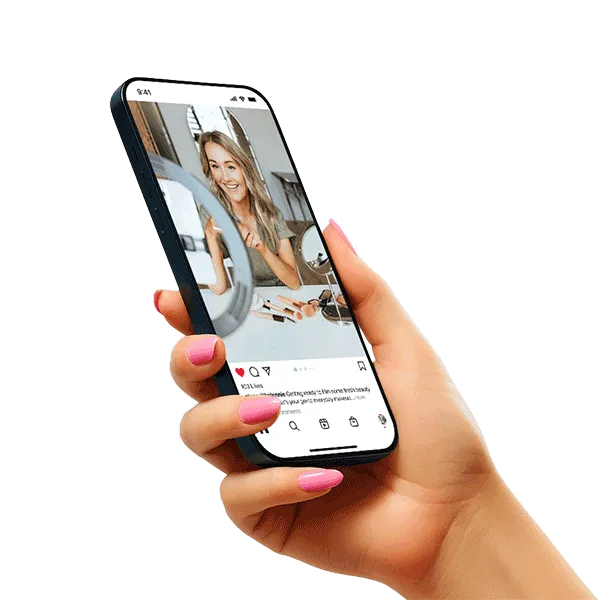
Caption: A content creator recording an Instagram Reel. Short-form videos like Reels have opened up new ways for creators to earn money on Instagram. For e-commerce brands, these monetization features also present opportunities to collaborate with creators on authentic content.

By the end of this post, you’ll know the top strategies for making money with Reels – from Instagram’s built-in monetization tools to influencer marketing tactics. Let’s dive into the complete guide on how to get paid on Instagram Reels in 2025, and how brands can ride this wave of creator commerce.

micro-influencer platforms

Unlock the Power of Micro Influencers and Elevate your Brand Today!

Instagram Reels isn’t just about fun videos – it’s a money-making opportunity. Short-form videos have exploded in popularity, and content creators (from micro influencers to mega-stars) are cashing in. In this guide, we’ll explain how to get paid on Instagram Reels using the latest methods, and why it matters for e-commerce brands and Amazon sellers. You’ll learn what changed after Instagram’s Reels Play bonus program ended in 2023, and discover new ways creators earn income through Reels today. This insight helps brands understand creator monetization and how to partner with influencers or harness user-generated content (UGC) to drive product sales and engagement.

How to Get Paid on Instagram Reels: 7 Effective Strategies

Instagram Reels isn’t just about fun videos – it’s a money-making opportunity. Short-form videos have exploded in popularity, and content creators (from micro influencers to mega-stars) are cashing in. In this guide, we’ll explain how to get paid on Instagram Reels using the latest methods, and why it matters for e-commerce brands and Amazon sellers. You’ll learn what changed after Instagram’s Reels Play bonus program ended in 2023, and discover new ways creators earn income through Reels today. This insight helps brands understand creator monetization and how to partner with influencers or harness user-generated content (UGC) to drive product sales and engagement.

1. Enable Instagram “Gifts” for Fan Donations

One of Instagram’s newest monetization features for Reels is Instagram Gifts. This feature lets your fans send you virtual “gifts” in the form of Stars to show appreciation for your Reels content. Here’s how it works: viewers can purchase packs of Stars (for example, 300 Stars cost about $5.99) and then send animated gift stickers on your Reel. For every Star you receive, Instagram pays you $0.01 USD. It might sound small, but those pennies add up with an engaged audience. Creators receive a payout once their Star balance reaches $25.

To use Gifts, you need to meet a few criteria. Instagram currently requires that you have a creator (professional) account, be at least 18 years old, and have at least 5,000 followers to be eligible. (Gifts are also only available in certain regions so far.) Once enabled, a “Send Gift” button will appear on your Reels, and fans can tap it to send you Stars. Each month, Instagram tallies up the Stars on your gifted Reels and pays out your share. While you likely won’t retire off Gifts alone, they’re a nice extra income stream for creators who consistently produce content that followers love.

Why it matters for brands: Gifts show how devoted a creator’s fanbase is. If you’re an e-commerce brand partnering with a micro influencer, a fan-supported creator likely has an engaged community. Their authenticity (the kind that prompts fans to tip them) can translate into more genuine promotion of your product. It’s a signal that the influencer’s audience values their content – a good sign for any influencer marketing campaign.

2. Offer Instagram Subscriptions for Exclusive Content

Another built-in way to get paid on Instagram Reels is through Instagram Subscriptions. This feature lets creators charge followers a monthly subscription fee in exchange for exclusive content. Think of it like a Patreon-lite, right inside Instagram. Creators can set their own price, anywhere from $0.99 up to $99.99 per month, and offer perks to subscribers such as exclusive Reels, Stories, live streams, or special badges in comment sections. Subscribers get a badge next to their name (so the creator can recognize them), and access to subscriber-only posts/Reels that regular followers can’t see.

For creators, subscriptions mean recurring revenue from your most loyal fans. For example, a fitness influencer might offer paid subscribers extra weekly workout Reels or Q&A sessions beyond their free content. Even a modest number of subscribers can provide a steady monthly income as long as you continue delivering value. Consistency and clear value are key – you need to give subscribers a reason to stay subscribed. Many creators tease their exclusive content in public Reels to entice followers to hit that “Subscribe” button.

Why it matters for brands: Subscription content indicates what a creator’s core audience truly values. If you’re an Amazon seller or DTC brand, these exclusive insights can help you identify creators with highly engaged niches. Also, a creator earning via subscriptions is incentivized to keep quality high and audience trust strong (since their income depends on it). When partnering with such creators, brands can expect a professional approach and dedicated audience – a win-win for sponsored collaborations.

3. Partner with Brands for Sponsored Reels (Influencer Marketing)

One of the most lucrative avenues for creators is classic influencer marketing – partnering with brands to create sponsored Reels. In this model, a brand pays you (the creator) to feature their product or service in your Reel. These are essentially modern-day “ads,” but done in an authentic, creator-driven style. For example, a skincare brand might pay a beauty micro influencer to film a Reel using their product and giving an honest review or demo. In return, the creator might get a fixed fee, free products, or a performance-based payment.

Sponsored Reels can pay anywhere from about $10 to $10,000+ per Reel depending on the creator’s follower count and influence. A micro influencer on Instagram (say 10k–50k followers) might charge a few hundred dollars for a dedicated Reel, whereas a macro influencer (500k+ followers) could command thousands. As an influencer, you have the flexibility to set your rates and negotiate based on the scope of work (a single Reel vs. a series, exclusivity, usage rights, etc.). Many creators start by reaching out to brands they already love, or join influencer platforms that connect brands with creators. (For instance, platforms like Stack Influence help e-commerce companies connect with vetted micro influencers to produce content and UGC at scale.)

When doing sponsored Reels, it’s crucial to maintain authenticity and transparency. Always disclose paid partnerships (Instagram has a “Paid Partnership” tag for this). Creators who promote relevant products that align with their niche will keep the trust of their audience. Remember, an engaged, trusting audience is what brands are ultimately paying for. Brands value micro influencers for their high engagement and niche authority – often micro influencers can drive up to 60% more engagement than bigger influencers. This means a partnership with the right micro influencer can yield better ROI than a generic celebrity ad.

Why it matters for brands: Sponsored Reels are a direct way for e-commerce brands and Amazon sellers to drive product awareness and sales. By collaborating with content creators, brands get authentic video content reaching the creator’s followers – a form of word-of-mouth advertising. It’s also a chance for brands to gather user-generated content (which can be repurposed in ads or on their own social media). Influencer marketing via Reels is especially powerful for product demonstrations, unboxings, and testimonials that build social proof. Just be sure to choose creators whose audience matches your target market, and agree on clear deliverables. When done right, an influencer’s genuine enthusiasm can translate into real revenue for your brand.

4. Leverage Affiliate Marketing in Reels

Affiliate marketing is another popular method for creators to get paid, and it works beautifully on Instagram Reels. In affiliate partnerships, you (the creator) promote a brand’s product and share a special link or discount code. Whenever someone purchases through your link/code, you earn a commission on that sale. This model is performance-based – you get paid only if your content drives a purchase – but it can become a great passive income stream if your Reels get traction.

For example, suppose you’re a content creator who posts cooking Reels. You could join an affiliate program for a kitchenware brand or even Amazon’s Associate program. Then, in a Reel where you’re using a particular blender, you’d mention “Link in bio for 10% off this blender” (using your affiliate link). Any follower who clicks and buys would earn you a cut. Commissions vary by program and product category, but creators can typically earn about 5% up to 30% of the sale price in commission. Digital products or software often have higher commission rates, whereas physical products might be lower – but higher priced.

Instagram has made affiliate marketing easier by allowing product tagging and affiliate links in posts and Reels (though links in Reel captions aren’t clickable, creators usually direct viewers to the link in their bio or a Story with a link sticker). Notably, Instagram’s own data shows nearly half of its users shop on the platform, which means Reels that showcase products can directly influence purchase decisions. Creators often combine engaging content with subtle product mentions or reviews, encouraging interested viewers to learn more via the bio link.

Why it matters for brands: Affiliate marketing aligns incentives – the creator only makes money when the brand makes a sale. For e-commerce brands and especially Amazon sellers, recruiting affiliates can be a cost-effective way to scale promotion. When a micro influencer includes your product in a Reel and dozens of their followers buy it, both you and the creator benefit. Plus, the creator’s authentic content serves as social proof. Many brands now provide custom discount codes to influencers (e.g. “Use code MARIA10 for 10% off”) which not only track sales but also incentivize the audience to purchase. This approach can be particularly powerful on Amazon, where sellers might use Amazon’s Influencer Program or Associates links to have creators drive traffic to their Amazon listings. In summary, affiliate Reels turn creators into your de facto salespeople, creating a win-win scenario: you get sales, they get a commission, and the audience gets a product recommendation from someone they trust.

5. Sell Your Own Products (Digital or Physical) with Shoppable Reels

Instagram Reels isn’t just about fun videos – it’s a money-making opportunity. Short-form videos have exploded in popularity, and content creators (from micro influencers to mega-stars) are cashing in. In this guide, we’ll explain how to get paid on Instagram Reels using the latest methods, and why it matters for e-commerce brands and Amazon sellers. You’ll learn what changed after Instagram’s Reels Play bonus program ended in 2023, and discover new ways creators earn income through Reels today. This insight helps brands understand creator monetization and how to partner with influencers or harness user-generated content (UGC) to drive product sales and engagement.

Creators don’t have to rely solely on brand deals or platforms – you can sell your own products or services and use Instagram Reels as a marketing tool. If you have merchandise, handcrafted goods, or even a digital product (like an e-book or an online course), Reels can showcase these offerings to your followers. Instagram has integrated e-commerce features such as Instagram Shopping to facilitate this. By setting up an Instagram Shop (linked to a product catalog via Meta’s Commerce Manager), you can tag products directly in your Reels. This makes your Reel “shoppable” – viewers can tap on a product tag and be taken to a purchase page within Instagram or your website. For instance, a fashion influencer might do a Reel modeling a new t-shirt from their own merch line, with the shirt tagged for easy checkout.

Physical product sellers (like DTC brands or Amazon sellers with their own site) can use Reels to highlight product features, demo usage, or share customer testimonials. Reels’ viral nature means your product could even reach new audiences through the Explore page. Ensure you fill out your product catalog completely (item name, price, high-quality images, etc.) for a smooth shopping experience. On the other hand, digital product creators (e.g., a photographer selling lightroom presets or a chef selling a recipe e-book) can’t use Instagram’s in-app checkout for digital goods, but they can still promote in Reels and direct viewers to their bio link or a landing page to purchase. The short, engaging format of Reels is perfect for teaser content – like a 15-second clip of an online course preview or before-and-after using your preset – to drive interest and clicks.

Don’t forget services! If you’re a content creator with a skill (graphic design, fitness coaching, photography, etc.), you can use Reels to advertise your services as well. A freelance makeup artist might post Reels of client transformations, effectively using Instagram as a portfolio to attract new paying clients. While you’re not paid by Instagram or via an automatic feature in this case, Reels serve as high-reach advertisements for your business. Many entrepreneurs and consultants on Instagram leverage this strategy, converting their followers into customers for their services or coaching programs.

Why it matters for brands: This strategy is essentially creators becoming brands themselves. For e-commerce businesses, it’s a reminder of how powerful Reels are in the sales funnel. If individual creators can drive sales of their own products with a single viral Reel, established brands can certainly do the same. Amazon sellers, for example, might create their own Reels showcasing product benefits or user reviews (even if they can’t “tag” the Amazon product directly, they can use a compelling Reel to drive traffic to their Amazon listing via link in bio or comments). Moreover, brands can encourage their influencer partners to include product tags for collaborative campaigns. Instagram even allows product tagging in Reels featuring brand partners – so a creator can tag the brand’s product and mark the content as a paid partnership simultaneously. The bottom line: Reels can collapse the path from content to checkout, so whether it’s a creator’s own merchandise or a brand’s catalog, leveraging shoppable short videos can boost conversion.

6. Create User-Generated Content (UGC) for Brands

Not all influencer work happens on the creator’s own profile. A growing trend is user-generated content (UGC) creation as a service. In UGC collaborations, brands pay content creators to produce relatable, authentic-looking content (like Reels, videos, or images) that the brand will use on its own social media channels or ads. In other words, you as a creator act behind the scenes – you might not even post the Reel on your own account, but you film/edit it for the brand to post. This is a great way for skilled creators (even those with a smaller following) to make money, because brands are often more concerned with your content quality and style than your follower count for UGC projects.

For example, an e-commerce gadget company might hire a micro influencer to create a demo Reel of their product that the company can run as an Instagram ad. The creator might only have 2,000 followers, but if they make a convincing, high-quality video, the brand sees value in using it to reach the brand’s own audience. UGC deals typically pay a fixed fee per piece of content or per bundle of content (e.g. $X for 3 Reels). The rates can vary widely based on the complexity of the content and the creator’s experience, but because the creator isn’t “lending” their audience (only their creative skills), UGC rates are often a bit lower than sponsored post rates for equivalent-sized influencers. However, what UGC lacks in distribution it makes up for in flexibility: even nano and micro influencers can excel at UGC without needing a huge following. In fact, brands often seek everyday creators who can produce content that feels like an honest customer voice. According to industry stats, brands increasingly prefer working with micro and nano-creators – 44% of brands collaborate with micro/nano influencers for their niche focus and strong audience connection.

To succeed in UGC, focus on crafting content that matches the brand’s style and appeals to their target customers. You might need to show some sample work or a portfolio to get these gigs. But once you do, it can become a reliable income source. And importantly, when you create UGC, you’re usually not posting it on your channel, so it won’t clutter your feed with ads – leaving you free to keep your personal content authentic and only publicly share the sponsored content you really love.

Why it matters for brands: UGC is gold for marketing. Today’s consumers trust peer-style content more than polished ads. By paying creators to make UGC, brands get a library of authentic material to use in ads, product pages, and social media – often at a fraction of the cost of a big influencer campaign. For the brand, the ROI can be high: one good UGC-style Reel in an ad can outperform a traditional studio commercial because it feels more real. For Amazon sellers, videos from real people using the product can be used on Amazon storefronts or product listings (Amazon even allows short video reviews). UGC creators don’t need to have large followings; they just need to know how to make engaging content. This means brands can tap into talented micro influencers or content creators who might be under the radar. It’s worth noting that when negotiating UGC, brands should clarify content usage rights (organic social use, paid ads, duration, etc.) in the contract. Overall, investing in UGC means investing in relatable storytelling – which can significantly boost e-commerce conversion rates.


7. Promote Your Services or Skills via Reels

Aside from digital platform features and brand partnerships, don’t overlook using Reels to promote your own skills or services. Many content creators are multifaceted – maybe you’re a travel vlogger who also offers itinerary planning services, or a craft influencer who sells custom art commissions. Instagram Reels can act as marketing for these ventures. You’re effectively funneling your followers (and viewers reached via the Reels algorithm) into becoming customers for a service you provide.

For instance, a photography influencer might create Reels with quick photo tips to build an audience, and mention in their captions or bio that they offer private coaching or photo editing services. Interested viewers can reach out or follow a link to hire them. The transactions might happen off Instagram (via your website, DMs, or platforms like Fiverr/Upwork), but Instagram is the top-of-funnel that brings you leads. We’ve seen fitness influencers use Reels to demonstrate expertise, then convert followers into paying clients for personalized training programs. Even Amazon sellers or small business owners who are active on Instagram use Reels to draw attention to their brand’s story, then drive traffic to their Amazon product page or online store.

The big advantage here is that you’re building your own business on the back of Instagram’s reach. You aren’t at the mercy of Instagram’s changing payout programs or algorithms for income – you’re using the platform to create awareness and demand for something you control. This strategy can be more work (since you have to actually deliver the service or manage the business), but it’s also more sustainable in the long run. As Meta’s moves have shown, features like bonuses can come and go. By cultivating your own product or service and using Reels as promotion, you diversify your revenue beyond what Instagram itself offers. Essentially, you’re turning eyeballs into customers, not just views into ad cents.

Why it matters for brands: This perspective is useful for understanding the broader creator economy. A content creator who is hustling their own service often has a strong entrepreneurial mindset and deep expertise in their niche – qualities that can also benefit a brand partnership. If you’re a brand, don’t shy away from creators who have their own products or services; their business acumen might make them even better collaborators. Additionally, brands themselves can mimic this strategy: use Reels to highlight your brand’s unique story, services, or mission. For example, if you’re a SaaS company or offer a service (not just physical products), short informative Reels about your expertise can generate interest and leads. The bottom line is that Reels can drive real-world actions – whether it’s buying a product or booking a service – so both creators and businesses should use them as a promotional tool for offerings beyond the Instagram app.

micro-influencer platforms

Unlock the Power of Micro Influencers and Elevate your Brand Today!

Instagram Reels isn’t just about fun videos – it’s a money-making opportunity. Short-form videos have exploded in popularity, and content creators (from micro influencers to mega-stars) are cashing in. In this guide, we’ll explain how to get paid on Instagram Reels using the latest methods, and why it matters for e-commerce brands and Amazon sellers. You’ll learn what changed after Instagram’s Reels Play bonus program ended in 2023, and discover new ways creators earn income through Reels today. This insight helps brands understand creator monetization and how to partner with influencers or harness user-generated content (UGC) to drive product sales and engagement.

Conclusion to How to Get Paid on Instagram Reels

In 2025, getting paid on Instagram Reels is all about diversification. Smart content creators combine several of the strategies above – for example, a creator might earn a baseline income from subscriptions and fan gifts, land big one-off deals with brand-sponsored Reels, and sprinkle in affiliate links for additional passive earnings. Instagram has evolved from just a photo-sharing app into a real revenue platform for enterprising creators. And even though Instagram itself has dialed back direct payouts (the old Reels bonus fund is gone), creators are finding new ways to turn views into dollars. The key is to focus on engaging content and an authentic connection with your audience, because almost every monetization method (from fan contributions to brand deals) ultimately flows from having an audience that trusts and enjoys your work.

For e-commerce brands and Amazon sellers, understanding how creators get paid on Reels isn’t just interesting trivia – it’s actionable insight. By knowing the incentives and income streams of influencers, you can craft better partnerships. For instance, you might approach a micro influencer with a free product plus commission deal (leveraging their interest in affiliate income), or negotiate a flat fee for a UGC-style Reel you can use in ads (giving the creator a quick payday and you long-term content assets). If you have an influencer program, highlight how creators can earn with you – whether it’s generous commissions or opportunities for recurring sponsorships (appealing to that desire for steady income).

Most importantly, don’t ignore Instagram Reels as a marketing channel. The short-form video trend is here to stay, and brands that incorporate Reels into their strategy can enjoy greater reach and engagement. A viral Reel showcasing your product can drive a surge of traffic to your online store or Amazon listing overnight. Consider collaborating with content creators who are already adept at making Reels – their expertise can help your brand ride the algorithm’s wave.

In summary, creators are monetizing Reels through a mix of fan support, platform tools, and brand collaborations. Your brand can benefit by riding alongside these monetization trends. Now’s the time to partner with talented micro influencers, embrace user-generated content, and integrate Instagram Reels into your marketing plan. By doing so, you’ll not only support the creator community but also tap into a form of social proof and storytelling that truly drives ROI. As the creator economy grows, those who collaborate and adapt will reap the rewards. Get out there and start “reeling” in the results!

Instagram Reels isn’t just about fun videos – it’s a money-making opportunity. Short-form videos have exploded in popularity, and content creators (from micro influencers to mega-stars) are cashing in. In this guide, we’ll explain how to get paid on Instagram Reels using the latest methods, and why it matters for e-commerce brands and Amazon sellers. You’ll learn what changed after Instagram’s Reels Play bonus program ended in 2023, and discover new ways creators earn income through Reels today. This insight helps brands understand creator monetization and how to partner with influencers or harness user-generated content (UGC) to drive product sales and engagement.

By William Gasner

CMO at Stack Influence

William Gasner is the CMO of Stack Influence, he's a 6X founder, a 7-Figure eCommerce seller, and has been featured in leading publications like Forbes, Business Insider, and Wired for his thoughts on the influencer marketing and eCommerce industries.

Want new articles before they get published? Subscribe to our Awesome Newsletter.

stack up your influence
turning creativity into currency


our headquarters

111 NE 1st St, Miami, FL 33132

our contact info 

[email protected]

stack up your influence
turning creativity into currency

our headquarters

111 NE 1st St, 8th Floor 
Miami, FL 33132

our contact info

[email protected]

Instagram Reels isn’t just about fun videos – it’s a money-making opportunity. Short-form videos have exploded in popularity, and content creators (from micro influencers to mega-stars) are cashing in. In this guide, we’ll explain how to get paid on Instagram Reels using the latest methods, and why it matters for e-commerce brands and Amazon sellers. You’ll learn what changed after Instagram’s Reels Play bonus program ended in 2023, and discover new ways creators earn income through Reels today. This insight helps brands understand creator monetization and how to partner with influencers or harness user-generated content (UGC) to drive product sales and engagement.

© 2025 Stack Influence Inc

© 2025 Stack Influence Inc