Influencer Relations 2025: How TikTok & Instagram Boost ROI

28th

December, 2025


Amazon Influencers
Influencer Marketing
Amazon Marketplace
Artificial Intelligence
TikTok Tips

In 2025, influencer marketing is no longer just a buzzword – it’s a revenue driver for e-commerce brands and Amazon sellers. The secret sauce behind successful campaigns isn’t one-off sponsored posts; it’s building genuine influencer relations with content creators who truly love your brand. Influencer relations means nurturing long-term partnerships with creators (from micro influencers to industry icons) so they become enthusiastic brand champions, not just one-time promoters. Brands that invest in these relationships are seeing impressive returns – on average earning about $5.78 for every $1 spent on influencer campaigns. And it’s not just ROI that’s compelling. Surveys show 86% of consumers make a purchase due to an influencer at least once a year, underscoring how much sway creators have over buying habits. Simply put, authentic influencer relationships translate into higher trust, more user-generated content (UGC), and ultimately more sales.

What will you learn? In this guide, we’ll break down how to improve influencer relations step by step. You’ll discover proven strategies to find the right influencers, collaborate effectively (especially on TikTok and Instagram), and turn them into long-term partners who boost your brand’s ROI. Whether you’re an Amazon seller looking to stand out on Amazon’s marketplace or a DTC e-commerce brand aiming to scale through influencer marketing, these tips will help you build a network of content creators that drives sustained growth. Let’s dive into the key strategies for strengthening your influencer relations in 2025.

Why Influencer Relations Matter in 2025

In 2025, influencer marketing is no longer just a buzzword – it’s a revenue driver for e-commerce brands and Amazon sellers. The secret sauce behind successful campaigns isn’t one-off sponsored posts; it’s building genuine influencer relations with content creators who truly love your brand. Influencer relations means nurturing long-term partnerships with creators (from micro influencers to industry icons) so they become enthusiastic brand champions, not just one-time promoters. Brands that invest in these relationships are seeing impressive returns – on average earning about $5.78 for every $1 spent on influencer campaigns. And it’s not just ROI that’s compelling. Surveys show 86% of consumers make a purchase due to an influencer at least once a year, underscoring how much sway creators have over buying habits. Simply put, authentic influencer relationships translate into higher trust, more user-generated content (UGC), and ultimately more sales.

Influencers drive real results: Modern consumers trust people over ads. In fact, over 60% of social media users trust a creator’s sponsored post more than a celebrity endorsement. That trust translates directly into sales – more than half of users have bought a product because an influencer recommended it. For Gen Z and Millennials especially, influencers are incredibly persuasive (66% of Gen Z and 55% of Millennials have made purchases due to influencers). This means if your brand can build strong relationships with relatable creators, you tap into a powerful word-of-mouth engine that outperforms traditional advertising.

Higher ROI and cost-effectiveness: Influencer marketing can deliver one of the highest ROI in digital marketing. As noted, brands are seeing roughly $5.78 in value for every $1 spent. That beats many conventional ad channels. Why such a high return? Because a well-aligned creator can produce content that not only reaches an engaged audience but also lives on as valuable marketing material for your brand (think product photos, unboxing videos, testimonials). This dual impact – reach and content creation – makes influencer partnerships extremely cost-efficient for e-commerce businesses. Every collaboration is an opportunity to generate sales now and gather reusable UGC for future campaigns.

Micro influencers on the rise: Bigger isn’t always better in influencer marketing. These days, micro influencers (creators with roughly 5,000–100,000 followers) are commanding higher engagement rates than mega-celebrities. Their audiences are small but passionate, and they interact with content at a higher frequency. For brands, this means micro influencers often deliver more comments, clicks, and conversions per follower. They’re also far more affordable and approachable. As one report notes, smaller influencers tend to charge less and are even open to product-only partnerships, making them ideal for brands with limited budgets. In short, forging relationships with a team of micro or nano influencers can give you authentic reach into niche communities that trust their recommendations. And because these creators are viewed as “everyday” people, their endorsements of your product feel genuine – a huge plus for winning over new customers.

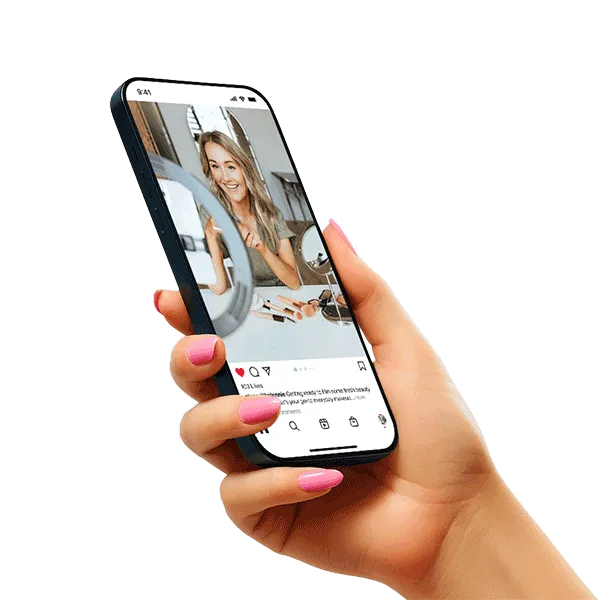
Competitive advantage on TikTok & Instagram: Platforms like TikTok and Instagram continue to dominate the social commerce scene in 2025. Viral TikTok creators and trendsetting Instagram influencers can catapult a product’s popularity overnight. But to consistently harness these platforms, brands need more than a one-hit wonder – you need a stable of happy creators regularly posting about you. That’s where solid influencer relations pay off. For example, repeatedly featuring in a creator’s TikToks or IG Reels builds visibility with their followers week after week, keeping your brand top-of-mind. And when you repurpose an influencer’s content on your own channels (Instagram Stories, TikTok ads, etc.), you amplify the impact further. Done right, influencer relations can spark a cycle of engagement across social platforms: influencers create buzz, their content supplies you with fresh marketing assets, and your promotion of that content brings new fans back to the influencers. It’s a win-win that drives social growth and sales.

In summary, influencer relations are mission-critical for e-commerce success in 2025. They combine the credibility of word-of-mouth with the scalability of digital media. Now, let’s explore how you can cultivate these valuable relationships.

micro-influencer platforms

Unlock the Power of Micro Influencers and Elevate your Brand Today!

In 2025, influencer marketing is no longer just a buzzword – it’s a revenue driver for e-commerce brands and Amazon sellers. The secret sauce behind successful campaigns isn’t one-off sponsored posts; it’s building genuine influencer relations with content creators who truly love your brand. Influencer relations means nurturing long-term partnerships with creators (from micro influencers to industry icons) so they become enthusiastic brand champions, not just one-time promoters. Brands that invest in these relationships are seeing impressive returns – on average earning about $5.78 for every $1 spent on influencer campaigns. And it’s not just ROI that’s compelling. Surveys show 86% of consumers make a purchase due to an influencer at least once a year, underscoring how much sway creators have over buying habits. Simply put, authentic influencer relationships translate into higher trust, more user-generated content (UGC), and ultimately more sales.

10 Strategies to Strengthen Influencer Relations

Improving your influencer relationships doesn’t happen by accident – it requires a proactive, people-centric approach. Below are ten key strategies (with actionable tips) to build and maintain stellar relations with your influencers. Implementing these will help turn one-off collabs into long-term partnerships that fuel your brand’s growth.

1. Choose Influencers Who Align with Your Brand (Quality Over Quantity)

Successful influencer relations start with partnering with the right creators. This means finding influencers whose values, style, and audience align with your brand, rather than just chasing the biggest follower counts. A creator who genuinely loves your product and shares your brand’s niche will be a far better partner than a superstar who isn’t a true fit.

Focus on micro and niche influencers. Instead of defaulting to the largest influencers available, consider working with micro or niche influencers who speak directly to your target customers. These smaller creators often have tightly knit communities and higher engagement. Their followers trust them like a friend, so a recommendation carries weight. By contrast, a macro influencer (100k+ followers) might reach more people in one post, but those audiences tend to be broad and less engaged per capita. In other words, a micro influencer’s 50k followers could yield more conversions than a celebrity’s million followers, due to the stronger bonds and credibility in the smaller community.

For e-commerce and Amazon sellers, a roster of enthusiastic micro influencers can drive steady sales and create a library of relatable UGC content for your product listings, all without breaking the bank.

Do your homework on alignment. When vetting influencers, look beyond metrics. Examine their content: Does their personality and voice match your brand tone? Do they already use products in your category? An influencer whose interests align with your product will integrate it naturally into their posts, which is exactly what you want. Also consider audience demographics – ensure their followers overlap with your target customer profile (age, interests, platform usage). Many brands make the mistake of hiring the wrong influencer and then wonder why the partnership fell flat. Avoid that by researching each creator’s niche, engagement quality, and past brand collaborations. One pro tip: reach out to influencers who are already fans of your brand. If someone has posted about your product organically, they are ideal partnership material – they’re likely to be authentically excited to work with you.

Use tools or platforms to find good matches. Finding aligned creators can be time-consuming, but influencer marketing platforms (and even Amazon’s own Influencer Program) can help. For example, you might use social listening tools to discover creators who mention products like yours, or search hashtags related to your niche on TikTok/Instagram. There are also databases where you can filter influencers by category, audience size, and engagement rates. Investing time up front to choose the right partners will pay off massively in easier communication and better campaign results down the road.

2. Treat Influencers as Partners, Not Just Promotion Channels

Once you’ve identified the influencers you want to work with, approach the relationship as a partnership of equals. Influencers are humans – creative professionals who bring expertise about their audience. Respect that expertise. Don’t treat influencers as just “ad space” to buy or a transactional medium to blast your message. Instead, make them feel like a valued extension of your marketing team.

Cultivate mutual trust and respect. Start by acknowledging the influencer’s talent and point of view. When you reach out, personalize your communication (no generic mass emails). Mention what you admire about their content and why you think your brand is a great fit for them. This shows that you see them as an individual collaborator, not just another cog in your marketing machine. As one expert advises, “Forget the cookie-cutter pitches… Personalize your outreach by mentioning why you admire their work and how their style complements your brand.” Setting a sincere, respectful tone from the beginning builds trust – and trust is the bedrock of any long-term influencer relation.

Involve them in the process. When planning campaigns, invite influencers to contribute ideas. Remember, you’re hiring them for their creative prowess and knowledge of their followers. Ask for their input on what content would resonate best. By co-creating and brainstorming together, you signal that you value their input as a partner. This not only leads to more effective, authentic content, but also increases the influencer’s buy-in and enthusiasm for the campaign. They’ll feel a sense of ownership and pride in the collaboration, rather than feeling “used” for an ad.

Show empathy and be human. Life happens – maybe an influencer’s shipment got delayed or they’re dealing with personal matters. Be understanding and flexible, as you would with a colleague. Also, take genuine interest in them beyond the business. Congratulate them on personal milestones or content successes unrelated to your campaign. Small gestures like these (even just commenting on their non-sponsored posts) humanize your brand in their eyes. Ultimately, the goal is to build a real relationship where the influencer enjoys working with you. When creators feel appreciated and understood, they’ll go the extra mile for your brand and even proactively promote you out of genuine affinity.

3. Give Creative Freedom (Within Clear Guidelines)

Striking the right balance between creative freedom and brand guidelines is crucial. Influencers are content creators – it’s literally in their title – and their creativity is what attracted their audience in the first place. Let them bring that magic to your campaign. Rigidly dictating every aspect of content not only stifles the influencer’s voice, but it can also backfire by producing posts that feel inauthentic (which audiences will sniff out immediately).

Allow influencers to play to their strengths. When you partner with a creator, you’re essentially leveraging their style of storytelling. Maybe they’re brilliant at comedic TikToks, or they have a gorgeous visual aesthetic on Instagram. Embrace that. Provide the general message or theme you need, but let them decide how to communicate it. Overly scripted or overly edited content will come across as an obvious ad and won’t perform as well. By contrast, giving influencers a large degree of creative control often yields the best results. One brand found that letting influencers devise content in their own style led to significantly stronger engagement and campaign outcomes. The influencer knows what their followers respond to – trust them to integrate your product in a way that will feel organic and exciting.

Set clear guidelines upfront. Now, creative freedom doesn’t mean a free-for-all. It’s important to provide guidance and boundaries so that the content still aligns with your brand and goals. The key is to communicate these expectations early and clearly. Create a brief or guideline document that outlines the non-negotiables: key messages or facts to include, any brand do’s and don’ts (e.g. logo usage, forbidden phrases, compliance requirements like FTC #ad disclosures), preferred content formats, and deadline/timeline. Be specific about deliverables (e.g. “one unboxing Reel on Instagram and two story frames within a 2-week period”) and the tone or themes you’re aiming for. Having this structure actually makes influencers feel more comfortable – many creators prefer when a brand gives some direction on what is expected. It ensures they deliver what you need.

Avoid micromanaging the creative. Provide guidance, yes, but don’t dictate every word or camera angle. Give your influencers breathing room to inject their personality. For example, instead of writing a full caption for them, you might share a few bullet points of features to mention, then let them weave it into a story in their own voice. If you have feedback, focus on big-picture issues (like factual accuracy or brand safety concerns), not nitpicking stylistic choices. Remember that social media audiences crave authenticity – content that sounds like the influencer, not like a corporate marketing team. Influencers often know when to take calculated creative risks that can make content more engaging or even go viral. Be open to those ideas. As long as they stay within your broad guidelines, you might be pleasantly surprised by the innovative content they produce. And if an influencer’s concept is a bit different from your usual approach, consider testing it – unique content can set your brand apart.

In summary, provide a clear vision and expectations, but let creators execute it their way. You’ll get more original, thumb-stopping content. Plus, influencers will appreciate the trust you place in them, which strengthens your working relationship.

4. Set Clear Expectations from the Start

Transparency is the foundation of any good business relationship, and influencer collaborations are no exception. To avoid miscommunications or disappointments, be upfront about your goals and expectations from the very beginning of the partnership. When both you and the influencer know exactly what’s expected, it’s much easier to work together smoothly.

Communicate campaign goals and KPIs. Explain to your influencers what you’re trying to achieve with the campaign. Is it a boost in brand awareness? Driving sales of a specific product? Gathering UGC for your website? Let them know the primary objectives. This helps the influencer tailor their content to meet those goals. For instance, if your goal is conversions (sales or sign-ups), the influencer might emphasize a stronger call-to-action or share a personal testimonial about using the product. If the goal is awareness, they might focus more on storytelling and creating shareable content. Also discuss how success will be measured – whether it’s via tracked links, discount code redemptions, engagement metrics, or other KPIs. Being transparent about this signals professionalism and helps influencers understand the why behind your requests.

Define deliverables and timelines clearly. Avoid any ambiguity about what content is expected and when. In writing (email or a simple contract), list the number and type of posts, platforms to be used, content formats (video, image, story, etc.), and posting schedule or deadline windows. For example: “Influencer will produce 1 dedicated TikTok video (15-60s) featuring the product and 3 Instagram Story frames, to be posted within two weeks of product delivery.” Also clarify if there are any review processes – will you require seeing content drafts for approval, or do you trust them to post without approval? Too heavy an approval process can hinder authenticity, but a light check for brand compliance is reasonable especially on first collaboration. Setting all these details ahead of time ensures there are no surprises. The influencer knows exactly what they need to deliver to fulfill the partnership, and you know when to expect the content.

Be honest and specific about requirements. If you have non-negotiable asks, state them plainly. For example, if it’s critical that the influencer mention a certain discount code or hashtag, or if they must include a disclosure (#ad), make that explicit. Don’t assume anything is “obvious.” What might be obvious to you may not be for them, especially if they juggle multiple brand deals each with different rules. Also, encourage influencers to be honest about their own expectations. Ask if they have what they need from you – product samples, affiliate links, creative assets, etc. and if the timeline works for them. Establishing a two-way clarity upfront prevents frustrations later. As the saying goes, “good agreements make good friends.” In influencer terms, a clear brief makes for happy collaborators.

Put it in writing. While a formal contract might not be necessary for every micro-influencer gifting campaign, it’s still wise to have the key points documented in an email or agreement. This should cover scope of work, timelines, compensation or incentive (payment amount, free product, commission structure, etc.), content rights (e.g. can you repurpose their content on your channels?), and any exclusivity (if you require they don’t promote competitors for a certain time). Having a written record protects both parties and gives you something to refer back to in case memories fade. It doesn’t have to be full of legalese – a bullet-point email confirmation works in many cases for smaller collaborations.

When expectations are clearly set and mutually agreed, influencers are far less likely to miss the mark. You’ll avoid common pitfalls like content that doesn’t meet your needs or influencers feeling blindsided by requests they weren’t aware of. Overall, clarity at the start leads to smoother, more enjoyable collaborations.

5. Maintain Open, Two-Way Communication

Communication can make or break your influencer relationships. Creators are often juggling content creation, messages from followers, and multiple brand deals – having a brand that communicates well is a breath of fresh air. By being accessible, responsive, and transparent, you’ll establish a rapport that influencers truly appreciate.

Be responsive and available. If an influencer you’re working with reaches out – whether with a question, an update, or a concern – reply as promptly as you can. Treat them like an important partner (which they are). Even if it’s outside typical 9-5 hours, making an effort to answer urgent questions quickly (or setting up a system for after-hours communication) can keep campaigns on track. For example, if a creator is about to post but isn’t sure about a detail, a quick confirmation from you can be the difference between a timely post or a delayed one. Don’t let influencer messages languish for days in your inbox; timely communication shows you value their time and commitment.

Encourage a two-way dialogue. Communication isn’t just about you giving directives – it’s also about listening. Make it clear to influencers that you welcome their thoughts and feedback. Perhaps schedule a check-in (via email or call) midway through a longer campaign to ask how things are going from their perspective. Are they getting any notable feedback from their followers about your product? Do they have ideas to improve the partnership? When influencers feel comfortable voicing their ideas or even raising issues, you can address things proactively. For instance, maybe an influencer feels a certain talking point isn’t resonating – you can pivot rather than wasting effort. Additionally, if something isn’t going as expected (e.g. sales from a post were low), approach it as a mutual problem to solve, not as a failure by the influencer. Ask for their insight on why it might not have clicked and brainstorm solutions together. This collaborative communication builds trust and respect.

Personify your brand. Whenever possible, have a consistent point of contact managing your influencer relationships – whether that’s you, an influencer marketing manager, or an agency rep. Influencers often say they value knowing who they’re dealing with. If they always email with “Jane from Stack Influence” for example, over time Jane becomes the friendly face of the brand to them. This consistency helps in building a personal connection. In interactions, be friendly and professional. You can be conversational and even fun, while still keeping it on-task. The goal is to make communication with your brand easy and enjoyable. If you’re approachable, influencers will be more inclined to reach out with opportunities or issues, rather than going radio silent if something goes wrong.

Set up a smooth communication channel. Decide how you will communicate day-to-day (Email? WhatsApp? Instagram DMs? Slack channel?). Use whatever medium the influencer is most responsive to. Many micro influencers, for instance, prefer quick chats via Instagram or WhatsApp once the partnership is underway. Adapt to what works for them while keeping important approvals or details in email for record-keeping. Also consider time zones and schedules – if you’re global, make sure meeting times or live conversations are considerate of their local time.

By keeping communication lines open, you’ll catch small issues before they escalate, and you’ll strengthen the bond between you and the influencer. They’ll see you not just as a brand client, but as a reliable partner they enjoy working with. This paves the way for smoother collaborations now and in the future.

6. Amplify and Repurpose Influencer Content

Influencer relations is a two-way street. If you want influencers to consistently support your brand, you should support and celebrate their content as well. One powerful yet simple way to do this is by sharing, amplifying, and repurposing the content your influencers create. This not only pleases the influencer (who appreciates the extra exposure), but it also benefits your marketing efforts by leveraging authentic UGC.

“Share the love” on your own channels. Don’t let an influencer’s post about your brand exist only on their profile – echo it on your brand’s social media and beyond. For example, retweet or share their Instagram Story to your Story (tagging them, of course). Repost their photo or video to your feed (with permission/credit). Many brands create a regular segment like “Creator Spotlight” where they feature influencer partners’ content. This practice shows you genuinely value the influencer’s work. It can delight smaller creators to see a brand with a larger following reposting them, potentially helping them gain followers too. It creates a virtuous cycle: they shout out your brand, you shout out their content. In the influencer’s eyes, this reciprocity is huge for relationship-building – nobody likes a one-sided relationship where they promote you but you never acknowledge them. As the saying goes, “sharing is caring” in influencer relations.

Engage with their posts. At a minimum, when an influencer posts about your product, have your brand account go and like and comment on it. A simple, sincere comment (“Love this post – thanks for sharing your experience!”) can encourage more engagement from others and signals to the influencer that you’re paying attention. Also, keep following and occasionally interacting with their other content (even when it’s not about you). If they post a cool travel photo or a funny video unrelated to your brand, dropping a like or comment from your official account is a nice gesture that keeps the rapport warm.

Repurpose influencer content for social proof. One of the biggest benefits of influencer relationships is the user-generated content they produce – content you can reuse in your own marketing. With the influencer’s permission, incorporate their testimonials, photos, or videos into your brand materials. For example, share their product photo on your product pages or in Amazon listings to add social proof. Influencer-generated content works like a charm on product pages – it provides visual context from a real user and builds trust with shoppers. This can increase time on site and boost conversions, as customers see authentic proof that people (just like them) enjoy the product. You can also use influencer content in email newsletters (“See how @username styles our product!”) or in paid ads (many brands run Facebook/Instagram ads using influencer videos, often outperforming traditional ads).

Cross-post across platforms. If an influencer makes a great TikTok video for your campaign, consider editing or subtitling it for Instagram Reels or YouTube Shorts from your brand’s account. A good piece of content can often live on multiple platforms, extending its reach. Some brands even compile multiple influencers’ posts into a montage video or a blog post (“5 influencers share how they use [Product]”). This not only maximizes the value of the content, but also gives those influencers extra spotlight – which they will love.

Credit and tag appropriately. Whenever you share an influencer’s content, give proper credit (tag their handle, mention their name) so they get recognition. Not only is this ethical, it also often leads them to engage with your share (maybe they’ll comment “Thanks for the feature!” which is more engagement for you). Always obtain permission if you plan to use their content in ads or beyond social media. Most are happy to allow it, especially if credited, but asking reinforces respect for their work.

By actively amplifying influencer content, you accomplish several things at once: you strengthen the relationship by supporting the influencer’s growth, you enrich your own content pipeline with authentic posts, and you signal to your community that real people love your products. It’s a true win-win and a hallmark of mature influencer relations. As a bonus, this reciprocity encourages influencers to keep creating great content for you – they know you’ll actually use it and appreciate it, not just pay them and forget it.

7. Show Appreciation and Offer Fair Value

Never underestimate the power of a heartfelt “thank you.” Influencers, especially micro influencers, often put a lot of effort into creating content for your brand – sometimes more effort than you might realize. Recognizing and rewarding that effort goes a long way toward building loyalty. Essentially, treat your influencers like you would a good friend or a valued team member: let them know they’re appreciated.

Say thank you – sincerely and often. This sounds basic, but many brands forget this simple act. Don’t be that brand that only contacts an influencer when you need something. After an influencer posts about your product, send a quick personal thank-you message. Highlight something you loved about their content (“The unboxing video was fantastic, we loved your genuine reaction!”). If the campaign performed well, share those results with them and credit their great work. These small notes of appreciation cost nothing and mean everything. As one marketing guide noted, thanking influencers for their collaboration is obvious yet often overlooked – a sincere thank-you note can strengthen your connection. It shows you see the person behind the metrics and you value what they’ve done.

Give shout-outs and public recognition. Besides private thanks, give your influencers public kudos when appropriate. This could be as simple as a Follow Friday tweet mentioning how awesome they are, or including them in a “Thank you to our creator community” Instagram post. Tag them and praise their work. Such recognition not only pleases the influencer but can also boost their profile. Many creators are trying to grow their own brand; by spotlighting them, you help them out – and people remember those who helped them. Just ensure any public thank-yous feel genuine and not patronizing.

Surprise and delight with perks. Going the extra mile with occasional tokens of appreciation can really solidify a relationship. For instance, send them a small gift or personal note during holidays or at the end of a successful campaign. It could be branded swag, an extra product they admired, or something unrelated like a snack or gift card (“coffee’s on us this month!”). Some brands maintain VIP lists of their top influencers and send them exclusive care packages or early access to new products. Importantly, this should be above and beyond any agreed compensation. If you promised a free product for a post, that’s the baseline transaction – a thank-you gift is something extra, unexpected. Even a handwritten thank-you card via snail mail can be a memorable gesture in our digital age.

Ensure fair compensation. Appreciation isn’t only about words and gifts; it’s also about paying or rewarding influencers fairly for their work. While many micro influencers are happy to accept free products or modest fees, make sure what you’re offering matches the effort you’re asking for. If an influencer has delivered great results for you repeatedly, consider increasing their compensation in future campaigns or setting up an affiliate commission so they earn as they help you sell. One common reason influencers cut ties with brands is when they feel the compensation isn’t commensurate with the value they’re providing. You might not have a huge budget (many Amazon sellers don’t), but you can get creative: perhaps offer a higher commission percentage, a small bonus if sales goals are exceeded, or additional products for their family/friends. At minimum, be transparent and upfront about what you can offer. If you truly can’t pay cash, sometimes honesty plus other forms of value (like generous freebies or cross-promotion) can keep an influencer happy.

Respect their boundaries and workload. Showing appreciation also means respecting that the influencer has a life and possibly other collaborations. Don’t make unreasonable last-minute demands or expect them to be “on call” 24/7 for you. If an influencer has gone above and beyond, acknowledge that. For example, if they voluntarily posted extra content, send an extra thank-you or reward. Mutual respect is a form of appreciation that fosters goodwill.

In essence, make your influencers feel valued, not used. When creators feel genuinely appreciated by a brand, magic happens – they become even bigger advocates, sometimes going out of their way to promote you without being asked. That kind of enthusiasm can’t be bought; it’s earned through relationship nurturing. A little gratitude goes a long way toward turning a one-time collaborator into a long-term brand ambassador.

8. Aim for Long-Term Partnerships

In 2025, influencer marketing is no longer just a buzzword – it’s a revenue driver for e-commerce brands and Amazon sellers. The secret sauce behind successful campaigns isn’t one-off sponsored posts; it’s building genuine influencer relations with content creators who truly love your brand. Influencer relations means nurturing long-term partnerships with creators (from micro influencers to industry icons) so they become enthusiastic brand champions, not just one-time promoters. Brands that invest in these relationships are seeing impressive returns – on average earning about $5.78 for every $1 spent on influencer campaigns. And it’s not just ROI that’s compelling. Surveys show 86% of consumers make a purchase due to an influencer at least once a year, underscoring how much sway creators have over buying habits. Simply put, authentic influencer relationships translate into higher trust, more user-generated content (UGC), and ultimately more sales.

One of the most powerful things you can do in influencer marketing is to move from a one-off campaign mindset to a long-term partnership mindset. Instead of cycling through a “revolving door” of new influencers for every campaign, identify a core group of creators you can work with repeatedly and build an ongoing relationship. Long-term influencer relations are a win-win: the influencer gets steady collaboration and deepens their tie to your brand, and you get consistent representation and a stable of trusted advocates.

Think beyond single campaigns. When you first engage an influencer, have an eye on the future. Is this someone who could be a brand ambassador for the next year or more? If so, treat the initial collab as the start of a courtship, not a one-and-done deal. After a successful campaign, don’t let the relationship go cold. Immediately debrief – thank them (as discussed), share results, and float the idea of future opportunities. If you were pleased with their work, express that you’d love to work together again. Many influencers also prefer ongoing partnerships because it provides them stability and authenticity (their followers see them consistently using the same brand, which is more believable). According to industry insights, brands are trending away from one-off deals toward ongoing influencer engagements for exactly these reasons.

Benefits of long-term collaborations: Why go long-term? For one, audience trust grows with repetition. When a follower sees their favorite creator talk about your product not just once, but regularly over months, it no longer feels like a sponsorship – it feels like a genuine endorsement. The influencer essentially becomes a loyal customer publicly. This ongoing presence creates a sense of consistency and credibility: “If the creator has kept using this product for 6 months, it must be really good.” Over time, that can dramatically improve conversion rates as warmed-up followers eventually decide to buy. Long-term partnerships also allow for deeper storytelling – influencers can share different aspects of your product, do updates (“3 months later, still loving this item!”), and integrate your brand into special moments (seasonal events, personal milestones) more naturally.

Additionally, long-term partners get to know your brand intimately. They’ll require less hand-holding on each campaign because they understand your messaging and can even help refine it. You, in turn, learn the nuances of working with that influencer – what content performs best for their audience, what motivates them, etc. It becomes an efficient relationship that yields better content and results over time. It’s telling that marketers note year-long influencer campaigns produce more dramatic results than short one-month campaigns. Persistence and consistency pay off.

Offer incentives for loyalty. If you’d like an influencer to stick with you long-term, think about how to incentivize that commitment. For example, you might create a formal brand ambassador program with perks: long-term ambassadors get a monthly product allowance, higher commission rates, or first pick of new product launches to promote. You could also offer a longer-term contract or retainer fee that secures a certain number of posts over several months. This provides the influencer with reliable income – a strong reason to prioritize your brand. Even without a contract, simply approaching the relationship as “ongoing” sets the tone. Use language like “we’d love for you to be a part of our brand family” or “as one of our core ambassadors…”. Of course, only make such offers to influencers who truly gel with your brand and deliver quality work; but when you find those gems, invest in them.

Be patient and build gradually. Long-term relationships aren’t built overnight. Start small, and if it goes well, gradually deepen the partnership. Perhaps the influencer begins with a simple sponsored post; next, you invite them to a bigger campaign or an event; eventually, they might help with a product launch or appear in your ads as a featured creator. As the mutual trust grows, you might also collaborate in new ways – like product development feedback, co-branded merchandise, or them taking over your social account for a day. The longer you work together, the more possibilities open up.

Remember, authenticity comes with time. When audiences see an influencer integrate your brand into their life over the long haul, it feels real. And realistically, it is more real – the influencer too has truly formed an affinity for your brand after so much partnership. That genuine advocacy is marketing gold. So aim to turn great influencers into long-term brand allies. It’s one of the best investments an e-commerce brand can make for sustained growth.

9. Foster an Influencer Community

Humans are social creatures – even influencers like to feel they belong to a community. A savvy way to strengthen your brand’s relationship with creators is to bring your influencers together (figuratively or literally) so they can connect with you and with each other. By fostering a sense of community among your influencer partners, you create an almost family-like environment that people will want to remain a part of.

Connect your creators with each other. If you have multiple influencers working with your brand, introduce them! This can be as simple as starting a group chat or private Facebook group for your brand’s creators. In that space, they can share tips, celebrate each other’s content, and feel like they’re on a team rather than working in isolation. For example, an Amazon beauty seller might have 10 micro influencers in a WhatsApp group where everyone shares their latest posts, swaps ideas for using the products, and hypes each other up. This not only motivates them but also generates cross-engagement (they might like/comment on each other’s posts, boosting performance). It builds camaraderie – suddenly they’re not just working with Brand X, they’re part of the Brand X Creator Squad.

Host virtual meet-ups or webinars. Consider organizing periodic virtual events exclusively for your influencers. It could be a casual Zoom “happy hour” where you send everyone a gift card for coffee or a snack, and then chat together about new product updates or just life in general. Or host a webinar where you share insider info on upcoming launches and let them ask questions. You might even bring in a guest speaker (e.g. your founder or a marketing expert who can give them social media tips). These events don’t have to be fancy – the goal is to put faces to names and create a personal bond. When influencers spend an hour seeing and talking to your team (and maybe fellow creators), it deepens their emotional connection to your brand. They feel like insiders. Even a simple virtual hangout can go a long way – one idea is a virtual game night or workshop that’s fun and not all business.


Plan in-person gatherings if possible. If geography and budget allow, an in-person event can be incredibly impactful. This might be a yearly ambassador summit, a product launch party, or a small dinner for local influencers. Bringing creators together in real life to meet your team (and each other) forges strong memories and relationships. Plus, these meet-ups can double as content opportunities – group photos, event hashtags, live stories – generating buzz and UGC. For instance, a fitness apparel brand might host a weekend retreat or a workout event for their influencer team; not only do the influencers bond with the brand and each other, but they collectively create tons of content during the event. Such experiential marketing events often produce quality UGC you can repurpose across social media. If in-person isn’t feasible, even coordinating smaller meet-ups by region (e.g. “NYC influencer brunch” for those in the area) could work.

Create a sense of exclusivity and belonging. People love to feel part of an exclusive club. You can reinforce that feeling by giving your influencer community a name (e.g. “Stack Influence Insiders” or “Brand X Ambassador Council”) and maybe some branded swag or badges. Send them branded T-shirts, mugs, or even an official certificate of partnership. Little touches like this make it “official” that they are on the team. Additionally, keep them in the loop on company news. Maybe send a monthly influencer newsletter with updates on upcoming products, sneak peeks, and highlights of top-performing content from fellow influencers. Encourage them to share feedback or ideas – essentially, treat them as a focus group of brand enthusiasts. When influencers feel included in your brand’s journey, their loyalty and output will skyrocket.

Encourage collaboration and friendships. By building a community, you might even spark organic collaborations among your influencers. For example, two influencers in the same city might team up to create a joint video featuring your product. Or a bigger influencer might mentor a smaller one in your group. These organic interactions can lead to additional content and goodwill for your brand without you even asking.

In the end, fostering a community turns transactional relationships into transformational ones. Your influencers won’t want to drop your brand, because doing so would mean losing a network of friends and a sense of belonging they’ve gained. It’s a powerful way to increase retention of your best creators and amplify their passion for your brand.

10. Leverage Tools and Platforms to Streamline Management

As your influencer program grows, maintaining those personal relationships can become challenging. Juggling dozens of influencer conversations, tracking posts, sending products, monitoring results – it can overwhelm even the most organized marketer. That’s where technology can be your ally. Influencer relationship management (IRM) tools and platforms can help you scale up without dropping the ball on those human connections.

Centralize your influencer workflow. Early on, you might manage influencer outreach with spreadsheets and DMs. But if you’re working with numerous creators (common for brands that tap lots of micro influencers), consider using an influencer marketing platform or CRM-like system designed for creator collaborations. Platforms such as GRIN, Aspire, Upfluence, or Stack Influence’s own platform provide dashboards to track your influencer contacts, campaign status, content deliverables, and performance metrics all in one place. This centralized approach ensures nothing falls through the cracks. For instance, you can see at a glance which influencers have received product, who has posted, and who still needs to submit content. Many tools will send automatic reminders to influencers, saving you manual follow-ups.

Streamline communication and payments. Good IRM software lets you manage all communications in one hub (often integrating with email or even Instagram so messages are logged). That way, you or your team can see the conversation history with each influencer, which helps if multiple people manage the account. No more searching through scattered email threads – everything is in one timeline. Similarly, some platforms handle influencer payments or product gifting logistics. For example, you can generate unique discount codes or affiliate links for each influencer, and the platform will track conversions. You can also keep notes on preferences (like an influencer’s shirt size or shipping address) so you don’t have to ask every time. Timely compensation and organized logistics keep influencers happy and portray your brand as professional. Nothing hurts an influencer relationship faster than late payments or messy coordination that wastes their time.

Track performance and share results easily. Another advantage of using tools is robust analytics. You can typically monitor click-throughs, sales, engagement, reach, etc., for each influencer’s contributions. This data isn’t just for your benefit – share it with your influencers too! Many will appreciate seeing how their content performed and the impact they made. It can motivate them and build pride in the partnership. An influencer platform can often generate reports you can pass along. Additionally, by analyzing performance, you can identify your strongest influencer partners (the ones driving the most ROI) and invest more in those relationships, as well as spot ones who may not be the right fit to continue with.

Integrate with your e-commerce systems. If you’re an online seller, especially an Amazon seller with your own site or DTC channel, look for tools that integrate with your store. Some IRM solutions integrate with Shopify, Amazon, WooCommerce, etc., to directly track when an influencer-driven customer makes a purchase, or to automate discount code creation and inventory for gifting. For example, integrating with your Shopify can let you automatically generate a unique referral code for each influencer and even auto-fulfill free product orders for them. This reduces manual workload significantly – no more spreadsheet of codes or back-and-forth with the fulfillment team for each sample send. One platform might even handle influencer payments tax-compliantly. When all these processes are smooth, you free up time to focus on the relationship-building aspects (which no software can replace). In short, automation handles the busywork, so you can spend more time chatting with influencers, brainstorming campaigns, and engaging authentically.

Keep the personal touch, even at scale. While tools help manage volume, remember that influencers should never feel like they’re talking to a robot. Use templates for efficiency, but personalize them for each influencer. For instance, an IRM tool might let you bulk-send outreach emails – but always tweak each message to mention something specific about that influencer. The tech should be invisible to the creator; from their perspective, they’re still getting individual attention. The right platform actually enables this by keeping your notes handy. Some software even prompts you with relationship tasks (“It’s been 30 days since you last contacted X, consider reaching out”). By following those prompts, you maintain consistency.

Brands that effectively use influencer management software find they can confidently expand their programs without sacrificing quality of interaction. One report noted that an IRM platform streamlines the entire process – from discovery to communication to tracking – “without losing the personal connection that makes influencer content work.” That’s key. Use the tools to augment your relationships, not replace them. And if managing dozens of micro influencers still sounds daunting, consider working with agencies or platforms (like Stack Influence) that specialize in micro-influencer campaigns for e-commerce. They can handle the heavy lifting of recruiting and organizing influencers, while you focus on integrating the resulting UGC and leads into your marketing strategy.

By embracing technology and expert partners, you’ll ensure that as your influencer program scales, your influencers continue to feel valued and supported. This scalability is what turns influencer marketing from a small experiment into a major, sustainable growth channel for your business.

Common Influencer Relations Pitfalls (and How to Avoid Them)

Even with the best intentions, influencer programs can run into hiccups. Here are some common signs that your influencer relations need work, along with tips to course-correct:

    • Influencers ignore your outreach: If you’re reaching out and getting crickets in response, something’s off in your approach. Cold, generic messages are often the culprit. Influencers receive tons of collaboration requests, so a copy-paste email won’t cut it. To fix this, personalize your outreach heavily – mention what you love about their content, why you specifically chose them, and how a partnership would benefit their audience. Show that you’ve done your homework. A growth expert advises brands to “forget the cookie-cutter pitches” and craft authentic, personalized messages to break through the noise. Also, ensure you’re contacting them through the right channel (many list an email for business inquiries in their bio). Be concise, professional, and friendly. And don’t demand a response; politely invite them into a conversation. Once you improve your outreach method, you should see a higher reply rate.


    • You struggle to retain good influencers: Maybe you worked with an influencer once but can’t seem to get them to say yes to round two. Or worse, you notice your go-to influencers “ghosting” you over time. High churn often indicates the influencer didn’t feel the partnership was worth continuing. Common reasons include: inadequate compensation, lack of clear direction (making it hard on them), or they didn’t enjoy the collaboration experience. To address this, gather feedback. After a campaign, ask the influencer how it went from their perspective – what they liked and what could be improved. You might discover, for example, that they found the product-sampling process disorganized or they were hoping for a higher payout. One frequent reason influencers move on is feeling they’re not getting fair compensation for their effort. If budget is an issue, consider alternatives to keep them: offer performance-based commissions (so they earn as sales come in), or perhaps focus on slightly smaller influencers who fit your budget better. You can also sweeten the deal with non-monetary perks as discussed (exclusive access, etc.). The key is to make sure the partnership is win-win. Keep an open line of communication, and be willing to adjust your approach based on their input. When influencers feel valued and see personal benefit, they’ll stick around.


    • Creators aren’t delivering the content you expected: This might manifest as influencers’ posts not aligning with your brand message, or the content quality being lower than anticipated. If you’re consistently underwhelmed by influencer content, the issue could be either miscommunication or misalignment. First, examine your briefing process – are your instructions and guidelines clear enough? Influencers can’t read your mind. Make sure you provided concrete guidance (without micromanaging) on what you want to see. If one influencer misses the mark, give polite feedback and a chance to revise if possible. However, if many influencers’ content is off-target, the problem might be on your end. Perhaps your brief is too vague or you picked influencers who weren’t a natural fit for your product. Consider doing an audit of your influencer pool. Do their style and audience truly match your brand? You might need to refine who you work with. Also, find that balance between freedom and guidance – some influencers may actually need a bit more direction to deliver what you need. Don’t be afraid to provide examples or a content outline next time. Lastly, ensure you’ve vetted each influencer’s content creation skills beforehand – look at their past sponsored posts to gauge if their quality meets your standards. It’s easier to prevent a mismatch than to fix one later.


    • Not seeing ROI from influencer marketing (yet): Perhaps you’ve run a few campaigns but haven’t noticed a bump in sales or other metrics, causing you to question if it’s worth it. Before you abandon ship, remember that influencer marketing is a long game. It might require tweaking your strategy. First, verify if you’re measuring the right things. ROI isn’t only direct sales; consider the value of content creation, reach, and brand awareness that influencers provide. That said, if results are truly underwhelming, analyze your tactics. Are you using the tips outlined above? For example, focusing on more authentic micro influencers, improving your briefs, and nurturing repeat collaborations will likely yield better outcomes than sporadic one-offs. Also ensure you’re tracking results properly (use unique links or codes to attribute sales, etc.). If after adjustments you’re still not seeing payoff, try scaling down to a pilot with a few highly aligned influencers and really doubling down on relationship-building and content repurposing. Many brands that persist find that once they optimize their approach, influencer marketing returns can be excellent – averaging over $5 in revenue per $1 spent. It may just be that you need to find the right creator mix or give your existing ones more time to have an effect (remember, consumers often need to see multiple posts over time to be convinced). Finally, consider leveraging a platform or expert help to maximize results. If ROI has flatlined due to inefficiency or lack of time on your part, an influencer platform or agency might jump-start success.

By recognizing these warning signs and implementing the fixes, you can turn a faltering influencer program into a thriving one. Monitor your relationships like you would any important part of your business – if something seems off, address it proactively. The effort you invest in smoothing out these issues will pay dividends when your influencer partners become enthusiastic, long-term contributors to your brand’s growth.

micro-influencer platforms

Unlock the Power of Micro Influencers and Elevate your Brand Today!

In 2025, influencer marketing is no longer just a buzzword – it’s a revenue driver for e-commerce brands and Amazon sellers. The secret sauce behind successful campaigns isn’t one-off sponsored posts; it’s building genuine influencer relations with content creators who truly love your brand. Influencer relations means nurturing long-term partnerships with creators (from micro influencers to industry icons) so they become enthusiastic brand champions, not just one-time promoters. Brands that invest in these relationships are seeing impressive returns – on average earning about $5.78 for every $1 spent on influencer campaigns. And it’s not just ROI that’s compelling. Surveys show 86% of consumers make a purchase due to an influencer at least once a year, underscoring how much sway creators have over buying habits. Simply put, authentic influencer relationships translate into higher trust, more user-generated content (UGC), and ultimately more sales.

Conclusion to Influencer Relations

In the fast-moving world of social commerce, influencer relations are the lifeblood of a successful marketing program. As we’ve seen, cultivating genuine, long-term partnerships with influencers can yield tremendous benefits – from a steady stream of high-quality UGC to warm referrals that drive e-commerce sales. It’s no longer just about “influencer marketing” as a transactional strategy; it’s about building a community of brand advocates who grow with you. If you invest the time and care into treating influencers as true partners – giving them creative freedom, solid guidance, open communication, and appreciation – you’ll create a virtuous cycle of trust and advocacy. The influencers win, your customers win (with more authentic content), and your brand wins through higher ROI and customer loyalty.

For Amazon sellers and e-commerce brands, the takeaway is clear: strong influencer relations can set you apart in 2025’s competitive landscape. Rather than one-off sponsored posts that fade into the void, you can have micro influencers consistently singing your praises on TikTok, Instagram, and beyond. Imagine a network of content creators regularly showcasing your products, leaving sincere reviews, and generating buzz – it’s like having an army of enthusiastic reps, but far more relatable to consumers. And thanks to the ongoing algorithm shifts favoring authentic content (and the rise of social shopping features), this approach will only become more potent.

Now is the time to put these strategies into action. Audit your current influencer outreach and collaborations: how can you make them more personal, more long-term, more mutually beneficial? Identify a few creators you’ve loved working with and level up those relationships – could they become ambassadors? Plan out some ways to surprise-and-delight your influencers this quarter, and see how they respond. If you’re just starting out with influencers, begin by engaging a handful of micro influencers in your niche and focus on relationship quality over quantity.

In 2025, influencer marketing is no longer just a buzzword – it’s a revenue driver for e-commerce brands and Amazon sellers. The secret sauce behind successful campaigns isn’t one-off sponsored posts; it’s building genuine influencer relations with content creators who truly love your brand. Influencer relations means nurturing long-term partnerships with creators (from micro influencers to industry icons) so they become enthusiastic brand champions, not just one-time promoters. Brands that invest in these relationships are seeing impressive returns – on average earning about $5.78 for every $1 spent on influencer campaigns. And it’s not just ROI that’s compelling. Surveys show 86% of consumers make a purchase due to an influencer at least once a year, underscoring how much sway creators have over buying habits. Simply put, authentic influencer relationships translate into higher trust, more user-generated content (UGC), and ultimately more sales.

By William Gasner

CMO at Stack Influence

William Gasner is the CMO of Stack Influence, he's a 6X founder, a 7-Figure eCommerce seller, and has been featured in leading publications like Forbes, Business Insider, and Wired for his thoughts on the influencer marketing and eCommerce industries.

Want new articles before they get published? Subscribe to our Awesome Newsletter.

stack up your influence
turning creativity into currency


our headquarters

111 NE 1st St, Miami, FL 33132

our contact info 

[email protected]

stack up your influence
turning creativity into currency

our headquarters

111 NE 1st St, 8th Floor 
Miami, FL 33132

our contact info

[email protected]

In 2025, influencer marketing is no longer just a buzzword – it’s a revenue driver for e-commerce brands and Amazon sellers. The secret sauce behind successful campaigns isn’t one-off sponsored posts; it’s building genuine influencer relations with content creators who truly love your brand. Influencer relations means nurturing long-term partnerships with creators (from micro influencers to industry icons) so they become enthusiastic brand champions, not just one-time promoters. Brands that invest in these relationships are seeing impressive returns – on average earning about $5.78 for every $1 spent on influencer campaigns. And it’s not just ROI that’s compelling. Surveys show 86% of consumers make a purchase due to an influencer at least once a year, underscoring how much sway creators have over buying habits. Simply put, authentic influencer relationships translate into higher trust, more user-generated content (UGC), and ultimately more sales.

© 2025 Stack Influence Inc

© 2025 Stack Influence Inc