How Gym Influencers Boost E-commerce Sales in 2025
18th
December, 2025
Influencer Marketing
Amazon Marketplace
Artificial Intelligence
TikTok Tips
Imagine your fitness product going viral because a popular trainer or fitness enthusiast shares it with thousands of loyal followers. This isn’t hype – it’s the reality of influencer marketing today. In fact, 86% of U.S. marketers plan to partner with influencers in 2025. For e-commerce brands and Amazon sellers in the fitness space, collaborating with gym influencers – social media content creators who live and breathe the gym lifestyle – can be a game-changer. These fitness micro influencers (often everyday trainers, athletes, or enthusiasts) have built trust with niche audiences, making their product recommendations feel like advice from a friend rather than an ad.
In this post, we’ll explain what gym influencers are, why they’re invaluable for e-commerce and Amazon businesses, and how to leverage influencer marketing to drive sales. You’ll learn the key benefits (from authenticity to UGC gold), strategies for finding the right fitness content creators, and tips to maximize your ROI on platforms like Instagram and TikTok. By the end, you’ll see why tapping into this trend is a must for forward-thinking brands in 2025.
What (and Who) Are Gym Influencers?
Gym influencers are content creators who focus on fitness, workouts, and gym-centric lifestyles. They might be certified personal trainers, bodybuilders, yogis, or everyday gym-goers who share their fitness journeys online. What sets them apart is engagement and expertise: they post workout videos, exercise tips, nutrition advice, transformation photos, and gym gear reviews that inspire and educate their followers. Unlike celebrity athletes, many gym influencers are relatable micro influencers – think 5,000 to 100,000 followers – with highly engaged communities. Their followers trust their recommendations on protein supplements, activewear, gym equipment, and more because these influencers have earned credibility through authentic, consistent content.
Why do they matter to brands? Gym influencers bridge the gap between fitness products and consumers. They provide social proof that a product works in real-life sweaty workouts, not just in polished ads. Whether it’s a niche CrossFit coach with 8k Instagram followers or a TikTok calisthenics star with 80k fans, these creators can introduce your e-commerce brand to dedicated fitness audiences that traditional ads might miss. In short, gym influencers are the modern-day “word-of-mouth” in fitness – and they’re driving serious impact in 2025.
Unlock the Power of Micro Influencers and Elevate your Brand Today!
Why Gym Influencers Are a Game-Changer for E-commerce Brands
When it comes to influencer marketing in the fitness niche, bigger isn’t always better. Micro and mid-tier fitness influencers often deliver outsized results for brands. Let’s break down the key benefits of leveraging gym influencers in your marketing:
1. Authenticity That Builds Trust
In an age of skeptical consumers, authenticity is king. Gym influencers typically share genuine stories – their personal progress, struggles, and victories – which makes their content feel real and relatable. This authenticity rubs off on any product they feature. In fact, 86% of consumers say authenticity is a critical factor in deciding which brands to support. Unlike a glossy magazine ad, a gym influencer’s post about your protein powder or leggings feels like a recommendation from a fitness buddy. That trust translates directly into purchase intent. Followers see the influencer actually using the product during workouts or daily life, so they believe in its value. By partnering with fitness creators who truly align with your brand, you gain built-in credibility. Over time, these authentic endorsements foster a loyal community around your product.
2. High Engagement & Strong ROI
Gym influencers, especially micro influencers, tend to have exceptional engagement rates. Their follower counts aren’t massive, but their audiences are highly interactive – liking, commenting, and clicking on their posts in droves. Studies show micro-influencers often achieve engagement between 5–20%, far higher than the 1–3% typical for macro influencers. This means a post from a fitness micro influencer will likely spark a lot more conversation and interest per follower than a post from a mega-celebrity account. More importantly, that engagement drives real sales. Influencer recommendations carry weight – one survey found 82% of consumers are very likely to follow a micro influencer’s product recommendation. It’s no surprise, then, that micro-influencer campaigns can yield around a 20:1 ROI (each $1 spent generating $20 in revenue), versus roughly 6:1 for macro-influencer campaigns. In other words, fitness micros punch above their weight in converting followers into customers. And for brands in the fitness industry specifically, the payoff can be enormous – **influencer partnerships have been shown to deliver ~11x higher ROI for fitness brands compared to standard digital marketing. When a gym influencer’s followers start buying your product en masse, the return easily justifies the modest investment in free product or fees. It’s ROI that would make any marketer sweat (in a good way).
3. Precise Niche Targeting
The fitness world isn’t one-size-fits-all. There are sub-niches: yoga moms, powerlifters, marathon runners, keto dieters, CrossFit enthusiasts, etc. Gym influencers often specialize in one of these niches, allowing brands to laser-target their ideal audience. Instead of running a broad ad and hoping it reaches “people who like fitness,” you can partner with, say, a vegan bodybuilder influencer to reach vegan fitness enthusiasts specifically. The relevance is through the roof – the influencer’s fans are exactly the customers interested in that niche. This targeting boosts conversion rates because you’re matching products to the people most likely to need them. For example, a small e-commerce brand selling home workout gear could collaborate with a micro influencer known for at-home HIIT routines, ensuring the audience is already primed for that product. Niche targeting via influencers means less ad waste and more sales. You’re speaking directly to a community of hardcore fans, not casting a net into the void.
4. User-Generated Content Goldmine
Working with gym influencers doesn’t just get you exposure – it also generates tons of user-generated content (UGC) that you can reuse in your marketing. Every time an influencer posts a review, unboxing, workout video, or before-and-after photo featuring your product, that’s authentic content you didn’t have to create yourself. And UGC carries serious weight: shoppers trust content from real users 9X more than branded content because it’s seen as unbiased and real. By collaborating with fitness creators, you’ll quickly accumulate a library of photos and videos showcasing your product in action – a model wearing your activewear at the gym, a coach mixing your supplement into a smoothie, a selfie with your yoga mat in a real home. This content is marketing gold. You can repost it on social media, use it in Facebook or TikTok ads, feature it on your product pages, and even incorporate it into Amazon listings. (Many Amazon sellers now repurpose influencer photos and clips in their Amazon A+ Content and ads to add social proof.) The impact on sales is tangible: showing real people using and loving your product builds trust and convinces others to buy. UGC-driven listings and ads often see higher click-through and conversion rates than slick studio images because they answer the customer’s key question: “Does this really work for people like me?” The more content you have from gym influencers, the more social proof you can sprinkle across your marketing channels.
5. Cost-Effective and Scalable Marketing
Another huge benefit: partnering with gym influencers can fit nearly any marketing budget. You don’t need to hire $10k-per-post celebrities to see results. In fact, many micro influencers are very affordable – often happy to promote quality fitness products in exchange for a free sample or a modest fee. For example, while a top-tier fitness influencer (500K+ followers) might charge $5,000+ for an Instagram post, a micro-influencer with 20K followers may only charge a few hundred dollars (or even just free gear). This means even small e-commerce brands and Amazon marketplace sellers can play the influencer game without breaking the bank. You could, for the cost of one big influencer, work with dozens of micro influencers and flood social media with authentic buzz about your product. This scalability is powerful: by engaging 50 fitness micro-influencers at once, you amplify your reach across many mini-audiences. (One fitness brand launch saw a 312% sales increase by activating 50+ micro influencers simultaneously – a strategy that a single mega influencer likely couldn’t match.) Moreover, micro influencers often deliver better bang-for-buck due to their high engagement and tight-knit trust with followers. You end up with a higher ROI per dollar spent. And if one partnership doesn’t perform as expected, you’ve spread your risk across many creators. In short, influencer marketing is no longer a luxury reserved for giant brands – it’s a cost-effective, scalable strategy that even a bootstrapped Amazon seller can harness to gain an edge. It’s like having a grassroots salesforce for your brand, paid in product and passion.
How to Find and Partner with the Right Gym Influencers
Ready to flex your marketing muscle with gym influencers? Here’s a step-by-step strategy to identify and collaborate with the best fitness creators for your brand:
-
- Define Your Ideal Influencer Profile. First, get specific about what you’re looking for. Who is your target customer and what type of influencer speaks to them? If you sell vegan protein powder, you might seek out plant-based fitness coaches; for athleisure apparel, maybe yoga instructors or gym fashion enthusiasts. Outline the niche (e.g. powerlifting, marathon running, Pilates) as well as the platform (Instagram, TikTok, YouTube) that matters most for that audience. Also decide on follower tier – many brands find micro influencers in the 5K–50K range ideal for engagement and budget. Clarity here will guide your search.
- Search Smart (Social Media & Platforms). Finding gym influencers requires a bit of digging. Start on social media: search relevant hashtags like #gymmotivation, #fitspiration, #homeworkout or niche tags like #crossfitgirls, #yogamom. Instagram’s Explore and TikTok’s Discover are useful for uncovering creators with content that fits your brand vibe. Check who is actively posting, getting genuine comments, and interacting with followers. You can also use influencer marketing platforms (such as Stack Influence) or databases to filter creators by niche, follower count, engagement rate, and location. These tools can save time by compiling lists of fitness micro influencers who match your criteria. Don’t overlook platforms like YouTube (for long-form fitness tutorials) or even fitness forums and Facebook Groups where some influencers cultivate communities. Cast a wide net, then zero in on the profiles that feel like a natural fit for your brand.
- Vet for Engagement and Audience Fit. Once you have a shortlist of potential gym influencers, do a quality check. Follower count alone can be misleading, so look at engagement metrics: Are people liking and commenting? A good engagement rate on Instagram is around 3% or higher (many fitness micros even hit above 5%). Avoid accounts with tens of thousands of followers but only a handful of likes – they may have fake followers or an inactive audience. Read through comments to gauge follower sentiment (are they asking the influencer questions, showing loyalty?). Also verify the influencer’s audience aligns with your target market. If you’re marketing a women’s yoga product, an influencer whose followers are 90% male weightlifters isn’t a match. Many influencers share audience demographics in their media kit; if not, tools or a quick scan of their follower profiles can give insight. Lastly, evaluate content quality and tone: Is their style professional enough for your brand or more raw and relatable? Either can work, but it should mesh with your branding. Choose influencers who feel like they could authentically be fans of your product – those are the partnerships that will resonate most.

- Reach Out and Build a Win–Win Collaboration. Now it’s time to make contact. Craft a friendly, personalized outreach message (no generic mass emails). Let them know why you admire their content and how you see your product fitting into their fitness journey. Be clear about what you’re offering – a free product trial, affiliate commission, flat fee, or sponsorship. Many micro influencers will promote products they genuinely like for free gear or a modest fee, but be respectful of their time and effort. Discuss deliverables (e.g. one Instagram post and one Story, or a TikTok video demonstrating the product) but allow creative freedom – remember, their authenticity is what fans love, so avoid overly scripted demands. Also, align on timeline and any key messages (like a discount code for their followers). Ensure compliance with FTC guidelines, meaning the influencer will disclose the partnership (usually with hashtags like #ad or #sponsored). When both sides are on the same page, seal the deal and send over the product. Pro tip: maintain good communication throughout – check if they have questions, provide them with your brand’s story, and show genuine enthusiasm. A positive relationship can turn a one-off post into a long-term ambassador role.
- Amplify the Content and Track Results. When the influencer content goes live, don’t just sit back – leverage it! Share or repost their gym selfie or unboxing video on your brand’s social media (giving credit, of course). Add their review video to your product page gallery if possible. If they created an awesome tutorial or testimonial, consider running it as a social media ad (you may arrange usage rights for this up front). This amplifies the reach of that content beyond the influencer’s followers. At the same time, monitor the impact. Track metrics like referral traffic (did you see a spike in website visits from their promo post?), use unique discount codes or affiliate links to attribute sales, and watch for lifts in your Amazon listing sessions and conversion rates if you’re an Amazon seller. Measure engagement on their post too – comments like “I need to try this!” are a great sign. Collect these results and calculate ROI: for example, if you gave $200 of free product and got 50 sales worth $1,000, that’s a 5x return. Not every influencer will knock it out of the park, but by tracking data you’ll learn which types of creators yield the best results. Then you can double down on those strategies. Over time, you might even form an ongoing partnership or an affiliate program with top-performing influencers, turning them into true brand advocates. Remember, the end goal isn’t just one burst of sales – it’s building a network of fitness creators who continually introduce new customers to your brand.
- Define Your Ideal Influencer Profile. First, get specific about what you’re looking for. Who is your target customer and what type of influencer speaks to them? If you sell vegan protein powder, you might seek out plant-based fitness coaches; for athleisure apparel, maybe yoga instructors or gym fashion enthusiasts. Outline the niche (e.g. powerlifting, marathon running, Pilates) as well as the platform (Instagram, TikTok, YouTube) that matters most for that audience. Also decide on follower tier – many brands find micro influencers in the 5K–50K range ideal for engagement and budget. Clarity here will guide your search.
Instagram, TikTok & Beyond: Where Gym Influencers Thrive
One big question for brands is which platforms to focus on for influencer marketing. The truth is, gym influencers are active across all major social channels, but each platform offers a unique angle:

-
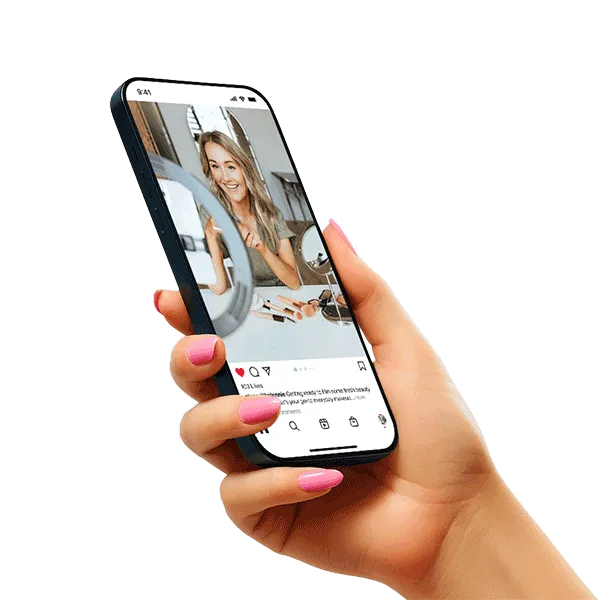
- Instagram – The Home Base: Instagram remains the flagship platform for most fitness influencers. It’s visual, community-oriented, and great for both photo posts and short videos (Reels). According to industry data, over half of brands (57%) worldwide name Instagram as their top platform for influencer campaigns, and it’s easy to see why. A gym influencer’s Instagram feed serves as their portfolio – you’ll find workout snippets, mirror selfies, motivational quotes, and swipe-through routines. The platform’s features like Stories and IG Live also let influencers give day-in-the-life glimpses or Q&As, deepening follower connection. For brands, Instagram is an ideal place to engage fitness influencers for product shoutouts or reviews because that’s where a huge health & fitness community scrolls daily. Pro tip: Don’t just look at likes; leverage Instagram’s Swipe-Up links (for influencers with 10k+ or using Link Stickers) or promo codes in captions to drive direct traffic from posts to your store.
- TikTok – Viral Fitness Challenges: TikTok has exploded in popularity, and gym influencers have embraced it with high-energy, bite-sized content. From 30-second ab routines to before/after transformation montages set to music, TikTok is where fitness content often goes viral. Notably, fitness influencers on TikTok see the highest engagement rates among major platforms – the algorithm can catapult a single creative video to millions of views, even for smaller creators. For brands, TikTok influencers can create buzz through challenges (e.g. a protein shake challenge), comedic fitness skits, or honest reviews in a relatable tone. The audience skews younger (Gen Z and young Millennials), which is perfect if your product targets that demographic. The key is to let TikTok creators have fun with your product – overly salesy content won’t fly, but a clever or inspiring video will spark tons of organic shares. Keep in mind TikTok content can also be repurposed as Instagram Reels or YouTube Shorts, extending its life.


- YouTube – Long-Form Authority: Some gym influencers are big on YouTube, where they post longer videos: full workout tutorials, diet vlogs, supplement reviews, etc. These fitness YouTubers might have slightly smaller follower counts compared to IG/TikTok, but their subscribers are deeply invested – they’ll watch 10-minute videos and follow along with workouts at home. YouTube is fantastic for brands when a more in-depth demonstration or review is needed. For instance, an influencer might film a 15-minute home gym equipment review or a “7-day challenge” series using your product. This kind of content can educate viewers and build huge trust (if a YouTuber spends 10 minutes praising your product’s features, that’s powerful). It’s also evergreen – the video stays up and keeps gaining views over time. If you have the budget, collaborating with a few YouTube fitness creators can yield a library of high-quality content showcasing your brand in detail. Plus, YouTube videos often rank in Google results for product searches, adding extra discovery potential.
- Other Platforms: Don’t forget Facebook and Pinterest in some cases. Facebook and Instagram are linked, so many influencers cross-post to Facebook where they might run fitness groups or communities. Pinterest is popular for sharing workout infographics, meal prep recipes, and fitness inspiration images – if your brand has a visual aspect (say stylish gym outfits or healthy recipes using your supplement), having influencers pin content can drive traffic. Also, emerging platforms like Amazon Live (where Amazon influencers host live-streamed shopping demos) can be relevant for Amazon sellers – fitness influencers on Amazon Live might do real-time workouts using your gear, directly linking to your Amazon product page. The landscape is always evolving, so the best approach is to meet your target audience wherever they consume content. If your ideal customers spend hours on Instagram and TikTok, focus there. If they love YouTube or engage in niche fitness forums, incorporate those. The good news: gym influencers are everywhere people seek fitness advice, so you have no shortage of channels to leverage.
- Instagram – The Home Base: Instagram remains the flagship platform for most fitness influencers. It’s visual, community-oriented, and great for both photo posts and short videos (Reels). According to industry data, over half of brands (57%) worldwide name Instagram as their top platform for influencer campaigns, and it’s easy to see why. A gym influencer’s Instagram feed serves as their portfolio – you’ll find workout snippets, mirror selfies, motivational quotes, and swipe-through routines. The platform’s features like Stories and IG Live also let influencers give day-in-the-life glimpses or Q&As, deepening follower connection. For brands, Instagram is an ideal place to engage fitness influencers for product shoutouts or reviews because that’s where a huge health & fitness community scrolls daily. Pro tip: Don’t just look at likes; leverage Instagram’s Swipe-Up links (for influencers with 10k+ or using Link Stickers) or promo codes in captions to drive direct traffic from posts to your store.
No matter the platform, the principles remain consistent – choose influencers who align with your brand, empower them to create engaging content, and integrate that content into your broader marketing strategy. By diversifying across platforms, you can create a multi-channel campaign where an Instagram post builds awareness, a TikTok video goes viral with a challenge, and a YouTube review closes the deal with detailed info. It’s an all-around win to boost your e-commerce presence.
Unlock the Power of Micro Influencers and Elevate your Brand Today!
Conclusion to How Gym Influencers Boost E-commerce Sales
As we head through 2025, one thing is clear – gym influencers aren’t just a trend, they’re a marketing powerhouse. For e-commerce brands and Amazon sellers in the fitness or wellness space, partnering with these content creators can drive authentic engagement, steady streams of UGC, and ultimately more sales. By tapping into the trust and community that fitness influencers have built, your brand gains something traditional ads can’t buy: real credibility.
Whether it’s a micro influencer demonstrating your product in an at-home workout or a fitness guru sparking a viral challenge featuring your brand, the impact on awareness and conversions can be dramatic. We’ve seen how gym influencers bring authenticity, high ROI, niche targeting, and cost-effective content creation to the table. The playbook is straightforward – find the right creators, foster genuine relationships, and let their passion for fitness intersect with your product story.
Now is the time for e-commerce and Amazon brands to flex their marketing muscle by incorporating gym influencers into their strategy. Start small if you need to: gift a product to a few up-and-coming fitness micro influencers and see the response. Experiment on Instagram or TikTok and gauge the engagement. As the results come in – be it higher site traffic, a bump in Amazon conversion rates, or a library of great UGC – you can scale up your efforts confidently. In a crowded online marketplace, these fitness content creators could be the secret sauce that sets your brand apart, giving you that competitive edge fueled by trust and community.
Don’t stay on the sidelines. Leverage the power of gym influencers to build your brand’s credibility and drive growth. When you align with passionate fitness creators, you’re not just making a sales pitch – you’re joining a conversation and culture that inspires your customers. That authentic connection can translate into loyal fans and repeat sales for years to come. In short, partnering with gym influencers is how you spot your brand’s marketing and lift it to new heights in 2025 and beyond. Ready to get started? Your next brand ambassador might just be one Instagram scroll or TikTok swipe away.
By William Gasner
CMO at Stack Influence
William Gasner is the CMO of Stack Influence, he's a 6X founder, a 7-Figure eCommerce seller, and has been featured in leading publications like Forbes, Business Insider, and Wired for his thoughts on the influencer marketing and eCommerce industries.
Want new articles before they get published? Subscribe to our Awesome Newsletter.
stack up your influence
turning creativity into currency
our headquarters
111 NE 1st St, Miami, FL 33132
our contact info
[email protected]
stack up your influence
turning creativity into currency
our headquarters
111 NE 1st St, 8th Floor
Miami, FL 33132