
The latest info on influencer marketing trends, micro influencer news, and the world of social media

Imagine a content creator personally introducing your products to thousands of their followers through your Instagram account. That’s the power of an Instagram takeover. In this guide, we’ll explain what an Instagram takeover is and how it works, why it’s a game-changing influencer marketing tactic for e-commerce brands and Amazon sellers, and how to execute one successfully. You’ll learn how takeovers can expand your reach, create authentic engagement, and even generate user-generated content (UGC) that builds trust and drives sales. Let’s dive in.
An Instagram takeover is a type of influencer marketing campaign where you temporarily hand over control of your brand’s Instagram account to a guest host – usually an influencer, content creator, or even a passionate customer. For a set period (often a day or a week), the guest host posts content (Stories, Reels, posts, or live videos) on your behalf, engages with your audience, and offers a fresh voice representing your brand. In essence, it’s a collaboration that lets an outsider bring their unique style and audience to your Instagram presence.
Takeovers are typically planned around a special event, product launch, or campaign. The guest host could be a micro-influencer in your niche, a celebrity, an industry expert, or even one of your employees. The goal is to create buzz and authenticity by showcasing your brand from a new perspective. Unlike regular influencer posts (where influencers promote your product on their account), an Instagram takeover has the influencer share content directly on your account – a tacit endorsement that signals they genuinely align with your brand. This kind of partnership can be a win-win: the brand gains fresh content and exposure to the host’s followers, while the influencer gets to connect with a new audience and build their reputation.
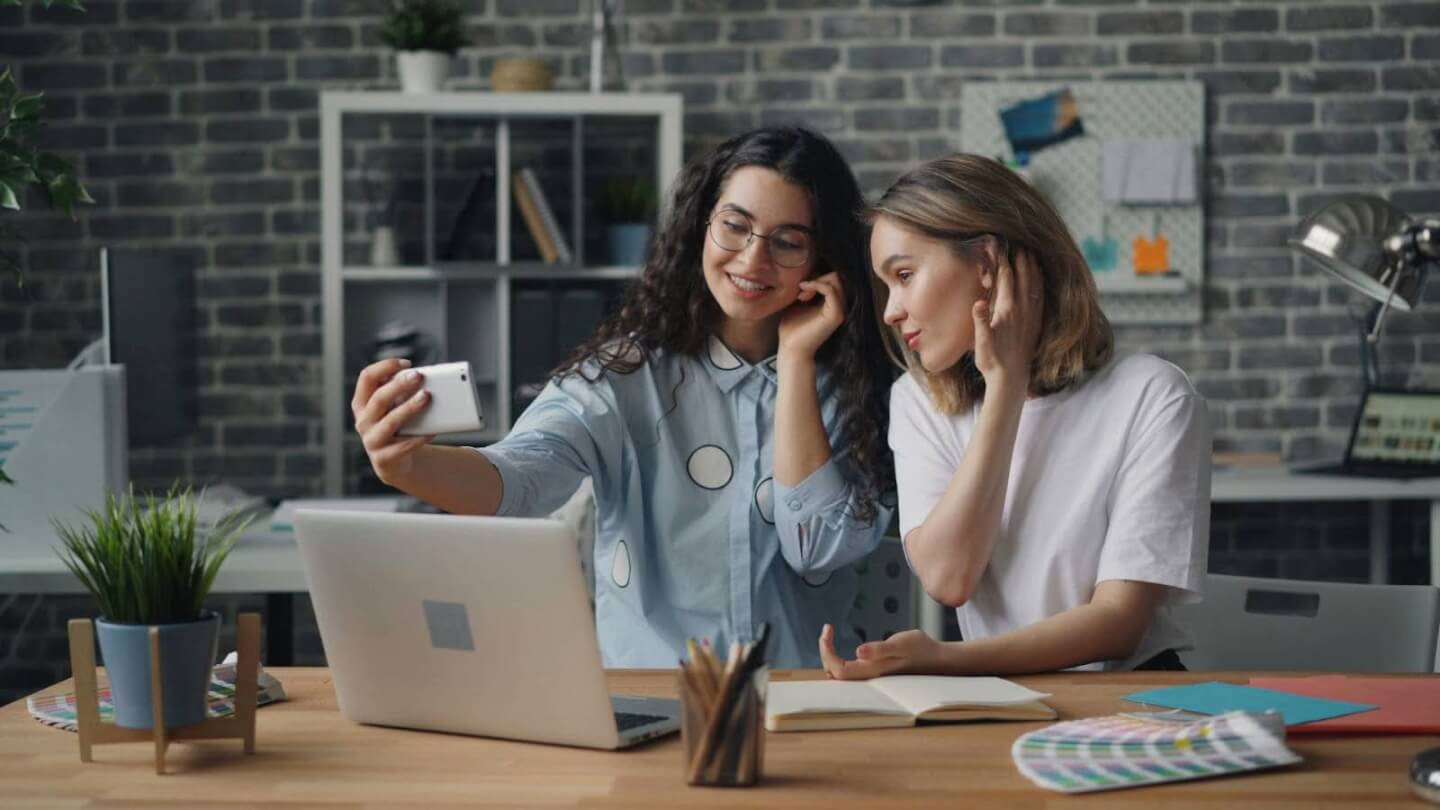
Why should e-commerce companies and Amazon sellers consider Instagram takeovers? When executed correctly, a takeover can deliver powerful benefits for your brand:
To sum up, an Instagram takeover can deliver a burst of exposure, engagement, and authenticity that’s hard to achieve with regular posts alone. It’s an efficient strategy too – influencer campaigns are known to yield strong ROI (roughly $5.78 in earned media value for every $1 spent on average), and takeovers leverage an influencer’s talents and audience with relatively low production costs. In the next sections, we’ll look at how to plan a successful takeover and avoid potential pitfalls.
An Instagram takeover might seem as simple as handing over your password for a day, but successful takeovers require careful planning. Follow these steps to maximize your results and maintain control of your brand voice:
Consider also what type of host aligns with your goals: a charismatic content creator can bring in creativity and new fans, while an industry expert or an enthusiastic customer can add credibility and authenticity. Below is a quick comparison of potential takeover hosts and the advantages each can offer:
Whichever host type you choose, vet them thoroughly. Look at their content style, engagement quality (do people comment thoughtfully and does the creator reply?), and past collaborations. Ensure their values and public image mesh with yours – you don’t want any surprises. It’s also a good idea to start building a relationship beforehand: engage with them on social media, send them a sample product to try, or even collaborate on a smaller piece of content. This builds rapport and ensures they are genuinely interested in your brand. *Pro tip:* If you need help scouting the perfect micro-influencer or content creator to host your takeover, consider using an influencer marketing platform (for example, **Stack Influence**) that specializes in connecting brands with vetted creators. This can save time and ensure you find a host who truly matches your niche and goals.
At the same time, be careful not to micromanage the creator. The beauty of an Instagram takeover is that it **doesn’t feel like an ad**. Rigid scripts or overly polished content can ruin that effect. Trust the host’s creativity – after all, they know how to engage their audience best. Find a happy medium: give them the information needed to represent your brand correctly, but let them put their own spin on it. For instance, you might say, “We’d love you to demonstrate how you use our kitchen gadget in your daily routine – whatever feels natural to you.” This ensures they hit a key message (showing the product in action) but in an organic way that resonates with viewers.
Encourage the influencer to interact in real time if possible. Live Q&As, responding to comments on their takeover posts, or even doing an Instagram Live session can massively boost engagement and make followers feel involved. For example, during her Revolve takeover, Aimee Song did live Q&A sessions with viewers, creating a two-way conversation:. This kind of genuine interaction can deepen the connection with your audience. As the event unfolds, capture anything noteworthy – you can later compile high-performing takeover content (like a funny Story clip or a tutorial Reel) and save it to your highlights or repost it. Don’t forget to follow along on the influencer’s own account too; often they will mention or tag your brand during the takeover, and you’ll want to engage with those posts.
Learning from these metrics will help refine your influencer marketing strategy. Maybe you discover that takeovers generate lots of engagement but you need a follow-up strategy to convert that into sales (e.g., retarget those new followers with an offer). Or you might find a particular content format (e.g. Instagram Live) was a hit, indicating you should do more live takeovers. Use these insights to plan future collaborations. If the results were strong, consider making takeovers a regular part of your marketing calendar (some brands do “Takeover Tuesdays” or monthly guest takeovers). And if an influencer exceeded expectations, discuss opportunities to work together again – perhaps as an ambassador or content creator for your brand. Building an ongoing relationship can yield compounding benefits, as the creator’s followers become more familiar with your brand through repeated exposure.
By following these steps, you’ll set yourself up for a smooth and effective Instagram takeover that delights your audience and meets your marketing goals. Remember that at its core, a takeover is about authenticity and community – let those principles guide your planning, and you’re more likely to see a positive payoff.
In the fast-paced world of social media marketing, Instagram takeovers have emerged as a high-impact strategy to inject authenticity and excitement into your brand channel. For e-commerce entrepreneurs and Amazon sellers, takeovers offer a cost-effective way to tap into micro-influencers and content creators who can drive genuine engagement around your products. From expanding your reach to generating trustworthy UGC that influences purchase decisions, the benefits of a well-run takeover are substantial. Most importantly, these collaborations put a human face to your brand – something that builds loyalty in an age where consumers value authenticity.
As we’ve discussed, the keys to success are careful planning, choosing the right influencer partner, and ensuring the content provides real value or entertainment to the audience. When done right, an Instagram takeover can deliver not just likes and follows, but tangible business results – even boosting sales (remember, influencer campaigns can return over $5 for every $1 spent on average). If your goal is to grow a loyal community and stand out in the crowded e-commerce space, an Instagram takeover could be the move that elevates your brand’s social media game. So start brainstorming potential takeover hosts in your niche, outline your objectives, and give this dynamic form of influencer marketing a try. It’s an innovative way to let fresh voices tell your brand story – and in the process, win over new customers who will stick around long after the takeover ends.
Share of voice (SOV) is a metric that tracks how much of the market conversation your brand owns compared to competitors. In simple terms, it answers the question: “How much are people talking about your brand versus others?”* SOV can be measured across various marketing channels – from social media mentions to search engine results and even Amazon listings. It’s usually expressed as a percentage of the total conversation in your industry. For example, if 1 in 5 online discussions or impressions in your niche is about your brand, you have a 20% share of voice. This metric essentially reflects your brand’s visibility and influence within your market.
It’s important to note that share of voice is not the same as market share. Market share measures actual sales percentage, while share of voice measures brand visibility. Think of SOV as a leading indicator of future growth – when you consistently “own” the conversation in your space, you’re building recognition and authority that can later translate into sales. In other words, a high share of voice today often foreshadows higher market share tomorrow.

In a crowded digital marketplace, being loud isn’t enough – you need to be heard in the right places. For e-commerce brands and Amazon sellers, share of voice is a critical health check for your marketing. Here’s why SOV matters:
In summary, SOV is a vital metric for understanding your brand’s mindshare in the market. It adds context to all your other metrics – you might be getting good engagement or sales, but how do those results compare to the total market opportunity? Share of voice tells you that. For e-commerce brands, DTC companies, and Amazon sellers, keeping an eye on SOV can reveal whether your marketing is truly competitive and where you have room to grow.
Measuring share of voice might sound complex, but it boils down to capturing a few key data points and doing a simple calculation. Here’s a step-by-step framework to calculate your brand’s SOV across different channels:
By following these steps, you can seamlessly calculate your share of voice across channels. For accuracy, ensure you’re comparing equivalent metrics (don’t mix apples and oranges) and that the data sources/timespans are the same for your brand and competitors. Next, let’s look at what exactly you can measure with SOV and how it might differ by channel.
Share of voice can be applied to multiple marketing channels, and each one defines “voice” a bit differently. Below is a summary of how SOV is measured in various areas relevant to e-commerce and retail brands:
% of brand mentions, hashtags, or engagements your brand gets vs. competitors (on platforms like Instagram, TikTok, Twitter/X, etc.). Share of online buzz and conversation about your brand on social networks. A higher social SOV means your brand is dominating discussions in your niche, often reflecting strong brand awareness or viral content.
% of organic search visibility, clicks, or impressions your website earns vs. others for important keywords. Share of search engine presence. High SEO SOV means your content ranks well on Google for key terms, driving a larger portion of industry web traffic to you (and indicating strong content marketing or SEO performance).
% of ad impressions or share of voice in paid channels (Google Ads, social ads) that your brand accounts for vs. competitors. Often measured via impression share metrics.Share of paid visibility. A high SOV in advertising implies your ads are appearing more frequently or prominently than others, which can correlate with higher brand visibility (though it also reflects ad spend).
% of influencer or creator content in your niche that features your brand vs. competitor brands. (E.g. how many influencer posts or YouTube videos mention you out of the total relevant ones.)
Share of influencer-driven conversation. This shows how present your brand is within content by micro-influencers and creators. A strong influencer SOV means many creators are talking about your products (often a result of a successful influencer campaign or organic buzz).
% of top Amazon search results and sponsored product spots that belong to your brand vs. others in your category. (Measured per keyword or overall.) Share of product visibility on Amazon. A high Amazon SOV means your listings occupy a large portion of the first page for relevant searches, indicating strong Amazon SEO and/or aggressive advertising – crucial since most Amazon shoppers stick to page one
Note: You can calculate SOV for any channel where you can get data for both your brand and the total market. The above are common examples. In practice, many marketers create a report that includes multiple SOV metrics (social, SEO, etc.) to get a holistic picture of brand presence. Each channel’s SOV tells a part of the story of where your brand is strong versus where you might be “quiet” compared to competitors.
By breaking SOV down this way, you might discover, for instance, that you have a strong voice on social media but a weak voice in organic search – which would suggest focusing on SEO improvements. Or maybe you dominate on Amazon but lag on broader social conversations, implying you should invest in social campaigns or community building. The goal is to turn these insights into action. In the next section, we’ll explore actionable strategies to increase your share of voice across these channels.
Improving share of voice requires strategic action – essentially, you need to ramp up your brand’s presence in the areas where you’re underrepresented. By now you’ve identified where your SOV could be higher. Here are several proven strategies to boost your share of voice (especially relevant for e-commerce brands and sellers):
Each of these strategies feeds into the others – for instance, content marketing can fuel social media posts, and micro-influencer UGC can be repurposed on your website for SEO or in ads for higher engagement. Ultimately, increasing share of voice is about expanding your brand’s presence wherever your customers spend time, and doing so in a way that’s compelling enough to cut through the noise. With a mix of creativity (to earn attention) and analysis (to target efforts), even smaller brands can substantially grow their SOV against bigger competitors.
In the fast-moving landscape of 2026, achieving a strong share of voice is a critical advantage for e-commerce brands and Amazon sellers. It’s not just about bragging rights – it’s about ensuring your potential customers hear your brand’s message loud and clear amid a cacophony of competitors. By measuring your current SOV, you gain a clear picture of where you stand. By implementing the right tactics – from micro-influencer campaigns and UGC that spark conversations, to SEO and Amazon optimizations that secure top positions – you can steadily expand your share of voice. The payoff is a brand that is not only more visible, but also more trusted and influential in purchasing decisions.
Remember, share of voice = share of audience mindshare. The brands that consistently invest in growing their SOV are essentially investing in future growth. When more people are talking about you (and seeing you everywhere they look online), you’re building the foundation for higher brand awareness, engagement, and ultimately higher sales.
For e-commerce entrepreneurs and marketers, now is the time to put these insights into action. Start by tracking your SOV metrics to find your baseline, then pick a few strategies from this guide to boost those numbers. Maybe you’ll partner with a batch of micro-influencers for an Instagram campaign, or perhaps revamp your product page content on Amazon and bid for top ad slots – whatever aligns best with your audience. Monitor the impact on your share of voice, learn and iterate. With each cycle, you’ll get closer to owning the conversation in your market.
Ready to amplify your voice? In a world where attention is the new currency, actively growing your share of voice is one of the best investments you can make in your brand’s longevity. By staying vigilant and proactive, you can ensure that when customers are chatting, searching, or scrolling – your brand is the one they encounter again and again. And that consistent presence is what will drive sustained growth in the long run. So gear up, implement these strategies, and watch your share of voice (and competitive edge) rise in the year ahead.
Imagine an Amazon seller with a great product, but one bad review sends shoppers running. In the crowded e-commerce world, brand reputation can make or break your success. Why is reputation important? Simply put, people won’t buy from a business they don’t trust. In fact, a recent Edelman survey found that 81% of consumers consider brand trust a deciding factor before making a purchase. This post explores why brand reputation matters in 2025 and how e-commerce brands (from independent DTC stores to Amazon sellers) can build a positive reputation. We’ll look at benefits of a good reputation, proven strategies like leveraging micro influencers and user-generated content (UGC), and tips to protect your brand’s image. By the end, you’ll have a roadmap to earn customer trust and turn that trust into growth.
Brand reputation is the overall perception and credibility of your business in the eyes of customers, stakeholders, and the public. It’s essentially what people think and feel when they hear your brand’s name. This perception is shaped by everything from product quality and customer service to social media presence and values. For an e-commerce brand, reputation is largely built (and broadcasted) online – through reviews, ratings, influencer mentions, and how you handle customer feedback. Every detail counts: a thoughtful response to a buyer’s question or a consistently high product rating builds trust and loyalty, while a single bad customer experience can spread quickly and damage your image. In an era when 92.4% of consumers use online reviews to guide most of their purchasing decisions, your online reputation often is your reputation. It’s the first impression shoppers get before they ever click “Buy Now.”
A strong brand reputation is one of the most valuable assets for any online business. It’s not just about looking good – it directly impacts your sales, growth, and longevity. Here are some key reasons why brand reputation matters for e-commerce brands and Amazon sellers:
Reputation Tip: Reputation is a double-edged sword. It takes time to build but only moments to break. Every interaction – every customer service email, every comment on Instagram, every product shipped – contributes to your brand’s public image. Staying consistent and customer-focused at each touchpoint is critical.
Now that we’ve covered the why, let’s move on to how you can actively build and protect that all-important reputation.

Building and maintaining your e-commerce reputation isn’t a one-time task – it’s an ongoing strategy. From leveraging influencer marketing to engaging with customer feedback, here are effective ways to strengthen your brand reputation:
The foundation of a good reputation is to do right by your customers. That means offering products that meet or exceed expectations and backing them up with great customer service. Quality issues or misleading product descriptions will quickly erode trust (and lead to negative reviews). On the other hand, consistently high product quality and helpful service create happy customers who leave glowing feedback. This is crucial because those reviews become your public report card. More than half of online shoppers prioritize ratings and reviews above all else when evaluating a purchase. Ensure your items are as described, ship on time, and address any problems promptly. By delivering on your promises consistently, you lay the groundwork for a strong reputation. Remember: every 5-star review starts with a stellar customer experience.
For e-commerce and Amazon sellers, reviews are the lifeblood of reputation. Shoppers almost always check what others say about a product before buying. (One study notes over 89% of consumers read reviews before purchasing.) To build trust, actively encourage your customers to leave reviews and ratings. You might send a polite follow-up email after purchase or include a note in the package asking for feedback. Quantity and quality of reviews both matter – a product with hundreds of positive reviews will far outsell one with no social proof.
Just as important is how you manage feedback. Respond to reviews, especially negative ones, in a professional and helpful manner. A thoughtful response to a unhappy customer (offering to make things right) can actually improve your standing, showing that you care. In fact, businesses that respond to all reviews can win over roughly 90% of consumers, who appreciate the engagement. On Amazon, reply to questions in the Q&A section and address concerns. Never ignore issues or, worse, argue defensively – the world is watching. By publicly handling feedback with grace, you demonstrate reliability. And don’t forget, a string of unresolved 1-star reviews can sink even a great product; Amazon’s system will downgrade your listing if the rating falls too low. Staying on top of customer feedback is key to keeping your reputation (and search rankings) healthy. For brands handling a growing number of reviews, messages, and follow-ups, keeping that process organized can make a real difference. Using white-label reputation automation software can help teams send review requests more consistently, monitor customer sentiment across touchpoints, and respond faster without relying fully on manual work. That matters because stronger review management does not just support brand trust, but also helps protect conversions when shoppers compare products and sellers.

In the age of social media, partnering with influencers – especially micro influencers – is a powerful way to build trust in your brand. Micro influencers are content creators with smaller, highly engaged followings (think tens of thousands of followers rather than millions). Their audiences see them as genuine and relatable. When these creators authentically recommend your product, it comes off as a trusted friend’s recommendation rather than an ad. In fact, 69% of consumers trust influencer recommendations over direct brand messages. This means influencer marketing can significantly boost your credibility among target customers who might not know your brand yet.
Focus on finding influencers or content creators whose niche and values align with your product. For example, a sustainable skincare brand can partner with a green beauty micro-influencer. When the fit is right, influencer-generated posts and reviews act as social proof that your product is the real deal. Additionally, encourage user-generated content (UGC) from your customer base – things like unboxing videos, Instagram photos using your product, or testimonials. Share this UGC on your channels (with permission and credit). It not only engages your community but also shows prospects that real people enjoy your offerings.
Example: Gymshark, now a famous fitness apparel brand, started by seeding products to fitness YouTubers and Instagram micro influencers. Their genuine enthusiasm for Gymshark’s gear led their followers to trust the brand, propelling Gymshark from a small startup to an international name. The takeaway? A chorus of authentic voices builds reputation faster than any polished ad campaign.
Note: When leveraging influencers, transparency is key. Work with influencers who genuinely like your product and disclose partnerships. Authenticity is the goal – any hint of fake praise can backfire and hurt trust.
(Side note: Stack Influence is one platform that helps brands connect with micro influencers at scale, ensuring that even smaller e-commerce companies can launch credible influencer campaigns without a huge budget.)
Social media presence is closely tied to brand reputation in 2025. Customers often turn to platforms like Instagram, TikTok, or Facebook to gauge a brand’s personality and responsiveness. To build a positive image, stay active on the channels where your audience hangs out. Post valuable content (how-tos, behind-the-scenes, customer shoutouts) that reinforces your brand’s values and expertise. More importantly, engage with your followers: respond to comments and DMs, address questions, and handle complaints or misunderstandings openly. A quick, thoughtful response on social media can turn a potential PR hiccup into a reputation win – showing not only the concerned customer but everyone watching that you listen and care.
Consistency and tone matter as well. Develop a brand voice that is friendly, helpful, and aligned with your identity. If you make a mistake publicly (for instance, a spelling error or an inappropriate joke that didn’t land well), own up to it and apologize. Audiences tend to forgive brands that are human and transparent. On the other hand, silence or corporate-speak can make you seem distant or untrustworthy. Social media is also a great place to highlight positive UGC and reviews, which reinforces your credibility. Ultimately, an engaged social media presence makes your brand feel approachable and trustworthy, which only strengthens your overall reputation.
Modern consumers want to support brands that stand for something. Especially if you’re targeting millennials and Gen Z, your brand’s values and actions significantly impact reputation. Are you eco-friendly? Do you champion inclusivity or give back to the community? Communicate those values and live by them. For example, if sustainability is part of your ethos, use recyclable packaging and show that in your marketing. When customers see you walking the talk, it builds respect and loyalty. Roughly 90% of consumers say they stay loyal to brands that share their values, so this isn’t just feel-good – it’s smart business.
Building a community around your brand can amplify this effect. Engage with your customers beyond transactions. This could be a Facebook group for customers to share tips, an ambassador program for superfans, or hosting live Q&A sessions. A passionate community will not only stick with you but also defend you and spread positive word-of-mouth. On the flip side, avoid any practices that contradict your stated values (nothing wrecks reputation faster than hypocrisy). If issues arise – say, a supplier problem that clashes with your ethics – be honest and proactive about addressing it. Brands that are ethical, consistent, and community-oriented cultivate a reputation of trustworthiness that competitors can’t easily replicate.
Reputation management is an ongoing effort. Use tools (Google Alerts, social listening software, Amazon seller dashboards) to monitor what’s being said about your brand across the web. Pay attention to reviews, social media mentions, blog write-ups, and even YouTube reviews of your products. Early awareness lets you celebrate wins (like a positive article or a viral customer post) and quickly tackle negatives (like a trending complaint). If you spot a recurring issue – for instance, several reviews mentioning the same defect – take action to fix it ASAP and let customers know you’ve improved. This responsiveness can turn critics into fans.
Also, adapt to feedback. Customers often give clues about what they value. Maybe they love your product but hate the packaging – an easy fix that scores you reputation points if addressed. By continuously listening and improving, you show that your brand is customer-centric. In the fast-moving e-commerce landscape, agility in reputation management separates brands that thrive from those that dive. Protect your reputation like the asset it is, and it will reward you with loyal customers and sustained growth.
In the digital marketplace of 2025, brand reputation is arguably as important as the products you sell. If you’ve been wondering why reputation is important, the answer is clear: it builds the trust that ultimately drives sales, customer loyalty, and long-term business success. E-commerce brands and Amazon sellers who prioritize their reputation – by delivering quality, engaging authentically, and harnessing the voices of happy customers – will reap the rewards in higher conversion rates and repeat business. On the other hand, those who ignore it learn the hard way that no amount of advertising spend can save a tarnished brand image.
The good news is that you have many tools at your disposal. From micro influencer partnerships that humanize your marketing, to actively managing reviews and fostering a community, you can steadily shape public perception in your favor. Start by applying the strategies outlined above, one step at a time. Monitor the impact and adjust as needed – reputation management is a marathon, not a sprint.
Most importantly, stay true to your brand’s values and promises, because authenticity shines through and keeps customers coming back. In a world of endless options, buyers will choose brands they trust and respect. Make your brand one of them. By investing in your reputation today, you’re building an asset that will pay dividends in customer trust, positive buzz, and sustainable growth for years to come.
In late 2023, Heinz captured the internet’s attention by launching a limited-edition “Ketchup and Seemingly Ranch” sauce within 24 hours of a Taylor Swift viral moment. The condiment—riffing on a meme about Swift eating chicken with ketchup and ranch—sold out instantly as fans scrambled to grab a piece of the trending joke. That agile move is a prime example of trendjacking marketing: jumping on a viral trend to amplify your brand’s visibility (and sales) in real time. In this post, we’ll explore how e-commerce brands, Amazon sellers, and DTC founders can harness trendjacking in 2025 to drive engagement and revenue. You’ll learn what trendjacking is, why it’s more important than ever in today’s social media landscape, and actionable strategies (with examples) to ride viral moments while staying authentic to your brand.
Trendjacking is when a brand inserts itself into a popular viral conversation—whether it’s a meme, a social media challenge, or a pop culture moment—to boost its visibility and relevance. In essence, it’s “hijacking” the momentum of a trend and steering some of the attention toward your own message or product. This concept evolved from the older PR tactic of newsjacking (hijacking news stories for publicity) and was popularized by stunts like Oreo’s famous “You can still dunk in the dark” tweet during the 2013 Super Bowl blackout. Today, trendjacking spans everything from brands tweeting witty takes on the latest meme to launching products inspired by viral fads (like Heinz’s sauce). Done well, it can make a brand feel timely, playful, and culturally plugged-in. But done poorly, trendjacking can backfire—coming off as forced, tone-deaf, or off-brand. The key is to join the conversation in a way that feels authentic and relevant to your audience. In the next sections, we’ll look at why trendjacking has become a must-have marketing skill in 2025 and how to execute it effectively for e-commerce success.

Viral trends aren’t just frivolous internet chatter—they’re the new marketplace of attention. Here’s the reality in 2025: social media is where trends happen. A whopping 90% of consumers rely on social platforms to keep up with trends and cultural moments. TikTok, Instagram, and even Twitter (now X) have essentially replaced TV and news for capturing what’s “hot” any given week. For brands, this means trendjacking is no longer a gimmick but a survival skill. If your e-commerce brand isn’t visible in the memes, hashtags, and trending videos your customers scroll through, you risk being invisible altogether.
Trendjacking matters especially for e-commerce and Amazon sellers because it drives real business outcomes when done right. Viral moments can translate into sales spikes and traffic windfalls. Think of the countless “TikTok made me buy it” products that sold out after trending online. Consumers are actively looking to discover new products through social content—78% of people in 2025 prefer learning about products via short videos (e.g. TikTok or Reels). When a trend aligns with your product, hopping on it can put your brand in front of millions of potential buyers in a very organic way.
Importantly, social media users are more receptive to brands on these platforms than ever. Nearly half of consumers say they interact with brands more now than they did six months ago. In other words, audiences want to engage with fun, timely content from brands, as long as it doesn’t feel like a traditional ad. Trendjacked content—when it feels like part of the cultural conversation—blurs the line between advertisement and entertainment. A witty tweet or a clever TikTok duet tied to a viral trend can spark thousands of shares, comments, and positive reactions, driving up brand engagement. In some cases, a single well-timed post can catapult a small business to overnight fame.
Finally, trendjacking is cost-effective marketing for e-commerce players. Instead of pouring a huge budget into polished ad campaigns, brands can leverage trending formats, memes, or challenges that inherently encourage sharing. A viral moment often comes with built-in audience interest—you’re piggybacking on momentum that’s already there. By tapping user-generated content (UGC) or working with micro influencers to create on-trend posts, even indie Amazon sellers can get massive reach without a massive spend. And with influencer marketing now mainstream (an estimated 86% of marketers use influencers in 2025), trendjacking often goes hand-in-hand with creators who can give your brand an authentic voice in the trend. In short, trendjacking marketing allows e-commerce brands to be where the attention is — converting cultural buzz into brand buzz, and ultimately into clicks and sales.

To successfully ride viral trends without crashing your brand reputation, you need a strategic approach. Below are five key strategies for e-commerce brands and Amazon sellers to trendjack viral moments effectively in 2025:
The earlier you catch a trend, the better your odds of owning the conversation rather than chasing it. Trendjacking starts with awareness. Set up social listening tools to monitor what's bubbling up on TikTok, Instagram, Twitter/X, Reddit, and niche communities. In 2025, 62% of social marketers use social listening tools to spot trends in real time, using platforms like Sprout Social, Brandwatch, or even TikTok’s Creator Trending reports. Pay attention to trending hashtags, emerging memes, or viral videos in your industry or adjacent niches. For example, if you sell kitchen gadgets and a “#GirlDinner” trend (celebrating snack-plate dinners) is taking off, that’s a cue to join the fun with related content. Create a team habit of daily trend huddles or alerts – what’s spiking today? Quick trend detection is critical because timing is everything. Many cultural moments on TikTok or Twitter peak in mere days (or hours) before fading. By using social listening and even Google Trends, you can catch the wave just as it’s building. The goal is to be a first mover when possible, since the brands that succeed aren’t necessarily the absolute fastest but the ones who match the right trend with the right approach before it becomes old news.
Pro tip: Maintain a “trend calendar” of predictable events that spawn viral chatter – think the Super Bowl, award shows, Prime Day, or new season drops. While some trends are random, others are cyclical or seasonal (e.g. memes always explode during big sports games or pop culture premieres). Planning for these gives you a head start. But always pair trend monitoring with critical thinking: before you jump in, assess why a particular topic is trending. Is it light-hearted fun or something controversial? As we’ll cover next, not every trend is your brand’s opportunity.
Just because something is viral doesn’t mean your brand should hop on it. A crucial trendjacking skill is discernment. Ask: Does this trend align with our brand’s voice, values, and target audience? and Can we add value or a unique twist? Chasing every meme or hashtag can make a brand look desperate or off-brand. In fact, while 82% of social media managers report keeping up with trends, many acknowledge that not every trend is worth joining. A healthy dose of caution is wise. If a trend carries political or sensitive connotations, stepping in could backfire. And if it simply doesn’t resonate with your customers, it’ll fall flat or confuse them.
Stay authentic: the best trendjacks fit so naturally that they feel like an inside joke between you and your audience. For example, language app Duolingo earned millions of views on TikTok by letting its mascot owl participate in absurd viral skits, perfectly matching its quirky brand personality. In contrast, a buttoned-up finance brand trying the same thing would likely puzzle (or lose) its followers. Before participating in a trend, do a quick gut check or an internal brainstorm with diverse team members. Ensure you’re not misreading the cultural context. Also consider if the trend is positive and on-brand; skip ones that are mean-spirited or too far off your company’s values. Remember, trendjacking is about boosting your brand, not just getting eyeballs at any cost. It’s better to occasionally sit out a viral craze than to force yourself into one and appear inauthentic or opportunistic (audiences can tell). As one social media expert put it, restraint is often what separates trend-chasers from trend leaders.
Pro tip: Develop a simple internal checklist for trend relevance. For instance: (1) Does our core customer care about this trend? (2) Can we contribute something fun or useful to it? (3) Would our participation make sense in hindsight, aligned with our brand story? If any answer is “no,” you might pass. Brands that strategically pick their moments tend to build credibility, whereas those jumping on every bandwagon risk becoming noise.
When you’ve identified a promising trend that does fit your brand, speed of execution is critical. In trendjacking, time is your enemy—wait even a day too long and the internet’s attention has moved on. Aim to move from idea to published content in hours, not days. This requires operational agility on your part: streamline your approval workflows, have your design or video team on stand-by, and empower your social media managers to make quick judgment calls. Some brands create “rapid response” kits with pre-approved brand assets, memes templates, or adaptable ad copy so they’re not starting from scratch when a trend pops up. The goal is to shorten the gap between trend spotting and posting without sacrificing quality or brand voice.
Consider using AI and automation to help you move faster as well. In 2025, 73% of marketers regularly use AI tools in planning and executing trend-driven content. For example, AI can help generate a quick image, caption variants, or video subtitles to ride a meme format, saving precious time. (Always have a human review AI outputs for tone, of course.) If you work with influencers or content creators, build reactive content into their briefs. Give creators the freedom to pivot and produce an extra TikTok if they see something trending that fits your campaign, without waiting for lengthy approvals. Influencer Marketing Hub notes that brands succeeding on TikTok often let creators take the lead on trends and plan “unplanned” content slots for timely posts. By baking in that flexibility, you won’t miss golden opportunities due to red tape.
Pro tip: If you’re an Amazon seller or small business without a big creative team, you can still be agile. Lean on your community – for instance, if a trend arises, ask in your customer Facebook Group or email list for user-generated content related to it. Customers might create on-trend photos or videos featuring your product (UGC) that you can quickly share. This not only saves time creating content, it also comes across as more authentic. Many e-commerce brands also keep a content library of evergreen snippets (product images, lifestyle shots, logos, etc.) that can be meme-ified or overlaid with trending captions at a moment’s notice. Preparation meets opportunity!
In 2025, successful trendjacking is often a team sport—played with your brand’s fans and creators, not solo. Micro-influencers (creators with roughly 5k–100k followers) and dedicated UGC creators can be your secret weapon for riding trends in an authentic way. Why? These smaller-scale influencers are usually deeply in touch with the latest platform trends and cultural nuances, often more so than big celebrities. They have tight-knit audiences and high engagement rates, which means when they participate in a trend and feature your product, people pay attention. In fact, brands are finding more success working with armies of micros and “everyday” content creators than with a few mega-influencers. 92% of consumers trust a micro-influencer’s recommendation over a typical ad and 82% are likely to buy a product a micro-influencer endorses. Those trust levels are gold for trendjacking—followers will happily hop on a viral hashtag or challenge if their favorite relatable creator does it with your product.
So how do you leverage this? Cultivate a roster of micro-influencers in your niche and give them creative freedom to include your brand in trending content. For example, if a dance challenge or funny meme is blowing up on TikTok, an influencer can incorporate your product in a clever, subtle way (maybe sipping your protein shake mid-dance or using your gadget as a prop). Because the content comes from a creator’s own channel and aligns with a trend their followers already love, it feels natural and user-driven rather than an ad. Also encourage your real customers to create content. User-generated content (UGC) like unboxing videos, TikTok reviews, or Instagram reels can all ride trends – often customers will do this spontaneously if they see your brand engaging with a meme. You can spark more UGC by running a quick contest or challenge (e.g. “Show us your version of this meme and tag us”). Stack Influence, a micro-influencer marketing platform, has observed that many DTC brands and Amazon sellers use product seeding campaigns to turn happy customers into content creators at scale – sending free samples in exchange for authentic posts and feedback. This strategy is perfect for trendjacking: by getting your product into the hands of enthusiastic micro-influencers or loyal customers, you increase the odds that when a relevant trend pops up, someone will create content linking that trend to your product.
Pro tip: When working with influencers on trend content, brief them to stay on-brand while being playful. The most effective collaborations give creators guidelines on brand messaging but also leeway to be spontaneous. For instance, provide a couple of key product benefits or themes they can highlight no matter what trend format they do. Influencers can then inject those points cleverly into a trending skit or challenge. This way your brand’s core message isn’t lost in the fun. Also, keep an eye out for rising UGC creators (people with no huge following but great content style) who make content that suits your brand. Often, you can commission UGC creators to produce a batch of on-trend videos for a modest fee, which you can then post on your own channels. It’s an easy way to get authentic trending content without having to produce everything in-house.
A viral trend can manifest differently on each social platform—so your execution should fit the medium. Avoid a one-size-fits-all approach when trendjacking across channels. TikTok is the epicenter of many viral challenges and sounds, favoring raw, humorous short videos. Instagram trends might revolve around visual styles or Reels, often a bit more polished or aesthetic. Twitter (now X) trends can be hashtag games or witty one-liners. To maximize impact, adapt your tone and format to each platform’s culture. For example, if there’s a popular TikTok meme format, you might film a lo-fi, behind-the-scenes style clip for TikTok. But on Instagram, you could post a high-quality image or Reel riffing on the same meme concept in a more brand-curated way. On Twitter, you might just deliver a sharp 140-character quip with the trending hashtag.
Being native to the platform significantly boosts engagement. Social media analysts note that Wendy’s, for instance, succeeds by using snarky, meme-worthy one-liners on Twitter, while keeping a more inspirational, lifestyle tone on Instagram. The core trend or joke can be the same, but it’s packaged in the language that each audience expects. Similarly, an Amazon seller might use a trending audio clip for a product demo on TikTok, but on Facebook they might share a funny GIF related to the trend in their customer group. Meet your audience where they are. If you know your customers hang out more on, say, Instagram and Pinterest, focus your trend content there and lean into those platform’s features (perhaps an Instagram Story poll tied to a trend).
Also consider where a particular trend “lives.” A dance challenge is inherently TikTok/Reels material. A witty hashtag might be more Twitter-centric. A DIY hashtag (say a #beforeandafter glow-up trend) could do well on Instagram or YouTube Shorts. By channeling your efforts into the right platform for the trend, you’ll get more leverage. The bottom line: the spirit of the trend should remain consistent (so your messaging is unified), but the execution should feel native to each social network.
Pro tip: Keep an eye on emerging platforms too. In 2025, TikTok is huge, but don’t forget newcomers (like Threads or niche community apps) where trends can spark in smaller circles. If your e-commerce brand targets Gen Z, you might find a trend on a platform like Discord or a Twitch stream that’s worth adapting to mainstream channels. Being an early adopter on a platform with a trend can set you apart. Just ensure the platform aligns with your target audience. It’s better to be excellent at trendjacking on two or three key platforms than stretched thin on six.
To wrap up the strategy section, here’s a quick comparison table to guide your trendjacking efforts. These are the do’s and don’ts of riding viral waves as an e-commerce brand:
By following the best practices above and avoiding common pitfalls, you’ll increase your chances of trendjacking successfully—earning your brand plenty of social media love and even new customers, rather than eye-rolls from the crowd.
In the fast-paced digital world of 2025, trendjacking marketing has evolved from a quirky social media trick into a powerful growth strategy for e-commerce brands. When you skillfully insert your brand into viral moments, you tap into the cultural zeitgeist that your customers are already glued to. The payoff isn’t just a temporary spike in likes—it’s sustained brand relevance, followers who feel more connected to your story, and yes, measurable sales increases. We’ve seen how savvy companies from global names like Heinz to humble Amazon marketplace sellers can ride trends to capture new audiences and boost ROI. The key is to do it thoughtfully: choose the right moments, act quickly, and stay true to your brand’s voice.
As an e-commerce entrepreneur or marketer, you shouldn’t fear trendjacking—you should prepare for it. Set up your “listening posts,” streamline your content engine, and have your micro-influencer allies on speed dial. Each viral hashtag or meme is an opportunity to showcase your brand’s personality and creativity to the world. By embracing trendjacking marketing in 2025, you position your brand at the heart of online conversations rather than watching from the sidelines. In a landscape where 90% of people look to social media for what’s new, those brands who consistently and authentically join the conversation will win the attention game.
In the ultra-competitive fitness market, simply having a great product isn’t enough. Whether you sell gym equipment, activewear, or supplements, e-commerce brands and Amazon sellers in the fitness niche need creative marketing to stand out. This year’s top fitness marketing ideas focus on authentic engagement – think micro influencers, user-generated content (UGC), and trending platforms like TikTok. These strategies tap into genuine passion and community, helping fitness brands build trust and drive more sales than traditional ads ever could. In this post, we’ll explore how micro influencers, content creators, and UGC can turbocharge your fitness marketing in 2026, with practical ideas you can implement for measurable results.
What will you learn? We’ll break down [X] key fitness marketing ideas (with a focus on influencer marketing and UGC) that e-commerce companies and Amazon sellers can use to boost engagement, trust, and ROI. From leveraging TikTok challenges to launching micro-influencer campaigns, these tips will help your brand connect with health-conscious consumers in an authentic way. Let’s dive in!
Now, let’s explore each of these ideas in detail and how you can apply them to your fitness marketing strategy.
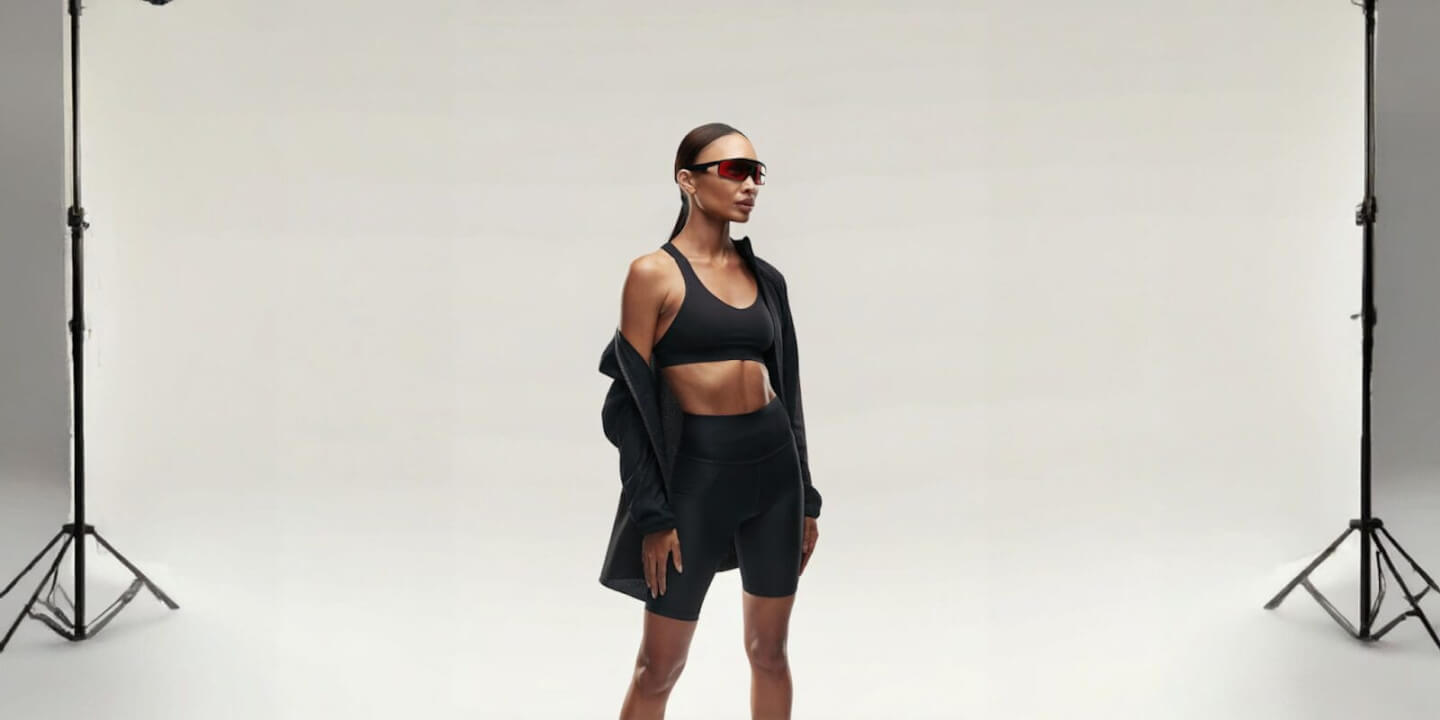
One of the most impactful marketing moves for fitness brands is collaborating with micro influencers – social media creators in the fitness niche who have a smaller (but devoted) following. These could be local yoga instructors on Instagram, TikTok fitness enthusiasts with 5k–50k followers, or niche YouTube trainers. Why micros? Because their audiences feel like friends. A recommendation from a trusted fitness micro-influencer comes off as genuine advice rather than an ad. In fact, 82% of consumers are more likely to act on a micro-influencer’s recommendation, and 84% trust those endorsements over traditional ads. That trust translates into real sales.
Micro-influencers also deliver outsized engagement. They often see 5–20% engagement rates on their posts (likes, comments, shares), far higher than the ~1–3% typical for big celebrity accounts. This means their fitness product shout-outs spark active conversations and curiosity. Higher engagement + higher trust = a recipe for great ROI. Studies show micro-influencer campaigns can generate around a 20:1 return on investment, compared to roughly 6:1 for macro-influencers. In other words, for every $1 you spend collaborating with small fitness creators, you might see $20 in revenue – over 3x the ROI of partnering with a single big name. For e-commerce startups with limited budgets, that’s game-changing efficiency.
To leverage micro-influencers:
When done right, micro-influencer partnerships are like scalable word-of-mouth. You get credible fitness endorsements, tons of fresh content (photos, videos, reviews you can reuse), and a direct line into niche communities (running groups, yoga moms, keto dieters – whatever fits your brand). Plus, the content they create can be repurposed: share influencer-made workout clips on your own social media or embed their review video on your Amazon product page for social proof. Those repurposed influencer videos can significantly boost ad performance and click-through – one report found micro-influencer content yields up to 60% higher click-through rates than standard ads, and UGC videos on Amazon product pages can lift conversion rates by 10–20%. In short, partnering with micro influencers is a cost-effective way to inject authenticity and engagement into your fitness marketing.
User-generated content (UGC) – posts, photos, and videos created by your customers – is pure gold for fitness brands. It’s authentic social proof that shows real people getting results with your product. In fact, 79% of people say UGC highly impacts their purchasing decisions, far more than polished brand ads. Why? Because seeing a fellow gym-goer or at-home athlete share their experience feels relatable and genuine. For e-commerce fitness brands, UGC builds trust and community in a way you simply can’t fake.
To kickstart UGC, encourage your customers and followers to share their fitness journeys involving your brand. A popular approach is running a fitness challenge or contest tied to a branded hashtag. For example, the apparel brand Gymshark runs the annual #Gymshark66 challenge, urging fans to commit to 66 days of workout habits and post their progress. The campaign has exploded – generating millions of likes, tens of thousands of comments, and over 45 million views as of 2024. Gymshark even incentivized participation by offering a year’s supply of Gymshark gear to winners, which supercharged engagement. The result? An online community flooded with authentic transformation photos and videos – priceless marketing content for the brand.
You can design a challenge suited to your product. Selling a health supplement? Maybe a “30-Day Fitness Fuel” challenge where users post weekly workout pics and how they incorporate your supplement, using a hashtag like #FuelFor30. Launching a new yoga mat? Try a “Yoga Pose Challenge” – each day participants share a photo doing a specific pose on your mat. Offer fun rewards: free products, discount codes, or a grand prize bundle. The key is to make it fun, inspirational, and easy to share.
Best practices for UGC campaigns:
UGC isn’t just fluff – it directly drives sales. People trust content from “people like them” more than slick brand creative. One study found ads with UGC generate 5x higher click-through rates than traditional ads. And importantly, UGC costs you very little besides some effort and maybe a few freebies. Your customers essentially become a volunteer marketing team, each creating content that can be reused in ads, emails, social media, or product pages. (Always ask permission before reusing UGC in ads or on your site – most fans are happy to oblige if you credit them or give a small perk.)
By launching a UGC-driven fitness challenge, you’ll not only spike your brand’s social media engagement – you’ll also cultivate a passionate community around your product. That community and buzz can have lasting effects beyond the campaign (think of all those before-and-after photos that linger as reviews or testimonials). It’s no wonder Stack Influence and other marketing experts often emphasize UGC for fitness brands: it’s the digital-age equivalent of positive word-of-mouth, amplified globally.
If there’s one place fitness trends catch fire, it’s short-form video platforms like TikTok and Instagram Reels. From dance workout memes to 15-second meal-prep hacks, these bite-sized videos are dominating social media – and fitness content thrives there. In 2026, successful fitness marketing means meeting your audience on TikTok and Instagram, where they scroll for inspiration and entertainment. E-commerce brands that create (or sponsor) engaging short videos can exponentially increase their reach.
Why focus on TikTok/Reels? Two big reasons: virality and attention. TikTok’s algorithm can rocket a clever fitness clip (even from a small account) to millions of views if it strikes a chord. And people tend to actually watch these quick, fun videos, unlike traditional ads which they might skip. In fact, TikTok’s own data shows 75% of advertisers say TikTok influencers gave them their highest ROI among social platforms. Engagement rates on TikTok (avg ~5.3%) are significantly higher than on older platforms like Instagram (~1.9%). In short, if you can create content that clicks with the fitness community on TikTok, the payoff in brand exposure and traffic can be huge.
How can fitness brands leverage short-form video?
Consistency matters too. Create a brand TikTok account and post regularly, even if starting from scratch. Over time, you’ll build a following. Duet or stitch user videos that mention your product (this interacts with UGC as well). Respond to comments, use humor – show your brand’s personality! Fitness is a fun, motivational space, so avoid being too sterile; people love brands that are human on social media.
Also consider newer features: TikTok introduced social commerce tools (like TikTok Shop) and Instagram has Shopping tags – you might be able to let users buy your product straight from a video. At minimum, ensure your bio has a link to your store or Amazon listing, so all those intrigued viewers have a path to purchase.
Bottom line: short-form video is today’s “word-of-mouth” on steroids. A single viral clip of a person using your fitness product can send hundreds of customers to search for it (the popular #TikTokMadeMeBuyIt trend is proof). We’ve even seen simple TikTok demos turn unknown products into Amazon best-sellers overnight. By investing some creativity into TikTok and Reels, you tap into one of the fastest-growing marketing channels of 2026 – one perfectly suited to the energetic, visual nature of fitness.
Not all fitness marketing happens on social media. A more evergreen strategy is content marketing – creating valuable content like blog posts, articles, and guides that draw your target customers via search engines and educate them. For fitness e-commerce brands, this is a chance to demonstrate expertise and help your audience (which builds trust and brand loyalty). It’s also key for SEO: ranking on Google for common fitness questions or keywords can drive a steady stream of traffic (and leads) to your site at low cost.
Consider the topics your ideal customers care about. If you sell nutritional supplements, they might be searching for “best post-workout recovery tips” or “how to increase protein intake for muscle gain.” If you have a yoga accessories store, your audience might love content on “beginner yoga stretches for back pain.” By creating high-quality blog posts or downloadable guides on these topics, you attract those potential customers to your site. Once they’re reading your content, you can gently introduce your products as solutions, capture their email for future marketing, or prompt them to check out your store.
Here are a few content tactics for fitness brands:
Content marketing is a longer-term play – you might not see a sales spike tomorrow from a blog post – but over months you build authority. When consumers constantly encounter your brand providing great advice, who will they trust when it’s time to buy gear or supplements? Probably you. Companies like Fitbit have used content collaborations as a subtle sales tool; e.g., writing comparison articles on fitness sites that highlight their products’ features.
One more benefit: content can be repurposed across channels. A well-researched blog can fuel your social media posts for weeks (sharing snippets or stats from it), be condensed into an infographic for Pinterest, or turned into talking points for a YouTube video or webinar. So you get multi-channel ROI from one piece of content.
Don’t forget internal content either – case studies and testimonials on your site are powerful. Interview a customer who lost 50 lbs using your program and publish their story (with their permission). This kind of content serves as both inspiration and proof that your product works.
In summary, content marketing might not be as flashy as a TikTok challenge, but it addresses the stages of the buyer journey that social media sometimes misses. It captures those researching and evaluating options. By blending informative content with subtle promotion and strong calls-to-action, you educate your audience into becoming customers. For Amazon-focused sellers, you can even use content externally (like a blog) to drive traffic to your Amazon listing – just be careful to follow Amazon’s terms. Or use Amazon Posts (a feature for brand-registered sellers) to share lifestyle content on your product pages. The more helpful fitness content you put out, the more you’ll draw in engaged, warm customers.
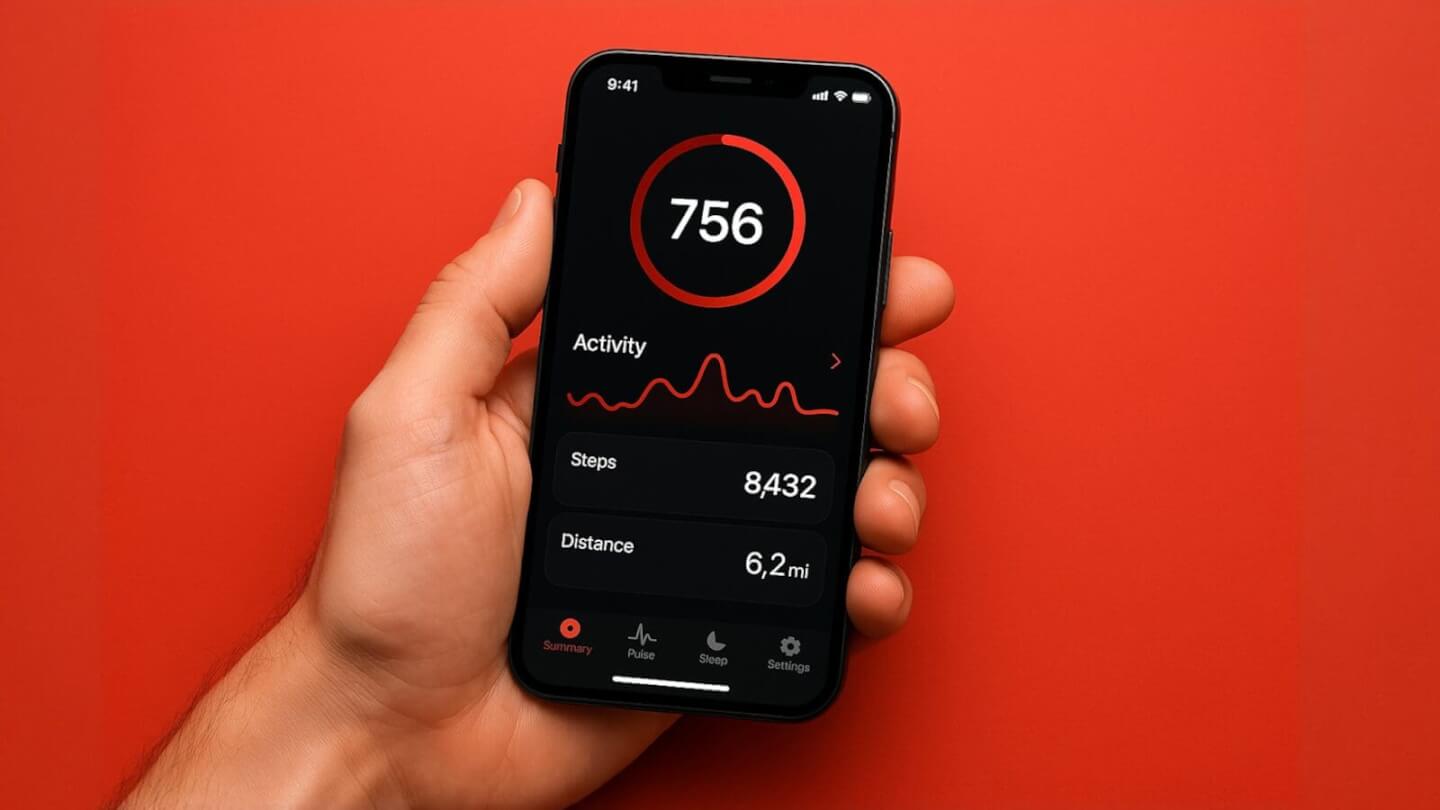
Another top fitness marketing idea gaining traction is hosting virtual events – think live workouts, webinars, or online challenges that bring people together in real time. Fitness is inherently interactive and community-driven; leveraging live events can create excitement similar to an in-person class or workshop, but for your brand’s audience globally. Plus, these events give you rich content (recordings, attendee testimonials) and a direct way to engage potential customers.
Here are a few examples of virtual events a fitness brand might run:
When running virtual events, promote them heavily beforehand: email your list, post countdowns on social media, maybe run ads targeting fitness enthusiasts to sign up. The goal is to get as many relevant attendees as possible. If using sign-up forms, you’ll also collect emails – valuable for follow-up marketing.
During the event, make it engaging. Greet people by name if possible, take live questions (“John from NY asks…here’s our answer”), and use interactive elements (polls, giveaways, challenges to do X reps along with the video, etc.). The more involved attendees feel, the more connected they become to your brand community.
Crucially, record the session if possible. That way, you can repurpose it later: upload it to YouTube (wider audience reach), chop it into short clips for social media, or offer the recording as gated content (e.g. “Missed our live webinar? Download the replay by subscribing”). A single hour-long event could turn into weeks of content and lead generation.
Companies like Peloton and others have mastered live and on-demand virtual workouts to engage users. You don’t have to reach Peloton’s scale to benefit, though. Even a niche brand can build a loyal following by regularly hosting interactive sessions. For example, a small fitness apparel brand might do a monthly “community workout” over Instagram Live, and over time people begin to look forward to it – associating those positive experiences with the brand’s identity.
Finally, don’t forget a call-to-action (CTA) at event’s end. After delivering value, it’s fair to mention your products or a special offer. For instance, “Thanks for joining our live workout! As a thank-you, use code LIVE20 for 20% off any item on our site today.” This can spur immediate purchases from the high of the event. Also encourage attendees to follow your social channels and sign up for future events – this keeps them in your ecosystem.
In summary, virtual events combine education, community-building, and promotion in one. They turn your marketing from a one-way broadcast into a two-way conversation. For fitness brands in 2026, that interaction is key – you’re not just selling a product, you’re selling motivation and lifestyle. A vibrant online event can create exactly that emotional connection which leads a casual viewer to become a dedicated customer.
Happy customers can be your strongest marketers. If you’ve built even a small fanbase for your fitness product, consider turning those enthusiastic customers (or micro influencers who truly love your brand) into official brand ambassadors. An ambassador or referral program formalizes word-of-mouth: you give your advocates perks for promoting the brand, and they bring in new customers through genuine recommendations.
Here’s how a fitness brand ambassador/referral setup might work:
For e-commerce and Amazon sellers, referrals can drive significant growth. On Amazon, you can’t use discount codes publicly in reviews, but ambassadors can still direct people to your Amazon listing via their affiliate links (Amazon has an Influencer Program and regular Associate links too). Those external referrals are valuable – Amazon’s algorithm tends to reward listings that get outside traffic by boosting their search ranking. So a flurry of new customers coming from your ambassadors’ social media can indirectly improve your product’s visibility on Amazon as well.
We see many fitness companies thriving with ambassador programs. Lululemon, for example, built a global network of yoga instructors and fitness coaches as ambassadors – they get free gear and host local events, and in return Lululemon gets grassroots promotion in fitness communities. This strategy isn’t limited to giants; even a small DTC brand can recruit 10-20 passionate ambassadors in different niches (e.g., a couple of CrossFit athletes, a spin instructor, a nutrition coach, etc.). Each of them introduces your brand to their circle, lending it credibility by association.
Don’t underestimate the power of incentivized sharing. People might love your product, but a little nudge (like “get $10 for each friend you refer”) dramatically increases the likelihood they’ll talk it up. It gives them a concrete reason to post that review or send their buddy a link. If you haven’t already, set up a referral widget on your site (tools like ReferralCandy, Smile.io, etc., can integrate easily). For Amazon-only sellers, you could run referral through email campaigns or a simple manual tracking (e.g., have referees email a screenshot of purchase and give referrers a gift card, though that’s a bit cumbersome).
One caution: Always ensure ambassadors disclose their relationship (e.g., using #ambassador or #affiliate tags on social posts), to stay transparent and within advertising guidelines.
By turning customers into advocates, you essentially create a decentralized marketing force. It’s cost-effective – you typically pay only for results (via commissions or free product) – and it builds a sense of brand community. New customers acquired through a friend’s referral also tend to be high lifetime value, because they trust your brand from the start (having heard about it from someone they know). Over time, an ambassador program can snowball: each new happy customer could become your next ambassador, fueling a cycle of growth driven by genuine enthusiasm.
The fitness industry isn’t slowing down, and neither is the competition. But by implementing these top fitness marketing ideas for 2026, your brand can flex its marketing muscles in all the right ways.
As an e-commerce or Amazon seller, you don’t need a Super Bowl ad budget to excel at marketing – you just need savvy strategy and consistency. Pick a couple of the ideas above that resonate most with your brand and execute them well. For instance, you might start by identifying 5 micro influencers and launching a small UGC contest, while simultaneously beefing up your blog content. Track the impact (engagement, traffic, sales) and iterate.
Remember, the core theme across all these ideas is authentic engagement. Modern consumers (especially in fitness) respond to authenticity, community, and proof. They want to see real sweat, real stories, and real value. If you deliver that – be it through an influencer’s honest review, a customer’s transformation photo, or a helpful workout tip in their inbox – you’ll earn trust that converts.
So gear up and put these fitness marketing ideas into action. By embracing micro influencers, encouraging UGC, and thinking creatively across platforms, your brand can build a loyal following of fitness enthusiasts who not only buy your products but also champion them. In a crowded online marketplace, that genuine connection is the ultimate competitive advantage.
For e-commerce brands and Amazon sellers, influencer marketing has become a game-changer in 2025. Scrolling through TikTok or Instagram, you’ve likely seen products featured by creators – these collaborations are known as brand deals. In this post, we’ll explore what are brand deals, how they work, and how micro influencers and user-generated content (UGC) can help online businesses drive authentic engagement and sales. Influencer-brand partnerships are booming (the industry is projected to reach $32+ billion in 2025), and nearly half of consumers now purchase products monthly because of influencer posts. By understanding brand deals, your business can tap into this trend to build trust, boost visibility, and scale revenue.

Brand deals (also called brand partnerships or collaborations) are agreements where a company partners with a content creator or influencer to promote its products or services. In a typical brand deal, the influencer creates content – like a social media post, video, or story – featuring the brand in exchange for compensation. That compensation can be monetary, free product, or a combination of both, depending on the deal’s terms. The goal is mutual benefit: the brand gains exposure to the influencer’s audience, and the influencer gets rewarded for showcasing something they genuinely like.
Brand deals come in many forms. They might be a one-time sponsored post or a longer-term ambassadorship spanning months. For example, a beauty YouTuber might do a paid review of a skincare line, or an Instagram mom might have a six-month partnership with a kids’ clothing brand. What all brand deals share is collaboration – both brand and creator work together to craft content that feels authentic to the creator’s followers while highlighting the brand. When done right, brand deals don’t look like traditional ads; they feel like recommendations from a trusted friend, which is powerful in marketing. In fact, 92% of consumers trust influencer recommendations more than traditional ads, making these partnerships incredibly valuable for brands.
For those new to influencer marketing, here’s a quick rundown of how a typical brand deal comes together:
Not all brand deals are created equal. Here’s a quick comparison of common types of influencer partnerships and what they involve:
A one-time paid post or video on an influencer’s channel. The brand pays for a dedicated piece of content featuring its product. Great for quick bursts of exposure and reaching the creator’s full audience.
The brand sends free product to the influencer in hopes they’ll feature it. Sometimes called “product seeding,” this is common with micro influencers. There’s no guarantee of a post, but if the creator loves the product, they often share it. It’s a low-cost way to generate genuine UGC (user-generated content) and reviews.
The influencer gets a unique discount code or referral link to share. They earn a commission for each sale generated, and the brand gets trackable sales. This performance-based deal aligns incentives on both sides. It’s popular in e-commerce; for instance, Amazon sellers often give influencers affiliate links to drive Amazon product page traffic.
An ongoing relationship in which an influencer regularly promotes the brand over a longer term (months or even a year). Ambassadors might do multiple posts, appear at events, or provide feedback. In return they may receive a stipend, free products, or profit share. This approach builds strong brand advocates and continuous buzz.
The brand contracts a creator to produce content for the brand’s own use. Here, the influencer might not even post on their personal channels. Instead, they act as a content creator – shooting photos, videos, testimonials that the brand can repurpose on its website, ads, or social media. This is a way to generate authentic-looking content at scale. Often cheaper than high-end photo shoots, UGC-style content feels more relatable to consumers.
Each type of brand deal can play a role in an influencer marketing strategy. For example, a new Amazon seller might start with product gifting to get some reviews and UGC, then move to paid sponsored posts with the most effective creators, and eventually establish a formal ambassador program with top performers. The key is to choose the format that fits your goals and budget.
Brand deals aren’t just trendy – they deliver real value for online businesses. Here are some of the biggest benefits for e-commerce brands and Amazon sellers:
In summary, brand deals combine the persuasive power of word-of-mouth with the scale of social media. For online sellers facing stiff competition, collaborating with influencers can be the edge that builds credibility, creates buzz, and ultimately drives more sales for your store.
Ready to dive in and leverage brand deals for your business? Keep these best practices in mind to maximize your success:
By following these tips, e-commerce entrepreneurs and Amazon sellers can confidently navigate the world of brand deals. It’s a learning process, but the payoff – in authentic customer connections and business growth – is well worth it. Embrace experimentation, stay authentic, and watch your brand presence flourish through strategic influencer collaborations.
In the 2025 landscape of influencer marketing, understanding what brand deals are and how to execute them is practically a must for ambitious e-commerce brands. Whether you’re a niche Amazon seller or a growing DTC brand, partnering with content creators can exponentially amplify your reach and credibility. Brand deals allow you to turn everyday social media content into a powerful marketing engine – one built on authenticity, engagement, and trust. By leveraging micro influencers, you tap into passionate communities without a huge price tag, while generating valuable UGC and social proof for your products. The key is to approach brand deals thoughtfully: choose partners who genuinely align with your brand, set clear win-win terms, and focus on building relationships, not just one-off posts.
Done right, brand deals will not only boost your immediate sales but also foster long-term brand loyalty and awareness. In a world where consumer trust and attention are the ultimate currency, influencer partnerships offer a shortcut to both – letting your brand message come from the voices people want to listen to. It’s time to consider adding brand deals to your marketing mix. Start small if needed, learn and iterate, and you may find this approach drives meaningful ROI for your business. In 2025 and beyond, brand deals can be the catalyst that propels your e-commerce venture to new heights.
Mobile game influencer marketing is rapidly becoming a go-to strategy for e-commerce brands. Why? Mobile gaming now reaches billions of people globally, cutting across age and demographics, which means potential customers are just a tap away. In the U.S. alone, more than 70% of Americans play mobile games – roughly 230 million consumers who could click and buy while they play. For Amazon sellers and DTC founders, teaming up with popular gaming content creators (from micro influencers to YouTube and TikTok stars) offers a powerful way to drive product awareness and sales. This blog will break down how mobile game influencer marketing works in 2025, which platforms matter (hello, TikTok and Twitch), and how to leverage user-generated content (UGC) from gaming creators to grow your e-commerce business.
What you’ll learn: We’ll start with why mobile gaming influencers are so valuable for brands, then compare key platforms and content formats. Next, we’ll outline step-by-step strategies to launch a successful campaign – from choosing the right influencer tier (micro vs. macro) to maximizing UGC and measuring ROI. By the end, you’ll see how influencer marketing in the mobile gaming world can help your brand drive ROI and build trust with a massive, engaged audience.

Mobile gaming is mainstream: Mobile games are no longer a niche – they’ve become the largest and most accessible gaming segment worldwide. The mobile gaming industry now generates over $110 billion annually, accounting for more than half of all gaming revenue. In 2025 there are about 3.3 billion mobile gamers (nearly 42% of the world’s population) actively playing on their phones. This explosive growth means e-commerce brands have a huge audience to tap into via mobile game influencers.
Wide demographic reach: Unlike console or PC gaming, mobile gaming attracts all ages and backgrounds. The average mobile gamer is 36 years old, and players span from Gen Z to Baby Boomers almost evenly. Importantly, over half of mobile gamers don’t even identify as “gamers” – they’re casual players killing time on Candy Crush or Roblox. For brands, this broad appeal means you can find gaming influencers whose followers match your target market, whether it’s moms, students, or professionals. In fact, over 70% of Americans play mobile games, so chances are your customers do too. This makes mobile game influencer marketing relevant for any product niche, not just gaming gear.
High consumer trust and engagement: Influencer marketing is powerful largely because people trust creators more than ads. 69% of consumers trust influencer recommendations over the brand’s own advertising. Gaming creators often have extremely loyal followings who view them as genuine friends or experts. When a mobile game streamer enthusiastically uses your product during a stream or posts about it on TikTok, that endorsement carries weight. Additionally, micro influencers (creators with tens of thousands of followers) tend to have higher engagement rates and closer-knit communities than big celebrities. Their authenticity can translate to greater trust and conversion for your brand.
Immediate path to purchase: Mobile gamers are, by definition, already on their phones – which means clicking a link to your product or using a promo code is seamless. Think of it this way: when a Twitch streamer or TikTok gamer showcases an item, their viewers can literally buy it on the same device in seconds. It’s no surprise that almost 49% of consumers make purchases daily or weekly because of influencer posts. With mobile audiences, this impulse can be even more immediate – one moment they’re watching a gameplay review, the next they’ve swiped up to your Amazon product page.
Higher impact for purchasing decisions: Not only do gaming influencers drive awareness, they also influence buying behavior more than typical lifestyle influencers. According to Newzoo research, mobile game influencers affect users’ purchasing decisions 21% more than non-gaming influencers. Gamers often seek out creator opinions on what gear, snacks, or tech to buy. If your product is a natural fit (say, an ergonomic phone grip, an energy drink, or even a fashion item a streamer wears), an influencer’s recommendation can directly boost sales.
Bonus – built-in UGC and content: Partnering with gaming content creators doesn’t just get you a one-off shoutout; it yields user-generated content you can repurpose. Streamers, YouTubers, and TikTokers produce videos, reviews, unboxings, and creative skits around your product – all of which is authentic UGC. This matters because consumers trust UGC far more than polished brand ads. In fact, 84% of consumers are more likely to trust a brand campaign that features UGC. By amplifying an influencer’s gameplay clip or Instagram post featuring your product (with permission), you extend the content’s reach and social proof. It’s a cost-effective way to populate your own marketing channels with credible content created by real users.

Not all social platforms are equal in the gaming world. Mobile gaming influencers span several key channels – each with its own content style and audience. Here’s a quick comparison of the major platforms where mobile game influencer marketing thrives:
Live streaming (long-form gameplay, live chat) Young, highly-engaged gaming community (Gen Z & Millennials) Real-time engagement, product demos during streams, Q&A and giveaways in chat
Video-on-demand (gameplay videos, reviews, highlights), Massive global reach across demographics; strong search discoverability. In-depth product reviews, tutorials, unboxing videos, evergreen how-to content
Short-form vertical video (15–60 sec clips). Very large Gen Z user base, trending content can go viral quickly. Quick product showcases, challenges or trends, viral brand awareness through creative gaming skits.
Short videos, images, and Stories (ephemeral content). Broad audience (18–34 core); many gaming creators cross-post here. Lifestyle angles (e.g. gamer setups, merch), brief product mentions, swipe-up links for shopping (via Stories).
Each platform offers a different way for influencers to integrate your brand. Twitch is great for live interaction – for example, a streamer can wear your apparel or use your gadget while fans ask questions in real time. YouTube provides longevity and depth; a popular mobile gamer’s review of your product can accumulate views for months or years, and include a link to your e-commerce store in the description. TikTok is all about creative virality – a 15-second clip of a gamer using your product in a funny skit or showing a before/after could blow up to millions of views with the right hashtag. And Instagram helps reinforce the message with visually appealing shots or quick video Reels, plus easy shopping integrations.
Tip: Consider the type of content that fits your product when choosing platforms. For instance, a complex tech gadget might need a longer YouTube demo, whereas a stylish snack or accessory could shine in a snappy TikTok or an Instagram photo. Often, savvy influencers will repurpose content across platforms (e.g. stream on Twitch, then post highlights to YouTube and clips to TikTok), giving your brand multi-channel exposure.
Ready to dive in? Here’s a step-by-step framework for e-commerce brands and Amazon sellers to leverage mobile game influencers effectively:
By following these steps, e-commerce brands can execute influencer campaigns that feel authentic to the gaming community and ultimately drive real business results. From micro influencer partnerships to multi-platform content, the key is to remain customer-centric – meeting gamers on their turf, with stories and experiences that entertain, inform, and inspire trust.
Mobile game influencer marketing isn’t just a trendy idea for 2025 – it’s a practical, high-ROI channel for e-commerce brands and Amazon sellers to reach customers where they spend their time. The mobile gaming crowd is huge and only growing, and their favorite creators have earned their attention and trust. By partnering with those content creators in a thoughtful way, you can boost your brand’s visibility and credibility among millions of engaged consumers. Remember, authenticity and alignment are everything: when an influencer genuinely loves your product, their audience will take notice. And with the right strategy, those playful moments on TikTok or intense live streams on Twitch can translate into significant lifts in traffic, sales, and customer loyalty for your business.
Imagine your fitness product going viral because a popular trainer or fitness enthusiast shares it with thousands of loyal followers. This isn’t hype – it’s the reality of influencer marketing today. In fact, 86% of U.S. marketers plan to partner with influencers in 2026. For e-commerce brands and Amazon sellers in the fitness space, collaborating with gym influencers – social media content creators who live and breathe the gym lifestyle – can be a game-changer. These fitness micro influencers (often everyday trainers, athletes, or enthusiasts) have built trust with niche audiences, making their product recommendations feel like advice from a friend rather than an ad.
In this post, we’ll explain what gym influencers are, why they’re invaluable for e-commerce and Amazon businesses, and how to leverage influencer marketing to drive sales. You’ll learn the key benefits (from authenticity to UGC gold), strategies for finding the right fitness content creators, and tips to maximize your ROI on platforms like Instagram and TikTok. By the end, you’ll see why tapping into this trend is a must for forward-thinking brands in 2026.

Gym influencers are content creators who focus on fitness, workouts, and gym-centric lifestyles. They might be certified personal trainers, bodybuilders, yogis, or everyday gym-goers who share their fitness journeys online. What sets them apart is engagement and expertise: they post workout videos, exercise tips, nutrition advice, transformation photos, and gym gear reviews that inspire and educate their followers. Unlike celebrity athletes, many gym influencers are relatable micro influencers – think 5,000 to 100,000 followers – with highly engaged communities. Their followers trust their recommendations on protein supplements, activewear, gym equipment, and more because these influencers have earned credibility through authentic, consistent content.
Why do they matter to brands? Gym influencers bridge the gap between fitness products and consumers. They provide social proof that a product works in real-life sweaty workouts, not just in polished ads. Whether it’s a niche CrossFit coach with 8k Instagram followers or a TikTok calisthenics star with 80k fans, these creators can introduce your e-commerce brand to dedicated fitness audiences that traditional ads might miss. In short, gym influencers are the modern-day “word-of-mouth” in fitness – and they’re driving serious impact in 2026.
When it comes to influencer marketing in the fitness niche, bigger isn’t always better. Micro and mid-tier fitness influencers often deliver outsized results for brands. Let’s break down the key benefits of leveraging gym influencers in your marketing:
In an age of skeptical consumers, authenticity is king. Gym influencers typically share genuine stories – their personal progress, struggles, and victories – which makes their content feel real and relatable. This authenticity rubs off on any product they feature. In fact, 86% of consumers say authenticity is a critical factor in deciding which brands to support. Unlike a glossy magazine ad, a gym influencer’s post about your protein powder or leggings feels like a recommendation from a fitness buddy. That trust translates directly into purchase intent. Followers see the influencer actually using the product during workouts or daily life, so they believe in its value. By partnering with fitness creators who truly align with your brand, you gain built-in credibility. Over time, these authentic endorsements foster a loyal community around your product.
Gym influencers, especially micro influencers, tend to have exceptional engagement rates. Their follower counts aren’t massive, but their audiences are highly interactive – liking, commenting, and clicking on their posts in droves. Studies show micro-influencers often achieve engagement between 5–20%, far higher than the 1–3% typical for macro influencers. This means a post from a fitness micro influencer will likely spark a lot more conversation and interest per follower than a post from a mega-celebrity account. More importantly, that engagement drives real sales. Influencer recommendations carry weight – one survey found 82% of consumers are very likely to follow a micro influencer’s product recommendation. It’s no surprise, then, that micro-influencer campaigns can yield around a 20:1 ROI (each $1 spent generating $20 in revenue), versus roughly 6:1 for macro-influencer campaigns. In other words, fitness micros punch above their weight in converting followers into customers. And for brands in the fitness industry specifically, the payoff can be enormous – **influencer partnerships have been shown to deliver ~11x higher ROI for fitness brands compared to standard digital marketing. When a gym influencer’s followers start buying your product en masse, the return easily justifies the modest investment in free product or fees. It’s ROI that would make any marketer sweat (in a good way).
The fitness world isn’t one-size-fits-all. There are sub-niches: yoga moms, powerlifters, marathon runners, keto dieters, CrossFit enthusiasts, etc. Gym influencers often specialize in one of these niches, allowing brands to laser-target their ideal audience. Instead of running a broad ad and hoping it reaches “people who like fitness,” you can partner with, say, a vegan bodybuilder influencer to reach vegan fitness enthusiasts specifically. The relevance is through the roof – the influencer’s fans are exactly the customers interested in that niche. This targeting boosts conversion rates because you’re matching products to the people most likely to need them. For example, a small e-commerce brand selling home workout gear could collaborate with a micro influencer known for at-home HIIT routines, ensuring the audience is already primed for that product. Niche targeting via influencers means less ad waste and more sales. You’re speaking directly to a community of hardcore fans, not casting a net into the void.
Working with gym influencers doesn’t just get you exposure – it also generates tons of user-generated content (UGC) that you can reuse in your marketing. Every time an influencer posts a review, unboxing, workout video, or before-and-after photo featuring your product, that’s authentic content you didn’t have to create yourself. And UGC carries serious weight: shoppers trust content from real users 9X more than branded content because it’s seen as unbiased and real. By collaborating with fitness creators, you’ll quickly accumulate a library of photos and videos showcasing your product in action – a model wearing your activewear at the gym, a coach mixing your supplement into a smoothie, a selfie with your yoga mat in a real home. This content is marketing gold. You can repost it on social media, use it in Facebook or TikTok ads, feature it on your product pages, and even incorporate it into Amazon listings. (Many Amazon sellers now repurpose influencer photos and clips in their Amazon A+ Content and ads to add social proof.) The impact on sales is tangible: showing real people using and loving your product builds trust and convinces others to buy. UGC-driven listings and ads often see higher click-through and conversion rates than slick studio images because they answer the customer’s key question: “Does this really work for people like me?” The more content you have from gym influencers, the more social proof you can sprinkle across your marketing channels.
Another huge benefit: partnering with gym influencers can fit nearly any marketing budget. You don’t need to hire $10k-per-post celebrities to see results. In fact, many micro influencers are very affordable – often happy to promote quality fitness products in exchange for a free sample or a modest fee. For example, while a top-tier fitness influencer (500K+ followers) might charge $5,000+ for an Instagram post, a micro-influencer with 20K followers may only charge a few hundred dollars (or even just free gear). This means even small e-commerce brands and Amazon marketplace sellers can play the influencer game without breaking the bank. You could, for the cost of one big influencer, work with dozens of micro influencers and flood social media with authentic buzz about your product. This scalability is powerful: by engaging 50 fitness micro-influencers at once, you amplify your reach across many mini-audiences. (One fitness brand launch saw a 312% sales increase by activating 50+ micro influencers simultaneously – a strategy that a single mega influencer likely couldn’t match.) Moreover, micro influencers often deliver better bang-for-buck due to their high engagement and tight-knit trust with followers. You end up with a higher ROI per dollar spent. And if one partnership doesn’t perform as expected, you’ve spread your risk across many creators. In short, influencer marketing is no longer a luxury reserved for giant brands – it’s a cost-effective, scalable strategy that even a bootstrapped Amazon seller can harness to gain an edge. It’s like having a grassroots salesforce for your brand, paid in product and passion.

Ready to flex your marketing muscle with gym influencers? Here’s a step-by-step strategy to identify and collaborate with the best fitness creators for your brand:
One big question for brands is which platforms to focus on for influencer marketing. The truth is, gym influencers are active across all major social channels, but each platform offers a unique angle:
No matter the platform, the principles remain consistent – choose influencers who align with your brand, empower them to create engaging content, and integrate that content into your broader marketing strategy. By diversifying across platforms, you can create a multi-channel campaign where an Instagram post builds awareness, a TikTok video goes viral with a challenge, and a YouTube review closes the deal with detailed info. It’s an all-around win to boost your e-commerce presence.
As we head through 2026, one thing is clear – gym influencers aren’t just a trend, they’re a marketing powerhouse. For e-commerce brands and Amazon sellers in the fitness or wellness space, partnering with these content creators can drive authentic engagement, steady streams of UGC, and ultimately more sales. By tapping into the trust and community that fitness influencers have built, your brand gains something traditional ads can’t buy: real credibility.
Whether it’s a micro influencer demonstrating your product in an at-home workout or a fitness guru sparking a viral challenge featuring your brand, the impact on awareness and conversions can be dramatic. We’ve seen how gym influencers bring authenticity, high ROI, niche targeting, and cost-effective content creation to the table. The playbook is straightforward – find the right creators, foster genuine relationships, and let their passion for fitness intersect with your product story.
Now is the time for e-commerce and Amazon brands to flex their marketing muscle by incorporating gym influencers into their strategy. Start small if you need to: gift a product to a few up-and-coming fitness micro influencers and see the response. Experiment on Instagram or TikTok and gauge the engagement. As the results come in – be it higher site traffic, a bump in Amazon conversion rates, or a library of great UGC – you can scale up your efforts confidently. In a crowded online marketplace, these fitness content creators could be the secret sauce that sets your brand apart, giving you that competitive edge fueled by trust and community.
Don’t stay on the sidelines. Leverage the power of gym influencers to build your brand’s credibility and drive growth. When you align with passionate fitness creators, you’re not just making a sales pitch – you’re joining a conversation and culture that inspires your customers. That authentic connection can translate into loyal fans and repeat sales for years to come. In short, partnering with gym influencers is how you spot your brand’s marketing and lift it to new heights in 2026 and beyond. Ready to get started? Your next brand ambassador might just be one Instagram scroll or TikTok swipe away.
Short-form videos have exploded in popularity, fundamentally changing how brands reach consumers. In 2025, short-form video trends are about more than just chasing the next viral hit – they’re about driving meaningful results. For e-commerce brands and Amazon sellers, this shift means focusing on content that engages and converts, not just entertains. In this blog, we’ll explore what’s beyond virality: the latest short-form video trends, from micro influencers and UGC (user-generated content) to shoppable videos and AI tools, and how these trends can boost your brand’s ROI and sales.
What will you learn? By the end, you’ll understand which 2025 short-form video trends matter most for influencer marketing and e-commerce, how platforms like TikTok and Instagram Reels are evolving, and actionable ways to leverage these trends (with the help of everyday content creators and new tech) to grow your business. Let’s dive in!

It’s no secret that short-form video content (think TikTok clips, Instagram Reels, YouTube Shorts, etc.) is dominating digital media. By 2025, video is projected to make up over 80% of all internet traffic, with short-form videos driving the largest share of engagement. People have an insatiable appetite for bite-sized content – and platforms are serving it up on a silver platter.
Importantly, short-form’s popularity isn’t just a passing fad – it’s reshaping marketing strategies. 85% of marketers say short-form video is the most effective social media format. And rather than replace long-form content, these quick videos complement it by funneling viewers into deeper engagement (like visiting a site or watching a longer demo). The bottom line: short-form video is reigning supreme in 2025, and brands need to embrace it or risk being left behind.
In the early days of the short-video boom, success was often measured by one thing: virality. Brands chased massive view counts and trending moments, hoping a viral video would translate to business win. But in 2025, smart marketers know views alone don’t pay the bills. The focus has shifted beyond virality to delivering real business value – ROI, engagement quality, and conversions.
Short-Form Video = High ROI: According to industry research, short-form video now boasts the highest ROI of any content type for marketers. In one survey, 66% of video marketers said live-action, short videos are the most effective format for ROI, lead generation, and engagement. This makes sense – a 30-second product demo or customer testimonial can directly drive a purchase decision in ways a silly viral meme cannot. In fact, 82% of people say a video has influenced a purchase decision. The takeaway? Viral fame is nice, but revenue is nicer. Short videos are increasingly optimized to not just go viral, but to educate, persuade, and convert viewers into customers.
New Metrics of Success: Instead of obsessing over vanity metrics (views, likes), brands are tracking metrics that reflect deeper engagement and intent. For example:
So, what specific trends are shaping short-form content this year? Let’s break down the most important ones for marketers – especially e-commerce brands, Amazon sellers, and DTC founders looking to turn views into revenue. From the rise of micro influencers to the boom in shoppable videos, these are the trends that go beyond virality to drive real impact.
In 2025, micro-influencers (creators with roughly 5K–100K followers) have become the secret weapon for brands on TikTok, Instagram, and beyond. Collaborating with armies of smaller creators often beats paying one celebrity influencer – why? Because micro-influencers deliver authenticity, niche reach, and trust that scale to ROI:
Platforms like Stack Influence have tapped into this trend, connecting e-commerce brands with vetted micro-influencers to produce authentic short-form videos at scale. These everyday creators are helping brands large and small get in front of niche audiences – whether it’s a beauty brand working with 50 micro makeup gurus on Reels, or an Amazon seller sending products to a dozen TikTok creators for honest reviews. The continued rise of micro-influencers is a clear sign that when it comes to short-form content, real voices resonate more than famous faces.
Hand-in-hand with the micro-influencer movement is the dominance of user-generated content (UGC) in short-form video. In 2025, authenticity is king. Audiences have grown skeptical of overly scripted influencer posts; instead, they gravitate toward content created by real customers, fans, and employees.
Why UGC? Simply put, it builds trust. A survey by UGC platform EnTribe found that 86% of people are more likely to trust a brand that shares UGC, and 83% are more likely to buy from brands using UGC in marketing. This makes sense – seeing everyday folks genuinely loving a product (without being paid to gush about it) is far more convincing than a glossy ad. And UGC isn’t limited to testimonials; it can be creative TikTok challenges featuring your product, unboxing videos from customers, or duets and remixes using your brand’s sound. The key is that it’s genuine, relatable content originating from outside the company.
Consider the recent “de-influencing” trend: some creators began urging followers not to buy over-hyped products, highlighting a backlash against incessant sponsored posts. Brands have responded by leaning into UGC and real voices to regain credibility. In fact, 40% of marketers now rank UGC as a high-ROI content format on social media, and 92% say UGC helps increase brand awareness. In short-form videos, that might mean using real customer reviews in your TikTok ads, or stitching customer clips into an Instagram Reel montage.
One striking example comes from a creative agency Superside, which tested an in-house UGC-style video ad against a typical influencer ad. The UGC-style short video (just shot on an iPhone, featuring team members as “users”) actually outperformed the influencer version – it generated 217% more leads and cut cost-per-lead by 45% over a month. That’s a huge win for ROI. The informal feel of UGC made the ad more effective, not less.
The takeaway for brands: embrace the perfectly imperfect. Encourage your customers to create and share content – perhaps via contests or hashtags – and repost their best short videos (with permission). Showcase real-life use cases, before-and-afters, or fan creativity. Not only does this approach provide you with a steady stream of content, it also signals to potential customers that people just like them use and love your products. In 2025, the polished studio shoot is out; the TikTok filmed in someone’s living room is in – because it’s real.
As short videos entertain and engage, they’re also collapsing the funnel from discovery to purchase. A huge trend in 2025 is the integration of social commerce features into short-form video platforms – effectively turning viral clips into virtual storefronts. For brands, this means your 15-second video can not only spark interest but let viewers buy the product on the spot.
Some notable developments:
The net effect: short videos are becoming shoppable experiences, not just content. Retailers who add interactive video elements are reaping rewards – for instance, one study found that retailers using shoppable videos saw conversion lifts of 30% or more after implementing them. Another stat underscores the power of live and short video commerce: live-stream shopping events (popular in Asia and now growing in the West) can achieve conversion rates up to 10× higher than standard e-commerce.
Even Amazon tried hopping on the short-video train. They introduced “Amazon Inspire,” a TikTok-style feed within the Amazon app showcasing products via quick videos and photos. While Inspire was eventually retired, the experiment signaled Amazon’s recognition that swipeable, video-centric browsing is the future of online shopping. Amazon continues to leverage influencers through its Amazon Influencer Program, where creators post product review videos that appear on product detail pages and Amazon Live. If you’re an Amazon seller, partnering with content creators to supply honest, engaging short videos (either on social media or on Amazon’s platform) can directly boost your product’s credibility and sales.
For e-commerce brands, the implication is clear: make your videos shopper-friendly. Include clear calls to action (swipe up, “link in bio”, tap to shop) in your TikTok and Reel content. Show the product in use within the first few seconds. Use captions or stickers to highlight discounts or features. And don’t shy away from paid social ads in short-video format – a snappy video ad that viewers enjoy is potent, with viewers 97% more likely to purchase something from a video ad they enjoyed. The more you can collapse the distance between seeing and shopping, the better your ROI from short-form video will be.
Another exciting trend pushing short-form video beyond its former limits is the rise of AI-powered content creation and automation. One challenge with video marketing has always been the time and cost to produce quality clips. In 2025, AI is helping to break that barrier, allowing brands (even small ones) to scale up video output without scaling up budgets proportionally.
Here’s how AI is turbocharging short-form video:
By embracing AI tools, brands can keep up with the relentless content demand of the short-form era. Instead of one polished ad a quarter, you might produce 50 TikToks a month – testing ideas, riding trends, and iterating quickly – without blowing the budget. Of course, human creativity and oversight remain vital (AI can spew content, but it’s the marketer’s job to ensure it’s on-brand and resonates emotionally). The brands that get this balance right will have a constant stream of fresh, optimized videos fueling their social channels and ads. In short, AI is helping turn short-form video from a daunting task into a scalable, strategic advantage.

While general principles apply across short-form video, each platform has its own nuances and trends in 2025. Here’s a quick rundown of the big three (TikTok, Instagram, YouTube) and how to tailor your approach:
Regardless of platform, one cross-cutting trend is crossposting and repurposing. A single piece of content can often be reformatted for each platform’s specs – for example, a 45-second product teaser could be posted as a TikTok, an Instagram Reel, a YouTube Short, and even a Pinterest Idea Pin, each with slight tweaks. This extends your reach and maintains consistency. Just be mindful of platform norms (e.g. remove the TikTok watermark when posting on Reels to avoid reduced reach). The goal is to meet your audience wherever they are scrolling.
The short-form video trends of 2025 signal one thing: it’s time to think beyond virality and focus on value. For brands – especially those in the e-commerce arena – success will come from creating videos that not only capture attention, but also build trust, inspire action, and drive ROI. Whether it’s partnering with micro influencers for authentic storytelling, encouraging UGC that puts customers in the spotlight, or leveraging new shopping tools to turn views into purchases, the opportunities are vast.
The common thread is authentic engagement. Short-form content may be quick to consume, but its impact can be long-lasting when done right. A 15-second clip can spark a genuine connection, answer a buyer’s question, or provide social proof that converts a skeptic into a customer. And thanks to analytics and feedback in real time, you can continually refine your approach – doubling down on what works (and dropping what doesn’t) far faster than in the old days of lengthy video productions.
For e-commerce brands and Amazon sellers, the message is clear: don’t just chase the next viral dance – craft a strategy around these trends that aligns with your goals. Use the data (retention rates, click-throughs, sales) to guide your content decisions. Encourage your community to participate, because the line between creator and consumer is blurring. And above all, be willing to experiment and innovate. The short-form landscape evolves quickly (who knows what the TikTok of tomorrow will be), but with a focus on authentic, value-driven content, you’ll be prepared to ride any wave.
Ready to boost your ROI with short-form video? Start by implementing one of these trends in your next campaign – challenge your followers with a fun hashtag, ask a micro-influencer to review your product on Reels, or turn a customer testimonial into a TikTok. By meeting your audience where they are and giving them content that resonates, you won’t just go viral – you’ll grow your business in a lasting way.
In the fast-paced world of online business, staying ahead means continuous learning. For e-commerce brands, Amazon sellers, and DTC founders, the right marketing book can spark game-changing ideas. In this guide, we’ll highlight the best marketing books to read in 2025 – from classics on branding strategy to new insights on micro influencers and content creation. These books will help you master influencer marketing, harness user-generated content (UGC), and refine your overall strategy to drive growth. Read on to discover what you’ll learn from each title and how it can elevate your marketing ROI.
Hook for our audience: As an e-commerce entrepreneur or marketer, you juggle social media trends, algorithms, and consumer behaviors that evolve constantly. Marketing books condense decades of expertise into actionable advice. By learning directly from top marketers and thought leaders, you gain frameworks to outshine competitors – whether through a smarter influencer marketing plan or a more compelling brand story.
What you’ll learn: This article covers 10 must-read marketing books (including new releases and timeless classics) that can transform your approach. You’ll learn how to craft content that customers love, build a memorable brand, leverage micro influencers for authentic promotion, and optimize every marketing dollar for maximum ROI. Let’s dive into our top picks and see how each can benefit your e-commerce strategy in 2025.
To start, here’s a quick comparison of our recommended books, their focus, and why they’re worth your time:
Book (Author)
Key Focus
Why Read It
Influence (Robert Cialdini)
Persuasion psychology
Learn the triggers that drive customer decisions
Positioning (Al Ries & Jack Trout)
Branding strategy
Stand out in a crowded market with a unique brand angle
Blue Ocean Strategy (W. Chan Kim & Renée Mauborgne)
Market innovation
Find untapped markets away from cut-throat competition
Contagious (Jonah Berger)
Viral marketing
Create products & content people naturally share
Everybody Writes (Ann Handley)
Content creation
Improve your writing to engage and convert audiences
Epic Content Marketing (Joe Pulizzi)
Content marketing
Build trust and leads with valuable, story-driven content
The 1-Page Marketing Plan (Allan Dib)
Small-biz strategy
Map out a simple, actionable marketing plan in one page
Hacking Growth (Sean Ellis & Morgan Brown)
Growth hacking
Scale up like a startup with rapid experiments & analytics
The Age of Influence (Neal Schaffer)
Influencer marketing
Leverage influencers (mega and micro) to boost credibility
Building a StoryBrand (Donald Miller)
Brand messaging
Clarify your message and connect with customers emotionally
Next, let’s explore each book in detail and how it can help e-commerce brands and Amazon sellers achieve marketing success.
View this post on Instagram A post shared by Robert Cialdini (@teamrobertcialdini)
When it comes to understanding why customers say “Yes,” Cialdini’s Influence is unmatched. This classic introduces six principles of persuasion – including social proof, reciprocity, and scarcity – that explain consumer behavior. Marketers widely recommend Influence for its deep dive into human psychology and practical examples. By applying its lessons, you can make your campaigns more compelling and trustworthy.
Why it’s useful for e-commerce: In online marketing, trust is everything. Influence teaches you how to build credibility and reduce buyer hesitation. For instance, leveraging social proof (like reviews or micro influencer testimonials) can significantly boost conversions. As you connect with content creators or micro influencers, understanding these principles helps ensure your collaborations genuinely sway your audience. In short, this book gives you a psychological playbook to persuade customers ethically and effectively – a must-have skill for Amazon sellers and DTC brands alike.
Originally published in the 1980s, Positioning remains a branding bible. Ries and Trout outline how to plant your product in the customer’s mind in a way that differentiates it from competitors. According to Invesp, this book is essential for mastering brand perception and competitive messaging. The core idea: rather than trying to be everything to everyone, focus on owning a specific concept or niche in your market.
Why it’s useful for e-commerce: Online markets (from Shopify stores to Amazon listings) are crowded. A clear positioning strategy helps your brand cut through the noise. Whether you sell sustainable pet products or artisanal coffee, Positioning teaches you to identify what makes you unique and communicate it powerfully. E-commerce brands that apply these lessons can create a lasting impression on customers, leading to stronger brand loyalty and higher lifetime value.
Why fight competitors over the same customers when you can sail into open waters? Blue Ocean Strategy argues that the best way to dominate is to create your own market space instead of battling in a saturated “red ocean.” The authors share frameworks and case studies showing how to find unmet consumer needs and innovate your offering. As marketing expert Neil Patel summarizes, this book teaches that success comes from identifying “new market spaces ready for growth,” not just head-to-head competition.
Why it’s useful for e-commerce: This strategic mindset is gold for Amazon sellers and brand owners. Rather than launching a me-too product, you’ll learn to spot gaps where customer demand is high but options are few. For example, you might combine product features or appeal to a niche community in ways competitors haven’t. Blue Ocean Strategy provides a roadmap to make your brand memorable and avoid pricing wars. By charting a fresh course, you can achieve higher profit margins and customer loyalty with less competitive pressure.
Ever wonder why some products go viral or get tons of word-of-mouth? In Contagious, Wharton professor Jonah Berger reveals the science behind social sharing. Through entertaining stories and research, he introduces six key principles (STEPPS) that make ideas spread: Social Currency, Triggers, Emotion, Public visibility, Practical Value, and Stories. You’ll learn practical techniques to design marketing content that people can’t help but share – whether it’s a clever ad or an engaging social media challenge.
Why it’s useful for e-commerce: In the age of social media and UGC, Contagious offers a blueprint for organic growth. If you want customers to rave about your product on Instagram or TikTok, this book shows you how. For instance, you’ll discover how to give your audience social currency (content that makes them look good when sharing), or how to trigger conversations about your brand through everyday cues. E-commerce products often live or die by reviews and referrals, so understanding viral drivers is invaluable. By applying Berger’s principles – perhaps encouraging happy buyers to post unboxing videos or creating shareable stories around your brand – you can exponentially increase your reach without huge ad budgets.
View this post on Instagram A post shared by Ann Handley (@annhandley)
Quality content is the backbone of modern marketing, and Ann Handley’s Everybody Writes is the ultimate guide to doing it right. Handley, hailed by Forbes as a top influential marketer, delivers clear strategies to elevate your writing across blogs, product pages, emails, and social media. This book reminds us that in marketing, “if you’re in marketing, you’re also involved in writing.” It covers everything from crafting compelling copy and calls-to-action to maintaining your brand voice.
Why it’s useful for e-commerce: Whether you’re writing Amazon product descriptions, email newsletters, or TikTok captions, strong writing can boost conversions. Everybody Writes teaches you how to communicate more clearly and persuasively, turning casual browsers into buyers. Handley’s tips on storytelling and simplifying your message are especially handy for content creators and brand founders who may not see themselves as “writers” by trade. By implementing her advice, you can create product listings and ads that resonate emotionally and drive action. As Neil Patel notes, this is a great read for any marketer looking to upskill their content creation game.
Joe Pulizzi is a pioneer of content marketing, and Epic Content Marketing is his playbook for building an audience that trusts and buys from you. The book emphasizes creating valuable, relevant content to attract and retain customers – rather than pushing constant ads. According to one expert summary, Pulizzi’s book is crucial for learning how to craft “value-first content that converts”. It covers how to develop a content strategy, tell your brand’s story, and distribute content effectively across channels.
Why it’s useful for e-commerce: In an era where consumers skip ads but seek advice and inspiration, content is king. If you run an online store, Epic Content Marketing helps you go beyond just selling products to becoming a go-to resource in your niche. Imagine running a home décor e-commerce site: by blogging DIY style tips or sharing UGC from customers’ decorated rooms, you build credibility and community. This book guides you on using blogs, videos, and social posts to draw customers in organically, which can lower your acquisition costs. Pulizzi’s insights are especially handy for those leveraging UGC and content creators – it’s about educating or entertaining first, and winning sales as a natural result of the trust you’ve built.
Small business owners and solopreneurs rejoice – Allan Dib simplifies marketing planning into a single page. The 1-Page Marketing Plan walks you step-by-step through creating a concise plan covering your target market, messaging, channels, and sales process. The beauty is in its simplicity: instead of a massive document, you distill your strategy into an actionable one-page grid. This approach has made the book a global bestseller in the marketing category. In fact, Huffington Post named it among the top ten marketing books for small business owners.
Why it’s useful for e-commerce: If you’re an Amazon seller or e-commerce startup, you often wear many hats and need quick wins. Dib’s plan is perfect for cutting through overwhelm and focusing on what matters. The book’s practical tips (like how to identify your highest-value customers or set up automated follow-ups) help you attract and retain buyers without a big team or budget. Many Amazon sellers appreciate this framework because it’s tailored to lean businesses – you’ll learn to maximize results with minimal waste. By the end, you’ll have a clear roadmap to get new customers and make more money, all on one page. It’s an essential read for entrepreneurs who want a fast, effective way to organize their marketing efforts.
Written by the duo who popularized the term “growth hacking,” Hacking Growth is a crash course in data-driven marketing and rapid experimentation. Sean Ellis (who coined “growth hacker”) and Morgan Brown share how companies like Dropbox, Airbnb, and LinkedIn achieved explosive growth by constantly testing and optimizing every aspect of their business. This book is often cited as “the best book on growth hacking” by industry insiders. It breaks down a repeatable process: analyze data for insights, generate ideas, test them quickly, and double down on what works.
Why it’s useful for e-commerce: The growth hacking mindset can transform how you approach your online store’s growth. Instead of relying on guesswork, you’ll adopt a culture of test-and-learn. For example, you might A/B test your product page layouts, experiment with different influencer partnerships, or tweak your checkout flow to reduce cart abandonment. Hacking Growth provides tactical guidance on forming a growth team (even if it’s just you and a colleague), running experiments on a budget, and focusing on metrics that matter (like conversion rate or customer acquisition cost). E-commerce brands can particularly benefit from chapters on optimizing user onboarding and leveraging existing customers for referrals. In short, this book teaches you to think like a lean startup, constantly discovering creative tweaks to scale revenue efficiently.
Influencer marketing isn’t just for big brands – it’s a powerful tool for small businesses and e-commerce sellers too. In The Age of Influence, Neal Schaffer demystifies how brands can leverage social media influencers (from mega celebs to micro influencers) to elevate their marketing. This 2020 book is considered “an essential guide for marketing professionals and business owners” to build effective and sustainable influencer campaigns. Schaffer explains how the rise of social media has democratized influence, and he provides a step-by-step plan to identify the right influencers, engage them, and measure ROI from influencer partnerships.
Why it’s useful for e-commerce: If you’ve been curious about influencer or micro-influencer marketing, this is the playbook you need. The book covers how even modest budgets can yield big results by tapping into niche content creators who truly connect with your target audience. For example, a small beauty brand might partner with a dozen micro influencers on Instagram or TikTok rather than one expensive celebrity – Schaffer shows how to do this at scale and authentically. He emphasizes relationship-building: turning your loyal customers into brand advocates and influencers in their own right. The advice is very actionable, including how to approach influencers, provide them with the right creative brief, and ensure campaigns are mutually beneficial. With UGC and authentic content on the rise, The Age of Influence gives e-commerce brands a roadmap to harness the trend (and even mentions tools and platforms that can help). Stack Influence, for example, is one platform that connects brands with micro influencers – a strategy very much in line with Schaffer’s principles of leveraging everyday advocates. By following this guide, you can expand your reach, build trust through real voices, and ultimately drive more sales through the power of influence.
View this post on Instagram A post shared by Business Educator + Author (@donaldmiller)
Last but definitely not least, Building a StoryBrand tackles one of the most crucial aspects of marketing: your brand message. Donald Miller presents a 7-part storytelling framework to clarify what your business offers and why it matters to customers. He effectively becomes your messaging coach, helping you cut through the fluff and communicate in a way that immediately resonates. Marketers often call this an “essential read for refining messaging and connecting with customers in a meaningful way”. The book uses the elements of a good story (characters, problems, heroes, guides) to reshape how you talk about your brand – making the customer the hero and your brand the guide.
Why it’s useful for e-commerce: Online shoppers have short attention spans. If your homepage or Amazon listing doesn’t grab them in seconds with a clear, compelling message, they’ll move on. Building a StoryBrand provides a formula to sharpen your copywriting and web design around a narrative that customers find irresistible. You’ll learn to highlight how your product solves a real problem and makes the customer’s life better (the classic “what’s in it for them”). For example, instead of saying “We sell artisanal coffee,” a StoryBrand approach might lead you to: “Fuel your day with ethically sourced, small-batch coffee that inspires your morning.” Miller’s framework is incredibly practical – many e-commerce brands have revamped their websites, about pages, and even social media bios based on it. The result? Higher engagement and conversion rates, because customers quickly understand why they should choose you. If you feel your marketing materials aren’t clicking with people, this book will be a game-changer in transforming your brand’s narrative.
The world of marketing is always evolving, but the insights from these books are timeless and timely. By reading and applying the lessons from the best marketing books of 2025, you equip yourself with strategies that drive real results. Whether it’s crafting a viral campaign using Berger’s STEPPS framework or streamlining your plan on one page with Allan Dib’s method, each book above offers actionable takeaways for e-commerce brands and Amazon sellers.
The key is to put knowledge into action. Pick one book to start with and commit to implementing at least one idea you learn. For example, after reading The Age of Influence, you might identify 5 micro influencers and launch a trial campaign to generate UGC for your product. Or after finishing StoryBrand, you could rewrite your website’s homepage to sharpen your value proposition. Track the impact – you may be surprised at how quickly these changes can boost engagement or sales.
Remember, marketing success in 2025 isn’t about chasing every new trend blindly. It’s about mastering the fundamentals (consumer psychology, compelling content, clear positioning) and then amplifying them with modern tactics like influencer partnerships or growth hacking. By investing time in these books, you’re effectively gaining mentors in each author. They’ve done the hard work and experiments so you can skip straight to what works.
If you’re an e-commerce brand or Amazon seller, you’ve probably noticed how TikTok went from a quirky video app to a full-fledged social commerce powerhouse almost overnight. What started as a platform for lip-syncing teens has evolved into a marketing juggernaut driving real ROI for businesses. In this post, we’ll explore how TikTok’s rise drives ROI for e-commerce brands in 2026, breaking down its meteoric growth, the power of its algorithm and micro influencers, and what it all means for your brand’s marketing strategy. By the end, you’ll understand TikTok’s history, its current status (and challenges), and how micro influencers, content creators, and authentic UGC on TikTok can boost engagement and sales for online sellers like you.
TikTok’s growth has been nothing short of explosive. Launched internationally in 2017, TikTok hit 1 billion users faster than any social platform before it. For context, TikTok’s website was visited more often than Google last year – a clear sign of its global dominance. The platform’s surge in popularity during the late 2010s (and especially the 2020 pandemic lockdowns) turned it into a household name. Millions of people, stuck at home, started filming 15-second dance challenges, comedic skits, and product hacks. This wave of engagement helped TikTok skyrocket in downloads and active users worldwide. By 2022, over 100 million Americans (about one-third of the U.S. population) were on TikTok, with the average U.S. user watching 80 minutes of TikTok videos per day – more than they spend on Facebook and Instagram combined.
Why did TikTok grow so quickly? A few key factors set TikTok apart:
Together, these factors created a perfect storm of growth. TikTok’s rise wasn’t an accident; it was engineered through savvy tech (that AI-driven feed) and a keen understanding of what entertains people online.
TikTok’s backstory is key to understanding its success. The app’s journey began in two places at once:
ByteDance’s genius move was acquiring musical.ly in November 2017 and merging it with their own platform. In 2018, musical.ly was officially rebranded as TikTok, combining the content libraries and user bases of both apps. Overnight, millions of musical.ly users woke up to a new TikTok logo on their phones. This gave TikTok a ready-made global audience and content ecosystem. By early 2018, TikTok (the international version of Douyin) was the most downloaded iOS app in the world.
From there, TikTok’s expansion went into overdrive:
Today, TikTok (known as Douyin in China) is operated by ByteDance and serves users in over 150 countries. Its journey from a niche lip-sync app to a global social media powerhouse in under a decade is unprecedented. Below is a timeline of key TikTok milestones that shaped its history:
TikTok Timeline:
YearMilestone2016ByteDance launches Douyin in China (the original Chinese version of TikTok), quickly gaining 100M users in 1 year.2017ByteDance acquires U.S.-based musical.ly app for ~$1B and lays groundwork to merge it with TikTok.2018TikTok launches globally (merging musical.ly). The app surges in popularity, becoming the world’s most downloaded iPhone app in Q1.2019TikTok introduces advertising options for brands and rapidly expands its young user base worldwide. Downloads exceed 1 billion.2020Usage explodes during COVID-19 lockdowns. However, governments (like the U.S. and India) raise data security concerns, with India banning TikTok and the U.S. considering a ban.2021TikTok reaches 1+ billion monthly active users globally (achieving in 5 years what took others a decade). U.S. ban threats ease after TikTok explores partnering with Oracle to address data issues.2023TikTok rolls out new features (advanced video editing, AR filters) and expands e-commerce tools (e.g. TikTok Shop) in various markets. The app’s cultural influence continues to grow.2024TikTok Shop (launched late 2023 in the U.S.) propels a surge in social shopping. In Q1 2024 alone, TikTok was downloaded 137 million times worldwide. U.S. users reach an all-time high.

By 2026, TikTok stands as a staple of internet culture and a critical marketing channel – but it’s not without challenges. Let’s look at TikTok’s current status:
In short, TikTok today is a platform of huge opportunities (massive reach and innovative commerce features) tempered by external uncertainties (mainly regulatory risks). For marketers, the key is to leverage TikTok’s influence now, while also diversifying your social strategy in case of any sudden changes.
TikTok’s explosive growth has turned it into a must-watch platform for brands. Short-form videos and viral challenges define TikTok’s appeal, keeping users hooked and businesses eager to join the conversation.
It’s hard to talk about TikTok’s marketing power without mentioning influencers – especially micro influencers. TikTok and influencer marketing are a perfect match that has rewritten the rules for brands. Here’s why TikTok is such fertile ground for influencer campaigns:
It’s worth noting that Stack Influence (our brand) specializes in exactly this kind of campaign – connecting e-commerce brands with vetted micro influencers to generate authentic UGC at scale. By partnering with many micro influencers, brands can flood TikTok (and other channels) with relatable content, amplifying reach while keeping costs reasonable. This approach often beats a single expensive ad or a one-off celebrity post, especially when targeting Gen Z and millennial shoppers who value authenticity.

Peering into the future, what’s next for TikTok – and what does it mean for brands and sellers? Based on current trends, here are some educated predictions for TikTok in the coming year or two:
Bottom line: TikTok’s future looks bright but will not be without hurdles. For e-commerce marketers and Amazon sellers, TikTok will continue to offer creative ways to reach consumers through storytelling and community-driven commerce. The savviest brands will keep experimenting on TikTok – testing new content styles, leveraging rising creators, and using the latest platform tools – to stay ahead of the curve.
TikTok’s journey from lip-syncing app to influencer marketing powerhouse holds valuable lessons for anyone in e-commerce. The platform’s unique blend of massive reach, high engagement, and authentic content has proven it can drive serious ROI for brands. Despite an uncertain regulatory future, TikTok today is an indispensable marketing channel – especially if you target younger, socially savvy consumers.
For e-commerce brands and Amazon sellers, the message is clear: don’t sleep on TikTok. Whether it’s partnering with micro influencers to spark viral moments, encouraging your customers to post UGC reviews, or using TikTok’s shopping features to boost sales, there’s immense upside to riding this wave. A single well-executed TikTok campaign can achieve what months of traditional advertising might not – from skyrocketing your product up Amazon’s rankings to significantly increasing your site traffic.
In 2026, success in online retail will belong to brands that combine great products with savvy social media storytelling. TikTok just happens to be the premier stage for that storytelling right now. So ask yourself: Is your brand taking advantage of TikTok’s rise? If not, now is the time to start. Experiment with a small campaign, learn what resonates with the TikTok community, and scale up. The cost of entry is relatively low – often just the price of a few sample products sent to creators – and the potential rewards (brand awareness, engagement, and yes, revenue) are high.
Social media moves faster than ever in 2026, and what’s trending can make or break a brand’s online success. For e-commerce entrepreneurs and Amazon sellers, keeping up with what are social media trends this year isn’t just buzz – it’s a business imperative. Why? Because roughly two-thirds of the world’s population (over 5 billion people) are now on social platforms, and those platforms heavily influence how consumers discover products and make purchase decisions. In this post, we’ll break down the most important social media trends in 2026 – from viral TikTok videos to the explosion of micro influencers and UGC – and explain how these trends can drive real ROI for your online store.
What you’ll learn: By the end of this guide, you’ll understand the key social media shifts shaping 2026, why they matter for e-commerce brands, and how to leverage each trend (like micro influencers, influencer marketing tactics, new content formats, and more) to grow your business. Let’s dive in!
Staying on top of social media trends isn’t about chasing every viral dance or meme – it’s about staying aligned with consumer behavior. Social platforms have become critical shopping and discovery channels. In fact, social media became the number one customer acquisition source for brands in 2023, driving about 30% of all e-commerce revenue. That means if you’re not active where your customers spend their time (Instagram, TikTok, YouTube, etc.), you’re potentially missing out on a huge chunk of sales.
Trends also signal how algorithms and user preferences are changing. For example, an algorithm update might favor short videos this year, or consumers might suddenly flock to a new platform (remember how quickly TikTok blew up?). E-commerce brands and Amazon sellers who adapt quickly – by creating trending content or embracing new features – gain a competitive edge. On the flip side, ignoring trends can leave your content unseen as organic reach declines and competitors swoop in with fresh, engaging strategies. The bottom line: staying agile with social media trends helps you maintain visibility, engage your audience authentically, and ultimately drive more traffic and sales to your online store.

“Video or it didn’t happen.” That’s the reality on social media now. Short-form video continues to reign supreme in 2026, with platforms like TikTok, Instagram Reels, YouTube Shorts, and Facebook Reels leading the charge. TikTok in particular has exploded – it now boasts over 2 billion total users and is projected to hit 1.8 billion monthly active users by the end of 2026. In other words, a massive chunk of your potential customers are scrolling through bite-sized videos every day.
Why are short videos so powerful? Here are a few key reasons:
How e-commerce brands can leverage this trend: Make short video a staple of your content. Film quick product teasers, before-and-after demos, or “viral style” clips that align with popular challenges. For example, a cosmetics brand might do a 15-second makeover transformation on Reels, or an Amazon seller might film a TikTok of their product solving a common problem in a clever way. Don’t worry about Hollywood-level production – authenticity beats polish on social (more on that later). The key is to post videos consistently. Short-form content tends to have a short lifespan, but the long-term wins come from cumulative reach. Every viral 10-second clip is a chance to drive a burst of traffic to your product page or Amazon listing.
Pro Tip: Repurpose across platforms. A single video can be shared on TikTok, then as an Instagram Reel, a YouTube Short, and even a Pinterest Idea Pin. This maximizes your reach without constantly reinventing the wheel.
Influencer marketing is nothing new – but in 2026, it’s evolving. Brands are shifting focus from mega-celebrities to micro influencers (creators with tens of thousands of followers or less) and even nano influencers (just a few thousand followers). Why the pivot? Because bigger isn’t always better when it comes to influence. These smaller-scale creators often deliver higher engagement, deeper trust, and better ROI than their superstar counterparts.
Micro influencers may not have millions of fans, but they have passionate niche audiences who actually listen to their recommendations. For example, a micro influencer with 20k followers focused on vegan skincare will likely drive more conversions for a vegan soap brand than a celebrity with 5 million generic followers. In fact, studies show micro and nano influencers achieve engagement rates in the 5–20% range, leaving macro influencers’ typical 1–3% engagement in the dust. Their followers see them as genuine experts or “friends,” so their word carries weight.
Critically for e-commerce brands, micro influencers are budget-friendly. Instead of paying one big influencer $20,000 for a single post, that same budget could partner with 20+ micro influencers, each creating content and buzz in their community. This isn’t just theory – data shows micro-level campaigns can yield around a 20:1 return on investment, versus roughly 6:1 ROI for macro-influencer campaigns. In other words, $1 spent on micro influencer collaborations can drive $20 in revenue on average, making it an extremely cost-effective marketing channel.
To summarize the Micro vs. Macro Influencer debate, check out the comparison below:
Metric
Micro-Influencers (e.g. 5k–50k followers)
Macro-Influencers (e.g. 500k+ followers)
Engagement Rate
~5%–20% (highly engaged niche audience)
~1%–3% (much lower average engagement)
Audience Trust
Very high – seen as authentic peers/friends
Lower – audience is aware of sponsorships
Cost per Post
$100–$500 (affordable for small brands)
$5,000+ (can be $10k–$20k+ for one post)
ROI Potential
~20:1 ROI (outstanding, via many small creators)
~6:1 ROI (good, but lower efficiency)
Content Volume
Multiple unique posts from several creators
Typically one or few posts from one creator
Best For
Niche targeting, authentic product reviews, UGC-style content
Mass awareness campaigns, broad reach hits
Why this trend matters: For Amazon sellers and DTC brands, micro influencers have become secret weapons. They excel at creating authentic review videos, unboxing clips, and tutorial posts that build trust around your product. Many are willing to work in exchange for a free product or a modest fee, which is incredibly cost-effective if you’re on a tight marketing budget. Plus, you can scale up – imagine dozens of micro influencers each posting about your product to their tight-knit communities, creating a ripple effect of awareness. This kind of grassroots buzz can directly translate into sales bumps on Amazon or your website (some campaigns even see a noticeable boost on Amazon rankings after a flurry of micro influencer reviews).
Tips to leverage micro influencers: Start by finding creators whose niche aligns with your product category (for example, a fitness gear brand might find micro influencers who post home workout videos). Reach out with a personal message and offer free product for content, or negotiate a small per-post rate. Ensure you give them creative freedom – the content should feel like a genuine testimonial, not a scripted ad. You can use platforms like Stack Influence to streamline this process, connecting your e-commerce brand with vetted micro and nano influencers at scale. Over time, consider building longer-term relationships with high performers; ongoing ambassadorships tend to yield even better results than one-off posts in 2026’s influencer landscape.
In an era of polished ads and sponsored posts, consumers have made one thing clear: authenticity wins. That’s why user-generated content (UGC) – posts, photos, and videos created by real users or customers – is gold for marketing in 2026. Shoppers trust content that feels genuine and community-driven far more than traditional brand advertising. One survey found 92% of consumers trust peer recommendations and reviews more than ads. It’s no surprise, then, that UGC is 2.4x more authentic to people than brand-created content (in one study) and significantly sways buying decisions.
For e-commerce brands, leveraging UGC can directly boost the bottom line. How? Consider these compelling stats: User-generated content is 20% more influential than any other media type in driving Millennials’ purchase decisions, and adding UGC (like customer photos or reviews) to product pages can increase conversions by up to 161%. That’s an enormous lift from simply showcasing real customers using or endorsing your product. When potential buyers see others – people who look like them – happily using an item, it builds trust and FOMO. In essence, UGC provides the social proof that turns browsers into buyers.
Key forms of UGC in 2026:
Remember, authenticity is the currency here. Modern consumers, especially Gen Z, can sniff out inauthentic or overly “salesy” content in seconds. That means even when working with influencers, brands are now favoring a more unfiltered style. Raw, unpolished content (think TikTok’s casual vibes or Instagram Stories shot on a phone) often outperforms meticulously edited commercials. We’re even seeing the rise of “UGC creators” – individuals who might not be famous influencers, but are skilled at creating relatable content that brands can repurpose. In 2026, some e-commerce companies are hiring these everyday creators to produce TikTok-style videos or lifestyle photos featuring their products, precisely because the result looks and feels like genuine user content rather than an ad.
Stack Influence Insight: An interesting development is that UGC creators are becoming the new influencers in a way. Brands are increasingly collaborating with micro content creators who produce realistic, customer-perspective content for use in ads or social media. This approach blends influencer marketing with UGC – delivering authentic-looking promotions that audiences appreciate.
Action step: Make UGC and authenticity a core part of your strategy. Share customer stories, showcase real-life usage of your products, and encourage dialogue. Whether it’s featuring a buyer’s unboxing video, reposting a fan’s tweet about your service, or going live in a casual Q&A, these authentic touches humanize your brand. E-commerce is no longer just transactional; it’s community-driven. If potential customers see a lively community around your product – genuine reviews, tagged posts, active comments – they’ll be far more inclined to trust and buy from you.
In 2026, social media isn’t just for browsing – it’s for buying. The line between social networks and shopping platforms has all but dissolved, giving rise to the term “social commerce.” Simply put, social commerce means customers can discover a product and purchase it right within a social app, without being redirected elsewhere. This trend has been accelerating rapidly. Globally, social commerce sales jumped to an estimated $700+ billion in 2024, comprising about 19% of all e-commerce – up from only 9.7% in 2020. In certain regions (looking at you, China and Southeast Asia), buying through social platforms has practically become second nature.
Major platforms are continually rolling out new shopping features:
For e-commerce brands and Amazon sellers, social commerce represents a massive opportunity. It reduces friction in the customer journey – users can go from inspiration to purchase in seconds. Imagine a customer scrolling Instagram, seeing a micro influencer’s post about a skincare product, and being able to tap “View Product” and checkout instantly. Fewer clicks = higher conversion rates. It’s no wonder 49% of brands planned to increase social commerce investment heading into 2024, and that number is likely even higher in 2026.
Even if you primarily sell on marketplaces like Amazon, you can still capitalize on social commerce trends. How? Use social media as a top-of-funnel to drive people to your listings. For example, leverage the Amazon Influencer Program, where influencers showcase Amazon products in their content with affiliate storefront links. When their followers buy, the influencer earns commission and you get the sale. Many Amazon sellers are teaming up with TikTok creators who do “Amazon finds” or unboxing videos of trending Amazon products. A single TikTok video going viral can send thousands of new customers to an Amazon product page in a day.
Another approach is live commerce. In the U.S., Amazon Live is a platform where influencers host live video streams demonstrating products (much like a modern QVC), and viewers can buy the featured items on Amazon in real time. Meanwhile on Instagram or TikTok, brands or influencers can host live sessions trying products, answering questions, and dropping exclusive discount codes to viewers. This merges entertainment with instant shopping – often dubbed “shoppertainment.” It’s interactive, engaging, and can create urgency (e.g., “Only 10 left in stock – grab yours now!” during a live stream).
To ride the social commerce wave: Ensure your products are set up for in-app shopping where possible. If you have your own website, use tools like Facebook Shops or Instagram Shopping to sync your product catalog to your social profiles. This way, your posts become purchasable pins and videos. If you’re on platforms like Shopify, it’s usually a quick integration. Also, continue to produce content tailored for discovery – use relevant hashtags, catchy visuals, and platform-specific trends to get your products on people’s feeds. Social commerce is as much about being found as making the sale seamless. The more you can make your product the star of that endless social feed, the more you’ll benefit from this trend.
Here’s a refreshing trend: Brands are shifting from chasing sheer follower counts to building engaged communities. With social media maturing, it’s clear that having 1,000 highly engaged followers is far more valuable than 100,000 passive ones. In 2026, we see a rise of private groups, niche communities, and two-way interactions as a core strategy for sustained social media success.
What’s driving this? Partly “social media fatigue.” Users are increasingly selective about what content they engage with. They crave genuine connection and value, not just endless broadcast-style ads. As a result, savvy brands are creating exclusive spaces where their audience can interact in a more personal way. For example:
The focus here is quality of engagement. In a private community, members feel heard and valued. They’re more likely to provide feedback, advocate for your brand, and ultimately become repeat customers. It fosters loyalty. And from the brand perspective, these communities are gold mines for insights and user-generated content. You can observe what your most passionate customers are saying, ask them for opinions (before launching a new product, for example), and even recruit some as brand ambassadors or beta testers.
For e-commerce and Amazon sellers, community-building can also help mitigate the ups and downs of algorithms. While your reach on public social feeds might ebb and flow (thanks to algorithm changes), a community group ensures you have a direct line to your core audience. When you have a big announcement or sale, you can share it in your group and know your most interested fans will see it and amplify it.
How to cultivate community: Start by interacting more deeply with your audience. Respond to comments on your posts (not just with “thanks!” but with meaningful replies), ask questions, run polls or Q&As on Stories, and show the human side of your brand. You might introduce a weekly discussion topic or a live chat session. If you have the bandwidth, launch a dedicated group or forum as mentioned above – but be sure to moderate it and keep it lively (a dead, spam-filled group can hurt more than help). Highlight user contributions: shout out a “fan of the week” or share user-submitted content. When people feel like they’re part of something, they stick around. Over time, this tight-knit community becomes your brand’s advocacy army, organically spreading the word and defending you against competitors. It’s a long-term play with compounding returns.
No discussion of 2026 trends is complete without mentioning artificial intelligence (AI). AI has swiftly woven itself into the fabric of social media marketing – from content creation to customer service. For e-commerce brands with limited time and resources, AI can be a game-changer, helping you keep up with the 24/7 demands of social without burning out.
How AI is being used in social marketing:
The overarching trend is that AI is becoming a “permanent part of the social landscape” – not a buzzword but a practical toolkit. Importantly, the human touch still matters (nobody wants a feed that feels like it’s run by robots), but smart marketers use AI to augment their capabilities. For example, you might use an AI tool to generate 5 variations of a headline for your new product announcement tweet, then pick the catchiest one. Or use scheduling software with AI that suggests optimal posting times based on when your followers are most active.
Even content strategy can benefit: AI can analyze past post performance and help predict what topics or formats your audience will engage with next. Imagine knowing that your followers are suddenly talking about a new TikTok filter or a pop culture event – you could create a relevant post today to ride the wave, courtesy of an AI alert.
Keep it ethical & transparent: One emerging best practice is being transparent when appropriate about AI usage. Audiences appreciate honesty. For instance, some brands openly share behind-the-scenes like, “We used AI to help brainstorm this campaign concept!” – which can actually boost engagement as it’s a hot topic and shows you’re innovating. Just ensure AI isn’t creating tone-deaf or inaccurate content; always have a human in the loop to review and maintain your brand voice.
In summary, AI can give e-commerce marketers superpowers – letting you do more with less and make data-driven decisions quickly. By embracing automation for routine tasks and insights, you free up time to focus on creativity and strategy, which no algorithm can replace. As we head further into 2026, the brands effectively blending human creativity with AI efficiency will be the ones leading the pack on social media.
As we’ve seen, going faceless on YouTube is not a limitation – it’s a creative choice. Whether you animate an entire world from behind your screen, speak knowledge into a microphone over visuals, or quietly film your hands crafting a masterpiece, you can grow a thriving channel in 2026 without ever showing your face. In many ways, faceless content allows your ideas, skills, and creativity to shine brighter than ever.
Imagine building a loyal audience that values you for your knowledge, humor, or artistic flair alone. It’s absolutely possible. There are faceless channels today with millions of subscribers – from calming music streams to educational powerhouses – proving that content truly is king. Even brands have embraced faceless creators, offering sponsorships and collaborations to channels that align with their products and values. As the creator economy expands (projected to reach nearly half a trillion dollars by 2027), there’s ample room for micro influencers who never step in front of a camera. The key is to deliver value and be consistent. You might start as a faceless creator out of comfort, but you can end up an influencer in your niche thanks to the quality of your content.
So, what are you waiting for? Pick an idea from this list that excites you and give it a try. Maybe you’ll start that cozy faceless book-review channel, or launch a new series of animated tech explainers. The beauty of YouTube is you can iterate and improve as you go – all without the pressure of perfect lighting on your face. By focusing on content and community, you can build an authentic brand that viewers trust and love.
Now it’s your turn: Turn on that microphone or camera (pointed at anything but you) and start creating! With these faceless YouTube channel ideas, you have a head start on a format that fits your style. Stay consistent, engage with your audience, and don’t be afraid to promote your work (on social media or via platforms like Stack Influence when you’re ready to monetize). You’ll quickly realize that you don’t need to show your face to make a real impact. Here’s to your faceless YouTube success in 2026 – now go share your passion with the world!