
What is Co-Branding? Amazon Sellers & Influencers in 2025
1st
December, 2025
Influencer Marketing
Amazon Marketplace
Artificial Intelligence
TikTok Tips
Co-branding is everywhere in today’s market – from McDonald’s Oreo McFlurry to co-branded credit cards – and it’s winning over both consumers and marketers. In fact, 71% of consumers enjoy when multiple brands team up to offer a unique product. This collaborative marketing strategy allows companies to reach new audiences, boost credibility, and even break into markets they couldn’t reach alone. With the rise of micro influencers, influencer marketing, and e-commerce (think Amazon sellers and Shopify brands), understanding what is co-branding has never been more important. In this 2025 guide, we’ll explore what co-branding is, how it works, its benefits, and how influencers and e-commerce sellers can leverage co-branding (with plenty of examples, tips, and trends along the way).
What Is Co-Branding? (Definition & Examples)
Co-branding (also known as a brand partnership) is a marketing strategy where two or more brands collaborate on a shared product, service, or campaign. In essence, the partners combine their strengths and audiences to create something new that features both of their brand identities. Academic research defines co-branding as “capturing the synergism of combining two well-known brands into a third, unique product”. In other words, a co-branded initiative results in a new offering rooted in the core attributes of each partner.
For example, McDonald’s partnering with Oreo to create the Oreo McFlurry is a classic co-branding move – the product carries both brand names and appeals to fans of both brands. Another popular example is Nike’s collaboration with Sony’s PlayStation on limited-edition sneakers, merging a sportswear giant with a gaming brand to excite both sneakerheads and gamers. These examples show how co-branding typically works: each brand brings its own reputation and fanbase, and together they create a product or experience that neither could offer alone.
Co-Branding vs. Co-Marketing: It’s important not to confuse co-branding with co-marketing. Co-branding involves co-creating a product or service with another brand (both logos/brands appear on the offering), whereas co-marketing is a joint promotional campaign for mutual benefit. For instance, if two companies simply team up on a combined advertisement or giveaway (promoting each other’s separate products), that’s co-marketing – each retains its own product but they share marketing efforts. Co-branding, on the other hand, means a deeper integration – the brands develop a product together or package their offerings as one, sharing the spotlight and often the costs. Co-branding usually signals a stronger alliance than a one-off co-marketing promo.
Unlock the Power of Micro Influencers and Elevate your Brand Today!
Common Types of Co-Branding Partnerships

Co-branding comes in many forms. Businesses – from global brands to small e-commerce sellers – can get creative with how they partner up. Here are some common types of co-branding and what they mean:
-
- Ingredient (Component) Co-Branding: Two brands integrate their products into one combined offering. For example, a food company might use another brand’s famous ingredient (Oreo in McDonald’s McFlurry, or an Intel processor in a Dell laptop). This highlights each brand’s specialty within a single product.
- Joint Venture Co-Branding: Brands form a joint venture to create something new that they co-own. This often happens in tech or automotive industries – for instance, multiple companies co-developing a new technology standard or co-producing a new product line. Both brand names appear, and they share intellectual property and profits.
- Media Co-Branding: In entertainment, it’s common for studios, publishers or labels to co-produce content. A movie or video game might be co-branded by two studios working together. The result carries both companies’ logos in the credits, pooling their creative resources and audiences.
- National-to-Local Co-Branding: A partnership between a big national brand and a smaller local brand. For example, a local store or lesser-known company partners with a well-known brand to gain exposure. A classic case is local banks offering co-branded credit cards with Visa or MasterCard – the local brand gets credibility, and the bigger brand extends its reach.
- Sponsorship Co-Branding: Two or more brands jointly sponsor an event or initiative. By sharing sponsorship of (say) a sports tournament or charity event, brands each get their name in front of the audience and benefit from each other’s association. This is more about brand goodwill and visibility than creating a new product, but it’s still co-branding when both logos appear together as partners.
- Specialist Co-Branding: A company with a very specialized product or expertise partners with various other brands to embed that specialty. For example, a niche software tool might be integrated into many other companies’ products (“Powered by [Specialist]”). Each collaboration highlights the specialist brand’s feature while enhancing the host brand’s offering. A well-known example is “Intel Inside” branding on many PC manufacturers’ computers – Intel gets exposure, while the PC brands signal they use quality Intel chips.
- Ingredient (Component) Co-Branding: Two brands integrate their products into one combined offering. For example, a food company might use another brand’s famous ingredient (Oreo in McDonald’s McFlurry, or an Intel processor in a Dell laptop). This highlights each brand’s specialty within a single product.
These categories aren’t exhaustive, but they illustrate that co-branding is a flexible concept. Whether you’re a global brand or an Amazon marketplace seller, any scenario where two names appear on one product or promotion can be considered co-branding. The key is that both brands contribute value – be it ingredients, technology, reputation, or audience – and share the outcome (and credit).
Benefits of Co-Branding for Brands and Sellers

When done right, co-branding can be a win–win (in fact, win–win–win if you count the consumer).
-
- Reach New Audiences: Co-branding instantly exposes your brand to new customers through your partner’s following. Each brand gains visibility among the other’s fanbase, effectively doubling potential reach. A marketing study found that brand collaborations can boost brand visibility by up to 30% – simply because teaming up helps consumers notice and remember your brand more often. Especially for lesser-known brands or e-commerce sellers, partnering with a brand that has an established audience can turbocharge your awareness.
- Enhanced Credibility & Trust: When you align with a reputable or compatible brand, it elevates your own credibility. Customers tend to trust products more when they see a brand they already like attached. By teaming up with a trusted partner, a newer or smaller brand can borrow some of that positive brand equity. At the same time, the established brand signals innovation and relevance by doing something new. It’s a mutual credibility boost. Surveys show consumers respond well to these alliances – as noted, nearly three-quarters of consumers appreciate co-branding partnerships, which means a co-branded product often starts off with goodwill and curiosity from the public.
- Increased Sales & Market Share: Greater reach and trust typically lead to higher sales. Co-branded products tend to generate excitement – they’re often perceived as special or limited editions, prompting people to buy sooner rather than later. In one survey, 43% of consumers said they’d try a co-branded product if it’s from a brand they already like. That means you can convert more shoppers by tapping into two fanbases at once. Co-branding can also help break into new markets or demographics; for example, if Brand A is popular with Gen Z and Brand B with Millennials, together they can cross-pollinate those groups and expand market share.
- Shared Costs & Resources: Co-branding is also smart financially. Partners typically split the marketing costs, development resources, and even distribution efforts. For a new product launch, this can be a huge advantage – you’re effectively getting a broader campaign at half the cost. Each brand brings its strengths to the table (maybe one has manufacturing know-how while the other has retail connections, for instance). By pooling budgets and expertise, both brands save money and time. One real-world example is the Starbucks × Spotify partnership: instead of each building separate marketing programs, they integrated Spotify’s music platform into Starbucks stores and apps, sharing technology and promotional channels – which saved costs and expanded reach for both.
- Innovation & Unique Offerings: Co-branding allows brands to create something fresh and innovative that would be hard to do solo. By combining different specialties or images, you can develop a product that stands out in a crowded market. This novelty can attract media attention and viral buzz (free PR!). It also helps brands learn from each other – a co-branding project might introduce one brand to new product development ideas or new audiences. In the fast-paced 2025 e-commerce landscape, innovation is key to staying relevant, and co-branding is one way to deliver novel experiences (for example, a tech gadget company teaming with a fashion brand to make a stylish wearable device – something neither could have easily done alone).
- Reach New Audiences: Co-branding instantly exposes your brand to new customers through your partner’s following. Each brand gains visibility among the other’s fanbase, effectively doubling potential reach. A marketing study found that brand collaborations can boost brand visibility by up to 30% – simply because teaming up helps consumers notice and remember your brand more often. Especially for lesser-known brands or e-commerce sellers, partnering with a brand that has an established audience can turbocharge your awareness.
Of course, to reap these benefits, the partnership needs to make sense. A mismatched co-branding effort can confuse customers or backfire, which is why it’s crucial to choose the right partner and plan the collaboration carefully (more on that in a bit). When synergy is there, co-branding can drive revenue, expand your customer base, and create lots of buzz – all while sharing the effort and risk with an ally.
Co-Branding in the Age of Micro-Influencers and E-Commerce
In recent years, influencer marketing and the boom of UGC (user-generated content) have added a new twist to co-branding. Today, influencers and content creators (even micro-influencers with niche followings) have essentially become their own brands – which means an influencer partnering with a company can be a form of co-branding too. This is especially relevant for e-commerce brands and Amazon sellers looking to stand out.
How Influencers Co-Brand with Companies: When a popular content creator co-creates a product or lends their name to a brand’s offering, that’s effectively co-branding. We see this often with larger influencers (celebrity YouTubers launching a makeup line with a cosmetics brand, for example). The influencer’s personal brand and the company’s brand both appear on the product, each adding value: the company provides the product infrastructure, and the influencer provides the creative direction and built-in audience. The result is a co-branded product that fans perceive as a special collaboration. Even micro-influencers (those with tens of thousands of followers or fewer) can do this on a smaller scale – for instance, a micro-influencer in the fitness niche might partner with a small activewear brand to release a limited-edition apparel item featuring their logo or design input.
Influencers as Co-Branding Amplifiers: Even if an influencer isn’t an official co-creator of the product, brands often involve influencers to promote co-branded campaigns. Micro-influencers in particular are an excellent channel to bring visibility to a partnership. Because these creators have dedicated, highly engaged audiences, their endorsement of a co-branded product comes off as more authentic – almost like a friend recommending it. A recent marketing article notes that micro-influencers are “real prescribers” who can authentically showcase the co-branded offering to niche communities, driving interest and trust. For example, imagine two small Etsy shops (one makes handmade jewelry, the other crafts phone cases) decide to co-brand a joint holiday gift bundle. They could send samples of this bundle to a group of micro-influencers in lifestyle and fashion. Those influencers would then post about this cool two-brand combo to their followers, effectively highlighting both brands at once. This is exactly what happened in France: a jewelry brand (Cléor) and a phone case brand (Oh My Case) partnered on a holiday giveaway and used micro-influencers on Instagram to spread the word – the campaign boosted both brands’ images and reach by exposing each to the other’s audience.
Why this Matters for Amazon Sellers: If you’re an Amazon seller or small online business, co-branding might not mean partnering with Coca-Cola or Nike – it could mean teaming up with an influencer or another complementary small brand. For instance, an Amazon seller of specialty coffee could co-brand a bundle with a local pastry mix brand, so customers buying one get the other’s product too, marketed as a combined set. Both brands could feature in the Amazon product listing and packaging. Additionally, that coffee seller might work with a coffee-loving micro-influencer to create a special roast named after the influencer’s brand – a co-branded coffee blend sold exclusively on Amazon. These kinds of collaborations help differentiate products in marketplaces like Amazon, where thousands of sellers compete on similar items. They also generate plenty of content: influencers will post unboxing videos, reviews, and how-tos, giving the co-branded product tons of UGC exposure across social media.
The Power of UGC and Community: Co-branding efforts that involve influencers naturally produce user-generated content (photos, videos, reviews created by real people). This UGC is marketing gold for e-commerce. Brands can repurpose influencer content – a great Instagram photo or TikTok video featuring the co-branded product – in their own marketing channels. Such content acts as social proof, showing customers authentic experiences with the product. Moreover, when an influencer and a brand partner up, you often get the influencer’s community and the brand’s community talking to each other about the collab. That buzz can drive sustained interest and sales even beyond the initial campaign. It’s a bit like word-of-mouth on steroids: influencer-driven co-branding campaigns spark conversations that no traditional ad could replicate.
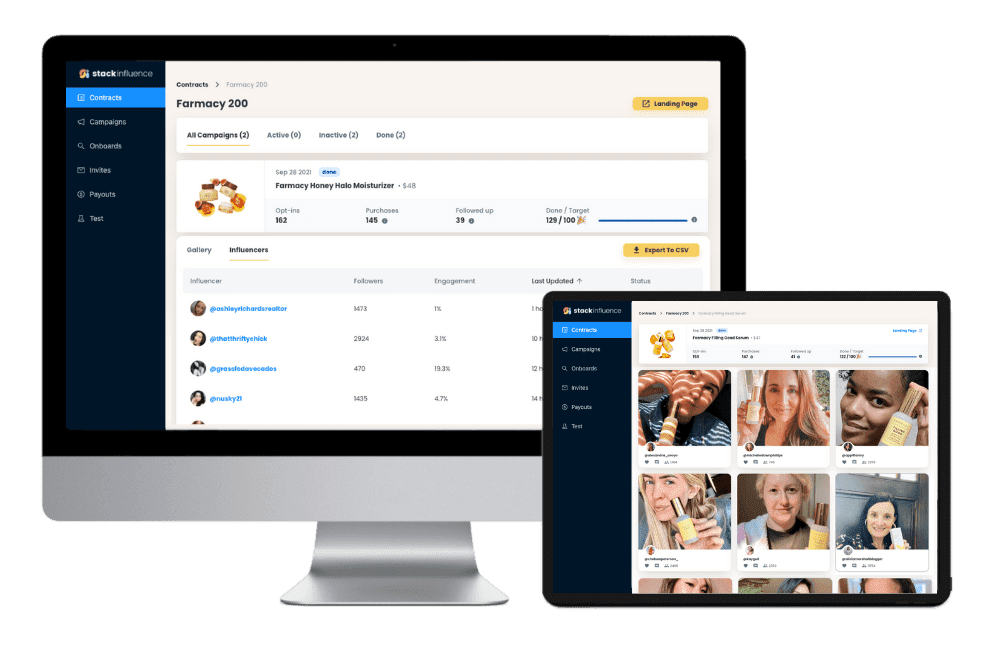
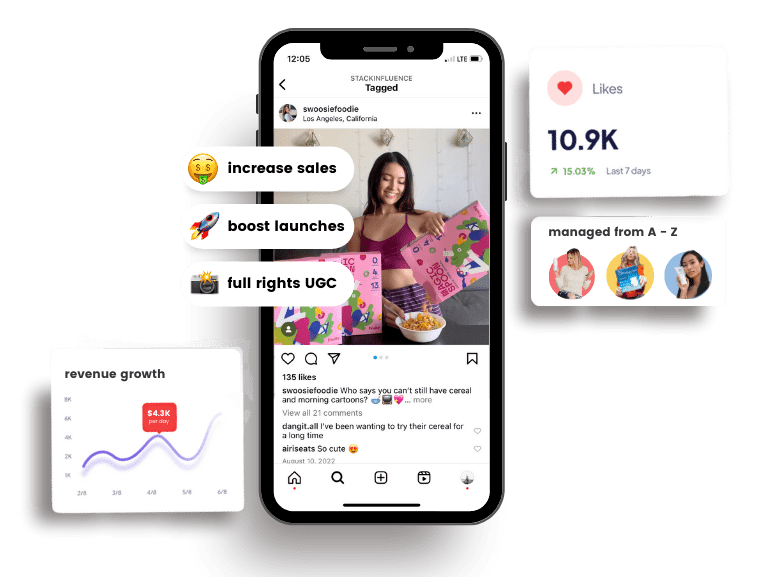
Stack Influence and Micro-Influencer Campaigns: There are now platforms dedicated to connecting brands with micro-influencers to facilitate these kinds of collaborations. Stack Influence, for example, is a leading micro-influencer marketing platform that helps e-commerce companies run product seeding campaigns at scale. It links brands with a vetted network of everyday content creators to generate buzz, authentic reviews, and social media content. With solutions like this, even an emerging Amazon seller can execute a co-branding-style campaign (partnering with dozens of micro-influencers who each act as a mini co-brand on promotional content). The Stack Influence platform automates matchmaking and campaign management, making it easier to launch co-branded micro-influencer promotions that drive UGC, engagement and sales. The takeaway: in 2025, co-branding isn’t just for giant companies – influencers and small online brands can “stack” their influence together to achieve more impact than they could alone.
Tips for Successful Co-Branding Campaigns
Co-branding can yield impressive results, but it requires careful planning and alignment between partners. Whether you’re a major brand planning a high-profile alliance or a small seller brainstorming a co-branding idea with an influencer, keep these best practices in mind:
-
- Choose the Right Partner: Seek a partner that complements your brand in values, quality, and target audience. The collaboration should feel natural to consumers. If the brand images clash (for example, a luxury brand teaming with a bargain brand with no logical link), the co-branding can confuse customers or even damage your reputation. Look for synergy – e.g. similar brand ethos or complementary products. A good litmus test: ask “Would our customers genuinely be excited about this partnership?” If yes, you’re on the right track.
- Align Goals & Define Roles: From the outset, both parties should be clear on what they want to achieve (e.g. entering a new market, boosting sales of a specific product, building brand awareness) and what each will contribute. Outline who handles production, marketing, customer service, etc., for the co-branded venture. Clearly defined responsibilities and open communication prevent misunderstandings. Essentially, treat it like a team project: assign tasks and agree on how you’ll share not just costs and profits, but also credit and brand representation.
- Create a Unified Marketing Message: Co-branding means merging branding, so work together on the messaging and creative elements. The campaign’s visuals, tone, and story should reflect both brands and communicate why this partnership makes sense. Consistency is key – whether the promotion appears on Instagram, Amazon, or in email newsletters, ensure both brands are clearly identified and the value of their combination is highlighted. (For example, in a co-branded Instagram giveaway, both brand handles should be tagged and the post copy might explain the “why” of the collab: “Bringing together the best of X and Y for you!”). When influencer partners are involved, provide them a clear brief on how to present the co-branded product, while still allowing their authentic voice.
- Leverage Influencer Content (if applicable): If your co-branding strategy includes influencers or creators, maximize that content. Encourage influencers to share honest reviews, unboxing, or creative uses of the co-branded product. That content not only drives engagement on their channels but can be repurposed for your own marketing (with permission). Influencer storytelling adds a relatable narrative to your co-branding campaign, making it more credible. Also, keep an eye on the engagement metrics from influencer posts – comments and likes can give you qualitative insight into how audiences are reacting to the partnership. High engagement is a sign that the co-branding offer is resonating.
- Track Performance & Learn: As with any marketing initiative, set up KPIs to measure success. For co-branding campaigns, common metrics include sales figures for the co-branded product, increase in social followers or web traffic from your partner’s audience, and engagement rates on co-branded content. If influencers are involved, look at their post analytics (reach and engagement) to see how much additional audience was tapped. Also pay attention to customer feedback or reviews – are people mentioning the collaboration positively? Use these data to assess the ROI of the partnership. Perhaps the co-branded product sold out (great!), or maybe one type of content performed better than others. Conduct a post-mortem with your partner: discuss what worked and what didn’t. This not only helps improve future co-branding efforts but also strengthens the business relationship between the brands.
- Choose the Right Partner: Seek a partner that complements your brand in values, quality, and target audience. The collaboration should feel natural to consumers. If the brand images clash (for example, a luxury brand teaming with a bargain brand with no logical link), the co-branding can confuse customers or even damage your reputation. Look for synergy – e.g. similar brand ethos or complementary products. A good litmus test: ask “Would our customers genuinely be excited about this partnership?” If yes, you’re on the right track.
Finally, don’t forget to celebrate and promote the partnership success. Co-branding is as much about publicly demonstrating a alliance as it is about the product itself. Share the story behind the collaboration with the press or on your blog. Consumers love to hear the “inside scoop” of how two favorites came together. It humanizes the brands and can deepen loyalty.
Unlock the Power of Micro Influencers and Elevate your Brand Today!
Conclusion to What is Co-Branding?
In an era of hyper-connected consumers, co-branding has emerged as a powerful strategy for growth. We’ve broken down what co-branding is: essentially, a partnership where brands unite to create something new, combining their audiences and strengths. Whether it’s two retail giants launching a joint product or micro-influencers teaming up with Amazon sellers for a unique promotion, the core idea is the same – stronger together. Co-branding, when aligned well, can drive authentic buzz, expanded reach, and increased sales that single-brand efforts might struggle to achieve.
As we head through 2025, expect to see even more creative co-branding in the wild. Social media and e-commerce have made it easier than ever for brands (and individuals with personal brands) to find each other and collaborate. From influencer marketing mash-ups to cross-overs between unlikely industries, co-branding is reshaping marketing playbooks. Brands of all sizes are realizing that collaboration often drives better ROI than going it alone – after all, when one wins, the other wins too.

By William Gasner
CMO at Stack Influence
William Gasner is the CMO of Stack Influence, he's a 6X founder, a 7-Figure eCommerce seller, and has been featured in leading publications like Forbes, Business Insider, and Wired for his thoughts on the influencer marketing and eCommerce industries.
Want new articles before they get published? Subscribe to our Awesome Newsletter.
stack up your influence
turning creativity into currency
our headquarters
111 NE 1st St, Miami, FL 33132
our contact info
[email protected]
stack up your influence
turning creativity into currency
our headquarters
111 NE 1st St, 8th Floor
Miami, FL 33132
our contact info



© 2025 Stack Influence Inc
© 2025 Stack Influence Inc