
What Is BeReal? Why Gen Z’s Photo App Matters in 2025
1st
December, 2025
Influencer Marketing
Amazon Marketplace
Artificial Intelligence
TikTok Tips
In a world of polished Instagram feeds and viral TikTok challenges, a new social platform turned heads by asking users to be real. If you’ve been wondering what is BeReal, you’re not alone. This once–viral photo-sharing app took Gen Z by storm with its unfiltered approach to social media. In this comprehensive guide, we’ll explain what BeReal is, how it works, and why it’s influencing trends in micro influencers, influencer marketing, e-commerce, and user-generated content (UGC) in 2025. By the end, you’ll see how an “anti-Instagram” app built on authenticity is reshaping how content creators, Amazon sellers, and brands think about social media marketing.
What is BeReal and How Does It Work?
BeReal is a photo-sharing social media application (launched in 2020 by French developers Alexis Barreyat and Kévin Perreau) that takes a radically different approach from Instagram or Facebook. Its core idea is simple: users can post only once per day, at a random time prompted by the app. When the daily alert hits (“Time to BeReal!”), you have just 2 minutes to snap and share a photo of whatever you’re doing in that moment. Uniquely, the app uses both front and back cameras to capture a dual-view image — showing your surroundings and your selfie simultaneously. There are no filters, no edits, and no staged uploads allowed; in fact, if you miss the 2-minute window, your post is marked late for all to see. And you won’t even see your friends’ posts until you share your own, a clever way BeReal ensures everyone “gives” authenticity before they “get” it.
-
- One Post Per Day: Every user gets a single chance daily to post a photo when notified, fostering a daily habit rather than endless scrolling. This keeps the platform focused on real-life moments instead of constant content production.
- Front & Back Camera Shots: BeReal snaps a photo using both cameras at once, creating a candid split-screen image (you and your surroundings). This dual-camera feature was so novel that Instagram and TikTok quickly copied it in their own apps.
- No Filters or Follower Counts: You can’t beautify or overly curate a BeReal post – the app has no filters, editing tools, or even visible follower counts. Popularity markers like public likes are replaced by “RealMoji” reactions (emoji selfies), reinforcing that it’s about genuine moments, not clout.
- Friends-Only Sharing: BeReal started as a friends-centric network. By default, your daily photos go to your friends list, not the whole world (though there was a public Discover feed option for wider sharing). This design means content feels more intimate and personal – perfect for close friend groups, but not initially built for influencers or brands. In fact, BeReal’s early terms prohibited using it for advertising or commercial purposes, keeping the platform free of sponsored posts.
- One Post Per Day: Every user gets a single chance daily to post a photo when notified, fostering a daily habit rather than endless scrolling. This keeps the platform focused on real-life moments instead of constant content production.
In short, BeReal is all about authenticity. It’s often dubbed the “anti-Instagram” because instead of aspirational, staged images, it pushes users to share mundane, unedited slices of life. As one social media expert put it, “BeReal… is a once-a-day photo sharing app trying to bring authentic content into our social media lives.” The app’s ethos is captured in its very name and tagline – your friends, for real.
Unlock the Power of Micro Influencers and Elevate your Brand Today!
The Rise of BeReal: Why Authenticity Won Over Gen Z
BeReal burst into popularity by 2022, striking a chord with users (especially Gen Z) who were hungry for “real” content over picture-perfect posts. Generation Z has a keen eye for inauthenticity – 89% of Gen Z say authenticity matters more than polished advertising – and BeReal arrived at the perfect time to offer an antidote to the highlight-reel culture. The app had zero flashy filters or ads, just everyday life, and that novelty drove massive curiosity and downloads.
By mid-2022, BeReal’s unfiltered approach made it the #1 free app on the Apple App Store in the U.S. Users loved the voyeuristic yet relatable thrill of seeing what friends were actually doing at a random moment – whether it was writing an essay in sweatpants or cooking instant noodles. In an era when Instagram was pushing shopping features and TikTok was churning endless algorithmic videos, BeReal felt refreshingly human. Its dual-camera format also created buzz; this unique feature “caused shockwaves, with Instagram and TikTok both adopting the feature” soon after (e.g. TikTok Now is a BeReal-like feature). BeReal proved that unpolished content can captivate, especially a young audience tired of social media pressure.
Crucially, BeReal tapped into the power of peer-level influence. The app shows you content only from friends (or friends-of-friends), not mega-celebrities. In a way, every user becomes a micro influencer to their own circle, sharing honest recommendations or daily routines. This mirrors a broader trend in marketing: people trust “people like me.” For example, Gen Z is 3X more likely to trust a product recommendation from a micro-influencer than from a traditional celebrity. The success of BeReal underscored that authentic, user-generated content (UGC) resonates more than overly branded posts. Even on other platforms, consumers now seek out down-to-earth creators and genuine reviews. As a result, brands and Amazon sellers are increasingly partnering with micro influencers who create casual, real-life content, blurring the line between a friend’s post and an ad.
It didn’t hurt that BeReal gained a reputation as a drama-free, ad-free zone. In the early days, no brands or celebrities had official accounts on BeReal, and the app contained no advertising. In contrast to influencer-saturated platforms, this made the experience feel more authentic and “safe” from commercialization. Users could relax knowing they weren’t being sold to – a major plus when *80% of BeReal users say they “don’t feel sold to” on the platform. This authenticity vibe has been so strong that even outside BeReal, we saw trends like “deinfluencing” (creators telling followers what not to buy) and unfiltered “photo dumps” gain traction in 2023, as audiences craved more honesty from content creators.
BeReal by the Numbers: Growth, Peak, and Decline
BeReal’s journey from niche app to social media sensation – and its recent struggles – can be told through some eye-opening statistics. Below, we break down the key numbers illustrating BeReal’s rise and fall:
-
- Skyrocketing Downloads: After launching quietly in 2020, BeReal exploded in 2022. By October 2022, over 53 million people had downloaded BeReal, and the app hit an estimated 73.5 million monthly active users at its peak in August 2022. This virality was fueled by campus ambassadors and word-of-mouth hype. (For context, BeReal even got parodied on Saturday Night Live in late 2022, marking its arrival in mainstream culture.)
- User Engagement Was Mixed: Despite the huge install base, not everyone stuck around. At peak hype, only about 9% of active Android users were opening BeReal daily – suggesting many people tried it out but didn’t become heavy users. Still, a core audience became loyal: on average, 68% of users open the app within 3 minutes of the daily notification, racing to post on time. This urgency and FOMO-driven engagement (fear of missing the daily post) is unusually high in social media.
- Declining Active Users: After the novelty wore off, BeReal’s active user count plummeted. Monthly active users fell from ~73 million in Aug 2022 to just 33 million by March 2023. By late 2023, third-party analyses suggested the app’s active user base had dropped into the 20-million range. (In fact, BeReal had around 20–25 million daily active users by late 2023 – a fraction of its former glory, and well below Instagram or TikTok.) This steep decline had industry pundits declaring “BeReal is dying” as early as mid-2023.
- Slowing New Sign-Ups: BeReal’s growth in new users also cooled off dramatically. In 2023 it saw 31.5 million worldwide downloads, but in 2024 downloads fell by 60% to just 12.7 million. Cumulatively, the app has been downloaded about 115 million times as of early 2025 – an impressive total, but the trend shows the viral wave has subsided. Most users came on during the 2022 craze, and converting the curious into consistent active users has proven challenging.
- Gen Z Dominates the Demographic: A whopping 85% of BeReal’s users are Gen Z (teens and young adults). College students were among the first adopters, and the U.S., France, and Japan are top markets. This youthful skew is a double-edged sword: it made BeReal the hot app with under-25s, but younger users are also quick to jump to the next trend, as seen by many moving back to Instagram or new shiny apps when boredom set in.
- Engagement Over Ads (Until Now): For most of its life, BeReal didn’t monetize via ads at all, focusing purely on user growth and engagement. There were 0 ads on BeReal and no influencer sponsorships on the platform through 2022–2023. This kept the experience very user-centric. The company raised venture capital (and was valued around $600 million in 2022) to sustain itself. Only recently has BeReal started exploring revenue: in early 2025 it finally rolled out its first ads in the U.S., offering brands in-feed photo ads and full-day sponsored takeovers in the app’s dual-photo style. BeReal claims to have ~40 million monthly users in 2025 as it pitches advertisers, but it remains to be seen if introducing marketing content will boost the platform or alienate its base.
- Skyrocketing Downloads: After launching quietly in 2020, BeReal exploded in 2022. By October 2022, over 53 million people had downloaded BeReal, and the app hit an estimated 73.5 million monthly active users at its peak in August 2022. This virality was fueled by campus ambassadors and word-of-mouth hype. (For context, BeReal even got parodied on Saturday Night Live in late 2022, marking its arrival in mainstream culture.)
Takeaway: BeReal was the breakout social app of 2022, demonstrating the appeal of spontaneous, authentic content. However, retaining users has been hard – once the novelty wore off, many drifted away. The app’s active community today, while much smaller than its peak, is deeply engaged and still mostly Gen Z. For marketers and content creators, BeReal’s boom-and-bust cycle is a lesson in how quickly social trends can rise and fall – but also how a core demand for authenticity isn’t going away.
BeReal and Influencer Marketing: Should Brands & Creators Pay Attention?

With BeReal’s user base shrinking from its highs, you might ask: does BeReal matter for brands or influencer marketing in 2025? The answer is nuanced. BeReal was never designed as an influencer marketplace – in fact, its original appeal was being free of influencers, ads, and overt marketing. There were no official brand accounts allowed and no algorithms to boost content creators’ reach. In many ways, that’s exactly why users loved it. The app felt like a genuine space to connect with friends without commercial noise.
However, the ethos behind BeReal absolutely carries lessons for influencer marketing and e-commerce. Here are a few key points for brands, Amazon sellers, and content creators to consider:
-
- Authenticity is the Ultimate Currency: BeReal’s popularity proved that authentic content wins audience trust. Social consumers, especially Gen Z, are increasingly skeptical of overly scripted influencer posts. Brands collaborating with micro influencers should encourage a more candid style — think casual unboxing Stories, “day in the life” vlogs, or lo-fi product photos that feel like a friend’s post rather than an ad. This approach aligns with BeReal’s spirit and can drive higher engagement. In fact, 67% of consumers say they’re most compelled by influencer posts that feel honest and genuine (versus obviously polished ads). Allowing creators creative freedom to “be real” in their content can make influencer campaigns more relatable and credible.
- Leverage UGC and Micro-Communities: Just as BeReal connects small friend groups, brands can foster tight-knit communities through UGC. Encourage your customers to share everyday photos or reactions (perhaps inspired by BeReal) and reshare that content (with permission) on your brand channels. For example, an Amazon seller might prompt buyers to post a “real life” pic with the product in use and tag the brand. This not only generates authentic UGC for e-commerce but also makes customers feel seen. User-generated content carries a trust factor that polished brand shoots often lack. A genuine customer photo or a micro-influencer’s unfiltered review can influence purchase decisions more than a glossy ad – precisely because it’s more believable.
- “Behind-the-Scenes” = Big Opportunities: Since BeReal now allows brands (via its new RealBrands program), a few forward-thinking companies have dipped their toes in, sharing behind-the-scenes snaps and everyday office life. Even if you’re not on BeReal, apply this concept elsewhere. Show the human side of your brand on Instagram Stories, TikTok, or YouTube. Take inspiration from the casual, in-the-moment style: an employee selfie packing orders, a raw look at product testing, or a CEO’s coffee-fueled morning routine can humanize your brand. Audiences increasingly gravitate to brands with personality and transparency. As one 2025 report noted, 52% of BeReal users felt the app made them feel “closer” to influencers – that’s the kind of emotional closeness brands should aim to replicate by pulling back the curtain.
- Mind the Platform Fit: While joining every new social platform can be tempting, it’s important to assess fit. BeReal is inherently a low-fi, non-curated environment. Traditional advertising or flashy brand content would feel out of place there (and was against the rules until recently). Early experiments with brands on BeReal have met user backlash – many loyalists felt betrayed seeing influencers and companies join what was a friends-only space. This reaction is a reminder: when brands or influencers enter a new community, they must adapt to the culture. For BeReal, that means participating in the fun (sharing genuine daily pics) rather than treating it like an ad channel. In 2024, BeReal started allowing select celebrities and brands via RealPeople and RealBrands accounts, but with a careful, application-based process to maintain quality. Only do influencer activations on BeReal if you can do so authentically – hard sells won’t fly. Often, it may be better to apply BeReal’s principles in your marketing on more brand-friendly platforms, rather than forcing a presence on the app itself.
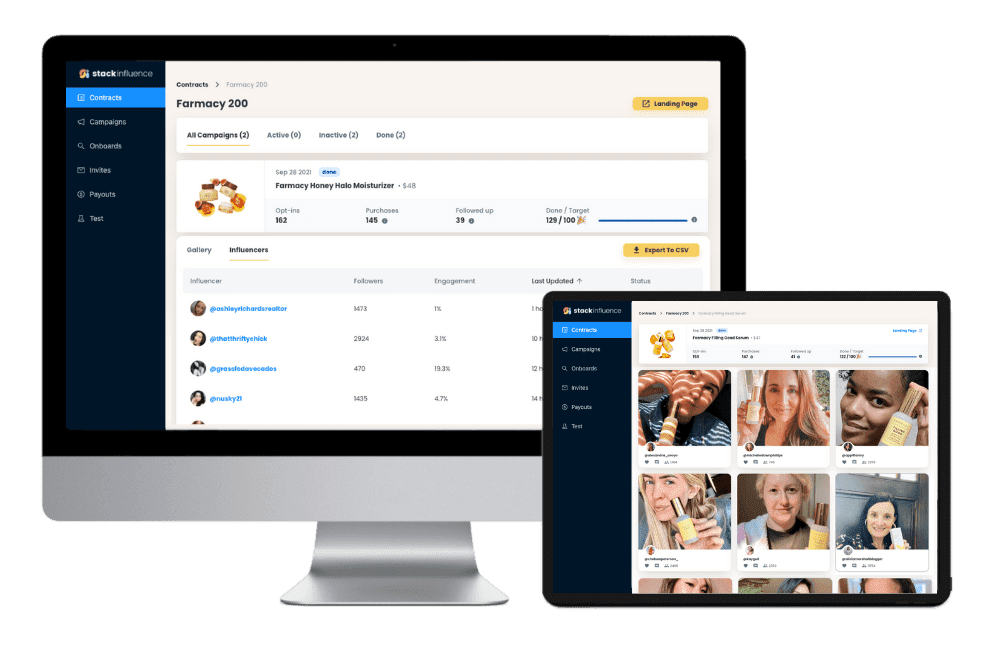
- Stack Influence of Authentic Micro Influencers: (Yes, pun intended!) Marketing agencies like Stack Influence have long advocated for genuine storytelling in influencer campaigns. Instead of paying mega influencers for one-off product plugs, brands see better ROI by partnering with dozens of everyday creators who produce relatable content. These micro influencers come across as peers to their followers, similar to how your friends’ posts on BeReal feel. The result? Higher trust and often outsized engagement relative to follower count. In 2025, successful influencer marketing and even Amazon storefronts are leaning into this “small and real” strategy. Stack Influence’s own case studies show that when micro influencers truly like a product and share their honest experiences, it drives authentic buzz that polished ads struggle to match. The rise (and fall) of BeReal simply reinforces that authenticity and transparency are here to stay as the keys to engaging modern audiences.
- Authenticity is the Ultimate Currency: BeReal’s popularity proved that authentic content wins audience trust. Social consumers, especially Gen Z, are increasingly skeptical of overly scripted influencer posts. Brands collaborating with micro influencers should encourage a more candid style — think casual unboxing Stories, “day in the life” vlogs, or lo-fi product photos that feel like a friend’s post rather than an ad. This approach aligns with BeReal’s spirit and can drive higher engagement. In fact, 67% of consumers say they’re most compelled by influencer posts that feel honest and genuine (versus obviously polished ads). Allowing creators creative freedom to “be real” in their content can make influencer campaigns more relatable and credible.
Unlock the Power of Micro Influencers and Elevate your Brand Today!
Conclusion to What Is BeReal? Why Gen Z’s Photo App Matters in 2025
BeReal might not have maintained its white-hot popularity, but its impact on the social media and marketing landscape is undeniable. It proved that users, especially young ones, are craving more authenticity and less polish in their online interactions. For influencers, content creators, e-commerce brands, and Amazon sellers, the lesson is clear: get real with your audience. Whether or not BeReal itself survives long-term, the authenticity trend it spearheaded continues to shape influencer marketing in 2025 and beyond.
As you craft your next marketing campaign or influencer collaboration, ask yourself: “Am I being as genuine as possible with my audience? Is this content something a friend would actually say or share?” If you can infuse that BeReal-style honesty into your strategy – showcasing products in real-life use, leveraging micro influencers for relatable storytelling, and engaging customers like a peer – you’ll tap into the same forces that made BeReal a viral hit. In the age of skepticism toward advertising, realness is a superpower for brands.
In summary, what is BeReal? It’s more than just an app for candid selfies – it’s a sign of the times. It’s a reminder that social media doesn’t have to be a highlight reel; it can be a genuine connection point. And for marketers and creators, it’s a call to embrace authenticity as not just a buzzword, but a north star for content strategy. The platforms may change (today BeReal, tomorrow something new), but the brands and influencers who succeed will be those who keep it real with their communities. After all, being real never goes out of style.

By William Gasner
CMO at Stack Influence
William Gasner is the CMO of Stack Influence, he's a 6X founder, a 7-Figure eCommerce seller, and has been featured in leading publications like Forbes, Business Insider, and Wired for his thoughts on the influencer marketing and eCommerce industries.
Want new articles before they get published? Subscribe to our Awesome Newsletter.
stack up your influence
turning creativity into currency
our headquarters
111 NE 1st St, Miami, FL 33132
our contact info
[email protected]
stack up your influence
turning creativity into currency
our headquarters
111 NE 1st St, 8th Floor
Miami, FL 33132
our contact info



© 2025 Stack Influence Inc
© 2025 Stack Influence Inc