
Top Fitness Marketing Ideas 2025: TikTok & Micro Influencers
19th
December, 2025
Influencer Marketing
Amazon Marketplace
Artificial Intelligence
TikTok Tips
In the ultra-competitive fitness market, simply having a great product isn’t enough. Whether you sell gym equipment, activewear, or supplements, e-commerce brands and Amazon sellers in the fitness niche need creative marketing to stand out. This year’s top fitness marketing ideas focus on authentic engagement – think micro influencers, user-generated content (UGC), and trending platforms like TikTok. These strategies tap into genuine passion and community, helping fitness brands build trust and drive more sales than traditional ads ever could. In this post, we’ll explore how micro influencers, content creators, and UGC can turbocharge your fitness marketing in 2025, with practical ideas you can implement for measurable results.
What will you learn? We’ll break down [X] key fitness marketing ideas (with a focus on influencer marketing and UGC) that e-commerce companies and Amazon sellers can use to boost engagement, trust, and ROI. From leveraging TikTok challenges to launching micro-influencer campaigns, these tips will help your brand connect with health-conscious consumers in an authentic way. Let’s dive in!
Now, let’s explore each of these ideas in detail and how you can apply them to your fitness marketing strategy.
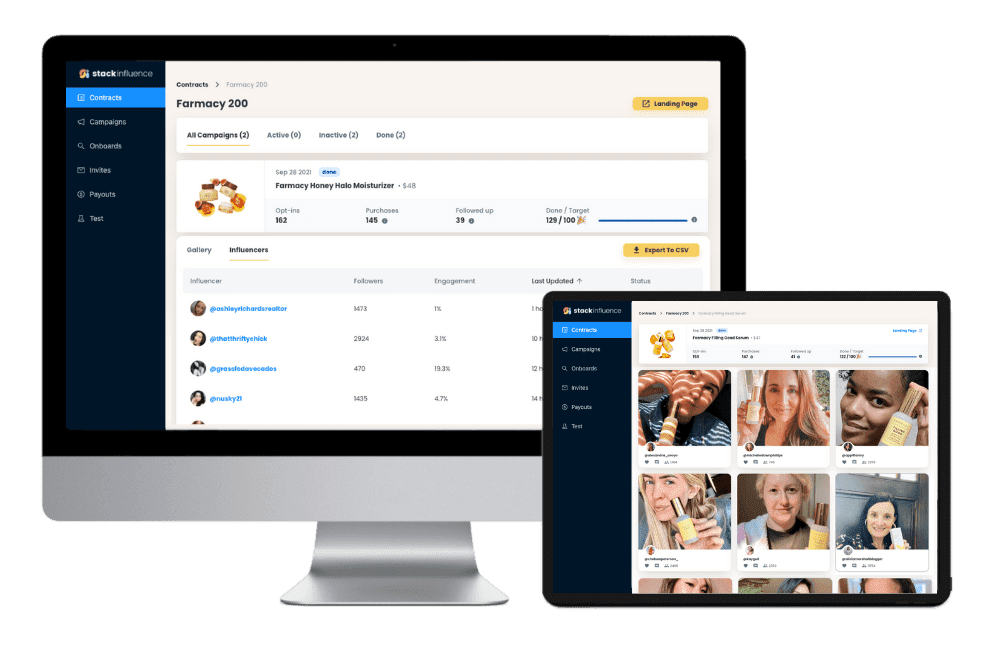
Unlock the Power of Micro Influencers and Elevate your Brand Today!
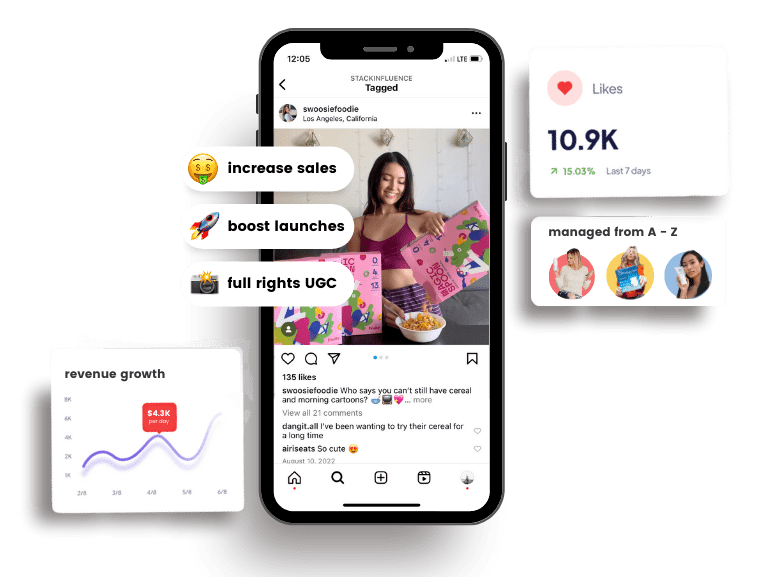
1. Partner with Micro-Influencers for Authentic Promotion

One of the most impactful marketing moves for fitness brands is collaborating with micro influencers – social media creators in the fitness niche who have a smaller (but devoted) following. These could be local yoga instructors on Instagram, TikTok fitness enthusiasts with 5k–50k followers, or niche YouTube trainers. Why micros? Because their audiences feel like friends. A recommendation from a trusted fitness micro-influencer comes off as genuine advice rather than an ad. In fact, 82% of consumers are more likely to act on a micro-influencer’s recommendation, and 84% trust those endorsements over traditional ads. That trust translates into real sales.
Micro-influencers also deliver outsized engagement. They often see 5–20% engagement rates on their posts (likes, comments, shares), far higher than the ~1–3% typical for big celebrity accounts. This means their fitness product shout-outs spark active conversations and curiosity. Higher engagement + higher trust = a recipe for great ROI. Studies show micro-influencer campaigns can generate around a 20:1 return on investment, compared to roughly 6:1 for macro-influencers. In other words, for every $1 you spend collaborating with small fitness creators, you might see $20 in revenue – over 3x the ROI of partnering with a single big name. For e-commerce startups with limited budgets, that’s game-changing efficiency.
To leverage micro-influencers:
-
- Find the right creators: Look for fitness content creators whose niche aligns with your product (e.g. a rock-climbing micro influencer if you sell grip trainers). You can search relevant hashtags, use influencer discovery tools, or even check out platforms (for example, Stack Influence helps brands connect with vetted micro influencers at scale).
- Offer free products or commissions: Many micro influencers will promote quality fitness products in exchange for a free sample or a modest fee. Others prefer an affiliate commission on sales they drive (which motivates them to promote harder). This makes influencer marketing accessible even to small sellers.
- Collaborate on content: Have influencers feature your product naturally in their content – e.g. an Instagram video of a home workout using your resistance bands, or a TikTok “what I eat in a day” including your protein shake. Give them creative freedom to maintain authenticity. (Influencers speaking in their own voice resonate better and can even double ROI, according to industry reports.)
- Track results: Provide unique discount codes or affiliate links to each influencer so you can attribute sales and see who performs best. This is especially important for Amazon sellers – tracking external traffic via Amazon Attribution links or affiliate dashboards will show which influencer boosted your Amazon listing’s sales.
- Find the right creators: Look for fitness content creators whose niche aligns with your product (e.g. a rock-climbing micro influencer if you sell grip trainers). You can search relevant hashtags, use influencer discovery tools, or even check out platforms (for example, Stack Influence helps brands connect with vetted micro influencers at scale).
When done right, micro-influencer partnerships are like scalable word-of-mouth. You get credible fitness endorsements, tons of fresh content (photos, videos, reviews you can reuse), and a direct line into niche communities (running groups, yoga moms, keto dieters – whatever fits your brand). Plus, the content they create can be repurposed: share influencer-made workout clips on your own social media or embed their review video on your Amazon product page for social proof. Those repurposed influencer videos can significantly boost ad performance and click-through – one report found micro-influencer content yields up to 60% higher click-through rates than standard ads, and UGC videos on Amazon product pages can lift conversion rates by 10–20%. In short, partnering with micro influencers is a cost-effective way to inject authenticity and engagement into your fitness marketing.
2. Launch UGC Campaigns and Fitness Challenges
User-generated content (UGC) – posts, photos, and videos created by your customers – is pure gold for fitness brands. It’s authentic social proof that shows real people getting results with your product. In fact, 79% of people say UGC highly impacts their purchasing decisions, far more than polished brand ads. Why? Because seeing a fellow gym-goer or at-home athlete share their experience feels relatable and genuine. For e-commerce fitness brands, UGC builds trust and community in a way you simply can’t fake.
To kickstart UGC, encourage your customers and followers to share their fitness journeys involving your brand. A popular approach is running a fitness challenge or contest tied to a branded hashtag. For example, the apparel brand Gymshark runs the annual #Gymshark66 challenge, urging fans to commit to 66 days of workout habits and post their progress. The campaign has exploded – generating millions of likes, tens of thousands of comments, and over 45 million views as of 2024. Gymshark even incentivized participation by offering a year’s supply of Gymshark gear to winners, which supercharged engagement. The result? An online community flooded with authentic transformation photos and videos – priceless marketing content for the brand.
You can design a challenge suited to your product. Selling a health supplement? Maybe a “30-Day Fitness Fuel” challenge where users post weekly workout pics and how they incorporate your supplement, using a hashtag like #FuelFor30. Launching a new yoga mat? Try a “Yoga Pose Challenge” – each day participants share a photo doing a specific pose on your mat. Offer fun rewards: free products, discount codes, or a grand prize bundle. The key is to make it fun, inspirational, and easy to share.
Best practices for UGC campaigns:
-
- Create a clear hashtag: Branded and unique (so it’s trackable), but easy to remember. E.g. #Team[YourBrand], #[YourBrand]Challenge, or a slogan.
- Showcase participants: Repost the best UGC on your official social accounts (with permission and credit). When people see their content shared by the brand, they’re excited and others are motivated to join. Featuring customer stories not only flatters your fans, it also humanizes your brand (which Gen Z and millennials love).
- Offer guidance and interaction: If it’s a multi-day challenge, keep people engaged with daily tips or prompts. Reply to their posts, cheer them on, and build that community feeling. Maybe have a fitness coach or your brand founder go live weekly to congratulate participants or share their own progress.
- Leverage across channels: Don’t limit UGC to just social media. Add a UGC gallery to your website or Amazon storefront showing real customer photos. This can boost on-site engagement and even increase conversion rates (web visitors spend 90% more time on sites with UGC galleries, and UGC in the purchase path lifts conversions ~10%). It’s proof that others love your product, easing new customers’ doubts.
- Create a clear hashtag: Branded and unique (so it’s trackable), but easy to remember. E.g. #Team[YourBrand], #[YourBrand]Challenge, or a slogan.
UGC isn’t just fluff – it directly drives sales. People trust content from “people like them” more than slick brand creative. One study found ads with UGC generate 5x higher click-through rates than traditional ads. And importantly, UGC costs you very little besides some effort and maybe a few freebies. Your customers essentially become a volunteer marketing team, each creating content that can be reused in ads, emails, social media, or product pages. (Always ask permission before reusing UGC in ads or on your site – most fans are happy to oblige if you credit them or give a small perk.)
By launching a UGC-driven fitness challenge, you’ll not only spike your brand’s social media engagement – you’ll also cultivate a passionate community around your product. That community and buzz can have lasting effects beyond the campaign (think of all those before-and-after photos that linger as reviews or testimonials). It’s no wonder Stack Influence and other marketing experts often emphasize UGC for fitness brands: it’s the digital-age equivalent of positive word-of-mouth, amplified globally.
3. Embrace Short-Form Video on TikTok and Instagram
If there’s one place fitness trends catch fire, it’s short-form video platforms like TikTok and Instagram Reels. From dance workout memes to 15-second meal-prep hacks, these bite-sized videos are dominating social media – and fitness content thrives there. In 2025, successful fitness marketing means meeting your audience on TikTok and Instagram, where they scroll for inspiration and entertainment. E-commerce brands that create (or sponsor) engaging short videos can exponentially increase their reach.
Why focus on TikTok/Reels? Two big reasons: virality and attention. TikTok’s algorithm can rocket a clever fitness clip (even from a small account) to millions of views if it strikes a chord. And people tend to actually watch these quick, fun videos, unlike traditional ads which they might skip. In fact, TikTok’s own data shows 75% of advertisers say TikTok influencers gave them their highest ROI among social platforms. Engagement rates on TikTok (avg ~5.3%) are significantly higher than on older platforms like Instagram (~1.9%). In short, if you can create content that clicks with the fitness community on TikTok, the payoff in brand exposure and traffic can be huge.
How can fitness brands leverage short-form video?
-
- Join trending challenges: Keep an eye on TikTok’s trending fitness challenges or sounds. For example, a viral hashtag like #PlankChallenge or a dance workout trend. Have a creator (or your team) do your brand’s spin on it – featuring your product if possible. Using popular hashtags and audio gives your content a better chance to be discovered.
- Provide valuable mini content: Think quick tips or transformations. E.g. “5 moves for killer abs” demonstration (using your fitness gear), a 15-sec healthy smoothie recipe with your protein powder, or a customer’s 10-second before/after progress using your program. Educational or inspirational content performs well and subtly showcases your brand’s value.
- Leverage influencers on these platforms: This overlaps with Idea #1, but specifically, recruit a few TikTok fitness creators to make videos with your product. Native, TikTok-style content (with fast cuts, text overlays, trending music) will blend in and engage viewers more than a polished ad. The creators already know what appeals to their followers – maybe it’s a comedic skit at the gym or a day-in-the-life vlog. Support their creativity and supply products/prizes to feature.
- Use captions and hooks: On Reels and TikToks, viewers decide in a split second to watch or swipe. Start with an attention-grabber: big text like “My 30-Day Transformation using [Product]” or a bold claim (“I did 100 squats every day. Here’s what happened”). Always caption your videos (many watch without sound) and end with a call-to-action (even if just “Follow for more tips!” or a subtle nudge like showing your brand website).
- Join trending challenges: Keep an eye on TikTok’s trending fitness challenges or sounds. For example, a viral hashtag like #PlankChallenge or a dance workout trend. Have a creator (or your team) do your brand’s spin on it – featuring your product if possible. Using popular hashtags and audio gives your content a better chance to be discovered.
Consistency matters too. Create a brand TikTok account and post regularly, even if starting from scratch. Over time, you’ll build a following. Duet or stitch user videos that mention your product (this interacts with UGC as well). Respond to comments, use humor – show your brand’s personality! Fitness is a fun, motivational space, so avoid being too sterile; people love brands that are human on social media.
Also consider newer features: TikTok introduced social commerce tools (like TikTok Shop) and Instagram has Shopping tags – you might be able to let users buy your product straight from a video. At minimum, ensure your bio has a link to your store or Amazon listing, so all those intrigued viewers have a path to purchase.
Bottom line: short-form video is today’s “word-of-mouth” on steroids. A single viral clip of a person using your fitness product can send hundreds of customers to search for it (the popular #TikTokMadeMeBuyIt trend is proof). We’ve even seen simple TikTok demos turn unknown products into Amazon best-sellers overnight. By investing some creativity into TikTok and Reels, you tap into one of the fastest-growing marketing channels of 2025 – one perfectly suited to the energetic, visual nature of fitness.
4. Invest in Content Marketing (Blogs, Guides, and SEO)
Not all fitness marketing happens on social media. A more evergreen strategy is content marketing – creating valuable content like blog posts, articles, and guides that draw your target customers via search engines and educate them. For fitness e-commerce brands, this is a chance to demonstrate expertise and help your audience (which builds trust and brand loyalty). It’s also key for SEO: ranking on Google for common fitness questions or keywords can drive a steady stream of traffic (and leads) to your site at low cost.
Consider the topics your ideal customers care about. If you sell nutritional supplements, they might be searching for “best post-workout recovery tips” or “how to increase protein intake for muscle gain.” If you have a yoga accessories store, your audience might love content on “beginner yoga stretches for back pain.” By creating high-quality blog posts or downloadable guides on these topics, you attract those potential customers to your site. Once they’re reading your content, you can gently introduce your products as solutions, capture their email for future marketing, or prompt them to check out your store.
Here are a few content tactics for fitness brands:
-
- Educational blog posts: Publish regular articles that answer common questions or provide actionable tips. Examples: “10 Marathon Training Hacks for Beginners,” “How to Choose the Right Resistance Band,” or “Top 5 High-Protein Breakfasts for Busy Professionals.” Within these posts, you can naturally mention your product (e.g., a whey protein brand sharing a recipe list can include their protein in the ingredients). Search engines will pick up these posts, and over time you’ll rank for long-tail keywords, bringing in organic traffic.
- Guest posts and collaborations: Identify popular fitness blogs, online magazines, or community sites (with good domain authority) and contribute guest articles. For instance, a wearable fitness tech brand might guest post on a site like Livestrong or Healthline about “The Science of Heart Rate Training,” subtly mentioning their product’s role in tracking workouts. This not only gets your brand in front of a large audience, but you usually get a backlink – boosting your SEO. Some brands also sponsor fitness newsletter spots or write thought pieces on LinkedIn. The key is to offer value, not just an ad.
- Free guides or e-books: Create a high-value resource and offer it as a free PDF download in exchange for an email signup (a classic lead magnet strategy). For example, a DTC supplement seller might produce “The Ultimate 8-Week Muscle Gain Meal Plan” or a detailed workout guide. Promote it on your site: “Free eBook – sign up to get the complete guide.” This way, you grow an email list of qualified prospects interested in fitness. Later, you can send them promotions or more tips (driving sales over time). As an added bonus, having robust guides sets you apart as an authority – which can impress potential customers who are comparison-shopping brands.
- Optimize for search and mobile: Ensure your content is SEO-friendly. Use relevant keywords in headings (without keyword stuffing), make the content skimmable with bullet points (like workout steps or food lists), and include images or infographics if helpful. Page speed matters too, especially for mobile users who might be looking up workout tips on their phone at the gym. A fast, user-friendly blog keeps people on your page longer (and more likely to click through to products).
- Educational blog posts: Publish regular articles that answer common questions or provide actionable tips. Examples: “10 Marathon Training Hacks for Beginners,” “How to Choose the Right Resistance Band,” or “Top 5 High-Protein Breakfasts for Busy Professionals.” Within these posts, you can naturally mention your product (e.g., a whey protein brand sharing a recipe list can include their protein in the ingredients). Search engines will pick up these posts, and over time you’ll rank for long-tail keywords, bringing in organic traffic.
Content marketing is a longer-term play – you might not see a sales spike tomorrow from a blog post – but over months you build authority. When consumers constantly encounter your brand providing great advice, who will they trust when it’s time to buy gear or supplements? Probably you. Companies like Fitbit have used content collaborations as a subtle sales tool; e.g., writing comparison articles on fitness sites that highlight their products’ features.
One more benefit: content can be repurposed across channels. A well-researched blog can fuel your social media posts for weeks (sharing snippets or stats from it), be condensed into an infographic for Pinterest, or turned into talking points for a YouTube video or webinar. So you get multi-channel ROI from one piece of content.
Don’t forget internal content either – case studies and testimonials on your site are powerful. Interview a customer who lost 50 lbs using your program and publish their story (with their permission). This kind of content serves as both inspiration and proof that your product works.
In summary, content marketing might not be as flashy as a TikTok challenge, but it addresses the stages of the buyer journey that social media sometimes misses. It captures those researching and evaluating options. By blending informative content with subtle promotion and strong calls-to-action, you educate your audience into becoming customers. For Amazon-focused sellers, you can even use content externally (like a blog) to drive traffic to your Amazon listing – just be careful to follow Amazon’s terms. Or use Amazon Posts (a feature for brand-registered sellers) to share lifestyle content on your product pages. The more helpful fitness content you put out, the more you’ll draw in engaged, warm customers.
5. Host Virtual Events and Live Workouts
Another top fitness marketing idea gaining traction is hosting virtual events – think live workouts, webinars, or online challenges that bring people together in real time. Fitness is inherently interactive and community-driven; leveraging live events can create excitement similar to an in-person class or workshop, but for your brand’s audience globally. Plus, these events give you rich content (recordings, attendee testimonials) and a direct way to engage potential customers.
Here are a few examples of virtual events a fitness brand might run:
-
- Live Workout Sessions: Host a free live workout on Instagram Live, Facebook Live, or Zoom. It could be a 30-minute HIIT class, a yoga flow, or a dance cardio session – ideally featuring your product. For instance, if you sell resistance bands, run a live “Booty Band Burner” workout with a certified trainer. Encourage participants to comment and ask questions during the session (“Feeling the burn? Let us know in chat!”). Live workouts not only demo your product in action but also let people experience value without buying anything yet, which can entice them to become customers.
- Webinars or Q&A with Experts: Set up a webinar around a topic your audience cares about, with one or more experts. For example, a sports nutrition brand might host a “Ask a Nutritionist Anything” webinar about post-workout recovery and diet. Or a home gym equipment store could run “Designing the Perfect Home Gym in Small Spaces,” featuring a fitness coach and maybe a micro-influencer who’s big on home workouts. These sessions position your brand as a knowledgeable resource. At the end, you can have a soft pitch or special offer (e.g. attendees get a discount code for your products).
- Virtual Fitness Challenges or Conferences: Consider a multi-session event or series. For example, a “New Year New You 5-Day Challenge” on Zoom where each day has a theme (Day 1: goal setting, Day 2: workout, Day 3: nutrition, etc.). Or sponsor a virtual fitness summit where various influencers each take a session. You might partner with other complementary brands to broaden the appeal (one does yoga, another nutrition, etc., including yours).
- Leveraging Platform Features: If you sell on Amazon, check out Amazon Live – a platform where brands (or influencers) live-stream product demos and Q&A. It’s like home shopping network meets Twitch. Doing an Amazon Live fitness demo with an instructor using your equipment can directly drive Amazon sales (with viewers able to add to cart below the video). Similarly, Instagram Live now allows co-hosting with guests – you could invite a well-known trainer to join your Live for a dual broadcast to both audiences.
- Live Workout Sessions: Host a free live workout on Instagram Live, Facebook Live, or Zoom. It could be a 30-minute HIIT class, a yoga flow, or a dance cardio session – ideally featuring your product. For instance, if you sell resistance bands, run a live “Booty Band Burner” workout with a certified trainer. Encourage participants to comment and ask questions during the session (“Feeling the burn? Let us know in chat!”). Live workouts not only demo your product in action but also let people experience value without buying anything yet, which can entice them to become customers.
When running virtual events, promote them heavily beforehand: email your list, post countdowns on social media, maybe run ads targeting fitness enthusiasts to sign up. The goal is to get as many relevant attendees as possible. If using sign-up forms, you’ll also collect emails – valuable for follow-up marketing.
During the event, make it engaging. Greet people by name if possible, take live questions (“John from NY asks…here’s our answer”), and use interactive elements (polls, giveaways, challenges to do X reps along with the video, etc.). The more involved attendees feel, the more connected they become to your brand community.
Crucially, record the session if possible. That way, you can repurpose it later: upload it to YouTube (wider audience reach), chop it into short clips for social media, or offer the recording as gated content (e.g. “Missed our live webinar? Download the replay by subscribing”). A single hour-long event could turn into weeks of content and lead generation.
Companies like Peloton and others have mastered live and on-demand virtual workouts to engage users. You don’t have to reach Peloton’s scale to benefit, though. Even a niche brand can build a loyal following by regularly hosting interactive sessions. For example, a small fitness apparel brand might do a monthly “community workout” over Instagram Live, and over time people begin to look forward to it – associating those positive experiences with the brand’s identity.
Finally, don’t forget a call-to-action (CTA) at event’s end. After delivering value, it’s fair to mention your products or a special offer. For instance, “Thanks for joining our live workout! As a thank-you, use code LIVE20 for 20% off any item on our site today.” This can spur immediate purchases from the high of the event. Also encourage attendees to follow your social channels and sign up for future events – this keeps them in your ecosystem.
In summary, virtual events combine education, community-building, and promotion in one. They turn your marketing from a one-way broadcast into a two-way conversation. For fitness brands in 2025, that interaction is key – you’re not just selling a product, you’re selling motivation and lifestyle. A vibrant online event can create exactly that emotional connection which leads a casual viewer to become a dedicated customer.
6. Cultivate a Brand Ambassador & Referral Program
Happy customers can be your strongest marketers. If you’ve built even a small fanbase for your fitness product, consider turning those enthusiastic customers (or micro influencers who truly love your brand) into official brand ambassadors. An ambassador or referral program formalizes word-of-mouth: you give your advocates perks for promoting the brand, and they bring in new customers through genuine recommendations.
Here’s how a fitness brand ambassador/referral setup might work:
-
- Identify true fans: Look for customers who frequently engage with your posts, tag your brand in their content, or maybe have referred friends already. Also consider nano- or micro-influencers who aren’t yet partners but organically feature your product because they like it. These are ideal ambassador candidates because they’re already bought in.
- Offer perks and structure: A common approach is to provide ambassadors with a unique referral code or affiliate link that gives their friends a discount (say 10-15% off) and gives the ambassador a reward for each successful referral (small commission or points toward free products). For example, “Join our FitFam Ambassador Program – you get a 15% commission on any sale you drive, and your followers get 15% off with your code.” Some brands also send ambassadors care packages of new products, exclusive merch, or early access to launches. It makes them feel like part of an inner circle.
- Leverage ambassador content: Encourage your ambassadors to share content regularly featuring your brand – and not just ads, but their genuine use (workout selfies in your apparel, before/after using your supplement, unboxing your new product, etc.). You can amplify this content on your official channels (further recognition for them) which also fills your feed with authentic posts. It’s a virtuous cycle: ambassadors create UGC, you boost it, they gain followers/influence, which in turn promotes your brand more.
- Community and recognition: Maintain a relationship with your ambassadors. Perhaps have a private Facebook Group or Discord for them to share tips and feedback. Highlight “Ambassador of the Month” on your page to give shoutouts. This fosters loyalty – they’ll be even more motivated to see your brand succeed if they feel like part of the team.
- Identify true fans: Look for customers who frequently engage with your posts, tag your brand in their content, or maybe have referred friends already. Also consider nano- or micro-influencers who aren’t yet partners but organically feature your product because they like it. These are ideal ambassador candidates because they’re already bought in.
For e-commerce and Amazon sellers, referrals can drive significant growth. On Amazon, you can’t use discount codes publicly in reviews, but ambassadors can still direct people to your Amazon listing via their affiliate links (Amazon has an Influencer Program and regular Associate links too). Those external referrals are valuable – Amazon’s algorithm tends to reward listings that get outside traffic by boosting their search ranking. So a flurry of new customers coming from your ambassadors’ social media can indirectly improve your product’s visibility on Amazon as well.
We see many fitness companies thriving with ambassador programs. Lululemon, for example, built a global network of yoga instructors and fitness coaches as ambassadors – they get free gear and host local events, and in return Lululemon gets grassroots promotion in fitness communities. This strategy isn’t limited to giants; even a small DTC brand can recruit 10-20 passionate ambassadors in different niches (e.g., a couple of CrossFit athletes, a spin instructor, a nutrition coach, etc.). Each of them introduces your brand to their circle, lending it credibility by association.
Don’t underestimate the power of incentivized sharing. People might love your product, but a little nudge (like “get $10 for each friend you refer”) dramatically increases the likelihood they’ll talk it up. It gives them a concrete reason to post that review or send their buddy a link. If you haven’t already, set up a referral widget on your site (tools like ReferralCandy, Smile.io, etc., can integrate easily). For Amazon-only sellers, you could run referral through email campaigns or a simple manual tracking (e.g., have referees email a screenshot of purchase and give referrers a gift card, though that’s a bit cumbersome).
One caution: Always ensure ambassadors disclose their relationship (e.g., using #ambassador or #affiliate tags on social posts), to stay transparent and within advertising guidelines.
By turning customers into advocates, you essentially create a decentralized marketing force. It’s cost-effective – you typically pay only for results (via commissions or free product) – and it builds a sense of brand community. New customers acquired through a friend’s referral also tend to be high lifetime value, because they trust your brand from the start (having heard about it from someone they know). Over time, an ambassador program can snowball: each new happy customer could become your next ambassador, fueling a cycle of growth driven by genuine enthusiasm.
Unlock the Power of Micro Influencers and Elevate your Brand Today!
Conclusion to Top Fitness Marketing Ideas
The fitness industry isn’t slowing down, and neither is the competition. But by implementing these top fitness marketing ideas for 2025, your brand can flex its marketing muscles in all the right ways.
As an e-commerce or Amazon seller, you don’t need a Super Bowl ad budget to excel at marketing – you just need savvy strategy and consistency. Pick a couple of the ideas above that resonate most with your brand and execute them well. For instance, you might start by identifying 5 micro influencers and launching a small UGC contest, while simultaneously beefing up your blog content. Track the impact (engagement, traffic, sales) and iterate.
Remember, the core theme across all these ideas is authentic engagement. Modern consumers (especially in fitness) respond to authenticity, community, and proof. They want to see real sweat, real stories, and real value. If you deliver that – be it through an influencer’s honest review, a customer’s transformation photo, or a helpful workout tip in their inbox – you’ll earn trust that converts.
So gear up and put these fitness marketing ideas into action. By embracing micro influencers, encouraging UGC, and thinking creatively across platforms, your brand can build a loyal following of fitness enthusiasts who not only buy your products but also champion them. In a crowded online marketplace, that genuine connection is the ultimate competitive advantage.

By William Gasner
CMO at Stack Influence
William Gasner is the CMO of Stack Influence, he's a 6X founder, a 7-Figure eCommerce seller, and has been featured in leading publications like Forbes, Business Insider, and Wired for his thoughts on the influencer marketing and eCommerce industries.
Want new articles before they get published? Subscribe to our Awesome Newsletter.
stack up your influence
turning creativity into currency
our headquarters
111 NE 1st St, Miami, FL 33132
our contact info
[email protected]
stack up your influence
turning creativity into currency
our headquarters
111 NE 1st St, 8th Floor
Miami, FL 33132
our contact info



© 2025 Stack Influence Inc
© 2025 Stack Influence Inc