
10 Spa Marketing Ideas for 2025: Influencers, TikTok & UGC
27th
December, 2025
Influencer Marketing
Amazon Marketplace
Artificial Intelligence
TikTok Tips
The spa and wellness industry is booming again – in 2024 it reached $22.5 billion in revenue with nearly 22,000 spa locations across the U.S.. That means competition for customers is fiercer than ever. Spas (and brands selling spa products online) need creative marketing strategies to stand out. How can a day spa or e-commerce beauty brand attract and retain clients in this climate? The answer lies in going digital and thinking outside the box – from partnering with micro influencers to encouraging user-generated content (UGC).
In this post, we’ll explore 10 actionable spa marketing ideas for 2025. You’ll learn how to strengthen your online presence, engage customers on social media (hello TikTok!), leverage influencer marketing, and turn happy clients into your best marketers. These tips apply whether you run a local spa or sell wellness products as an Amazon seller or DTC brand. Let’s dive in and get your spa marketing strategy in top shape for 2025.
1. Optimize Your Spa’s Digital Presence

Start with the basics: ensure your spa’s online foundation is rock-solid. Today’s consumers almost always search online first – nearly 46% of all Google searches seek local information like nearby services. So, if someone looks for “day spa near me,” you want to be front and center.
-
- Modern Website: Create a fast, mobile-friendly website that showcases your services, location, and pricing. Include easy online booking or e-commerce functionality if you sell products. A well-designed site builds credibility and lets customers quickly find info or purchase gift cards and spa items.
- Local SEO: Claim and optimize your Google Business Profile with current address, hours, and photos. Encourage clients to leave Google reviews. Appear in local directories or wellness apps so nearby customers can discover you. Basic SEO tweaks – like using “spa in [City]” keywords on your site and getting backlinks – can boost your search ranking and foot traffic.
- Consistent Branding: Use the same brand name, logo, and tone across all channels (website, social media, emails). This cohesion makes your spa memorable. For example, use a consistent color palette and tagline emphasizing relaxation or self-care.
- Email List: Don’t forget email marketing. Build a mailing list from your website and in-spa visitors. Send a monthly newsletter with spa tips, seasonal specials, or insider discounts. Email keeps you in touch with past clients outside the noise of social feeds, and it drives repeat bookings.
- Modern Website: Create a fast, mobile-friendly website that showcases your services, location, and pricing. Include easy online booking or e-commerce functionality if you sell products. A well-designed site builds credibility and lets customers quickly find info or purchase gift cards and spa items.
Pro Tip: Many spa owners are also expanding into online retail. If you sell skincare or wellness products on Shopify or Amazon, integrate those stores with your site. A “Shop” section can tap into e-commerce revenue streams and let your spa fans conveniently buy products for at-home spa days.
2. Engage Your Audience with Authentic Content
In a world flooded with generic ads and AI-written posts, authenticity wins. Make your spa’s online content personal, helpful, and true to your brand voice. By doing so, you’ll turn casual visitors into an engaged community.
-
- Start a Blog: Consider adding a blog or tips section to your website. Share useful content like “5 Relaxation Exercises to Destress After Work” or “How to Recreate a Spa Facial at Home.” This not only showcases your expertise but also improves SEO with relevant topics. It gives customers a reason to keep visiting your site.
- Find Your Voice: Whether your tone is serene and soothing or upbeat and fun, let it shine. Tell stories about your spa’s mission or feature behind-the-scenes peeks of your team. People connect with brands that feel human. A distinct voice will set you apart from cookie-cutter marketing.
- Encourage Interaction: Invite followers to comment on posts, ask questions, or share their own tips. When someone engages – even if it’s a negative review – respond thoughtfully. Thank people for positive comments. For complaints, apologize and show how you’re addressing the issue. Turning a negative into a positive (by demonstrating accountability) can impress onlookers more than ignoring it.
- User-Generated Content: Authentic content isn’t only what you create – it’s also what your customers create about you. We’ll dive deeper into UGC later, but start thinking about how to highlight your fans. For instance, share a client’s Instagram photo enjoying a post-massage cup of tea (with permission). Genuine moments like these make your brand feel relatable. They also build trust, as customers tend to trust content from real people over polished ads (in fact, 84% of people are more likely to trust a brand that uses UGC in its marketing).
- Start a Blog: Consider adding a blog or tips section to your website. Share useful content like “5 Relaxation Exercises to Destress After Work” or “How to Recreate a Spa Facial at Home.” This not only showcases your expertise but also improves SEO with relevant topics. It gives customers a reason to keep visiting your site.
Above all, be consistent and real. An engaged audience will not only listen to your story – they’ll amplify it by sharing and participating, which is marketing gold.
3. Post Consistently (and Creatively) on Social Media
Social media is one of the most powerful (and free) marketing tools for spas. But success on platforms like Instagram, Facebook, and TikTok requires consistent effort. The goal is to stay on your audience’s radar without overwhelming them.
-
- Create a Posting Schedule: Aim to post a few times per week at minimum. (A common guideline is at least 3 posts weekly on major platforms.) Regular posting keeps your spa top-of-mind when someone needs a self-care day. Use a content calendar to plan out posts in advance, mixing up themes (educational, promotional, behind-the-scenes).
- Use Platform Features: Take advantage of all the engagement tools social platforms offer. For example, on Instagram share polished feed posts and candid Stories. Try interactive Story stickers like polls (“Which spa treatment should we spotlight next – Massage or Facial?”) or Q&As (“Ask an esthetician anything about skincare!”). On TikTok, experiment with trending sounds or quick before-and-after videos of treatment results. Each feature (Lives, Reels, Stories, etc.) is an opportunity to reach more people – challenge yourself to use them.
- Hashtags & Location Tags: Research a handful of relevant hashtags (3–5 is usually enough). Popular ones might include #spaday, #wellness or local tags like #CincinnatiSpa if that’s your city. Hashtags help new users find you. Also, tag your location in posts so people nearby see your content on location pages.
- Consistency in Style: While you want to be creative, maintain a consistent visual style to reinforce your brand. Maybe you use a specific filter or stick to a calming color scheme. Over time, followers will recognize a post as yours at a glance – reinforcing your brand identity.
- Quality Over Quantity: Consistency is key, but never sacrifice quality just to meet a quota. A few well-thought-out posts per week are better than daily low-effort posts. Make sure images are clear and on-brand, captions are engaging, and any videos are concise and interesting (tip: jump into the action within the first 2 seconds of a video to “stop the scroll”).
- Create a Posting Schedule: Aim to post a few times per week at minimum. (A common guideline is at least 3 posts weekly on major platforms.) Regular posting keeps your spa top-of-mind when someone needs a self-care day. Use a content calendar to plan out posts in advance, mixing up themes (educational, promotional, behind-the-scenes).
4. Invest in Professional Photography for Visual Appeal
A picture is worth a thousand words – and for spas, gorgeous photos can be worth countless bookings. People come to a spa seeking a beautiful, relaxing experience. If your online photos are dark, dull, or unflattering, potential clients may assume the same about your business. Investing in professional photography can elevate your entire marketing presence.
-
- Showcase Your Space: Hire a photographer (even just for a one-day shoot) to capture your spa’s ambiance. High-resolution shots of tranquil treatment rooms, cozy relaxation lounges, and attractive product displays can be used on your website and Google listing. When viewers see a serene, inviting environment, they can better imagine themselves there.
- Feature Services & Staff: Get lifestyle photos of your services in action – for example, a masseuse giving a calming massage or an esthetician applying a facial mask. Include smiling staff interacting warmly with clients (stage a few scenes if needed). These images help prospective customers visualize the experience and feel more comfortable, especially if they’re new to spas.
- Build a Photo Library: With a batch of professional images on hand, you can repurpose them everywhere – in social posts, digital ads, brochures, etc. They give a cohesive, polished look to all your marketing. When paired with authentic UGC (coming up later), pro photos set a quality benchmark for your brand’s visuals.
- Consistent Aesthetics: Work with the photographer on a style that matches your brand vibe – whether it’s bright and modern or soft and candlelit. Consistency in lighting and composition will make your marketing materials look unified. Also consider shooting some short video clips during the session, if the photographer offers it, to use for Reels or site background videos.
- Showcase Your Space: Hire a photographer (even just for a one-day shoot) to capture your spa’s ambiance. High-resolution shots of tranquil treatment rooms, cozy relaxation lounges, and attractive product displays can be used on your website and Google listing. When viewers see a serene, inviting environment, they can better imagine themselves there.
While smartphone cameras have improved, a seasoned pro brings an artistic eye and equipment that can truly make your spa shine. Think of it as an investment in your brand’s first impression. You might even barter services (e.g., offer a free spa day to a photographer in exchange for a photo shoot) if budget is a concern. The end result – beautiful, scroll-stopping images – will pay off by attracting more eyeballs and building trust in your quality.
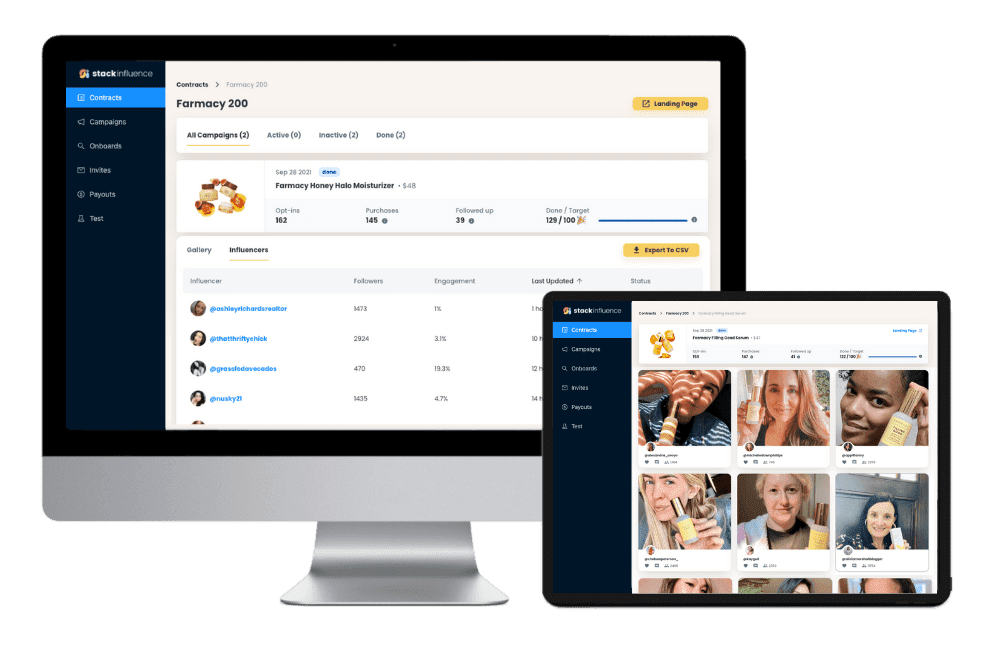
Unlock the Power of Micro Influencers and Elevate your Brand Today!
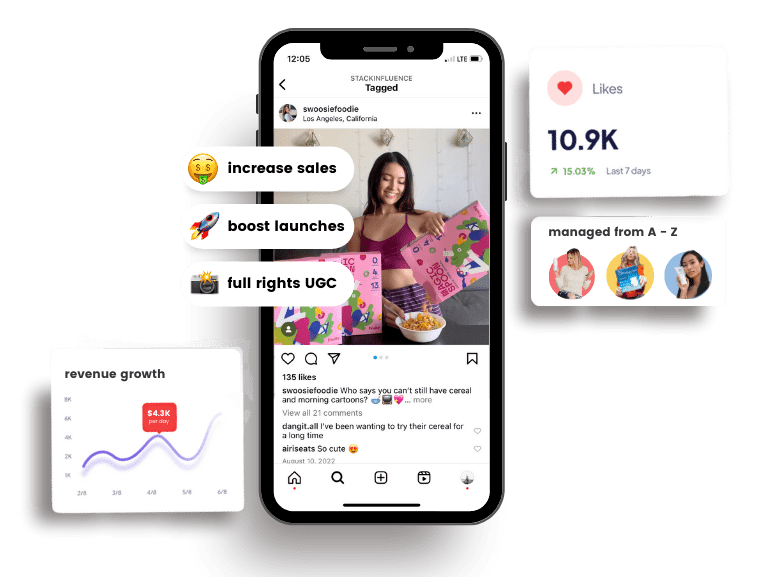
5. Embrace Video Marketing (Short-Form & Live Video)
If photos are powerful, video can be magnetic. From quick TikTok clips to longer YouTube demos, video content allows you to convey atmosphere, personality, and results in a dynamic way. In fact, viewers retain 95% of a message when they watch it on video, compared to only 10% via text. That means your marketing message is far more likely to stick if delivered as a video.
Short-Form Video (TikTok, Reels): Short videos (15–60 seconds) are ideal for showcasing fun snippets of spa life: a time-lapse of a manicure, a therapist sharing a quick wellness tip, or a before-and-after skin treatment transformation. These bite-sized videos are highly shareable. TikTok and Instagram Reels also have huge organic reach potential – the right quirky or informative video can go viral, introducing your spa to thousands of new viewers. Some ideas:
-
- Trending Challenges: Participate in wellness-related trends (e.g., a meditation challenge or a skincare “hack” trend) to tap into existing conversations on TikTok.
- How-To’s: Post mini tutorials, like “How to massage your temples to relieve stress” or “3 stretches to do after a massage”. This positions your brand as an expert and is genuinely useful content people save and share.
- Client Features: With permission, film short testimonials or candid moments (“Client X experiencing our new sauna for the first time”). Authentic reactions from real clients provide social proof and emotional appeal.
- Trending Challenges: Participate in wellness-related trends (e.g., a meditation challenge or a skincare “hack” trend) to tap into existing conversations on TikTok.
Longer Video (YouTube, Website): While short-form is hot, longer videos still have their place. A 2-3 minute promo video on your website or YouTube can tell your spa’s story more fully – introduce your team, walk through the facility, and highlight signature services. This works like a virtual tour for potential clients browsing online. You could also host slightly longer educational content, like interviews with your wellness experts or product reviews, which build credibility over time.
Live Streaming: Don’t overlook live video on platforms like Instagram Live, Facebook Live, or TikTok Live. Live streams are fantastic for real-time engagement – viewers can ask questions in the chat and feel like they’re hanging out at your spa virtually. Consider doing a monthly “Ask Me Anything” live Q&A about skincare or a live tour during a calm morning before customers arrive. You might also live stream special events (e.g., a grand opening of a new section or a charity event you host). Promote the live session ahead of time so followers know to tune in. To encourage attendance, maybe offer a live-only perk (like a discount code revealed during the stream). The spontaneity of live video humanizes your brand – mistakes and all – and fosters a personal connection with your audience.
Whether pre-recorded or live, video content allows people to experience a taste of your spa from their screens. It’s the next best thing to an in-person visit. In 2025, video isn’t just a nice-to-have; it’s quickly becoming an expectation. So grab your phone or camera and start filming those soothing scenes and expert tips – your audience is ready to watch!
6. Collaborate with Complementary Local Businesses
Two brands are often better than one when it comes to marketing reach. Cross-promotions and partnerships allow you to tap into an audience that’s already established – someone else’s customers. For spas, the best partners are businesses that serve a similar demographic but aren’t direct competitors. Think about the other ways your ideal client likes to indulge or maintain wellness, and start there.
-
- Gyms & Yoga Studios: Approach a local gym, Pilates studio, or yoga center with a co-marketing idea. For example, you could create a joint “Fitness & Relaxation” package – clients who sign up for a gym membership get a discount on a massage at your spa, and vice versa. Both businesses promote the offer, doubling the exposure. You might also trade social media shout-outs or guest blog posts (“Yoga Poses to Improve Your Next Massage” on your site, and they post “Benefits of Massage for Flexibility” on theirs).
- Salons or Beauty Clinics: Partner with a hair salon, nail studio, or medspa in your area. Cross-refer clients – perhaps you offer a coupon for a spa facial to anyone getting a salon hair treatment, and the salon offers their clients a coupon for your spa. You could also host a joint event, like a holiday pamper party, where attendees get mini-services from both of you.
- Hotels or B&Bs: If you’re in a tourist area or city, connect with boutique hotels or bed-and-breakfasts. They often love having local experiences to recommend. You could arrange a referral program (the hotel concierge gives guests a card for 10% off at your spa, and you reciprocate by mentioning the hotel for overnight stays). This enhances the tourist experience and brings you new out-of-town clients.
- Healthy Cafés or Juice Bars: Wellness extends to diet and nutrition. Is there a trendy juice bar, vegan café, or health food store nearby? Consider a collaboration like sharing each other’s flyers or loyalty programs (e.g., “Bring your receipt from GreenJuice Café to our spa and get $5 off a service”). You could also co-create content: perhaps an Instagram Live chat about holistic wellness with the café’s nutritionist and your spa therapist together.
- Gyms & Yoga Studios: Approach a local gym, Pilates studio, or yoga center with a co-marketing idea. For example, you could create a joint “Fitness & Relaxation” package – clients who sign up for a gym membership get a discount on a massage at your spa, and vice versa. Both businesses promote the offer, doubling the exposure. You might also trade social media shout-outs or guest blog posts (“Yoga Poses to Improve Your Next Massage” on your site, and they post “Benefits of Massage for Flexibility” on theirs).
When forming partnerships, aim for win-win. Both parties should gain exposure and credibility. Also, ensure the partner’s values align with yours – you want to recommend services that will make your customers happy. With a bit of creativity, partnering up can amplify your marketing efforts without a lot of extra budget. Locals trust locals, so when businesses unite, it sends a strong message of community support. Keep your eyes open for collaboration opportunities in your network – sometimes a simple conversation with a fellow business owner can spark a great idea!
7. Partner with Micro-Influencers in Your Niche
One of the most impactful spa marketing ideas today is leveraging influencer marketing – specifically, collaborating with micro-influencers. These are content creators on social media who have a modest but highly engaged following (often in the range of 5,000 to 50,000 followers). In the wellness and beauty space, you’ll find plenty of local yoga instructors, beauty bloggers, or lifestyle content creators whose audiences are exactly the people you want to reach.
Why micro-influencers? They tend to have strong trust with their followers and budget-friendly rates. In fact, micro-influencers often achieve significantly higher engagement rates (up to 60% higher than big influencers) – and 82% of consumers say they’re more likely to act on a micro-influencer’s recommendation. That’s because these creators feel like relatable “friends” rather than distant celebrities. Their endorsements come across as genuine word-of-mouth.
Here’s how to make the most of influencer partnerships:
-
- Find the Right Fit: Look for influencers whose personal brand aligns with your spa’s vibe. For example, a local wellness blogger who posts about self-care Sundays, or a fitness coach who emphasizes recovery and relaxation. The majority of their followers should be in your target market (e.g., local to your city or interested in beauty/wellness). Micro-influencers who are geographically nearby are ideal for a brick-and-mortar spa because they can actually visit and create on-site content.
- Offer a Compelling Collaboration: Approach them with a win-win proposal. You could offer a complimentary service or spa day in exchange for them documenting their experience. Many micro-influencers will happily post an Instagram Story series, a TikTok, or a detailed review about their visit. Make it easy – perhaps set up a special “influencer experience package” for them, with little extras that make it photo-worthy (like a pretty welcome drink or a goody bag of product samples).
- Sponsored Posts & Affiliate Deals: For more formal campaigns, negotiate a small fee or a trade (e.g., monthly massage in return for a post each month). You can also give influencers a unique promo code (like SPA10) to share with their followers for a discount on your services or products. This tracks referrals and incentivizes their audience to try you out. If a micro-influencer consistently brings in customers, you might even create an affiliate arrangement where they earn a small commission per booking.
- Creative Freedom: Allow the influencer creative freedom to present your spa in their own voice. Authenticity is key – their followers will respond best if the content feels genuine. Provide them any must-have info (e.g., correct spa address tag, or a campaign hashtag if you have one), but avoid scripting their posts. Trust that they know what their audience likes.
- Find the Right Fit: Look for influencers whose personal brand aligns with your spa’s vibe. For example, a local wellness blogger who posts about self-care Sundays, or a fitness coach who emphasizes recovery and relaxation. The majority of their followers should be in your target market (e.g., local to your city or interested in beauty/wellness). Micro-influencers who are geographically nearby are ideal for a brick-and-mortar spa because they can actually visit and create on-site content.
When they post, engage with that content: leave a thank-you comment, answer any questions their followers ask in the comments, etc. This shows you’re attentive and helps convert onlookers into actual customers.
Internal Tip: If managing influencer outreach feels daunting, consider using an influencer marketing platform (for example, Stack Influence) to streamline the process. These platforms help brands discover relevant micro-influencers, manage communication, and track results, making it easier for even small e-commerce teams to scale their influencer campaigns.
In the age of social media, a well-chosen influencer’s shoutout can create a buzz that traditional ads struggle to match. A glowing YouTube vlog review or an Instagram post about how relaxed and glowing they felt after your treatment can send curious new clients your way. Embrace these content creators as brand partners – their influence, though “micro,” can have a macro impact on your spa’s growth.
8. Encourage User-Generated Content and Social Proof
Your happy customers can be your best marketers. People naturally trust user-generated content (UGC) – things like real customer photos, videos, or stories – far more than they trust slick advertisements. We’re in an era where 92% of consumers trust word-of-mouth and UGC more than traditional ads, so turning your customers into advocates is key.
How can you spark more UGC for your spa? A few ideas:
-
- Create an Instagram Hashtag: Come up with a unique but easy hashtag for your spa (e.g., #RelaxAt[YourSpaName]). Encourage clients to post their spa-day selfies or before/after glows with that hashtag. You can promote this by displaying the hashtag around your spa (on a cute sign in the lobby or on appointment reminder cards). Periodically, search the hashtag and repost the best content (with credit) on your official page. This not only fills your feed with authentic content but also flatters the original poster and motivates others to share.
- Run UGC Contests: Host a simple social media contest inviting followers to share a photo or story for a chance to win a prize. For example, “Post a photo of your ‘spa at home’ setup and tag us for a chance to win a free 60-minute massage.” Contests give people an extra push to create content featuring your brand. Make sure to outline clear rules and a fun prize that excites your audience.
- Feature Customer Stories: Go beyond star ratings – highlight the humans behind the reviews. Perhaps do a monthly spotlight on a customer (with their permission) where you tell their “wellness journey” and how your spa helped. It could be a blog interview, a short video testimonial, or a series of Instagram Stories. This approach generates heartfelt content and makes your community feel seen.
- In-Spa Photo Ops: Design your physical space to be “Instagrammable.” This could be a stylish mural wall or a tranquil garden corner where people can’t resist snapping a pic. When clients organically take photos during their visit, they’re likely to share them. You might even provide props like a lightbox sign (“Just had the best massage at XYZ Spa!”) that they can hold for a quick photo. It sounds cheesy, but tactics like these can be fun and shareable.
- Create an Instagram Hashtag: Come up with a unique but easy hashtag for your spa (e.g., #RelaxAt[YourSpaName]). Encourage clients to post their spa-day selfies or before/after glows with that hashtag. You can promote this by displaying the hashtag around your spa (on a cute sign in the lobby or on appointment reminder cards). Periodically, search the hashtag and repost the best content (with credit) on your official page. This not only fills your feed with authentic content but also flatters the original poster and motivates others to share.
Always acknowledge and thank users who create content about your spa. Engage with their posts, drop a comment, or feature them on your channels. This positive reinforcement makes others more eager to join in. Also, consider UGC rights: if you want to use a customer’s photo in a broader marketing campaign (like on your website or an ad), ask for permission and perhaps offer a small gift or credit.
By cultivating UGC, you build a cycle of social proof – potential clients see real people raving about you, which lowers their skepticism and FOMO kicks in (“I want that relaxing experience too!”). Plus, UGC is essentially free marketing material that often outperforms professional content in engagement. It’s authentic, it’s trustworthy, and it’s coming straight from your delighted customers.
9. Highlight Testimonials and Online Reviews
When was the last time you tried a new service without checking reviews first? For most people, reviews and testimonials are a make-or-break factor. A spa might look great on its website, but seeing a quote from Jane Doe saying “That was the best massage of my life!” is often the final nudge someone needs to book. Make sure you’re actively collecting and showcasing these nuggets of praise.
-
- Claim Your Reviews: First, ensure your spa is listed on all major review platforms – Google, Yelp, Facebook, TripAdvisor (if relevant), etc. Monitor these regularly. Thank customers for positive reviews (it shows you’re listening), and diplomatically address any negative ones. Don’t be defensive; apologize if you fell short and mention you’ll make it right. Readers appreciate when businesses respond – it demonstrates professionalism and care.
- Ask for Testimonials: Don’t leave it entirely to chance. After a service, if a client seems happy, gently encourage them: “We’d love if you share your experience in a review!” Some spas send a follow-up email or text with a direct link to their Google review page, making it as easy as possible. You can even incentivize reviews lightly (e.g., entry into a monthly drawing for a free add-on service – but be careful to follow each platform’s guidelines about incentivizing).
- Showcase the Best Ones: Treat testimonials like the treasure they are. Add a Testimonials section on your website with a few standout quotes (ideally with the client’s first name or initials, maybe a photo if you have permission – adding faces increases credibility). Sprinkle short review quotes in your marketing materials: an Instagram post featuring a quote overlay on a relaxing image, or a Facebook post highlighting a recent 5-star Yelp review. These serve as mini case-studies of customer satisfaction.
- Leverage Ratings: If you have impressive stats, flaunt them. For example, “Rated 4.9/5 by 150 customers on Google” is a powerful headline to include on your site or brochures. Badges or widgets from TripAdvisor (“Certificate of Excellence”) or Yelp (if you have a high rating) can also be embedded to provide instant social proof.
- Claim Your Reviews: First, ensure your spa is listed on all major review platforms – Google, Yelp, Facebook, TripAdvisor (if relevant), etc. Monitor these regularly. Thank customers for positive reviews (it shows you’re listening), and diplomatically address any negative ones. Don’t be defensive; apologize if you fell short and mention you’ll make it right. Readers appreciate when businesses respond – it demonstrates professionalism and care.
Remember, even negative reviews can be turned positive. How you respond publicly is on display for all to judge. A gracious recovery response can sometimes impress readers more than a slew of perfect reviews (which can even look fake if there’s not a single critique). So view feedback as a chance to improve and show off your customer service skills.
In summary, make reviews an integral part of your marketing. They cost you nothing but a bit of time and attentiveness, yet they carry immense weight in influencing decisions. A solid testimonial from a stranger often carries more weight than your own marketing copy – it’s the voice of the customer, and that voice is trusted.
10. Implement Basic SEO to Boost Visibility
Techniques like social media and influencer partnerships are exciting, but don’t neglect the slow-and-steady workhorse of digital marketing: Search Engine Optimization (SEO). Especially for a local spa or an e-commerce wellness store, SEO can continuously funnel interested customers to you with little to no ongoing ad spend. The key is to ensure your business ranks well when people search for relevant terms.
Here are fundamental SEO steps for spa marketing:
-
- Keyword Research: Think about what your potential customers might type into Google. Obvious ones include “spa in [Your City]”, “best massage [City]”, or “[City] facial deals”. Also consider long-tail queries like “affordable day spa for couples in [Area]” or question-format searches like “What’s the best spa in [City]?”. Use free tools (Google Keyword Planner, AnswerThePublic, etc.) to identify popular searches. Once you have target keywords, incorporate them naturally into your website copy, page titles, and meta descriptions. For example, your homepage title could be “Day Spa in Cincinnati – [Spa Name] Relaxation & Massage”.
- Optimize On-Page Elements: Ensure each page of your site has a unique title tag and meta description that include relevant keywords and your location. Use headings (H1, H2) in your content that reflect what the page is about (e.g., an H1 saying “Spa Services in Cincinnati” on your services page). These little details help search engines understand and rank your content.
- Local SEO Factors: We mentioned Google Business Profile earlier – that’s crucial for local search. Keep it up to date with fresh photos and posts. Aim to collect Google reviews consistently, as the quantity and rating influence your local ranking. Additionally, ensure your spa’s name, address, and phone are listed consistently across the web (on your site, Yelp, Facebook, etc.). This consistency of NAP (Name/Address/Phone) data builds trust with Google’s local algorithm.
- Content Creation for SEO: Blend your content marketing with SEO by writing blog posts or guides that answer questions people are searching. For example: “10 Tips for a Perfect Spa Day at Home” or “How Often Should You Get a Facial? – Spa Experts Weigh In”. These can attract visitors through long-tail queries. By providing valuable info, you might rank for those topics and gently lead readers to consider your services.
- Speed and Mobile-Friendliness: Technical but important – ensure your site loads quickly and looks good on mobile devices. Google prioritizes mobile-friendly sites (since most users search on phones). If your site is slow or not mobile-optimized, it could hurt your rankings and drive impatient visitors away.
- Keyword Research: Think about what your potential customers might type into Google. Obvious ones include “spa in [Your City]”, “best massage [City]”, or “[City] facial deals”. Also consider long-tail queries like “affordable day spa for couples in [Area]” or question-format searches like “What’s the best spa in [City]?”. Use free tools (Google Keyword Planner, AnswerThePublic, etc.) to identify popular searches. Once you have target keywords, incorporate them naturally into your website copy, page titles, and meta descriptions. For example, your homepage title could be “Day Spa in Cincinnati – [Spa Name] Relaxation & Massage”.
SEO may sound technical, but it largely boils down to being relevant and reputable. Relevance comes from using the right keywords and content; reputation comes from good reviews and other sites linking to you (for instance, if a local news site lists your spa in a “Top 5 Spas” article – that backlink is gold). While results aren’t overnight, a few months of consistent SEO efforts can significantly improve your visibility. And unlike paid ads, those organic search clicks don’t cost you, making SEO a high-ROI tactic in the long run.
11. Experiment with Live Events and Virtual Experiences
Finally, consider taking your marketing beyond the everyday and into the experiential. Hosting events – whether in-person or virtual – can generate buzz and give people a direct taste of what you offer.
In-Spa Events: Host special events at your spa to draw in both loyal and new customers. For example:
-
- Spa Open House: A couple of times a year, have an open house evening with complimentary mini-services or demos. Perhaps chair massages, skin analysis sessions, or product sampling stations. Serve herbal teas or champagne, play soothing music – make it an event to remember. Promote it on social media and via email invites. Attendees may bring friends (referrals!) and are likely to purchase products or book full services after trying a “teaser.”
- Workshops or Classes: People love to learn wellness skills. Consider offering a small class after hours, like “Learn At-Home Massage Techniques for Couples” or a guided group meditation night. Charge a small fee or make it free as a community goodwill gesture. These events position you as a leader in wellness education. Take photos or short videos during the event (with permission) – they make great content to share later, showing how engaging and fun your spa community is.
- Themed Promotions: Tie events or specials to holidays/seasons. A “Holiday Stress Relief” event in December with discounted massages, or a “Spring Rejuvenation” week with a special package. Themes give you a promotional hook to market around, which can attract press or blogger attention too.
- Spa Open House: A couple of times a year, have an open house evening with complimentary mini-services or demos. Perhaps chair massages, skin analysis sessions, or product sampling stations. Serve herbal teas or champagne, play soothing music – make it an event to remember. Promote it on social media and via email invites. Attendees may bring friends (referrals!) and are likely to purchase products or book full services after trying a “teaser.”
Virtual Events: If 2020 taught us anything, it’s that virtual experiences can supplement real ones. Not everyone can physically come to your spa (maybe they follow you from afar online, or you sell products nationally). That’s where virtual engagement can help:
-
- Live-Stream Sessions: We talked about going Live on social platforms in the video section. Use that to host virtual events like a live yoga stretch guided by one of your therapists, or an Instagram Live series where you interview different wellness experts (nutritionists, aromatherapists, etc.) while viewers tune in and ask questions.
- Online Challenges: Run a wellness challenge on social media – for instance, a “7-Day Self-Care Challenge” where each day participants do a small activity (drink 8 glasses of water, take a 10-minute mindfulness break, etc.) and share their progress with a hashtag. You can then do a live or Zoom kickoff and wrap-up session for participants. Offer a prize like a spa gift card to one random finisher. This kind of campaign creates a ton of engagement and affinity for your brand, even among those who haven’t visited in person.
- Virtual Consultations: Depending on your services, you could offer free 15-minute virtual skincare consultations or wellness Q&As via Zoom. This gets people in the door (virtually) and you can softly promote relevant spa services or products that would benefit them, effectively generating leads.
- Live-Stream Sessions: We talked about going Live on social platforms in the video section. Use that to host virtual events like a live yoga stretch guided by one of your therapists, or an Instagram Live series where you interview different wellness experts (nutritionists, aromatherapists, etc.) while viewers tune in and ask questions.
The key with events – real or virtual – is to offer value and create FOMO (fear of missing out). Promote these happenings on all your channels, share highlights afterward, and make those who missed it think, “Wow, that looked amazing… I won’t miss the next one.” Even a one-time exciting event can lead to a lasting customer relationship or at least a flurry of social media word-of-mouth.
Unlock the Power of Micro Influencers and Elevate your Brand Today!
Conclusion to 10 Spa Marketing Ideas for 2025
By embracing these spa marketing ideas, you can set your business up for success in the year ahead. Whether you’re a spa owner, an e-commerce beauty brand, or an Amazon seller offering self-care products, the core principle is the same: engage your audience with authentic content and build trust at every touchpoint. It’s time to put these ideas into practice and watch your customer base and revenue grow. After all, a little innovation in marketing can lead to a lot of relaxation for your clients – and a healthy boost for your bottom line. Ready to elevate your spa’s presence? Start today with one new strategy and see the difference it makes!

By William Gasner
CMO at Stack Influence
William Gasner is the CMO of Stack Influence, he's a 6X founder, a 7-Figure eCommerce seller, and has been featured in leading publications like Forbes, Business Insider, and Wired for his thoughts on the influencer marketing and eCommerce industries.
Want new articles before they get published? Subscribe to our Awesome Newsletter.
stack up your influence
turning creativity into currency
our headquarters
111 NE 1st St, Miami, FL 33132
our contact info
[email protected]
stack up your influence
turning creativity into currency
our headquarters
111 NE 1st St, 8th Floor
Miami, FL 33132
our contact info



© 2025 Stack Influence Inc
© 2025 Stack Influence Inc