
How Pinterest Ads Boost Micro-Influencer Marketing in 2025
8th
December, 2025
Influencer Marketing
Amazon Marketplace
Artificial Intelligence
TikTok Tips
Pinterest isn’t just a digital mood board anymore – it’s now a powerful shopping engine and visual discovery platform. In 2025, Pinterest ads have become a secret weapon for micro-influencers, e-commerce brands, Amazon sellers, and content creators looking to drive sales and engagement. Why? Pinterest’s half a billion users often visit with the intent to shop or plan purchases, unlike other social apps where users scroll aimlessly. In fact, weekly Pinterest users spend 40% more money than people who don’t use Pinterest, with shopping carts about 20% larger on average. That high purchase intent means Pinterest ads can turn casual browsing into serious revenue for savvy marketers.
This blog will dive into how Pinterest ads work in 2025, why they’re uniquely suited for influencer marketing and e-commerce, and how micro-influencers can leverage them for maximum ROI. We’ll cover the benefits, ad formats (with a handy table), step-by-step setup, best practices, and tips for combining paid ads with influencer content (including user-generated content or UGC). By the end, you’ll see why Pinterest Ads is the most important key phrase in micro-influencer marketing this year. So, buckle up and get ready to boost your micro-influencer strategy with Pinterest ads in 2025!
Why Pinterest Ads Matter for Micro-Influencers and Brands in 2025
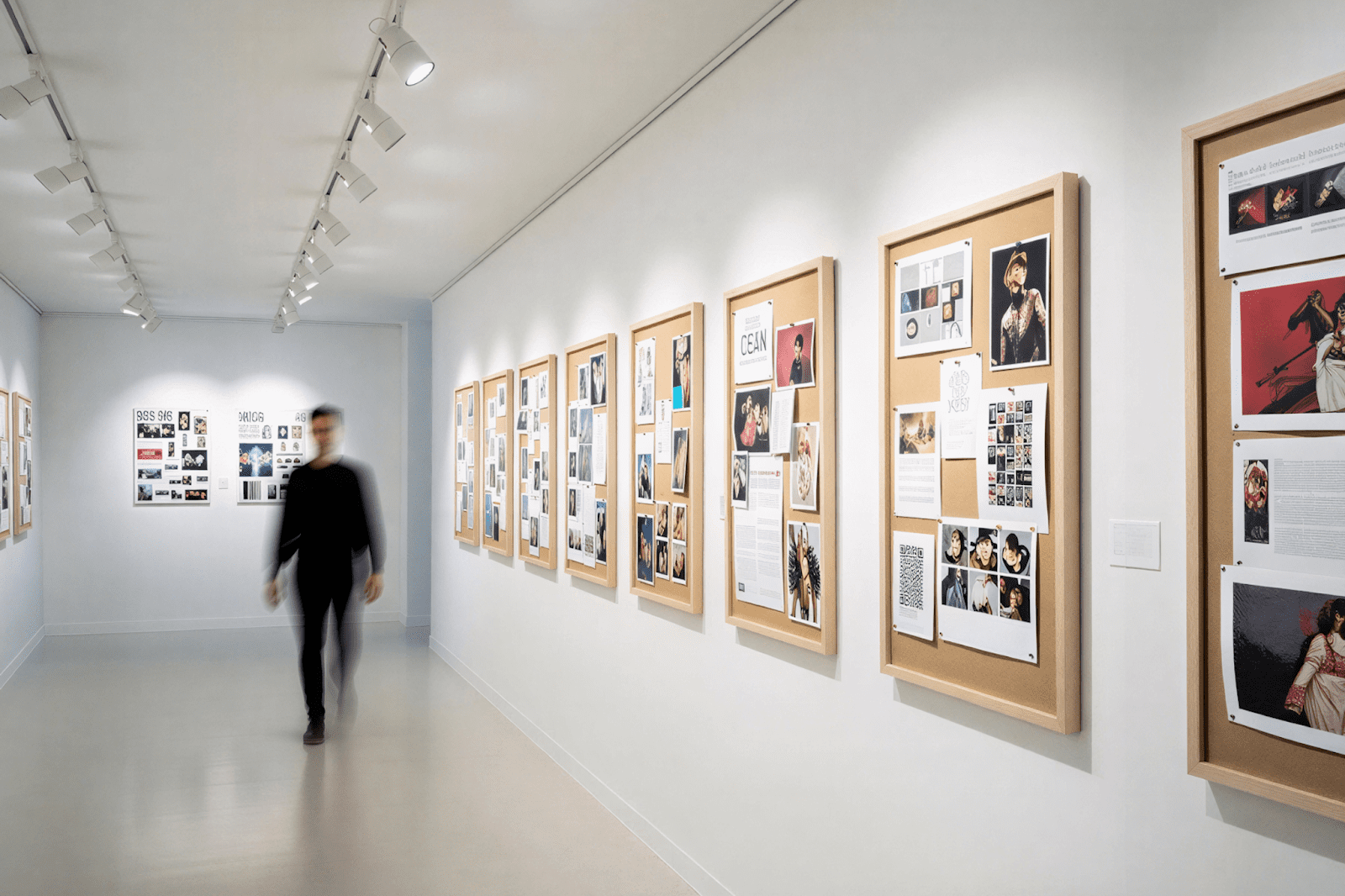
Pinterest occupies a special place at the intersection of social media and search engine. This makes Pinterest advertising incredibly valuable for both brands and creators. Here are some key reasons Pinterest ads are a big deal in 2025:
-
- Built-In Shopping Mindset: The number one reason people use Pinterest is to discover new products and brands. Unlike users on some platforms, Pinners often want to see content about products. They’re planning weddings, home makeovers, outfits, recipes – and looking to buy. This high intent translates into higher conversion rates. Pinterest even reports that Pinners spend twice as much time shopping each month compared to non-Pinners. It’s no wonder advertisers see up to 3× more conversions when they combine organic Pinterest tactics with paid ads.
- Huge and Relevant Audience: Pinterest has over 500 million active users globally, including a wide range of demographics. Importantly, a large portion are decision-makers for household purchases (think DIYers, moms, decor enthusiasts, etc.). Gen Z now makes up more than 40% of Pinterest’s user base, ensuring a growing audience. For micro-influencers in niches like home decor, beauty, fashion, food, or wellness, Pinterest offers a massive pool of niche audiences actively seeking ideas. You can reach both broad and niche communities organically and with ads.
- Cost-Effective Advertising: Pinterest ads are relatively budget-friendly compared to other social platforms. In fact, Pinterest boasts one of the lowest costs per action – roughly 2.3× more efficient than other social media ads on average. One survey found advertisers paying as little as $0.10 per click or $2 per conversion, and about half of advertisers spend under $500/month to get strong results. Translation: you don’t need a Super Bowl budget to win on Pinterest. Even small e-commerce brands and Amazon sellers can afford to run test campaigns and see ROI.
- Long Lifespan = Evergreen Traffic: Content on Pinterest tends to live much longer than on Instagram, TikTok, or Facebook. A Pin today can resurface weeks or months later as users save it to boards or find it via search. Pinterest ads benefit from this longevity too – a compelling promoted Pin might continue driving clicks well after the campaign, if Pinners save it. This evergreen nature means your investment has a long tail. Micro-influencers especially love this, as one good piece of content can keep paying off with affiliate link clicks or website traffic down the line.
- Native, Non-intrusive Format: Pinterest ads don’t scream “AD!” at users – they appear as native Pins in the feed or search results, usually marked only by a small “Promoted by [Your Brand]” label. Because people are already looking for ideas, a well-targeted ad feels useful rather than annoying. For example, someone searching “living room decor ideas” might see a promoted Pin of a cozy sofa from an e-commerce store, and it fits right in with the organic results. This native approach often leads to higher engagement and click-through rates, since the ads add to the discovery experience instead of interrupting it.
- High Engagement and ROI: When done right, Pinterest ads drive not just clicks but actual sales. Pinterest reports that running Shopping ads (which we’ll explain below) can triple your sales performance. Brands like the women’s activewear company Sweaty Betty even found Pinterest became their #1 paid channel, boosting return on ad spend by 39% year-over-year. And it’s not just big brands – micro-influencers and small businesses can see outsized results. Because Pinterest’s audience is primed to act, even a modest campaign can yield a solid ROI, whether that’s product sales, sign-ups, or traffic.
- Perfect Pairing with Influencers: For those in micro-influencer marketing, Pinterest ads offer a way to amplify content and reach new eyes. Pinterest introduced an “Idea ads with paid partnership” tool that lets brands promote an influencer’s Pin (with the creator tagged) as an ad. These collaboration ads have been highly effective – brands saw 38% higher brand awareness on average when they boosted creators’ Pins with ad spend. In other words, a micro-influencer might create a beautiful Pin for a brand partnership, and the brand can pay to show it to far more people, benefiting both parties. More exposure for the influencer, more authentic creative for the brand. It’s a win-win that Stack Influence and other influencer platforms are leveraging to get extra mileage from influencer content.
- Built-In Shopping Mindset: The number one reason people use Pinterest is to discover new products and brands. Unlike users on some platforms, Pinners often want to see content about products. They’re planning weddings, home makeovers, outfits, recipes – and looking to buy. This high intent translates into higher conversion rates. Pinterest even reports that Pinners spend twice as much time shopping each month compared to non-Pinners. It’s no wonder advertisers see up to 3× more conversions when they combine organic Pinterest tactics with paid ads.
In short, Pinterest ads in 2025 are a must-have in the toolkit of anyone doing influencer marketing or e-commerce. They tap into an engaged, purchase-ready audience at low cost, and they mesh beautifully with the authentic content that micro-influencers create.
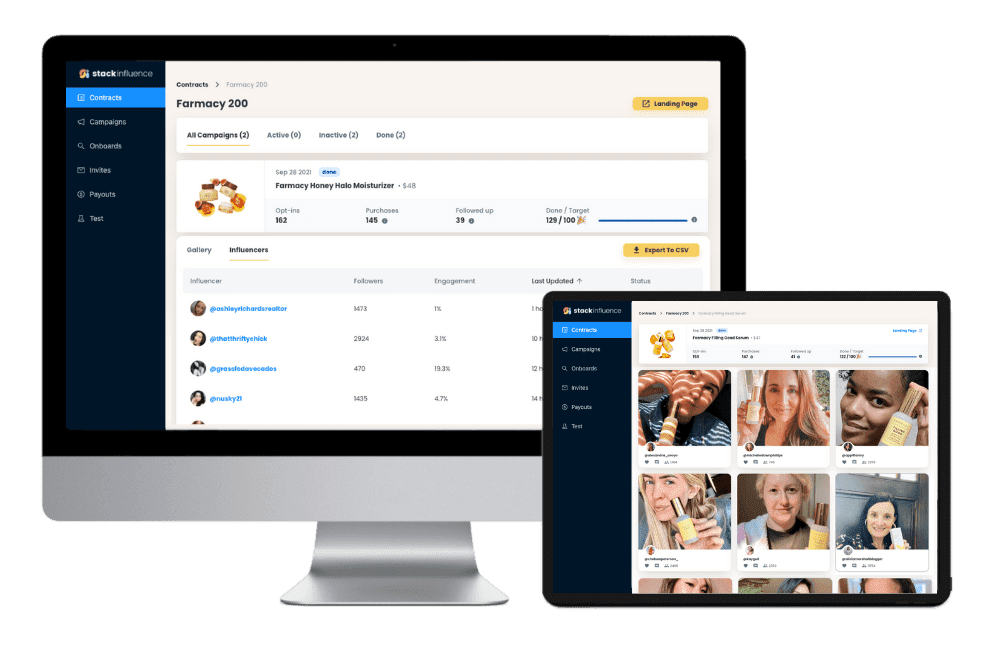
Unlock the Power of Micro Influencers and Elevate your Brand Today!
Pinterest Ad Formats and Types (2025 Guide)
Pinterest offers a variety of ad formats to suit different goals. As a marketer or creator, it’s helpful to know what each type is and when to use it. Here’s a quick overview of the main Pinterest ad types available in 2025:
|
Ad Format |
What It Is |
Best For |
|
Standard Pin Ads (Promoted Pins) |
A single image or video Pin that you pay to promote. Looks just like a regular Pin except for a small “Promoted” label. When clicked, it takes the user directly to your chosen URL (e.g. product page) rather than a Pin detail page. |
General use – driving traffic or awareness on a budget. E.g. boost an existing Pin from your board to get more eyes on it. Works for any objective (traffic, conversions, awareness, etc.). |
|
Video Pin Ads |
A Promoted Pin that uses video instead of a static image. Autoplays in the feed, making it more eye-catching. Carries the same “Promoted” label and links out to your URL. |
Attention-grabbing storytelling. Great for showcasing a product in action or quick how-tos. Can optimize for video views or completed views, as well as clicks. Use when movement can convey your message better than a photo. |
|
Carousel Ads |
An ad with multiple images (cards) that users can swipe through in one Pin. You can have 2–5 images in a carousel, and each card can have its own title/description. All cards link to the same destination. |
Showing variety or details. Perfect for highlighting multiple products, features, or different angles. For example, a fashion brand can show one outfit in five styles, or a recipe Pin can show step-by-step images. Carousel Pins appear as a single unit and all images save together when saved. |
|
Shopping Ads (Catalog Pins) |
An ad created from your product catalog feed. Pinterest pulls product images, price, and info directly from your e-commerce catalog to create Pins automatically. Essentially, it turns your product listings into Promoted Pins. |
E-commerce and product sales. Easiest way for online stores (Shopify, Amazon sellers, etc.) to advertise many products. Ideal for when you have a catalog – you set it up once and Pinterest shows the right products to the right people using its algorithm. Great for retargeting shoppers with items they viewed. |
|
Collections Ads |
A mobile-only ad format that features one large “hero” image or video and 3 smaller thumbnail images below it. When tapped, it opens into a fullscreen experience with up to 24 images where users can shop multiple items. |
Showcasing a collection or lookbook. Ideal for fashion, home décor, or any lifestyle catalog. E.g. a living room decor ad might show a styled room as the hero image, with thumbnails of the sofa, lamp, coffee table, and rug – clicking it reveals all products with links. It’s a rich, immersive way to inspire shoppers with a curated spread. |
|
Idea Ads (formerly Story or Idea Pins) |
Newer interactive format: multi-page Pins that can include videos, images, and even quizzes or polls. Idea Pins themselves are like Stories but they can be promoted now. One subtype is Quiz Ads, which ask the user a question and then show a personalized result Pin based on their answer. |
Engagement and education. Use Idea/Story Pins to share tutorials, step-by-steps, or interactive content. For instance, a beauty influencer might have a “Find Your Perfect Skincare Routine” quiz Pin that leads viewers to different product recommendations. Brands can sponsor these to engage users in a fun way. Great for building brand affinity and gathering insights (e.g. quiz responses). |
|
Showcase Ads |
A mobile-only ad that contains multiple swipeable frames, each linking to a different URL on your site. Think of it as a mini landing-page within Pinterest: a user can swipe through a few slides (each could feature a different product or category) and tap the one they like to go directly to that page. |
Guiding to the right page. Useful for brands with broad product lines or multiple offerings. E.g. a skincare brand could have a Showcase ad with “Cleanser”, “Moisturizer”, “Serums” each on different cards linking to those product category pages. It helps customers self-select what they want to explore. |
Table: Pinterest ad types in 2025 and their uses. Each format blends into the Pinterest feed while offering unique interactive features. For example, Shopping ads and Collections are especially powerful for e-commerce brands looking to drive immediate sales, whereas Idea Pins or Carousel ads can tell a richer story or showcase a range. As a micro-influencer or small business, you don’t necessarily need to use every format – start with one or two that fit your goals and content style.
Note: All Pinterest ads require a Pinterest Business account to run. You’ll create Pins (or use existing ones) and then promote them through Pinterest’s Ads Manager. Before we get into the how-to, keep in mind some specs: Pinterest recommends vertical images (2:3 aspect ratio, e.g. 1000×1500 px) for most Pin ads, and videos typically work best at 6–15 seconds (though you can go longer). Keeping visuals high-quality and vertical will help your ads seamlessly blend in and stand out at the same time.
How to Create a Pinterest Ad Campaign (Step-by-Step)
Ready to promote your first Pin? Whether you’re a creator boosting your own content or a brand advertising products, Pinterest Ads Manager makes it straightforward. Here’s a step-by-step guide to setting up Pinterest ads in 2025:
-
- Set Up a Business Account & Ads Manager: First, ensure you have a Pinterest Business account (it’s free to convert if you have a personal account). Only business profiles can run ads. Once logged in, access the Ads Manager by clicking the dropdown menu in the top-left of your Pinterest dashboard and selecting Create Campaign.
- Choose Your Campaign Objective: Pinterest will ask what your goal is. If you use the Automated campaign setup, you’ll typically choose between a Consideration (traffic) campaign or a Conversion campaign. (Note: Conversion campaigns require that you’ve installed the Pinterest Tag on your website to track sales or sign-ups.) If you switch to Manual setup, you’ll see additional objectives like Brand Awareness, Video Views, Catalog Sales, etc. Pick the objective that best matches your desired outcome – e.g. select Conversions if you want online sales, or Brand Awareness if you just want to reach lots of people.
- Select or Create Pins for the Ad: Next, choose the Pin you want to promote. You can use an existing Pin from your profile (ideal if you’ve already posted some product or content Pins organically), or create a new Pin ad on the spot. If you plan to use formats like Collections or some Idea ads, you might need to create a new Pin through the ad flow to get all the elements in. Make sure your Pin has an eye-catching image (or video), a descriptive title, and a clear description with relevant keywords – remember, Pins can surface in searches, so think of it like Pinterest SEO.
- Add Targeting Details: Now it’s time to tell Pinterest who should see your ad. You can target by keywords (what people search for), interests, demographics like location and language, and even upload your own audience lists or target people who’ve engaged with your Pins before. Automated campaigns can do a lot of this targeting for you – Pinterest will use its data to find users likely to engage, which is handy if you’re not sure who to target. If you prefer control, you can switch to manual targeting and specify things like “women aged 25-45 in the US interested in home décor” or “users searching for ‘workout routine’”. For micro-influencers promoting their own content, automated targeting is a stress-free option to start. For brands, consider using Pinterest’s Actalike audiences (similar to lookalikes) to reach people similar to your customers.
- Set Your Budget and Schedule: Pinterest ads can run on a daily budget (spend up to $X per day) or a lifetime budget (spend $Y total over the campaign’s duration). Decide what you’re comfortable spending. You can start low (even $5-10/day) and always scale up later. Enter your budget and then choose the campaign duration. You can run ads continuously or set a start and end date. For example, a holiday campaign might run for just 2 weeks. Tip: Pinterest suggests at least 10 days for the algorithm to learn and optimize, but even short promos can work for timely content. Set it to run indefinitely if you’re not sure, and you can pause it anytime.
- Review and Launch: Double-check all your settings – the Pins you’re promoting, your target audience, your bid (if manual bidding), budget, and schedule. Everything look good? Hit Publish to launch the campaign! Your ad will go through a quick review by Pinterest (to ensure it meets policies), and then start running. Now your Promoted Pin is out in the wild, attracting those saves, clicks, and eyeballs.
- Monitor Performance: Don’t just “set it and forget it.” Once the ad is live, keep an eye on its performance in the Ads Manager dashboard. Key metrics to watch are impressions (how many times it’s seen), saves (indicates people liked it), clicks (visits to your link), and conversions (if you’re tracking sales or sign-ups). If you notice after a few days that you’re getting lots of impressions but few clicks, perhaps the creative or call-to-action might need tweaking. Or if you’re getting clicks but no conversions, your landing page might need improvement. The nice thing about Pinterest is you can edit campaigns on the fly – adjust targeting, budget, or even swap in a new Pin if needed.
- Optimize and Iterate: Use the data to optimize. Maybe you’ll find one Pin image is outperforming another – focus your budget on the winner. Or you might see that most of your conversions are coming from a certain demographic; you can refine targeting to emphasize that group. Over time, you’ll learn what content your audience loves. Test different ad formats too: for example, if static image ads did okay, try a video Pin next, or a carousel with multiple products. This experimentation is key to improving results over time.
- Set Up a Business Account & Ads Manager: First, ensure you have a Pinterest Business account (it’s free to convert if you have a personal account). Only business profiles can run ads. Once logged in, access the Ads Manager by clicking the dropdown menu in the top-left of your Pinterest dashboard and selecting Create Campaign.
Running a Pinterest ad campaign is relatively easy, even for beginners. The platform guides you through it, and you can always refer to Pinterest’s help resources. In 2025, they even have an AI-driven feature called Pinterest Performance+ that can automate a lot of optimizations for you if you opt in. But whether you automate or go manual, the real magic is in the creative and strategy – which leads us to the next section.
Best Practices for Successful Pinterest Ads
To truly nail Pinterest advertising, you’ll want to follow some best practices. These tips will help your ads perform better and ensure you’re getting the most bang for your buck (or pin for your penny? 😄):
-
- Embrace a Visual, Vertical Aesthetic: Pinterest is a visual platform through-and-through. Use high-quality, vertical images or videos that fill the screen. Ads with vertical (2:3) aspect ratio consistently outperform horizontal or small visuals. Bright, clear images that pop in the feed will grab attention. Consider adding tasteful text overlay or graphics to make your message clear (but keep it on-brand). Think of your Pin as a flyer or magazine ad – it should be scroll-stopping. Also, aim for inspiring and aspirational imagery. Data shows that on Pinterest, “artistic, visually inspiring, and aspirational” ad creatives significantly boost performance. So don’t be afraid to get creative and evoke emotion with your visuals!
- Keep Branding Consistent: While you want fresh creative, also ensure brand consistency in your Pins. Use your brand’s color palette, fonts, or logo subtly on the ad so that when someone clicks through, the landing page feels familiar. Consistent branding in your graphics builds trust and recognition. For micro-influencers running personal promotions, this means maintaining a consistent aesthetic or vibe that your followers recognize as you. A cohesive look across your Pins and profile can reinforce your identity.
- Craft Keyword-Rich Descriptions: Remember that Pinterest is part search engine. Optimize your Pin titles and descriptions with relevant keywords so your ads appear in search results. For example, if you’re promoting a “DIY recycled planter project,” use those keywords in the Pin description. Influencers often naturally do this (“#DIY #Gardening #HomeDecor”), but with ads you should be extra thorough. Using descriptive keywords and even hashtags can improve your Pin’s discovery both on Pinterest search and even on Google Images. Essentially, good Pinterest SEO = better reach for free, complementing your paid boost.
- Choose the Right Landing Page: Clicks are great, but conversions are better. Make sure when someone clicks your Pin, they land on a page that matches the content and fulfills their intent. If your ad showed a specific product, link directly to that product page, not your homepage. If it was an influencer Pin about “5 tips for winter skincare,” the click-through should go to the full blog post or product list of those skincare items – not a generic front page. Removing extra steps for the user greatly increases the chance they’ll actually convert (buy, sign up, etc.) once they click.
- Include a Clear Call-to-Action (CTA): Don’t assume people will know what to do next – tell them! On Pinterest, you can include a CTA in the Pin description (e.g. “Shop now for 20% off” or “Sign up for free”) and/or on the image itself via text overlay (“👆 Tap to Shop”). Pins with a direct CTA often see higher click-through and conversion rates. Just make sure the CTA matches your goal – if it’s an awareness campaign, maybe “Learn More” is enough, whereas a product ad can say “Buy Now” or “Get Yours.” Pro tip: because Pinners are in browsing mode, framing CTAs in an inspirational way can be effective. According to research, overly direct CTAs like “Buy Now” sometimes perform worse than more emotive phrasing. For instance, an ad for vacation packages might say “Discover Your Summer Escape” instead of just “Book Now,” aligning with the user’s mindset.
- Test Different Ad Types: Don’t limit yourself to one format. Standard Pin ads are a great starting point, but consider testing carousel ads, video ads, or even a fun quiz Pin if it suits your brand. Each format can engage users in different ways. For example, a short video might convey your product’s benefits faster than an image. A Quiz or Idea Pin could get users to interact (e.g., a quiz to find the right product for them). Experimentation is key – you might find that your audience responds like crazy to one format. Pinterest’s diverse options let you be creative, so take advantage and see what works best.
- Use User-Generated Content (UGC): In 2025, authentic content is king. Some of the best-performing Pinterest ads don’t look like polished magazine ads – they look like something a friend or favorite influencer would post. Consider using UGC or influencer-generated images in your ads to give them an organic feel. For example, if customers post photos of themselves using your product, that could be gold for an ad (with permission). UGC-style ads come across as more genuine and can build trust and engagement. In fact, Pinterest’s own creative tools now let brands create “lifestyle” ads that mix product shots with influencer or UGC content to boost relevance. So, a micro-influencer’s photo showcasing your handmade jewelry might outperform a studio photo, because it feels like a real recommendation.
- Leverage Pinterest’s New Features: Pinterest is constantly rolling out updates. Stay on top of new tools like Pinterest Trends (to see what keywords/topics are hot), the API for Conversions (for better tracking), or the aforementioned Performance+ auto-optimization. Features like the Verified Merchant Program can add credibility (blue checkmark for your shop) and give you a special shop tab on your profile if you’re a seller. And if you work with influencers, use that Paid Partnership tagging to officially tag them – it allows for easy ad boosting of their content and transparently discloses the partnership. Early adopters of new Pinterest features often get a leg up before others catch on.
- Monitor and Adjust: We said it before but it’s worth repeating – keep an eye on your campaigns and be ready to tweak. If one Pin creative isn’t resonating, try another. If your targeting is too broad (low engagement), refine it; if it’s too narrow (limited impressions), widen it. Pinterest provides metrics like ROAS (Return on Ad Spend) in the dashboard – use them. For example, if you notice one audience segment or Pin has a much higher ROAS, allocate more budget to it. Pause what isn’t working to save money for what is. Continuous improvement is the name of the game in digital ads.
- Embrace a Visual, Vertical Aesthetic: Pinterest is a visual platform through-and-through. Use high-quality, vertical images or videos that fill the screen. Ads with vertical (2:3) aspect ratio consistently outperform horizontal or small visuals. Bright, clear images that pop in the feed will grab attention. Consider adding tasteful text overlay or graphics to make your message clear (but keep it on-brand). Think of your Pin as a flyer or magazine ad – it should be scroll-stopping. Also, aim for inspiring and aspirational imagery. Data shows that on Pinterest, “artistic, visually inspiring, and aspirational” ad creatives significantly boost performance. So don’t be afraid to get creative and evoke emotion with your visuals!
By following these best practices, you’ll set yourself up for success rather than throwing a Pin ad into the void and crossing fingers. The most successful brands and creators on Pinterest treat it as a unique platform – not just another Facebook or Instagram. They create content that inspires, fits the Pinterest aesthetic, and provides value to the user. Do that, and you’ll find Pinterest ads can be a scalable, high-ROI channel for your marketing.
Combining Pinterest Ads with Micro-Influencer Marketing
One of the smartest strategies in 2025 is blending paid Pinterest ads with micro-influencer marketing. Micro-influencers (generally creators with thousands to tens of thousands of followers) are known for their engaged, niche audiences and authentic content. Here’s how brands and influencers can benefit by combining forces on Pinterest:
-
- Amplify Influencer Content: When a micro-influencer creates a gorgeous Pin featuring your product (say, as part of a brand collaboration or just organically), that Pin has the potential to drive sales – but it might initially only reach their followers. By using Pinterest ads, a brand can boost that influencer’s Pin to a much wider audience. As noted, Pinterest’s data shows brand+creator partnership ads led to 38% higher awareness. You’re taking content that’s already validated (an influencer’s creative that resonates) and paying to show it to more people. The content remains authentic, since it’s from a real person, but now it reaches beyond the influencer’s following – best of both worlds! If you’re a micro-influencer yourself, consider pitching this idea to brands: your creative + their ad budget = magic.
- Lower Costs, Higher Relevance: Micro-influencers typically charge far less than mega-influencers or big ad agencies to produce content. Brands can engage several micro-influencers to generate lots of Pinterest-worthy content (outfit ideas, tutorials, product demos, etc.), then test those as ads. It’s often more cost-effective to run Pinterest ads with influencer-made content than to produce a polished photo shoot and run traditional ads. And because micro-influencer content is usually more relatable to consumers, it can perform better. As one marketing expert put it, micro-influencers on Pinterest have highly engaged niche audiences that brands can tap into for authentic, relatable promotions. Their content speaks the language of the community.
- Drive E-Commerce and Amazon Sales: If you’re an Amazon seller or run an online shop, micro-influencers can create content that directly funnels Pinterest users to your product pages. For instance, an Amazon micro-influencer might make a Pin about “5 Kitchen Gadgets I Can’t Live Without” featuring your product. Using Pinterest ads, you could promote that Pin to targeted keywords like “kitchen hacks” or “best cooking tools”. Thanks to a recent change, Pinterest now allows affiliate links and direct Amazon Associates links in Pins. That means influencers can tag products with their Amazon affiliate link and earn commission on any sales they drive. As a brand, you could partner with influencers who use affiliate links – they get a cut, you get the sale, and the ad helps reach more shoppers. Even without affiliate links, sending Pinners to Amazon (or Etsy, or your Shopify site) via influencer content is seamless.
- UGC for Ads: We touched on using UGC in best practices – micro-influencers are often creators of high-quality UGC. Their photos and videos can double as your ad creatives. Many brands on Pinterest are now essentially outsourcing creative production to influencers and fans, because that lifestyle content performs better. If you run a micro-influencer campaign (for example, gifting products to 20 micro-influencers on Stack Influence or a similar platform), not only do you get the social posts, but ask for permission to use that content in your Pinterest ads. Suddenly, you have a library of authentic visuals to test in paid campaigns. This strategy can seriously improve engagement rates, as people love to see real-life use cases of products.
- Cross-Promotion and Collaboration: Micro-influencers themselves can use Pinterest ads to boost their own presence. For example, a content creator might promote a Pin that showcases their blog or a YouTube video to attract new Pinterest followers or drive traffic to their other content. Because ads can target by interest, a micro-influencer could reach exactly the kind of audience they want (imagine a vegan food blogger promoting their Pin specifically to people searching for plant-based recipe ideas). By investing a small budget in Pinterest ads, micro-influencers can accelerate their growth and attract potential brand partners by increasing their monthly view counts and engagement on Pinterest.
- Localized Impact: Pinterest also allows geo-targeting. For micro-influencers focusing on local areas (say a fashion influencer in Chicago, or a boutique owner on Etsy who mainly ships within one country), you can run ads in those specific locations. Partnering with local micro-influencers and then boosting their Pins to a regional audience can drive foot traffic if you’re a local business, or just better-targeted online traffic. It’s like taking word-of-mouth and putting it on a billboard – targeted, effective, and coming from a trusted voice.
- Amplify Influencer Content: When a micro-influencer creates a gorgeous Pin featuring your product (say, as part of a brand collaboration or just organically), that Pin has the potential to drive sales – but it might initially only reach their followers. By using Pinterest ads, a brand can boost that influencer’s Pin to a much wider audience. As noted, Pinterest’s data shows brand+creator partnership ads led to 38% higher awareness. You’re taking content that’s already validated (an influencer’s creative that resonates) and paying to show it to more people. The content remains authentic, since it’s from a real person, but now it reaches beyond the influencer’s following – best of both worlds! If you’re a micro-influencer yourself, consider pitching this idea to brands: your creative + their ad budget = magic.
In summary, combining micro-influencer marketing with Pinterest ads is a recipe for success in 2025. Micro-influencers supply authentic, engaging content and niche trust; Pinterest supplies the platform and ad tools to scale that content to the moon (or at least to millions of potential customers). Whether you’re a brand or a creator, this combo can dramatically amplify results – more engagement, more followers, and yes, more sales.
Unlock the Power of Micro Influencers and Elevate your Brand Today!
Conclusion to How Pinterest Ads Boost Micro-Influencer Marketing
For anyone in the influencer marketing or e-commerce game – from micro-influencers, to Amazon sellers, to startup brands – Pinterest ads in 2025 are an opportunity you don’t want to overlook. This platform sits at the crossroads of inspiration and intention, where beautiful content meets buying mindset. By mastering Pinterest’s ad formats and best practices, you can turn Pins into profit and browsers into buyers.
To recap, we’ve seen that Pinterest ads offer huge benefits: a shopping-focused user base, low costs, long-lasting content, and seamless integration with influencer campaigns. We’ve broken down the various ad types (from Standard Pins to interactive Idea Pins) and how you can use them creatively. We walked through launching a campaign step by step – it’s easier than setting up a fancy espresso machine, I promise. And we emphasized tips like using vertical visuals, adding keywords, and leveraging UGC/influencer content to supercharge your ads’ performance.
The key is to think like a Pinner: ask yourself, “Would I save or click this Pin?” If the answer is yes, you’re on the right track. Make your ads inspiring, helpful, and targeted to the right audience. Do that, and Pinterest will reward you with engagement and conversions that can surpass other channels. As the stats show, Pinners are ready to act – they’re planning their next purchase or project, and your content can be the answer they discover.
Finally, remember that digital marketing is always evolving. Keep an eye on Pinterest’s new features and trends (for example, what searches are trending this season?). Stay flexible and don’t be afraid to experiment with new strategies on this platform. Whether you’re promoting the latest DIY guide or a hot new product, Pinterest ads can boost your reach in ways organic posting alone might not.
So go ahead: apply these insights, fire up a campaign, and watch those Pinterest ads boost your micro-influencer marketing to new heights. Who knows – your success story (or your Pin) might just be the next thing that inspires others on the feed!

By William Gasner
CMO at Stack Influence
William Gasner is the CMO of Stack Influence, he's a 6X founder, a 7-Figure eCommerce seller, and has been featured in leading publications like Forbes, Business Insider, and Wired for his thoughts on the influencer marketing and eCommerce industries.
Want new articles before they get published? Subscribe to our Awesome Newsletter.
stack up your influence
turning creativity into currency
our headquarters
111 NE 1st St, Miami, FL 33132
our contact info
[email protected]
stack up your influence
turning creativity into currency
our headquarters
111 NE 1st St, 8th Floor
Miami, FL 33132
our contact info



© 2025 Stack Influence Inc
© 2025 Stack Influence Inc