
Why Pay‑for‑Performance Affiliate Deals Are Rising in 2026
15th
January, 2026
Influencer Marketing
Amazon Marketplace
Artificial Intelligence
TikTok Tips
In the fast-evolving world of influencer marketing, 2026 is shaping up to be the year of pay‑for‑performance partnerships. E-commerce brands and Amazon sellers are increasingly moving away from hefty upfront influencer fees and embracing affiliate and performance-based deals that tie payment to real results. This means influencers earn commissions per sale or lead – a true “pay only for performance” approach. It’s a win-win: brands minimize risk by paying only for measurable outcomes, while content creators (from micro influencers to big-name creators) are motivated to drive genuine conversions rather than just likes or views. No wonder Pay‑for‑Performance: The Rise of Affiliate & Performance-Based Deals (2026) has become a hot topic in digital marketing circles. In this post, we’ll explore why this model is booming, how it benefits e-commerce marketers, and how to implement performance-driven influencer campaigns for maximum ROI.
What Are Pay‑for‑Performance and Affiliate Deals?

Pay-for-performance influencer deals refer to any partnership where compensation is directly linked to the results an influencer delivers – typically sales, sign-ups, or other conversions. Affiliate marketing is the classic example: a brand provides an influencer (or any affiliate partner) with a unique link or discount code, and the partner earns a commission for every sale generated through that link. In other words, no results, no payment. This model contrasts with traditional influencer marketing, where businesses often paid a flat fee per post or gave free products in exchange for exposure, without guarantees of sales.
Today, the line between affiliate and influencer marketing is blurring. Influencers increasingly act as affiliates, incorporating referral links and promo codes in their content. For instance, a micro-influencer might post a genuine tutorial or review on YouTube or Instagram and include an affiliate link in the description – seamlessly blending authentic content with performance tracking. In fact, many successful creators now operate as “affiliate marketing influencers”, adapting their approach to focus on driving conversions for brands while still maintaining their voice and trust with audiences. This hybrid approach marries the credibility of influencer content with the accountability of affiliate metrics.
Micro influencers – creators with relatively small but loyal followings – are especially well-suited for these deals. They often have hyper-engaged audiences who trust their recommendations, which means a higher likelihood of followers clicking and buying. Plus, micro influencers are typically more flexible on compensation. Many will collaborate in exchange for free product plus a commission per sale, or modest fees coupled with performance bonuses, rather than demanding large upfront payments. This makes them an attractive choice for brands looking to maximize ROI. According to marketing experts, nano- and micro-influencers’ content feels more authentic, and what they lack in reach they make up for in influence – often driving stronger action and conversion rates than larger influencers with disengaged followings.
Unlock the Power of Micro Influencers and Elevate your Brand Today!
Why Affiliate & Performance-Based Deals Are Rising (2026 Trends)
Several converging trends are fueling the rise of pay-for-performance deals in influencer marketing heading into 2026:
-
- Brands Demand Measurable ROI: After years of spending on influencer campaigns based on impressions and “likes,” brands – especially cost-conscious e-commerce players – want to see real sales. A performance-based model offers exactly that. Instead of paying $10k for a post and hoping it drives revenue, a brand can pay, say, a 10% commission on each sale an influencer generates. This shift in mindset is backed by data: while a majority of marketers still acknowledge influencer marketing’s effectiveness, only about 22% were measuring success by conversions and sales in recent years. Now, that mindset is changing. In fact, performance-tied payouts have become the most common influencer compensation method, with nearly 49.6% of brands paying influencers a percentage of sales – overtaking flat fees as the dominant model. This dramatic change underscores how strongly ROI is driving influencer strategy.
- Real Business Impact & Lower Risk: Pay-for-performance deals closely align influencer marketing with performance marketing principles. Brands love this because it’s inherently lower risk – you’re not spending big budgets unless you get results. As the Influencer Marketing Hub notes, this model brings better tracking and accountability, since campaigns are directly linked to sales or conversions. If an influencer doesn’t deliver, the cost stays low; if they do deliver, the spend is justified by revenue. “Influencers only get paid for the actual sales they help to generate,” meaning every dollar is tied to tangible results, unlike traditional campaigns that could burn money without assurances. Especially in an era of tighter marketing budgets, this efficiency is highly appealing.
- Cost-Effectiveness for All Business Sizes: Because of its pay-for-results nature, performance-based influencer marketing scales to different budget levels. Small and mid-sized brands (like niche e-commerce retailers or new Amazon sellers) can jump in without massive upfront costs. Larger brands can safely scale up programs by onboarding hundreds of micro affiliates because they know the spend will directly correlate with outcomes. It’s telling that over 90% of e-commerce businesses are expected to leverage affiliate marketing by 2026, making it almost a default channel for online customer acquisition. What started as a niche tactic years ago has become a cornerstone strategy, as companies see the strong ROI it delivers (affiliate programs typically return an impressive $12+ for every $1 spent, far outperforming many other channels).
- Long-Term Partnerships & Authenticity: A shift toward performance deals also encourages longer-term collaborations between brands and influencers. Rather than one-off sponsored posts, brands and creators enter ongoing affiliate partnerships. Influencers evolve into true brand ambassadors who earn more as they consistently promote a product over time. This consistency builds greater trust with audiences (fans repeatedly see the influencer authentically using the product), which in turn drives more conversions. Forbes Agency Council notes that this “game-changing” approach of treating influencers as affiliates leads to deeper, more authentic relationships, with influencers motivated to create higher-quality content because their earnings depend on it. In other words, the incentives are aligned for everyone to genuinely root for the brand’s success.
- Better Technology for Tracking: It’s easier than ever to attribute sales to specific creators. From unique referral links and coupon codes to advanced influencer analytics and Amazon Attribution tags, brands can precisely track who drove each conversion. This granularity gives brands the confidence to invest in performance deals, knowing they can verify results and pay influencers fairly. For example, e-commerce brands can integrate affiliate tracking with their Shopify or Amazon Seller dashboards, making influencer attribution almost plug-and-play. The ability to monitor real-time conversions and customer referrals from each influencer means transparency and trust on both sides – a critical factor in the model’s growth.
- Brands Demand Measurable ROI: After years of spending on influencer campaigns based on impressions and “likes,” brands – especially cost-conscious e-commerce players – want to see real sales. A performance-based model offers exactly that. Instead of paying $10k for a post and hoping it drives revenue, a brand can pay, say, a 10% commission on each sale an influencer generates. This shift in mindset is backed by data: while a majority of marketers still acknowledge influencer marketing’s effectiveness, only about 22% were measuring success by conversions and sales in recent years. Now, that mindset is changing. In fact, performance-tied payouts have become the most common influencer compensation method, with nearly 49.6% of brands paying influencers a percentage of sales – overtaking flat fees as the dominant model. This dramatic change underscores how strongly ROI is driving influencer strategy.
All these factors have created fertile ground for pay-for-performance influencer marketing to flourish. Industry observers confirm this isn’t just a passing fad. As one 2024 trend report put it, “the influencer marketing landscape is embracing an exciting and highly effective shift toward affiliate marketing as a strategic influencer approach”, calling it a method that’s rapidly gaining traction. In short, affiliate and performance-based deals address many of the pain points brands had with traditional influencer campaigns – and that’s why they’re booming in 2026.
Benefits for E-Commerce Brands and Amazon Sellers

Performance-based influencer deals offer distinct advantages for online sellers – from independent DTC brands to Amazon marketplace vendors:
-
- Guaranteed Outcomes: For e-commerce marketers, every dollar counts. In a pay-for-performance setup, you only pay when you get a sale (or other goal). This makes budgeting straightforward and ROI virtually guaranteed. It flips influencer marketing from a speculative ad spend into a form of “commission-based selling” channel. Small brands that might hesitate to gamble a large fixed fee on an Instagram post are much more comfortable recruiting a team of affiliate influencers who earn, say, 10–20% per sale. The approach is inherently ROI-positive, since cost of acquisition stays proportional to revenue.
- Higher ROI and Sales Growth: When structured well, these partnerships can drive significant sales growth. The combination of authentic influencer content and a conversion incentive can turbocharge product sales in a way standard ads often can’t. Consider the example of Blueland, an eco-friendly cleaning brand: they ran a micro-influencer campaign on Amazon via Stack Influence’s platform, onboarding 211 creators who incorporated the products into everyday content. The results were astounding – over three months, monthly sales jumped from 542 units to 2,562 units, delivering a 13× return on investment for the brand. That kind of impact – a double or triple-digit percentage sales lift – is not unusual when a product resonates and micro influencers rally their audiences behind it. Performance deals ensure that such successes are mutually beneficial: the brand sees revenue soar, and the influencers who drove it earn healthy commissions in return.
- Cost Control and Efficiency: For Amazon sellers in particular, margins can be tight. Affiliate deals let you turn what could be a high fixed marketing cost into a variable cost tied to sales. It’s essentially risk-free marketing – if an influencer’s promotion flops, it costs you little to nothing; if it blows up, you happily pay the commissions because you’re moving product. This efficiency is why experts predict affiliate marketing will remain a central customer acquisition channel – it’s scalable without scaling losses. Even big retailers use this model to complement their ad spend, because it’s a way of outsourcing marketing to a crowd of creators and only paying for success.
- Micro-Influencers = Macro Trust: We’ve mentioned micro influencers, but it’s worth emphasizing how powerful they can be for e-commerce. These creators (often in the 5k–100k follower range) typically speak to niche communities – whether it’s eco-conscious moms, gadget enthusiasts, beauty hobbyists, or any other micro-tribe of consumers. Their followers tend to trust them like a friend. So when a micro influencer shares a favorite Amazon find or a demo of a product (with an affiliate link conveniently provided), followers listen and act. In fact, micro-influencer content can drive up to 60% higher click-through rates than standard digital ads, and authentic UGC-style videos showcasing real use cases have been shown to lift conversion rates on Amazon product pages by 10–20%. That’s huge for Amazon sellers – a simple TikTok or Instagram video by a passionate micro creator can bump a product from obscurity to a best-seller. Because micro influencers are often happy to work on affiliate commissions or modest performance-based bonuses, a brand can mobilize dozens of them without breaking the bank. Each one might only move a modest volume, but collectively they can produce a tidal wave of traffic and sales. And remember: if one influencer’s audience doesn’t convert, you haven’t overspent on them – you simply pay more to the ones that do perform.
- Quality Content and UGC Assets: Another perk is the content itself. In affiliate partnerships, influencers are motivated to create high-quality, persuasive content (be it a tutorial, unboxing, or personal story) because their earnings depend on conversion. Brands often end up with a library of user-generated content that can be repurposed in ads, on product pages, or social media. For example, a makeup brand running a performance campaign might receive dozens of genuine review videos from micro influencers; these videos not only drive immediate sales via the influencers’ own audiences, but can also be featured on the brand’s site or Amazon listings to boost credibility and conversion. Many Amazon sellers leverage this by posting influencer videos in their product galleries or using Amazon Posts – essentially turning influencer output into conversion-boosting UGC on their storefronts. The net effect is an increase in long-term sales even beyond the initial referral traffic.
- Transparency and Learnings: Since every click and sale is tracked, brands gain valuable data. You can see which influencers deliver the most sales, which platforms yield better conversion (Instagram vs TikTok vs YouTube, etc.), and even what style of content works best (maybe your how-to tutorial posts outperform the flashy product shots). These insights help refine your marketing strategy continuously. For Amazon-focused brands, tools like Amazon Attribution and affiliate dashboards show exactly how external influencer traffic is contributing to Amazon conversion and rank – information that can inform your overall Amazon marketing strategy. This level of transparency simply isn’t there with traditional “pay-and-pray” influencer campaigns that might boost awareness but leave you guessing about sales impact.
- Guaranteed Outcomes: For e-commerce marketers, every dollar counts. In a pay-for-performance setup, you only pay when you get a sale (or other goal). This makes budgeting straightforward and ROI virtually guaranteed. It flips influencer marketing from a speculative ad spend into a form of “commission-based selling” channel. Small brands that might hesitate to gamble a large fixed fee on an Instagram post are much more comfortable recruiting a team of affiliate influencers who earn, say, 10–20% per sale. The approach is inherently ROI-positive, since cost of acquisition stays proportional to revenue.
In summary, affiliate and performance-based influencer deals check all the boxes for e-commerce companies: they’re cost-effective, scalable, and laser-focused on driving sales. It’s no surprise that brands across the spectrum – from scrappy Amazon Marketplace sellers to major DTC retailers – are leaning into this model as of 2026.
How to Implement Performance-Based Influencer Campaigns
Shifting to a pay-for-performance influencer strategy requires a bit of planning and the right approach. Here are some best practices to ensure successful campaigns:
1. Find the Right Partners: Success starts with recruiting influencers who truly align with your product and audience. Look for creators in your niche whose values and followers match your customer profile. For example, if you sell organic skincare, micro-influencers who post about clean beauty or self-care would be ideal. Their genuine interest in your space means their promotion will feel authentic. Don’t just chase follower count – an influencer with 5,000 highly engaged followers in your niche can outperform a celebrity with a million indifferent followers. The goal is a tight fit between influencer and brand so that recommendations come off as natural (because they are!).
2. Offer Win-Win Compensation: Structure a deal that motivates the influencer and makes financial sense for you. Typically, this means a competitive commission rate on each sale (affiliates in retail often earn anywhere from 5% up to 20%+ per sale, depending on margins). Ensure the commission is attractive enough that influencers feel it’s worth their effort to promote enthusiastically. In many cases, brands find a hybrid approach works well – for instance, a modest upfront payment or free products plus a commission on sales. This gives the creator some immediate reward and skin in the game for longer-term earnings. Even top influencers are increasingly open to mixed models (a base fee with a performance bonus). Clarity is key: be transparent about terms and make sure the influencer knows how and when they’ll be paid for results. When both sides feel the terms are fair, you set the stage for a positive, lasting partnership.
3. Provide Tracking Tools (Links & Codes): Setting up reliable tracking is essential. Give each influencer a unique affiliate link or discount code to share. There are many affiliate platforms and referral software tools that simplify this, automatically recording clicks and conversions for each partner. If you’re an Amazon seller, you can use Amazon’s Associate Program or Amazon Attribution to generate special links that track sales coming from an influencer’s content. For DTC brands on Shopify or similar, consider using coupon codes like “CREATORNAME10” that fans can use at checkout – this not only incentivizes purchases with a small discount but also attributes those sales to the right influencer for commission. Test your tracking before launch to ensure everything records properly. Having solid attribution in place means you can confidently pay out commissions and also share performance stats with your influencers (which can encourage them when they see what works).
4. Set Clear Goals and Guidelines: Even though you want influencers to have creative freedom (their authentic voice is what makes content engaging, after all), it helps to align on expectations. Communicate your campaign goals – e.g. “We’re aiming to drive 200 sales this month” or “We want to boost sign-ups for our trial.” Give influencers key messaging points or product benefits, but allow them to incorporate these in their own style. It’s also wise to clarify any do’s or don’ts (for example, branding guidelines, or avoiding claims that could be false). When both brand and influencer understand each other’s goals, it fosters a collaborative approach. Many creators appreciate when brands treat them like partners – sharing context like, “We’re focusing on performance, so any creative ideas you have to encourage followers to try the product (maybe a limited promo or a challenge) are welcome.” This joint problem-solving mentality often yields better results than a strict brief. And since this might be an ongoing affiliate relationship, invest time in nurturing it just as you would with a long-term business partner.
5. Monitor Performance & Optimize: Once your pay-for-performance campaign is running, the work isn’t over – it’s time to monitor and adjust. Track which influencers are driving the most traffic and sales. You might find, for example, that TikTok creators are delivering higher conversion rates than those on other platforms, or that one particular video format (like unboxing videos) outperforms another. Use these insights to double down on what works. You could reallocate more inventory or budget to your top-performing affiliates, or provide underperforming partners tips and resources to improve (maybe they need a better discount offer or some content ideas). The beauty of performance deals is you have rich data; use it to continually refine. Also, maintain communication with your influencers – share with them how their content is doing. Many will respond well to seeing they drove X number of sales; it encourages them to tweak their approach or put in extra effort, which benefits you both. If something isn’t working, you can pivot quickly (for instance, if an influencer isn’t generating results, you can decide together whether to try a different angle or amicably end the partnership). Agility is an advantage of this model – you’re not locked into long contracts, so you can keep the roster of partners and strategies optimized for the best ROI.
6. Focus on Relationships, Not One-Offs: The longer an influencer works with your brand, the more authentic their promotions tend to become. Audiences notice repeated genuine endorsements. So if you find a great affiliate influencer, nurture that relationship. Provide them with new product releases, give them insider info or special deals for their followers, and consider increasing their commission tier as they hit sales milestones (many affiliate programs reward top performers with higher percentages). This not only incentivizes them to keep pushing, but it also makes them feel like a valued member of your extended team. Over time, some of your affiliate influencers may turn into super-advocates who consistently drive sales and essentially act as brand ambassadors. Those relationships are marketing gold. They can yield returns for years, far beyond the typical 1-and-done sponsored post. A forward-looking approach in 2026 is to build a community of micro-affiliates who love your brand – almost like an evangelist program. These creators continuously generate content and buzz, and because they’re compensated fairly via performance commissions, it’s sustainable for both sides.
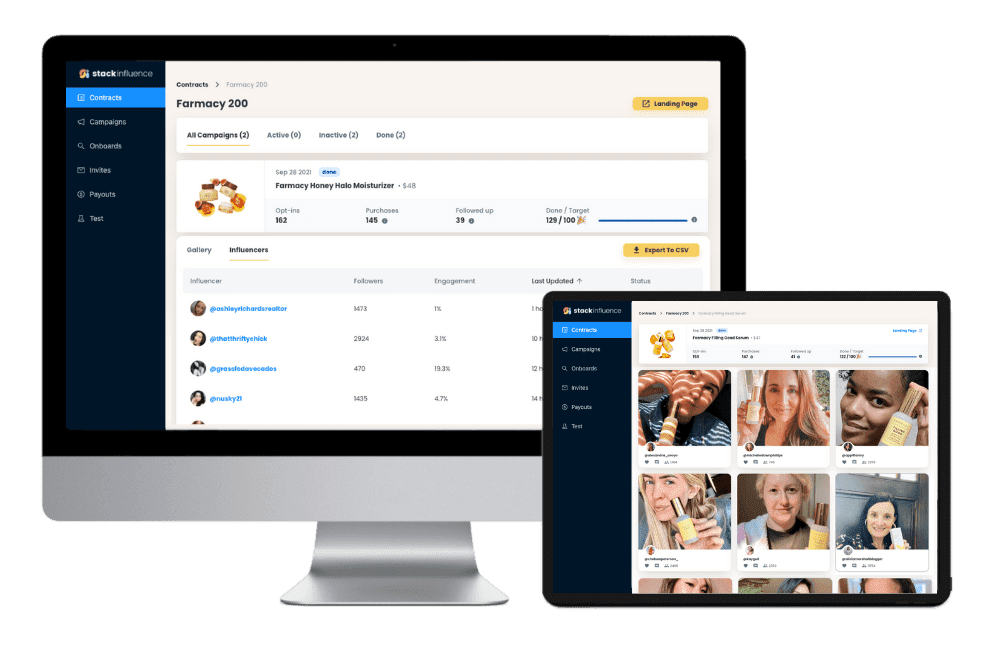
By implementing these steps, brands can successfully transition to a pay-for-performance influencer marketing model that scales. Platforms like Stack Influence, for example, have emerged to help companies manage large networks of micro-influencers and track performance at scale – making it easier to run dozens or hundreds of small influencer collaborations simultaneously. The end result is a marketing engine fueled by genuine content and efficient spending, which is precisely what e-commerce and Amazon sellers need in an increasingly competitive marketplace.
Unlock the Power of Micro Influencers and Elevate your Brand Today!
Conclusion to Why Pay‑for‑Performance Affiliate Deals Are Rising in 2026
Influencer marketing is no longer just about awareness or vanity metrics – it’s about driving real business results. The surge of pay-for-performance affiliate deals in 2026 proves that brands are gravitating toward strategies that deliver a tangible ROI. By partnering with influencers on a performance basis, companies large and small can tap into authentic content creators who act as passionate sales partners rather than just paid endorsers. It’s a powerful shift: instead of pouring budget into one-off sponsored posts, brands are building scalable programs of micro influencers, affiliates, and content creators who only succeed when the brand succeeds.
For e-commerce brands and Amazon sellers, this approach offers a clear path to growth. You gain wider reach through diverse creators, user-generated content that builds trust, and a cost structure that protects your bottom line. Influencers, in turn, get to share products they genuinely like and earn meaningful income as brand affiliates – often developing deeper ties to the businesses they promote. It creates a virtuous cycle of trust and performance. As one industry expert noted, affiliate-style influencer partnerships turn influencers into true brand ambassadors over time, yielding more authentic promotion and better results than any one-off ad campaign could.
In 2026 and beyond, expect pay-for-performance models to become even more standard in influencer marketing. Brands that embrace this trend early will have a competitive edge – enjoying higher conversion rates, more efficient marketing spend, and stronger relationships with the creators who power their sales. If you’re ready to boost your ROI and make every influencer collaboration count, consider weaving pay-for-performance into your strategy. By focusing on outcome-based partnerships, you’ll not only drive more e-commerce sales with less risk, but also transform your influencers into long-term partners in your success. And that’s a performance win worth paying for.

By William Gasner
CMO at Stack Influence
William Gasner is the CMO of Stack Influence, he's a 6X founder, a 7-Figure eCommerce seller, and has been featured in leading publications like Forbes, Business Insider, and Wired for his thoughts on the influencer marketing and eCommerce industries.
Want new articles before they get published? Subscribe to our Awesome Newsletter.
stack up your influence
turning creativity into currency
our headquarters
111 NE 1st St, Miami, FL 33132
our contact info
[email protected]
stack up your influence
turning creativity into currency
our headquarters
111 NE 1st St, 8th Floor
Miami, FL 33132
our contact info



© 2025 Stack Influence Inc
© 2025 Stack Influence Inc