
What Is Influence Mapping? Boosting E‑Commerce ROI in 2025
5th
January, 2026
Influencer Marketing
Amazon Marketplace
Artificial Intelligence
TikTok Tips
Influencer marketing is no longer about one-off posts from a single celebrity. Today’s successful e-commerce brands and Amazon sellers harness networks of micro influencers and content creators to drive sustained growth. What is influence mapping? It’s the strategy behind visualizing those networks – a data-driven way to see who truly influences your target customers and how they’re connected. In this guide, we’ll break down what influence mapping is, why it matters for modern influencer marketing, and how you can use it to amplify UGC (user-generated content) and ROI. By the end, you’ll know how to chart your brand’s own “influence map” to fuel more sales and community trust in 2025.
Understanding Influence Mapping
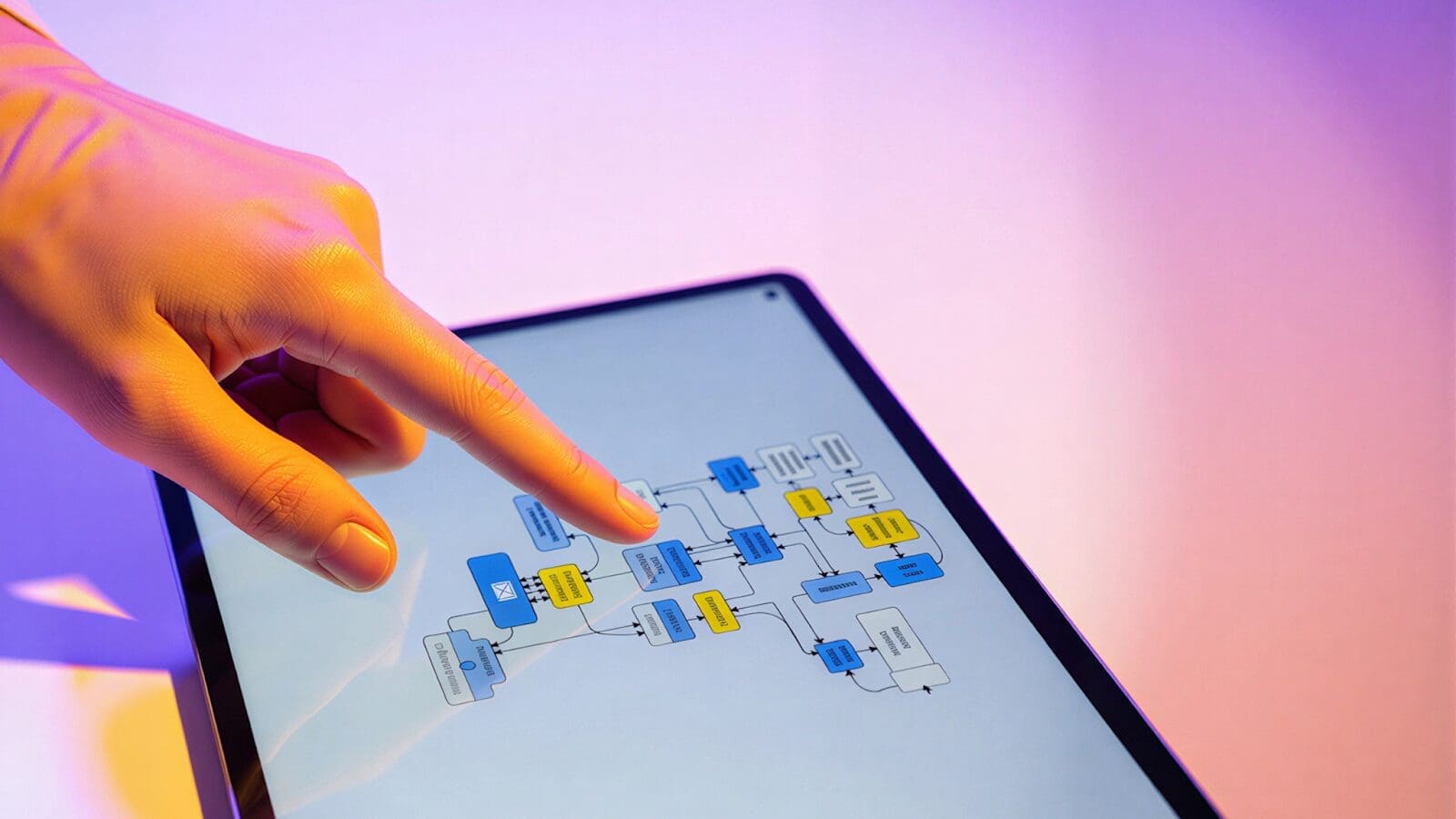
Influence mapping (also called influencer mapping) is the process of identifying and visualizing how key people in a community influence each other and the decisions of your target audience. In other words, it’s a map of influence relationships: who the important influencers are, how they connect, and how their recommendations ripple through an audience. Instead of looking at influencers in isolation, influence mapping treats them as a network or “ecosystem.”
Originally a concept used in B2B sales and project management to map stakeholder influence (think org charts and decision-makers), influence mapping in marketing focuses on social media creators and their communities. Imagine plotting out your niche: you might discover clusters of micro influencers who all know each other, follow similar trends, or share audiences. This influencer map gives a clear visual of “who influences who” in your space. For example, if you sell fitness apparel, an influence map might reveal a tight-knit group of local fitness coaches on Instagram who frequently interact – each of them can impact the same followers with their recommendations.
How Influence Mapping Works: Brands gather data on potential influencers – follower demographics, engagement rates, topics, and even which influencers interact with each other. Using that data, you can chart a network graph of nodes (influencers) and lines (relationships or overlapping audience). Bigger nodes might represent more influential creators, and thicker lines might mean a stronger connection or shared audience. The resulting “map” highlights clusters of influencers that are closely connected and influential. Those clusters are gold mines for marketing: by activating several voices in the same cluster, you create a multiplier effect as their influence reinforces each other’s messages.
Unlock the Power of Micro Influencers and Elevate your Brand Today!
Why Influence Mapping Matters for Brands
Why should e-commerce brands and Amazon sellers care about influence mapping? The short answer: it makes your influencer marketing far more strategic and effective. Instead of guessing which individual influencer might work, you base decisions on a holistic view of your influencer ecosystem. Here are some key benefits of influence mapping:
-
- Find Your True Key Influencers: An influence map helps pinpoint the creators who genuinely sway your target customers, not just those with vanity metrics. By visualizing clusters of persuasive power, you can identify which influencers are at the center of conversations in your niche. This ensures you focus on relevant micro influencers with engaged audiences and cut out the “wrong influencers” who won’t move the needle.
- Multiply Reach through Overlap: Instead of a one-off shoutout, influence mapping lets you create repeated touchpoints across an interconnected network. When several creators in the same circle talk about your brand, their messages reinforce each other. This means a customer might hear about your product multiple times from different trusted voices. In marketing, that’s huge – research shows consumers often need to see a message about seven times before taking action. Mapping out overlapping influencer audiences makes it possible to hit that frequency through organic content. One follower’s exposure to Influencer A today primes them to trust Influencer B’s post tomorrow, and so on, layering exposure until the audience is ready to buy.
- Discover Hidden Audience Segments: As you connect the dots between influencers, you might uncover new niche communities or customer segments you weren’t targeting before. For example, your product might mainly target fitness enthusiasts, but your influence map could reveal a cluster of nutrition coaches who also influence those same people. Tapping into that cluster opens a new market for your brand. Influence mapping can reveal these “hidden” overlaps, helping you extend into new markets or demographics – which ultimately boosts your ROI considerably.
- Better Campaign Precision and ROI: Influence mapping is a data-driven approach, which means you can invest marketing dollars more wisely. By targeting tightly-knit micro influencer communities, brands often see higher engagement and conversion rates per dollar spent. In fact, micro influencer campaigns tend to outperform macro-influencer campaigns on ROI – one report found an average of $6.50 in revenue for every $1 spent on micro influencers, compared to just $2.50 per $1 with macro influencers. That’s because micro influencers bring trusted, niche audiences. Additionally, identifying an “influencer’s influencer” (a creator who other influencers listen to) can spark a cascade of endorsements. Marketing experts note that partnering with these nodal hubs (often micro-scale creators) can deliver 3× higher engagement per dollar than hiring one big celebrity. In short, mapping = better ROI.
- Stronger Trust via Community: Influence maps highlight real communities, not just follower counts. Micro influencers operate like tight-knit community leaders – their followers see them as authentic friends, not unreachable celebs. Surveys show 61% of consumers trust recommendations from micro influencers, versus only 38% trusting macro influencers. By using influence mapping to find these genuine voices, brands build trust and credibility. A recommendation that feels like it’s coming from a peer (multiple times) is far more persuasive than a single paid ad. This community-driven trust is especially valuable in e-commerce, where shoppers rely on social proof and reviews.
- Find Your True Key Influencers: An influence map helps pinpoint the creators who genuinely sway your target customers, not just those with vanity metrics. By visualizing clusters of persuasive power, you can identify which influencers are at the center of conversations in your niche. This ensures you focus on relevant micro influencers with engaged audiences and cut out the “wrong influencers” who won’t move the needle.
In essence, influence mapping flips influencer marketing from a hit-or-miss game into a strategy. You’re not just paying for one-off exposure; you’re building a web of influence that continually amplifies your brand message. For an Amazon seller, this could mean the difference between a product that gets mentioned once and forgotten, and a product that seems to be everywhere in your niche community, driving shoppers to search it on Amazon en masse.
How to Conduct Influence Mapping (Step by Step)
Ready to get practical? Here’s a step-by-step approach to start influence mapping for your brand:
-
- Set Clear Goals and Audience – Begin with defining what you want from an influencer campaign. Is it product sales, sign-ups, content creation (UGC), or brand awareness? Also identify your target customer persona. A clear goal (e.g. increase Amazon store sales by 15% this quarter) and audience focus will guide who should appear on your influence map. Tip: In B2C e-commerce, common goals include boosting conversions or social engagement, while a B2B brand might focus on lead generation – mapping works for both, but know your objective first.
- Research and List Potential Influencers – Next, brainstorm a wide list of influencers relevant to your niche. Look for micro influencers in particular (usually 5K–100K followers) who create content in your domain and have solid engagement. Use social media tools or even manual searches: hashtags, YouTube reviews, TikTok niche communities, etc. Don’t ignore smaller creators; a dozen micro influencers with 5K engaged followers each can outperform one with 100K inactive followers. Some Amazon sellers even find influencers among their own customers – for example, spotting passionate reviewers or people creating content about your product category.
- Shortlist and Qualify the Influencers – Once you have a raw list, filter it down. Evaluate each creator’s relevance and authenticity. Check their content quality, engagement rate (likes/comments relative to followers), and audience demographics. Are their followers the types of consumers you target? Remove anyone with fake-looking engagement or mismatched audiences. At this stage, you might also consider the connections between influencers: do some often tag or mention each other? Do they attend the same events or follow one another? These are hints of existing network clusters. The goal is to select a strong pool of potential influencers who are both on-brand and interconnected in some way.
- Map Out Connections – Now comes the mapping. Gather data on how your shortlisted influencers might overlap. This can include: shared followers percentage, instances of them engaging with each other’s posts, common hashtags or topics, or any known collaborations. For a small list, you can do this in a spreadsheet (e.g., note each pair of influencers that have >10% mutual followers or that often comment on each other). For more complex networks, consider using influencer analytics tools or network mapping software. There are platforms (like Kumu, NodeXL, or specialized influencer tools) that let you input creators and get a visual network graph connecting them. The output might highlight clusters – groups of influencers with a lot of audience overlap or interaction. Those clusters are your influence map’s core structure. Identify which influencers are central nodes in each cluster. For example, you might find that in a beauty category, five YouTubers and Instagrammers form a tight cluster around a “guru” creator who inspired the others – that guru could be a key node.
- Activate, Monitor and Refine – With your map in hand, plan your campaign strategy around it. Instead of one influencer, you might partner with 3–5 from the same cluster for a coordinated push. Have them create content about your product or brand around the same timeframe, so the campaign messages overlap and build on each other. Monitor the results closely: track metrics like referral traffic, sales, engagement lifts, and UGC volume coming from that cluster. Influence mapping is iterative – update your map as you get new data. If you notice a new micro influencer emerging in the community (perhaps a follower of your current partners starts posting great content), add them to the map. Likewise, if some creator’s influence wanes or their content no longer aligns, adjust your strategy. Continually refining the map with real campaign data (comments, shares, conversions attributed) will make your next campaign even better. Over time, you build a living “influencer database” specific to your brand’s ecosystem.
- Set Clear Goals and Audience – Begin with defining what you want from an influencer campaign. Is it product sales, sign-ups, content creation (UGC), or brand awareness? Also identify your target customer persona. A clear goal (e.g. increase Amazon store sales by 15% this quarter) and audience focus will guide who should appear on your influence map. Tip: In B2C e-commerce, common goals include boosting conversions or social engagement, while a B2B brand might focus on lead generation – mapping works for both, but know your objective first.
By following these steps, even a small e-commerce brand can approach influence mapping systematically. It might start on paper or a simple spreadsheet, but it gives structure to your influencer efforts. And as your program grows, this mapping process can be scaled and automated with the right tools.
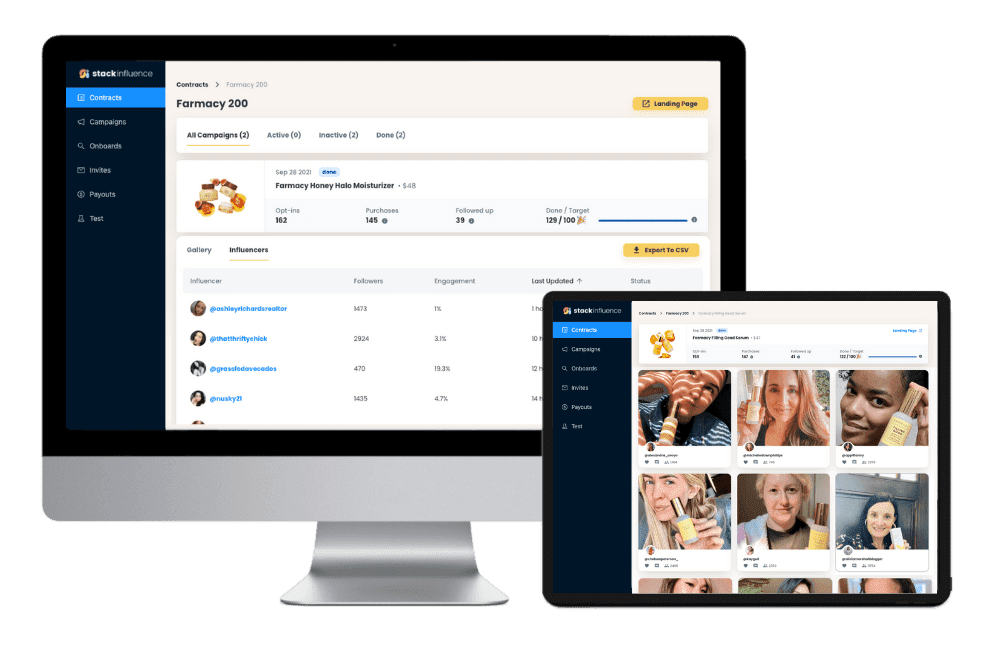
(Side note: Platforms like Stack Influence can streamline much of this process – using algorithms and AI to hyper-target the right micro influencers and even map out their networks. This kind of solution can save time for brands by handling the heavy lifting of discovery and analysis, especially useful if you’re an Amazon seller with limited bandwidth to manually vet hundreds of profiles.)
Best Practices for Influence Mapping Success

Influence mapping is powerful, but to get the most out of it, keep these best practices in mind:
-
- Focus on Quality and Fit: Bigger isn’t always better. Your map should prioritize influencers who truly fit your product and have an authentic connection with their audience. A cluster of smaller creators who are passionate about your niche will outperform a random collection of big names. Ensure the influencers you map align with your brand values and have followers who match your target demographic. Relevance and authenticity are key to content that feels genuine, not forced.
- Leverage Technology and AI: Manually mapping influence can get complex as your network grows. Consider using AI-powered tools to analyze social data and find hidden patterns. Modern platforms can crunch engagement data, follower overlaps, and even detect influencer “pods” or circles for you. For example, AI can highlight key nodes in a network graph automatically, or flag micro influencers who have unusually high impact in a certain community. Embracing these tools can give you a clearer, data-backed picture of the influencer landscape and save you countless hours.
- Encourage UGC and Cross-Engagement: The ultimate goal of influence mapping is to spark a self-sustaining cycle of influence. Encourage your chosen influencers to engage with each other and with user content. Perhaps have them participate in a common challenge or trend featuring your product, so they naturally interact. When influencers in a cluster tag each other or discuss the same campaign, it amplifies reach (each creator’s audience sees multiple voices talking about you). Additionally, make it easy for customers (followers) to create UGC by resharing their posts or running contests. This organic content from regular users can then be fed back into your map analysis – for instance, noting which influencer sparked the most followers to post about your brand. As user-generated content flows in, update your map to spot new micro-influencer advocates emerging.
- Monitor Results and Iterate: Treat your influence map as a living strategy document. After each campaign or initiative, review what happened. Did one cluster drive more sales or traffic than another? Which influencers proved most influential (e.g., had the highest referral conversions or engagement)? Use these insights to refine your map. You might double down on a particularly responsive community, or adjust your list if some influencers didn’t perform as expected. Over time, you’ll build a robust playbook of which networks work best for different goals. This iterative approach ensures that your influencer marketing isn’t static but continuously improving – a must in the fast-changing social media environment.
- Focus on Quality and Fit: Bigger isn’t always better. Your map should prioritize influencers who truly fit your product and have an authentic connection with their audience. A cluster of smaller creators who are passionate about your niche will outperform a random collection of big names. Ensure the influencers you map align with your brand values and have followers who match your target demographic. Relevance and authenticity are key to content that feels genuine, not forced.
By following these best practices, brands can avoid common pitfalls like chasing only follower count, or sticking with an outdated list of influencers. Influence mapping is not a one-time task; it’s an ongoing strategy. When done right, it becomes a competitive advantage – you’ll have insider knowledge of the social structure of your market that competitors may not. In 2025 and beyond, as social platforms evolve and niches splinter off, having a finger on the pulse of who influences your customers (and how) will be invaluable for sustained e-commerce success.
Unlock the Power of Micro Influencers and Elevate your Brand Today!
Conclusion to What Is Influence Mapping
Influence mapping is more than a buzzword – it’s a 2025 playbook for smarter influencer marketing. By answering “what is influence mapping,” we’ve seen that it’s about charting the relationships and communities that drive consumer decisions. For e-commerce brands and Amazon sellers, this approach turns influencer marketing into a science: you identify real influence networks, tap into the trust of micro influencers, and amplify your message through interconnected voices. The result is authentic brand exposure that leads to higher engagement and ROI, not just vanity metrics.
As you plan your next marketing campaigns, consider taking a mapping mindset. Instead of asking “Which single influencer should we hire?”, ask “Which group of voices moves our niche?” Then map it out and build a strategy around that insight. Whether you use DIY research or partner with a platform like Stack Influence to guide you, the effort will pay off in more efficient and impactful campaigns. In an era where consumers crave genuine connections and social proof, influence mapping helps your brand show up in the right conversations, at the right frequency, via people audiences already trust.

By William Gasner
CMO at Stack Influence
William Gasner is the CMO of Stack Influence, he's a 6X founder, a 7-Figure eCommerce seller, and has been featured in leading publications like Forbes, Business Insider, and Wired for his thoughts on the influencer marketing and eCommerce industries.
Want new articles before they get published? Subscribe to our Awesome Newsletter.
stack up your influence
turning creativity into currency
our headquarters
111 NE 1st St, Miami, FL 33132
our contact info
[email protected]
stack up your influence
turning creativity into currency
our headquarters
111 NE 1st St, 8th Floor
Miami, FL 33132
our contact info



© 2025 Stack Influence Inc
© 2025 Stack Influence Inc