
How to Reach Out to Influencers
29th
Amazon Influencers
Influencer Marketing
Amazon Marketplace
Introduction
In today’s competitive landscape, reaching out to influencers as a brand is not just a trend but a strategic imperative for achieving marketing goals effectively.
Influencer collaborations offer brands unparalleled opportunities to amplify their message, build credibility, and connect authentically with targeted audiences.
By identifying influencers whose values align with their own and leveraging platforms like Stack Influence to streamline the selection process, brands can ensure their campaigns resonate with the right demographics.
These partnerships not only enhance brand visibility but also cultivate genuine relationships that drive engagement and foster long-term customer loyalty. Emphasizing the importance of proactive outreach underscores a brand’s commitment to staying relevant, trusted, and influential in an increasingly digital world.
Step 1: Define Your Goals and Audience
Defining clear goals and understanding your target audience are foundational steps in successful influencer outreach. Before reaching out to influencers, it’s crucial to articulate what you aim to achieve through the collaboration and who you want to reach.
Define Your Goals
Start by identifying the specific objectives you want to accomplish through influencer marketing. These goals could include:
Increasing Brand Awareness:
Influencer marketing is highly effective in boosting brand visibility. Research indicates that 63% of consumers trust influencer messages more than brand advertisements, making it a powerful tool for increasing brand awareness ([source](https://www.bigcommerce.com/blog/influencer-marketing-statistics/#63-of-consumers-trust-influencers-more-than-brand-messages)).
Driving Sales:
Influencers have the ability to drive purchases among their followers. A BigCommerce study found that 22% of marketers consider influencer marketing to be the most cost-effective method for acquiring new customers.
Promoting a Product Launch:
Influencers can generate excitement and anticipation around product launches. Nearly 50% of consumers rely on influencer recommendations when making purchase decisions according to Big Commerce.
Building Brand Credibility:
Collaborating with influencers can enhance brand credibility. According to Meltwater, 90% of marketers believe influencer partnerships help create authentic storytelling around their brand.
Understand Your Target Audience

To effectively reach your goals, you must have a deep understanding of your target audience. Consider the following aspects:
Demographics:
Understanding demographics such as age, gender, location, and income level is crucial.
Interests and Values:
Aligning with the interests and values of your target audience enhances engagement.
Behavioral Insights:
Analyzing consumer behavior provides valuable insights for influencer selection. According to Charle.co.uk 78% of marketers find influencer-generated content to be effective or very effective for driving engagement.
By clearly defining your goals and understanding your target audience, you set a solid foundation for identifying the right influencers and crafting compelling partnerships that resonate with your audience.
Step 2: Identify Relevant Influencers and Use Stack Influence
Identifying the right influencers is crucial for the success of your influencer marketing campaign. Here’s how you can effectively identify relevant influencers:
Define Criteria for Relevance
To find influencers who align with your brand and campaign objectives, consider the following criteria:
Audience Demographics:
Look for influencers whose audience demographics match your target market.
Engagement Rate:
High engagement rates indicate active and loyal followers. According to Influencer Marketing Hub, micro-influencers (those with 10k-100k followers) often have higher engagement rates compared to macro-influencers or celebrities.
Content Quality:
Assess the quality and relevance of an influencer’s content. According to Social Media Today 92% of marketers believe content authenticity is the most important attribute when selecting influencers.
Brand Alignment:
Choose influencers whose values align with your brand’s values. This alignment enhances authenticity and credibility, crucial factors for effective influencer partnerships.
Use Influencer Marketing Tools
Utilize influencer marketing platforms and tools to streamline your search process:
Influencer Databases:
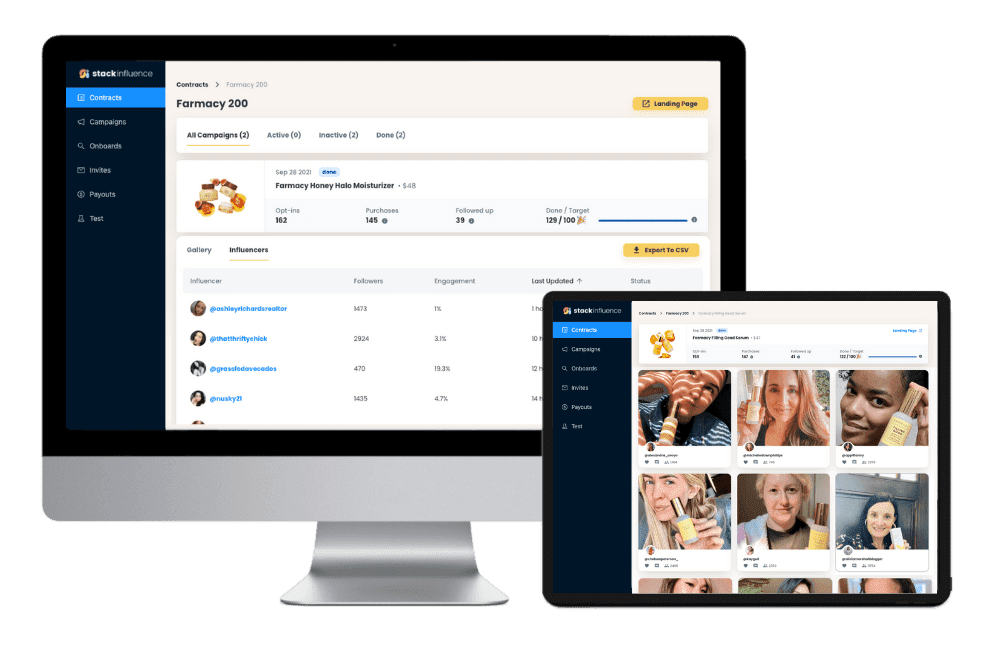
Platforms like Stack Influence provide databases of influencers categorized by niche, audience size, and engagement metrics.
Social Listening Tools:
Tools such as Brandwatch allow you to monitor conversations and identify potential influencers based on relevant hashtags and keywords.
Analytics Platforms:
Social media platforms like Instagram and YouTube offer built-in analytics tools that provide insights into an influencer’s audience demographics, engagement rates, and content performance.
Evaluate Influencer Performance
Before reaching out, assess an influencer’s performance using quantitative and qualitative metrics:
Engagement Metrics:
Analyze metrics such as likes, comments, shares, and saves to gauge an influencer’s engagement with their audience.
Reach and Impressions:
Consider an influencer’s reach (number of followers) and impressions (number of views) to estimate campaign reach.
ROI Potential:
Calculate potential ROI by considering the influencer’s rates and estimated campaign impact. According to Charle.co.uk, on average, businesses earn $5.20 for every $1 spent on influencer marketing, showcasing its potential return.
Stack Influence:

Utilizing platforms like Stack Influence is essential for brands looking to harness the power of influencer marketing effectively.
Stack Influence offers robust databases that categorize influencers by niche, audience size, and engagement metrics, ensuring brands can find influencers who authentically resonate with their target demographics.
By leveraging advanced tools and analytics provided by Stack Influence, brands can streamline the influencer identification process, optimize campaign strategies, and maximize ROI. This approach not only enhances brand visibility but also cultivates meaningful connections with audiences through trusted influencers, driving engagement and conversions.”
This addition highlights Stack Influence‘s capabilities in influencer identification and underscores its value in optimizing influencer marketing campaigns for brands seeking impactful and measurable results
By systematically evaluating influencers based on these criteria and utilizing advanced tools, you can identify the most relevant influencers who can effectively amplify your brand message to the right audience.
Unlock the Power of Micro Influencers and Elevate your Brand Today!
Step 3: Build Relationships
Building strong relationships with influencers is essential for successful influencer marketing campaigns. Here’s how to cultivate meaningful connections:
Engage Authentically
Engage with influencers authentically to establish rapport and mutual understanding:
Comment and Share:
Interact with influencers’ posts by commenting thoughtfully and sharing their content.
Offer Value:
Provide value to influencers by sharing relevant industry insights, offering exclusive previews of new products, or inviting them to participate in brand events or campaigns.
Personalize Outreach
Personalize your outreach efforts to demonstrate genuine interest in collaborating:
Customized Pitches:
Craft personalized pitches that align with an influencer’s interests and past collaborations.
Acknowledge Their Work:
Acknowledge an influencer’s previous work and achievements to show you’ve done your research and value their contributions.
Establish Trust and Transparency
Build trust and transparency to foster long-term partnerships:
Clear Expectations:
Clearly communicate campaign objectives, deliverables, timelines, and compensation to manage expectations effectively.
Honest Communication:
Be transparent about your brand’s values, goals, and any potential challenges to build trust with influencers. According to Sprout Social, 81% of influencers prioritize transparency when working with brands.
Nurture Ongoing Relationships
Maintain ongoing communication and support to nurture relationships:
Regular Check-ins:
Schedule regular check-ins to discuss campaign progress, provide feedback, and address any concerns or questions.
Long-term Partnerships:
Consider long-term partnerships with influencers to create consistent, authentic content that resonates with their audience over time. According to the Digital Marketing Institute, 71% of marketers believe long-term partnerships with influencers are more effective than one-off campaigns.
Measure and Optimize
Measure the success of influencer collaborations and optimize strategies for future campaigns:
Performance Metrics:
Use analytics tools to track key performance indicators (KPIs) such as engagement rates, click-through rates, conversions, and ROI.
Feedback Loop:
Gather feedback from influencers on campaign performance and their audience’s response to refine future strategies.
By focusing on authenticity, personalization, trust, ongoing support, and performance measurement, brands can build strong relationships with influencers that drive successful influencer marketing campaigns.
Step 4: Craft Personalized Outreach Messages
Crafting personalized outreach messages is essential to capture an influencer’s attention and demonstrate your brand’s genuine interest in collaboration. Here’s how to tailor your outreach:
4.1 Research and Customize
Research Influencer Content:
Before reaching out, thoroughly research an influencer’s content, style, audience demographics, and past collaborations. Personalizing your message based on this information shows that you value their work and understand their audience.
Customize Messaging:
Tailor your outreach messages to align with an influencer’s interests, values, and previous content partnerships. According to Influencer Intelligence, personalized pitches are preferred by influencers over generic ones.
Highlight Mutual Benefits
Focus on Mutual Goals:
Clearly articulate how collaborating with your brand aligns with an influencer’s content strategy and audience interests. Emphasize the potential benefits such as access to exclusive products, brand events, or opportunities to create engaging content.
Statistics on Effectiveness:
Influencer marketing campaigns that are well-targeted and personalized can achieve high engagement rates.
Be Clear and Concise
Clarity in Communication:
Clearly outline the collaboration details, including campaign objectives, deliverables, timelines, compensation structure, and any contractual terms. This helps manage expectations and avoids misunderstandings.
Preferential Communication:
Influencers prefer clear communication that outlines expectations and deliverables upfront. This transparency helps build trust and ensures a smooth collaboration process.
Establish Authenticity
Authenticity and Transparency:
Highlight your brand’s values, mission, and commitment to authenticity.
Statistics on Trust:
Influencer partnerships that are perceived as authentic and aligned with an influencer’s values tend to resonate more with their audience, leading to higher engagement and trust.
Follow Up Professionally
Timely Follow-up:
After sending the initial outreach message, follow up with influencers who haven’t responded within a reasonable timeframe. This shows persistence and dedication to building a relationship.
Statistics on Follow-up:
Following up can significantly increase response rates. According to Hubspot, sending a follow-up email within 48 hours of the initial outreach can increase response rates by 30% or more.
Crafting personalized outreach messages involves thorough research, customization based on influencer preferences and content, clarity in communication, emphasis on mutual benefits, and timely follow-up.
By implementing these strategies, brands can increase their chances of forging successful partnerships with influencers that drive engagement and achieve campaign goals.
Step 5: Offer Value
Providing tangible value to influencers is essential for establishing mutually beneficial partnerships. Here’s how to offer value:
Provide Compensation and Benefits
Fair Compensation:
Offer competitive compensation aligned with an influencer’s reach, engagement rates, and content quality. Compensation can include monetary payment, free products, exclusive discounts for their followers, or other incentives.
Showcase Exclusive Opportunities
Exclusive Access:
Provide influencers with exclusive access to new products, events, or behind-the-scenes experiences. This can enhance their content quality and provide unique value to their audience.
Support Content Creation
Creative Freedom:
Allow influencers creative freedom to align campaign content with their unique style and audience preferences. This fosters authenticity and increases engagement rates.
Effectiveness of Creative Freedom:
Campaigns that allow influencers creative freedom achieve higher engagement rates and authentic content resonates more with audiences and drives purchase decisions.
Collaborate Long-term
Long-term Partnerships:
Build long-term relationships with influencers based on trust and mutual benefit. Long-term partnerships often result in higher ROI, as influencers become more familiar with the brand and its values.
ROI of Long-term Partnerships:
Building sustained relationships can lead to consistent brand advocacy and loyalty among influencers.
Measure and Optimize
Performance Metrics:
Measure campaign performance using relevant metrics such as reach, engagement, click-through rates, and conversions. Use data-driven insights to optimize future campaigns and maximize ROI.
Importance of Metrics:
89% of marketers consider measuring ROI from influencer marketing campaigns crucial for success according to Charle.co.uk. Data-driven optimization helps refine strategies and improve campaign effectiveness over time.
By offering influencers fair compensation, exclusive opportunities, creative freedom, fostering long-term collaborations, and leveraging data-driven optimization, brands can provide substantial value that resonates with influencers and their audiences. These strategies enhance campaign effectiveness, drive engagement, and build authentic brand advocacy through influencer partnerships.
Step 6: Negotiate Terms

Negotiating terms with influencers is crucial to ensure both parties are aligned on expectations and deliverables. Here’s how to navigate this process effectively:
Establish Clear Expectations
Define Deliverables:
Clearly outline what the influencer is expected to deliver, including the number of posts, type of content (e.g., Instagram posts, YouTube videos, blog articles), key messages, and campaign timeline.
Importance of Clarity:
Clear expectations minimize misunderstandings and ensure campaign goals are met.
Determine Compensation and Benefits
Negotiate Fair Compensation:
Discuss compensation based on the influencer’s reach, engagement rates, content quality, and campaign deliverables. Compensation can include monetary payment, free products, or other incentives.
Statistics on Compensation:
60% of influencers prefer to be compensated with cash, followed by free products (35%) and affiliate links (5%) according to Influencer Marketing Hub. Fair compensation reflects the influencer’s value and dedication to the campaign.
Include Performance Metrics
Performance-Based Agreements:
Consider performance-based agreements tied to key metrics such as reach, engagement, click-through rates, conversions, and ROI. This aligns incentives and ensures accountability.
Clarify Rights and Usage
Content Usage Rights:
Specify how the brand can use the influencer’s content (e.g., reposting on brand channels, usage duration, exclusivity rights). Ensure terms comply with copyright laws and protect both parties’ interests.
Legal Compliance:
According to Influencer Marketing Hub, 76% of influencers are aware of FTC guidelines requiring disclosure of partnerships with brands. Clear usage rights and compliance with regulations foster transparency and trust.
Document the Agreement
Written Contracts:
Formalize agreements in written contracts detailing all negotiated terms, obligations, and legal provisions. Contracts protect both parties and provide a reference point in case of disputes.
Contractual Agreements:
According to Big Commerce, 84% of influencer campaigns involve a formal contract or agreement outlining terms and conditions. Written contracts mitigate risks and ensure accountability throughout the partnership.
Build Relationships
Maintain Open Communication:
Foster ongoing communication and transparency throughout the partnership. Building a positive rapport strengthens relationships and encourages future collaborations.
Relationship Building:
Nurturing relationships enhances campaign authenticity and influencer advocacy.
Negotiating terms effectively involves establishing clear expectations, fair compensation, performance metrics, usage rights, written agreements, and fostering positive relationships. These strategies optimize influencer partnerships, drive campaign success, and maximize ROI, ensuring mutually beneficial collaborations for brands and influencers alike.
Unlock the Power of Micro Influencers and Elevate your Brand Today!
Step 7: Provide Clear Guidelines
Providing clear guidelines is essential for ensuring influencers understand brand expectations and deliver content that aligns with the campaign objectives. Here’s how to effectively communicate guidelines:
Define Brand Voice and Messaging
Brand Consistency:
Clearly articulate your brand’s voice, values, and messaging guidelines to maintain consistency across influencer content. Consistent branding increases brand recognition and consumer trust.
Importance of Consistency:
According to Linearity, 77% of marketers believe maintaining consistent brand identity across all channels is crucial for building brand credibility. Clear brand guidelines help influencers accurately represent your brand’s identity and resonate with the target audience.
Content Requirements and Formats
Content Specifications:
Outline specific content requirements such as preferred formats (e.g., Instagram posts, YouTube videos, blog articles), hashtags, mentions, and call-to-actions (CTAs). Provide examples of past successful campaigns for reference.
Preferred Content Types:
Video content has an audience reach of 92% worldwide according to the Social Shephard. Clear content requirements ensure influencers produce engaging and impactful content tailored to your campaign goals.
Disclosure and Transparency
FTC Compliance:
Educate influencers on FTC guidelines requiring disclosure of sponsored content to maintain transparency with their audiences. Ensure influencers use proper disclosure labels (e.g., #ad, #sponsored) in accordance with regulatory requirements.
Timeline and Deadlines
Campaign Timelines:
Set clear timelines for content creation, review, and publication to ensure campaign milestones are met. Provide sufficient lead time for influencers to create high-quality content aligned with your brand’s schedule.
Timely Execution:
90% of marketers believe meeting deadlines is crucial for successful influencer partnerships according to Rock Content. Defined timelines streamline workflow and maximize campaign effectiveness.
Feedback and Collaboration
Feedback Loop:
Establish an open feedback loop for constructive communication between brands and influencers. Provide feedback on content drafts promptly and offer suggestions for optimization based on campaign goals.
Collaborative Approach:
Collaborative guidelines foster creativity and enhance content relevance.
Legal and Ethical Considerations
Legal Clarity:
Address legal considerations such as intellectual property rights, usage permissions, exclusivity clauses, and confidentiality agreements in influencer contracts. Ensure compliance with local and international laws.
Legal Protection:
84% of influencer campaigns involve formal contracts outlining legal terms and conditions to protect both parties according to Big Commerce. Legal clarity mitigates risks and safeguards brand reputation.
Providing clear guidelines empowers influencers to create authentic and impactful content that resonates with their audiences while aligning with your brand’s identity and campaign objectives. These strategies optimize influencer partnerships, enhance content quality, and drive measurable results, ensuring successful collaborations that benefit both brands and influencers.
Step 8: Monitor and Support
Monitoring and supporting influencers throughout the campaign duration is crucial for ensuring alignment with brand objectives and maximizing campaign effectiveness. Here’s how to effectively manage this step:
Real-time Monitoring
Performance Metrics:
Continuously monitor key performance indicators (KPIs) such as engagement rates, reach, click-through rates (CTR), and conversion rates to evaluate campaign performance in real-time.
Importance of Monitoring:
Real-time monitoring allows brands to make data-driven decisions and adjust strategies promptly to maximize ROI.
Engagement and Interaction
Audience Interaction:
Monitor influencer posts for audience comments, questions, and feedback. Encourage influencers to actively engage with their followers to foster authentic conversations around your brand.
Enhanced Engagement:
Monitoring audience interactions helps gauge campaign resonance and identify opportunities for further engagement.
Content Optimization
Performance Analysis:
Analyze content performance based on qualitative and quantitative metrics. Identify top-performing content formats, themes, and messaging strategies to optimize future campaigns.
Optimizing Content:
According to Big Commerce, 71% of marketers optimize influencer content based on performance data to improve campaign effectiveness. Content optimization ensures ongoing relevance and resonance with target audiences.
Provide Ongoing Support
Influencer Support:
Offer ongoing support to influencers throughout the campaign. Address queries promptly, provide additional resources or materials as needed, and maintain open communication channels.
Supportive Partnerships:
Influencers value brands that provide ongoing support and resources, enhancing collaboration satisfaction and campaign success. Supportive relationships foster trust and loyalty, driving long-term partnerships.
Performance Reporting
Campaign Reporting:
Compile comprehensive campaign reports highlighting key insights, achievements, and learnings. Share performance metrics and ROI data with influencers to demonstrate campaign impact and foster transparency.
Performance Transparency:
Transparent reporting strengthens relationships and facilitates strategic discussions for future collaborations.
Adjust and Iterate
Iterative Approach:
Use insights gathered from monitoring to refine campaign strategies and iterate on future influencer collaborations. Implement learnings to optimize tactics and improve overall campaign outcomes.
Continuous Improvement:
Continuous improvement drives innovation and ensures relevance in evolving market landscapes.
Monitoring and supporting influencers throughout the campaign lifecycle empowers brands to maximize ROI, enhance engagement, and foster long-term partnerships. These strategies facilitate proactive campaign management, data-driven decision-making, and continuous optimization for impactful influencer marketing initiatives.
Step 9: Measure Results
Measuring the results of influencer marketing campaigns is crucial for assessing performance, demonstrating ROI, and informing future strategies. Here’s how to effectively measure and analyze campaign outcomes:
Key Performance Indicators (KPIs)
Engagement Metrics:
Track metrics such as likes, comments, shares, and saves on influencer posts to gauge audience interaction and campaign resonance.
Importance of Engagement:
Engagement rates on influencer content can be up to 8 times higher than traditional branded content, indicating stronger audience connection and potential for virality according to Digital Marketing Institute.
Reach and Impressions:
Measure the reach and impressions generated by influencer content to assess brand exposure and audience reach.
Reach Impact:
Influencer collaborations can expand brand reach by reaching niche audiences that brands might not access through traditional marketing channels.
Conversion Rates:
Analyze conversion rates and sales attributed to influencer-driven traffic to evaluate campaign effectiveness in driving conversions and revenue.
Conversion Impact:
Influencer marketing campaigns can drive up to 11 times higher ROI compared to traditional advertising methods, highlighting their effectiveness in driving purchase intent and conversions according to Influencer Marketing Hub.
Brand Sentiment and Awareness
Brand Sentiment Analysis:
Monitor sentiment around the brand before, during, and after the influencer campaign to gauge shifts in brand perception and sentiment.
Impact on Brand Sentiment:
78% of marketers believe influencer partnerships help improve brand perception and sentiment among target audiences according to Charle.uk.co.
Awareness Metrics:
Measure brand mentions, hashtag usage, and organic mentions to track campaign-generated buzz and increase in brand awareness.
Return on Investment (ROI)
ROI Calculation:
Calculate ROI by comparing campaign costs (including influencer fees and campaign expenses) with the generated revenue or other predefined goals (like increased website traffic or social media followers).
ROI Effectiveness:
Influencer marketing ROI can be substantial, with some campaigns generating $6.50 for every $1 spent, underscoring its cost-effectiveness and profitability according to Influencer Marketing Hub.
Data Analysis and Reporting
Comprehensive Reporting:
Compile comprehensive reports detailing campaign performance, key insights, and actionable recommendations for future influencer collaborations.
Iterative Improvement:
Use data-driven insights to iterate and optimize future influencer marketing strategies, leveraging successes and addressing areas for improvement.
Continuous Optimization:
71% of marketers optimize influencer content and strategies based on campaign data, driving ongoing improvement and performance enhancement according to Social Bakers.
Measuring influencer marketing results empowers brands to assess campaign impact, justify investment, and refine strategies for future success. By focusing on engagement, reach, conversions, brand sentiment, and ROI, brands can maximize the effectiveness of influencer partnerships and drive tangible business outcomes.
Step 10: Nurture Long-Term Relationships
Building enduring relationships with influencers can amplify brand advocacy, enhance campaign effectiveness, and foster mutual growth. Here’s how to cultivate and maintain long-term partnerships:
Consistent Communication and Support
Regular Engagement:
Maintain open lines of communication with influencers beyond campaign periods. Regularly engage with them through social media interactions, emails, or virtual meetings to foster rapport and demonstrate ongoing support.
Provide Resources:
Offer influencers the tools, resources, and information they need to create compelling content aligned with brand values and campaign objectives.
Resource Support Impact:
According to Digital Marketing Institute, 53% of influencers say access to high-quality brand resources and support enhances content quality and campaign effectiveness ([source](https://www.socialbakers.com/blog/influencer-marketing/why-engage-influencer-marketing)).
Recognition and Appreciation
Acknowledge Contributions:
Recognize and appreciate influencers for their contributions and impact on brand success. Highlight their achievements, celebrate milestones, and publicly acknowledge their efforts.
Impact of Recognition:
According to Research Gate, 68% of influencers value brands that recognize their contributions and efforts, fostering loyalty and commitment to long-term collaborations.
Collaborative Campaign Planning
Co-Creation Opportunities:
Involve influencers in campaign ideation, planning, and strategy discussions. Collaborate on content creation, creative direction, and campaign execution to align brand messaging with influencer authenticity.
Mutual Growth and Benefits
Long-Term Partnerships:
Cultivate relationships based on mutual trust, transparency, and shared objectives. Prioritize influencers who align with brand values and demonstrate a commitment to long-term collaboration.
Performance Evaluation and Feedback
Continuous Evaluation:
Regularly assess influencer performance, campaign impact, and audience response. Provide constructive feedback and actionable insights to optimize future collaborations and improve campaign outcomes.
Long-Term Relationship Benefits
By nurturing long-term relationships with influencers, brands can enhance brand advocacy, increase campaign effectiveness, and foster sustainable growth. Prioritizing consistent communication, mutual recognition, collaborative planning, and performance evaluation builds strong partnerships that drive meaningful results and lasting impact.
Conclusion
Navigating the world of influencer marketing requires brands to embrace a strategic approach that begins with proactive outreach to relevant influencers.
By leveraging platforms like Stack Influence to identify partners whose audience demographics and values align closely with theirs, brands can effectively amplify their message and enhance brand credibility. This approach not only boosts visibility but also fosters genuine connections that resonate with consumers on a personal level.
Emphasizing the importance of reaching out to influencers underscores a brand’s commitment to staying innovative and responsive in today’s dynamic marketplace.
Ultimately, by forging meaningful partnerships and harnessing the power of influencer collaboration, brands can drive engagement, achieve campaign objectives, and cultivate lasting relationships that drive sustainable growth and success.
Want new articles before they get published?
Subscribe to our Awesome Newsletter.
Want new articles before they get published? Subscribe to our Awesome Newsletter.
stack up your influence
turning creativity into currency
our headquarters
111 NE 1st St, Miami, FL 33132
our contact info
[email protected]
stack up your influence
turning creativity into currency
our headquarters
111 NE 1st St, 8th Floor
Miami, FL 33132
our contact info



© 2025 Stack Influence Inc
© 2025 Stack Influence Inc