
Faceless YouTube Channel Ideas for 2025: No Face, Big Impact
17th
December, 2025
Influencer Marketing
Amazon Marketplace
Artificial Intelligence
TikTok Tips
You don’t need to be on-camera to build a YouTube empire. In fact, faceless YouTube channels are booming. On TikTok, over 200,000 posts tagged #Faceless have amassed 1.1 billion views, proving the massive audience appetite for content that doesn’t rely on a personality’s face. 2025 is the year content creators – from newcomers to seasoned micro influencers – are doubling down on creative no-camera formats to grow their channels. In this guide, we’ll explore Faceless YouTube Channel Ideas for 2025 that can spark your creativity and help you thrive without ever stepping in front of a camera. You’ll learn why faceless channels are trending, discover a variety of video formats (animation, voiceover, screen share, ambient videos, etc.), get practical tips and tool suggestions, and see how even micro influencers leverage these ideas for influencer marketing success. Let’s dive in!
Why Go “Faceless”? – The Appeal of No-Camera Content in 2025

Going faceless on YouTube comes with unique benefits and is quickly becoming a mainstream strategy for creators. Here’s why faceless channels are thriving in 2025:
-
- Broad Audience Appeal: Faceless creators put content over personality. This style has global, cross-demographic appeal because it’s detached from personal identity. Viewers focus on the story, information, or visuals – not the vlogger’s appearance. This neutrality can draw in diverse audiences who care about value and aesthetics rather than celebrity.
- Authenticity & UGC Vibes: In an era that prizes authenticity, faceless videos often feel like user-generated content (UGC) – genuine and relatable. Audiences can imagine themselves in the content more easily when a specific person isn’t on screen. The result? Higher relatability and engagement. Many faceless creators share personal passions (cooking, gaming, teaching) in a way that feels community-driven.
- Privacy and Creative Freedom: Some creators are camera-shy or simply value their privacy. Faceless formats let you maintain anonymity and avoid being judged on looks. This approach allows more creative freedom in storytelling and visual style, with fewer worries about personal branding. It also sidesteps potential harassment that on-camera influencers often face, making content creation less stressful.
- Easier Scaling & Outsourcing: Without a face on screen, content can be produced more modularly. You can script narrations, use stock footage or animations, and even outsource parts of production. In fact, some entrepreneurs run multiple faceless channels as a business. They churn out videos using AI tools and teams behind the scenes – treating YouTube more like a content network than a personal vlog. This scalability has led to cases of creators operating dozens of faceless channels and earning substantial revenue.
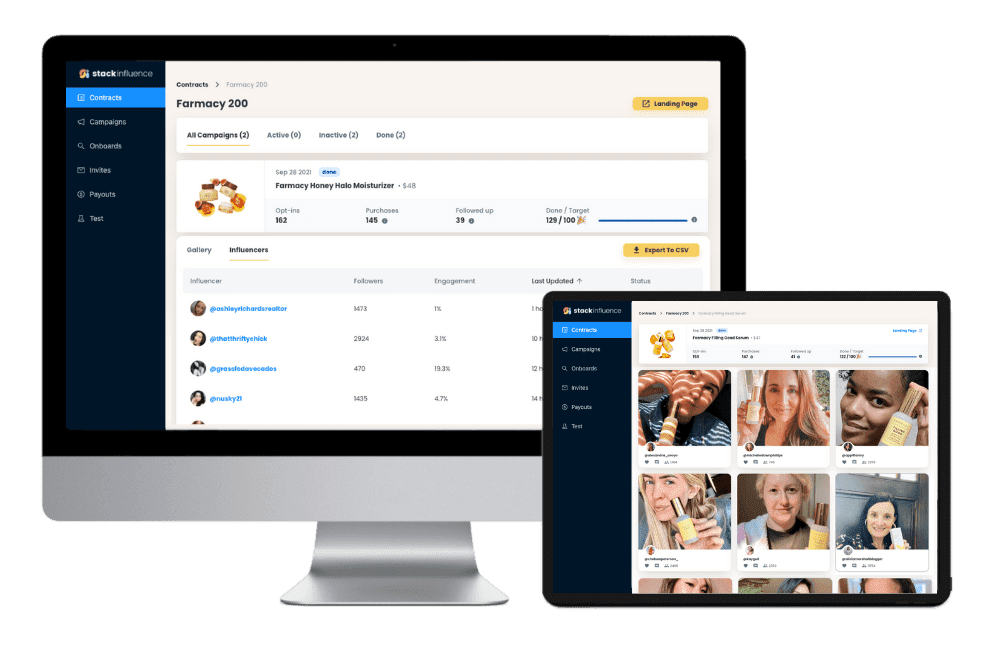
- Influencer Marketing Friendly: Brands are increasingly comfortable working with faceless creators. Content is king, and if your videos engage a niche audience, sponsors will take note. “We have seen a huge uptick in brand collaborations with faceless creators,” notes one influencer marketing agency, especially for product-focused videos where the item (not a personality) takes center stage. This means you can become a micro influencer in your niche and still land sponsorships or free products, even if viewers never see your face. Platforms like Stack Influence – a micro-influencer marketing platform – even specialize in connecting brands with creators (including faceless ones) to share authentic UGC-style promotions.
- High Engagement in Niches: Faceless channels often zero in on specific niches (tech hacks, cooking, meditation, etc.). As a result, they cultivate highly engaged communities. Micro influencers with focused, faceless channels can actually drive higher engagement rates than massive channels. For example, one 2025 study found micro-influencers (~10k–50k followers) deliver about 1.8% engagement, outperforming larger creators. Brands value this engagement and authenticity, which further boosts the monetization potential of faceless content creators.
- Broad Audience Appeal: Faceless creators put content over personality. This style has global, cross-demographic appeal because it’s detached from personal identity. Viewers focus on the story, information, or visuals – not the vlogger’s appearance. This neutrality can draw in diverse audiences who care about value and aesthetics rather than celebrity.
In short, going faceless lets you create on your own terms. You can protect your privacy, emphasize substance over style, and tap into influencer marketing opportunities without a personal brand persona. Now, let’s look at exactly what types of faceless content are working on YouTube in 2025.
Unlock the Power of Micro Influencers and Elevate your Brand Today!
Creative Faceless YouTube Channel Ideas for 2025
Faceless content is not one-size-fits-all – there are many formats to choose from. Below is a quick comparison of popular faceless YouTube video formats and what they involve. These ideas require no on-camera presence, just creativity and consistency:
| Faceless Video Format | What It Involves | Examples / Tips |
| Animated Explainers | Cartoons or motion graphics tell a story or explain a concept, with narration. | Educational stories (e.g. science, history) using tools like Animaker or Adobe After Effects. |
| Voiceover & B-Roll Videos | Narration over stock footage, images, or slides – no presenter on screen. | Listicles (Top 10 videos), documentary-style explainers, or product reviews showing the item up close. Use a good mic for audio clarity. |
| Screen Recordings | Capturing your screen while you do something, often with a voiceover guide. | Tutorials (software how-tos, coding sessions) or gameplay with commentary. Use tools like OBS for recording. |
| Ambient/Background Content | Relaxing visuals with music or natural sounds; minimal or no narration. | Lo-fi music mixes, nature soundscapes, meditation guides with on-screen text. Great for long watch times – ensure audio loops smoothly. |
| Hands-On Demonstrations | Show hands or over-the-shoulder perspective performing tasks, not your face. | Cooking recipes, DIY crafts, art tutorials, unboxings. Focus camera on the activity; you can voiceover or use captions to explain steps. |
These formats illustrate that faceless videos can be just as engaging as face-camera vlogs. Now, let’s dive deeper into each category with detailed inspiration and tips:
1. Animated and Illustrated Videos (Storytelling without a Face)
Animated explainer channels like Kurzgesagt captivate audiences with colorful visuals and clear narration – all without any presenter on screen.
Animation is a powerful way to deliver information or stories on YouTube while remaining faceless. In this format, you create or compile visuals – cartoons, motion graphics, whiteboard drawings, or even simple slide presentations – and pair them with a voiceover or text to tell a narrative. Some successful faceless channels use full 2D/3D animation to explain science, history, or fictional stories in an entertaining way. Others use simpler illustrated styles (think infographic animations or whiteboard sketches) to break down complex ideas.
-
- Animated Explainer Channels: Educational YouTube channels often thrive with animation. For example, whiteboard explainer videos turn dense topics into doodle drawings with a narrator guiding the viewer. This format is perfect for teaching concepts in economics, psychology, or technology in a simplified manner. Using software like VideoScribe or Doodly, you can create those fun hand-drawn animations that keep viewers hooked. Cartoon storytelling is another approach – you could create a series of animated shorts narrating myths, historical events, or personal development tips. Viewers love these because they’re visually engaging and easily digestible, and animation lets your creativity shine without ever showing your face.
- Tools and Tips: You don’t need Disney-level animation skills. There are beginner-friendly tools like Animaker, Powtoon, or Animoto that offer templates and drag-and-drop elements to create animated scenes. Even presentation software (PowerPoint/Keynote) with recorded narration can work for simple slide-based videos. Focus on storytelling and script – a strong script (perhaps aided by AI writing tools like ChatGPT) combined with decent visuals will beat fancy graphics with weak content. Keep animated videos paced with clear, concise narration. Because you’re faceless, your voice or background music takes on a big role – invest in a good microphone or use text-to-speech carefully (ensure it sounds natural).
- Inspiration: Channels like Kurzgesagt – In a Nutshell (science explainers with vibrant animation) or TED-Ed (educational animations) demonstrate how far you can go with this format. On a smaller scale, even a solo creator can produce animated listicles or illustrated book summaries. The key is picking a niche you’re passionate about – be it telling mythology tales or explaining stock market concepts – and using visuals to inform or entertain. In 2025, AI-generated storytelling is even emerging as a trendsnapchatplanets.net, where creators use AI art and voice generators to craft animated story videos quickly. This technology can help faceless animators produce content faster, but always add your own creative touch for authenticity.
- Animated Explainer Channels: Educational YouTube channels often thrive with animation. For example, whiteboard explainer videos turn dense topics into doodle drawings with a narrator guiding the viewer. This format is perfect for teaching concepts in economics, psychology, or technology in a simplified manner. Using software like VideoScribe or Doodly, you can create those fun hand-drawn animations that keep viewers hooked. Cartoon storytelling is another approach – you could create a series of animated shorts narrating myths, historical events, or personal development tips. Viewers love these because they’re visually engaging and easily digestible, and animation lets your creativity shine without ever showing your face.
2. Voiceover with B-Roll (Listicles, Explainers, and More)
You’ve probably watched a Top 10 countdown or a documentary-style video on YouTube where you never see a host – that’s the classic voiceover format. Here, you script out a narrative and then record a voiceover (or use a narrators’ service or AI voice) while showing relevant visuals: stock footage, images, charts, or subtitled quotes. It’s a proven faceless formula on YouTube, popular for everything from travel listicles to tech product reviews.
-
- Listicle & Fact Videos: Countdowns and list videos (e.g., “10 Amazing Space Discoveries” or “5 Best Budget Smartphones”) are entertaining and easy to consume. As the creator, you compile information and media for each list item and guide the viewer through them with engaging commentary. Plenty of successful channels do this without showing a host – the footage and voice carry the content. Pro tip: make sure to use royalty-free images and video clips (from sites like Pexels, Pixabay, or Storyblocks) to avoid copyright issues. Keep the pacing snappy; listicle viewers expect a quick hit of info and visuals.
- How-To Explainers & Commentary: You can also make faceless videos that dive deeper into one topic – for example, a mini documentary on a historical event, or an opinionated commentary on recent tech news. These usually involve a voiceover overlaid on photos, news clips, or text slides that highlight key points. The information density is more important than having a person on camera. Ensure your narration is clear and authoritative. This format works well for education, news analysis, and even motivational content (think narrated motivational speeches with background footage of nature or city life). Quote channels are another sub-genre: showing famous quotes or audio snippets from speeches alongside soothing visuals or minimal animation – great for inspiration or study ambience.
- Product Reviews and Unboxings (Faceless): If you love gadgets or products but not selfies, you can still be a tech or beauty reviewer without face-cam. Focus your camera on the product (phone, makeup, gadget) and your hands. As you unbox or demonstrate the item, talk through your thoughts. Viewers actually appreciate this style because it feels like an honest “first-hand” look without the theatrics of a host’s reactions. High-quality close-ups and honest voiceover are key. Many viewers just want to see how a product works and hear a real opinion – they don’t need your face for that. Authenticity wins: candid faceless reviews can build trust, which is great for affiliate marketing or sponsorship down the line.
- Tips: Invest in audio quality – a crisp voiceover keeps people watching. Write a script or at least bullet points so you don’t ramble. If on-camera presence isn’t your thing, channel that energy into editing: tighten up your cuts, add text callouts or graphics to emphasize important info, and use music wisely to set the tone. Trending in 2025: many creators are leveraging AI voice generators to narrate content in a natural-sounding way, saving them from recording themselves. Just be sure to proof-listen; a human touch (or at least careful editing of the AI output) is needed to keep it engaging. As HubSpot reported, even camera-shy YouTubers like “Hazel” have started using AI tools (ChatGPT, Stable Diffusion, etc.) to generate video content quickly and run faceless “YouTube automation” channelsblog.hubspot.com. You can use these tools for efficiency, but always focus on delivering value to the viewer.
- Listicle & Fact Videos: Countdowns and list videos (e.g., “10 Amazing Space Discoveries” or “5 Best Budget Smartphones”) are entertaining and easy to consume. As the creator, you compile information and media for each list item and guide the viewer through them with engaging commentary. Plenty of successful channels do this without showing a host – the footage and voice carry the content. Pro tip: make sure to use royalty-free images and video clips (from sites like Pexels, Pixabay, or Storyblocks) to avoid copyright issues. Keep the pacing snappy; listicle viewers expect a quick hit of info and visuals.
3. Screen Recordings and Tutorials (Show Your Skills, Not Your Face)
If you have expertise in something on the computer – coding, graphic design, digital marketing, video editing, gaming, you name it – a screen recording channel might be your perfect faceless format. Here, you capture your screen as you perform tasks or demonstrate software, and usually add voiceover explanation. The viewer essentially looks over your shoulder virtually, learning or being entertained by what’s happening on-screen.
-
- Tech How-To’s & Software Tutorials: Many people turn to YouTube to learn “How do I…?” Whether it’s how to build a website, how to edit a photo in Photoshop, or how to set up a Minecraft server, tutorial videos are evergreen content. You can create step-by-step screencasts guiding users through interfaces and processes. For example, a faceless coding tutorial might show your code editor and browser result, with your voice explaining each step. Similarly, a marketing tutorial could show navigating Google Analytics or setting up a Facebook ad. The viewer doesn’t see you – they see the process. As long as your instructions are clear (and cursor highlights or annotations help), they will follow along happily. Tip: Use a free screen capture tool like OBS Studio or QuickTime, and consider adding a webcam only to capture your screen or perhaps your hands (if demonstrating on a tablet). No need for a facecam if you can articulate well in audio or on-screen text.
- Gaming Videos without Facecam: Gaming is huge on YouTube, and while many popular gamers use facecam, plenty do not. If you prefer to let the game shine or you’re camera-shy, you can record gameplay and add your voice commentary (or even just text annotations for a silent walkthrough). For instance, “let’s play” videos or game walkthroughs often just feature the game’s visuals and the player’s voice reacting or explaining strategies. Some creators like VaatiVidya built large audiences doing deep-dive game lore and guides entirely with voiceover and gameplay footage – zero face time. Focus on your niche: maybe you’re great at speedruns, or you provide hilarious commentary, or you review indie games with thoughtful critique. You can do all of that faceless. Just ensure your capture quality is high (1080p or 4K gameplay looks crisp) and your audio is synced and balanced with game sound.
- Webinars, Lectures, and Slides: This is adjacent to screen recordings – you can record slide presentations or use virtual whiteboards to teach, akin to an online class. It’s faceless but very informative. For example, a language learning channel might show slides with phrases and play audio (your voice or text-to-speech) pronouncing them. Or a finance explainer might show graphs and charts while describing economic trends. These formats position you as an expert or educator without needing to dress up for a camera. If you have knowledge to share, screencasting your lecture slides (with picture-in-picture of just slides or relevant images) can work wonders. Educational faceless videos like these are in demand – from coding “crash courses” to academic lessons – and they tend to have long watch times if the content is good.
- Tips: For screen content, clarity is key. Use Zoom-in effects or highlight cursors to make it easy to follow. Plan your tutorial structure: introduction, steps, summary. Don’t assume the viewer knows the software – mention keyboard shortcuts or settings you use. Keep your desktop or interface tidy for recording (close irrelevant tabs, use a clean test environment, etc.). And remember, practice speaking while doing: many creators do a dry run, then record the screen, then dub the voice after for a smoother result. If live-narrating, speak clearly and don’t rush actions. As with other formats, engaging editing helps – cut out long loading times or mistakes to keep things flowing.
- Tech How-To’s & Software Tutorials: Many people turn to YouTube to learn “How do I…?” Whether it’s how to build a website, how to edit a photo in Photoshop, or how to set up a Minecraft server, tutorial videos are evergreen content. You can create step-by-step screencasts guiding users through interfaces and processes. For example, a faceless coding tutorial might show your code editor and browser result, with your voice explaining each step. Similarly, a marketing tutorial could show navigating Google Analytics or setting up a Facebook ad. The viewer doesn’t see you – they see the process. As long as your instructions are clear (and cursor highlights or annotations help), they will follow along happily. Tip: Use a free screen capture tool like OBS Studio or QuickTime, and consider adding a webcam only to capture your screen or perhaps your hands (if demonstrating on a tablet). No need for a facecam if you can articulate well in audio or on-screen text.
4. Ambient, Relaxation, and ASMR Content (Let the Environment Speak)
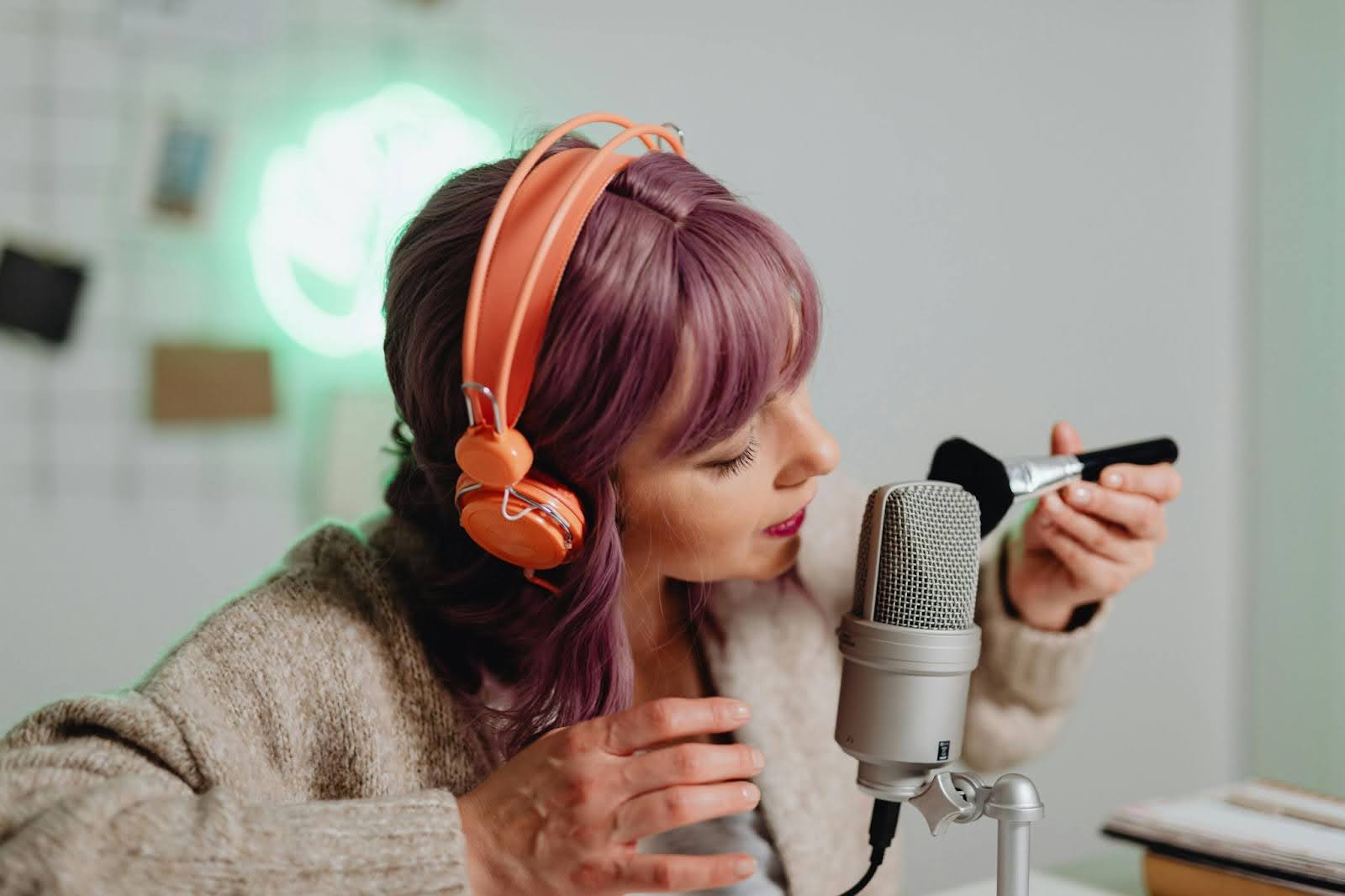
Not all videos need talking. In fact, some of the most popular faceless YouTube channels are those that provide ambient or relaxing content – think of them as digital escape portals. These include nature soundscapes, study music streams, meditation guides, ASMR (Autonomous Sensory Meridian Response) videos, and more. The common thread: they create a mood or experience for the viewer/listener, with little to no on-screen presence of the creator.
-
- Nature & Ambient Sound Channels: Do you love the sound of rain in a forest, or waves on a beach? Millions of viewers do – they play these videos to relax, sleep, or focus. A classic faceless format is the 10-hour nature sound video: just footage of a serene landscape (or even a static image) paired with high-quality recorded sounds of rain, thunder, flowing water, birds, etc. Creators who have access to nature record their own, but you can also source royalty-free nature sounds and videos. These videos can rank in search for “relaxing sleep sounds 8 hours” or “coffee shop ambience.” They tend to accumulate views over a long period since they’re evergreen and often used daily by fans. If you go this route, ensure seamless audio loops (so there are no jarring gaps) and calming visuals. Channels like Relaxing White Noise or Nature Soundscapes thrive without any faces or voices – just natural ambiance.
- Lo-Fi Music & Study Streams: You might be familiar with the animated lo-fi hip hop girl livestream (Lofi Girl channel) – it’s essentially an endless stream of chill music with a repeating animation. This concept has spawned many similar channels curating playlists of mellow beats or instrumental music for working and studying. If you have a passion for music, you could curate compilation videos of royalty-free tracks in a genre (lo-fi, jazz, classical piano, etc.). Add a simple background image or looping animation and let the music run for 30–60 minutes. The key here is finding decent music that won’t get copyrighted – there are libraries of Creative Commons or licensable music. Over time, you become a go-to source for vibe-setting tunes. Again, zero need to show your face; you’re acting as a DJ or curator behind the scenes. Some creators also produce their own simple beats or use AI music generators to have unique tracks. If you do voice at all, it might just be a quick intro or none – many prefer it without any talking.
- Meditation and Guided Relaxation: Another branch of ambient content is guided meditation or sleep talk-downs. These typically have a soothing voice (which you can provide, or hire, or even synthetically generate with a calming tone) guiding listeners through breathing exercises, visualization, or bedtime stories. The visuals might be soft abstract lights, nature scenes, or animated patterns – anything non-intrusive. This is faceless and focuses entirely on the listener’s experience. If you have a calm demeanor or good writing skills to script relaxing narratives, this could be a rewarding niche (both impact-wise and monetization-wise, as content that helps with mental wellness often gains loyal followers). Many meditation channels stay faceless; they build an identity through voice and style instead.
- ASMR Content: ASMR refers to videos that trigger a tingling relaxation response through specific sounds or gentle visuals – like whispering, tapping objects, crinkling paper, haircut roleplays, etc. Quite a few ASMRtists do show their face, but it’s not a requirement. Some popular ASMR videos only show the creator’s hands or the objects, or even just an ambient scene, with all the “action” in the audio sensations. For instance, an ASMR cooking sound video might just show ingredients being chopped and fried, sound-focused, with no person in frame. If you have a high-quality mic and creative ideas for soothing sounds, ASMR is a massive community on YouTube that doesn’t demand on-camera performance. Just pay attention to audio detail: stereo recording, subtle movements, and no harsh noises.
- Tips: Consistency matters here – many people play the same channel’s ambient videos nightly or while studying, so build a recognizable style or theme. Perhaps you focus on fantasy/seasonal ambiences (e.g., “cozy winter cabin with fireplace sounds”) or specialize in a type of music. Use descriptive titles and thumbnails that clearly convey the scenario (many users search by mood or setting). For monetization, note that some of these long videos might not be ad-friendly (viewers don’t want disruptive ads in a sleep video). Creators often earn through YouTube’s ad-free Premium views or by looping shorter videos with natural ad-break points. Either way, volume of content helps – the more scenarios or playlists you publish, the more likely you’ll catch the search traffic for those looking to relax.
- Nature & Ambient Sound Channels: Do you love the sound of rain in a forest, or waves on a beach? Millions of viewers do – they play these videos to relax, sleep, or focus. A classic faceless format is the 10-hour nature sound video: just footage of a serene landscape (or even a static image) paired with high-quality recorded sounds of rain, thunder, flowing water, birds, etc. Creators who have access to nature record their own, but you can also source royalty-free nature sounds and videos. These videos can rank in search for “relaxing sleep sounds 8 hours” or “coffee shop ambience.” They tend to accumulate views over a long period since they’re evergreen and often used daily by fans. If you go this route, ensure seamless audio loops (so there are no jarring gaps) and calming visuals. Channels like Relaxing White Noise or Nature Soundscapes thrive without any faces or voices – just natural ambiance.
5. Hands-Only Demonstrations (DIY, Cooking, Crafts and More)
Faceless cooking videos often focus on the food prep close-up, letting viewers practically taste the recipe without ever seeing the chef.
Who says you need a face to build a personal connection? Hands-only videos – where you film your hands performing a task – can be incredibly engaging. Viewers love point-of-view tutorials because they can easily imagine themselves doing the activity. This format is popular for cooking channels, DIY crafts, art and calligraphy, woodworking, makeup (focusing on the makeup process rather than the vlogger’s face), and more. Essentially, the camera becomes the eyes of the audience.
-
- Cooking and Baking: By now, many have seen those top-down recipe videos (made famous by channels like Tasty) where you only see ingredients being chopped, mixed, and transformed into a delicious dish. Often there’s no spoken dialogue, maybe just on-screen text and background music, or sometimes a voiceover describing steps. This faceless approach puts the food front and center. It’s highly immersive – the viewer almost feels like they’re in the kitchen. If you have a passion for cooking but are camera-conscious, try this style. Use a tripod or overhead rig to get a clear view of your workspace. Good lighting is crucial to make the food look appealing. You might show your hands garnishing a plate or stirring a pot, but your face stays off-screen. Many successful home cooks on YouTube never show their face at all, yet gain millions of views by satisfying viewers’ appetites (visually and through sound – that sizzle of a stir-fry is ASMR in itself!). Tip: Keep recipes concise and visuals clear. Fast-forward through long waits (like dough rising) to maintain pace. You can always reveal the finished dish with a nice close-up – no face needed, the food sells itself.
- Crafts, DIY & Art: If you’re into crafting, whether it’s painting, knitting, building gadgets, or home improvement, consider filming your projects in progress. DIY tutorial videos where only the project and hands are visible are not only faceless but often more instructive – viewers see exactly what you’re doing. For example, an art channel might film the canvas and the artist’s hands sketching or brush-stroking, with a gentle voiceover or just relaxing music. A woodworking video might show pieces being cut and assembled from a first-person perspective. This format works great for before/after transformations too (e.g., room makeovers, furniture flips) – you can appear as just a voice or not at all, and focus the camera on the materials and process. Many viewers find these process videos mesmerizing. By the end, they feel a personal connection through the work itself. It’s also a perfect format for UGC-style content – many brands love reposting hands-only tutorials of their products being used, because it highlights the product and results, which is essentially influencer marketing without faces.
- Product Unboxings & Demonstrations: We touched on this in voiceover format, but to reiterate – showing products with only your hands (and perhaps speaking off-camera) is a solid niche. From tech gadgets to subscription box openings, audiences enjoy seeing real-life handling of items. It can feel more genuine than highly polished face-camera reviews. If you’re detail-oriented, you can do up-close demos of electronics (showing the device features, screen, etc.), or flip-throughs of books/journals, or testing art supplies on paper – all shot from your POV. Narrate your honest impressions or add text overlays for key points. With consistency, you build trust as that anonymous but reliable reviewer. And as mentioned, brands do send products to faceless reviewers – they care about your content quality and audience, not whether you smile on camera.
- Tips: Pay attention to camera angles – chest-level or overhead shots usually work best to capture hands and the subject. A GoPro or phone mounted looking down at your workspace can film without your face entering the frame. Audio is optional; some tutorials do fine with just text on screen, but voice can add warmth and clarity. If you don’t want to narrate live, record instructions after and sync them to the video (many DIY YouTubers do this to sound more polished and avoid mistakes on air). Speed ramping (speeding up repetitive parts) and subtitles can help maintain viewer interest. And always consider safety and clarity – if you’re doing something intricate, film in high resolution so viewers can see details (4K footage of painting or soldering, for example, is appreciated by enthusiasts). Lastly, let your personality come through in little ways like your music choice or editing humor. Just because you’re faceless doesn’t mean you have to be flavorless – viewers will start recognizing your style whether it’s calm and soothing or quirky and energetic.
- Cooking and Baking: By now, many have seen those top-down recipe videos (made famous by channels like Tasty) where you only see ingredients being chopped, mixed, and transformed into a delicious dish. Often there’s no spoken dialogue, maybe just on-screen text and background music, or sometimes a voiceover describing steps. This faceless approach puts the food front and center. It’s highly immersive – the viewer almost feels like they’re in the kitchen. If you have a passion for cooking but are camera-conscious, try this style. Use a tripod or overhead rig to get a clear view of your workspace. Good lighting is crucial to make the food look appealing. You might show your hands garnishing a plate or stirring a pot, but your face stays off-screen. Many successful home cooks on YouTube never show their face at all, yet gain millions of views by satisfying viewers’ appetites (visually and through sound – that sizzle of a stir-fry is ASMR in itself!). Tip: Keep recipes concise and visuals clear. Fast-forward through long waits (like dough rising) to maintain pace. You can always reveal the finished dish with a nice close-up – no face needed, the food sells itself.
Unlock the Power of Micro Influencers and Elevate your Brand Today!
Conclusion to Faceless YouTube Channel Ideas for 2025
As we’ve seen, going faceless on YouTube is not a limitation – it’s a creative choice. Whether you animate an entire world from behind your screen, speak knowledge into a microphone over visuals, or quietly film your hands crafting a masterpiece, you can grow a thriving channel in 2025 without ever showing your face. In many ways, faceless content allows your ideas, skills, and creativity to shine brighter than ever.
Imagine building a loyal audience that values you for your knowledge, humor, or artistic flair alone. It’s absolutely possible. There are faceless channels today with millions of subscribers – from calming music streams to educational powerhouses – proving that content truly is king. Even brands have embraced faceless creators, offering sponsorships and collaborations to channels that align with their products and values. As the creator economy expands (projected to reach nearly half a trillion dollars by 2027), there’s ample room for micro influencers who never step in front of a camera. The key is to deliver value and be consistent. You might start as a faceless creator out of comfort, but you can end up an influencer in your niche thanks to the quality of your content.
So, what are you waiting for? Pick an idea from this list that excites you and give it a try. Maybe you’ll start that cozy faceless book-review channel, or launch a new series of animated tech explainers. The beauty of YouTube is you can iterate and improve as you go – all without the pressure of perfect lighting on your face. By focusing on content and community, you can build an authentic brand that viewers trust and love.
Now it’s your turn: Turn on that microphone or camera (pointed at anything but you) and start creating! With these faceless YouTube channel ideas, you have a head start on a format that fits your style. Stay consistent, engage with your audience, and don’t be afraid to promote your work (on social media or via platforms like Stack Influence when you’re ready to monetize). You’ll quickly realize that you don’t need to show your face to make a real impact. Here’s to your faceless YouTube success in 2025 – now go share your passion with the world!

By William Gasner
CMO at Stack Influence
William Gasner is the CMO of Stack Influence, he's a 6X founder, a 7-Figure eCommerce seller, and has been featured in leading publications like Forbes, Business Insider, and Wired for his thoughts on the influencer marketing and eCommerce industries.
Want new articles before they get published? Subscribe to our Awesome Newsletter.
stack up your influence
turning creativity into currency
our headquarters
111 NE 1st St, Miami, FL 33132
our contact info
[email protected]
stack up your influence
turning creativity into currency
our headquarters
111 NE 1st St, 8th Floor
Miami, FL 33132
our contact info



© 2025 Stack Influence Inc
© 2025 Stack Influence Inc