
Top 10 Fashion Blogs 2026 – Must-Reads for Online Retailers
27th
January, 2026
Influencer Marketing
Amazon Marketplace
Artificial Intelligence
TikTok Tips
Staying ahead of fashion trends isn’t just for magazines—it’s crucial for e-commerce brands and Amazon sellers looking to connect with style-conscious shoppers. One way to do that is by following the top 10 fashion blogs of 2026. These blogs are run by influential content creators (many who started as micro influencers) and are goldmines of style inspiration, user-generated content, and influencer marketing opportunities. In this post, we’ll highlight ten must-read fashion blogs and explore how partnering with such content creators can drive authentic engagement and sales for your brand.
Whether you’re a DTC founder plotting your next product line or an Amazon seller seeking UGC for your storefront, these blogs offer a window into what’s trending. Let’s dive into the top fashion blogs to follow this year and see how their success can fuel your influencer marketing strategy.
Unlock the Power of Micro Influencers and Elevate your Brand Today!
Top 10 Fashion Blogs in 2026
Below are ten of the most influential fashion blogs you should have on your radar. Each combines unique style with a loyal audience — and valuable lessons for brands in the e-commerce space.
1. Atlantic-Pacific (Blair Eadie)
Atlantic-Pacific is helmed by Blair Eadie, a former corporate fashion merchandiser turned full-time influencer. Known for her bold “East-Coast-meets-West-Coast” outfits, Blair’s blog and Instagram showcase vibrant, impeccably styled looks. With around 2 million Instagram followers, Atlantic-Pacific has become a trend barometer in the fashion world. Eadie frequently interacts with her community through blog posts and even FAQ sessions, making her audience feel deeply involved in her brand.
What makes Atlantic-Pacific particularly relevant for online retailers is Blair’s track record of brand collaborations. She has partnered with major fashion retailers (from Nordstrom to Gucci) and even teamed up with Amazon Fashion to curate a seasonal collection for the platform. This collaboration not only sold out fast, but also showed how influential a top blogger can be in driving e-commerce trends. For brands, Atlantic-Pacific exemplifies the power of an influencer who can merge editorial-quality content with retail — inspiring shoppers to buy with just a blog post or Instagram photo.
2. The Daileigh (Ashleigh Hutchinson)
The Daileigh is a blog by Ashleigh Hutchinson that proves style has no age limit. Ashleigh’s mission is to help women — including those in their 40s, 50s, and beyond — build a wardrobe they love and feel confident in. Her mantra, “age is only a number,” shines through in practical style guides and “How To” posts that resonate with a demographic often overlooked by trendier outlets. From “How to Wear Shorts in Your 50s” to tips on starting a capsule wardrobe, Ashleigh creates content that educates and empowers. She even offers digital products like style e-books and webinars, extending her influence beyond the blog.
For e-commerce brands, The Daileigh highlights the value of niche focus. By catering to an underserved audience, Ashleigh has built a loyal community that trusts her advice. If your brand targets a specific demographic, partnering with micro influencers who speak directly to that group (the way The Daileigh does) can yield high engagement. It’s a reminder that influencer marketing isn’t one-size-fits-all — sometimes a smaller, dedicated audience is far more valuable than a general one.
3. Egg Canvas (Erica Choi)
Egg Canvas is the brainchild of Erica Choi, a New York-based design director and photographer. This visually stunning blog serves as Erica’s “digital journal,” featuring minimalist text and maximalist imagery. (Fun fact: the name comes from Erica’s childhood nickname “Egg” and her creative canvas of daily life.) From the latest New York Fashion Week snapshots to curated city guides, Egg Canvas is all about visual storytelling. Each post feels like a gallery exhibit — making it catnip for Pinterest and Instagram users.
The takeaway for brands and sellers is clear: high-quality visuals and authentic storytelling can set you apart. Erica’s background in design and her discerning eye show how content creators who value aesthetics can elevate a brand’s image. If you’re an Amazon seller, for example, consider how you might collaborate with influencers like Erica to produce beautiful lifestyle photos of your products. Not only does this kind of user-generated content catch customers’ attention, but 79% of people say UGC highly impacts their purchase decisions, and brands that incorporate UGC are seen as twice as authentic as those that don’t. Egg Canvas underscores the impact of creative visuals in driving engagement and authenticity.
4. The Fashion Guitar (Charlotte Groeneveld)
The Fashion Guitar, run by Dutch-born Charlotte Groeneveld, blends personal style blogging with real-life relatability. Charlotte started The Fashion Guitar after working with other fashion blogs, and over time it evolved into a full-time endeavor where she shares her daily outfits, high-fashion favorites, and even her journey through motherhood (think chic maternity looks and “Mommy and me” fashion moments). Her site features categories ranging from high-end brand collaborations and runway coverage to accessible everyday outfit ideas. This mix of editorial and personal content has attracted a devoted readership who see Charlotte not just as a style icon, but as a friend sharing tips.
For e-commerce marketers, The Fashion Guitar demonstrates the importance of authenticity. Charlotte often collaborates with her favorite designers and labels, but she does so in a way that stays true to her aesthetic. The result? Her audience trusts her recommendations, knowing they’re not random paid placements but genuine endorsements. Brands looking to partner with influencers should seek out this kind of fit. When an influencer genuinely loves your product, their followers can sense it — and that trust can translate into higher conversion rates. It’s the classic win-win: the influencer maintains integrity, and the brand gains customers who were inspired by authentic content.
5. Girl With Curves (Tanesha Awasthi)
Girl With Curves is a pioneering fashion blog in the body-positivity movement. Founded by Tanesha Awasthi in 2011, the blog set out to shatter the narrow standards of beauty in fashion. Tanesha creates content for the majority of women who don’t fit the size-0 model mold — offering style tips, trend guides, and beauty advice for every body type. The site proudly states “Style Has No Size,” a message that has fostered a loyal community (often sharing their own outfits under the hashtag #StyleHasNoSize). By consistently championing inclusive fashion, Tanesha not only grew her audience but also caught the eye of retailers. In 2021, she even launched a Girl With Curves clothing collection on QVC, featuring genuinely size-inclusive designs.
For brands, Girl With Curves is a case study in aligning with consumer values. Today’s shoppers crave authenticity and inclusivity; when they see a brand partnering with a body-positive influencer, it boosts brand goodwill. Moreover, Tanesha’s journey shows the power of influencers turning into brand owners. An e-commerce brand could similarly collaborate with an influencer on a capsule collection or co-branded product line to tap into their community’s enthusiasm. The key is to ensure the partnership feels true to the influencer’s ethos. When done right, it can generate buzz, media coverage, and significant sales — all while making your brand look more inclusive and relatable.
6. Harper & Harley / The Undone (Sara Crampton)
If your brand’s aesthetic leans minimalist, Sara Crampton is a name to know. Sara became famous through her blog Harper & Harley, where her “less is more” approach to fashion struck a chord globally (she was even featured on the Australian reality TV show Fashion Bloggers). Now, she channels that same minimalist ethos into The UNDONE, her own curated online boutique for timeless fashion pieces. Sara’s content (on her blog and social channels) is a masterclass in consistency: you’ll see neutral tones, classic silhouettes, and a focus on quality over quantity in every post. She has also collaborated with luxury brands from Estée Lauder to YSL, affirming that even a pared-down style can have mass appeal.
Sara Crampton’s evolution from blogger to e-commerce entrepreneur illustrates a powerful point: influencers truly understand what their audience wants. Harper & Harley’s success directly informed The UNDONE store’s product selection — a smart play for any Amazon seller or DTC founder considering launching new products. By following influencers like Sara, you gain insight into niche trends (e.g., sustainable fabrics, capsule wardrobes) that can inform your inventory decisions. Additionally, Sara’s collaboration history shows that micro influencers can go macro – attracting big-name partnerships without losing their signature style. It’s a reminder that when you cultivate a strong brand voice, opportunities with larger brands (and bigger audiences) tend to follow.
7. Hello Fashion (Christine Andrew)
Hello Fashion is a popular blog that seamlessly fuses personal lifestyle content with high-fashion inspiration. Created by Christine Andrew in 2011, the blog initially started as a way to promote pieces from her own newly launched clothing line, ILY Couture. (That’s right – Christine was using content marketing before it was cool, sharing outfit ideas to help customers style her products.) Over time, Hello Fashion blossomed into a full-fledged style and lifestyle destination covering everything from trend alerts and beauty tips to glimpses of her family life. Christine’s knack for mixing affordable finds with luxury items has made her a style icon — she even earned a spot on Vanity Fair’s Best-Dressed List, a rare honor for a blogger.
For e-commerce brands, Christine Andrew’s story is packed with insights. First, it underscores the symbiotic relationship between content and commerce: her blog drove sales for her brand, and her products gave her authentic content to blog about. Second, it shows how being approachable can amplify influence. Christine’s readers admire her chic outfits, but they also appreciate her real-life posts (like casual mom-on-the-go looks) that humanize her. If you’re a brand or Amazon seller, consider working with influencers who are relatable and trusted by their followers. When an influencer’s audience aspires to be like them, recommendations can directly fuel purchase decisions. And as Hello Fashion demonstrates, a savvy influencer partnership can turn even a small online boutique into a recognized name in the industry.
8. My Fash Diary (Tala Samman)
For a truly global perspective on style, My Fash Diary is a must-follow blog. Founded by Tala Samman, who has roots in the Middle East (born in Chicago, based in Dubai with Syrian heritage), this blog covers fashion through an international lens. Tala shares her personal outfits and shopping picks, often highlighting trends in Dubai and cities she travels to. Beauty, travel, and even food make appearances on the blog, giving it a well-rounded lifestyle vibe. What sets My Fash Diary apart is its cross-cultural appeal: one day you might read about haute couture shows in Paris, and the next, street style in Dubai. Tala’s influence has not gone unnoticed — she’s been named one of Dubai’s “Hot 100” people and featured in magazines like Harper’s Bazaar Arabia and Marie Claire.
The lesson here for brands is the importance of geographic and cultural relevance. If you sell globally (or plan to), collaborating with influencers like Tala can help you reach local markets with credibility. For instance, an Amazon seller expanding into the Middle East might partner with My Fash Diary to showcase products in a way that resonates with regional tastes. Moreover, Tala’s multi-niche content strategy (mixing fashion with lifestyle topics) is a blueprint for keeping an audience engaged on multiple levels. Brands can emulate this by not only pushing products but also contributing value through content — be it styling tips, travel inspiration, or insider looks at fashion events. It positions your brand as part of a larger lifestyle, which can deepen customer loyalty.
9. One Dapper Street (Marcel Floruss)
Fashion blogging isn’t just for women. One Dapper Street, created by Marcel Floruss, is a leading men’s fashion blog proving that men are hungry for style inspiration too. Marcel, a former model from Germany, moved to NYC for fashion school and started the blog to document outfits that blend dapper menswear with urban street style. Think tailored suits paired with sneakers, or denim jackets over dress shirts — his looks strike the perfect balance between polished and approachable. One Dapper Street’s success (hundreds of thousands of followers and counting) has led Marcel to broader ventures; he co-founded a men’s shoe line called Ankari Floruss, turning his influence into a business of its own. He’s even been recognized by major media (his Instagram bio notes a Forbes 30 Under 30 mention), cementing his status as a top menswear influencer.
For e-commerce brands, Marcel’s journey highlights two key points. First, don’t overlook the menswear or male influencer market. There’s a huge opportunity for brands in niches like men’s grooming, apparel, and accessories to partner with influencers who speak to the modern man’s style sensibility. Second, influencers can be innovators. Marcel leveraged his audience insight to design products he knew his followers would love. If you sell on Amazon or run an online store, consider polling or observing influencer communities for product gaps — it might spark your next best-seller. And remember, influencers like those behind One Dapper Street can lend credibility to your men’s line; a shout-out or collaboration can encourage men who might not normally trust a brand’s ad, but will trust a style expert’s recommendation.
10. Grasie Mercedes
Rounding out our list is Grasie Mercedes, a multi-hyphenate talent who brings a creative twist to fashion blogging. Grasie isn’t just a style blogger; she’s also an actress, filmmaker, and podcast host, which means her online presence is brimming with personality and storytelling. Her self-titled blog, Grasie Mercedes, covers fashion, beauty, travel, and lifestyle, all interwoven with her day-to-day work in the entertainment industry. Visitors might find a glamorous red carpet outfit post next to a casual “what I wore on set” entry, giving the blog a dynamic range. High-quality photography and candid writing make readers feel like they’re getting an inside look at a Hollywood-meets-real-life wardrobe.
For brands, Grasie exemplifies the rising trend of content creators who wear many hats. Partnering with someone like her can extend your reach beyond just fashion circles — tapping into her podcast listeners or film fans as well. This is especially useful for lifestyle and multi-category e-commerce brands. Additionally, working with multi-talented influencers can yield diverse forms of content: a styled photo shoot, a vlog, maybe even a short-form video or behind-the-scenes Instagram Story mentioning your product. Grasie’s platform shows that fashion influencers can be powerful storytellers for your brand. When evaluating influencers, don’t just look at their outfit posts; consider the breadth of their influence (e.g. other media projects, audience demographics) and how that might amplify your message in a fresh way.
Leveraging Fashion Bloggers and Micro-Influencers for Your Brand
Reading about these top fashion blogs, one thing is clear: influencer-driven content can have a tangible impact on brand growth. In fact, influencer recommendations carry so much weight that 92% of consumers trust influencer content over traditional advertisements. For e-commerce entrepreneurs, the question isn’t if you should engage with influencers, but how. Here are a few strategies to consider:
-
- Collaborate with Micro-Influencers: You don’t need a celebrity blogger to see results. Often, niche micro influencers (those with tens of thousands of followers) can deliver outsized engagement. Research indicates that micro-influencers achieve 60% better engagement and 22% higher conversion rates than their mega-influencer counterparts. Why? Their audiences are typically tight-knit and trust their recommendations deeply. A micro influencer’s post about your handmade jewelry or eco-friendly apparel can prompt a flood of interest, especially if it feels like a genuine fit.
- Encourage and Share UGC: Notice how many of the blogs above cultivate community content — from Girl With Curves’ hashtag campaigns to Atlantic-Pacific’s interactive FAQs. When your customers create content about your products (photos, reviews, unboxings), amplify it! User-generated content not only provides social proof but also boosts conversion. Shoppers seeing real people (or their favorite bloggers) using your product will feel more confident in purchasing. Plus, featuring UGC makes your brand appear more authentic and relatable. (And as mentioned, authenticity is key — consumers view brands that utilize UGC as significantly more trustworthy.)
- Co-Create Products or Content: Take a page from influencers like Blair Eadie, Christine Andrew, or Marcel Floruss who have co-created products and collections. If you have the resources, consider developing a limited-edition product with an influencer that aligns with your brand. This could be as elaborate as a new fashion line or as simple as a curated “favorites” list that the influencer promotes. The exclusivity and influencer endorsement can drive both sales and brand exposure. Even if co-creation isn’t feasible, involve influencers in your content strategy — e.g., guest blogs, takeover posts, or influencer-led tutorials using your products.
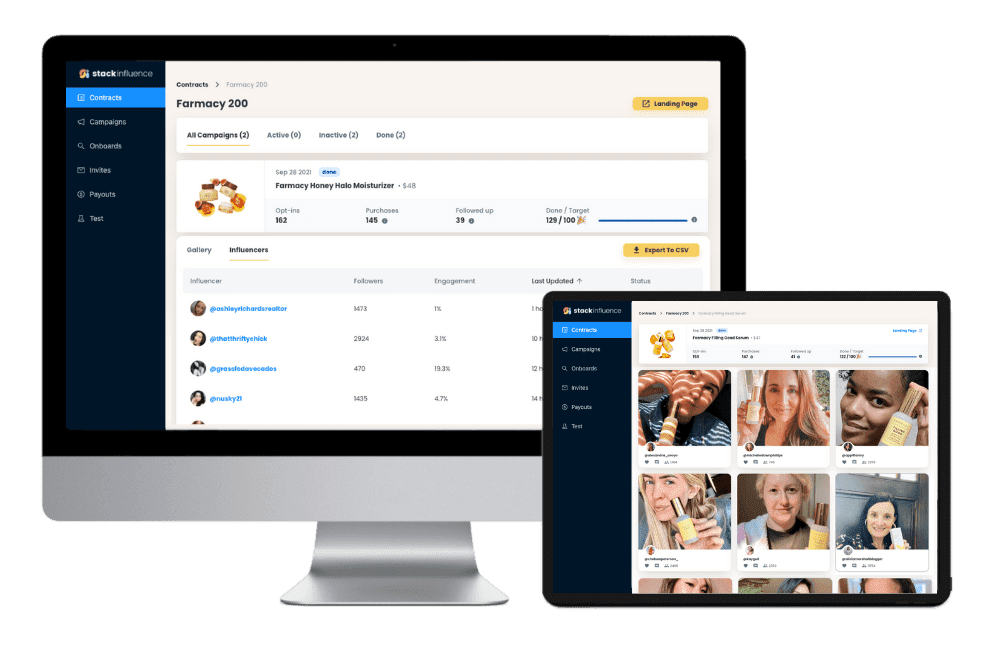
- Leverage Influencer Platforms: Finally, to streamline your influencer marketing efforts, look into platforms and agencies that connect brands with content creators. (For example, Stack Influence is one platform that helps companies partner with vetted micro-influencers to generate scalable UGC and authentic product endorsements.) Using such services can save time and ensure you find influencers who genuinely match your niche — leading to more effective campaigns.
- Collaborate with Micro-Influencers: You don’t need a celebrity blogger to see results. Often, niche micro influencers (those with tens of thousands of followers) can deliver outsized engagement. Research indicates that micro-influencers achieve 60% better engagement and 22% higher conversion rates than their mega-influencer counterparts. Why? Their audiences are typically tight-knit and trust their recommendations deeply. A micro influencer’s post about your handmade jewelry or eco-friendly apparel can prompt a flood of interest, especially if it feels like a genuine fit.
Unlock the Power of Micro Influencers and Elevate your Brand Today!
Conclusion to Top 10 Fashion Blogs 2026
Fashion blogs are much more than just style diaries; they’re hubs of influence, trendsetting, and consumer trust. E-commerce brands and Amazon sellers can gain huge value from the top fashion blogs of 2026 by not only absorbing their trend insights but also by engaging with the creators behind them. The influencers highlighted above have built passionate communities by being authentic, consistent, and audience-focused — qualities that any brand would be wise to mirror. Start by following these blogs and their social channels to stay inspired. Reach out to a few influencers who resonate with your brand’s ethos, and brainstorm collaboration ideas. In a digital landscape where a single post can send a product flying off the shelves, forging the right influencer partnership can be a game-changer for your business. Embrace the power of content creators and UGC in your marketing strategy — your brand’s next big growth story might just be a collaboration away.

By William Gasner
CMO at Stack Influence
William Gasner is the CMO of Stack Influence, he's a 6X founder, a 7-Figure eCommerce seller, and has been featured in leading publications like Forbes, Business Insider, and Wired for his thoughts on the influencer marketing and eCommerce industries.
Want new articles before they get published? Subscribe to our Awesome Newsletter.
stack up your influence
turning creativity into currency
our headquarters
111 NE 1st St, Miami, FL 33132
our contact info
[email protected]
stack up your influence
turning creativity into currency
our headquarters
111 NE 1st St, 8th Floor
Miami, FL 33132
our contact info



© 2025 Stack Influence Inc
© 2025 Stack Influence Inc