What Are Instagram Carousels? 2026 Guide to More Engagement

12th

January, 2026


Amazon Influencers
Influencer Marketing
Amazon Marketplace
Artificial Intelligence
TikTok Tips

Scrolling through Instagram today, you’ll notice the feed isn’t dominated by single photos anymore. For e-commerce brands and Amazon sellers, capturing audience attention on this visual platform is more challenging – and more critical – than ever. That’s where Instagram carousel posts come in. A carousel post lets you share multiple images or videos in one swipeable post, creating an interactive mini-story for viewers. In fact, these multi-image posts have become a secret weapon for brands to drive engagement and showcase more content without overwhelming the audience.

In this guide, we’ll explain what Instagram carousels are and why they matter for engagement. You’ll learn how to leverage carousel posts in 2025 – from boosting an influencer marketing campaign with micro influencers, to sharing authentic UGC (user-generated content) that builds trust. We’ll also cover real use cases for e-commerce and Amazon sellers, plus best practices to maximize your results. Let’s dive in!

What Are Instagram Carousel Posts?

In this guide, we’ll explain what Instagram carousels are and why they matter for engagement. You’ll learn how to leverage carousel posts in 2025 – from boosting an influencer marketing campaign with micro influencers, to sharing authentic UGC (user-generated content) that builds trust. We’ll also cover real use cases for e-commerce and Amazon sellers, plus best practices to maximize your results. Let’s dive in!

Instagram carousel posts are a feature that allows you to include multiple photos or videos in a single post, which users can view by swiping left (or clicking through). Instead of posting one static image at a time, a carousel lets you package up to 10 slides (and as of a recent update, up to 20 slides maximum) in one entry on your feed. Each carousel post has one caption for the entire set, and viewers can engage through likes, comments, shares, and saves as with any normal post.

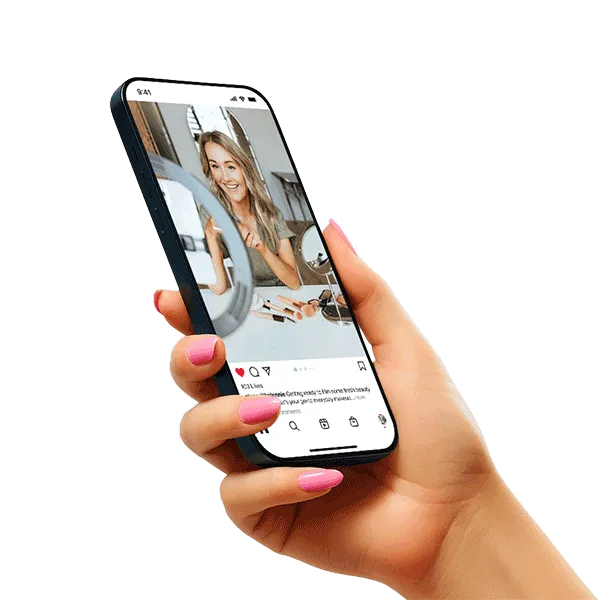
Visually, Instagram indicates a carousel with a series of dots or page numbers below the images, so users know there’s more to see. They can swipe through at their own pace, exploring the content sequence you’ve put together. This format is extremely versatile – you might include a mix of product photos, short video clips, text graphics, or before-and-after shots all in one post. The carousel essentially tells a story in chapters: the first image serves as the “hook,” and each subsequent slide adds context or detail without cluttering someone’s main feed with separate posts.

Originally launched in 2017 (with a 10-slide limit), carousels have evolved into one of Instagram’s most engaging content formats. In 2024, Instagram even expanded carousel capacity to 20 slides per post, giving brands more space than ever to be creative and informative. Whether you’re sharing a step-by-step tutorial or a series of user testimonials, a carousel post lets you deliver more value in one go – a key advantage in capturing short attention spans.

micro-influencer platforms

Unlock the Power of Micro Influencers and Elevate your Brand Today!

In this guide, we’ll explain what Instagram carousels are and why they matter for engagement. You’ll learn how to leverage carousel posts in 2025 – from boosting an influencer marketing campaign with micro influencers, to sharing authentic UGC (user-generated content) that builds trust. We’ll also cover real use cases for e-commerce and Amazon sellers, plus best practices to maximize your results. Let’s dive in!

Why Instagram Carousels Boost Engagement

It’s not hype – Instagram carousels genuinely outperform single-image posts and even Reels when it comes to engagement metrics. For example, one study found that carousel posts generate about a 10% average engagement rate, compared to 7% for single photos and 6% for Reels. In other words, carousels tend to attract more likes, comments, and saves on average. So why are these multi-image posts so effective at engaging audiences? Here are a few big reasons:

    • Proven higher interaction rates: Carousels consistently earn more engagement than other formats. They keep users swiping and interacting longer, which led one social media study to call carousels the content type for boosting likes and comments in 2025. The extended dwell time sends positive signals to Instagram’s algorithm, helping your post get prioritized in feeds.


    • They encourage swiping and time-on-post: The very design of a carousel – inviting people to swipe left for the next slide – makes users pause and spend more time on your post. Every additional second they linger or slide they swipe is an interaction the algorithm loves. This interactive element turns passive scrollers into engaged viewers. Essentially, carousel posts get people to actively tap, swipe, and explore, rather than just glancing and scrolling past.


    • A “second chance” via Instagram’s algorithm: Instagram itself has confirmed a big advantage of carousels: if a user doesn’t interact with your carousel the first time it appears, the algorithm may show it to them again later – but displaying the second image next. This means you get two opportunities to catch someone’s attention instead of one. A single photo post doesn’t have that luxury! Carousels literally double your chances to connect with a viewer, increasing reach and engagement.


    • More content = more value (and saves): With up to 10–20 pieces of content in one post, carousels let you deliver significantly more information or storytelling. When done well, this extra value pays off in the form of post saves, shares, and comments. In fact, brands have found that carousel posts often get saved and revisited more than other post types, since users might want to refer back to a helpful multi-step guide or a collection of inspiring images. All those saves and shares further amplify your reach.


    • Richer storytelling and context: Carousel posts are perfect for narrative content – you can convey a cohesive story that unfolds across slides (for example, a before-and-after transformation, or a “top 5 tips” list with one tip per slide). This depth keeps your audience hooked and emotionally invested. It’s much easier to engage people when you can show multiple facets of a topic or product, rather than relying on one image and a long caption. By delivering a mini slideshow, you cater to the audience’s curiosity and desire for more content without requiring them to leave the app or swipe to the next unrelated post.

All these factors explain why carousels are an engagement goldmine. Importantly, the benefits aren’t just vanity metrics – longer interaction can lead to real business outcomes. The meaningful interactions carousels generate often translate into stronger brand awareness and even higher conversion rates for campaigns. In short, keeping viewers engaged with a carousel makes them more likely to remember your brand and eventually take action.

How E-Commerce Brands Can Leverage Carousel Posts

In this guide, we’ll explain what Instagram carousels are and why they matter for engagement. You’ll learn how to leverage carousel posts in 2025 – from boosting an influencer marketing campaign with micro influencers, to sharing authentic UGC (user-generated content) that builds trust. We’ll also cover real use cases for e-commerce and Amazon sellers, plus best practices to maximize your results. Let’s dive in!

For e-commerce marketers, Instagram carousel posts are a versatile tool to showcase products and drive interest in ways a single image never could. Here are several powerful use cases for carousels in an e-commerce context:

    • Multi-product displays: Instead of posting one product at a time, you can feature a collection of products in one carousel. For example, an apparel brand might share a “Summer Lookbook” carousel with 5–7 outfit images. Amazon sellers can similarly create a carousel highlighting a product’s various models, colors, or complementary items all together. This approach exposes customers to a range of offerings in one engaging post.


    • Product detail highlights: Carousels let you zoom in on different features or angles of a single product. Slide 1 could show the full product, slide 2 a close-up of its texture, slide 3 an infographic of specs, and so on. This is perfect for tech gadgets, beauty products, or any item where multiple images build a fuller understanding. Amazon sellers often have a set of listing photos – by repurposing those into an Instagram carousel, you can give potential buyers a comprehensive view of your product in an interactive way.

       

    • Tutorials and how-to guides: If your product benefits from explanation or demonstration, use a carousel to walk viewers through it step by step. For instance, a skincare brand might post a 5-step routine using their products (one step per slide), or a kitchenware store might do a recipe carousel featuring its cookware. This educational content provides value and subtly promotes the products, increasing the likelihood of saves and shares (because people love practical how-tos).


    • Before-and-after stories: Nothing builds credibility like seeing results. Carousels are ideal for before/after comparisons – the first slide shows the “before” (maybe a problem scenario), and the next slide shows the “after” using your product. Health, fitness, home improvement, and beauty brands leverage this to great effect. It’s a compelling narrative that can drive sales by proving your product’s impact.


    • Customer testimonials and UGC features: Do you have great customer photos or testimonials? Turn them into a carousel! You could dedicate each slide to a different customer review or user-generated content image. For example, a home décor e-commerce store might share a carousel of real customers’ living room photos all using the store’s furniture. This not only provides social proof but also encourages other followers to engage (and maybe submit their own content). Featuring UGC in carousels makes your audience feel seen and valued, strengthening brand loyalty.


    • Seasonal “photo dump” or story: Borrowing the popular “photo dump” trend, brands can share authentic, behind-the-scenes glimpses in carousel form. An e-commerce team might post a casual carousel of the holiday rush at the warehouse, or an event recap with multiple photos. This humanizes your brand. It’s particularly useful for DTC and small businesses who want to connect on a personal level beyond polished product shots.

Beyond these ideas, think about the customer journey. Carousels can be used to answer common pre-purchase questions (size guide, installation steps, etc.), showcase influencer partnerships (multiple influencer images in one post), or reveal a new product in “chapters”. Also remember that Instagram allows product tagging on carousel posts – you can tag different products on different slides. This means a user could tap to view a product detail on slide 3, for example, and go straight to your website or shop. In sum, carousel posts can function like interactive catalog pages for your brand.

Tip: If you sell on Amazon, use your Instagram carousels to drive traffic by highlighting your product’s value propositions visually. Since you can’t link directly in a post caption, use the carousel to build interest (e.g. “swipe to see what makes our product different”), then guide viewers to your bio link or Amazon storefront in the caption call-to-action. Many Amazon sellers find that engaging Instagram content can funnel warm leads over to their product listings, boosting their Amazon sales indirectly.

Influencer Marketing and UGC with Carousel Posts

Instagram carousels aren’t just useful for brands directly – they’re also a favorite format for influencers and content creators, which you can leverage in your marketing strategy. Here’s how carousels intersect with influencer marketing, micro influencers, and UGC:

Micro influencers thrive with carousels. Micro influencers (creators with roughly 5K–100K followers) often have very engaged audiences, and carousels give these creators more room to connect with their followers. A travel micro influencer, for example, might share a 10-slide carousel of a recent trip, telling a story that draws the audience in. Because micro influencers typically enjoy higher engagement rates (around 6–7% per post, which is about 60% higher engagement than celebrity influencers on average), when they post a carousel featuring your product, it can spark a ton of interaction. The audience trusts the influencer’s voice and will swipe through every slide, absorbing the product organically woven into the content.

Collaborate with influencers on carousel content. If you’re running an influencer marketing campaign, encourage your influencers or brand ambassadors to utilize carousels for their sponsored posts. For instance, instead of a single photo review of your product, an influencer could create a carousel: slide 1 might be a beautiful shot with the product, slide 2 a tutorial or unboxing video, slide 3 a before/after using the product, and so on. This multi-faceted approach feels more genuine and informative than a one-photo endorsement. It allows the creator to express a fuller narrative (which their followers appreciate) while highlighting your brand in multiple ways. As a result, the content comes across as more valuable and tends to drive more engagement and conversions than a basic post.

Leverage UGC in carousels. User-generated content (UGC) – such as customers’ Instagram photos, unboxing videos, or testimonials – is marketing gold because it’s seen as authentic social proof. Carousel posts provide a perfect vessel to share UGC in volume. You could run a campaign asking customers to share their experiences (e.g., a fitness brand might ask for transformation photos, or a food brand for recipe pictures), then compile the entries into carousel slides. Featuring UGC not only gives you a stream of free, credible content to post, but also engages those customers and encourages others to join the conversation. It’s a virtuous cycle: followers love seeing real people in your posts, which builds trust and often leads to even more UGC as others want to be featured. Consider launching a monthly “customer spotlight” carousel showcasing your favorite user photos or reviews.

Content creators can supply carousel-ready material. Many brands partner with content creators (photographers, graphic designers, videographers) to produce high-quality visuals for marketing. Brief your content creators with carousel formats in mind. For example, a designer might create a series of graphics that explain an educational topic related to your product (great for an informative carousel), or a photographer might shoot a sequence of images that tell a story when placed in order. Because carousel posts require multiple pieces of content, having professional creators generate a batch of cohesive visuals can raise the overall quality of your Instagram presence. You might even repurpose existing content – blog posts, infographics, YouTube tutorials – by breaking them into carousel slides. A skilled content creator can adapt those long-form pieces into an engaging carousel summary.

Stack Influence – a micro-influencer marketing platform – is one example of how brands can scale this content approach. Stack Influence connects e-commerce companies with a network of micro influencers who create authentic product content that the brand can repost or promote. By working with a platform like this, you can quickly gather a library of influencer-generated photos, videos, and stories. Many of these assets are ideal for carousels (for instance, a series of unboxing shots or multiple lifestyle photos using the product). In short, partnering with micro influencers and encouraging UGC provides the raw material for compelling carousel posts while also expanding your reach through those creators’ audiences.

Best Practices for High-Engagement Carousel Posts

Creating an Instagram carousel is easy; creating a great carousel that drives engagement requires some strategy. Here are some best practices to ensure your carousel posts perform their best:

    1. Hook viewers with the first slide. The cover image of your carousel is everything – it’s the one that will appear in the feed. Make it eye-catching, relevant, and curiosity-provoking. Use a high-quality photo or a bold graphic with a clear message. If the first slide doesn’t stop people from scrolling, the rest of your carousel might as well not exist. (And as a pro tip, don’t use the exact same image on slide 2 as a “safety” – if the first image failed to grab them, showing it again won’t help. Lead with your strongest visual up front.) Consider overlaying text on that first image if it’s a title or teaser for what’s inside the carousel, e.g. “5 Secrets to Better Skin – Swipe 👉”.



       

    2. Tell a coherent story or theme. A carousel shouldn’t be a random assortment of images; the slides should feel connected. There should be a logical flow or narrative as you move from one slide to the next. This could be chronological (e.g. step 1, step 2, … step 5) or it could be different facets of one idea (e.g. various benefits of a product, each on its own slide). Planning your carousel with a storyboard mindset can help. When viewers sense a payoff by swiping through (a completed story, a big reveal at the end, etc.), they’re more likely to go all the way and engage.


    3. Provide value on every slide. To keep people swiping, avoid filler. Each slide should offer something interesting – whether that’s useful information, a striking visual, or a new angle that adds context. If slides 3–4–5 are weak, users might drop off before reaching the end. For example, if you’re doing a “tips” carousel, ensure each tip is insightful or actionable. If you’re showing multiple products, don’t include 3 near-duplicate images of the same product – show different angles or use cases instead. Quality over quantity is key; it’s fine if your carousel has only 5 slides instead of 10, as long as those 5 all land with impact.


    4. Encourage interaction and sharing. Boost engagement by prompting the viewer to take action. In your caption, you might write something like “Swipe 👉 to see before-and-after results!” to explicitly cue users to swipe. For the last slide, consider adding a call-to-action: e.g. an image that says “Follow us for more 👉” or “Which slide is your favorite? Let us know in the comments.” Asking a question related to the carousel content is a great way to generate comments (for instance, “Which outfit would you wear?” on a fashion carousel). Additionally, if the content is informative, encourage users to save or share: “📌 Save this post for later so you remember these steps!” The more people engage via comments, likes, shares, and saves, the more the algorithm will favor your post – and the cycle continues.


    5. Mind the technical details. Make sure your carousel is optimized for viewing. All images/videos should ideally use the same aspect ratio (Instagram will crop others to match the first slide’s shape). High-resolution, clear imagery is important – blurry media will hurt your credibility. If using text on images, ensure it’s large enough to read on a mobile screen. Also, consider mixing media types if it suits the content: an occasional short video clip within a carousel can surprise and delight viewers (just ensure the clip communicates its point without audio, since audio doesn’t autoplay in feed). Finally, fill in the alt text for each image (in the advanced settings) to make your carousel accessible and possibly help with SEO. These little details can improve user experience and reach.

By following these best practices, you’ll create carousel posts that not only attract eyeballs but keep them glued to your content. The combination of a strong hook, valuable content throughout, and strategic prompts for engagement is the recipe for a successful carousel. Over time, monitor your Instagram insights to see how your carousels perform relative to other posts – you might notice they consistently bring in higher engagement, which is a sign to keep doubling down on this format.

micro-influencer platforms

Unlock the Power of Micro Influencers and Elevate your Brand Today!

In this guide, we’ll explain what Instagram carousels are and why they matter for engagement. You’ll learn how to leverage carousel posts in 2025 – from boosting an influencer marketing campaign with micro influencers, to sharing authentic UGC (user-generated content) that builds trust. We’ll also cover real use cases for e-commerce and Amazon sellers, plus best practices to maximize your results. Let’s dive in!

Conclusion to What Are Instagram Carousels?

Instagram carousel posts have proven their worth as a powerful tool in the 2025 social media toolkit. We’ve answered what carousel posts are and seen that by allowing multiple pieces of content in one swipeable package, they naturally boost user engagement and interest. For e-commerce brands and Amazon sellers, this means you have a creative way to showcase products, educate consumers, and build a community around your offerings. When you pair carousel posts with influencer marketing (especially tapping into micro influencers) and a steady stream of UGC, you create a dynamic content strategy that feels authentic and resonates with your target audience.

The best part is that higher Instagram engagement isn’t just for vanity – it’s a catalyst for real business growth. More engagement leads to greater reach, which leads to more potential customers discovering your brand and eventually converting into buyers. Carousel posts, with their ability to hold attention and spark interactions, can play a direct role in driving that ROI.

As we move forward in 2026, savvy brands will continue to use Instagram carousels to stand out in crowded feeds. Now it’s your turn: brainstorm some carousel ideas tailored to your audience, and start experimenting. Whether you’re sharing an expert how-to guide, a testimonial gallery, or a before-and-after reveal, carousel posts can elevate your Instagram game and deliver the kind of engagement that translates into sales. Don’t let this opportunity slide by – get creative, apply the tips above, and watch your Instagram metrics climb. Happy posting!

In this guide, we’ll explain what Instagram carousels are and why they matter for engagement. You’ll learn how to leverage carousel posts in 2025 – from boosting an influencer marketing campaign with micro influencers, to sharing authentic UGC (user-generated content) that builds trust. We’ll also cover real use cases for e-commerce and Amazon sellers, plus best practices to maximize your results. Let’s dive in!

By William Gasner

CMO at Stack Influence

William Gasner is the CMO of Stack Influence, he's a 6X founder, a 7-Figure eCommerce seller, and has been featured in leading publications like Forbes, Business Insider, and Wired for his thoughts on the influencer marketing and eCommerce industries.

Want new articles before they get published? Subscribe to our Awesome Newsletter.

stack up your influence
turning creativity into currency


our headquarters

111 NE 1st St, Miami, FL 33132

our contact info 

[email protected]

stack up your influence
turning creativity into currency

our headquarters

111 NE 1st St, 8th Floor 
Miami, FL 33132

our contact info

[email protected]

In this guide, we’ll explain what Instagram carousels are and why they matter for engagement. You’ll learn how to leverage carousel posts in 2025 – from boosting an influencer marketing campaign with micro influencers, to sharing authentic UGC (user-generated content) that builds trust. We’ll also cover real use cases for e-commerce and Amazon sellers, plus best practices to maximize your results. Let’s dive in!

© 2025 Stack Influence Inc

© 2025 Stack Influence Inc