
What Is the Creator Economy? TikTok & E-Commerce Trends 2025
27th
December, 2025
Influencer Marketing
Amazon Marketplace
Artificial Intelligence
TikTok Tips
The “creator economy” refers to the fast-growing ecosystem of content creators who monetize their online influence across social platforms, streaming services, blogs, and more. Over 50 million people worldwide now consider themselves content creators, collectively reaching about 5 billion social media users. With that massive footprint, the creator economy has exploded into a $250 billion industry – a figure projected to nearly double to $480+ billion by 2027. In simple terms, the creator economy is changing how consumers discover products and how brands market in the digital age.
Why should e-commerce brands care? In a word: authenticity. Content creators (from YouTubers and TikTok influencers to bloggers and podcasters) excel at forming genuine connections with niche audiences. Unlike traditional ads, creator content feels organic and trustworthy, which is gold for online sellers. If you’re an e-commerce brand or Amazon seller, understanding what the creator economy is can open new, more effective ways to reach customers. This guide breaks down how the creator economy works, why it’s booming, and how micro influencers, influencer marketing, and UGC (user-generated content) are reshaping digital commerce in 2025.
How the Creator Economy Works
At its core, the creator economy is powered by social media platforms and the communities built around them. Content creators produce original videos, photos, articles, and other media that engage followers on platforms like TikTok, Instagram, YouTube, Twitch, and blogs. What makes this a true “economy” is that creators aren’t just posting for fun – they’re monetizing their content and influence in a variety of ways:
-
- Brand partnerships and sponsorships: By far the biggest revenue stream. Brands pay creators to promote products in sponsored posts or videos. In fact, roughly half of creators say most of their income comes from brand deals. These partnerships range from a one-off Instagram shoutout to long-term ambassadorships.
- Affiliate marketing: Creators earn commissions by referring sales. For example, a YouTuber might share an Amazon affiliate link and get a small percentage of each sale made through that link. This is common among influencers and bloggers recommending products.
- Ad revenue and creator funds: On platforms like YouTube or TikTok, creators can earn a share of advertising revenue. YouTube’s Partner Program pays creators for views on monetized videos, and newer programs (e.g. TikTok’s Creator Fund) reward popular content. However, these payouts are often modest unless the creator has massive view counts.
- Fan support and memberships: Many fans directly support their favorite creators. This can be through Patreon subscriptions, paid newsletters (Substack), Twitch donations, or platforms like Buy Me a Coffee. These let creators monetize content without a brand intermediary, by offering exclusive content or perks to paying subscribers.
- Product sales and services: Some creators launch their own merchandise, courses, presets, or even startups. Top influencers often become entrepreneurs – selling everything from branded hoodies to beauty product lines. (For instance, makeup artists on Instagram might launch their own cosmetics, leveraging their follower base for initial customers.)
- Brand partnerships and sponsorships: By far the biggest revenue stream. Brands pay creators to promote products in sponsored posts or videos. In fact, roughly half of creators say most of their income comes from brand deals. These partnerships range from a one-off Instagram shoutout to long-term ambassadorships.
Notably, the influencer marketing piece – brands collaborating with creators – remains the economic engine driving this whole space. Leading social platforms actually depend on creators to thrive (more engaging content brings more users and ad revenue). That’s why Instagram, YouTube, and others keep rolling out new ways for creators to earn money. As entrepreneur Gary Vaynerchuk predicted, every business and individual will need a steady stream of online content in the coming decadegrin.cogrin.co. Creators fill that need, effectively becoming the “creative department” for brands large and small.
Why the Creator Economy Matters for Brands
For brands – especially e-commerce retailers and Amazon sellers – the creator economy represents a powerful marketing channel. Here are key reasons it’s become indispensable:
-
- Authenticity wins trust: Consumers are increasingly numb to polished advertising. What they respond to is authentic, relatable content. That’s exactly what creators deliver. Whether it’s a TikTok review of a kitchen gadget or an Instagram post wearing a new fashion line, creator content feels like a recommendation from a friend. According to surveys, 92% of consumers trust word-of-mouth and user-generated content (UGC) more than traditional ads. This trust translates directly into higher conversion rates. (One study found that adding UGC to product pages boosted e-commerce conversions by 161%inbeat.agency!) The takeaway: influencer content and UGC can drive more sales because customers believe in it.
- Micro influencers = high engagement: Bigger isn’t always better in the creator world. Micro influencers (those with tens of thousands of followers or less) often have hyper-engaged audiences. Their followers interact heavily – liking, commenting, and acting on their posts – because the creator feels like a genuine peer or expert in a niche. In fact, campaigns with micro influencers can produce 60% higher engagement rates than those with macro influencers, while also costing up to 7× less per engagement. For a brand, that means you often get more bang for your buck working with a team of smaller, passionate creators than blowing your budget on one celebrity post.
- Direct line to target audiences: Creators build communities around virtually every interest – fitness, home décor, gaming, beauty, you name it. This lets brands precisely target their ideal customers through an influencer who already has their attention. For example, an organic snack brand can partner with a healthy foodie vlogger whose audience is thousands of health-conscious snackers. It’s a perfect match, and far more precise than a broad Facebook ad. Not to mention, nearly 70% of Gen Z consumers discover new products through influencers now. If you want to reach younger shoppers, creators on TikTok, Instagram, and YouTube are arguably the most effective channels in 2025.
- Better ROI and content assets: When a creator genuinely loves your product and shares it, the recommendation carries weight that often leads to spikes in traffic and sales. Brands are seeing solid ROI from influencer campaigns – one report noted 80% of consumers have taken action (like visiting a site or making a purchase) after seeing creator content. Beyond immediate sales, influencers also produce a library of authentic content (photos, videos, reviews) that brands can repurpose in ads, on websites, and across social media. This user-generated content tends to outperform slick brand-created visuals. In fact, 86% of brands say that using authentic UGC in ads improves performance across social feeds and marketing channels. The creator economy isn’t just about awareness – it drives action and provides social proof assets that keep working for you.
- Community and loyalty: Influencer partnerships can do more than sell a product – they can help build a community around your brand. Many direct-to-consumer companies have turned customers into loyal advocates by engaging micro influencers and even regular users in campaigns (think reposting customer photos, featuring testimonials, etc.). This community-driven approach boosts retention and lifetime value. When buyers see people like them creating content about a brand, it fosters a sense of belonging that traditional ads just can’t match.
- Authenticity wins trust: Consumers are increasingly numb to polished advertising. What they respond to is authentic, relatable content. That’s exactly what creators deliver. Whether it’s a TikTok review of a kitchen gadget or an Instagram post wearing a new fashion line, creator content feels like a recommendation from a friend. According to surveys, 92% of consumers trust word-of-mouth and user-generated content (UGC) more than traditional ads. This trust translates directly into higher conversion rates. (One study found that adding UGC to product pages boosted e-commerce conversions by 161%inbeat.agency!) The takeaway: influencer content and UGC can drive more sales because customers believe in it.
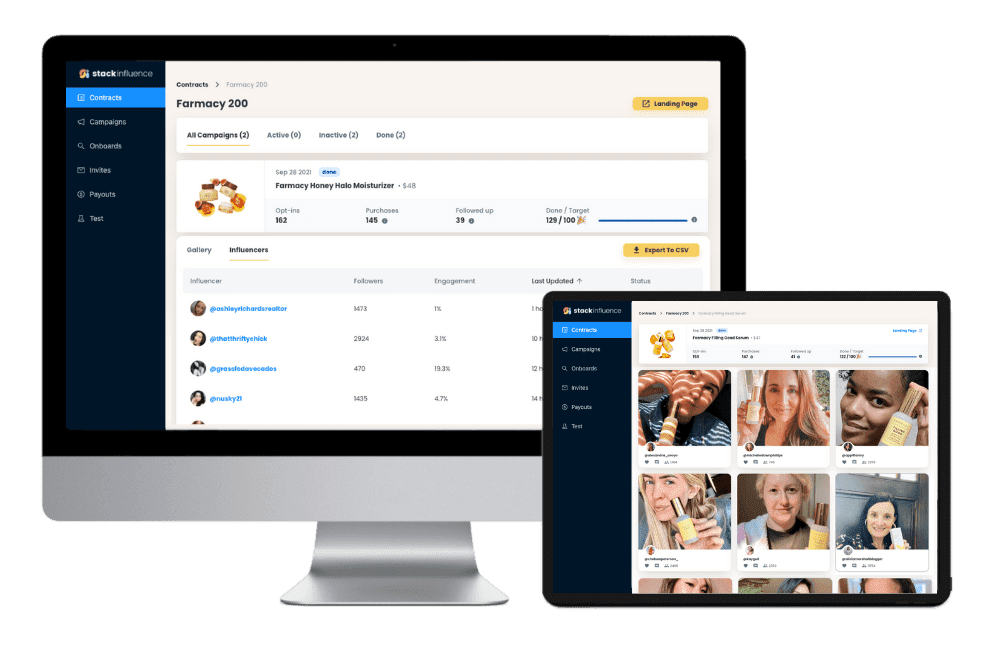
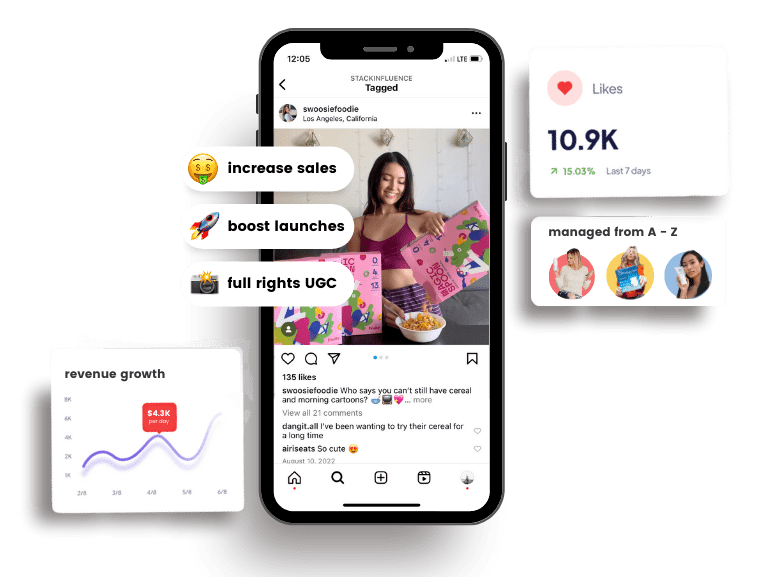
In short, the creator economy flips the old marketing script. Instead of pushing a message out via big ads, brands empower a network of real people to spread the word in a more organic way. For e-commerce entrepreneurs, this means your marketing can scale through authentic content and word-of-mouth on steroids. Stack Influence, for example, is a platform that helps brands run campaigns with armies of micro influencers to generate buzz and UGC at scale – showing how much influencer strategy has become a must-have for modern marketing.
Unlock the Power of Micro Influencers and Elevate your Brand Today!
Types of Creators: From Micro Influencers to Mega Stars

Not all creators are the same. The creator economy is broad, encompassing everyone from a part-time TikTok creator with 2,000 followers to a YouTube celebrity with 20 million subscribers. Below are some common categories of creators and influencers, and how they differ:
-
- Nano and Micro Influencers (1K–100K followers): These are everyday creators who focus on a specific niche or community. Their audiences might be small, but highly engaged and loyal. Micro influencers often personally interact with fans, answer DMs/comments, and build tight-knit trust. Brands love working with micros for their authenticity and affordability – it’s easier to partner with 50 micro influencers than 50 A-listers! (In fact, about 77% of brand partnerships are now with micro influencers creating UGC content.) Micro creators excel at generating credible reviews, unboxing videos, and lifestyle content that doesn’t feel like advertising. The tradeoff: they have limited reach per individual, so brands often collaborate with many at once to amplify campaigns.
- Macro Influencers (100K–1M followers): These creators have broken into mainstream awareness in their category. They maintain large followings on one or more platforms and can drive significant impressions with a single post. Macro influencers typically have a bit less personal interaction with fans than micros do (due to sheer volume of followers), but they still wield a strong influence and can spark trends. Brands use macro influencers for campaigns when seeking a big reach but with more targeting and relatability than a celebrity. Costs here are higher – macros might charge from hundreds to thousands of dollars per post depending on audience size and engagement.
- Mega Influencers / Celebrities (1M+ followers): At the top tier are the internet-famous and real-world famous. These include YouTube stars, TikTok phenoms, Instagram celebrities, as well as traditional celebs (actors, athletes) with huge social followings. They can introduce products to millions in one go. Endorsements from mega influencers come with a hefty price tag, though, and may appear less “close” to the average consumer. Brands often reserve these partnerships for major product launches or awareness plays. (For example, Dunkin’ Donuts partnering with TikTok superstar Charli D’Amelio generated enormous buzzgrin.co.) Mega influencers bring reach, but their engagement rates tend to be lowest – many followers lurk more than interact.
- Key Opinion Leaders (KOLs) / Experts: Not all influencers are lifestyle content creators; some are known for their expertise in a field. KOLs might be, say, a tech blogger who’s an authority on gadgets or a licensed dermatologist active on YouTube. They have credentials or experience that lend extra credibility. In B2B and specialized markets, KOL influencers can be highly valuable because their recommendations carry the weight of expertise. They often produce educational content and reviews. Brands in niches like healthcare, finance, or enterprise tech will seek out these subject-matter experts for partnerships rather than broad lifestyle influencers.
- Brand Ambassadors and Affiliates: When a brand and influencer form a long-term relationship, the creator may become an official brand ambassador. Ambassadors typically have an ongoing deal to represent the brand – receiving free products, commissions on sales, or even a salary/retainer. They consistently post about the brand and may avoid promoting competitors. An example would be a fitness apparel company that signs several Instagram fitness coaches as ambassadors, who then wear and promote its clothing line for a year. Similarly, affiliate influencers focus on earning commissions: they share trackable links or discount codes and get paid per sale. Ambassadors and affiliates are crucial in the creator economy because they integrate the brand deeply into their content, often coming off as genuine fans (because they usually are).
- Customer Creators (UGC Advocates): A rising segment in 2025 is leveraging everyday customers as content creators. Regular shoppers with small followings might post an unboxing or a quick review – and brands amplify that content. These peer creators blur the line between “influencer” and customer. Brands will sometimes run campaigns encouraging users to create content (with contests or free samples as incentives). Even without formal influencer status, a passionate customer’s TikTok video can go viral and influence plenty of peers. This user-generated content is considered part of the creator economy because it’s organic advocacy. Smart companies nurture communities of such advocates (for example, a beauty brand might repost makeup looks from dozens of real customers). While each individual’s reach is modest, collectively they build powerful social proof.
- Nano and Micro Influencers (1K–100K followers): These are everyday creators who focus on a specific niche or community. Their audiences might be small, but highly engaged and loyal. Micro influencers often personally interact with fans, answer DMs/comments, and build tight-knit trust. Brands love working with micros for their authenticity and affordability – it’s easier to partner with 50 micro influencers than 50 A-listers! (In fact, about 77% of brand partnerships are now with micro influencers creating UGC content.) Micro creators excel at generating credible reviews, unboxing videos, and lifestyle content that doesn’t feel like advertising. The tradeoff: they have limited reach per individual, so brands often collaborate with many at once to amplify campaigns.
How Brands (Even Amazon Sellers) Leverage the Creator Economy
A few years ago, “influencer marketing” might have meant a one-off deal with a top Instagram model. Today, it’s a sophisticated strategy that even lean e-commerce startups and Amazon marketplace sellers can harness. Here are some ways brands are tapping into creators and UGC:
-
- Product seeding for UGC: Brands frequently send free product samples to micro influencers and even everyday customers in exchange for honest content. For example, a new skincare e-commerce brand might gift its serum to 100 micro influencers on Instagram or TikTok. Those creators try the product and post reviews, unboxing videos, before-and-after photos, etc. This flood of UGC serves as both social proof and versatile marketing content. The brand can repost the best testimonials on its own channels or even use them in ads. For Amazon sellers, this strategy can generate a surge of authentic reviews and posts that drive external traffic to their Amazon listings – boosting both sales and search ranking on Amazon’s algorithm (which favors listings with lots of engagement).
- Affiliate influencer programs: Many e-commerce companies set up formal affiliate programs for creators. For instance, an Amazon seller can give influencers a special referral link or coupon code for a product on Amazon. The creator earns a commission (say 5–20%) on every sale through their link, and the seller benefits from the creator’s content reaching new buyers. Amazon itself launched the Amazon Influencer Program, enabling creators to earn from recommending Amazon products via their custom storefronts. This has led to countless “Amazon favorites” videos on YouTube and TikTok, where creators showcase products and direct viewers to their Amazon picks. It’s a win-win: creators get passive income, sellers get sales they might not have gotten otherwise.
- Always-on influencer campaigns: Rather than sporadic influencer posts, brands now cultivate ongoing relationships. For example, a DTC fashion brand might maintain a network of 200 micro influencers who receive every new seasonal collection. Each month, these creators post new looks. This always-on approach keeps the brand consistently in feeds and conversations. Companies like Stack Influence help automate such campaigns – handling the recruitment of creators, product shipments, content tracking, and payment – so that even a small marketing team can manage dozens or hundreds of influencer partners continuously. The result is a constant stream of authentic buzz without reinventing the strategy for each new product launch.
- Co-creating products and collections: In the creator economy’s latest evolution, influencers aren’t just promoting products – they’re helping create them. Brands have started collaborating with creators to develop new product lines, limited editions, or co-branded collections. For example, a fitness apparel company might partner with a popular YouTube trainer to design a signature line of leggings. The influencer’s followers feel a sense of ownership and excitement (“I can buy my favorite trainer’s merch!”), which drives sales. Meanwhile, the brand benefits from the creator’s expertise and guaranteed audience. Amazon sellers can do this on a smaller scale too – e.g. work with a food blogger to launch a new flavor of a snack, leveraging the blogger’s input and endorsement.
- Live shopping and creator-led events: Social commerce is increasingly interactive. Brands are teaming up with creators for live-streamed selling events (think QVC-style, but on Instagram Live, TikTok Live, or Amazon Live). For instance, an Amazon seller might invite a tech YouTuber to host a live demo of their gadget on Amazon Live, where viewers can buy the product in real time as the influencer showcases it. These live sessions blend entertainment with commerce and often see high conversion rates, because viewers can ask questions in chat and get instant answers from someone they trust. In China, this kind of influencer live commerce is huge, and it’s catching on in Western markets now. It’s yet another channel where creators are becoming the new salesforce for brands.
- Product seeding for UGC: Brands frequently send free product samples to micro influencers and even everyday customers in exchange for honest content. For example, a new skincare e-commerce brand might gift its serum to 100 micro influencers on Instagram or TikTok. Those creators try the product and post reviews, unboxing videos, before-and-after photos, etc. This flood of UGC serves as both social proof and versatile marketing content. The brand can repost the best testimonials on its own channels or even use them in ads. For Amazon sellers, this strategy can generate a surge of authentic reviews and posts that drive external traffic to their Amazon listings – boosting both sales and search ranking on Amazon’s algorithm (which favors listings with lots of engagement).
Real-world example: Warby Parker, the eyewear brand, was one of the early adopters of creator partnerships. From its early days, Warby Parker worked with content creators – not just mega influencers, but also everyday customers posting photos with their new glasses. This grassroots influencer strategy helped the DTC brand grow rapidly. Today, Warby Parker continues to engage thousands of creators (some as formal ambassadors, others who just love the product) to keep their marketing authentic and customer-centric. The result is a brand image built on real people’s experiences, which resonates strongly with online shoppers.
Whether you’re a niche Amazon seller or a big direct-to-consumer brand, these examples show that leveraging the creator economy can be tailored to your scale. You might start by gifting product to five micro influencers on Instagram and encouraging them to post – essentially free exposure aside from product cost. As you see returns, you could scale up to a full program, use an influencer platform, or even integrate creators into your product development cycle. The key is to treat creators as partners rather than just advertising channels. When creators feel a genuine connection to your brand and creative freedom, the content (and results) will be exponentially better.
Managing Creator Campaigns at Scale (Tools & Tips)

One challenge brands face as they dive into the creator economy is managing many influencer relationships at once. Working with a handful of creators manually (via DMs and spreadsheets) is doable; working with dozens or hundreds quickly becomes overwhelming without a system. Here are some tips and tools for scaling up your influencer marketing efficiently:
-
- Discover the right creators: The success of a campaign hinges on finding influencers who align with your brand values and target audience. Rather than randomly emailing popular users, use influencer discovery tools or platforms that let you filter creators by niche, follower count, engagement rate, audience demographics, etc. For example, you might filter for “beauty micro influencers in the USA with 5k–50k followers and engagement rate above 3%.” Investing time upfront to vet creators (check their content quality, follower authenticity, past brand partnerships) will save headaches later. There are databases and marketplaces (Influencer Marketing Hub, Grin, Upfluence, and others) to streamline this search.
- Streamline outreach and onboarding: Instead of sending individual messages back and forth to coordinate each collaboration, consider an automated workflow. Many brands use influencer CRM tools where you can send out campaign briefs to a list of approved creators, handle contracts/signatures digitally, and collect shipping info seamlessly. When onboarding creators, be clear about expectations – deliverables (e.g. 2 Instagram posts and 3 Stories), timelines, key messages or hashtags, and creative guidelines. Providing a one-page brief or a short video message to all recruited creators ensures everyone’s on the same page. By standardizing this process, you can onboard 50 creators almost as easily as 5.
- Leverage influencer marketing platforms: There’s a growing array of software solutions specifically built to manage creator campaigns. These platforms (like Stack Influence, AspireIQ, Tagger, and others) can automate many tasks – tracking when posts go live, aggregating engagement metrics, handling payments to creators, and even facilitating content approvals. For example, if you run a campaign with 100 micro influencers posting on Instagram, a good platform will pull in all their posts automatically via hashtags or tracking links, show you the likes/comments each one got, and calculate the campaign’s total reach and engagement. This saves you from manually checking each account or chasing creators for screenshots. Additionally, many platforms have communication hubs, so you don’t lose important chats across email and DMs – everything stays organized. While these tools come at a cost, they often pay for themselves by freeing up your time and improving campaign ROI (through better performance tracking and relationship management).
- Maintain relationships and re-use top performers: Treat your creators like long-term partners, not one-offs. If certain micro influencers delivered great results and loved your product, nurture that relationship. Add them to an “insider” list for future launches, send them holiday thank-you gifts or exclusive discounts, and keep engaging with their content even outside formal campaigns (a simple like or comment from the brand account on their posts can go a long way). By building a roster of reliable, brand-aligned creators, you establish a kind of on-demand marketing team. Over time, they become more authentic advocates since they’re genuinely familiar with your brand. This also reduces the need to constantly find new influencers from scratch. Many successful e-commerce brands have “creator squads” or ambassador programs – essentially a VIP list of influencers who consistently collaborate. These relationships, when managed well, can turn into an evergreen marketing asset that drives sales year-round.
- Track results and iterate: As with any marketing effort, you’ll want to measure how creator campaigns impact your goals (sales, website traffic, app installs, etc.). Set up proper tracking – unique discount codes for each influencer, affiliate links, or UTM parameters – so you can attribute spikes in orders or visits to specific creators or content pieces. Analyze which influencers brought the most engaged traffic or highest conversion rate. Also pay attention to the content itself: which style of post performed best? (For example, maybe unboxing videos on TikTok drove more sales than static posts on Facebook.) Use these insights to refine your strategy. You might find that your money is better spent on 30 micro TikTokers than on 5 mid-tier Instagrammers, or vice versa. The creator economy is still evolving, so a bit of trial and error is normal. Keep learning and optimizing with each campaign.
- Discover the right creators: The success of a campaign hinges on finding influencers who align with your brand values and target audience. Rather than randomly emailing popular users, use influencer discovery tools or platforms that let you filter creators by niche, follower count, engagement rate, audience demographics, etc. For example, you might filter for “beauty micro influencers in the USA with 5k–50k followers and engagement rate above 3%.” Investing time upfront to vet creators (check their content quality, follower authenticity, past brand partnerships) will save headaches later. There are databases and marketplaces (Influencer Marketing Hub, Grin, Upfluence, and others) to streamline this search.
Finally, remember that managing creators is people management. Influencers aren’t ad units – they’re individuals with their own schedules, creative styles, and preferences. Being respectful, clear, and responsive goes a long way. Simple gestures like timely payment, constructive feedback, and public shout-outs (e.g. “Thanks to our amazing creators for collaborating this spring!”) can make influencers excited to work with you again. The easier and more enjoyable you make the collaboration experience, the more you’ll stand out as a preferred brand partner in the creator community.
Unlock the Power of Micro Influencers and Elevate your Brand Today!
Conclusion to What Is the Creator Economy?
The creator economy isn’t a passing trend – it’s a fundamental shift in how consumers and brands connect. Content creators, micro influencers, and everyday users now hold significant sway over purchasing decisions. For e-commerce companies and Amazon sellers, this shift presents an enormous opportunity. By partnering with creators who genuinely love your niche, you inject authenticity into your marketing and tap into ready-made communities of trust. Instead of pouring budget solely into faceless ads, you can invest in relationships that yield not just sales, but also valuable content and loyal brand advocates.
In 2025 and beyond, successful brands will be those that humanize their marketing through influencers and UGC. The results speak for themselves – higher engagement, increased conversion rates, and stronger customer loyalty. Whether you start by recruiting one micro influencer on Instagram or launch a full-scale ambassador program, it’s time to stake your claim in the creator economy. Empower creators to tell your story in their own voice, and you’ll see the impact on your bottom line.
Ready to get started? Begin by identifying a handful of influencers who align with your brand’s vibe and values. Reach out with a friendly, personalized offer – maybe a free product or an affiliate commission – and see what content blossoms. Each authentic post or video about your product is a building block in a modern marketing engine. Embracing the creator economy now will position your brand to grow faster, engage audiences deeper, and thrive in this era where content and community drive commerce. Don’t wait – the sooner you start nurturing creator partnerships, the sooner you’ll reap the rewards of this new digital economy.

By William Gasner
CMO at Stack Influence
William Gasner is the CMO of Stack Influence, he's a 6X founder, a 7-Figure eCommerce seller, and has been featured in leading publications like Forbes, Business Insider, and Wired for his thoughts on the influencer marketing and eCommerce industries.
Want new articles before they get published? Subscribe to our Awesome Newsletter.
stack up your influence
turning creativity into currency
our headquarters
111 NE 1st St, Miami, FL 33132
our contact info
[email protected]
stack up your influence
turning creativity into currency
our headquarters
111 NE 1st St, 8th Floor
Miami, FL 33132
our contact info



© 2025 Stack Influence Inc
© 2025 Stack Influence Inc