
Why Brands Embrace Cinematic Influencer Content in 2025
26th
December, 2025
Influencer Marketing
Amazon Marketplace
Artificial Intelligence
TikTok Tips
In an age of TikTok dances and unboxing videos, one thing is clear: influencer content drives modern marketing. For e-commerce brands and Amazon sellers, keeping up with content trends can mean the difference between blending in or standing out online. Lately, a new trend has emerged – cinematic influencer content, a high-fidelity (“hi-fi”) approach that feels more like Hollywood than homemade. This article explores what cinematic hi-fi influencer content is, why it’s making a comeback in 2025, and how brands can combine it with authentic micro-influencer posts and UGC to boost engagement and sales. By the end, you’ll know how to leverage this trend (without losing authenticity) to elevate your influencer marketing strategy.
What is Cinematic Influencer Content (Hi-Fi)?

“Cinematic” or hi-fi influencer content refers to highly polished, story-driven social media posts – especially videos – with the look and feel of a professional production. Think of a short film, web series, or mini documentary starring an influencer or content creator. This isn’t a casual selfie video; hi-fi content is carefully scripted and edited with elevated visuals, sound, and storytelling. Brands often work with creators to produce these pieces, blurring the line between advertising and entertainment. The goal is to captivate viewers with narrative and cinematic quality, so the brand’s message becomes part of a story rather than a traditional ad.
Such cinematic influencer content might feature:
-
- High production values – professional cameras, lighting, and editing for a glossy finish.
- Story arcs or episodes – e.g. an influencer-led series with recurring characters or themes.
- Blended branding – the product or brand is woven naturally into the storyline (product placement 2.0) rather than overtly pitched.
- Multi-channel distribution – these videos often live on both the brand’s channels and the creator’s own social feed to maximize reach.
- High production values – professional cameras, lighting, and editing for a glossy finish.
For example, a fashion retailer might collaborate with a YouTuber to create a three-part mini drama where new outfits are central to the plot. Or a food brand might produce a TikTok “cooking show” with a creator as host. The content feels like entertainment first, advertisement second. This intentional, cinematic style is a stark contrast to the raw, unfiltered clips typically associated with influencer UGC (user-generated content).
Unlock the Power of Micro Influencers and Elevate your Brand Today!
Why Cinematic Influencer Content Is Making a Comeback
Not long ago, brands were all-in on lo-fi authenticity. So why the renewed interest in glossy, cinematic influencer content? Several factors are driving this hi-fi comeback:
-
- Social feeds are saturated with sameness. Scroll through Instagram or TikTok and you’ll see endless iPhone videos, duets, and dance challenges. Authenticity is still crucial – nearly 63% of consumers say they prefer relatable, “real” social content over polished ads. But ironically, the ubiquity of lo-fi content means everyone is doing it. Audiences are experiencing “authentic content fatigue” from seeing the same casual styles over and over. A cinematic piece stands out as a refreshing change. By investing in higher production, brands can break through the noise with content that immediately catches the eye and feels intentional. In short, when everyone is keeping it casual, going hi-fi can be a way to differentiate your brand’s voice.
- Creators have become full-scale production houses. Today’s content creators are not just selfie-takers – many are skilled videographers, storytellers, and editors in their own right. Influencers now often act as creative directors and producers for brand collaborations, not just on-camera talent. In fact, creators are increasingly “the producer and the distribution platform” all in one. They bring creative concepts, filming expertise, and built-in audiences. This means a brand can partner with a micro influencer or content creator who has pro-level skills, and co-produce something cinematic without hiring a big advertising agency. The result rivals traditional commercials, but comes with the relatability and cultural relevance of an influencer. As a bonus, the creator will publish the content on their own channels too, instantly amplifying reach through a trusted voice.
- Platforms are favoring longer-form storytelling. Social media itself is evolving beyond ultra-short clips. TikTok, originally famous for 15-second videos, now allows uploads up to 10 minutes long – and has even tested videos up to 20 or 60 minutes for select users. Instagram Reels and YouTube Shorts have also extended their length limits over time. This shift signals that algorithms are embracing more in-depth content. Users are proving willing to watch longer, story-driven videos – TikTok found that 50% of user time is spent on videos over one minute. The door is open for episodic content and mini-series on platforms once known only for quick hits. Brands see an opportunity to release episodic or cinematic campaigns right on social networks where consumers already scroll. Essentially, social media has become the new TV, and influencers are the new showrunners.
- Branded entertainment builds deeper affinity. Ultimately, the goal of marketing hasn’t changed: brands want to be part of culture, not just interrupt it. Hi-fi influencer content, done right, turns ads into entertainment. Rather than a one-off post saying “buy now,” a cinematic story can engage viewers over several minutes or episodes, subtly weaving in the product. This builds an emotional connection and narrative around the brand. Audiences are increasingly ad-averse, but they will gladly follow a compelling story. By becoming part of the narrative instead of a sales pitch, brands earn greater affinity and recall. One marketing executive explained, “The ultimate goal is to become part of the narrative versus just getting somebody to drive a purchase in the moment”. In other words, hi-fi content is a long-term play: it plants your brand in consumers’ minds via memorable storytelling, which can later translate to purchases once trust and interest are built.
- Social feeds are saturated with sameness. Scroll through Instagram or TikTok and you’ll see endless iPhone videos, duets, and dance challenges. Authenticity is still crucial – nearly 63% of consumers say they prefer relatable, “real” social content over polished ads. But ironically, the ubiquity of lo-fi content means everyone is doing it. Audiences are experiencing “authentic content fatigue” from seeing the same casual styles over and over. A cinematic piece stands out as a refreshing change. By investing in higher production, brands can break through the noise with content that immediately catches the eye and feels intentional. In short, when everyone is keeping it casual, going hi-fi can be a way to differentiate your brand’s voice.
Overall, cinematic influencer campaigns offer a way to captivate jaded audiences, leverage creators’ talents, and tell richer brand stories on social media. But none of this means lo-fi, grassroots content is going away – in fact, it’s as important as ever. The smartest brands are now figuring out how to blend the two approaches.
How E-Commerce Brands Can Leverage Cinematic Influencer Content

High-fidelity influencer content might sound like something only big corporations can pull off. But even lean e-commerce teams and Amazon marketplace sellers can ride this trend with the right approach. Here are practical ways for brands of any size to leverage cinematic influencer content for marketing success:
-
- Co-create a story that features your product. Brainstorm with an influencer (or a few micro influencers) to develop a creative concept that naturally incorporates your product. This could be a short “webisode” series, a scripted skit, or a dramatic before-and-after journey – whatever fits your brand. The key is to make the audience care about the content itself, not just the item being sold. For example, a home gadget seller might film a mini home makeover show with a DIY influencer, using the gadget as an integral tool in each episode’s project. Or an apparel brand could produce a “day-in-the-life” mini movie with a creator, where the clothing is showcased as part of the character’s journey. When the product is embedded in a narrative, viewers stay engaged and absorb the brand message more subtly.
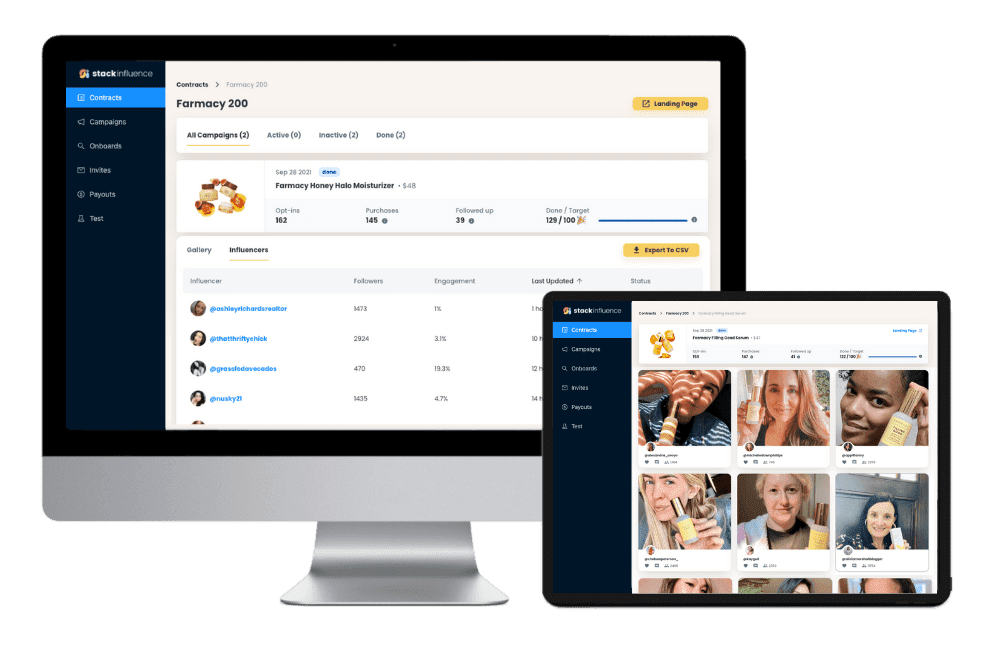
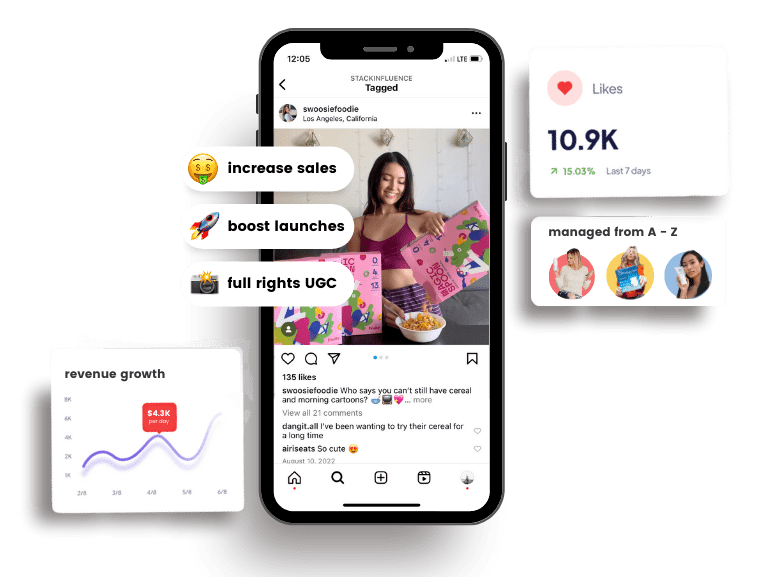
- Choose the right creators (not just the biggest). Success with cinematic content comes from finding influencers or content creators who align with your brand and have the skills to execute a vision. Look for influencers in your niche who are already producing high-quality videos or who have a background in photography, film, or writing. A travel vlogger who makes cinematic reels, or a beauty guru known for creative editing, could be ideal. Micro influencers can shine here – many up-and-coming creators are hungry to flex their creative muscle and will produce incredible content with a bit of support. (Some micro influencers may even surprise you with professional-grade work using just an iPhone and editing apps.) Moreover, micro influencers tend to have highly engaged audiences. They often see engagement rates around 6%, far higher than the ~1–2% typical for mega influencers. This means you get both quality content and a receptive audience. To streamline this process, you can tap platforms like Stack Influence – for example, Stack Influence’s platform connects e-commerce brands with vetted micro-influencers and content creators, helping generate authentic UGC and even hi-fi content at scale. By working with a network of skilled micro influencers, brands can get a variety of cinematic-style videos (and still benefit from the trust and relatability those smaller creators bring).
- Provide creators with resources, but encourage their vision. If you want cinematic results, be prepared to invest some resources – but remember that authenticity and creativity still rule. Consider supplying what the creator might need: a stipend for better equipment or editing software, a small production budget, or access to locations, props, or cast if necessary. However, avoid micromanaging the process. Influencers know their audience best, and the charm of these projects is in creator-driven creativity. Share your brand goals and key messages, but let the creator’s style shape the story. The content should still feel like them. A good practice is to develop a loose script or storyboard collaboratively, then step back and let the creator bring it to life. This ensures the final video is both high-quality and genuine, not an overly scripted ad that followers will scroll past.
- Distribute across channels for maximum impact. One huge advantage of partnering with influencers on hi-fi content is dual distribution. Make sure the finished video gets shared on multiple channels: the influencer’s TikTok, Instagram, or YouTube, as well as your brand’s own social media, website, or even email campaigns. When Zola (a wedding brand) launched their influencer-starring series “Pop the Questions,” they had the episodes on the brand’s social pages and the creators’ accounts – doubling the reach and lending credibility by appearing in an influencer’s authentic feed. You can do the same. Also consider fragmenting the content for different platforms: for instance, post the full 5-minute video on YouTube, cut 60-second teaser clips for Instagram Reels, and use behind-the-scenes snippets on TikTok Stories. By spreading the content, you’ll attract different segments of your audience. Don’t forget your own e-commerce channels: a cinematic influencer video can be embedded on your product page or Amazon Storefront to enrich the shopping experience with engaging storytelling.
- Combine cinematic posts with a surge of UGC. After releasing the “hero” content – the big cinematic video or series – follow up with plenty of lo-fi, user-generated style posts to keep momentum. Think of the hi-fi piece as the tentpole, and lo-fi as the ongoing conversation around it. Encourage the featured influencer (and others in your micro-influencer network) to post reaction videos, behind-the-scenes clips, Q&As, or related challenges. For example, if you premiered a short film of a fitness influencer using your workout gear, have your micro influencers and customers share their own short clips doing those exercises at home (with a common hashtag). This one-two punch leverages the buzz from the cinematic content and reinforces it with authentic community engagement. It also keeps your feed active and relatable, so you’re not pivoting entirely to polished content. The result is a campaign that feels both epic and approachable.
- Track engagement and iterate. As with any marketing effort, monitor how the content performs. Look at view counts, watch time, shares, comments, and conversion lifts (like referral traffic to your site or product page). Hi-fi influencer content may bring qualitative benefits like brand lift or follower growth that are slightly harder to measure, but keep an eye on any sales bumps or web traffic around the campaign timeframe. If you notice, for example, that the cinematic video got lots of views but the simple unboxing follow-up posts drove more actual purchases, that’s fine – it means the campaign worked together. Take notes on what storylines or formats resonated most and refine your next effort. Maybe your audience loved the “mini-series” approach but found the 10-minute length too long – next time, try 3-minute episodes. Treat these campaigns as learning opportunities in this new content format. With each iteration, you’ll get closer to the sweet spot of entertaining your audience and driving them to act.
Mixing Hi-Fi and UGC: Finding the Right Balance
As you experiment with cinematic influencer content, remember that it’s not a replacement for the everyday authenticity that got you here. It’s a power-up. The best influencer strategies in 2025 balance both hi-fi and lo-fi methods. As one marketing expert put it, a smart plan might use hi-fi content for longer-form brand storytelling, coupled with lo-fi “bite-sized” content at volume. The hi-fi pieces give your brand those landmark moments – buzzworthy videos that people talk about – while the steady stream of micro influencer posts, reviews, and organic UGC keeps the conversation going and maintains trust.
For instance, if you’re launching a new product, you might kick off with a slick influencer mini-film to build hype and highlight your brand’s voice. Then, in the weeks following, flood social media with authentic content: real customers trying the product, micro influencers sharing quick tips or testimonials, and interactive Stories or Lives answering questions. The cinematic content draws people in; the relatable content seals the deal. In practice, hi-fi and lo-fi content should work together like tag-team partners, each doing what they do best – captivating attention and reinforcing credibility.
Keep in mind that authenticity is the currency of influencer marketing. Even when going hi-fi, find ways to humanize the content. Showing bloopers or behind-the-scenes photos, for example, can remind viewers that real people are behind the polished video. And choosing influencers whose personalities shine through, even in a scripted scenario, will ensure the content still feels genuine. The hi-fi comeback isn’t about abandoning the “realness” that makes social media influential; it’s about elevating your storytelling when the time is right, then staying engaged with your community day-to-day.
Unlock the Power of Micro Influencers and Elevate your Brand Today!
Conclusion to Why Brands Embrace Cinematic Influencer Content
Cinematic influencer content is breathing new life into influencer marketing – offering brands a way to tell richer stories and capture audience imagination in 2025. By partnering with creative content creators, even e-commerce startups and Amazon sellers can produce hi-fi influencer campaigns that look like big-budget productions but still carry the relatability of social media. The key is knowing when to go big and when to keep it real. A glossy video alone won’t drive sales if it’s not backed by genuine engagement. But combined with authentic micro-influencer outreach and UGC, it can amplify your brand’s impact dramatically.
For e-commerce brands, the message is clear: don’t be afraid to get cinematic with your influencer content when you have a story to tell or a product launch to celebrate. These memorable moments can set you apart from competitors in a crowded feed. Just follow up with plenty of down-to-earth content to maintain trust and community. By embracing both the hi-fi and lo-fi sides of influencer marketing, you’ll build a brand presence that is both captivating and credible.
Ready to elevate your influencer strategy? Consider adding a cinematic twist to your next campaign. Whether it’s a mini vlog series on TikTok or an influencer short film on Instagram, storytelling can forge a deeper connection with your audience. In a world flooded with content, those who craft an engaging narrative – and keep it authentic – will turn viewers into loyal customers. It’s time to blend Hollywood flair with homegrown honesty and watch your brand influence (and sales) climb.

By William Gasner
CMO at Stack Influence
William Gasner is the CMO of Stack Influence, he's a 6X founder, a 7-Figure eCommerce seller, and has been featured in leading publications like Forbes, Business Insider, and Wired for his thoughts on the influencer marketing and eCommerce industries.
Want new articles before they get published? Subscribe to our Awesome Newsletter.
stack up your influence
turning creativity into currency
our headquarters
111 NE 1st St, Miami, FL 33132
our contact info
[email protected]
stack up your influence
turning creativity into currency
our headquarters
111 NE 1st St, 8th Floor
Miami, FL 33132
our contact info



© 2025 Stack Influence Inc
© 2025 Stack Influence Inc