
How Hyper-Personalization Drives E-Commerce ROI in 2025
25th
December, 2025
Influencer Marketing
Amazon Marketplace
Artificial Intelligence
TikTok Tips
Imagine every customer feeling like your brand “gets” them. In 2025, one-size-fits-all marketing just doesn’t cut it – shoppers expect hyper-personalized experiences at every turn. In fact, 71% of consumers demand personalized interactions and 76% feel frustrated when they don’t get them. The payoff for businesses is huge: top brands earn up to 40% more revenue from personalization than their peers. In this guide, we’ll explore Hyper-Personalization in E-Commerce Marketing and how it’s shaping strategies for e-commerce brands, Amazon sellers, and DTC founders. You’ll learn what hyper-personalization means, why it’s become a must in 2025, and five actionable ways – from leveraging AI to collaborating with micro influencers – to deliver ultra-tailored customer experiences that drive engagement, loyalty, and ROI. Let’s dive in!
What Is Hyper-Personalization in E-Commerce?

Hyper-personalization is the next level of personalization in e-commerce. It means tailoring every touchpoint of the customer journey in real time, using rich customer data and AI to adjust content, product recommendations, pricing, and messaging on the fly. Unlike basic personalization (e.g. addressing someone by name or suggesting similar items), hyper-personalization creates a shopping experience unique to each individual. It combines browsing behavior, purchase history, demographics, and even context (like location or time of day) to present offers that feel hand-picked. Shoppers have come to expect this level of customization. A Salesforce survey noted 73% of people feel brands should treat them as unique individuals, up from just 39% two years prior. In short, hyper-personalization in e-commerce is all about making every customer feel like the experience was made just for them.
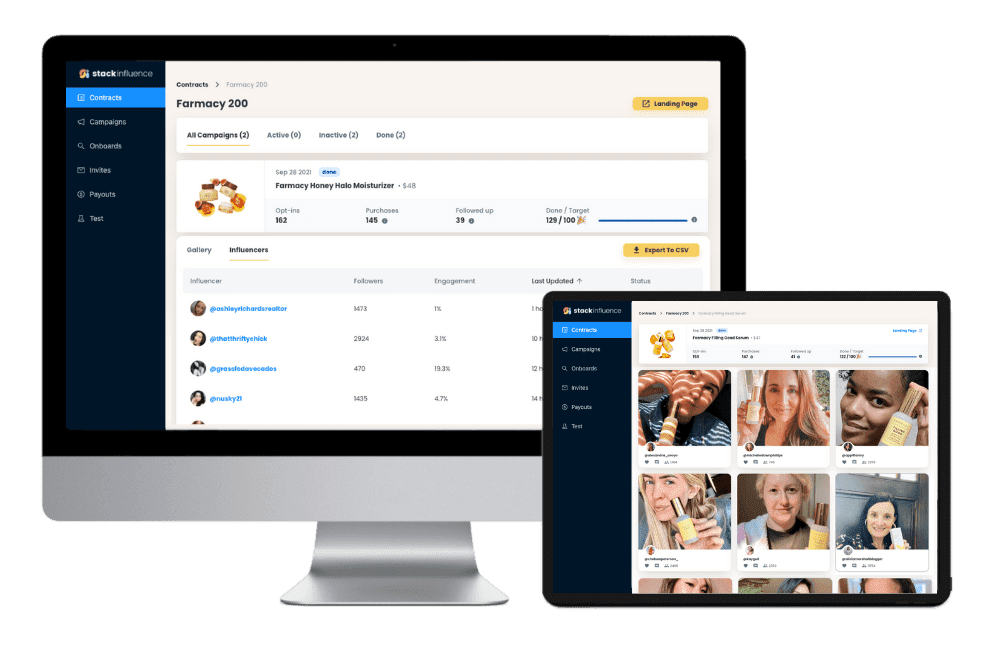
Unlock the Power of Micro Influencers and Elevate your Brand Today!
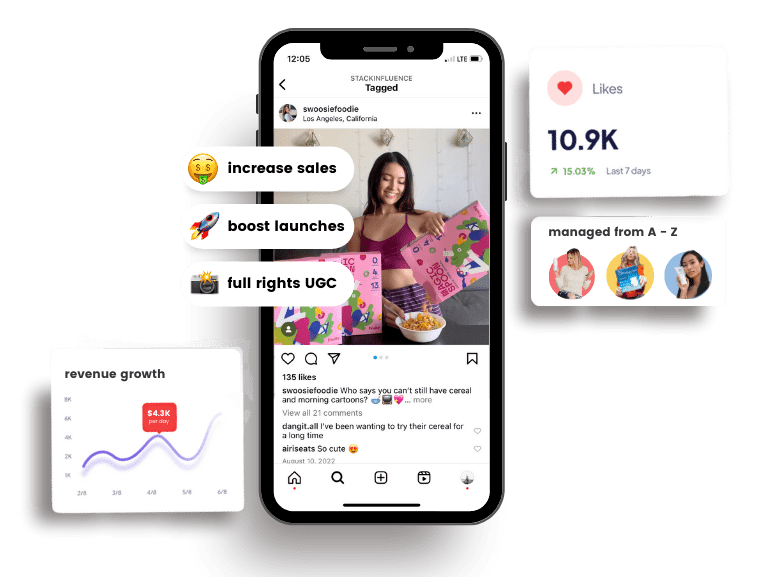
Why Hyper-Personalization Matters in 2025
Delivering personalized experiences isn’t just a nice-to-have in 2025 – it’s a competitive necessity. Here are key reasons why hyper-personalization has become a top priority:
-
- Sky-High Customer Expectations: Modern consumers are inundated with choices online. They gravitate toward brands that cut through the noise with relevant, timely content. If your marketing feels generic, you risk losing attention (and sales). As mentioned, most shoppers now expect personalization by default, and many will walk away if they feel like “just another number”. E-commerce leaders like Amazon set the bar by showing each user tailored product suggestions and deals.
- Better Conversion & ROI: Personalization drives real financial results. Highly personalized interactions outperform non-personalized ones by about 30% in conversion rates and revenue impact. Instead of blanket promotions that waste budget on uninterested audiences, targeted offers hit the bullseye – yielding more sales per marketing dollar. In fact, retailers that shifted from one-size-fits-all discounts to personalized promotions saw returns up to 3× higher than mass campaigns. The message is clear: relevancy boosts the bottom line.
- Increased Customer Loyalty: When shoppers feel genuinely understood and valued, they stick around. Personalization can turn one-time buyers into repeat customers. One study found over 55% of consumers become repeat buyers after a personalized shopping experience. By tailoring product recommendations or content to someone’s tastes, you encourage them to come back (since your store consistently shows them things they’ll love). This kind of loyalty is gold for e-commerce and Amazon sellers alike, driving higher customer lifetime value.
- Competitive Advantage: As we move into 2025, hyper-personalization remains top-of-mind for marketers – and if your brand lags, competitors could leap ahead. Nearly 70% of businesses have increased their investment in personalization, often leveraging advanced tools and data. Brands that excel at personalization can differentiate themselves in a crowded market by delivering curated experiences that newcomers can’t easily replicate. It’s a way to stand out beyond just pricing or product features.
- Sky-High Customer Expectations: Modern consumers are inundated with choices online. They gravitate toward brands that cut through the noise with relevant, timely content. If your marketing feels generic, you risk losing attention (and sales). As mentioned, most shoppers now expect personalization by default, and many will walk away if they feel like “just another number”. E-commerce leaders like Amazon set the bar by showing each user tailored product suggestions and deals.
1. Harness AI for Real-Time Personalization
Artificial intelligence is the engine that makes hyper-personalization at scale possible in 2025. AI and machine learning analyze customer data faster and more deeply than any human could – enabling you to deliver real-time, context-aware experiences. For example, an AI-powered recommendation engine can track each visitor’s browsing and purchase history and instantly suggest the products they’re most likely to want. During last year’s holiday season, $229 billion in global online sales (19% of all orders) were influenced by AI-driven product recommendations and offers. That’s a testament to how effective smart suggestions can be in guiding purchase decisions.
E-commerce giants like Amazon have demonstrated the power of AI personalization. Amazon’s famous recommendation algorithm (“Customers who bought X also bought Y…”) is a hyper-personalization tool that generates 35% of the company’s total sales. Shoppers see product ideas uniquely tailored to them – and it keeps them on the site longer, discovering more items. Even as a smaller brand or Amazon seller, you can leverage AI through available tools and platforms. For instance:
-
- Product recommendation engines (via Shopify, Magento, or plugins) that display “hand-picked for you” items on your homepage, product pages, or cart page based on each user’s behavior.
- Generative AI content that customizes marketing copy on the fly. In 2025, AI can dynamically swap out images or text in an email, webpage, or ad to better resonate with different audience segments. (One customer might see a promo banner featuring sports gear while another sees fashion, depending on their interests.)
- Predictive targeting for promotions. AI can help segment customers by likelihood to buy or preferences, so you can send targeted discounts. Rather than a blunt 10%-off-for-all, an AI-driven system might offer a free shipping promo to a customer who values convenience, and a bulk discount to a high-volume shopper. This granular approach to offers can significantly lift conversion rates.
- Product recommendation engines (via Shopify, Magento, or plugins) that display “hand-picked for you” items on your homepage, product pages, or cart page based on each user’s behavior.
Importantly, AI lets you do all this at scale. Whether you have 1,000 customers or 1 million, machine learning can individualize the experience for each person – something impossible with manual marketing. The result is an e-commerce or Amazon store that feels uniquely responsive to each shopper’s needs in real time. As one McKinsey senior partner put it, retailers have tons of data from their long-term customer relationships – the key is harnessing it to “tailor your offerings and engage in a different way”. AI is now the go-to way to harness that data quickly and effectively.
Pro tip: Start small with AI personalization if needed. For example, use an AI product recommendation widget on your site or enable personalized product emails. Monitor the lift in click-through and sales. Many brands see immediate improvements and then expand AI personalization to more touchpoints (like on-site search results, chatbot suggestions, or dynamic pricing). The sooner you integrate these tools, the faster you’ll delight customers with that “wow, this is exactly what I was looking for!” experience.
2. Leverage Micro-Influencers for Niche Marketing

Not all personalization is powered by algorithms – some of it is human-centric. Micro-influencers (creators with roughly 5K–100K followers in a focused niche) have become a secret weapon for personalized e-commerce marketing. These content creators cultivate tight-knit communities around specific interests, whether that’s vegan baking, home gym workouts, or tech gadgets. Partnering with micro-influencers allows your brand to speak directly to hyper-targeted audiences in an authentic way that feels personal.
Here’s why micro-influencer marketing is booming for e-commerce in 2025:
-
- Higher Engagement & Trust: Micro-influencers typically enjoy far higher engagement rates than mega-celebrities. Their followers actually know and interact with them regularly, so recommendations feel like advice from a friend. On Instagram, micro-influencers have about 100% higher engagement rates than macro-influencers. This means when a micro-influencer posts about your product, their audience is more likely to stop, pay attention, and respond (by clicking through or purchasing) compared to a generic ad. Moreover, micro-influencers come off as genuine users of the products they promote, which builds trust. In an era of ad fatigue, consumers prefer relatable voices over polished celebrity endorsements.
- Niche Relevance: Because each micro-influencer caters to a specific niche or community, you can choose influencers whose followers perfectly match your target customer profile. For example, if you sell eco-friendly skincare, you might work with a micro-influencer who focuses on sustainable living and has, say, 20,000 followers interested in green beauty. That’s a highly receptive audience for your message. By running campaigns with multiple micro-influencers across different niches, you effectively personalize your outreach – each segment of customers hears about your brand in a context that matters to them. It’s like running many localized word-of-mouth campaigns simultaneously.
- Authentic Content at Scale: Micro-influencers are also prolific content creators. They produce user-generated style content (reviews, unboxings, how-tos, lifestyle photos) that doesn’t look like a slick ad, but rather a personal story featuring your product. This kind of content resonates strongly with today’s consumers – a recent survey found 86% of people (Gen Z through Boomers) are more influenced by UGC from real customers than by traditional brand ads. By amplifying micro-influencer content, you infuse authenticity into your marketing. You can even repurpose their photos or videos (with permission) on your product pages or social media, further personalizing the customer experience with peer voices.
- Higher Engagement & Trust: Micro-influencers typically enjoy far higher engagement rates than mega-celebrities. Their followers actually know and interact with them regularly, so recommendations feel like advice from a friend. On Instagram, micro-influencers have about 100% higher engagement rates than macro-influencers. This means when a micro-influencer posts about your product, their audience is more likely to stop, pay attention, and respond (by clicking through or purchasing) compared to a generic ad. Moreover, micro-influencers come off as genuine users of the products they promote, which builds trust. In an era of ad fatigue, consumers prefer relatable voices over polished celebrity endorsements.
Working with micro-influencers is often cost-effective, too – their fees are lower than those of big influencers, so you can engage several creators for the price of one celebrity. This yields a greater variety of personalized stories around your brand. For instance, one micro-influencer might highlight how your gadget helps busy moms save time, while another showcases its appeal to tech enthusiasts – each speaking directly to a different customer persona.
How to get started? Identify a handful of micro-influencers whose audience aligns with your market. Build genuine relationships with them – let them try your product, encourage their honest feedback, and collaborate on creative ways to present it. (Authenticity is key; allow them creative freedom so the content remains genuine.) You can use influencer marketing platforms – for example, Stack Influence – to streamline finding and managing micro-influencer partnerships across social platforms. By incorporating micro-influencers into your strategy, you essentially personalize your marketing by audience segment, leveraging trusted voices to carry your message. It’s a powerful complement to AI-driven tactics, adding the warmth of human recommendation to your hyper-personalization playbook.
3. Integrate UGC for Authentic Experiences
User-generated content (UGC) is a cornerstone of hyper-personalized marketing because it injects the customer’s voice directly into your brand experience. UGC includes any content created by real users – think product reviews, customer photos, unboxing videos, testimonials, or social media posts about your product. Incorporating UGC into your e-commerce presence makes shoppers feel like your brand community is alive and relatable, not just a faceless store trying to sell things.
Why is UGC so powerful for personalization? Authenticity and social proof. Today’s consumers heavily trust their peers. When potential buyers see content from people “like them” – for example, a selfie of a customer wearing the sunglasses they’re considering, or a video review from a fellow gamer about a new headset – it builds confidence that the product will suit their needs. UGC-based recommendations carry weight: people are often more persuaded by a fellow customer’s opinion than by brand marketing. As noted earlier, an overwhelming 86% of consumers value authenticity and are influenced more by real customer content than by polished brand campaigns. By showcasing UGC, you essentially personalize the shopping journey with voices that shoppers inherently trust.
Here are some ways to leverage UGC for hyper-personalized e-commerce experiences:
-
- Customer Reviews and Ratings: Make the most of your reviews section. Go beyond just star ratings – highlight specific customer stories. For instance, on product pages, display a “featured review” that aligns with the user’s context (if you know a visitor is from California, show a review from a California-based customer; if they’re looking at running shoes, show a review mentioning marathon training). This kind of matching can be done with simple algorithms or plugins, and it helps new shoppers see themselves in the experiences of past customers.
- Visual UGC Galleries: Invite customers to share photos or videos of themselves using your product (perhaps through a hashtag campaign on Instagram or TikTok). With permission, embed these visuals on your site – a gallery of real customer photos can personalize your homepage or product pages. For example, clothing retailers often show UGC images of diverse customers wearing their apparel, so viewers can find someone with a similar body type or style and visualize the item better. It feels tailored because customers can relate to the content. Many brands also add a personal touch by tagging the content with the customer’s first name or handle (e.g., “@jane_doe rocking our summer dress at the beach”).
- UGC in Social Ads and Emails: Incorporate user-generated snippets in your marketing creatives. An email campaign might include a quote from a customer (“This skincare serum was a game-changer for my dry skin – @skincarefanatic”) along with the product link. Social media ads perform well when they look native – a quick way is to use influencer or customer content, which tends to blend in as if it’s from a friend rather than a corporate account. This makes the ad experience more personalized and less “commercial.”
- Customer Reviews and Ratings: Make the most of your reviews section. Go beyond just star ratings – highlight specific customer stories. For instance, on product pages, display a “featured review” that aligns with the user’s context (if you know a visitor is from California, show a review from a California-based customer; if they’re looking at running shoes, show a review mentioning marathon training). This kind of matching can be done with simple algorithms or plugins, and it helps new shoppers see themselves in the experiences of past customers.
To accumulate high-quality UGC, you can encourage it through post-purchase follow-ups (“Share your unboxing on Instagram with #OurBrand for a chance to be featured”) or even small incentives like discount codes for leaving a review with a photo. Over time, you’ll build a library of genuine content. Not only does this humanize the shopping experience, but it also continuously provides fresh, relevant material that can be matched to different customer interests and demographics.
In summary, weaving UGC into your e-commerce marketing brings your customers’ perspectives front and center. It’s hyper-personalization in the sense that new shoppers get to see content that matches their identity or use-case, easing their decision process. Plus, celebrating your customers by featuring their content creates a virtuous cycle – it fosters a community and invites more people to engage with your brand on a personal level.
4. Personalize Customer Communication & Offers
Another key aspect of hyper-personalization is delivering the right message, to the right person, at the right time. This means personalizing your direct communications – emails, SMS, push notifications – as well as the offers and content each customer sees during their journey. Gone are the days of “email blast” marketing where every subscriber gets the same promo. In 2025, even a small e-commerce brand can easily segment and tailor messages, and the payoff is significant (about 90% of marketers say that segmentation and personalization boost campaign performance).
Here are strategies to personalize communications and offers:
-
- Segmentation and Targeted Campaigns: Use customer data to segment your audience into meaningful groups – for example, first-time visitors, repeat buyers, high spenders, hobby-based segments, etc. You can then craft specific campaigns for each. A pet supplies store might send different emails to dog owners vs. cat owners, featuring products and content relevant to each pet type. Likewise, an Amazon seller using Amazon’s Customer Engagement tool might target past purchasers of Product A with a new related Product B release. Tailored messaging ensures customers only get info that interests them, making them more likely to engage. It’s the opposite of spam; it feels like you understand their needs.
- Dynamic Email Content: Modern email marketing platforms (like Klaviyo, Mailchimp, etc.) allow dynamic content insertion. This means the email content can change based on the recipient’s profile or behavior. For instance, your newsletter could automatically populate with items left in each customer’s cart, or show product picks based on their browsing history. If customer Alice browsed electronics and Bob browsed kitchenware, Alice’s email features gadgets while Bob’s shows cookware – all from one email template. These personalized recommendations in emails can recover abandoned carts or upsell effectively. Remember, nearly 90% of consumers expect personalized product recommendations from retailers, so meeting that expectation in their inbox builds goodwill (and drives sales).
- Timing and Triggers: Personalize not just what you send, but when. Leverage triggers like browsing behavior or special dates. If a shopper spent 10 minutes looking at winter coats on your site but didn’t buy, you might send a follow-up within a day: “Still thinking about staying warm? Here’s 10% off our best coats – just for you.” The content is directly tied to their activity, making it feel highly relevant. Similarly, set up personalized offers for birthdays or anniversaries (“Happy 1 year as a member – here’s a reward!”). Automated workflows can handle these individual touchpoints at scale. The more timely and context-specific your messages, the more they resonate as personal.
- Tailored Promotions and Pricing: In the era of hyper-personalization, even pricing can be dynamic. For example, some brands offer exclusive discounts to dormant customers to win them back, or VIP pricing to loyalty program members. AI can aid in this by predicting what kind of offer will most likely convert a particular customer (as noted earlier, targeted promotions can be much more effective than generic ones). 65% of customers say targeted promotions are a top reason for purchase decisions, so getting the offer right is crucial. Consider personalizing coupon codes or incentives: an Amazon seller might give a “Welcome20” 20% off code to new shoppers coming from an influencer’s link, versus a “VIP10” code for repeat buyers – tailoring the value to each segment’s propensity to buy.
- Personalized Website/App Experience: While this goes a bit beyond communication, it’s worth noting – your site or app can also show different content to different users. For example, a returning customer could see a personalized welcome banner (“Welcome back, John! Check out new accessories for your previous purchase.”) or a homepage that prioritizes categories related to their past browsing. If you have a mobile app, push notifications can be personalized based on in-app behavior (e.g., “The gaming laptop you liked is almost out of stock!” to someone who favorited a product).
- Segmentation and Targeted Campaigns: Use customer data to segment your audience into meaningful groups – for example, first-time visitors, repeat buyers, high spenders, hobby-based segments, etc. You can then craft specific campaigns for each. A pet supplies store might send different emails to dog owners vs. cat owners, featuring products and content relevant to each pet type. Likewise, an Amazon seller using Amazon’s Customer Engagement tool might target past purchasers of Product A with a new related Product B release. Tailored messaging ensures customers only get info that interests them, making them more likely to engage. It’s the opposite of spam; it feels like you understand their needs.
The technology to do all this might sound complex, but many e-commerce platforms have built-in personalization features or integrations that make it plug-and-play. And the results are worth it. Shoppers are far more likely to engage with content that speaks directly to their interests or solves their particular problems. Instead of feeling like they’re part of a mass marketing effort, they feel like “this brand really knows me.” That sentiment translates into higher open rates, click-through rates, and conversion rates across your marketing channels.
One caveat: Always keep personalization helpful, not creepy. Use data thoughtfully to add value. For instance, referencing a past purchase to recommend complementary items is useful; stalking a customer around the web with the exact product they looked at 10 minutes ago can be off-putting if overdone. Maintain a balance and give customers control (easy opt-outs, etc.). When done right, personalized communications make customers feel special – as if your store was built for folks exactly like them – which is the ultimate goal of hyper-personalized marketing.
5. Embrace Zero-Party Data and Privacy
Hyper-personalization runs on data – but with growing privacy concerns and regulations, the way you obtain and use data must evolve in 2025. Zero-party data has emerged as a critical piece of the puzzle. This is data that customers proactively share with you, such as their preferences, intentions, or feedback (as opposed to third-party data collected via cookies or inferred indirectly). Examples of zero-party data include survey responses, quiz answers, account profile info (like size, style, or goals), and communication preferences. Embracing zero-party data allows you to personalize effectively while building trust, because customers are willingly giving you information in exchange for a better experience.
Why is this so important now? For one, web browsers are phasing out third-party cookies (which used to track users for ad targeting), and numerous privacy laws worldwide are putting limits on data collection. By 2025, at least 20 U.S. states have implemented comprehensive data privacy laws, and similar regulations exist globally (GDPR, etc.). Brands that rely on sketchy data practices will struggle. On the other hand, companies focusing on first-party (data from your own site/app) and zero-party data are finding success in maintaining personalization. In fact, 88% of retail leaders say having unified first-party data is critical to achieving their 2025 goals. The message: you need a strategy to gather data directly and transparently from your customers.
Here’s how you can incorporate zero-party data and maintain personalization in a privacy-conscious way:
-
- Interactive Quizzes and Surveys: People actually enjoy quizzes that help them find the right product. Deploying a short quiz on your site (e.g., “Find your perfect skincare routine” or “Which hiking gear suits your adventure?”) serves two purposes: it provides a personalized recommendation to the user and collects valuable preference data for you. If a customer indicates they have dry skin and prefer natural ingredients, you’ve learned their preference and can tailor future communications or product suggestions accordingly. Quizzes, post-purchase surveys (“What did you think of your purchase?”), and even fun polls engage users and glean data that they willingly provide. It’s a mutual value exchange – they get a customized tip or outcome, you get insight.
- Preference Centers: Give users control over what content they want from you. For example, in account settings or email subscription settings, allow customers to select what categories they care about, how often they want to hear from you, their birthday, and so on. If an Amazon seller has access to a customer list (for instance, through a brand newsletter or external website), a preference center could let subscribers opt into specific product updates (electronics vs. books) or sale alerts. When customers set their preferences, you both win: they receive personally relevant updates, and you avoid blasting them with irrelevant info. This keeps engagement high and unsubscribes low.
- Loyalty Programs & Communities: Loyalty or VIP programs are great avenues to gather zero-party data. When customers sign up, ask a couple of optional questions about their interests or needs. For example, a fitness brand might ask new loyalty members whether they’re into running, yoga, or weightlifting – then use that info to personalize which products or tips to highlight. Also, by observing self-selected engagement (like which rewards a customer chooses or what events they attend), you learn more about them with consent. Some brands create online communities or forums for members; the discussions and profiles there can inform what individuals care about (all within the bounds of what they choose to share).
- Transparency and Trust-Building: Be clear about why you’re asking for information and how it will be used. Customers are more willing to share data if they understand it will lead to better recommendations or exclusive perks for them. On the flip side, if personalization feels invasive or one-sided, it can backfire – about half of consumers are skeptical and don’t feel brands use their data to actually benefit them. So, communicate the advantage (“Tell us your preferences so we can send you deals on the things you love – and nothing you don’t!”). And of course, handle their data respectfully: keep it secure and don’t misuse it. When customers see that sharing data leads to a genuinely improved, personalized experience, their trust and loyalty grow.
- Interactive Quizzes and Surveys: People actually enjoy quizzes that help them find the right product. Deploying a short quiz on your site (e.g., “Find your perfect skincare routine” or “Which hiking gear suits your adventure?”) serves two purposes: it provides a personalized recommendation to the user and collects valuable preference data for you. If a customer indicates they have dry skin and prefer natural ingredients, you’ve learned their preference and can tailor future communications or product suggestions accordingly. Quizzes, post-purchase surveys (“What did you think of your purchase?”), and even fun polls engage users and glean data that they willingly provide. It’s a mutual value exchange – they get a customized tip or outcome, you get insight.
In summary, zero-party data is the fuel for future personalization. It enables you to get granular, accurate information straight from the source (your customers) and use it to tailor experiences, all while navigating the new privacy landscape safely. E-commerce brands that invest in building these direct data channels – and in the infrastructure to unify and act on the data – will have a major edge. You’ll be able to personalize with confidence, knowing your insights are permissioned and up-to-date. It’s a win-win: customers feel heard and catered to, and you continue delivering the relevancy that drives sales, without running afoul of privacy concerns.
Unlock the Power of Micro Influencers and Elevate your Brand Today!
Conclusion to Hyper-Personalization Drives E-Commerce ROI
Hyper-personalization isn’t just a buzzword – it’s the future of e-commerce marketing, and it’s happening right now. As we’ve seen, brands that treat customers as individuals – with AI-curated recommendations, authentic micro-influencer content, tailored messaging, and data-informed offers – are reaping the rewards in higher engagement, conversion rates, and loyalty. On the flip side, brands that stick to generic, old-school marketing will increasingly find themselves tuned out by consumers who have come to expect more.
The good news is that embracing hyper-personalization is very achievable, even for growing e-commerce businesses and Amazon sellers. Start by applying the strategies outlined above, step by step. Leverage AI tools to get smarter with your data, collaborate with micro-influencers to humanize your content, encourage UGC and feedback, and always loop back to the customer’s preferences. Those who deliver truly relevant, personalized experiences in 2025 will win shoppers’ hearts – and their wallets.
Remember, the heart of hyper-personalization is simply knowing your customer and acting on that knowledge consistently. When you show a customer that you understand what they want (sometimes before they even do!), you build a relationship that transcends a single purchase. It’s the difference between being just another vendor and becoming a beloved brand in their eyes.
So, whether you’re optimizing your Shopify store or your Amazon product listings, ask yourself: how can I make this experience feel more tailored to each customer? The answers will guide you to new ideas and innovations. This year and beyond, make it your goal to treat every customer interaction as unique. The brands that do will thrive with stronger loyalty, higher lifetime value, and a standout reputation in the market. Ready to delight your shoppers with hyper-personalized marketing? Now is the time to act. Start implementing these approaches, test and learn, and watch your e-commerce ROI climb as you forge deeper connections with your customers.

By William Gasner
CMO at Stack Influence
William Gasner is the CMO of Stack Influence, he's a 6X founder, a 7-Figure eCommerce seller, and has been featured in leading publications like Forbes, Business Insider, and Wired for his thoughts on the influencer marketing and eCommerce industries.
Want new articles before they get published? Subscribe to our Awesome Newsletter.
stack up your influence
turning creativity into currency
our headquarters
111 NE 1st St, Miami, FL 33132
our contact info
[email protected]
stack up your influence
turning creativity into currency
our headquarters
111 NE 1st St, 8th Floor
Miami, FL 33132
our contact info



© 2025 Stack Influence Inc
© 2025 Stack Influence Inc