
How to Make a Brand in 2025: Amazon & E-commerce Playbook
25th
December, 2025
Influencer Marketing
Amazon Marketplace
Artificial Intelligence
TikTok Tips
In today’s crowded digital marketplace, a strong brand can make or break an online business. E-commerce brands and Amazon sellers can no longer rely solely on products or price – they need an identity that customers recognize and trust. In fact, 85% of consumers use social media to research new brands. If your target audience can’t quickly grasp who you are and what you stand for, you risk being overlooked among countless competitors.
How to make a brand in 2025 goes beyond designing a logo or picking a catchy name. It’s about crafting a memorable customer experience at every touchpoint – from your Instagram posts and Amazon listings to your product packaging and customer service. This comprehensive playbook will walk you through building a brand from scratch, tailored for e-commerce entrepreneurs, Amazon sellers, and DTC founders. You’ll learn how to define your brand’s mission, develop a unique voice and visual identity, leverage modern strategies like micro influencers and UGC (user-generated content), and ultimately create a loyal community around your business. Let’s dive in!
Why Brand Building Matters
A strong brand isn’t just for show – it delivers real business benefits. Here’s a quick overview of what effective branding can do for your e-commerce venture:
Loyal Customer Base
Emotional branding fosters repeat business and enthusiastic referrals.
Lower Marketing Costs
Strong brands gain organic reach and word-of-mouth, saving on ad spend.
Pricing Power
A trusted brand can command premium pricing without deterring buyers.
Competitive Edge
Unique branding differentiates you from competitors in crowded markets.
Trust & Credibility
Consistent branding builds trust, making customers confident in your product quality.
Brand Recognition
A clear identity makes your business memorable and easy to spot across platforms.
Now, let’s break down the step-by-step process to make your brand stand out in 2025.
Unlock the Power of Micro Influencers and Elevate your Brand Today!
Step 1: Identify Your Target Audience and Niche

You can’t build a successful brand if you’re trying to appeal to everyone. The first step is to pinpoint your target audience – the specific group of customers who will resonate most with your products and content. Start by researching demographics, interests, and pain points of your ideal customer. Are they budget-conscious college students, eco-friendly parents, or tech-savvy professionals? The more narrowly you define your audience, the more effectively you can tailor your branding to speak their language.
-
- Create a customer persona: Sketch out a profile of your ideal buyer, including details like age, location, hobbies, values, and shopping habits. For example, if you sell eco-friendly fitness gear, your target persona might be a 25-40 year old urban professional who values sustainability and follows health influencers on Instagram.
- Identify niche needs: Look for gaps in the market or specific problems that your product solves for this audience. Perhaps other Amazon sellers offer generic fitness products, but none emphasize recyclable materials – that’s your niche opportunity to fill.
- Create a customer persona: Sketch out a profile of your ideal buyer, including details like age, location, hobbies, values, and shopping habits. For example, if you sell eco-friendly fitness gear, your target persona might be a 25-40 year old urban professional who values sustainability and follows health influencers on Instagram.
Focusing on a well-defined audience ensures your brand’s message doesn’t get diluted. As marketing experts note, trying to please everybody often results in connecting with nobody. By zeroing in on your niche, you can craft branding that truly resonates and turns casual shoppers into devoted customers.
Step 2: Define Your Brand Mission and Story
A strong brand is rooted in a clear mission – the purpose and values that drive your business beyond just making a profit. Ask yourself “Why does my brand exist, and what change do I want to make for my customers?” Your mission statement should capture this in a concise, inspiring way. For instance, the sportswear giant Nike’s mission is “to bring inspiration and innovation to every athlete in the world.” This guiding purpose influences everything they do, from product design to marketing campaigns.
In 2025, consumers gravitate toward purpose-driven brands. In fact, B2C consumers are 4 to 6 times more likely to buy from and advocate for brands with a strong purpose. Defining your mission early helps you infuse meaning into your brand that customers can emotionally connect with. Maybe your brand mission is to promote sustainable living, celebrate body positivity, or simplify busy moms’ daily routines – whatever it is, make it authentic and relevant to your target audience.
Alongside your mission, shape your brand story. This is the narrative of how your business started and what it stands for. Even if you’re “just” an Amazon seller sourcing products, find a personal angle: Did you start your store after facing a problem and not finding a good solution on the market? Share that. A compelling founder story or brand origin (even a short paragraph on your About page or Amazon Storefront) humanizes your business. It lets customers see the real people and passion behind the products, fostering a deeper connection.
Finally, distill your mission and story into a tagline or slogan if possible – a short, memorable phrase that captures your brand’s essence. For example, an organic snack company might use a tagline like “Healthy Treats, Happy Planet,” instantly conveying their mission. By clarifying who you are and why you exist, you set the stage for a brand that means something in consumers’ minds (far beyond just a logo or a product).
Step 3: Research Your Market and Competitors
No brand exists in a vacuum. To position yourself effectively, you need to research the competitive landscape. Start by identifying your direct competitors – other brands or sellers targeting similar audiences or offering similar products. Study their branding elements: What is their visual style? What tone do they use in product descriptions, social media, or emails? How do they engage with customers? Take notes on what seems to work well for them and where they might be falling short.
Conducting competitor research will help you uncover opportunities to differentiate your brand. Here are a few steps to guide your analysis:
-
- Audit competitor presence: Visit competitors’ websites or Amazon storefronts, and follow their social media profiles. Note their brand color schemes, logos, and overall vibe. Are they positioning as premium and sophisticated, or fun and budget-friendly?
- Analyze customer feedback: Read reviews on their product listings or comments on social posts. What do customers love about these brands? What complaints or unmet needs do you see recurring? This can highlight gaps your brand could fill (for example, if people complain about poor customer service, you can prioritize an exceptionally friendly, responsive brand persona).
- Observe marketing strategies: See how competitors attract and retain customers. Do they run influencer campaigns, produce engaging blog content, or have a strong email newsletter? You might discover tactics you can emulate or improve upon.
- Audit competitor presence: Visit competitors’ websites or Amazon storefronts, and follow their social media profiles. Note their brand color schemes, logos, and overall vibe. Are they positioning as premium and sophisticated, or fun and budget-friendly?
While researching, be careful not to copy your competitors – the goal is to learn from them and then zig where they zag. If all the leading brands in your niche have minimalist black-and-white logos and formal language, you might stand out by using bold colors and a playful tone (assuming that aligns with your audience’s tastes). Competitor research is an essential step because it ensures you’re aware of the market norms and helps you intentionally craft a brand that is distinct. As one branding expert puts it: “Search for your competitors and then build a brand that is different and better than theirs.”
Step 4: Craft a Unique Value Proposition
With an understanding of your market, you can now hone in on your unique value proposition (UVP) – the clear reason why customers should choose your brand over others. In other words, what makes your brand unique? This could be tied to your product qualities, your brand’s personality, your pricing model, or any special experience you offer.
To define your UVP, consider these questions: What specific problem do we solve for our customers? What benefits do we offer that competitors don’t? Perhaps you offer superior quality (e.g. handmade craftsmanship or premium materials), better convenience (faster shipping or a subscription model), or a fresh perspective (such as a quirky design in a sea of boring products). Your UVP might also be about values – for example, maybe you donate a portion of profits to charity or use only vegan ingredients, which sets you apart.
Once identified, articulate your UVP in one or two sentences. This statement will become a cornerstone of your branding and marketing messages. It should be customer-centric, focusing on how your product or brand benefits the user. For example, instead of saying “We make organic cotton T-shirts,” a value-driven proposition would be: “Our T-shirt brand helps eco-conscious consumers stay stylish without harming the planet.” That emphasis on the customer’s values and the benefit (sustainable style) makes it unique and compelling.
Make sure your brand’s focus is clear. Especially when starting out, it’s tempting to be everything to everyone – but as a new brand you’re better off excelling in a focused niche. Maybe you’re “the go-to brand for home office fitness gear” or “the #1 choice for gourmet pet treats on Amazon.” Embrace that niche positioning. It will inform your product selection, your messaging, and even the channels you use for promotion. And remember, whatever your UVP is, consistently highlight it in your branding. Put it on your website homepage, weave it into your Amazon product descriptions, and mention it in interviews or pitches. Over time, this repetition helps customers associate your brand name with that unique promise or quality.
Step 5: Develop Your Brand Personality and Voice
Imagine your brand was a person – how would you describe them? Friendly and humorous, or expert and authoritative? Developing a brand personality means deciding on the human traits you want your business to embody. This personality should resonate with your target audience and reflect your mission. For example, a kids’ toy brand might be playful and caring, whereas a fintech software brand might aim for a tone that’s confident and trustworthy.
Hand in hand with personality is your brand voice – the style in which you communicate. This includes the words, tone, and attitude used in your content, whether it’s a Twitter post, a product manual, or a customer service email. Are you going to be conversational and use lots of emojis? Or formal and technical? Define guidelines for your voice so that every piece of content sounds like it’s coming from the same “person.” Consistency here is key to building recognition. (One tip: create a short list of “do’s and don’ts” for your voice. For instance, Do: use inclusive language, make jokes at our own expense. Don’t: use slang like “YOLO,” never criticize the customer, etc.)
Having a distinct personality makes your brand more relatable. People tend to engage more with brands that feel authentic and human. In fact, 86% of shoppers prefer an authentic and honest brand personality on social media. A great example is how some online food delivery brands use a witty, personable voice on Twitter – it makes customers feel like they’re interacting with a clever friend rather than a faceless company. Your brand voice can be friendly, humorous, expert, luxurious, casual, snarky – whatever fits your image, as long as it’s genuine.
As you develop your voice, keep your audience in mind. Use language they use and understand. If your audience is largely young and on TikTok, a very stiff tone won’t click with them (and might even be ignored). Conversely, if you run a B2B e-commerce brand selling medical supplies, you might opt for a professional, reassuring tone. The goal is to communicate in a way that builds trust and makes your audience comfortable. Consistency across channels is crucial: your website copy, social media captions, and even the way you respond to customer reviews should all feel cohesive. Over time, a strong brand personality and voice will help you form an emotional bond with customers – one of the key ingredients of brand loyalty.
Step 6: Create Your Visual Brand Identity
Now for the fun part – bringing your brand to life visually. Your visual identity includes elements like your brand name, logo, color palette, typography (fonts), and imagery style. These are the first things people notice about your brand, so they should reflect your brand’s personality and values that you’ve defined.
-
- Brand name: If you haven’t chosen one yet, pick a name that’s distinctive, easy to remember, and ideally relevant to your niche or mission. Many of the best brand names are short, evocative, and easy to pronounce. (Tip: Do a quick online search or USPTO trademark search to ensure your name isn’t already in use in your industry.)
- Logo: Your logo is the visual centerpiece of your brand. Consider hiring a graphic designer or using a quality design tool to create a professional logo that can scale from social media icons to packaging. The logo could be a symbol, stylized text of your brand name, or a combination. Aim for simplicity and uniqueness – you want it to be recognizable at a glance. Remember, colors play a big role here: studies show a signature color can increase brand recognition by up to 80%. Think of Coca-Cola’s red or Amazon’s orange arrow – the consistent color helps imprint the brand in memory. Choose brand colors that align with the emotions you want to evoke (e.g. green for eco-friendly, blue for trust, bold red for excitement).
- Tagline: If you have a tagline or slogan (as discussed in Step 2), consider incorporating it into your logo or using it consistently in your marketing materials. A catchy tagline can reinforce what your brand is about in just a few words.
- Brand name: If you haven’t chosen one yet, pick a name that’s distinctive, easy to remember, and ideally relevant to your niche or mission. Many of the best brand names are short, evocative, and easy to pronounce. (Tip: Do a quick online search or USPTO trademark search to ensure your name isn’t already in use in your industry.)
When designing your visual elements, also plan for practical usage. Create a simple brand style guide outlining how to use your logo and colors. For example, specify the exact color hex codes, how much space should surround your logo, acceptable background colors, etc. This way, whether you’re designing your website, printing business cards, or creating product packaging, everything looks cohesive. Consistency is crucial – if your Amazon listing has a casual homemade-looking image but your Instagram is ultra-polished and corporate, customers might get confused about your brand identity.
Pro Tip: Consider packaging and unboxing experience as part of your visual branding. If you sell physical products (on Amazon or your own site), use packaging to showcase your logo and brand colors, and maybe include a thank-you card with a branded message. These little details reinforce your brand in the customer’s mind.
Lastly, don’t worry if you’re not a design expert – there are plenty of resources to help. You can use freelance designers or tools like Canva for social media graphics. The key is to keep it consistent and aligned with your brand’s vibe. A strong visual identity will make your business look polished and credible (even if you’re a one-person operation). As customers start seeing your logo and colors repeatedly on your site, Amazon storefront, emails, and ads, they’ll begin to instantly recognize your brand at a glance.
Step 7: Build a Consistent Online Presence
With your brand’s look and voice defined, it’s time to establish your presence across all relevant channels. For e-commerce brands, this typically means a combination of your own website or online store, your Amazon Seller profile or Amazon Store (if you sell on Amazon), and social media platforms like Instagram, TikTok, Facebook, or YouTube – wherever your target customers spend time. The goal is to ensure your branding is consistent and recognizable everywhere a potential customer might interact with you.
Start with your website or storefront: Make sure your site’s design uses your brand colors, logo, and fonts. Craft an “About Us” page that tells your brand story and mission in the voice you’ve established. If you’re selling on Amazon, enroll in Amazon Brand Registry once you have a trademark – this gives you access to enhanced branding tools like an Amazon Store page and A+ Content where you can really showcase your brand’s visuals and narrative. Use those features to add rich images, comparison charts, and a brand story section to your product listings, making them look more professional and on-brand compared to basic listings.
Next, set up your social media profiles with branding in mind. Use your logo or a distinct brand image as the profile picture. Write your bios with a hint of your brand voice and include your mission or tagline if possible. For example, your Twitter bio might say, “✨ Plant-based skincare that’s kind to you and the planet ✨ | #GlowGreen”, instantly conveying personality and purpose. Consistency extends to your posting style: an easy rule of thumb is that any post or reply from your brand’s account should sound and look like you. This means using similar filters or graphics styles on visuals and maintaining that brand voice in captions and comments.
When it comes to content strategy, focus on quality and authenticity. Share content that aligns with your brand’s interests and adds value for your audience. An e-commerce fashion brand might post style tips or behind-the-scenes looks at product design, whereas an Amazon home goods seller might share quick DIY home hacks or customer photos of their products in use. User-generated content is great to repost (with permission) because it not only fills your content calendar but also serves as social proof. You could, for instance, repost an Instagram story where a customer tagged your brand, showing real-life enjoyment of your product – a strategy that 64% of consumers engage in, by tagging brands on social media.
Consistency in posting is important too; create a schedule you can stick to, whether that’s three times a week or twice a day. Tools like scheduling apps can help maintain regularity. Remember, the goal of your online presence is to create a cohesive brand experience. A customer should get the same impression of your brand whether they land on your TikTok profile or open your marketing email. That consistency builds familiarity and trust over time. In fact, companies that maintain brand consistency have seen revenue grow by an average of 33%learn.g2.com – it pays (literally) to keep your brand messaging and look unified!
Finally, engage with your online community. Respond to comments, answer DMs, and thank customers for positive reviews. A brand that is responsive and personable online will stand out, as many larger competitors may seem distant. By being consistently present and on-brand across platforms, you make it easy for potential customers to recognize and remember you when it’s time to make a purchase.
Step 8: Leverage Micro-Influencers and UGC for Brand Awareness

In 2025, one of the most powerful accelerators of brand growth is influencer marketing – especially partnering with micro-influencers and encouraging user-generated content. Micro-influencers are content creators on social media with a smaller but very engaged following (often in the 5,000 to 50,000 follower range). What makes them golden for emerging brands is their relatability and trust factor. Their audiences see them as genuine peers or niche experts, so a shout-out or review from a micro-influencer can carry significant weight. In fact, about 69% of consumers trust influencers (along with friends and family) over direct brand messages. In other words, when a micro-influencer raves about your product, it can inspire more trust than even your own ads.
Collaborating with micro-influencers is typically cost-effective and yields high engagement. Studies have found that on Instagram, micro influencers often see around a 6% engagement rate on their posts – far higher than mega-influencers with millions of followers who average only ~1.9% engagement. This means their audience is actively liking, commenting, and clicking, which is exactly what you want for spreading brand awareness. As an e-commerce brand, you can send free samples or offer affiliate commissions to micro-influencers in your niche in exchange for honest reviews, unboxing videos, or lifestyle photos featuring your product. The content they create not only reaches their followers, but you can also reshare it, amplifying that user-generated content across your own channels.
UGC – content created by actual users/customers – is an invaluable branding tool. It acts as real-life proof that people enjoy your products. Potential customers are more likely to trust photos and testimonials from peers than polished brand ads. For example, a customer’s Instagram post using your fitness gear at home can be more convincing than your staged studio shot. It’s no surprise that 62% of consumers are more likely to click on ads or posts featuring customer photos than those with brand-made images. UGC builds authenticity and community around your brand. Encourage it by creating a branded hashtag and prompting customers to share (you can mention the hashtag on your packaging inserts or in post-purchase emails: “Share your #MyBrand moments with us!”). You might even run contests or giveaways for customers who post content, to incentivize participation.
Another strategy is to engage content creators on platforms like TikTok or YouTube to make content about your product. These could be micro-influencers or simply enthusiastic customers with a knack for creating videos. Their content – be it an unboxing, a review, or a how-to tutorial – not only increases your brand’s visibility, but also provides you with versatile marketing material. Always seek permission to reuse UGC, then showcase the best examples on your website or in ads (prospective buyers love seeing “real people” vouch for a product).
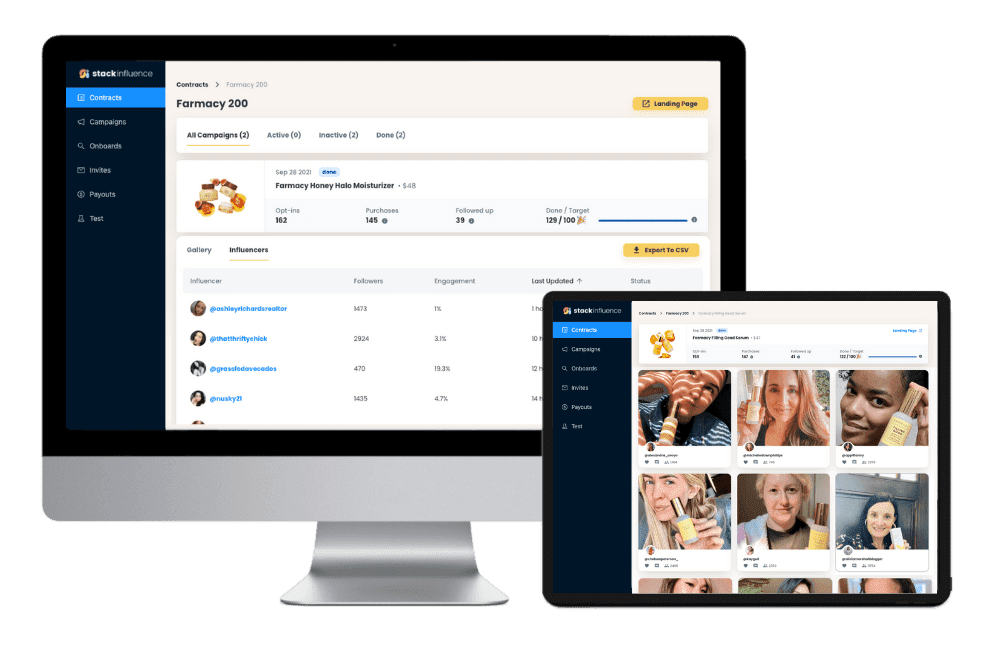
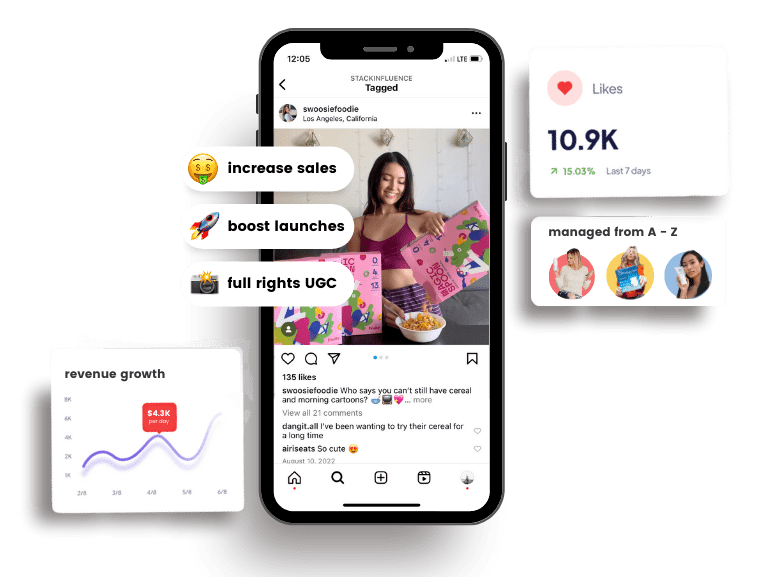
Stack Influence, for example, is a platform that helps brands connect with micro-influencers at scale to generate authentic UGC and reviews. By leveraging a network of small creators, an e-commerce brand can rapidly increase social buzz and trust signals online without a massive budget. This kind of influencer marketing program can quickly amplify your brand presence across social media and even drive traffic to your Amazon listings or online store through personal recommendations.
In summary, don’t underestimate the power of word-of-mouth in the digital age. A chorus of micro-influencers and happy customers talking about your brand can create a ripple effect, attracting new customers who feel they discovered a brand that others already love. It’s one of the fastest ways to build credibility when you’re new. Just remember to nurture these relationships – thank the influencers and fans who advocate for you, and continue to engage them with future campaigns or insider perks. They are the ambassadors of your brand’s growing community.
Step 9: Cultivate Brand Advocates and Community
The ultimate stage of brand building is turning others into advocates for your brand – effectively letting your customers and even employees become your marketing allies. When someone loves your brand enough to voluntarily promote it, you’ve achieved a gold standard of branding: community-driven growth. Not only is this free marketing, it’s also incredibly persuasive. Consider that 76% of B2C customers have purchased a product based on someone else’s recommendation. Humans naturally trust personal recommendations, so your goal is to create a brand experience so positive that customers want to share it with friends and family.
Here’s how you can cultivate these advocates:
-
- Deliver exceptional customer experiences: Consistently exceed expectations in product quality and customer service. Respond quickly to inquiries, resolve issues with empathy, and maybe add surprise delights (like a thank-you note or bonus sample in orders). When customers feel valued, they’re more likely to sing your praises.
- Engage your community: Create spaces for your customers to interact with you and each other. This could be through social media groups, comment threads, or community forums. For example, a beauty e-commerce brand might have a Facebook Group where members swap makeup tips and the brand shares sneak peeks. Recognize and shout-out active community members – maybe feature a “customer of the week” on your Instagram. This inclusion builds a sense of belonging around your brand.
- Referral and loyalty programs: Encourage word-of-mouth by rewarding it. A referral program (e.g., “Give $10, Get $10” discounts for referring a friend) turns happy customers into proactive referrers. Loyalty programs that offer points or perks for repeat purchases also incentivize customers to stick with you and advocate for your brand in the long run.
- Deliver exceptional customer experiences: Consistently exceed expectations in product quality and customer service. Respond quickly to inquiries, resolve issues with empathy, and maybe add surprise delights (like a thank-you note or bonus sample in orders). When customers feel valued, they’re more likely to sing your praises.
Don’t forget your own team in this equation. Employees as brand advocates can amplify your reach, especially on professional networks like LinkedIn or via personal social accounts. Ensure your employees are proud of the brand by involving them in its mission and celebrating their contributions. Some companies encourage team members to share behind-the-scenes posts or their own positive experiences with products. When done authentically (never forced), this can further humanize the brand and extend awareness to each employee’s network.
As your community grows, consider spotlighting user success stories or testimonials. Case studies or simple social media reposts of customers achieving results with your product make for powerful content. For instance, if you sell an online course or a fitness product, share the transformations or business wins your users have had – with their permission, of course. This not only celebrates your customers (strengthening their loyalty), but also provides credible proof to prospects that your brand delivers on its promises.
In essence, brand advocates are a sign that your brand has moved from just a business to a movement or tribe that people want to be part of. Continue to nurture these relationships. Listen to your community’s feedback and involve them in the brand’s evolution (like voting on a new flavor or design). When customers feel heard and integral to your brand’s story, they shift from being merely buyers to being believers. That loyalty is hard for competitors to steal and can sustain your business through ups and downs.
Unlock the Power of Micro Influencers and Elevate your Brand Today!
Conclusion on How to Make a Brand
Learning how to make a brand is a journey – one that will evolve as your business grows and the market changes. By following this playbook, you’re laying a solid foundation: you’ve identified who you’re speaking to, what you stand for, and how to communicate that consistently across platforms. From defining your mission to engaging micro-influencers and nurturing a community, you’ve assembled the key building blocks of a memorable brand.
Remember, strong brands aren’t built overnight. It’s the result of consistent effort and authenticity. Every Instagram caption, every customer email, every product detail page is an opportunity to reinforce your brand identity. Over time, these efforts compound. You’ll know it’s working when shoppers start recognizing your name, recommending you to others, and coming back for repeat purchases even when there are cheaper or easier options. That loyalty is invaluable for an e-commerce brand or Amazon seller looking to thrive in 2025 and beyond.
So take action: implement these strategies step by step. Audit your branding periodically and be willing to adapt – maybe a new social platform emerges or customer values shift; strong brands stay attuned and relevant. The payoff for investing in brand-building is a business that can weather price wars and algorithm changes, because you’ve earned a place in your customers’ hearts and minds.
Now is the time to start crafting your brand’s story. Stand out, be bold, and let your brand personality shine. In the long run, a well-built brand will not only attract more customers but also transform them into a loyal community that fuels your growth. In the competitive world of e-commerce, that’s the ultimate advantage. Ready to build your brand? Brick by brick, you have the blueprint – now go make it happen!

By William Gasner
CMO at Stack Influence
William Gasner is the CMO of Stack Influence, he's a 6X founder, a 7-Figure eCommerce seller, and has been featured in leading publications like Forbes, Business Insider, and Wired for his thoughts on the influencer marketing and eCommerce industries.
Want new articles before they get published? Subscribe to our Awesome Newsletter.
stack up your influence
turning creativity into currency
our headquarters
111 NE 1st St, Miami, FL 33132
our contact info
[email protected]
stack up your influence
turning creativity into currency
our headquarters
111 NE 1st St, 8th Floor
Miami, FL 33132
our contact info



© 2025 Stack Influence Inc
© 2025 Stack Influence Inc