What Are Brand Deals? 2025 Guide to Influencer Partnerships
19th
December, 2025
Influencer Marketing
Amazon Marketplace
Artificial Intelligence
TikTok Tips
For e-commerce brands and Amazon sellers, influencer marketing has become a game-changer in 2025. Scrolling through TikTok or Instagram, you’ve likely seen products featured by creators – these collaborations are known as brand deals. In this post, we’ll explore what are brand deals, how they work, and how micro influencers and user-generated content (UGC) can help online businesses drive authentic engagement and sales. Influencer-brand partnerships are booming (the industry is projected to reach $32+ billion in 2025), and nearly half of consumers now purchase products monthly because of influencer posts. By understanding brand deals, your business can tap into this trend to build trust, boost visibility, and scale revenue.
What Are Brand Deals?
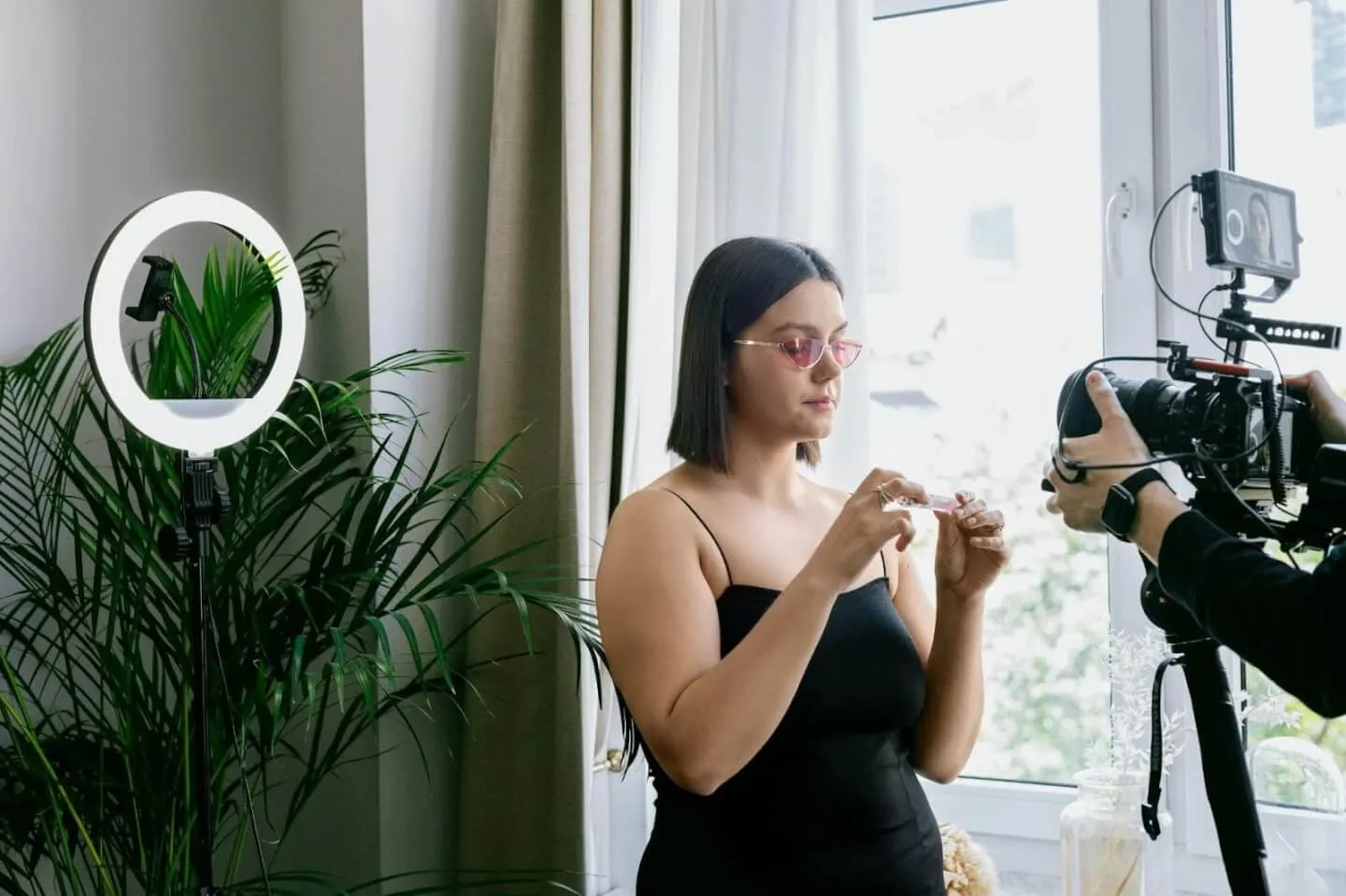
Brand deals (also called brand partnerships or collaborations) are agreements where a company partners with a content creator or influencer to promote its products or services. In a typical brand deal, the influencer creates content – like a social media post, video, or story – featuring the brand in exchange for compensation. That compensation can be monetary, free product, or a combination of both, depending on the deal’s terms. The goal is mutual benefit: the brand gains exposure to the influencer’s audience, and the influencer gets rewarded for showcasing something they genuinely like.
Brand deals come in many forms. They might be a one-time sponsored post or a longer-term ambassadorship spanning months. For example, a beauty YouTuber might do a paid review of a skincare line, or an Instagram mom might have a six-month partnership with a kids’ clothing brand. What all brand deals share is collaboration – both brand and creator work together to craft content that feels authentic to the creator’s followers while highlighting the brand. When done right, brand deals don’t look like traditional ads; they feel like recommendations from a trusted friend, which is powerful in marketing. In fact, 92% of consumers trust influencer recommendations more than traditional ads, making these partnerships incredibly valuable for brands.

Unlock the Power of Micro Influencers and Elevate your Brand Today!
How Do Brand Deals Work?
For those new to influencer marketing, here’s a quick rundown of how a typical brand deal comes together:
-
- Finding the Right Influencer: The brand identifies potential influencers whose content and audience align with its target market. Relevance is key – a tech gadget brand will look for tech reviewers, a fitness apparel brand seeks fitness enthusiasts, and so on. Many brands prioritize micro influencers (creators with tens of thousands of followers) because they often have tight-knit, engaged audiences. In fact, 69% of brands plan to use primarily micro or nano influencers in their campaigns due to their strong niche communities.
- Initial Outreach: Once a good match is found, the brand (or its agency) reaches out to the creator with a collaboration pitch. This might happen via email, direct message, or through an influencer marketing platform. (For example, brands can use platforms like Stack Influence to easily connect with vetted micro influencers for campaigns.) The outreach explains the product and what kind of partnership is envisioned, asking if the influencer is interested.
- Negotiating Terms: If the influencer expresses interest, both parties discuss the terms of the brand deal. Key points include:
- Scope of Work: What content will be created (e.g. one Instagram post, a series of TikTok videos, a blog review)? On which platforms will it appear?

- Compensation: How the influencer will be paid – a flat fee, free products, commissions on sales (affiliate deal), or a mix. The rate may depend on the influencer’s follower count and engagement rates.

- Timeline: Deadlines for content delivery and posting dates, especially if tied to a product launch or holiday.
- Content Rights: Whether the brand can repurpose the influencer’s content (for example, using the photos/videos in the brand’s own ads or website). Usage rights should be agreed on during negotiation.
- Disclosure Requirements: Both parties ensure the influencer will follow FTC guidelines or local laws by clearly labeling sponsored content (e.g., using #ad or #sponsored).
- Success Metrics: The brand may request performance info after posting (reach, likes, clicks, sales) to gauge the campaign’s ROI.
- Scope of Work: What content will be created (e.g. one Instagram post, a series of TikTok videos, a blog review)? On which platforms will it appear?
- Content Creation: The influencer creates content featuring the product or service, aiming to keep it authentic to their style. Brands often provide creative briefs or key points, but it’s best when creators have creative freedom to integrate the product naturally. This could be a tutorial, an unboxing, a before-and-after demo, a comedic skit – whatever fits the influencer’s persona. Authenticity is critical; forced or overly scripted promotions can turn off audiences. The best brand deals feel like genuine endorsements, which builds trust and engagement.
- Approval and Posting: The content may go through a round of approval or feedback from the brand (especially for larger partnerships). Once ready, the influencer posts it on the agreed platform(s), tagging the brand and adding disclosure tags. Immediately, the brand gets exposure to the influencer’s followers. Ideally, the content sparks comments, likes, shares, and traffic to the brand’s site or product page.
- Follow-Up and Tracking: After posting, the brand and influencer monitor how the content performs. The brand will track metrics like referral traffic, promo code uses, or sales lift. The influencer will note audience feedback and engagement levels. This data helps both sides understand the campaign impact. Brands often see a spike in web visits or sales after a genuine influencer shoutout. (For example, Dyson’s hair styler went viral on TikTok, and the #DysonAirwrap tag hit 4.7 billion views – Dyson’s Amazon sales jumped 103% as a result, an extreme case that shows the potential power of influencer buzz.) Even when results are more modest, one successful brand deal can lead to ongoing partnerships or referrals to other creators, creating a virtuous cycle of growth.
- Finding the Right Influencer: The brand identifies potential influencers whose content and audience align with its target market. Relevance is key – a tech gadget brand will look for tech reviewers, a fitness apparel brand seeks fitness enthusiasts, and so on. Many brands prioritize micro influencers (creators with tens of thousands of followers) because they often have tight-knit, engaged audiences. In fact, 69% of brands plan to use primarily micro or nano influencers in their campaigns due to their strong niche communities.
Types of Brand Deals
Not all brand deals are created equal. Here’s a quick comparison of common types of influencer partnerships and what they involve:
Sponsored Social Post
A one-time paid post or video on an influencer’s channel. The brand pays for a dedicated piece of content featuring its product. Great for quick bursts of exposure and reaching the creator’s full audience.
Product Gifting (Exchange)
The brand sends free product to the influencer in hopes they’ll feature it. Sometimes called “product seeding,” this is common with micro influencers. There’s no guarantee of a post, but if the creator loves the product, they often share it. It’s a low-cost way to generate genuine UGC (user-generated content) and reviews.
Affiliate Partnership
The influencer gets a unique discount code or referral link to share. They earn a commission for each sale generated, and the brand gets trackable sales. This performance-based deal aligns incentives on both sides. It’s popular in e-commerce; for instance, Amazon sellers often give influencers affiliate links to drive Amazon product page traffic.
Brand Ambassador Program
An ongoing relationship in which an influencer regularly promotes the brand over a longer term (months or even a year). Ambassadors might do multiple posts, appear at events, or provide feedback. In return they may receive a stipend, free products, or profit share. This approach builds strong brand advocates and continuous buzz.
Content Creation (UGC)
The brand contracts a creator to produce content for the brand’s own use. Here, the influencer might not even post on their personal channels. Instead, they act as a content creator – shooting photos, videos, testimonials that the brand can repurpose on its website, ads, or social media. This is a way to generate authentic-looking content at scale. Often cheaper than high-end photo shoots, UGC-style content feels more relatable to consumers.
Each type of brand deal can play a role in an influencer marketing strategy. For example, a new Amazon seller might start with product gifting to get some reviews and UGC, then move to paid sponsored posts with the most effective creators, and eventually establish a formal ambassador program with top performers. The key is to choose the format that fits your goals and budget.
Why Brand Deals Matter for E-Commerce Brands
Brand deals aren’t just trendy – they deliver real value for online businesses. Here are some of the biggest benefits for e-commerce brands and Amazon sellers:
-
- Authenticity and Trust: Influencer partnerships allow brands to market through trusted voices. Consumers often perceive an influencer’s recommendation as more credible than a brand’s self-promotion. By tapping into that trust, companies can humanize their products. Studies back this up – people overwhelmingly trust peer recommendations and influencer content; one report found 92% of consumers trust influencers over traditional ads. That trust can translate into higher conversion rates, as potential customers feel more confident in trying a product recommended by someone they follow.
- Expanded Reach & Brand Awareness: Every brand deal is an opportunity to reach new audiences. Influencers introduce your product to all their followers, many of whom may have never heard of your brand. This exposure drives brand awareness on platforms that billions of people use daily. Also, when fans engage with or share the influencer’s content, it creates a ripple effect, further expanding your reach. For example, a single TikTok video can snowball through shares and duets. As mentioned, a creative TikTok campaign even helped Dyson double its Amazon sales thanks to massive viral reach. While that’s extraordinary, even a smaller influencer post can bring a surge of web traffic and social media followers for an e-commerce store.
- Precise Niche Targeting: Brand deals allow hyper-targeted marketing that’s hard to achieve with traditional ads. By choosing influencers whose followers match your niche, you’re hitting a very specific demographic that’s likely to care about your product. A vegan snack company, for instance, can partner with vegan food bloggers and be confident the audience is full of health-conscious, plant-based eaters. This precise targeting means your marketing dollars are spent on relevant eyeballs. And micro influencers excel here – they cultivate niche communities, so a collaboration lets you tap into a ready-made pocket of potential customers who share a specific interest.
- Higher Engagement & Conversion Rates: Influencer content often generates far more engagement than brand-run ads. People are more inclined to like, comment, and discuss a post by a creator they admire. That engagement is marketing gold – it spreads awareness and provides feedback. More importantly, engaged viewers are more likely to convert. Nearly 49% of consumers say an influencer’s post has driven them to make a purchase in a given month. With brand deals, you can also leverage tactics like special discount codes or limited-time offers through the influencer to spur purchases. Micro influencers, in particular, can drive excellent engagement and sales. They tend to have higher average engagement (often around 4-7% per post) compared to mega-celebrities who might only get ~1%. Those stronger connections mean followers pay attention to micro influencers’ recommendations – and act on them.
- Content Creation (UGC) at Scale: Partnering with content creators yields a side benefit: lots of original content featuring your brand. This user-generated content can be repurposed across your marketing channels (with permission). For example, an influencer’s unboxing video or tutorial can be embedded on your product page to enrich the shopping experience. A set of stylish photos from an Instagram collaboration can be reused on your own social feed or in email newsletters. Consumers love to see real people using products – it’s social proof. By running many small brand deals, e-commerce brands can continuously gather fresh UGC. This saves time on in-house content production and provides a library of authentic visuals and stories to support your social media and ads. Just be sure to negotiate content rights so that you can legally use the creator’s images/videos. The result is a flywheel: brand deals drive new content, which in turn can drive more engagement and sales.
- Authenticity and Trust: Influencer partnerships allow brands to market through trusted voices. Consumers often perceive an influencer’s recommendation as more credible than a brand’s self-promotion. By tapping into that trust, companies can humanize their products. Studies back this up – people overwhelmingly trust peer recommendations and influencer content; one report found 92% of consumers trust influencers over traditional ads. That trust can translate into higher conversion rates, as potential customers feel more confident in trying a product recommended by someone they follow.
In summary, brand deals combine the persuasive power of word-of-mouth with the scale of social media. For online sellers facing stiff competition, collaborating with influencers can be the edge that builds credibility, creates buzz, and ultimately drives more sales for your store.
Tips for Successful Brand Partnerships
Ready to dive in and leverage brand deals for your business? Keep these best practices in mind to maximize your success:
-
- Set Clear Goals: Begin with the end in mind. Are you aiming to increase brand awareness, generate sales, get more UGC, or grow your social media following? Defining your goals will help shape your campaign – from the type of influencers you partner with to the metrics you track. For example, if sales are the goal, you might focus on affiliate deals with trackable links; if awareness is key, a campaign with several influencers posting broadly can be effective.
- Choose the Right Influencers: Do your homework to find creators who truly align with your brand values and target audience. Look at an influencer’s content style, follower demographics, and engagement rate. Micro influencers are often a smart choice for e-commerce and Amazon sellers because of their niche focus and affordability. Whether you choose a micro influencer with 20k followers or a macro influencer with 500k, ensure their audience’s interests match your product. Tools and platforms can help with discovery – for instance, you can use an influencer marketing platform (like Stack Influence or others) to filter creators by category, location, engagement, etc. The right match makes all the difference; a genuine connection between the influencer and your product will shine through in the content.
- Communicate Expectations and Creative Freedom: When negotiating your brand deal, be clear about deliverables (number of posts, platforms, key messages to mention) and give the creator room to do what they do best. Provide a concise brief – including product info, campaign hashtag, or any must-say points – but avoid micromanaging the content. Influencers know their audience and what content resonates. If they feel trusted to create in their own voice, the result will be more authentic and effective. Also, discuss things like posting timeline, how to handle responses (e.g., should the influencer direct people to your link or just tag your profile?), and any support you’ll provide (such as an affiliate dashboard or discount code setup).
- Offer Fair Compensation: Even if you’re a small business, aim to compensate influencers fairly, whether through payment, free products, or commission structures (or a mix). Happy partners will put in more effort and be open to working again. Research current rates for influencers of similar size in your industry. Remember, content creation takes time, and influencers are effectively freelance marketers. If your budget is tight, consider offering a smaller upfront fee plus performance incentives (e.g., bonus for hitting X sales or extra commission for high performers). Many micro influencers appreciate performance-based deals that let them earn more if their content succeeds. Ultimately, a fair deal sets the stage for a positive, ongoing relationship.
- Track Results and Iterate: Once your brand deal content goes live, monitor how it performs. Use UTM links or affiliate codes to attribute traffic and sales to the campaign. Track metrics like engagement (likes, comments, shares), click-throughs to your site, conversion rate, and overall sales lift during the campaign period. This data will show you the ROI of the partnership. Don’t panic if one influencer’s post doesn’t go viral; look at the aggregate impact and qualitative feedback (comments, influencer’s input on how it went). Learn from each collaboration – maybe you find that TikTok videos drove more sales than Instagram stories, or that influencers in one niche performed better than another. Use these insights to refine your future influencer marketing strategy. Over time, you can optimize which types of brand deals yield the best results for your business.
- Build Long-Term Relationships: If you find an influencer who truly moves the needle for your brand, consider nurturing that relationship beyond a one-off deal. Long-term partnerships (like becoming an ambassador) can amplify results as the creator becomes closely associated with your brand. They’ll speak about your products with deeper knowledge and authenticity. Plus, their audience will see consistent mentions, reinforcing the brand in their minds. Many brands even form creator communities or ambassador programs – offering perks, early access to new products, or higher commissions to a select group of loyal influencers. These deeper collaborations can turn influencers into genuine evangelists for your brand, yielding dividends over the long haul. Remember, influencer marketing is as much about people as it is about promotion – treating your creators as valued partners, and not just ad channels, will set you apart (and make influencers eager to work with you again).
- Set Clear Goals: Begin with the end in mind. Are you aiming to increase brand awareness, generate sales, get more UGC, or grow your social media following? Defining your goals will help shape your campaign – from the type of influencers you partner with to the metrics you track. For example, if sales are the goal, you might focus on affiliate deals with trackable links; if awareness is key, a campaign with several influencers posting broadly can be effective.
By following these tips, e-commerce entrepreneurs and Amazon sellers can confidently navigate the world of brand deals. It’s a learning process, but the payoff – in authentic customer connections and business growth – is well worth it. Embrace experimentation, stay authentic, and watch your brand presence flourish through strategic influencer collaborations.
Unlock the Power of Micro Influencers and Elevate your Brand Today!
Conclusion to What Are Brand Deals
In the 2025 landscape of influencer marketing, understanding what brand deals are and how to execute them is practically a must for ambitious e-commerce brands. Whether you’re a niche Amazon seller or a growing DTC brand, partnering with content creators can exponentially amplify your reach and credibility. Brand deals allow you to turn everyday social media content into a powerful marketing engine – one built on authenticity, engagement, and trust. By leveraging micro influencers, you tap into passionate communities without a huge price tag, while generating valuable UGC and social proof for your products. The key is to approach brand deals thoughtfully: choose partners who genuinely align with your brand, set clear win-win terms, and focus on building relationships, not just one-off posts.
Done right, brand deals will not only boost your immediate sales but also foster long-term brand loyalty and awareness. In a world where consumer trust and attention are the ultimate currency, influencer partnerships offer a shortcut to both – letting your brand message come from the voices people want to listen to. It’s time to consider adding brand deals to your marketing mix. Start small if needed, learn and iterate, and you may find this approach drives meaningful ROI for your business. In 2025 and beyond, brand deals can be the catalyst that propels your e-commerce venture to new heights.
By William Gasner
CMO at Stack Influence
William Gasner is the CMO of Stack Influence, he's a 6X founder, a 7-Figure eCommerce seller, and has been featured in leading publications like Forbes, Business Insider, and Wired for his thoughts on the influencer marketing and eCommerce industries.
Want new articles before they get published? Subscribe to our Awesome Newsletter.
stack up your influence
turning creativity into currency
our headquarters
111 NE 1st St, Miami, FL 33132
our contact info
[email protected]
stack up your influence
turning creativity into currency
our headquarters
111 NE 1st St, 8th Floor
Miami, FL 33132