
Best Content Marketing Tools 2025: Micro-Influencers & ROI
4th
December, 2025
Influencer Marketing
Amazon Marketplace
Artificial Intelligence
TikTok Tips
For content creators and micro-influencers – as well as e-commerce entrepreneurs like Amazon sellers – the right tools streamline your workflow and amplify your reach. Influencer marketing thrives on authentic content, and leveraging proper tools helps in everything from planning to publishing and analysis. In fact, because micro-influencers tend to have higher engagement rates (around 3.8% vs 1.6% for celebrity influencers), brands often see better ROI when working with these creators. Yet only 9% of B2C marketers consider themselves experts in content marketing technology (40% rate their proficiency as “intermediate”). This means there’s a huge opportunity to get ahead by adopting and mastering the best content marketing tools available. Whether you’re crafting Instagram and TikTok campaigns or optimizing blog content, the tools below will help you boost engagement, gather UGC, and drive ROI in 2025.
Why You Need Content Marketing Tools in 2025
Staying competitive in 2025 requires juggling multiple content channels, formats, and metrics. New platforms and trends emerge quickly, and more competitors are investing in content – so marketers need to continually up their game. The good news is that content marketing tools can automate tedious tasks, surface insights, and keep you organized. For example, Google Analytics is widely regarded as a must-have tool for tracking how your content performs. By using the best tools, even small teams or individual creators can punch above their weight: automating social posts, finding optimal keywords, repurposing user-generated content (UGC), and analyzing results in real time. This is especially crucial for micro-influencers and e-commerce brands. Micro-influencers produce valuable UGC like unboxing videos, demos, and reviews that build social proofstackinfluence.com. With the right toolkit, you can seamlessly capture that content and repurpose it across your website, emails, and ads. For instance, 61% of social media users are more likely to trust a brand if it’s recommended by a friend or influencer (versus just 38% trusting brand-produced ads). Content marketing tools help you harness that trust by integrating influencer content into your broader strategy and measuring its impact. In short, using modern tools is the key to scaling your content marketing efficiently and staying ahead of the competition.
Top 10 Content Marketing Tools in 2025
In 2025, these ten content marketing tools stand out for their ability to help marketers plan, create, distribute, and optimize content (including influencer content). Let’s dive into how each tool can boost your content strategy:

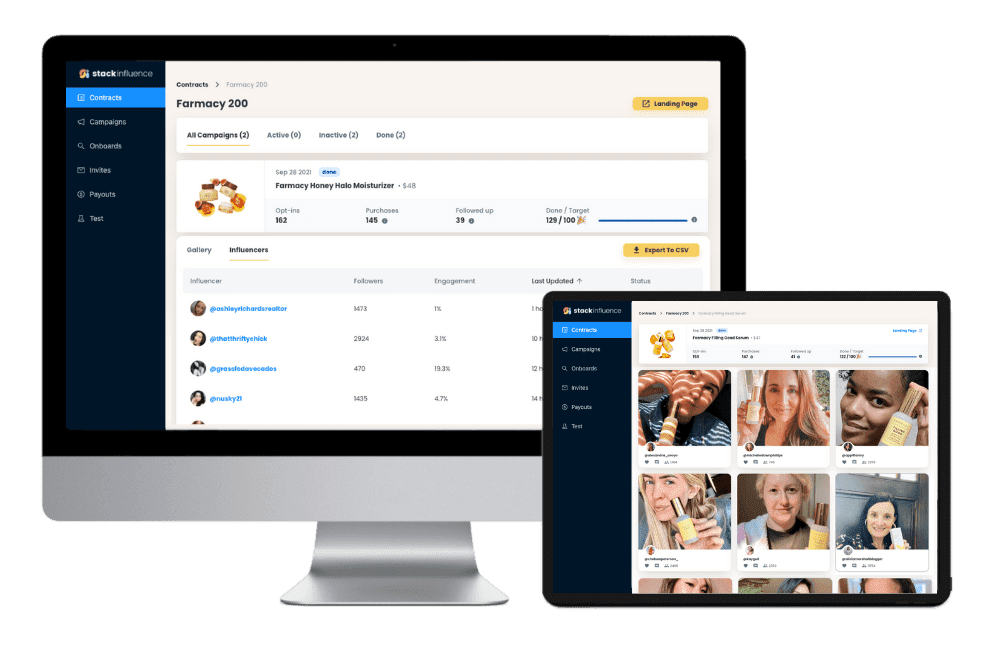
One of the best ways to scale your content (especially on social media) is by leveraging micro-influencers and their user-generated content. Platforms like Stack Influence make this process much easier. Stack Influence (built by experienced Amazon sellers) is focused on connecting e-commerce brands with vetted micro- and nano-influencers to generate authentic UGC at scale. Using a platform like this, a small Amazon seller can launch a campaign and have dozens of micro-influencers posting product reviews, unboxing videos, and lifestyle photos that you can repost or even use in ads. The platform handles the heavy lifting – from AI-powered influencer matching to campaign logistics – so you can efficiently run micro-influencer campaigns without manual hassle. In short, influencer marketing tools like Stack Influence are invaluable content marketing aids: they streamline finding the right creators, managing outreach and deliverables, and tracking ROI on influencer-driven content. The result is a library of authentic UGC and social proof that brands can leverage across their marketing channels.

HubSpot offers a comprehensive suite of tools for content management, social media, sales, and marketing in one platform. It goes beyond simple website editing by delivering a wide-ranging toolkit to improve conversions – including options for A/B testing pages, hosting content, team communication, and robust analytics to track goals. HubSpot isn’t necessarily the very best at every single feature, but its breadth makes it a clear market leader in content marketing software. Notably, it integrates with 300+ apps (from Salesforce CRM to Google Workspace) so it fits seamlessly into your workflow. Even better, there’s a free tier, which means small businesses and creators can start using HubSpot’s content and CRM tools at no cost.
3. Hootsuite

Hootsuite is one of the longest-running social media management tools, and it remains a go-to for content marketers. It brings all your social accounts – Facebook, Instagram, X (Twitter), YouTube, LinkedIn, etc. – under one roof, accessible via a single dashboard. This all-in-one approach makes it easy to schedule posts across multiple platforms and monitor everything in one place. Crucially, Hootsuite can publish your content at times when your followers are most likely to engage, ensuring your posts hit peak impact. It also provides in-depth analytics showing how each post performs and when your audience is most active. These insights help you discover what content your viewers prefer and refine your social media strategy accordingly. Hootsuite even offers social listening (to track brand mentions) and a unified inbox for all comments/DMs– so you’ll never miss a conversation. For teams, you can curate a library of pre-approved content for easy sharing, and its integrations with tools like Trello, Canva, and Slack further streamline your workflow.
4. Semrush

Semrush is an all-in-one solution for SEO, content marketing research, and competitor analysis. The platform rolls SEO, paid traffic data, social media tracking, content planning, and PR research into one neatly designed interface. In practice, Semrush lets you perform keyword research to identify high-volume search terms, audit your website’s SEO health, and even spy on competitors’ search rankings and backlinks. You can also use Semrush’s Topic Research and Content Analyzer tools to find popular articles in your niche and track the performance of your own content. Essentially, Semrush covers end-to-end content marketing needs: find out what your audience is searching for, create optimized content, then measure how it performs. It’s a powerhouse for data-driven marketers – simplifying a process that would otherwise require many separate tools. (Honorable mention in this category: Ahrefs, another SEO platform, is also beloved for in-depth keyword and backlink insights. Many teams use either Semrush or Ahrefs to guide their content strategy.)
5. BuzzSumo

BuzzSumo helps you answer the million-dollar question: What content will resonate with my audience? This tool analyzes the most shared and trending content across the web for any given topic. By scouring social media and news sites, BuzzSumo shows you which articles, videos, or posts are getting significant shares, engagement, and backlinks in your industry. You can instantly see what’s performing well and use those insights to brainstorm high-performing content ideas of your own. For example, if certain blog topics or TikTok challenges are going viral in your niche, BuzzSumo will surface them so you’re not left in the dark. The tool also provides content performance breakdowns (engagement by platform, backlink counts, etc.) so you can reverse-engineer why a piece of content succeeded. By identifying these trends, content creators and micro-influencers can craft posts that are more likely to gain traction. In short, BuzzSumo is like having a real-time radar for audience interests – a must for any content marketing strategy that aims to ride the wave of what’s hot.
6. Canva
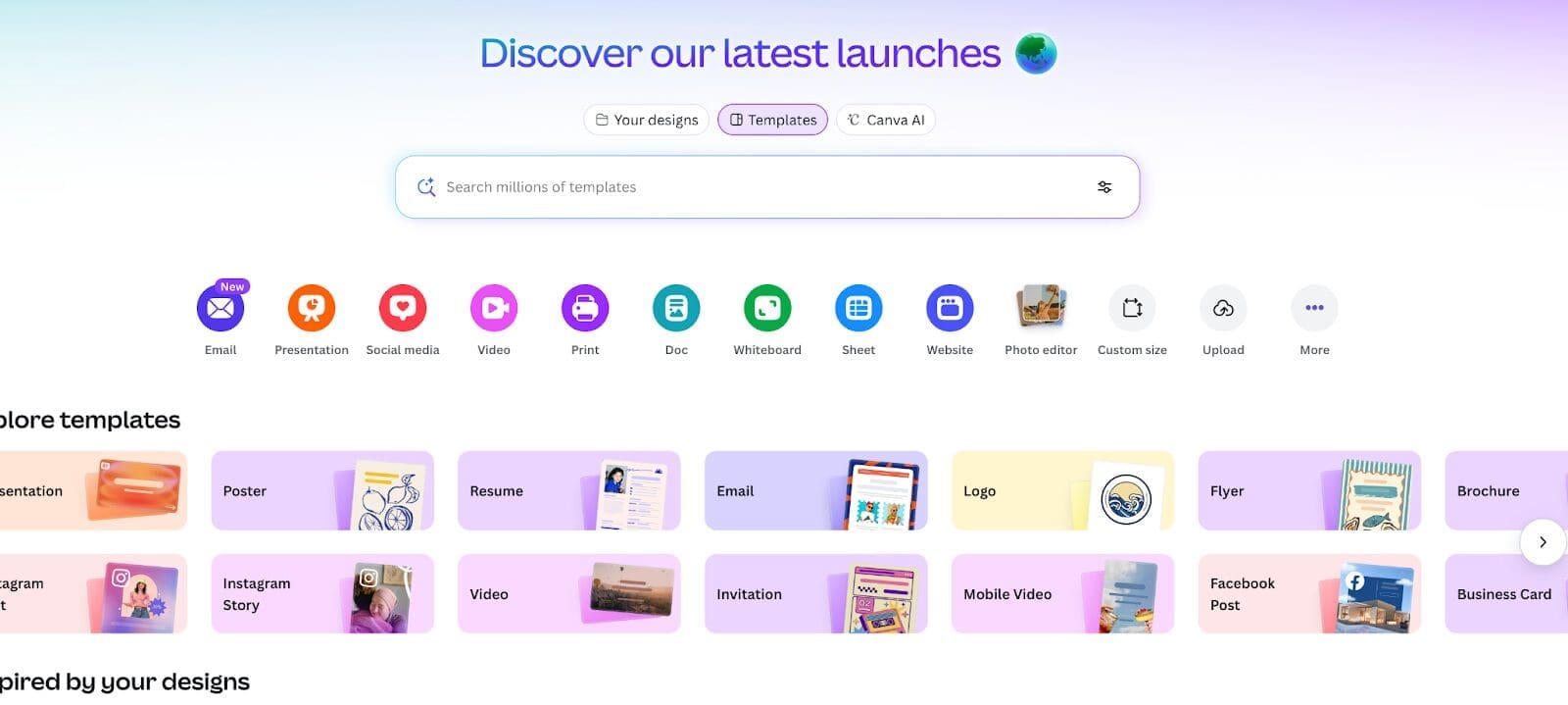
Visual content is king in the era of Instagram and TikTok, and Canva is the go-to design tool for those who aren’t professional designers. This free, user-friendly platform offers a vast library of templates and a drag-and-drop editor, allowing you to create eye-catching graphics in minutes. Marketers love Canva as a “watered-down Photoshop” that’s incredibly accessible – you can design everything from social media posts and Pins to blog infographics, YouTube thumbnails, presentations, and more. Why is this important? Studies have shown that articles with at least one image are twice as likely to be shared on social media, and generally people engage more with content that includes visuals. Canva helps you capitalize on that by making it easy to add custom visuals to every piece of content. It includes thousands of attractive templates that you can customize to match your branding (for example, templates for Instagram Stories, LinkedIn banners, email headers, etc.). Even micro-influencers or Amazon sellers can use Canva to create professional-looking product photos, promotional graphics, or story content without hiring a designer. With features like one-click background removal and a huge stock photo library, Canva ensures your content stands out in crowded feeds.
7. ConvertKit

Email isn’t dead – in fact, it’s often the glue that holds your content marketing funnel together. ConvertKit is an email marketing platform that has become extremely popular among creators, bloggers, and small businesses for its simplicity and power. It’s built to make email marketing easy while still offering advanced capabilities as you grow. With ConvertKit, you can design clean email newsletters, set up automated email sequences (drip campaigns), and segment your subscribers with tags – all through an intuitive interface. It’s often associated with content creators and indie publishers because of its emphasis on building relationships via email rather than just “blasting” promotions. Some standout features include easy-to-create forms and landing pages to capture subscribers (so you don’t need a separate landing page builder), and a visual automation builder that lets you send targeted content based on subscriber behavior. ConvertKit also integrates with e-commerce platforms and membership sites, which is great for creators selling products or subscriptions. In many ways, it’s a top choice for anyone whose content marketing involves nurturing an audience over time. (Of course, other email tools like Mailchimp or Brevo (formerly Sendinblue) are also solid – Brevo in particular packs email, SMS, chat, and CRM features into one affordable platform. But ConvertKit’s focus on creators gives it an edge if your brand is personality-driven.)
Unlock the Power of Micro Influencers and Elevate your Brand Today!

8. Loomly

Loomly is a social media management tool that shines for content planning and team collaboration. Think of Loomly as your digital content calendar with superpowers: it not only lets you schedule posts in advance, but it also suggests fresh content ideas and optimization tips to improve your posts. For example, Loomly can recommend trending topics or hashtag suggestions to help your organic and paid social posts perform better. When you’re running out of ideas of what to post next week, Loomly has your back with inspiration. Another killer feature is its collaboration workflow – you can have your team (or client) review and comment on posts within the platform before they go live. Once a post is published, Loomly keeps your team in the loop so they can promptly respond to any comments or questions from the audience. This is great for brands that want to stay responsive on social media. Loomly also neatly organizes all your content assets (photos, videos, post drafts) in one place, acting as a content library so you can reuse and remix material easily. In essence, Loomly streamlines the entire content lifecycle: brainstorm → schedule → publish → respond → analyze. For micro-influencers or solo entrepreneurs, it’s like having a smart assistant that ensures you never miss a posting opportunity or overlook an engagement. And for larger teams, it keeps everyone coordinated and on-message.
9. Google Analytics (GA4)
When it comes to measuring content marketing success, Google Analytics remains indispensable. GA’s latest version (GA4) provides a wealth of data on how people find and engage with your content. It tracks your content performance using metrics like session duration (how long users spend on your page), bounce rate (percentage who leave without interacting), total users, and more. The tool shows which pages receive the most traffic and even how many visitors return to your site, indicating what content keeps people coming back. You can also set up conversion goals (e.g. form submissions, product purchases) to tie content to tangible outcomes. Importantly, GA4’s analytics can attribute traffic sources – so you’ll know if that spike in blog views came from Google search, a Facebook post, an email campaign, or a micro-influencer’s shoutout. For content marketers, this is gold: you can double down on channels and topics that perform well, and tweak or trim the ones that don’t. In fact, Google Analytics is often the first tool marketers check each morning, underscoring its must-have status. And despite its enterprise-level capabilities, it’s completely free. With new machine learning features, GA4 can even predict user actions (like the probability a user will make a purchase), helping you anticipate which content is most likely to drive ROI. In summary, without analytics, you’re flying blind – GA ensures every content decision you make is backed by data.
10. Trello

Great content marketing involves a lot of moving parts – from brainstorming ideas and writing drafts to design, publishing, and promotion. Trello is a beloved project management tool that helps content teams (even if that “team” is just you and one freelancer) keep track of it all. Trello uses Kanban boards with cards and lists to visually organize tasks. For content marketing, you might have columns like “Ideas,” “Writing,” “Design,” “Scheduled,” and “Published.” Each piece of content is a card that you move along the workflow. This way, everyone can see at a glance what stage each piece is in. According to Meltwater, Trello makes project management a breeze: you can easily move cards based on timelines or team member assignments, and everyone stays on the same page about what’s done and what’s left to do. Deadlines, checklists, attachments, and team comments can all live on the card, centralizing communication. The benefit is clarity and accountability – no more guessing if that blog post is still being edited or if the Instagram carousel is ready to publish. Trello is especially handy for coordinating campaigns that involve multiple contributors (writers, designers, approvers) or recurring content like weekly social posts. By using a tool like Trello for your content calendar, you ensure that nothing falls through the cracks and your content pipeline keeps flowing smoothly.
Top Content Marketing Tools (2025):
|
Category |
Example Tool(s) |
Purpose / Key Benefit |
|
All-in-One Marketing |
HubSpot Marketing Hub |
Comprehensive platform covering CMS, social, sales, and analytics in one. Integrates with 300+ apps; offers a free tier for new users. |
|
Social Media Management |
Hootsuite |
Schedules and auto-posts across Instagram, Facebook, X, LinkedIn, etc. from one dashboard. Provides detailed cross-platform analytics to optimize posting times. |
|
Content Research & SEO |
Semrush |
All-in-one SEO toolkit for keyword research, competitor analysis, and content performance tracking. Helps increase organic traffic by finding what your audience is searching for. |
|
Trend Discovery |
BuzzSumo |
Finds trending topics and most-shared content in your niche in real time. Reveals which articles or videos are gaining traction so you can create timely, high-impact content. |
|
Influencer/UGC |
Stack Influence |
Platforms that connect brands with micro-influencers and manage campaigns at scale. Streamline finding creators, handling outreach, and collecting UGC for use in your marketing. |
|
Visual Design |
Canva |
Easy graphic design tool with thousands of templates for social posts, videos, infographics, and more. Empowers non-designers to create pro-quality visuals, boosting engagement. |
|
Email Marketing |
ConvertKit |
Email automation tailored for creators and small businesses. Simplifies building sign-up forms, landing pages, and drip campaigns to nurture your audience. |
|
Project Management |
Trello |
Organizes your content calendar and tasks on Kanban boards. Keeps everyone aligned on content production stages, deadlines, and responsibilities. |
Unlock the Power of Micro Influencers and Elevate your Brand Today!
Why the Right Content Marketing Tools Drive Results in 2025
The content marketing landscape is more complex than ever, but the right toolkit can be a game-changer. Each of the tools above addresses a crucial piece of the puzzle – from content ideation and creation, to distribution and amplification, to analysis and optimization. By leveraging the best content marketing tools for each task, marketers and creators can save time and work smarter, not harder. For example, instead of manually searching social feeds for trends, you’ll know exactly what’s hot via BuzzSumo. Rather than guessing when to post, Hootsuite’s analytics show you the optimal schedule. And rather than hoping your efforts pay off, Google Analytics will confirm which content actually drives conversions. This data-driven, streamlined approach is how micro-influencers turn small followings into big results, and how lean e-commerce startups outmaneuver larger competitors.
Perhaps most importantly, using these tools together creates a compounding effect. Imagine: you find a trending topic with BuzzSumo, craft a blog about it with insights from Semrush, design catchy visuals for it in Canva, promote it via Hootsuite at peak times, amplify through micro-influencers on Stack Influence, capture leads in ConvertKit, and track the whole campaign in Google Analytics – that is a recipe for content marketing success in 2025. By integrating influencer-generated UGC, you also build trust and authenticity into your content, which leads to higher engagement and sales.
In summary, whether you’re a solo content creator or a brand marketing team, adopting the best content marketing tools will elevate your strategy. They empower you to plan better, execute faster, and measure what matters. In a year of algorithm changes and ever-evolving consumer behavior, a well-stocked toolset is your competitive edge. So equip yourself, stay agile, and let these tools do the heavy lifting – freeing you to focus on creating content that truly resonates and delivers results. Here’s to working smarter with your content marketing in 2025 and beyond!

By William Gasner
CMO at Stack Influence
William Gasner is the CMO of Stack Influence, he's a 6X founder, a 7-Figure eCommerce seller, and has been featured in leading publications like Forbes, Business Insider, and Wired for his thoughts on the influencer marketing and eCommerce industries.
Want new articles before they get published? Subscribe to our Awesome Newsletter.
stack up your influence
turning creativity into currency
our headquarters
111 NE 1st St, Miami, FL 33132
our contact info
[email protected]
stack up your influence
turning creativity into currency
our headquarters
111 NE 1st St, 8th Floor
Miami, FL 33132
our contact info



© 2025 Stack Influence Inc
© 2025 Stack Influence Inc