
What Is an Advertising Campaign? Amazon Sellers Guide 2026
19th
January, 2026
Influencer Marketing
Amazon Marketplace
Artificial Intelligence
TikTok Tips
An advertising campaign is essentially a coordinated series of ads sharing a unified theme and goal. In simple terms, it’s a strategy carried out across multiple channels (TV, print, social media, etc.) to achieve a specific business objective. For example, you might run a campaign simultaneously on Instagram, email, and Amazon Ads to promote a new product launch—each ad may look different, but they communicate the same core message. The campaign theme ties everything together, making sure customers receive a consistent message no matter where they see your brand. The goals of an advertising campaign can vary: some aim to increase brand awareness, others focus on driving e-commerce sales or launching a new product.
It’s important to note that an advertising campaign is more than just one ad. Many first-time entrepreneurs think creating a single ad or a quick post is a “campaign,” but a true campaign involves planning and coordination. You define a target audience, craft a message that resonates, choose the best platforms to deliver that message, and run the ads over a set time frame. All the elements work together toward the campaign’s objective (be it more website traffic, higher Amazon store sales, or improved brand recognition). In short, what an advertising campaign is comes down to a focused, multi-step marketing effort designed to get results.
How to Plan a Successful Advertising Campaign
Planning is everything when it comes to advertising campaigns. In fact, to get the best results, you should be well-organized from the start – set clear goals, know your audience, choose the right channels, and prepare compelling content. Here’s a step-by-step framework for e-commerce brands and Amazon sellers to plan an effective campaign:
-
- Set Clear Campaign Objectives: Begin with the end in mind. What do you want to achieve? Be specific. For example, your goal might be “increase online store sales by 20% this quarter” or “generate 500 new leads for my Amazon product launch.” Common objectives include acquiring new customers, boosting product sales, raising brand awareness, or promoting a seasonal offer. Defining a concrete goal will guide all other decisions and provide a benchmark for success (e.g. if your goal is conversions, you’ll measure things like sales or sign-ups; if it’s awareness, you’ll track impressions and reach).
- Identify Your Target Audience: An advertising campaign works only if it reaches the right people. Take time to define your target customer persona. Are you targeting tech-savvy millennials on Instagram, busy moms shopping on Amazon, or B2B buyers on LinkedIn? Consider factors like demographics (age, gender, location), interests, and pain points. The more specific you are, the better you can tailor your message. For instance, an Amazon seller with an organic skincare line might target health-conscious women aged 25–45 who follow beauty influencers on TikTok. If you have multiple distinct audiences, segment them into groups with similar traits and craft slightly different tactics or ad creatives for each. Knowing your audience deeply will help your campaign speak their language and address their needs.
- Choose the Right Channels & Tactics: With your audience in mind, decide where and how to reach them. Today’s e-commerce advertising options are vast: social media advertising, search engine ads, email marketing, influencer collaborations, content marketing, and more. Focus on the channels your target customers frequent. For example:
-
- Social Media Ads: Platforms like Instagram, Facebook, TikTok, and Pinterest allow highly targeted ads. These are great for visual brands (think fashion, home decor) and can drive traffic to your website or Amazon listing.
- Search and Shopping Ads: Google Ads or Amazon Sponsored Product ads capture customers actively searching for products. An Amazon seller should almost certainly utilize Amazon’s PPC ads to appear in product searches.
- Email Marketing: Useful for retargeting site visitors, nurturing leads, or re-engaging past customers with promotions.
- Influencer Marketing: Partnering with influencers or content creators (more on this below) can build trust and awareness through authentic content.
- Content Marketing: Creating valuable content (blog posts, videos, guides) can draw in your audience and soft-sell your product. This is a longer-term play to support your campaigns.
- Social Media Ads: Platforms like Instagram, Facebook, TikTok, and Pinterest allow highly targeted ads. These are great for visual brands (think fashion, home decor) and can drive traffic to your website or Amazon listing.
-
- For Amazon sellers, don’t forget to leverage Amazon’s internal advertising (Sponsored Products, Brands, Displays) to boost your product visibility within the marketplace. At the same time, many successful Amazon brands run external campaigns on social media or via influencers to drive outside traffic to their Amazon listings (often rewarded by Amazon’s algorithm). Each channel has its costs and benefits, so choose according to your budget and where your customers are most likely to engage.
- Craft a Compelling Message & Content: All your ads in the campaign should convey a cohesive message that ties back to your goal. This is where creativity comes in. Develop a campaign theme, slogan, or storyline that will appear across your ads. Make it clear, concise, and catchy so it sticks with your audience. For example, if you’re launching a new gadget, your campaign theme might be “Experience Smart Living”, highlighting how your product makes life easier. Ensure your ad copy, visuals, and even landing pages all reinforce this theme. Consistency builds recognition. Also, tailor the content format to the channel: a Facebook ad might need an eye-catching image and headline, whereas an Instagram campaign might lean on short videos or Stories. High-quality design and visuals are important – people scroll past dull ads. Use bold imagery, and if possible, include real people using your product (this is where influencer content or UGC can help). Remember, content is king in advertising; compelling content not only grabs attention but also communicates your value proposition clearly and persuasively.
- Set a Budget and Timeline: Determine how much you are willing to spend and over what period. Your budget should be split across the channels you’ve chosen based on priority and expected ROI. For instance, you might allocate a larger portion to Facebook/Instagram ads if that’s your main sales driver, and a smaller portion to a niche newsletter sponsorship. If you’re an Amazon seller, decide your daily or monthly budget for Amazon PPC campaigns as well. Keep in mind industry benchmarks – for example, some Amazon sellers aim for an Advertising Cost of Sales (ACoS) of 20-25%, meaning for every $1 in sales, they spend $0.20-$0.25 on ads. It’s common to invest more aggressively at the start of a campaign (or product launch) and then taper down once data comes in. Along with budget, set a timeline: will your campaign run for two weeks, a month, or be always-on? Align it with any relevant dates (holidays, seasons, product release schedules). Having a clear end date is important so you can evaluate results and not overspend. Many e-commerce brands run campaigns in flights – bursts of advertising around key sales periods (like Q4 holiday season or Prime Day for Amazon sellers). Plan your schedule and be ready to adjust if needed.
- Launch, Monitor & Optimize: With everything in place, launch your campaign and closely monitor performance. Use analytics tools and dashboards to track key metrics in real time. Important metrics will depend on your goals: CTR (click-through rate), conversion rate, CPC (cost per click), ROAS (return on ad spend), sales revenue, etc. For social media and influencer campaigns, engagement metrics (likes, shares, comments) also indicate resonance. It’s crucial to track KPIs throughout the campaign – this data will tell you what’s working and what isn’t. Be prepared to make adjustments on the fly: if one ad creative or keyword is underperforming, tweak or replace it; if another is doing great, consider scaling it up. Most digital ad platforms allow daily optimization (e.g., pausing an ad, increasing a bid, reallocating budget to a better-performing ad set). For influencer content, monitor referral traffic or use unique promo codes to gauge which creator drives the most sales. Optimize as you go: this could mean reallocating budget to the highest-ROI channel, refining your targeting, or A/B testing a new message. The campaign doesn’t end until you’ve analyzed the results and gleaned insights. After the campaign, do a wrap-up: calculate your ROI or ACoS, see if you met your objectives, and record lessons learned. This will inform your next advertising campaign to be even more effective.
- Set Clear Campaign Objectives: Begin with the end in mind. What do you want to achieve? Be specific. For example, your goal might be “increase online store sales by 20% this quarter” or “generate 500 new leads for my Amazon product launch.” Common objectives include acquiring new customers, boosting product sales, raising brand awareness, or promoting a seasonal offer. Defining a concrete goal will guide all other decisions and provide a benchmark for success (e.g. if your goal is conversions, you’ll measure things like sales or sign-ups; if it’s awareness, you’ll track impressions and reach).
By following these steps, you’ll structure your campaigns like a pro. A well-planned campaign not only achieves short-term results but also teaches you more about your market. Each campaign is a chance to gather data and improve your next effort.
Unlock the Power of Micro Influencers and Elevate your Brand Today!
Influencer Marketing & Micro-Influencers in Advertising Campaigns

In the past few years, influencer marketing has moved from a buzzword to a staple of advertising campaigns—especially for e-commerce brands. Essentially, influencer marketing means partnering with individuals who have an engaged audience (social media content creators, YouTubers, bloggers) and having them promote your product or brand. This strategy can turbocharge an advertising campaign’s reach and credibility. In fact, as of 2025, 86% of U.S. marketers are expected to use influencers as part of their marketing mixsproutsocial.com. Brands large and small are allocating significant budgets to influencer campaigns; over a quarter of agencies/brands worldwide now devote more than 40% of their marketing budget to influencer marketing. These numbers show how mainstream influencer collaborations have become in advertising.
Micro-influencers in particular have gained traction for campaigns targeting niche audiences. A micro-influencer is typically a content creator with a modest but highly engaged follower count (often in the 5,000 to 100,000 range). Think of a fashion enthusiast on Instagram with 20k followers or a tech reviewer on YouTube with 50k subscribers. They may not be celebrities, but they have credibility in their specific communities. Micro-influencers are effective because they offer authenticity and high engagement. Their followers see them as relatable peers, not untouchable stars, which makes their recommendations feel more trustworthy. Research backs this up: on Instagram, micro-influencers can average about 3.8% engagement per post, far outperforming macro-influencers (~1.2%) or mega-celebrities (~0.98%). In other words, a micro-influencer’s audience is more likely to actually pay attention, like, comment, and click through on a post compared to an audience of millions who might scroll past a big celebrity’s ad. Moreover, micro-influencers are typically more cost-effective. Instead of paying one superstar $50,000 for a single post, a brand could work with 50 micro-influencers for the same budget and generate a diverse array of content and reach multiple niche groups. This strategy often yields better overall ROI and tons of user-generated content to reuse.
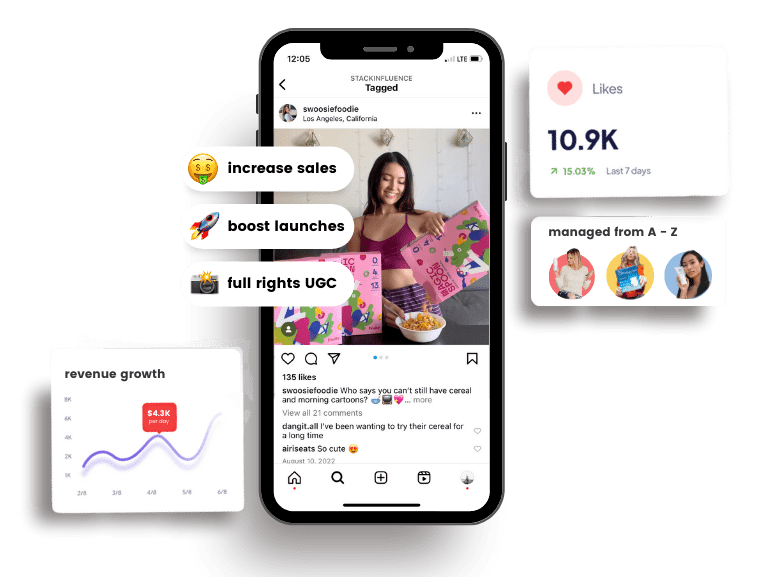
Speaking of authenticity, user-generated content (UGC) is a powerful byproduct of influencer campaigns. Influencers essentially create UGC when they review your product or share a testimonial, since it’s content coming from a “user” rather than the brand itself. UGC resonates with audiences: fully 92% of consumers trust user-generated content more than traditional advertisements. That’s a huge trust gap in favor of content that feels organic. When people see a real person (like an influencer or customer) vouching for a product in their own words, it carries more weight than a polished ad created by the company. This is why integrating influencers and content creators into your campaigns can dramatically boost credibility.
For example, imagine you’re marketing a new fitness supplement. A traditional ad campaign might involve slick banner ads claiming “Best Pre-Workout of 2026!” paired with stock photos. Now consider an influencer-powered campaign: 10 micro-influencers on Instagram who are fitness enthusiasts each post short videos of themselves mixing your supplement into a smoothie pre-gym, sharing their honest experience (“this flavor is awesome and I felt an energy kick!”). Those posts not only reach thousands of followers each, but they also produce real-world content you can repurpose. You could compile influencer testimonials into a video ad, feature influencer photos in your email marketing, or share their reviews on your own social media. In essence, influencer campaigns often create a trove of versatile marketing assets. Many e-commerce brands will negotiate content usage rights with influencers so that the photos and videos they create can be used in paid ads or on the brand’s website. This blends influencer marketing with your broader advertising campaign – the influencer brings the initial authenticity and reach, and then you amplify that message through paid channels using their content.
To successfully leverage influencers, ensure that the creators you partner with align with your brand and audience. Look for those in your product’s niche whose followers match your target demographics. Also, give influencers creative freedom to present your product in their own voice – it will come across as more genuine (overly scripted endorsements can erode trust). Track the results by providing UTM links or discount codes to influencers, so you can attribute sales or traffic to each campaign. When you find influencers who perform well, consider long-term partnerships for ongoing campaigns.
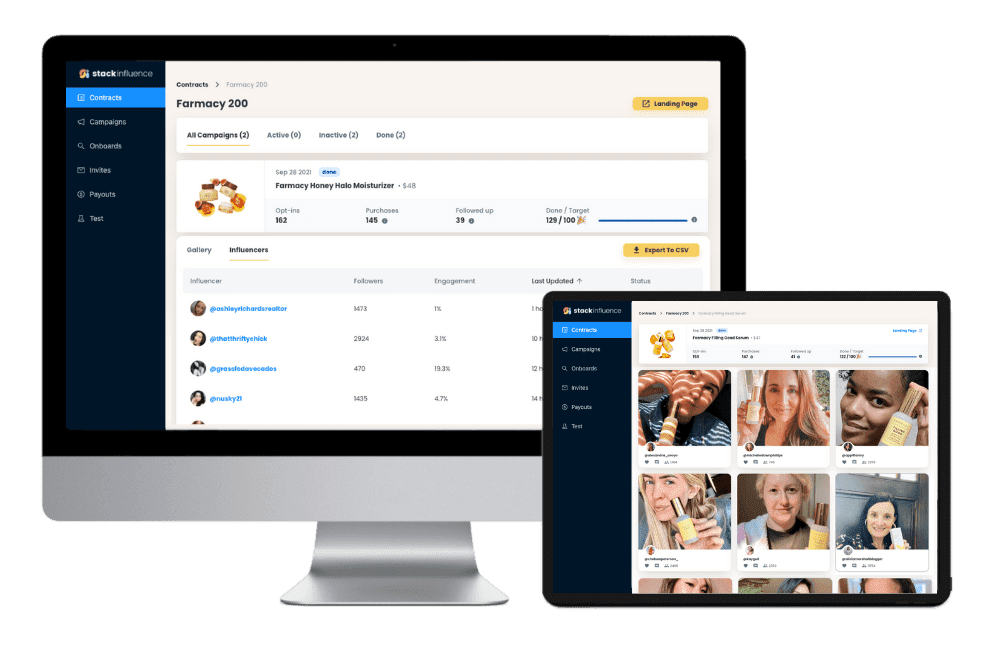
One more thing: influencer marketing doesn’t have to be an “either/or” choice with other advertising channels. The best campaigns integrate it. For instance, you might run a paid Facebook ad campaign featuring a video created by a TikTok micro-influencer – merging the authenticity of influencer content with the targeting power of paid ads. This is a strategy Stack Influence has used to great effect. (Stack Influence, as a micro-influencer marketing platform, helps e-commerce brands connect with vetted micro-influencers and run campaigns at scale.) By using a platform like Stack Influence, even a small Amazon seller can coordinate dozens of influencers to post about their product simultaneously, creating a wave of buzz and UGC that can be further leveraged in ads or on Amazon product pages. The result is a campaign that feels organic to consumers but is strategically orchestrated in the background.
The takeaway: incorporating micro-influencers and content creators into your advertising campaigns can significantly amplify your reach and improve consumer trust. In 2026, influencer marketing isn’t just a trendy add-on – for many brands, it’s a core pillar of their ad strategy that drives measurable ROI.
Advertising Campaign Strategies for E-Commerce & Amazon Sellers
Crafting advertising campaigns as an e-commerce brand, whether you sell on your own website or on a marketplace like Amazon, comes with some specific considerations. Online markets are extremely competitive – there are likely dozens of sellers or brands vying for your customers’ attention. A strategic ad campaign can set you apart. Here are some tailored tips for e-commerce entrepreneurs and Amazon sellers:
-
- Leverage Amazon’s Advertising Ecosystem: If you’re an Amazon seller, Amazon’s built-in ad tools (Sponsored Products, Sponsored Brands, and Sponsored Display ads) are your best friends. They allow you to surface your products to shoppers right when they’re searching for items. A typical Amazon advertising campaign involves bidding on keywords relevant to your product so that your listing appears as a “Sponsored” result. This can dramatically increase visibility for new products or help secure the coveted Buy Box. Keep an eye on your metrics – one key metric is ACoS (Advertising Cost of Sale), which is ad spend divided by sales. For instance, spending $30 on ads to get $100 in sales means a 30% ACoS. Aim for an ACoS that is profitable given your margins (industry averages are around 30%, but top sellers often optimize for <20%). If a campaign’s ACoS is too high, refine your keywords or improve your product listing’s conversion rate (through better images, copy, or pricing). Amazon advertising is a bit of a science, but when done right, it can continuously funnel new customers to your products.
- Drive External Traffic: Don’t rely solely on Amazon’s platform. Successful Amazon sellers often run external advertising campaigns to complement internal ads. Why? Bringing in outside traffic can boost your sales velocity and even improve your organic ranking on Amazon. Consider Facebook and Instagram ads targeting lookalike audiences of people who have shown interest in products like yours. You can direct these ads either to your Amazon product page or a landing page that eventually funnels to Amazon. Another powerful tactic is using Google Ads (search or shopping ads) for keywords your Amazon listing might not organically rank for yet. For example, if you sell a unique kitchen gadget, a Google search ad for “best garlic press 2026” could lead people to discover your item on Amazon or your DTC site. When running external ads for Amazon products, use Amazon’s Brand Referral Bonus program if available (it rewards you for driving outside traffic by giving a portion of fees back). Also, measure the impact – Amazon provides a “Referral Traffic” dashboard for brand registered sellers to see outside traffic performance.
- Content Marketing & SEO for DTC Brands: If you sell through your own e-commerce website (Shopify, WooCommerce, etc.), building organic traffic via SEO and content is a cost-effective long-term campaign strategy. While paid ads give immediate visibility, content marketing (like writing blog posts targeting keywords your customers search, or creating helpful how-to videos) can attract customers without ad spend. For example, an e-commerce store selling camping gear might publish a “Ultimate Camping Gear Checklist” blog post that draws search traffic and subtly promotes its products. Over time, this content can continuously funnel new shoppers into your marketing pipeline. Consider it an ongoing campaign that runs in the background. Combine this with an email newsletter campaign to stay in touch with prospects and customers – send valuable content, product updates, and occasional promotions to nurture your audience. The goal is to create a sustainable flow of traffic and engagement that isn’t 100% dependent on ad spend.
- Retargeting and Customer Retention: One of the highest ROI moves in e-commerce advertising is retargeting people who have already shown interest. Only about 2% of web visitors convert on their first visit – an advertising campaign can bring back some of the other 98%. Use retargeting ads on Facebook/Instagram or Google Display Network to re-engage those who viewed your product pages or added items to cart but didn’t purchase. For Amazon sellers, this can be trickier (since you don’t get shopper data), but Amazon’s Sponsored Display ads now offer retargeting capabilities to show ads off-Amazon to people who viewed your product. Additionally, if you have an email list or customer list, create lookalike audiences for fresh prospecting, and use email campaigns for retention (e.g., “We miss you – here’s 10% off your next order!”). The idea is to maximize lifetime value: it’s generally cheaper to retain a customer than acquire a new one. By including loyalty programs, email exclusives, or social community groups in your campaign strategy, you can turn one-time buyers into repeat customers.
- Use UGC and Reviews as Social Proof: We discussed how influencers and UGC help build trust. For e-commerce campaigns, social proof is crucial. Make sure to incorporate customer reviews, testimonials, and UGC in your advertising materials. For example, your Facebook ad could showcase a 5-star review quote from a happy customer. If you have permission, use a customer’s unboxing video or Instagram photo in your promotional emails or on your product landing page. Shoppers are more likely to convert when they see proof that others love your product. This is especially true for Amazon listings – a part of your “campaign” as an Amazon seller is simply optimizing your product page with great review content, photos from users (Amazon’s “Customer images” section), and even video reviews. While these elements aren’t paid ads, they significantly influence the effectiveness of the traffic your ads bring in. Consider them part of your holistic campaign strategy.
- Measure ROI and Iterate: E-commerce moves fast, and the advantage of digital campaigns is you get almost immediate feedback. Continuously measure your results across all channels in one place if possible. For example, a DTC brand might track Google Analytics for web sales from each traffic source, Facebook Ads Manager for social ad ROI, and Amazon’s Campaign Manager for Amazon PPC performance. Combine these to understand your overall return on advertising spend. Maybe you’ll find that while your Instagram ads got lots of clicks, your Google Ads actually led to more sales – that insight will help you re-balance your next budget. Or you might discover that a particular influencer’s audience converts 3X better than others – indicating you should double down on that partnership. The key is to treat each campaign as an experiment. Even if one falls short of targets, the data you gain is invaluable. Apply those learnings to the next campaign cycle. In the dynamic e-commerce world of 2026, the brands that continuously test and learn are the ones that stay ahead.
- Leverage Amazon’s Advertising Ecosystem: If you’re an Amazon seller, Amazon’s built-in ad tools (Sponsored Products, Sponsored Brands, and Sponsored Display ads) are your best friends. They allow you to surface your products to shoppers right when they’re searching for items. A typical Amazon advertising campaign involves bidding on keywords relevant to your product so that your listing appears as a “Sponsored” result. This can dramatically increase visibility for new products or help secure the coveted Buy Box. Keep an eye on your metrics – one key metric is ACoS (Advertising Cost of Sale), which is ad spend divided by sales. For instance, spending $30 on ads to get $100 in sales means a 30% ACoS. Aim for an ACoS that is profitable given your margins (industry averages are around 30%, but top sellers often optimize for <20%). If a campaign’s ACoS is too high, refine your keywords or improve your product listing’s conversion rate (through better images, copy, or pricing). Amazon advertising is a bit of a science, but when done right, it can continuously funnel new customers to your products.
Remember, whether you’re an Amazon seller or a DTC brand owner, the fundamentals of advertising campaigns remain the same: clear goals, knowing your audience, consistent messaging, and continuous optimization. The specific tactics might differ (e.g., Amazon PPC versus Google Ads, influencer outreach versus blog content), but all should work in concert. By using a mix of these strategies, you create a flywheel effect: your Amazon ads drive marketplace sales, your influencer content drives brand awareness (which later helps your Amazon conversion rate), your email campaign brings back past customers for new releases, and so on. This integrated approach is incredibly powerful for maximizing your e-commerce growth.
Unlock the Power of Micro Influencers and Elevate your Brand Today!
Conclusion to What Is an Advertising Campaign?
In conclusion, understanding what an advertising campaign is and executing it with a strategic mindset can be a game-changer for e-commerce brands and Amazon sellers. Rather than sporadic ads, you’re deploying a focused initiative with a clear purpose, whether that’s to skyrocket your Amazon product to page one, or to build a buzz around your DTC brand’s summer collection. A successful advertising campaign weaves together the right channels (from Amazon Ads to TikTok videos) with a compelling message and leverages modern tactics like micro-influencer partnerships and UGC to amplify its impact.
The marketing landscape in 2026 rewards authenticity and data-driven planning. Micro-influencers and content creators can lend authenticity and trust to your campaigns, while analytics and ROI tracking ensure your budget is well spent. By planning meticulously, staying agile with optimizations, and integrating channels, even a small brand can achieve outsized results. For e-commerce entrepreneurs, this means more than just immediate sales – it means building a recognizable brand and a community of loyal customers in the long run.
Now it’s time to put this into action. Whether you’re gearing up for your next Amazon product launch or a big social media push for your online store, apply these principles to craft your campaign. Set your goals, craft that killer message, and get your ads in front of the right people. With the right strategy and execution, your advertising campaign can drive real growth – increasing your sales, boosting your brand’s profile, and ultimately taking your business to the next level. Ready to launch your next campaign? Start with a plan, embrace creative and influencer-driven content, and keep optimizing – your brand will reap the rewards.

By William Gasner
CMO at Stack Influence
William Gasner is the CMO of Stack Influence, he's a 6X founder, a 7-Figure eCommerce seller, and has been featured in leading publications like Forbes, Business Insider, and Wired for his thoughts on the influencer marketing and eCommerce industries.
Want new articles before they get published? Subscribe to our Awesome Newsletter.
stack up your influence
turning creativity into currency
our headquarters
111 NE 1st St, Miami, FL 33132
our contact info
[email protected]
stack up your influence
turning creativity into currency
our headquarters
111 NE 1st St, 8th Floor
Miami, FL 33132
our contact info



© 2026 Stack Influence Inc
© 2025 Stack Influence Inc