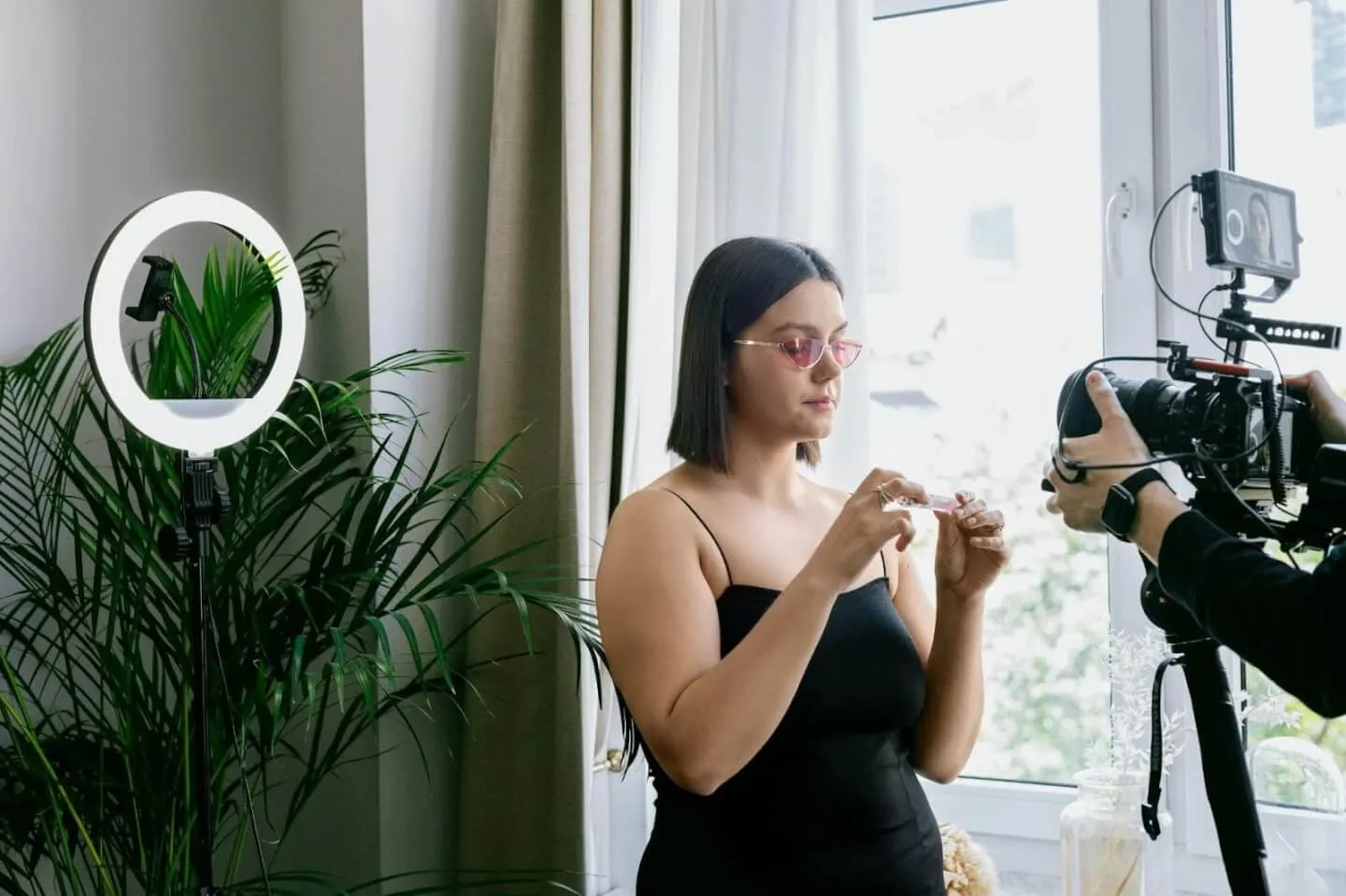




Short-form videos have exploded in popularity, fundamentally changing how brands reach consumers. In 2025, short-form video trends are about more than just chasing the next viral hit – they’re about driving meaningful results. For e-commerce brands and Amazon sellers, this shift means focusing on content that engages and converts, not just entertains. In this blog, we’ll explore what’s beyond virality: the latest short-form video trends, from micro influencers and UGC (user-generated content) to shoppable videos and AI tools, and how these trends can boost your brand’s ROI and sales.
What will you learn? By the end, you’ll understand which 2025 short-form video trends matter most for influencer marketing and e-commerce, how platforms like TikTok and Instagram Reels are evolving, and actionable ways to leverage these trends (with the help of everyday content creators and new tech) to grow your business. Let’s dive in!
Short-Form Video Dominance in 2025

It’s no secret that short-form video content (think TikTok clips, Instagram Reels, YouTube Shorts, etc.) is dominating digital media. By 2025, video is projected to make up over 80% of all internet traffic, with short-form videos driving the largest share of engagement. People have an insatiable appetite for bite-sized content – and platforms are serving it up on a silver platter.
- Attention Grabbing: Viewers decide within seconds if they’ll keep watching a video. This quick hook is the cornerstone of short videos. In fact, two-thirds of consumers find short videos the most engaging content type. Short clips satisfy shrinking attention spans by delivering entertainment or value fast.
- Massive User Bases: TikTok famously rocketed past 1 billion users by focusing on snappy videos. Instagram’s 500+ million daily Story users and YouTube’s billions of Shorts views underscore that short-form is now a default format for social content. Even traditionally long-form platforms have adapted (YouTube with Shorts, Facebook with Reels).
- Everywhere & Always On: Thanks to smartphones, consumers watch short videos everywhere – during commutes, lunch breaks, or shopping. This always-on consumption has made short-form video a crucial touchpoint for product discovery and brand storytelling.
Importantly, short-form’s popularity isn’t just a passing fad – it’s reshaping marketing strategies. 85% of marketers say short-form video is the most effective social media format. And rather than replace long-form content, these quick videos complement it by funneling viewers into deeper engagement (like visiting a site or watching a longer demo). The bottom line: short-form video is reigning supreme in 2025, and brands need to embrace it or risk being left behind.
Beyond Virality: From Views to Value
In the early days of the short-video boom, success was often measured by one thing: virality. Brands chased massive view counts and trending moments, hoping a viral video would translate to business win. But in 2025, smart marketers know views alone don’t pay the bills. The focus has shifted beyond virality to delivering real business value – ROI, engagement quality, and conversions.
Short-Form Video = High ROI: According to industry research, short-form video now boasts the highest ROI of any content type for marketers. In one survey, 66% of video marketers said live-action, short videos are the most effective format for ROI, lead generation, and engagement. This makes sense – a 30-second product demo or customer testimonial can directly drive a purchase decision in ways a silly viral meme cannot. In fact, 82% of people say a video has influenced a purchase decision. The takeaway? Viral fame is nice, but revenue is nicer. Short videos are increasingly optimized to not just go viral, but to educate, persuade, and convert viewers into customers.
New Metrics of Success: Instead of obsessing over vanity metrics (views, likes), brands are tracking metrics that reflect deeper engagement and intent. For example:
- View duration & Completion rate – Are people watching the whole 45-second video (indicating interest in the content)? Short videos under 90 seconds boast about a 50% viewer retention through the end – meaning your call-to-action actually gets seen.
- Click-throughs and Conversions – Did viewers swipe up or click a link to learn more or buy? A video that gets fewer views but drives more product page visits is a bigger win for an Amazon seller than a million-view video that no one acts on.
- Comments & Shares – Comments indicate genuine interest (far more than a passive “like”). And shares (especially within niche communities) show the content resonated enough for people to spread the word. Algorithms now reward this “depth of engagement” – a post with fewer views but high comment-to-like ratio can outperform a shallow viral clip.
Short-Form Video Trends 2025: Key Strategies for Marketers
So, what specific trends are shaping short-form content this year? Let’s break down the most important ones for marketers – especially e-commerce brands, Amazon sellers, and DTC founders looking to turn views into revenue. From the rise of micro influencers to the boom in shoppable videos, these are the trends that go beyond virality to drive real impact.
1. Micro-Influencers Drive Authentic Engagement
In 2025, micro-influencers (creators with roughly 5K–100K followers) have become the secret weapon for brands on TikTok, Instagram, and beyond. Collaborating with armies of smaller creators often beats paying one celebrity influencer – why? Because micro-influencers deliver authenticity, niche reach, and trust that scale to ROI:
- Higher Trust & Loyalty: Audiences see micro-influencers as genuine enthusiasts, not distant celebrities. This translates into serious trust. In fact, consumers trust recommendations from influencers they feel are “people like me.” Surveys show 69% of consumers trust influencer recommendations, and micro/nano influencers typically enjoy the highest engagement rates and credibility. Micro-influencers often foster tight-knit communities, so their followers are more likely to act on their suggestions.
- Better Engagement, Lower Cost: While a mega-influencer might get huge impressions, a micro-influencer’s post might get fewer but more engaged viewers. (E.g. a micro fashion vlogger’s 10,000 highly interested viewers can outperform a celebrity’s million passive scrollers.) Brands also find micros more cost-effective – you might send free products or pay modest fees, versus six-figure sums for an A-lister. The result is a higher marketing ROI by reaching the right people, not just the most people.
- Relatability Sells: Short-form videos from micro influencers tend to feel more like UGC and less like polished ads – which is exactly what today’s consumers crave. A quick TikTok of a home cook using your kitchen gadget, or a 30-second Instagram Reel of a fitness buff trying your supplement, comes across as a friend’s recommendation. That relatable style drives action: one study found micro-influencers can generate 60% more trust among consumers compared to macro influencers.
Platforms like Stack Influence have tapped into this trend, connecting e-commerce brands with vetted micro-influencers to produce authentic short-form videos at scale. These everyday creators are helping brands large and small get in front of niche audiences – whether it’s a beauty brand working with 50 micro makeup gurus on Reels, or an Amazon seller sending products to a dozen TikTok creators for honest reviews. The continued rise of micro-influencers is a clear sign that when it comes to short-form content, real voices resonate more than famous faces.
2. UGC and Real Content Reign Supreme
Hand-in-hand with the micro-influencer movement is the dominance of user-generated content (UGC) in short-form video. In 2025, authenticity is king. Audiences have grown skeptical of overly scripted influencer posts; instead, they gravitate toward content created by real customers, fans, and employees.
Why UGC? Simply put, it builds trust. A survey by UGC platform EnTribe found that 86% of people are more likely to trust a brand that shares UGC, and 83% are more likely to buy from brands using UGC in marketing. This makes sense – seeing everyday folks genuinely loving a product (without being paid to gush about it) is far more convincing than a glossy ad. And UGC isn’t limited to testimonials; it can be creative TikTok challenges featuring your product, unboxing videos from customers, or duets and remixes using your brand’s sound. The key is that it’s genuine, relatable content originating from outside the company.
Consider the recent “de-influencing” trend: some creators began urging followers not to buy over-hyped products, highlighting a backlash against incessant sponsored posts. Brands have responded by leaning into UGC and real voices to regain credibility. In fact, 40% of marketers now rank UGC as a high-ROI content format on social media, and 92% say UGC helps increase brand awareness. In short-form videos, that might mean using real customer reviews in your TikTok ads, or stitching customer clips into an Instagram Reel montage.
One striking example comes from a creative agency Superside, which tested an in-house UGC-style video ad against a typical influencer ad. The UGC-style short video (just shot on an iPhone, featuring team members as “users”) actually outperformed the influencer version – it generated 217% more leads and cut cost-per-lead by 45% over a month. That’s a huge win for ROI. The informal feel of UGC made the ad more effective, not less.
The takeaway for brands: embrace the perfectly imperfect. Encourage your customers to create and share content – perhaps via contests or hashtags – and repost their best short videos (with permission). Showcase real-life use cases, before-and-afters, or fan creativity. Not only does this approach provide you with a steady stream of content, it also signals to potential customers that people just like them use and love your products. In 2025, the polished studio shoot is out; the TikTok filmed in someone’s living room is in – because it’s real.
3. Social Commerce & Shoppable Videos Boost Sales
As short videos entertain and engage, they’re also collapsing the funnel from discovery to purchase. A huge trend in 2025 is the integration of social commerce features into short-form video platforms – effectively turning viral clips into virtual storefronts. For brands, this means your 15-second video can not only spark interest but let viewers buy the product on the spot.
Some notable developments:
- TikTok Shopping: TikTok has rolled out in-app shopping tools, from product link stickers on videos to a dedicated “Shop” feed (in some regions). Brands and even Amazon sellers are using TikTok short videos to showcase products with direct “Buy Now” links. It’s reported that 50% of TikTok users have bought something after seeing TikTok content, demonstrating the app’s shopping influence.
- Instagram & Facebook Reels: Instagram has long offered Shopping tags on posts, and short-form content is no exception. You can tag products in Reels and Stories, allowing viewers to tap and view the item on your site or in Instagram’s checkout. This is powerful – 50% of Instagram users have visited a website to buy a product after seeing it in Stories. Facebook Reels similarly can drive traffic to product pages.
- YouTube Shorts: YouTube is testing shopping features for Shorts, leveraging its integration with YouTube Shopping and merch shelves. A viewer could see a product highlighted in a 30-second review and click to purchase on the spot.
The net effect: short videos are becoming shoppable experiences, not just content. Retailers who add interactive video elements are reaping rewards – for instance, one study found that retailers using shoppable videos saw conversion lifts of 30% or more after implementing them. Another stat underscores the power of live and short video commerce: live-stream shopping events (popular in Asia and now growing in the West) can achieve conversion rates up to 10× higher than standard e-commerce.
Even Amazon tried hopping on the short-video train. They introduced “Amazon Inspire,” a TikTok-style feed within the Amazon app showcasing products via quick videos and photos. While Inspire was eventually retired, the experiment signaled Amazon’s recognition that swipeable, video-centric browsing is the future of online shopping. Amazon continues to leverage influencers through its Amazon Influencer Program, where creators post product review videos that appear on product detail pages and Amazon Live. If you’re an Amazon seller, partnering with content creators to supply honest, engaging short videos (either on social media or on Amazon’s platform) can directly boost your product’s credibility and sales.
For e-commerce brands, the implication is clear: make your videos shopper-friendly. Include clear calls to action (swipe up, “link in bio”, tap to shop) in your TikTok and Reel content. Show the product in use within the first few seconds. Use captions or stickers to highlight discounts or features. And don’t shy away from paid social ads in short-video format – a snappy video ad that viewers enjoy is potent, with viewers 97% more likely to purchase something from a video ad they enjoyed. The more you can collapse the distance between seeing and shopping, the better your ROI from short-form video will be.
4. AI Tools Supercharge Content Creation
Another exciting trend pushing short-form video beyond its former limits is the rise of AI-powered content creation and automation. One challenge with video marketing has always been the time and cost to produce quality clips. In 2025, AI is helping to break that barrier, allowing brands (even small ones) to scale up video output without scaling up budgets proportionally.
Here’s how AI is turbocharging short-form video:
- Faster & Cheaper Production: New AI-driven video tools can generate videos or assist at various production stages – from scripting to editing. For example, platforms like Synthesia use AI to create videos with virtual presenters; they’ve reported that integrating AI can save up to 80% in time and budget on video production. AI can quickly repurpose existing content (turning a blog post into a quick explainer video, for instance) or even auto-generate short clips based on product images and text. This means even a lean marketing team can pump out TikToks and Reels regularly without a full video studio.
- Automatic Optimization: AI is also helping tailor videos for better performance. Need captions for the 85% of people who watch on mute? AI can auto-generate accurate subtitles in seconds (and even translate them to reach global audiences). Tools can analyze which parts of a video grab attention and auto-suggest cuts to get viewers hooked in the first 3 seconds. Some social platforms use AI algorithms to recommend music or effects to make your video more engaging. Essentially, AI acts like an assistant editor and strategist, ensuring your short-form content hits the mark.
- Personalization at Scale: On the horizon is AI-driven personalization of video content. Imagine showing 1000 viewers 1000 slightly different video variants tailored to their interests or demographics – AI makes this feasible. Already, some brands use AI to dynamically insert a viewer’s name or location into a video, or to swap out scenes to match user profiles. Personalized short videos could significantly lift engagement, as viewers feel the content “speaks to them”. (Not to mention, 71% of shoppers expect personalized experiences from brands.)
By embracing AI tools, brands can keep up with the relentless content demand of the short-form era. Instead of one polished ad a quarter, you might produce 50 TikToks a month – testing ideas, riding trends, and iterating quickly – without blowing the budget. Of course, human creativity and oversight remain vital (AI can spew content, but it’s the marketer’s job to ensure it’s on-brand and resonates emotionally). The brands that get this balance right will have a constant stream of fresh, optimized videos fueling their social channels and ads. In short, AI is helping turn short-form video from a daunting task into a scalable, strategic advantage.
5. Platform Highlights: TikTok, Reels, and Shorts Strategies

While general principles apply across short-form video, each platform has its own nuances and trends in 2025. Here’s a quick rundown of the big three (TikTok, Instagram, YouTube) and how to tailor your approach:
- TikTok – For You feed = Discovery Goldmine. TikTok’s algorithm is uncannily good at pushing content to interested users, making it possible for even new brands to gain traction. Trends on TikTok (dances, challenges, sounds) can catapult a video into virality overnight. In 2025, TikTok continues to emphasize authentic, entertaining content – overly salesy videos tend to flop. Focus on storytelling and challenges: e.g. a skincare brand might hop on a trending hashtag challenge in a creative way. Also, leverage TikTok’s new shopping features; many brands run TikTok influencer campaigns where viewers can directly buy the featured item. Consistency is key: posting 4-7 times a week keeps the algorithm’s attention. And remember, TikTok’s audience skews young (Gen Z loves it), so keep content fun, visually snappy, and music-driven.
- Instagram (Reels & Stories) – Visual Appeal and Community. Instagram’s short-form offerings blend discovery and engagement with your existing follower community. Reels (short videos up to 90 seconds) are Instagram’s answer to TikTok – they have strong organic reach, especially if you use popular audio tracks and hashtags. A big IG trend is remixing – encourage users to remix your Reels or create response videos. Stories, on the other hand, excel at fostering connection and urgency. Over 500 million people use Instagram Stories daily, and these ephemeral 24-hour clips are great for behind-the-scenes peeks, polls, and interactive content (stickers, Q&As). Importantly, Stories drive action – with swipe-up links (now link stickers), brands routinely take followers straight from a story to a product page. As noted, completion rates on Stories are high (Instagram reports 86% completion rate on stories on average), meaning viewers often stick till the end – a prime opportunity to include a CTA. In 2025, savvy brands use a mix: Reels for reach (attracting new eyes through the Explore page) and Stories for nurturing followers (engaging and converting them).
- YouTube Shorts – Shorts as a Funnel. YouTube Shorts have rapidly grown, with YouTube reporting 50 billion daily views on Shorts globally. What’s unique is Shorts exist alongside traditional long-form YouTube content. Many creators use Shorts as “teasers” or quick tips that funnel viewers to their longer videos or to subscribe to their channel. For brands, a great strategy is to repurpose content: take highlights from a longer product video or how-to and turn them into a few 30-second Shorts. Shorts tend to favor informative or entertaining snippets – think quick hacks, before-and-after transformations, or dramatic product demos. And don’t forget, YouTube is the world’s second-largest search engine; optimizing your Shorts titles and descriptions with keywords (yes, SEO for short videos!) can help them get discovered. Another plus: the audience on YouTube might be looking for slightly more in-depth content even in short form, so this is a place where a 60-second “explainer” video can thrive. Ensure your Shorts have eye-catching thumbnails when viewed on profiles and always include a call-to-action – “Watch the full video for details” or a link in the description for the product.
Regardless of platform, one cross-cutting trend is crossposting and repurposing. A single piece of content can often be reformatted for each platform’s specs – for example, a 45-second product teaser could be posted as a TikTok, an Instagram Reel, a YouTube Short, and even a Pinterest Idea Pin, each with slight tweaks. This extends your reach and maintains consistency. Just be mindful of platform norms (e.g. remove the TikTok watermark when posting on Reels to avoid reduced reach). The goal is to meet your audience wherever they are scrolling.
Conclusion to From Virality to ROI
The short-form video trends of 2025 signal one thing: it’s time to think beyond virality and focus on value. For brands – especially those in the e-commerce arena – success will come from creating videos that not only capture attention, but also build trust, inspire action, and drive ROI. Whether it’s partnering with micro influencers for authentic storytelling, encouraging UGC that puts customers in the spotlight, or leveraging new shopping tools to turn views into purchases, the opportunities are vast.
The common thread is authentic engagement. Short-form content may be quick to consume, but its impact can be long-lasting when done right. A 15-second clip can spark a genuine connection, answer a buyer’s question, or provide social proof that converts a skeptic into a customer. And thanks to analytics and feedback in real time, you can continually refine your approach – doubling down on what works (and dropping what doesn’t) far faster than in the old days of lengthy video productions.
For e-commerce brands and Amazon sellers, the message is clear: don’t just chase the next viral dance – craft a strategy around these trends that aligns with your goals. Use the data (retention rates, click-throughs, sales) to guide your content decisions. Encourage your community to participate, because the line between creator and consumer is blurring. And above all, be willing to experiment and innovate. The short-form landscape evolves quickly (who knows what the TikTok of tomorrow will be), but with a focus on authentic, value-driven content, you’ll be prepared to ride any wave.
Ready to boost your ROI with short-form video? Start by implementing one of these trends in your next campaign – challenge your followers with a fun hashtag, ask a micro-influencer to review your product on Reels, or turn a customer testimonial into a TikTok. By meeting your audience where they are and giving them content that resonates, you won’t just go viral – you’ll grow your business in a lasting way.