
Ultimate TikTok Influencer Marketing Guide (2026 Edition)
13th
January, 2026
Influencer Marketing
Amazon Marketplace
Artificial Intelligence
TikTok Tips
Imagine a single TikTok video sending your product sales skyrocketing overnight. That scenario is no longer fantasy for e-commerce brands and Amazon sellers. TikTok has evolved into a powerhouse for product discovery and social commerce – so much so that over 70% of TikTok users have bought something they stumbled upon in their feed. The viral hashtag #TikTokMadeMeBuyIt now boasts tens of billions of views, packed with success stories of ordinary products going viral and selling out. If you’re in e-commerce, this phenomenon is a goldmine: the right TikTok influencer campaign can ignite explosive brand awareness, authentic user engagement, and a surge in sales.
In this Ultimate TikTok Influencer Marketing Guide (2026 Edition), we’ll walk you through everything you need to know to harness TikTok’s influencer-driven marketing power. You’ll learn why TikTok is essential in 2026 for brands, how to craft an influencer strategy step by step, and pro tips on leveraging micro-influencers, user-generated content (UGC), and TikTok’s unique algorithm to boost your ROI. By the end, you’ll have a clear roadmap to tap into TikTok’s viral engine – and turn scrolling Gen Z eyes into loyal customers for your brand.
Why TikTok Influencer Marketing Is a Game-Changer for E-commerce in 2026
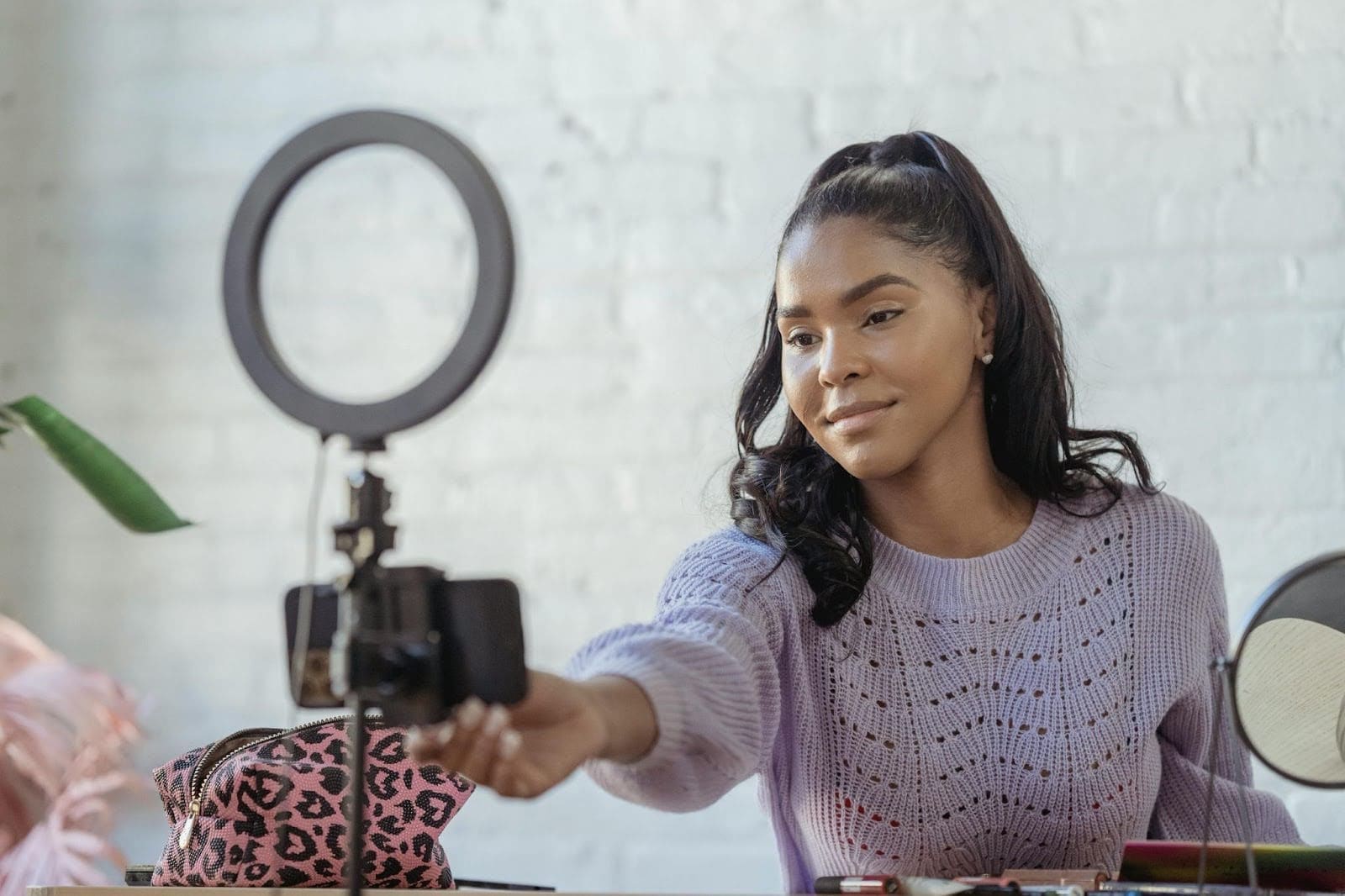
TikTok isn’t just an app for dance challenges – it’s now a major driver of shopping trends. The platform’s focus on short, entertaining videos and its For You discovery algorithm have created a perfect storm for product virality. Influencer marketing on TikTok combines entertainment with word-of-mouth trust, giving brands an unprecedented way to reach consumers. Here’s why TikTok influencer marketing is a must for e-commerce brands and Amazon sellers in 2026:
-
- Unmatched Reach and Virality: TikTok’s algorithm can catapult content (and products) to millions of viewers, even if a creator has a modest follower count. Unlike Instagram or Facebook, TikTok is a discovery-first platform – meaning your brand can go viral to new audiences overnight. In fact, TikTok’s own e-commerce team notes that anyone can be discovered, regardless of followers, thanks to the platform’s interest-driven feed. This levels the playing field for small businesses. One example: a simple TikTok review of a pair of leggings by a micro creator sparked 272 million views under #TikTokLeggings (and 175 million under #AmazonLeggings), causing the item to sell out and even be renamed on Amazon. For Amazon sellers, a single viral TikTok can launch a product to the top of search results overnight.
- High User Engagement & Buying Intent: TikTok’s audience isn’t just passively scrolling – they’re shopping. 71% of TikTok users say they’ve purchased a product after seeing it on their feed, and 58% use TikTok for shopping inspiration. The trending hashtag #TikTokMadeMeBuyIt is proof of how enthusiastically users hunt down products featured by TikTok creators. Even more, 67% of TikTok users have been inspired to shop for something they weren’t even looking for just because they saw it on the app. This means influencer content on TikTok can create demand out of thin air. For brands, that’s an opportunity to drive impulse purchases like never before.
- Trust and Authenticity Drive Conversions: Influencer content on TikTok often feels like a recommendation from a friend. Short videos of real people using or reviewing a product come across as genuine user-generated content. Consumers trust this far more than polished ads. Roughly 60% of TikTok users say they’re more likely to trust a brand recommendation from an influencer than from the brand’s own ads. And it’s not just anecdotal – 84% of consumers are more likely to trust a brand that uses real customer or creator content (UGC) in their marketing. That trust translates directly to sales. In other words, influencer marketing on TikTok lets you borrow the credibility of content creators who have already earned their audience’s faith.
- Micro-Influencers = Big Impact (for Lower Cost): TikTok is a haven for micro-influencers – creators with tens of thousands of followers or less – who often generate outsized engagement. Because TikTok’s algorithm rewards content quality over follower count, even micro-influencers can get massive reach. In fact, studies show TikTok micro-influencers see an average 17.9% engagement rate, far higher than mega-influencers who average around 4–5%. Their audiences are highly engaged and niche, which is great for targeting. For brands, micro-influencers are also budget-friendly: many will promote products for free samples or modest fees (some TikTok micro creators charge as little as $50 per video). This authenticity + affordability combo means you can launch campaigns with dozens of micro-influencers for the price of one celebrity—and often get higher total engagement. It’s no surprise that 67% of brands now prefer working with micro-influencers, versus only 17% who engage mega influencers. Micro and nano-creators are driving the influencer marketing boom because they deliver trust at scale.
- Built-In Social Commerce Features: In 2026, TikTok has fully embraced social commerce. The app now offers in-video shopping links, a TikTok Shop feature, and integration with e-commerce platforms – making it seamless for viewers to buy what an influencer is showcasing. Almost one in three daily TikTok users in the U.S. has already bought something directly in the app. The platform’s shopping capabilities are growing fast (TikTok’s U.S. social commerce sales more than doubled in the past year). This means an influencer’s followers can transition from watching a fun video to checking out your product in just a tap. For e-commerce brands, especially those selling on Amazon or DTC websites, TikTok acts as both the advertising channel and the storefront. A viewer might see your product via an influencer, click the link, and purchase within minutes – a frictionless funnel that blends entertainment with buying. In short, TikTok accelerates the customer journey from awareness to conversion like no other platform right now.
- Unmatched Reach and Virality: TikTok’s algorithm can catapult content (and products) to millions of viewers, even if a creator has a modest follower count. Unlike Instagram or Facebook, TikTok is a discovery-first platform – meaning your brand can go viral to new audiences overnight. In fact, TikTok’s own e-commerce team notes that anyone can be discovered, regardless of followers, thanks to the platform’s interest-driven feed. This levels the playing field for small businesses. One example: a simple TikTok review of a pair of leggings by a micro creator sparked 272 million views under #TikTokLeggings (and 175 million under #AmazonLeggings), causing the item to sell out and even be renamed on Amazon. For Amazon sellers, a single viral TikTok can launch a product to the top of search results overnight.
All of the above make TikTok influencer marketing an unrivaled opportunity. You get the authenticity of word-of-mouth, the reach of a viral social network, and the sales funnel of an e-commerce platform all in one. And importantly, your competitors might already be on it – about 69% of brands use TikTok for influencer marketing campaigns now. If you don’t tap into TikTok in 2026, you risk leaving serious money (and market share) on the table. Now that we’ve covered why TikTok is critical, let’s dive into how to execute an effective TikTok influencer marketing strategy for your brand.
Unlock the Power of Micro Influencers and Elevate your Brand Today!
How to Launch a TikTok Influencer Marketing Campaign (Step by Step)
Ready to get started? Here’s a step-by-step framework to plan and execute a successful TikTok influencer marketing campaign. Whether you’re an Amazon seller with a hot new gadget or a DTC e-commerce brand in fashion, these steps will help you navigate from strategy to viral success:
1. Set Clear Goals and Target Outcomes – Begin with the end in mind. Decide what you want to achieve with TikTok influencers. Common goals include brand awareness, increased product sales, website traffic, or content creation (UGC) for your brand. Be as specific as possible: e.g. “Drive a 20% sales lift on Amazon in Q1” or “Generate 50 pieces of UGC content to repurpose in ads.” Your goals will inform the type of influencers you choose and how you measure success. Also identify your target audience on TikTok – their age range, interests, and the communities or hashtags they engage with. TikTok’s user base skews younger (about 38% of users are Gen Z), but it’s rapidly diversifying. Ensure your target customer is active on the platform. If you sell niche B2B industrial parts, TikTok might not be priority; but if you’re in beauty, fashion, gadgets, home goods – TikTok is a goldmine of shoppers. Defining your goals and audience upfront will keep your campaign focused and effective.
2. Find the Right TikTok Influencers (Focus on Micro-Influencers) – The success of your campaign hinges on picking the right creators to partner with. Look for influencers who align with your niche, have genuine engagement, and share a similar audience demographic to your target. Micro-influencers (roughly 5K–100K followers) are often a smart choice for e-commerce brands because of their higher engagement and relatable feel. In fact, micro-influencers account for the majority of TikTok’s creator community and drive much of its engagement. You can certainly mix in a few larger creators for reach, but don’t overlook smaller creators who have cult-followings in your niche – their impact can punch above their weight on TikTok.
How do you find suitable TikTok influencers? Start by researching within the app: use the TikTok search bar to explore relevant hashtags (for example, a skincare brand might search #skintok, #beautyproducts, etc.) and see which creators frequently post and get good engagement. Check TikTok’s “Discover” page for trending creators in relevant categories. Scan the comments on popular videos about your product category – you’ll often find smaller creators chiming in or being tagged. Also, examine your competitors’ TikTok presence: are they working with influencers or being mentioned by any creators? Those could be leads for your own outreach.
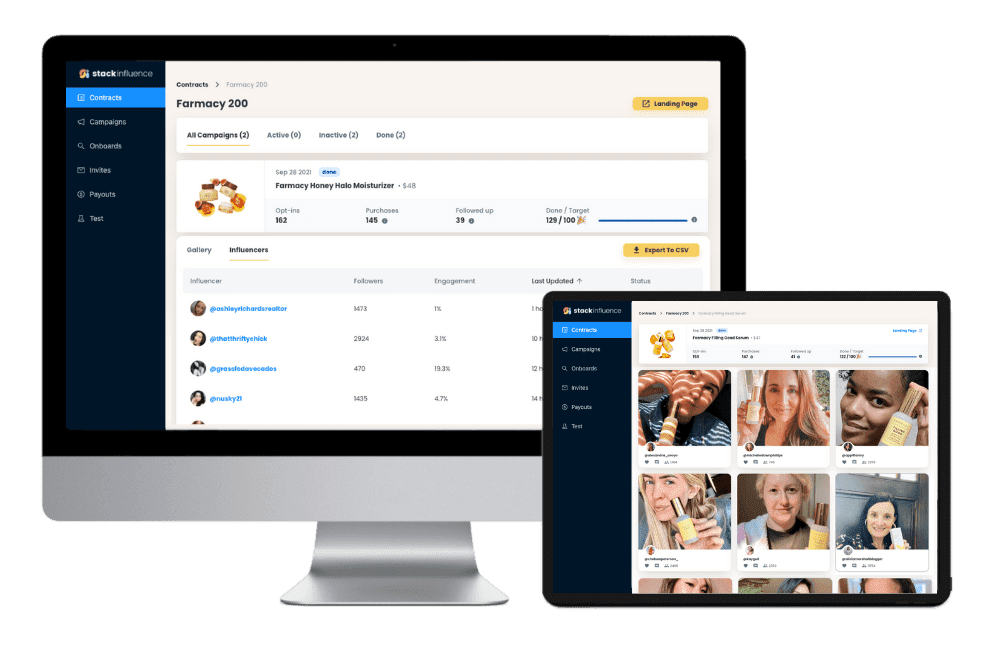
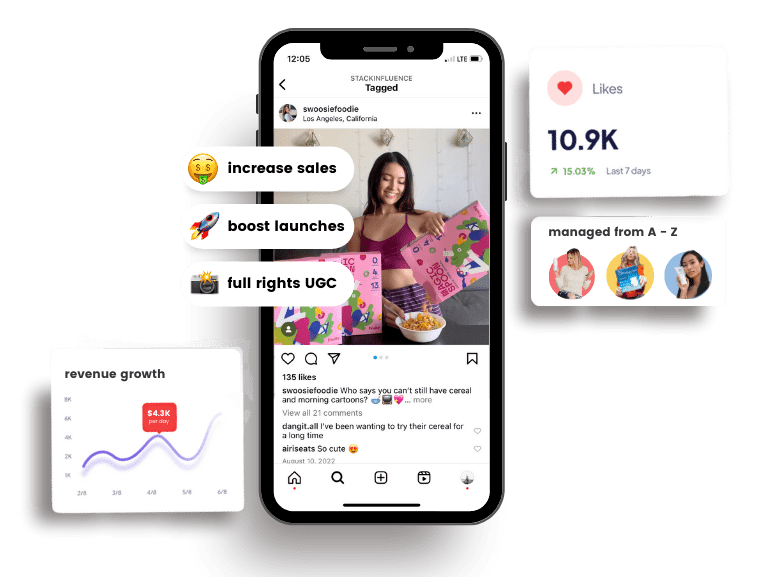
Additionally, consider using tools and platforms: TikTok offers a Creator Marketplace that lets brands filter and find registered creators by topic, location, follower count, etc. There are also third-party influencer marketing platforms where you can search for TikTok creators. If manual outreach feels overwhelming (working with many micro-influencers can be time-consuming!), you can partner with an agency or platform to streamline the process. For example, platforms like Stack Influence help brands connect with vetted micro-influencers and manage campaigns efficiently, allowing you to scale up to dozens of creator collaborations at once. However you approach it, vet each influencer’s profile before contacting them – look at their content style, how their audience interacts (are there genuine comments or just generic ones?), and ensure they haven’t posted anything that conflicts with your brand values. Prioritize influencers who consistently create quality content and engage with their followers. A tight alignment between the influencer’s persona and your brand will make the eventual promotion feel natural and credible.
3. Reach Out and Set Up the Collaboration – Once you’ve identified potential influencers, it’s time to connect and propose a partnership. Many TikTok creators list contact info (an email or Instagram handle) in their bio for business inquiries. If not, you can try reaching out via direct message. When contacting influencers, personalize your message: mention what you like about their content and why you think your product would resonate with their audience. Clearly state what you’re offering – a free product, affiliate commission, or a paid fee – and what you’d like them to do (e.g. create one TikTok video featuring the product, join a challenge, post a review, etc.). Micro-influencers are often open to gifted collaborations (free product in exchange for content) or lower fees, but be respectful of their time and effort. Many will have media kits or rate cards; others might ask you, so have a budget range in mind. For reference, TikTok influencer rates can vary widely by follower count – macro TikTokers might charge a few thousand dollars per post, whereas micro influencers might charge a few hundred or accept just products. Negotiate terms that work for both sides, possibly starting with a small test campaign first.
When terms are agreed, be sure to align on campaign details and creative direction. Provide a clear brief that includes: the key points about your product (its benefits, any discount code you want mentioned), any required hashtags or disclosure (#ad is a must for sponsored content), and the timeline for posting. It’s usually best not to script the video verbatim – TikTok audiences value the creator’s authentic voice and style. Instead, give creative freedom within guidelines. For example, you might say “We’d love a 30-60 sec video of you using the product in your daily routine, highlighting X and Y features – feel free to put your own spin on it with trending sounds or your humor.” The creator knows what clicks with their viewers, so trust their creativity. Also discuss how you’ll handle FTC disclosures and TikTok’s branded content tools: influencers should clearly mark the video as sponsored (using hashtags like #ad or TikTok’s “Paid Partnership” label) to comply with guidelines and maintain transparency with their audience. Finally, set expectations for deliverables – will they send you the video for review before posting? Are multiple posts or cross-posting to Instagram included? iron out these details ahead of time. With the agreement in place, ship out the product (if applicable) promptly so the creator has time to test it and make content.
4. Craft Content That Feels Native (Empower the Creator) – The best TikTok influencer campaigns don’t feel like traditional ads; they feel like organic content that just so happens to feature a product. Encourage your influencers to be themselves and tell a story with your product. Authenticity is the name of the game. TikTok viewers scroll quickly past anything overly salesy or polished, so your campaign will perform better if the content aligns with the usual vibe of that creator’s feed. Perhaps it’s a funny skit using your product, a before-and-after transformation, a day-in-the-life vlog featuring your item, or a quick “Amazon find” review. Lean into TikTok trends: if there’s a popular challenge, song, or meme format and it makes sense for your product, suggest the creator incorporate it (timing is key, as trends come and go fast). Also, shorter is often sweeter – videos in the 15-60 second range tend to hold attention, but let the creator decide the optimal length.
Highlight your product’s value in a relatable way. For example, instead of a creator saying “Buy this water bottle, it’s great,” an authentic approach might be them showing how this water bottle survived a drop test or kept their drink cold all day during a workout – demonstrating benefits rather than using ad-speak. User testimonials, unboxing reactions, and “I tried this so you don’t have to” formats work well because they provide social proof. Remember, TikTok is largely powered by UGC-style content, so even sponsored posts should resemble UGC. Many brands find that TikTok influencer-generated content outperforms their studio-made ads because it blends in with what real users post. (In fact, 41% of brands say that reusing influencer content in paid ads yields higher ROI than traditional ads.) So aim for that organic feel.
It’s a good idea to encourage a call-to-action (CTA) in the video if it fits naturally – e.g., the creator might say, “Check the link in my bio for a discount” or “Use my code for 20% off this product.” Many TikTok creators will put your website or Amazon product link in their bio temporarily, or use TikTok’s shopping features to attach a product link. Take advantage of that so interested viewers can easily find the item. If your goal is virality and awareness, a softer CTA (like asking viewers to comment or share) is fine; but if you want conversions, make sure there’s an easy path for viewers to buy or learn more (link in bio, etc.). Also, prepare for engagement: once the post is live, be ready to interact. Hop into the comments (with the creator’s okay) to answer questions about the product, or have the influencer respond to comments. TikTok’s community loves when brands are approachable and conversational in comments – it can even boost the video’s reach due to increased engagement.
5. Amplify, Monitor, and Measure Results – After the influencer content goes live, your work isn’t done! Promote and repurpose that content to maximize its impact. Share the TikTok video on your own social channels (reposting with credit to the creator). You might even ask the influencer for permission to use the video in your ads or on your product page – most are agreeable if discussed in advance, especially if you credit them or pay a bit extra. This turns a single TikTok into multi-channel content. Additionally, consider using TikTok’s “Spark Ads” feature, which allows you to turn the influencer’s post into an ad and target it to a wider audience; this can significantly boost views while retaining the social proof of a creator’s voice.
On the monitoring side, track the performance metrics that tie back to your initial goals. TikTok’s analytics (and the creator can share post insights with you) will show views, likes, comments, shares, and follower growth from the video. If you provided a unique promo code or affiliate link to the influencer, monitor the usage of those to gauge direct sales. For Amazon sellers, a common tactic is to give the influencer an Amazon Associates link or a coupon code like “TIKTOK10” for viewers – check how many sales or redemptions result. You can also see if your Amazon listing’s traffic or rank spiked during the campaign period. For DTC brands, watch your Google Analytics for referral traffic from TikTok or spikes in overall sales on days the TikToks drop. Engagement metrics (likes, shares, comments) are important because they indicate how resonant the content was; a high engagement rate on TikTok often correlates with the algorithm pushing the video to more people. But ultimately, return on investment (ROI) is key. Influencer marketing generally delivers a strong ROI – on average, brands earn about $5–$6 in revenue for every $1 spent on influencer campaigns. If you’re seeing solid sales and a good ROI, that’s a sign your TikTok strategy is working. If not, analyze why: Was the content a poor fit? Did you use the wrong influencers? Use those insights to tweak your approach next round.
Don’t forget the “relationship” aspect of influencer marketing. When you find creators who authentically love your product and have an engaged audience, build long-term relationships with them. Rather than one-off posts, consider an ongoing ambassadorship or a series of collaborations. Maybe they do a follow-up video (“3 months later, still using this product…”), or appear in a seasonal campaign for your brand. Consistent partnerships come off even more authentic as audiences see their favorite creator genuinely integrate your brand into their life over time. Plus, working repeatedly with the same influencers can deepen the trust factor and yield better conversions — their followers get more and more comfortable with your brand through repeated exposure. It’s like having a team of passionate brand advocates. Many DTC and Amazon brands have turned micro-influencers into unofficial (or official) brand ambassadors who regularly drive sales spikes during product launches or holiday promos.
Finally, learn and iterate. Each TikTok campaign is an opportunity to gather data on what resonates with your target audience. Maybe you’ll find that quirky, humorous product demos get the most traction, or that influencers in a certain age bracket drive more sales for you. Use those learnings to refine future campaigns. TikTok trends also evolve quickly, so stay plugged in to the platform’s culture – what’s viral this month may be passé the next. Keep experimenting with new content formats and new creators as you grow. If a particular influencer’s audience really converts well for you, double down and send them new products to feature over time. If a campaign underperforms, don’t be discouraged – treat it as feedback to adjust your strategy (perhaps try a different style of video or target a different niche of creators). Influencer marketing is an iterative process, but when you hit the right formula, it can become a reliable engine of growth.
By following these steps, you’ll set a strong foundation for your TikTok influencer marketing efforts. In essence: choose your influencers wisely, empower them to create relatable content, and leverage that content fully. This approach will help your brand tap into TikTok’s massive audiences in an authentic way – building not just impressions, but real engagement and sales.
Pro Tips: Making the Most of TikTok Influencer Campaigns

-
- Leverage User-Generated Content (UGC): TikTok influencer videos themselves are UGC-style content, and you can multiply their effect by encouraging more UGC from your customers. For example, create a campaign hashtag and ask viewers who bought the product to post their own videos with it. Run a contest or challenge to spark user participation. The more real people posting about your product, the better – it creates a snowball of social proof. Many brands even repost the best customer videos on their official TikTok or website (with permission). UGC builds community and trust: surveys show 77% of people are more likely to buy a product if they see authentic customer content about it. So turn that influencer-driven buzz into a broader UGC movement.
- Time Your Campaigns with Trends and Seasons: TikTok moves fast. Pay attention to trending sounds, formats, or memes and brainstorm if your brand can join the conversation in a fun way with an influencer’s help. Also plan around seasonal moments – e.g. back-to-school, Black Friday, summer vacation – when certain product categories trend. An Amazon seller might coordinate a TikTok push right before Prime Day or the holiday season to ride the wave of shopping interest. Aligning your influencer content with what’s culturally hot at the moment can amplify its reach.
- Monitor Comments and Engage: Don’t go silent after an influencer posts. Often, TikTok users will ask questions in the comments (“What’s the price?” “Does it come in other colors?” etc.). Work with your influencer to ensure these get answered – either they can reply, or if appropriate, you can reply as the brand. High engagement in the comments (including the original creator responding) can also boost the video’s ranking on TikTok. Just be sure any account you use to comment has a friendly, non-robot tone. Showing that real humans are behind the brand will make potential customers feel confident.
- Track Creator Performance for Future Reference: As you do multiple campaigns, keep a record of each influencer’s results. You might find, for example, that one TikTok creator’s video led to 100 sales with a 8% engagement rate, while another’s led to 20 sales – even if they had similar follower counts. Use this data to refine who you collaborate with again. Over time, you can build an “A-team” of creators who consistently drive great results for your brand. Those relationships are very valuable – treat those influencers well (early access to new products, higher commission, etc.) so they stay enthusiastic about working with you.
- Ensure Logistics and Inventory Can Handle Success: This is a good problem to have, but we’ve seen TikTok campaigns go so well that sellers run out of stock unexpectedly! If you’re seeding a product to 50 influencers and expecting a potential viral hit, make sure you have inventory ready (or can quickly restock) to capture the surge in demand. Also, ensure your website or Amazon listing is optimized before the campaign – updated images, good reviews, an easy checkout. TikTok will send a burst of curious shoppers; make sure your sales page can convert them and not turn them off. If you’re using Amazon, be ready for a spike in traffic; if you have your own site, check that it can handle increased traffic and that tracking (for attribution) is in place.
- Leverage User-Generated Content (UGC): TikTok influencer videos themselves are UGC-style content, and you can multiply their effect by encouraging more UGC from your customers. For example, create a campaign hashtag and ask viewers who bought the product to post their own videos with it. Run a contest or challenge to spark user participation. The more real people posting about your product, the better – it creates a snowball of social proof. Many brands even repost the best customer videos on their official TikTok or website (with permission). UGC builds community and trust: surveys show 77% of people are more likely to buy a product if they see authentic customer content about it. So turn that influencer-driven buzz into a broader UGC movement.
By keeping these best practices in mind, you’ll maximize the ROI from each TikTok influencer collaboration. Speaking of ROI – always take a moment post-campaign to calculate it. How did the sales or value generated compare to what you spent (in product costs, fees, or effort)? The beauty of TikTok influencer marketing is that when done right, it can deliver a big bang for your buck. Many brands report influencer campaigns as one of their highest-ROI marketing channels, often beating paid ads in cost per acquisition. And beyond the immediate sales, you gain a library of authentic content and new brand advocates, which keeps paying dividends.
Unlock the Power of Micro Influencers and Elevate your Brand Today!
Conclusion to Ultimate TikTok Influencer Marketing Guide
TikTok influencer marketing isn’t just a trendy option in 2026 – it’s a powerful strategy that can drive real business results for e-commerce brands and Amazon sellers. As we’ve outlined in this guide, combining TikTok’s viral reach with authentic content creators gives you the best of both worlds: massive exposure and genuine consumer trust. A single creative video can introduce your product to millions, spark conversations, and compel viewers to hit “add to cart” within minutes. By partnering with the right micro-influencers, encouraging compelling UGC, and maintaining a data-driven approach, you can build an influencer campaign that drives ROI and grows your brand’s community of fans.
If you’ve been sitting on the sidelines, now is the time to dive in. Start small – maybe send your product to a handful of TikTok creators in your niche – and learn from each campaign. Experiment, iterate, and scale up what works. The beauty of TikTok is how quickly you can gain momentum; today’s niche creator collab could turn into tomorrow’s viral trend. Imagine your product as the next #TikTokMadeMeBuyIt sensation – it’s entirely possible with the strategies from this ultimate guide.
In 2026, TikTok influencer marketing is one of the most cost-effective and impactful ways to boost your e-commerce business. Brands are seeing not only immediate sales spikes, but also lasting brand awareness and content assets that fuel their marketing across channels. By applying the tactics in this guide, you’re positioning your brand to ride the TikTok wave and connect with the next generation of consumers on their favorite platform.
Ready to get started? Identify those passionate micro-influencers, hand them your product, and let their creativity shine. Your brand’s TikTok success story could be just one video away. Don’t miss out on the social commerce revolution – embrace TikTok influencer marketing and turn viral buzz into tangible business growth.

By William Gasner
CMO at Stack Influence
William Gasner is the CMO of Stack Influence, he's a 6X founder, a 7-Figure eCommerce seller, and has been featured in leading publications like Forbes, Business Insider, and Wired for his thoughts on the influencer marketing and eCommerce industries.
Want new articles before they get published? Subscribe to our Awesome Newsletter.
stack up your influence
turning creativity into currency
our headquarters
111 NE 1st St, Miami, FL 33132
our contact info
[email protected]
stack up your influence
turning creativity into currency
our headquarters
111 NE 1st St, 8th Floor
Miami, FL 33132
our contact info



© 2026 Stack Influence Inc
© 2025 Stack Influence Inc