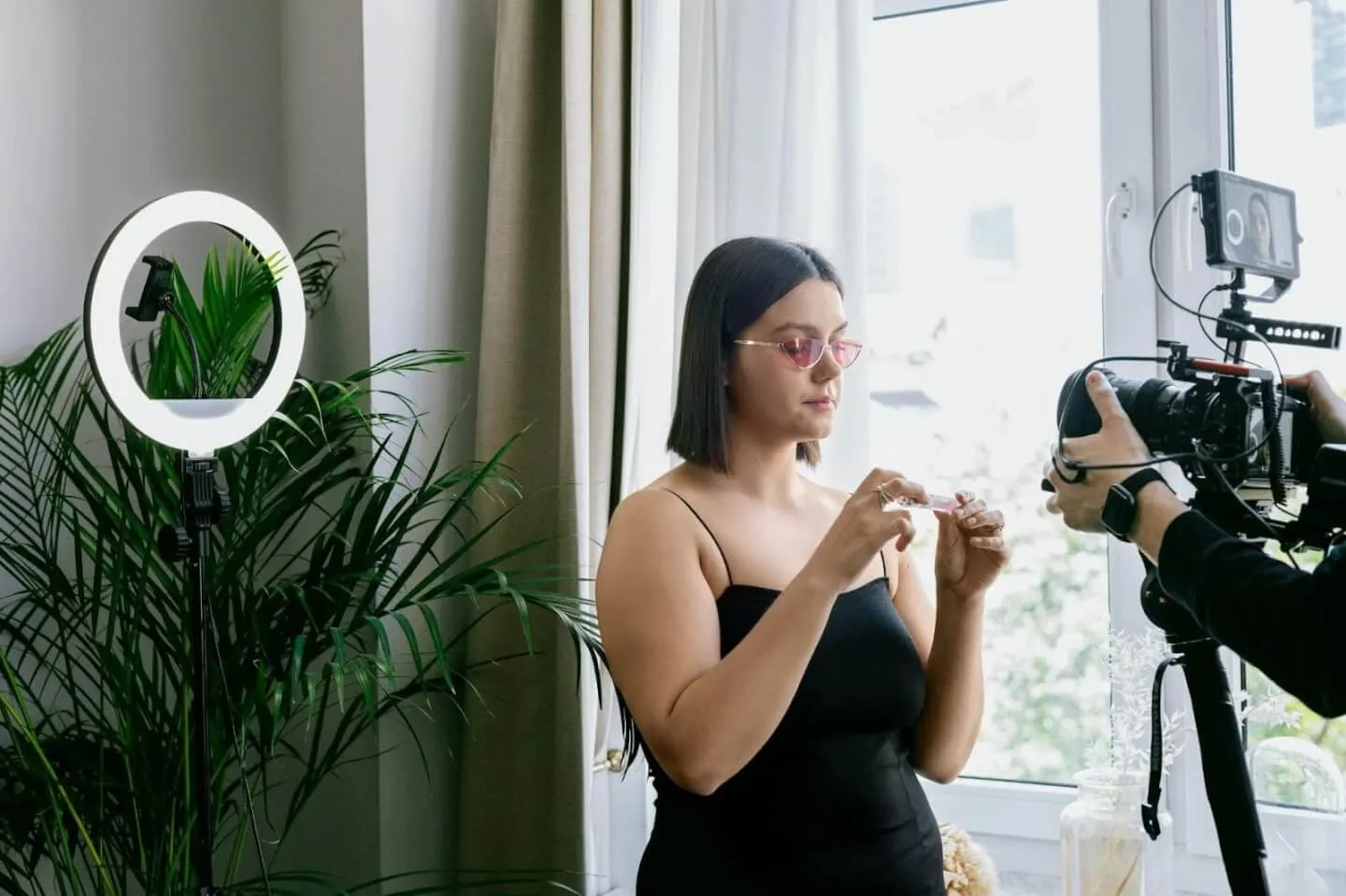




For e-commerce brands and Amazon sellers, the influencer landscape is evolving fast. It’s no longer just about sponsored Instagram posts or YouTube shoutouts. Today’s content creators – from famous YouTubers to micro influencers with niche followings – are building their own revenue streams beyond social media platforms. Beyond Social Platforms: Creators Monetize with Subscriptions & Courses is more than a buzzphrase; it signals a shift in the creator economy toward more independent and diversified income models.
Why Creators Are Monetizing Beyond Social Platforms
The creator economy is booming, but relying solely on social media monetization has its pitfalls. Many creators have learned the hard way that algorithms and ad payouts can be unpredictable. A sudden change on TikTok or Instagram can tank a creator’s reach (and revenue) overnight. Meanwhile, brand sponsorships – while still lucrative – aren’t guaranteed or evenly accessible; in one survey, 55% of creators said finding and managing brand deals is their biggest challenge. In short, traditional influencer marketing alone isn’t a stable income for many creators.
Diversifying income streams has become essential. In fact, brand deals remain the top revenue source for most creators, but more creators than ever are now looking to monetize directly through their audiences. According to eMarketer data, creator revenues from direct fan support have skyrocketed in recent years – for example, subscription earnings tripled (a 200% increase) between 2021 and 2024. This surge signals that thousands of creators are moving to models they control themselves, beyond relying on YouTube’s AdSense or occasional sponsored posts.
Another driver is the connection with fans. Smaller creators especially (the majority of whom have modest followings of 1K–10K) often enjoy higher engagement and loyalty from their audiences. This means a micro-influencer can successfully ask a tight-knit community to support them financially, even if they aren’t “Instagram famous.” In fact, research shows nano-influencers (the tiniest tier) can deliver 3× better ROI in marketing campaigns than big influencers due to their close audience relationshipsama.org. That same trust and authenticity translate well when asking fans to buy a subscription or course. Creators realize they can leverage their influence to offer exclusive value – and fans will pay for it.
In summary, several factors are pushing creators beyond social platforms for monetization:
- Algorithm Fatigue: Dependence on platform algorithms is risky. Direct audience monetization (subscriptions, courses) provides more stable, recurring revenue without the constant fight against the algorithm for visibility.
- Income Stability: Recurring monthly fees or one-time course sales give creators predictable income, whereas ad revenue and one-off brand deals can fluctuate wildly. Creators are effectively becoming entrepreneurs with multiple revenue streams (merch, affiliates, UGC services, etc.) rather than one trickle of income.
- Deeper Fan Engagement: Paid offerings allow creators to super-serve their biggest fans with extra content, community, or knowledge. This not only earns money but also strengthens fan loyalty – a win-win that pure social content can’t always achieve.
- Owning the Audience: Platforms like Facebook or TikTok ultimately “own” the audience on those apps. By moving fans to a private membership or a course email list, creators own their customer list and data, giving them more control. For creators, it’s about building a business that isn’t at the mercy of a tech giant’s next policy change.
With these motivations in mind, let’s look at the two of the most popular ways creators are cashing in: subscriptions and courses.
The Rise of Creator Subscriptions & Memberships

Creators are increasingly offering subscription-based memberships to their followers as a way to earn recurring income. A subscription or membership model usually means fans pay a monthly or annual fee for special access to the creator’s content or community. This trend spans all sizes of creators – from YouTube stars launching their own platforms to small micro influencers setting up Patreon pages.
Why subscriptions? In a word: stability. Instead of hoping for enough views each month to collect ad revenue, a creator can have, say, 1,000 subscribers paying $5/month for exclusive content. That’s a predictable $5,000 monthly, regardless of any algorithm changes. It’s no surprise that creator earnings from subscriptions have exploded, growing roughly 3× from 2021 to 2024. And social media users are increasingly on board with the idea – nearly half of consumers say they’re open to paying for premium creator content in some form.
What do subscribers get? Typically, creators entice fans with perks like: behind-the-scenes videos, bonus members-only posts or podcasts, early access to new content, private livestreams or Q&As, and community groups (on Discord, Telegram, etc.) for paying members. For example, Yoga influencer Adriene Mishler’s membership site offers an exclusive library of yoga classes and a private community for an annual fee. The exact perks vary, but the goal is to offer exclusive value that casual followers don’t get.
Many platforms facilitate these memberships. Patreon is the poster child – it allows creators of all kinds (artists, writers, video creators) to run membership tiers easily. As of mid-2020s, Patreon hosts over 250,000 creators and millions of fans. Other platforms have built-in subscriptions too: YouTube’s Channel Memberships, Twitch’s subscriber feature, Instagram’s “exclusive content” subscriptions, TikTok LIVE subscriptions, and even OnlyFans (which, despite its reputation for adult content, is also used by fitness coaches, chefs, and other creators to offer paid content). There are also community platforms like Discord or Mighty Networks where creators can gate a group behind a paywall.
Let’s compare how creator subscriptions stack up versus one-time content like courses (which we’ll discuss next):
Aspect
Subscription Memberships
One-Off Online Courses
Revenue Model
Recurring payments (monthly or yearly) for ongoing access.
One-time (or installment) payment for a packaged course.
Content Provided
Continual content and perks (weekly videos, live chats, etc.) to retain subscribers long-term.
Structured curriculum (e.g. 10 video lessons + PDFs) delivered once, with possible updates.
Audience Motivation
Superfans seeking closer connection and exclusive content from the creator on an ongoing basis.
Followers (or anyone) seeking a specific skill or outcome; they pay for a learning outcome rather than personality access.
Typical Price Point
Lower cost but ongoing (e.g. $5–$25 per month tiers).
Higher one-time cost (e.g. $50, $199, even $1,000+ depending on course depth).
Creator’s Workload
Continuous content creation and community engagement to prevent churn (essentially a content subscription service).
Heavy upfront work to create the course; thereafter, focus on marketing and student support (lower ongoing content demand).
Examples
Patreon memberships, YouTube “Join” button perks, OnlyFans exclusive content, Substack paid newsletters.
Teachable or Kajabi courses (e.g. a photography influencer selling a “Mastering DSLR 101” course), LinkedIn Learning classes, personal website courses.
Benefits of subscriptions for creators: They provide predictable recurring income and help build a core community. Creators can also experiment with content more freely for subscribers than they might on a public feed dominated by the chase for virality. Importantly, memberships are a way to monetize even a small but loyal audience. A creator with 500 true fans paying $10/month earns $5,000/month – often more than they’d get from a one-time brand deal or from thousands of random followers viewing an occasional video ad.
It’s worth noting that success isn’t instant – creators have to consistently deliver value to keep subscribers on board (low effort or sporadic updates will lead to cancellations). But when done right, memberships foster a tight-knit fan community that not only generates revenue but also amplifies the creator’s brand. Fans feel like insiders, and creators get direct support for doing what they love.
For brands, these private creator communities can also be an opportunity – we’ll discuss that in a later section on how brands can leverage this trend.
Next, let’s look at the other big monetization route catching fire: online courses.
Creators Monetizing with Online Courses

If you’ve noticed your favorite influencer suddenly offering a “masterclass” or an online course, you’re not alone. Selling online courses has become a hugely popular way for creators to monetize expertise. Rather than give away all their knowledge for free in YouTube tutorials, creators package their skills into a structured course that followers (and other interested learners) can purchase for a premium price.
Why courses? Online courses allow creators to productize their knowledge. People will pay for a deeper, outcome-oriented learning experience that goes beyond a 10-minute free video. As one industry saying goes, “People don't pay for content, they pay for outcomes”. Creators who win in the course business understand they’re selling a transformation or skill – something their audience really values. For example, a DIY crafts creator might sell a “Start Your Etsy Business” course, or a fitness influencer offers a 90-day workout program course. These play off the creator’s credibility and compile their best advice in one place.
The market response has been huge. By 2022, 51% of creators planned to offer an online course as a revenue stream – a 20% jump from the year before. This aligns with the wider e-learning boom, where platforms like Udemy, Skillshare, Teachable, and Kajabi report record numbers of new instructors and students. Essentially, many content creators are becoming edupreneurs (education entrepreneurs), turning their how-to knowledge into a product.
How creators sell courses: Some use established e-learning marketplaces like Udemy (which can bring in lots of students but at lower price points and high competition). Others prefer self-hosting on Teachable, Thinkific, or Kajabi, which give more control over pricing and customer data. We also see creators hosting live cohort-based courses on platforms like Maven or running email courses via Substack. Pricing for courses varies widely – it might be $30 for a basic video series or $300 for a comprehensive program with live coaching. Unlike subscriptions, a course is usually a one-off purchase (though some creators upsell advanced courses or offer subscription-style access to a bundle of courses).
Success stories abound: Top creators are earning serious money from courses. For instance, tech YouTuber Ali Abdaal shared that he made over $950,000 in a year from selling digital products (mostly online courses). His Part-Time YouTuber Academy course, teaching others how to grow on YouTube, regularly sells out at high ticket prices. This illustrates an important point: you don’t need a giant audience to profit from courses, if the course delivers a high-value skill. Many niche creators (a food blogger, a language tutor, a fashion stylist) are quietly earning tens of thousands by teaching what they know.
It helps that demand for educational content is rising. On social media, more users now seek out educational creators rather than just entertainers. Younger generations turn to TikTok or YouTube to learn new skills, and they’re willing to pay for more in-depth training. Creators are meeting that demand by offering structured learning experiences that go deeper than free content.
Of course, creating a quality course requires effort – planning a curriculum, filming lessons, creating worksheets, etc. There’s also the challenge of marketing the course beyond just pitching it to existing followers. Many creators launch with webinars or limited-time discounts to drive sales. Once a course is built, though, it can become a passive income asset, selling in the background while the creator continues to produce regular content.
For e-commerce and business-oriented creators, courses have been especially lucrative. It’s common to see Amazon selling experts or e-commerce gurus package their knowledge into premium courses (for example, “How to Launch a 6-Figure Amazon FBA Business” courses are everywhere). If you’re an Amazon seller who’s also a content creator, you might even consider this – teaching others your craft. People are willing to invest in learning how to replicate success.
To sum up, online courses allow creators to monetize expertise at scale. Instead of one-on-one consulting or relying on ad clicks, a creator can sell a course to 100 or 1,000 people around the world. It’s a natural extension for influencers whose followers already look to them as an authority in a niche.
What This Shift Means for Brands (and How to Leverage It)
E-commerce brands and Amazon sellers might be wondering: how does the creator pivot to subscriptions and courses affect my influencer marketing strategy? In many ways, it opens up new opportunities for collaboration – if you approach it the right way.
Here are a few implications and tips for brands in this new landscape:
- Creators as Long-Term Partners: As creators act more like independent businesses, they value partnerships that fit their brand (and serve their audience) more than quick sponsored posts. Brands should consider building longer-term relationships with creators. For example, if a creator has a paid membership community, a brand could sponsor a segment of that community (imagine a cooking utensils brand partnering with a chef influencer’s members-only livestream). This way, the promotion feels native and adds value for the creator’s paying fans, rather than a random ad drop.
- Tapping into Niche Communities: Micro-influencers with subscription communities or private groups can be golden for brands. Their audiences are small but highly engaged and trusting. A recommendation or co-created content within a private group can drive significant conversions. An Amazon seller might provide an exclusive discount or early product sample to a creator’s Patreon members, for instance. This kind of perk makes the creator look good (giving their VIPs a reward) and gets the brand in front of a warm audience likely to try the product.
- User-Generated Content (UGC) Collaboration: Many micro influencers now offer UGC creation services as an income stream – meaning they’ll create photos or videos featuring a product for the brand to use in ads, without even posting it to their own feed. This is another facet of beyond social platform monetization: the creator becomes a freelance content creator for brands. For brands, this is a chance to get authentic, influencer-quality content to repurpose on your product listings, website, or social ads. You benefit from their creative skills and relatable style; they get paid without worrying about algorithms. It’s often a cost-effective content strategy. If you’re an Amazon seller, imagine having a library of lifestyle photos or TikTok-style video clips of real people (influencers) using your product – that’s powerful for building trust on your Amazon page.
- Affiliate Partnerships: As creators sell their own products (courses, merch, etc.), they’re very open to affiliate marketing with brands. Many creators will happily become affiliates for e-commerce brands that align with their niche, earning a commission for each sale. This aligns incentives for both parties. Brands should equip creators with affiliate links or unique codes and possibly even integrate into creators’ courses or newsletters. For example, if a home decor micro-influencer runs a paid “DIY Interior Design 101” course, a smart furniture brand could partner by providing a discount link in the course materials. It’s subtle marketing that feels like a value-add to the student, and it generates sales for the brand (while the creator earns a cut).
- Higher Bar for Authenticity: Influencer marketing in 2025 is all about authenticity and real value. Creators are wary of promotions that might alienate their paying subscribers or students. Brands need to approach collaborations with empathy for the creator’s audience. In practice, this means working with the creator to craft sponsorships or content that genuinely benefit the end viewer. Perhaps a content creator integrates your product as a useful tool in their course curriculum, rather than a random shoutout. Or a beauty micro-influencer includes your skincare item in an exclusive “self-care kit” for her membership club. Think creative, think win-win-win (for creator, audience, and your brand).
Crucially, brands should recognize that creators are now multi-dimensional entrepreneurs. When you reach out for a campaign, don’t be surprised if an influencer mentions their other projects (a newsletter, a webinar series, etc.). Rather than seeing those as distractions, see them as additional channels where your brand could gain exposure. For instance, a creator might feature you not just in a TikTok video but also as a case study in their e-book or a sponsor in their podcast – if the partnership is strong.
Stack Influence’s own approach is a good example of aligning with this trend. Stack Influence (built by experienced Amazon sellers and e-commerce folks) helps brands connect with vetted micro-influencers who love creating content for products. These micro creators often produce high-quality UGC and authentic testimonials that brands can use in ads and on Amazon listings. By collaborating with micro-influencers through such platforms, brands get both influencer marketing exposure and a library of user-generated content to fuel their campaigns.
Finally, keep an eye on the metrics that matter. As creators diversify, traditional vanity metrics (like follower count) matter even less. When choosing influencers to work with, look at engagement, the loyalty of their audience, and how well they align with your product’s niche. A creator with 5,000 die-hard fans on a subscription platform may drive more ROI for your e-commerce store than someone with 500,000 lukewarm followers on Instagram. In fact, marketers are increasingly recognizing creators as a channel in their own right – nearly half of advertisers now consider creator collaborations a “must-buy” component of marketing, ranking right behind mainstream social media ads.
Bottom line: The creator monetization shift isn’t a threat to brands – it’s an opportunity. Brands that adapt and find creative ways to integrate into these new creator ecosystems will stand out as authentic partners. Whether it’s sponsoring a section of a course, supplying products for a creator’s next subscriber giveaway, or hiring a micro-influencer to make UGC videos for your TikTok ads, there are many avenues to explore. By respecting creators’ need to put their audience first, your brand can ride this trend and build powerful, authentic marketing campaigns.
Conclusion to How Creators Are Monetizing Beyond Social Media
Beyond social platforms, creators monetizing with subscriptions and courses are transforming the digital marketing game. For content creators, these models offer greater control, diversified income, and closer community ties. For brands – especially e-commerce companies and Amazon sellers – this evolution opens new doors to collaborate in meaningful ways.
Rather than relying solely on one-off sponsored posts, brands can partner with influencers who have thriving memberships and educational products, tapping into highly engaged fan bases and even co-creating content. The result is more authentic promotion and often a better return on investment. In 2025 and beyond, influencer marketing is not fading – it’s maturing. Creators are becoming true entrepreneurs, and savvy brands are adapting by forging partnerships that go beyond the surface level.
Is your marketing strategy keeping up? By understanding how creators monetize beyond social media – and by aligning with those efforts – you can future-proof your influencer campaigns. Support creators in what they do best, and they’ll become powerful ambassadors for your brand. As the lines between creator and entrepreneur blur, those collaborations will drive genuine engagement and sales in ways old-school ads simply can’t.