
Influencer Rate Card 2026: How to Build One to Maximize ROI
17th
January, 2026
Influencer Marketing
Amazon Marketplace
Artificial Intelligence
TikTok Tips
Imagine being able to predict and budget your influencer marketing spend with confidence. For e-commerce brands and Amazon sellers, working with content creators (from micro-influencers to mega celebs) can boost awareness and sales – but only if you know what you’re paying for. That’s where an influencer rate card comes in. In this guide, we’ll explain what an influencer rate card is, why it’s vital for influencer marketing success, and how to create one. You’ll learn how to outline clear terms, factor in engagement metrics (not just follower counts), and use rate cards to secure fair deals that produce authentic user-generated content (UGC) and strong ROI. Let’s dive in.
What Is an Influencer Rate Card?
An influencer rate card is essentially a document (often a one-page sheet or PDF) that lists an influencer’s services and their fees. It’s like a menu of what the creator offers – for example, how much they charge for an Instagram post, a TikTok video, an unboxing UGC review, or a bundle of multiple content pieces. In practice, an influencer rate card outlines the types of content available and the price for each, often broken down by platform and format. Brands get a quick snapshot of what partnering with that influencer will cost and what they’ll get in return.
Importantly, rate cards bring transparency to brand-influencer partnerships. They set clear expectations upfront, helping both sides avoid misunderstandings. For influencers, a rate card communicates their value and standard rates professionally. For brands, it simplifies vetting creators because you can directly compare pricing and deliverables across different influencers.
Who uses rate cards? Many content creators (influencers) create their own rate cards to send to brands when negotiating deals. However, savvy brands can also develop internal “influencer rate cards” to benchmark what they expect to pay for certain services. In other words, a brand might maintain a rate sheet of typical prices (based on past campaigns or industry norms) to guide their influencer marketing budget. This two-way use of rate cards ensures everyone is on the same page before any contract is signed.
Why E-commerce Brands Need Influencer Rate Cards

If you’re an e-commerce brand or Amazon seller, you’re likely investing more into influencer collaborations each year. (In fact, 26% of brands now devote a hefty 40% of their marketing budget to influencer campaigns.) With so much at stake, having a firm grip on pricing is critical. An influencer rate card gives you that control. Here’s why it’s a smart move for online sellers:
-
- Budget Clarity & Control: A rate card allows you to map out exactly what each influencer engagement will cost. This is key when planning campaigns around product launches or peak seasons. You can allocate your budget more accurately and avoid overspending surprises. With clear rate cards, social media teams can manage influencer marketing budgets more consistently.
- Fair Negotiation: Presenting or requesting a rate card puts negotiations on a factual footing. It ensures transparent, fair terms for both parties. Brands can compare rates between influencers easily, and influencers can justify their fees by pointing to the scope of work on their card. It’s a starting point for discussion, so you’re less likely to underpay or overpay due to guesswork.
- Quality and Consistency: By detailing deliverables and terms, a rate card helps maintain quality control. For example, you might specify that for $500, you expect one Instagram Reel demonstrating the product in use and three high-quality photos for your reposting. This clarity protects your brand’s interests (ensuring you get the content you need) and helps creators meet your standards.
- Strategic Planning: If you create your own internal influencer rate card template, you effectively build a database of influencer options. Over time, you’ll see which creators gave the best value (engagement or sales vs. cost) and can adjust rates accordingly. Influencer marketing becomes less of a wild west and more of a measurable strategy.
- Budget Clarity & Control: A rate card allows you to map out exactly what each influencer engagement will cost. This is key when planning campaigns around product launches or peak seasons. You can allocate your budget more accurately and avoid overspending surprises. With clear rate cards, social media teams can manage influencer marketing budgets more consistently.
Keep in mind that influencer collaborations are especially powerful for e-commerce because of their authentic, word-of-mouth effect. Nearly 70% of consumers trust influencers’ recommendations over a brand’s own advertising, and over half of brands working with influencers run e-commerce stores. In short, influencers drive social proof and traffic that can directly boost online sales. A well-defined influencer rate card ensures you harness that power cost-effectively, whether you’re sending free products to a niche micro-influencer on TikTok or hiring a bigger Instagram creator for sponsored posts.
Key Components of an Influencer Rate Card
So, what should you actually include in an influencer rate card? Whether you’re an influencer drafting your offerings or a brand outlining an internal rate sheet, make sure the essential components below are covered. These elements serve as the building blocks of a transparent, professional collaboration:
-
- Influencer Profile: Start with the basics – the influencer’s name, contact info, and social handles. Include a brief bio or note on their niche and audience. For brands creating internal profiles, jot down the creator’s follower count and engagement rate on each platform (since these metrics will help evaluate value). Knowing an influencer’s niche and audience demographics ensures you only engage those who align with your target market.
- Platforms & Content Formats: Clearly list the social platforms and content types involved. For example, your rate card might have separate line items for: one Instagram in-feed post, a set of three Instagram Stories, a 60-second TikTok video, a YouTube product review, a blog post, etc. Be specific. Also note if pricing differs by platform or format (it often does – an Instagram Story might be cheaper than a permanent post, for instance).
- Services and Deliverables: Outline exactly what the brand will get. This includes content deliverables (number of posts, videos, images, etc.) and any extras. Are edits or revisions included? Will the influencer attend an event or create a certain style of content (e.g. an unboxing video or a tutorial)? Spell it out. The more detail, the fewer misunderstandings later. For internal rate cards, you might list what you typically expect for a given price, e.g. “$300 = 1 Instagram post + 1 Story frame” as a guideline.
- Pricing (Fees): This is the core of the rate card – the price for each service package. Some influencers present a tiered pricing structure (e.g. Bronze, Silver, Gold packages with increasing deliverables). Others list ala carte prices per post or per platform. Brands should note if an influencer’s prices include things like product exclusivity or usage rights (more on that next). It’s also wise to mention if rates are flexible or fixed. Pro tip: Many micro-influencers are open to negotiation or alternative compensation (like free products plus a smaller fee), but having a baseline number is crucial.
- Usage Rights & Exclusivity: A professional rate card covers the fine print. If you’re an influencer, clarify how the brand can use the content (e.g. online only, in ads for 3 months, etc.) and whether the brand gets exclusivity (in other words, will the influencer refrain from promoting competitors for a period?). These factors often affect pricing – for instance, an exclusive partnership or giving the brand rights to repurpose content might warrant higher fees. Brands should look for these terms on a rate card and ensure they align with campaign needs. Always outline usage rights to avoid legal headaches later.
- Timeframe & Deliverables Schedule: Indicate the timeline for content delivery. For example, “Content to be posted within 2 weeks of product receipt” or “2 revisions allowed, final video due by [Date].” This keeps campaigns on track. If you’re a brand using an internal card, you could note the expected campaign duration or posting schedule associated with the rate.
- Performance Expectations (Optional): Sometimes brands include expected KPIs (key performance indicators) for the collaboration, such as a target number of impressions or an average engagement rate. While you usually can’t guarantee these outcomes, mentioning them can set mutual understanding. For instance, if you’re paying a premium, you might expect the influencer to have at least a 5% engagement rate or produce a certain number of click-throughs. Influencers might include prior metrics (e.g. typical Story view count) on their card to justify their rates.
- Payment Terms: Finally, clarify the payment details. This includes when payment is due (e.g. 50% upfront and 50% after delivery, or net 30 days after posting), the method of payment, and any policies like refunds or cancellations. Having this in writing helps avoid awkward conversations later. Brands creating a template can set standard payment terms to use with all creators for consistency.
- Influencer Profile: Start with the basics – the influencer’s name, contact info, and social handles. Include a brief bio or note on their niche and audience. For brands creating internal profiles, jot down the creator’s follower count and engagement rate on each platform (since these metrics will help evaluate value). Knowing an influencer’s niche and audience demographics ensures you only engage those who align with your target market.
By covering these components, you create a comprehensive influencer rate card that acts as a one-stop reference for collaboration terms. Both parties will know exactly what to expect – reducing the chances of confusion. It’s all about setting clear expectations upfront, which is a win-win for influencers (who appear professional and organized) and brands (who can more easily compare and justify costs).
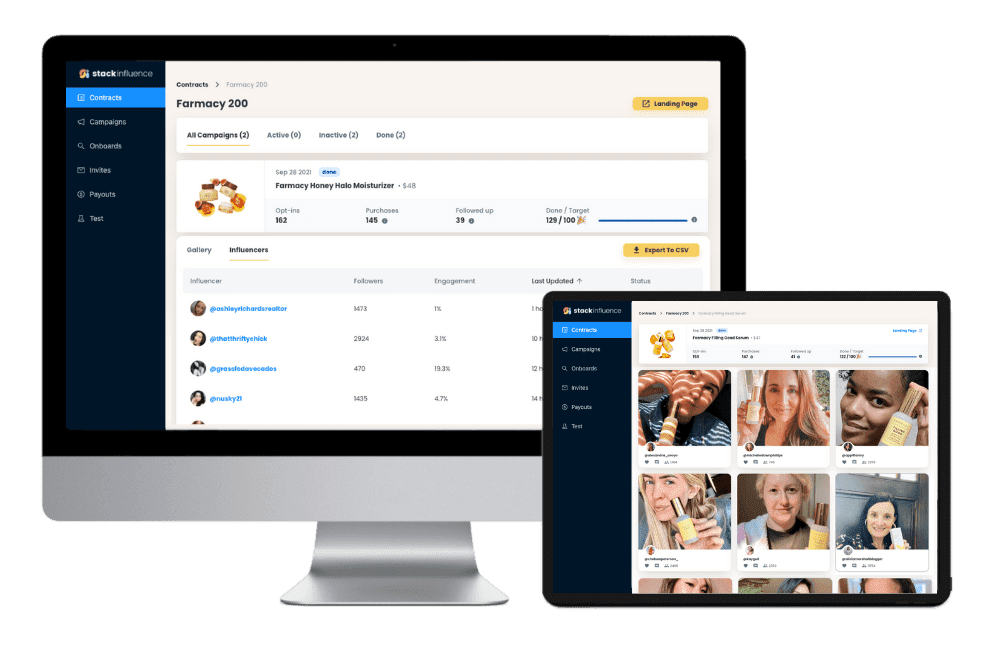
Unlock the Power of Micro Influencers and Elevate your Brand Today!
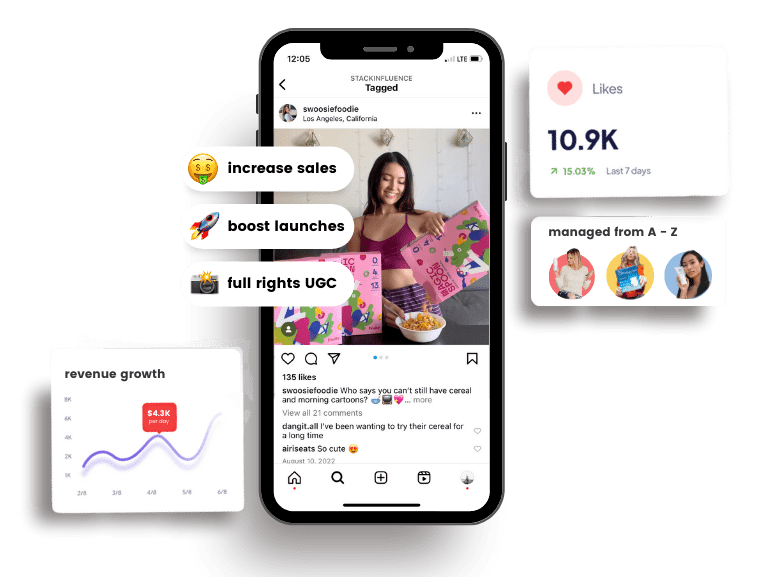
Factors That Influence Influencer Pricing
Not all influencer partnerships are priced equally. Two creators with the same follower count might charge very different fees. Why? Because multiple factors influence how much an influencer can (and should) charge. In the past, many people used follower count as the main yardstick – bigger audience meant higher price – but today it’s clear that engagement and content quality matter more than sheer numbers. (After all, some accounts have fake or inactive followers, so 1 million followers means little if only a tiny fraction care about the content.) Brands now prioritize real impact over vanity metrics. In fact, micro-influencers often deliver better results for the money, which is why they’re in high demand.
Here are some key factors that drive influencer rates:
-
- Audience Size vs. Engagement: Follower count does play a role – a celebrity with 5 million followers will generally command a higher price than a local creator with 5,000 followers. However, engagement rate (the percentage of followers who actually interact with posts) is often a better indicator of influence. Many brands have discovered that micro-influencers (say 5k–50k followers) can outperform macro-influencers on engagement. For example, one study found micro-influencers see up to 60% higher engagement rates than macro-influencers. That higher engagement can translate to more clicks or sales per dollar spent. Thus, an influencer with a smaller but highly active audience may justify a higher fee per follower than a larger influencer with a disengaged crowd. Action item for brands: look beyond follower count – ask for recent average likes, comments, or conversion data. You might get more value partnering with 10 micro-influencers than one big name, for the same budget.
- Content Type and Quality: The effort and skill required for the content will influence price. A beautifully edited YouTube video or a series of TikTok clips with special effects takes far more work than a single Facebook photo post. Influencers who produce high-quality, professional content (great photography, charismatic on-camera presence, creative storytelling) often charge a premium for that expertise – and many brands are willing to pay because the content can double as advertising material. Also, certain content formats are just more demanding. (Think of a travel influencer flying to a destination to create a vlog – that’ll cost more than an at-home product selfie.) As a brand, consider what format will engage your audience and remember you get what you pay for in terms of production value.
- Platform and Reach: Different social platforms have different typical rate ranges. Influencer marketing costs on Instagram vs. TikTok vs. YouTube can vary. For example, recent data suggests that on Instagram, a micro-influencer (10k–100k followers) might charge roughly $100–$500 per post. On TikTok, where virality can be rapid, micro-influencers might charge a bit less (say $25–$125 per post) but a viral video could yield huge reach. YouTube videos tend to be pricier (even a micro-influencer might charge a few hundred up to $1,000 for a dedicated video) because of the greater time investment and longer content lifespan. Keep platform norms in mind; an influencer’s rate card might list separate prices per platform reflecting this. Also, note that an influencer’s reach on each platform might differ – they could be bigger on Instagram and newer on TikTok, for instance – and their fees will reflect where they have the most influence.
- Niche Relevance: Influencers who speak to a highly specific niche often can charge more to brands in that niche. Why? Because their audience is a perfect match for certain products, which can drive better conversion rates. For example, a content creator who focuses exclusively on vegan skincare and has a modest but devoted following might charge a premium to a vegan cosmetics brand, compared to a general lifestyle influencer with the same follower count. The alignment of audience and product means a likely higher ROI for the brand. As a brand, evaluate how closely an influencer’s typical audience matches your buyer persona. A niche influencer’s endorsement can carry a lot of weight – their followers trust them as true experts or enthusiasts in that area.
- Exclusivity and Usage Rights: If you require the influencer to exclude other brands (e.g. not work with your competitors or not post any other ads during your campaign), expect to pay more for that exclusivity. It’s essentially compensating them for potential income they are giving up to be loyal to your brand for that time. Similarly, if you want to repurpose the influencer’s content in your own ads, website, or product pages (which is a great way to get more mileage – that content is authentic UGC), you should negotiate content usage rights and likely pay an additional fee for extended usage. Top influencers will have this spelled out in their rate card or contract. Always discuss these points: how long and where can the content be used beyond the influencer’s own channels? More rights = more cost, as a rule.
- Influencer Experience and Demand: Seasoned influencers who have a track record of successful campaigns or a bit of fame in their own right can command higher prices. If a creator has been featured in press or has a long waitlist of brands wanting to work with them, their rates will reflect that demand. On the flip side, newer or up-and-coming influencers might price themselves more affordably as they build their portfolio. That’s why many smaller Amazon sellers and startups find great value working with rising micro-influencers – they often deliver enthusiasm and flexibility at a lower cost, and can grow with your brand. Keep an eye out for these “hidden gems” whose rates might be lower now but who over-deliver on results.
- Audience Size vs. Engagement: Follower count does play a role – a celebrity with 5 million followers will generally command a higher price than a local creator with 5,000 followers. However, engagement rate (the percentage of followers who actually interact with posts) is often a better indicator of influence. Many brands have discovered that micro-influencers (say 5k–50k followers) can outperform macro-influencers on engagement. For example, one study found micro-influencers see up to 60% higher engagement rates than macro-influencers. That higher engagement can translate to more clicks or sales per dollar spent. Thus, an influencer with a smaller but highly active audience may justify a higher fee per follower than a larger influencer with a disengaged crowd. Action item for brands: look beyond follower count – ask for recent average likes, comments, or conversion data. You might get more value partnering with 10 micro-influencers than one big name, for the same budget.
By understanding these factors, you’ll be better equipped to assess whether an influencer’s rate card is reasonable for your campaign. It will also help when you create your own rate cards or budgets – you’ll know which levers (like adding exclusivity, or choosing a less saturated niche influencer) will raise or lower the price. Remember that influencer marketing is not one-size-fits-all: a big part of success is finding the right fit in terms of audience, content style, and cost. When you do find that ideal partnership, the investment will be well worth it.
How to Create an Influencer Rate Card (Step-by-Step)

Ready to build your own influencer rate card or rate sheet? Whether you’re formalizing your brand’s internal guidelines or preparing a document to share with influencers, follow these steps to ensure nothing falls through the cracks. Creating a thorough rate card now will save you time and hassle during campaign execution. Here’s how to do it:
1. Define Your Campaign Goals and Budget
Start with the big picture. Clearly outline what you want to achieve with your influencer campaign and how much you’re able to spend to achieve it. Are you aiming to generate buzz for a new product launch, drive traffic to your Amazon listing, or produce lots of UGC for your social ads? The goal will influence the type of influencer and content you need. For example, if you want a library of product photos and reviews (content you can reuse), you might plan to work with several micro-influencers who each create a batch of images and testimonials. If you want maximum reach for a limited-time offer, maybe one or two mid-tier influencers on Instagram or TikTok would be better.
Once your goals are set, determine your budget range. This will be your anchor as you build the rate card. Having a solid budget in mind helps you reverse-engineer how many influencers and what types of content you can afford. For instance, if your budget is $5,000 and you know (from research or past experience) that a micro-influencer charges ~$500 per Instagram post in your niche, you might allocate funds for around 10 posts. On the other hand, the same $5k might only get you one or two posts from a macro-influencer. There’s no “right” answer – it depends on your strategy (breadth of smaller creators vs. one big name). But setting a budget prevents you from overcommitting when enthusiastic influencers present tempting add-ons. It also enables you to approach negotiations with a clear ceiling in mind.
Tip: If you’re unsure about budgeting, look at industry benchmarks or case studies for guidance. According to one survey, 88% of marketers increased their influencer marketing budgets in 2024 as the channel proved its ROI. This means more competition in paying influencers – another reason to plan your spend carefully so you can still secure effective partners without breaking the bank.
2. List the Services and Deliverables You Need
Next, decide on the scope of work you’ll require from influencers. This will form the core of your rate card. Essentially, you’re making a menu of what a collaboration entails on the content side. Ask yourself: what kind of content will best engage my audience and meet my campaign goals?
Common deliverables to consider include:
-
- Social media posts: Instagram feed posts, Instagram Stories (perhaps a sequence of 3-5 frames), TikTok videos, Facebook posts, Pinterest pins, Tweets (X posts), etc.
- Long-form content: YouTube videos, livestreams, blog posts or articles (if the influencer has a blog or Medium presence).
- Product reviews or unboxings: Especially relevant for Amazon sellers – you might want the influencer to film an unboxing video or write a detailed review on their blog/YouTube. Some brands even leverage Amazon’s own Creator Connections or influencer review programs for this.
- UGC creation: Maybe you want the influencer to simply create content that you, the brand, will post. For example, they take lifestyle photos with your product or create a how-to video, but it will be published on your brand’s channels. This is more of a content creator role than a distribution role, but you’d still negotiate a rate for that service.
- Bundles and campaigns: If you foresee an ongoing relationship, you could list package deals like “3 Instagram posts + 2 Stories spread over 2 months” as one bundle, usually at a slight discount versus one-off posts. Influencers often appreciate a multi-post commitment (it’s more stable income for them), and it can improve results through repeated exposure.
- Social media posts: Instagram feed posts, Instagram Stories (perhaps a sequence of 3-5 frames), TikTok videos, Facebook posts, Pinterest pins, Tweets (X posts), etc.
Write down exactly what you need. For example: “One unboxing video (~2 minutes) demonstrating product features, plus three Instagram photos of the product in use, and one testimonial quote.” The more specific, the better. This will later translate into line items with pricing on your rate card.
When listing deliverables, also consider quality specifics. Do you need the photos in high resolution for print use? Should the video be 1080p and horizontal format? Is there a messaging point or hashtag they must include? These details might go in a creative brief rather than the rate card itself, but it’s wise to note any that could affect the price. (For example, if you require the influencer to hire a professional photographer or travel somewhere for a shoot, those are costs that might need to be factored in.)
At this step, you’re essentially creating a checklist of what the collaboration entails. This not only guides the next step (researching rates) but will become the framework of your contract or agreement with the influencer. Both you and the creator should be crystal clear on what deliverables are expected for the agreed payment.
3. Research Influencer Rates and Benchmarks
Now that you know what you want, it’s time to do some homework on pricing. Research is crucial because influencer rates can vary wildly. As Shopify’s influencer marketing report noted, there’s no official standard rate card across the industry – every deal can be a little different. However, there are plenty of resources to help you ballpark fair prices for the type of influencer and content you’re seeking.
Start by looking up recent benchmarks for influencer rates by follower tier and platform. For instance, Influencer Marketing Hub and other industry sites regularly publish average cost ranges (as we touched on earlier: e.g. micro-influencers on Instagram ~$100–$500/post; on TikTok maybe $25–$125/post; etc.). Use these as guidelines, not hard rules. If you’re targeting YouTube creators or bloggers, research those specifically, as they often have different compensation models (some may charge per video, or per article, or even based on views or clicks).
Another approach: look at case studies or forums. Sometimes brands (or influencers) will share what they paid for a campaign in articles or social media discussions. For example, some marketing blogs break down the cost of a successful Instagram campaign with 5 micro-influencers, giving you a concrete sense of pricing. Reddit communities or Facebook groups for influencer marketing might also have people discussing going rates in certain niches. Just be sure the information is current (prices in 2021 might be quite different now in 2025/2026).
Importantly, consider the niche and engagement of the influencers you want. If your niche is very specific (e.g. outdoor rock climbing influencers) and there aren’t many, they might charge a premium. If it’s a saturated area (e.g. fashion and beauty influencers), you might find more competitive rates, especially among micro-influencers eager for brand partnerships. Check if there are reports or tools that show typical engagement rates and costs in your industry.
At this stage, it can be immensely helpful to consult with or use tools from an influencer marketing platform or agency. For example, Stack Influence (an agency specializing in micro-influencer campaigns) often shares data and insights about influencer performance and fair pricing. Platforms like these have experience from running many campaigns, so they know the going rates for, say, a nano-influencer’s single post or a micro-influencer’s content bundle. You could use such services or even reach out for a quick inquiry to sanity-check your planned rates. This kind of partnership can save you from wildly overpaying or inadvertently lowballing and scaring off good creators.
Once you gather the data, set pricing tiers or ranges for your rate card. You might decide, for instance: “For influencers with ~20k followers on Instagram, we expect to pay around $200–$300 per post; for those with ~50k, maybe $500+,” and so on. Also factor in content types: maybe you’ll budget $150 for an Instagram Story series, but $500 for a polished 5-minute YouTube video. These figures will become the prices on your rate card. Remember to keep a little flexibility – final rates often involve some negotiation. But having a researched reference point will give you confidence when discussions start. It also helps you explain your offer to an influencer: if they ask for double your expectation, you can discuss the difference (perhaps their engagement is higher than typical, which could justify more, or perhaps you’ll offer slightly less but with product bonuses, etc.). This due diligence pays off in securing fair deals.
4. Outline Clear Terms and Conditions
With your deliverables and tentative prices in hand, don’t forget to spell out the terms and conditions that will govern the collaboration. This is a vital part of the influencer rate card (or the accompanying agreement) that ensures both you and the influencer know how the partnership will work beyond just content and money.
Key terms to clarify include:
-
- Usage Rights: As discussed earlier, note what rights you want for the content. For example, “Brand can repost content on its own social media and website; content will remain live on influencer’s channels for at least 6 months.” If you plan to use the content in paid ads or other marketing materials, specify that. It’s wise to get written permission for any use outside the influencer’s own social feed. Many influencers are happy to grant this for an extra fee or simply with credit, but it must be agreed on.
- Exclusivity: Decide if you require the influencer to avoid working with competing brands for a certain time frame around your campaign. If yes, define the scope (which competitors or product categories) and duration (e.g. “no promotion of direct competitor products for 30 days after our campaign ends”). Influencers will factor this into pricing, because exclusivity could mean turning down other deals. If you don’t need exclusivity, that can keep costs lower – but ensure the influencer isn’t posting a rival product the very next day, which could confuse the audience. Often a gentle exclusivity (like not working with another brand in your exact niche for a week before/after) is a reasonable middle ground.
- Timeline and Deadlines: Lay out the expected schedule. For instance: “Product will be shipped to influencer by [Date]; influencer to post content within 2 weeks of receipt; specific post date can be coordinated for launch day [Date] if needed.” Also include any interim deadlines if you need to review content or have drafts: “Draft video to be submitted by [Date] for brand feedback; final edit posted by [Date].” Clarity here prevents last-minute panic and sets a professional tone.
- Approval Process: Will you require approval of content before it goes live? Many brands do, especially for larger partnerships. If so, mention it: e.g. “Brand reserves the right to request one round of edits if content does not meet guidelines.” Keep in mind too many restrictions can stifle the creator’s authenticity, so balance is key. If you trust the influencer, you might skip pre-approval and just align on guidelines upfront. But for critical campaigns, an approval clause is common.
- Cancellation or Changes: Address what happens if either party needs to cancel or reschedule. For example, “If campaign is canceled by brand with less than 1 week notice, brand will still pay 50% of fee” or whatever seems fair. And vice versa: “If influencer cannot fulfill the deliverables by the agreed date, they must notify brand and either refund any advance payment or reschedule by mutual agreement.” It’s better to have this in writing and not need it, than to need it and not have it.
- Disclosure and Compliance: Influencer marketing in the U.S. and many other regions requires transparency (like using #ad or #sponsored hashtags) to comply with advertising laws. You should note that the influencer must follow all relevant guidelines (FTC guidelines in the U.S., ASA in the U.K., etc.). This is usually second nature to experienced influencers, but it’s good to mention. Also, if you have any brand safety or content guidelines (e.g. no profanity, adhere to certain themes), you can reference them here or attach as a separate brief.
- Usage Rights: As discussed earlier, note what rights you want for the content. For example, “Brand can repost content on its own social media and website; content will remain live on influencer’s channels for at least 6 months.” If you plan to use the content in paid ads or other marketing materials, specify that. It’s wise to get written permission for any use outside the influencer’s own social feed. Many influencers are happy to grant this for an extra fee or simply with credit, but it must be agreed on.
Once you list out these terms, integrate them into your rate card or contract document alongside the pricing info from steps 2 and 3. The rate card can be formatted as a neat one-pager: for example, a table of services and prices, followed by a section of “Terms & Conditions” covering the points above in concise language. The idea is that a brand reviewing an influencer’s rate card, or an influencer reviewing a brand’s offer sheet, should be able to quickly grasp not just the cost, but the rules of engagement. This level of clarity is professional and reassuring to both sides – it shows you’ve thought through the collaboration details.
5. Design the Rate Card and Update It Regularly
The final step is to put it all together in a polished format and remember to keep it up-to-date. If you’re an influencer, this means creating a visually appealing rate card document to send to brands. If you’re a brand, it might be an internal Excel/Google sheet or a PDF that you use when communicating with stakeholders or even when onboarding new influencers.
For influencers: Treat your rate card like a resume or sales brochure. It should reflect your personal brand. Many creators use tools like Canva or professional templates to make their rate cards look clean and branded – including colors, maybe a photo of you, and easy-to-read tables or sections. The content we discussed (services, prices, metrics, terms) should be presented clearly. You might organize it by platform (Instagram rates, TikTok rates, etc.) or by package (Package A, B, C). Include your contact info prominently. Also, some influencers add a few stats or past results as credibility boosters (e.g. “average Story views: 10k” or “past campaign click-through rate: 2%”) which can justify your pricing. Keep it to one or two pages max for easy reading.
For brands: Your “rate card” might not need to be pretty if it’s just for internal use, but it should be structured. Consider making a template sheet for each influencer you evaluate. You can fill in their details (name, niche, followers, engagement, proposed deliverables, their quoted rates, etc.) – almost like a scorecard. This helps when comparing multiple candidates. Also, as you run campaigns, update these records with actual performance: e.g. influencer X charged $300 and generated 50 sales with a special link – was that ROI positive? This transforms your rate card into a living document for campaign planning. Over time, you’ll develop a sense of the “going rate” that works for your brand in each channel.
Regardless of who you are, update your rate card regularly. Prices in the influencer world can change as people gain followers or as demand shifts. If you’re an influencer, revisit your rates every few months or after any big growth spurts. If you’re a brand, keep an eye on industry trends – for instance, if influencer pay rates generally increase next year, you may need to adjust your budget assumptions. Also update any stats or case studies you include so they remain current and impressive.
Finally, once your rate card is ready, put it to use! If you’re an Amazon seller, for example, you could share your collaboration guidelines (your version of a rate card) with influencers you recruit via Amazon’s influencer program or external outreach, so they know you mean business and have a standard way of working. And if you’re a content creator, having a professional rate card to email when a brand inquires will set you apart and speed up the negotiation process.
By following these steps, you’ll have a comprehensive influencer rate card that serves as a valuable tool – whether it’s to win over brands with your creator pricing or to manage multiple influencer partnerships as a brand. It brings order and fairness to what can otherwise be a chaotic marketing channel.
Unlock the Power of Micro Influencers and Elevate your Brand Today!
Conclusion to Influencer Rate Card 2026
Influencer marketing has moved from a trendy experiment to a core strategy for many e-commerce companies and Amazon marketplace sellers. To harness its full potential, it’s essential to bring structure to your collaborations. An influencer rate card is the framework that makes that possible. It forces you to think through every aspect – content, cost, terms, and goals – before you spend a dime or ship a product to a creator.
With a well-crafted rate card in hand, you’ll negotiate partnerships with confidence and transparency. No more vague “we’ll see what happens” deals – instead, you and your influencers will agree on clear deliverables and fair compensation that aligns with your objectives. This not only protects your marketing budget but also lays the groundwork for more authentic content and stronger relationships with creators (who will appreciate your professionalism and clarity).
Remember, success in influencer marketing is not about chasing the biggest names – it’s about finding the right fit and setting the right terms. A micro-influencer who genuinely loves your product, given a clear brief and fair pay, can produce user-generated content that drives real sales and trust for your brand. By using influencer rate cards and the tips outlined above, you’re setting yourself up to maximize ROI from these collaborations.
Now it’s time to take action: Start drafting your influencer rate card or reviewing the ones you receive. Refine them, back them with research, and don’t be afraid to discuss them openly with your influencer partners. The result will be more effective campaigns that hit their mark. In the world of influencer marketing, clarity is power – and with rate cards, you’ll have a powerful tool to guide your efforts this year. Good luck, and may your next influencer collaboration be your most impactful one yet!

By William Gasner
CMO at Stack Influence
William Gasner is the CMO of Stack Influence, he's a 6X founder, a 7-Figure eCommerce seller, and has been featured in leading publications like Forbes, Business Insider, and Wired for his thoughts on the influencer marketing and eCommerce industries.
Want new articles before they get published? Subscribe to our Awesome Newsletter.
stack up your influence
turning creativity into currency
our headquarters
111 NE 1st St, Miami, FL 33132
our contact info
[email protected]
stack up your influence
turning creativity into currency
our headquarters
111 NE 1st St, 8th Floor
Miami, FL 33132
our contact info



© 2026 Stack Influence Inc
© 2025 Stack Influence Inc