
Audience vs. Content: The 2025 Influencer Selection Dilemma
15th
December, 2025
Influencer Marketing
Amazon Marketplace
Artificial Intelligence
TikTok Tips
In the fast-paced world of influencer marketing, brands have a tough new decision to make: Audience vs. Content. Do you choose an influencer because they have the right audience – a large following that matches your target customers – or because they create great content – high-quality, authentic posts you can leverage? This question has become the new influencer selection dilemma for e-commerce brands and Amazon sellers. In 2025, simply picking the influencer with the biggest follower count won’t cut it. Brands need influencers who both reach the right people and produce engaging, credible content.
In this post, we’ll explore why audience alignment and content quality are both critical in choosing the right micro-influencers and content creators for your campaigns. You’ll learn how focusing on the wrong factor can hurt your results, and how to strike the perfect balance to maximize authenticity, engagement, and ROI. Whether you’re an Amazon seller launching a new product or a DTC founder building your brand on social media, we’ll guide you through solving the audience vs content dilemma. Let’s dive in and find out how to get the best of both worlds in your influencer marketing strategy.
Audience Alignment: Why the Right Followers Matter
Reaching the right audience is the foundation of any successful influencer campaign. Even the most amazing post will fall flat if it’s shown to the wrong people. That’s why many brands historically chose influencers primarily for their audience metrics – follower count, demographics, and reach. Here’s why audience alignment is so important:
-
- Targeted Exposure: An influencer who closely matches your ideal customer profile can expose your product to people most likely to care. For example, a vegan snack brand will see better results from a plant-based foodie influencer with 10,000 followers than from a random celebrity with 1 million followers who aren’t interested in vegan food. The more overlap between the influencer’s followers and your target market, the higher the chance of engagement and conversions. In fact, marketing experts emphasize that if an influencer’s followers don’t match your target demographics (age, location, interests), even the best content won’t drive results.
- Quality Over Quantity: Don’t be fooled by vanity metrics. A small but engaged audience will often deliver more value than a large, disengaged one. For instance, an influencer with 5,000 highly interested followers can drive more clicks and sales than another with 50,000 followers who scroll past most posts. Real-world data backs this up: one agency found that nano influencers (1–10K followers) often see engagement rates of 4–8%, and micro influencers (10–100K) around 2–4%, while macro influencers (100K+) drop to about 1–2%. In other words, smaller creators tend to have a higher percentage of their audience actively listening and interacting, which is gold for a brand. Those genuine comments and shares signal trust and interest that mega-influencers sometimes lack.
- Higher Relevancy = Higher ROI: When an influencer’s niche and following align perfectly with your product, you’re not just getting eyeballs – you’re getting relevant eyeballs. That relevancy leads to better conversion rates and return on investment. A local boutique, for example, would get far more ROI working with a regional fashion micro-influencer whose followers are nearby fashionistas, rather than a big-name model followed by millions globally (most of whom can’t visit the boutique). Studies show that the right influencer is one who can put your message in front of the exact people you want to reach, making every post count. It’s no surprise that brands now analyze audience quality (demographics like age, gender, location) before signing influencers. If you’re an Amazon seller in the US, an influencer whose audience is 80% overseas won’t move the needle on your sales – no matter how “famous” they are.
- Trust and Community: Influencers are successful in part because of the trust they build with their followers. When their followers match your customer base, that trust transfers to your brand. It’s like getting introduced through a mutual friend. The influencer’s recommendation feels like it’s coming from someone “in your crowd.” This effect is strongest when the audience is a tight-knit community that shares specific interests. For e-commerce brands, tapping into a niche community (pet lovers, keto dieters, tech gadget enthusiasts, etc.) via an influencer can spark far more authentic interest than a general blast to unrelated viewers.
- Targeted Exposure: An influencer who closely matches your ideal customer profile can expose your product to people most likely to care. For example, a vegan snack brand will see better results from a plant-based foodie influencer with 10,000 followers than from a random celebrity with 1 million followers who aren’t interested in vegan food. The more overlap between the influencer’s followers and your target market, the higher the chance of engagement and conversions. In fact, marketing experts emphasize that if an influencer’s followers don’t match your target demographics (age, location, interests), even the best content won’t drive results.
In short, audience matters because it ensures your message hits the bullseye. Before looking at content style, first ask: Does this creator speak to the people I want to reach? If not, even brilliant content may be wasted. As one marketing expert put it, “If the influencer’s followers don’t match your target customer, even the best content won’t drive results”. Prioritize influencers whose fan base has the same interests, pain points, and demographics as your ideal buyers. This audience-first approach is key for campaigns aimed at immediate awareness or conversions.
However – and this is a big however – focusing on audience alone is not enough. In the early days of influencer marketing, many brands learned the hard way that bigger audience ≠ better results. You might reach the right people, but if the content doesn’t resonate or seem credible, those people won’t take action. This brings us to the other side of our dilemma: content quality.
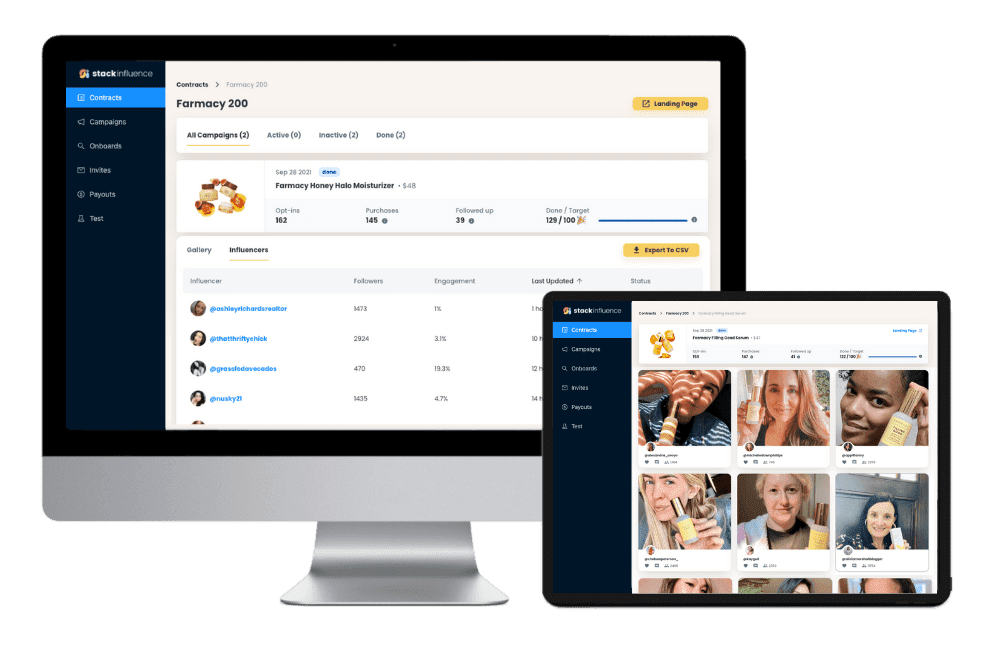
Unlock the Power of Micro Influencers and Elevate your Brand Today!
Content Quality: Why Great Content Matters as Much as Reach
In modern influencer campaigns, content is king. The style, authenticity, and quality of an influencer’s posts can make or break your campaign, regardless of audience size. Today’s consumers scroll past inauthentic or boring posts – no matter who shared them. Here’s why the content itself is just as crucial in influencer selection:
-
- Authenticity Builds Trust: Audiences crave authenticity, and they can tell when an influencer genuinely loves a product versus when they’re just cashing a check. A survey revealed that an overwhelming 90% of consumers consider authenticity important when deciding which brands to support. Content that feels organic, personal, and unscripted – like a real user’s post – is far more credible than a perfectly polished ad. In fact, user-generated content (UGC) is rated the most authentic form of content by consumers worldwide. What does this mean for influencer selection? It means you should look at an influencer’s content style and ask: Does it come across as genuine? Do they share personal stories or only staged promos? An influencer might have a million followers, but if their posts feel like bland ads, their audience may tune out. On the other hand, a micro-influencer who creates relatable, story-driven content can inspire trust that translates into real influence. Authentic content is what makes followers stop, pay attention, and believe in your brand.
- Quality Content = Strong Brand Impression: When an influencer promotes your product, their content essentially becomes an extension of your brand. Low-quality photos, sloppy captions, or off-brand messaging can hurt your brand image. Conversely, an influencer who consistently produces high-quality visuals and engaging captions adds value beyond their reach. Think about it: if you sell a premium skincare item, a beautifully shot demo video or a compelling before-and-after post will make your product shine, while a poorly lit, uninspired post could make it look unappealing. As marketing experts note, even if an influencer has the right audience, “content quality matters” because it affects how your brand is perceived. Look for influencers who demonstrate creativity, good storytelling, and professionalism in their posts. This is especially vital for e-commerce products, where persuasive content (clear images, tutorials, reviews) greatly influences buying decisions.
- Content Creators vs. Influencers: A new trend in 2025 is brands partnering with content creators who may not even have a big following, purely to produce usable content. These are sometimes called UGC creators – individuals skilled at making TikToks, Instagram reels, unboxing videos, etc., that look just like authentic user posts. The twist is that UGC creators typically don’t even share the content on their own profile – they are hired to create content that the brand will post or use in ads. It’s like outsourcing the creative process to a freelancer who makes organic-looking brand content. Why do this? Because the content itself is incredibly valuable. Brands can run UGC-style ads that often outperform traditional ads, or populate their product pages with real-life photos and videos. In fact, consumers are 2.4x more likely to say UGC is authentic compared to brand-created content, and UGC-based ads get significantly higher click-through rates than polished brand ads. This highlights that great content can amplify your marketing far beyond the influencer’s own audience. By selecting creators who excel at content (even if their follower count is small), you gain assets for your website, social media, and advertising that can drive sales continuously. As one report noted, 79% of people say UGC highly impacts their purchase decisions – that’s huge. Partnering with influencers who produce that kind of compelling, user-trusted content can be a game-changer for e-commerce conversions.
- Repurposing and Longevity: Unlike a one-off impression, good content has a long shelf life. When you work with an influencer who delivers amazing photos or videos, you can repurpose that content across your marketing channels. For example, an Amazon seller might use an influencer’s unboxing video on their Amazon listing page or in Amazon Posts to give shoppers a richer experience. A DTC brand might take a micro-influencer’s testimonial and turn it into a paid Facebook ad or a snippet in an email newsletter. This means the value of a content-focused collaboration extends well beyond the initial post. You essentially build a library of authentic marketing assets. Also, content on social media can continue to attract views and engagement over time. A TikTok video created by an influencer could keep getting views weeks later as it’s discovered via hashtags or shares. In contrast, if you paid for a quick shout-out purely for audience reach, once it’s done, it’s done. Good content keeps working for you, providing ongoing ROI without additional spend. As a bonus, if the influencer does post the content on their own feed, it remains visible and can be discovered by new people over time – free exposure long after the campaign.
- Brand Consistency and Values: Lastly, the content an influencer creates should align with your brand’s voice and values. This is part of quality too. Does the influencer’s style mesh with your brand vibe (be it playful, luxurious, edgy, etc.)? Do they uphold values that you and your customers care about? An influencer might have a fitting audience, but if their content tone or ethics clash with your brand, the partnership can backfire. For instance, a family-friendly e-commerce brand would want an influencer whose content is appropriate and positive – not someone known for off-color humor or controversy. Always review an influencer’s past content for red flags and to ensure their personal “brand” fits yours. Content quality isn’t just technical quality; it’s also about fit and authenticity. An influencer who genuinely loves your product and can weave it into their usual content narrative will come across far more authentically than one who forces a promotion that seems off-brand for them. That authenticity in content will reflect well on your business.
- Authenticity Builds Trust: Audiences crave authenticity, and they can tell when an influencer genuinely loves a product versus when they’re just cashing a check. A survey revealed that an overwhelming 90% of consumers consider authenticity important when deciding which brands to support. Content that feels organic, personal, and unscripted – like a real user’s post – is far more credible than a perfectly polished ad. In fact, user-generated content (UGC) is rated the most authentic form of content by consumers worldwide. What does this mean for influencer selection? It means you should look at an influencer’s content style and ask: Does it come across as genuine? Do they share personal stories or only staged promos? An influencer might have a million followers, but if their posts feel like bland ads, their audience may tune out. On the other hand, a micro-influencer who creates relatable, story-driven content can inspire trust that translates into real influence. Authentic content is what makes followers stop, pay attention, and believe in your brand.
In summary, focusing on content quality in influencer selection means looking past follower numbers and asking: Does this creator make content that will truly engage and persuade my target customers? In a sense, the influencer becomes a mini creative agency for your brand. When they produce trustworthy, relatable content, it lends your brand social proof and credibility that traditional ads can’t match. Remember, today’s consumers scroll quickly – you have only a second to catch their eye. An influencer who can stop thumbs with compelling content is worth their weight in gold. That’s why more brands are shifting from “influencers with big audiences” to micro-influencers and content creators who deliver quality and authenticity.
Now we’ve seen both sides of the equation: audience and content. Ideally, we want influencers who check both boxes – someone with an audience that matches your customers and the ability to create great content. Such ideal matches exist (often in the form of micro-influencers). But inevitably, there are trade-offs. Let’s look at how you can balance these factors and make the right choice for your campaign.
Audience vs. Content Focus: Comparison and Trade-offs
It’s helpful to directly compare a high-audience focus vs. high-content focus approach. Each has its benefits and drawbacks, and the best choice depends on your goals. The table below summarizes key differences between prioritizing audience versus content when selecting influencers:
|
Factor |
Audience-First Approach |
Content-First Approach |
|
Primary Goal |
Maximize reach to targeted consumers for awareness/sales. |
Create high-quality content (UGC, reviews, etc.) for marketing. |
|
Key Selection Criteria |
Follower demographics, niche alignment, engagement rate (ensuring the influencer’s audience matches your target). |
Creativity, storytelling ability, visual style, brand voice fit (ensuring the influencer’s content aligns with your message). |
|
Key Benefits |
Immediate exposure to potential customers; broad brand visibility within a relevant community; can drive quick traffic or sales if followers trust the influencer. |
Authentic user-generated assets you can repurpose across ads, product pages, social media; content that builds trust and long-term brand equity; multiple uses from one collaboration. |
|
Potential Drawbacks |
Higher costs for larger reach; risk of lower authenticity if content is not great; impact may be short-lived (one-off post); success heavily reliant on influencer’s ability to actually influence (not just broadcast). |
Limited direct reach from the influencer’s post (especially if they don’t have many followers); requires brand to distribute or promote the content to get full value; you might need multiple content-focused creators to match the reach of one big influencer. |
|
Best Use-Case |
Ideal for brand awareness campaigns or product launches targeting a specific demographic or region; great when you need to quickly get in front of many eyeballs that fit your customer profile (e.g., a new fashion line promoted by several niche fashion influencers to reach thousands of fashionistas at once). |
Ideal for content marketing and social proof; when you need a library of authentic content (reviews, unboxings, how-to videos) to enhance your website, ads, or Amazon listings; useful for ongoing engagement where fresh content is needed (e.g., an Amazon seller collecting influencer videos to continually run as TikTok ads or to enrich product pages). |
As the table suggests, neither approach is “wrong” – they simply serve different needs. Audience-first influencer selection behaves a bit more like traditional advertising (find the channels with the most relevant viewers). Content-first selection is more like bringing on talented creatives to fuel your marketing with compelling stories and visuals.
Notably, a blended strategy is often the most powerful. In fact, many savvy brands now do both: they partner with a group of micro-influencers who each have engaged niche followings (audience alignment) and can produce authentic content that the brand reuses in ads and on-site (content quality). According to recent industry stats, 65% of brands run micro-influencer campaigns for brand awareness (audience reach), while 22% specifically aim to repurpose influencer content in their ads. This shows a significant chunk of marketers are explicitly after the content itself, not just eyeballs. It underscores the point that micro-influencers are often recruited as much for their UGC-style content as for their influence.
Speaking of micro-influencers, let’s dig deeper into why they are considered the “sweet spot” in this debate.
Micro-Influencers: The Best of Both Worlds?

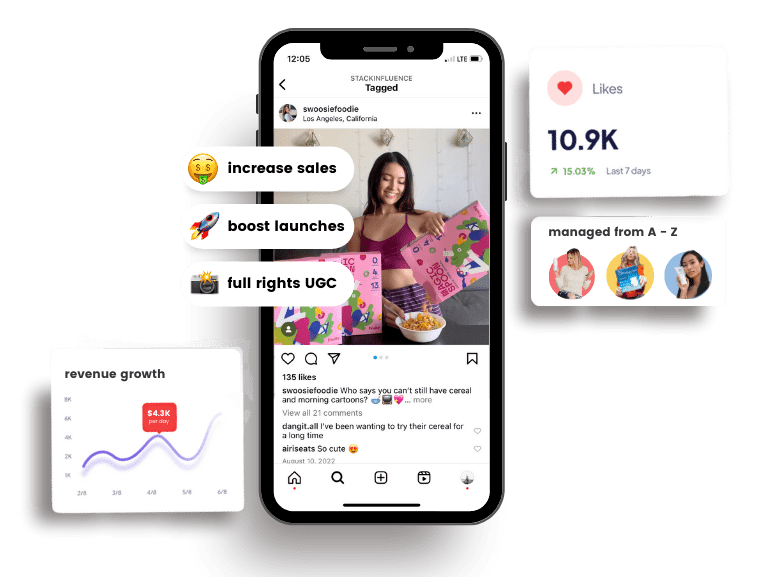
Micro-influencers and content creators can generate authentic user-generated content (UGC) that builds trust and drives conversions for e-commerce brands.
For e-commerce brands and Amazon sellers, micro-influencers (typically defined as having ~5,000 to 100,000 followers) often hit the perfect balance of audience relevance and content authenticity. These are creators who may not be celebrities, but they have dedicated, niche followings and a relatable style of content. Here’s why micro-influencers can solve the audience vs. content dilemma:
-
- Niche Audience Alignment: Micro-influencers usually focus on a specific niche – and all their followers are there for that topic. Whether it’s a mommy blogger, a craft beer aficionado, or a tech gadget reviewer, a micro-influencer’s smaller audience tends to be highly targeted. This means nearly everyone who sees their posts has some interest in that domain. For a brand, that’s incredibly valuable. You’re wasting less impressions on people who don’t care. Micro-creators also often have regional or local followings which can help target a geographic market. This niche focus leads to strong engagement and trust – followers see the micro-influencer as a genuine expert or passionate enthusiast, not a distant celeb. Collaborating with a network of 10 micro-influencers, each in a relevant micro-niche, can often outperform one macro-influencer in reaching all the diverse segments of your customer base. As one study noted, micro-influencers’ content often leads to better engagement per dollar spent and they’re perceived as more authentic by both brands and consumers.
- Authentic Content Creation: Micro-influencers built their followings on content, not fame. They typically produce their own posts without a professional team, which results in a more authentic, down-to-earth style – exactly what audiences trust. Many micro-influencers are effectively skilled content creators (some even double as photographers, videographers, or writers in their niche). For the brand, this means when you partner with a micro-influencer, you’re likely to get high-quality UGC that feels genuine. It’s content that doesn’t scream “ad” – which makes it more persuasive. A fitness micro-influencer, for example, might create an Instagram Story showing how they mix your protein powder into a morning smoothie, with a chatty voiceover. That kind of content comes off as a friendly recommendation rather than a commercial. Brands can then repost these stories, or save them as highlights, etc., multiplying the impact. Micro-influencers essentially provide a stream of ready-made marketing content that you can use well beyond the initial post. And because they’re smaller, they’re usually open to letting brands repurpose their photos/videos (often for free or a nominal fee) – something a large influencer might charge extra for.
- Higher Engagement & Conversion Rates: As mentioned, micro-influencers often see higher engagement rates than their macro counterparts. More of their followers like, comment, and click. This isn’t just a vanity metric – it translates to real action. If 5% of a micro-influencer’s 20,000 followers engage with a post, that’s 1,000 people actively interested, which could result in hundreds of visits to your product page. Macro-influencers might get only 0.5% engagement on 500,000 followers – that’s 2,500 engagements, but potentially less qualified interest and often at a far higher cost. In many cases, micro-influencers punch above their weight in driving conversions. There are examples of micro/nano-influencer campaigns yielding significantly higher ROI per dollar than celebrity campaigns. While a mega-influencer might give you a blast of reach, micro-influencers give you efficiency – you pay less and often get more real customer actions out of it. For Amazon sellers mindful of ad spend, this efficiency is compelling. Why pay $10,000 for one influencer post that generates minimal sales, when that budget could fund 20 micro-influencers who create 20 pieces of content and drive a flurry of niche traffic?
- Cost-Effective and Scalable: Micro-influencers are generally far more affordable to work with. Many will collaborate in exchange for free product or a modest fee (hundreds, not thousands, of dollars). This means a small e-commerce business can afford multiple micro-influencer partnerships for the price of one big influencer. Scaling out with numerous micro-influencers allows you to test a variety of content styles and audiences. It’s a bit more work to manage, but that’s where agencies and platforms can help. (For example, Stack Influence is a platform that automates product seeding campaigns with a network of vetted micro-influencers, making it easier for brands to run dozens of collaborations at once.) The beauty of this approach is you get both breadth and depth: a wider overall reach by combining many niche audiences, and depth of content with lots of unique posts to repurpose. Indeed, 73% of brands report working with at least ten influencers per campaign these days – a sign that working with multiple micros at scale has become common practice for better ROI.
- Better Fit and Long-Term Relationships: Because micro-influencers are everyday people passionate about their niche, they’re often genuinely excited about the products they promote (when it’s a good fit). This can lead to more authentic endorsements and even ongoing ambassadorships. Brands often find micro-influencers who become repeat partners, continually creating content and hyping new product launches. This long-term relationship wasn’t as feasible with giant influencers who might do a one-off post and move on. With micros, you can build a community of brand advocates. For example, an Amazon seller in the home décor category might maintain an “insider team” of home décor micro-influencers who receive each new product, create content and reviews for it, and share feedback. Over time, these influencers know the brand well and integrate it naturally into their content. The consistency helps audiences see the brand as trusted, not just a fleeting sponsorship.
- Niche Audience Alignment: Micro-influencers usually focus on a specific niche – and all their followers are there for that topic. Whether it’s a mommy blogger, a craft beer aficionado, or a tech gadget reviewer, a micro-influencer’s smaller audience tends to be highly targeted. This means nearly everyone who sees their posts has some interest in that domain. For a brand, that’s incredibly valuable. You’re wasting less impressions on people who don’t care. Micro-creators also often have regional or local followings which can help target a geographic market. This niche focus leads to strong engagement and trust – followers see the micro-influencer as a genuine expert or passionate enthusiast, not a distant celeb. Collaborating with a network of 10 micro-influencers, each in a relevant micro-niche, can often outperform one macro-influencer in reaching all the diverse segments of your customer base. As one study noted, micro-influencers’ content often leads to better engagement per dollar spent and they’re perceived as more authentic by both brands and consumers.
In essence, micro-influencers often offer the best compromise between audience and content. They have audiences that are just right (not too broad, not too off-base) and content that is real (not overly produced or soulless). This is why many e-commerce marketers consider micro-influencers their go-to tier for campaigns. In a way, micros blur the line between “influencer” and “content creator” – they influence through their content’s authenticity. And importantly, micro-influencers are especially effective for Amazon sellers and niche e-commerce brands, who need both affordable marketing and convincing social proof. As an Amazon seller, for instance, getting a handful of micro-influencers to post video reviews on TikTok not only drives some traffic, but you can also edit those clips into a product montage video for your Amazon listing. That’s a double win on audience and content.
Of course, working with many micros requires coordination, and you still have to vet each one for audience fit and content quality. But with the right tools or partners, it’s very doable – and the payoff is big.
Now, the key question: How do you decide when to prioritize audience vs content, or how to balance both, for your specific needs? The answer comes down to your campaign goals and a few strategic steps. Let’s outline a plan to navigate this dilemma.
How to Balance Audience and Content in Influencer Selection
Choosing the right influencer doesn’t have to be a shot in the dark. By following a structured approach, you can ensure you’re weighing both audience factors and content factors to find the optimal partners. Here’s a step-by-step strategy for e-commerce brands and Amazon sellers to balance audience vs. content considerations:
-
- Define Your Campaign Goal: Start by getting crystal clear on what you want from the influencer campaign. Is your primary goal to increase brand awareness and get in front of as many relevant people as possible? Or is it to generate engaging content (UGC) that you can use in ads, emails, and product pages? Maybe it’s a mix, but usually one goal is top priority. If it’s awareness or direct sales, you might lean a bit more toward audience reach. If it’s content assets or building trust, lean toward content quality. For example, launching a new product on Amazon might require content (reviews, UGC, etc.) to build credibility on the listing, whereas a limited-time flash sale might need maximum eyeballs quickly.
- Know Your Target Audience: This sounds basic, but it’s essential before evaluating an influencer’s audience. Profile your ideal customer – what are their demographics, interests, platforms they use, etc. Then seek influencers whose follower insights mirror those traits. You can ask influencers for their audience demographics (many will share a media kit or screenshot of analytics). Pay attention to location (especially for Amazon sellers who can only ship to certain countries), age range, and interests. Also, gauge the engagement quality: are people leaving meaningful comments (indicating real interest) or just passive likes? An influencer with 50k followers where 45k are random overseas accounts and bots is effectively not an influencer for your purposes. Tools and platforms (like influencer marketplaces or analytics software) can quickly analyze audience authenticity and relevance. In short, do your due diligence on audience quality – this safeguards the “audience” side of the equation so you’re only considering influencers who pass the relevance test.
- Review Content History and Style: Now, evaluate the “content” side by looking at the influencer’s past posts in detail. Is their content high-quality and aligned with your brand? Check for things like:
- Visual quality: Are their photos/videos clear, well-composed, and attractive? If you need pretty product shots, ensure they have the skills. If you prefer raw unboxings, see if they’ve done those.
- Voice and authenticity: How do they caption their posts? Is the tone friendly and genuine? Do they disclose sponsored content in a way that still feels authentic? Look for creators who tell personal stories or give honest opinions – a good sign they’ll create authentic content for you.
- Past sponsorships: Have they worked with brands before? If so, did those posts still get good engagement and not seem too “salesy”? If you spot an influencer whose sponsored posts get half the engagement of their organic posts, that could be a red flag (their audience might not trust their sponsored content).
- Content format strengths: Match the influencer to the type of content you need. Some are amazing at short-form video (great for TikTok/Reels UGC), others take gorgeous photos (great for Instagram and product pages). If you’re an Amazon seller needing video reviews, a YouTuber or TikTok creator might be better than a static Instagrammer, for instance.
- Consistency and professionalism: Do they post regularly and deliver on promises? Scroll through comments – do they engage back with their community? A reliable, professional micro-influencer will make your life easier when coordinating campaigns.
- Visual quality: Are their photos/videos clear, well-composed, and attractive? If you need pretty product shots, ensure they have the skills. If you prefer raw unboxings, see if they’ve done those.
- By auditing their content, you’ll quickly separate the true creators from the mediocre. This step ensures you only consider influencers who meet your content quality bar.
- Segment Your Influencer Strategy: You don’t have to choose only one type of influencer. Many successful campaigns use a tiered approach. For example:
- Work with one or two mid-tier influencers (say 100K followers each) for broad reach (audience focus).
- Simultaneously, engage 5–10 micro/Nano influencers (1K–20K followers) who will create tons of authentic content and reviews (content focus).
- This way, the larger influencers create buzz and awareness while the smaller ones generate diverse UGC and niche engagements. You get a cascade effect – big names draw attention, smaller ones deepen trust.
- Work with one or two mid-tier influencers (say 100K followers each) for broad reach (audience focus).
- Even if budget is tight, you can emulate this by combining maybe one larger micro-influencer (e.g. 50K foodie blogger) with several nano influencers (each with a few thousand followers who’ll just take free product for content). A blend can hedge your bets and deliver a well-rounded outcome. In fact, about 76% of brands work with multiple tiers of influencers to maximize campaign performance. Don’t be afraid to mix and match.
- Leverage Platforms or Agencies (to save time): If the process of finding influencers who tick both boxes feels daunting, consider using an influencer marketing platform or agency that specializes in your niche. For example, there are platforms (like the Stack Influence platform we mentioned, or others like AspireIQ, Grin, etc.) with large databases of micro-influencers. You can filter by audience criteria (e.g. “female fitness influencers in the US with 5k–50k followers”) and see examples of their content to gauge quality. These tools can fast-track your search and even manage outreach and product shipping. Some agencies also run product seeding campaigns where they get your product into the hands of hundreds of content creators who make posts (focusing on content generation at scale). While there’s a cost to using such services, they can massively reduce the manual workload and ensure you’re finding vetted influencers. For an Amazon seller who doesn’t have a marketing team, this can be a lifesaver – you get a steady pipeline of content and exposure without having to individually coordinate with dozens of people.
- Measure What Matters: Once your campaign is running, track metrics that align with both audience and content goals. For audience reach, monitor impressions, clicks, referral traffic, or Amazon Associate link sales if you gave the influencer one. For content performance, watch engagement (likes/comments/shares on their post) as a proxy for how much the content resonated, and also test the content on your own channels. For example, if an influencer delivers a great product photo, share it on your Instagram or run it as an ad – does it get a good response compared to your usual content? That’s a sign the content quality is paying off. Calculate ROI in a holistic way: a piece of content that you can reuse in three different campaigns has an “ROI” beyond just the immediate post metrics. Likewise, an influencer whose audience drove 100 sales from a swipe-up link clearly nailed the audience alignment. By measuring both, you’ll learn which influencers were worth it and why. This will inform future decisions (maybe you realize content from micro-influencers gave more value than the reach from the macro influencer, or vice versa). Use these insights to refine your strategy over time.
- Define Your Campaign Goal: Start by getting crystal clear on what you want from the influencer campaign. Is your primary goal to increase brand awareness and get in front of as many relevant people as possible? Or is it to generate engaging content (UGC) that you can use in ads, emails, and product pages? Maybe it’s a mix, but usually one goal is top priority. If it’s awareness or direct sales, you might lean a bit more toward audience reach. If it’s content assets or building trust, lean toward content quality. For example, launching a new product on Amazon might require content (reviews, UGC, etc.) to build credibility on the listing, whereas a limited-time flash sale might need maximum eyeballs quickly.
By following these steps, you essentially create a balanced scorecard for influencer selection. You won’t fall into the trap of only chasing big follower counts, nor the trap of ignoring audience fit because you fell in love with someone’s content who doesn’t actually influence your potential buyers. The key is alignment – ideally you want relevant reach and resonant content. When in doubt, revert to your goals: if forced to choose, prioritize the factor (audience or content) that directly serves your main objective, but try to include a mix to cover all bases.
Unlock the Power of Micro Influencers and Elevate your Brand Today!
Conclusion to Audience vs. Content
In the “Audience vs. Content” debate, the real answer for brands in 2025 is not to choose one over the other, but to smartly balance both. A successful influencer campaign is like a coin with two sides: on one side, the audience gives you reach and exposure to the right buyers; on the other, the content builds trust and motivates those buyers to act. If you neglect either side, your results will suffer – a perfectly targeted audience won’t convert if the content is uninspiring, and even the best content won’t drive sales if it’s not reaching the right people.
The good news is that by understanding this dilemma, you’re already ahead of many competitors still chasing the wrong metrics. Instead of asking “audience or content?”, you can reframe the question to: “What mix of audience reach and content quality will best achieve my goal?”. Sometimes the mix might be an influencer who brings a bit of both. Other times it might be separate strategies working in tandem. There’s no one-size-fits-all, and that’s okay – you can tailor the approach to each campaign.
In summary, the audience vs. content dilemma doesn’t have to be a tug-of-war. With a strategic approach, you can have the best of both worlds. Focus on the influencers who bring true influence – not just in numbers, but in the quality of conversations they spark. Those are the collaborations that feel like a natural fit and yield win-win outcomes for everyone: the influencer, the audience, and your brand.
Ready to put this into action? Start by reviewing your next campaign’s goal and apply the steps above. Whether you engage one perfect influencer or a crew of ten, you’ll do so with a clear vision of why they’re the right choice. By solving the audience vs. content dilemma, you’ll unlock influencer partnerships that drive real value – more authentic engagement, more trust in your brand, and ultimately more sales. In today’s social media landscape, that balance is the competitive edge that will set your e-commerce marketing apart. Embrace the balance, and watch your influencer campaigns thrive.

By William Gasner
CMO at Stack Influence
William Gasner is the CMO of Stack Influence, he's a 6X founder, a 7-Figure eCommerce seller, and has been featured in leading publications like Forbes, Business Insider, and Wired for his thoughts on the influencer marketing and eCommerce industries.
Want new articles before they get published? Subscribe to our Awesome Newsletter.
stack up your influence
turning creativity into currency
our headquarters
111 NE 1st St, Miami, FL 33132
our contact info
[email protected]
stack up your influence
turning creativity into currency
our headquarters
111 NE 1st St, 8th Floor
Miami, FL 33132
our contact info



© 2026 Stack Influence Inc
© 2025 Stack Influence Inc